In the competitive world of hot stamping and packaging decoration, the difference between profit and loss often comes down to microns. For years, many converters have quietly accepted a dirty secret: a 15–20% defect rate in their hot stamping foil slitting process. Burrs, scratches, and tension-induced stretch marks were simply considered the cost of doing business with thin, fragile materials.
But that assumption is outdated. With the right slitting technology, manufacturers are now consistently achieving defect rates below 2%. The transformation isn’t about working harder or slowing down production; it is about eliminating the root causes of zero-scratch failures through precision engineering.
The Hidden Cost of “Acceptable” Defects
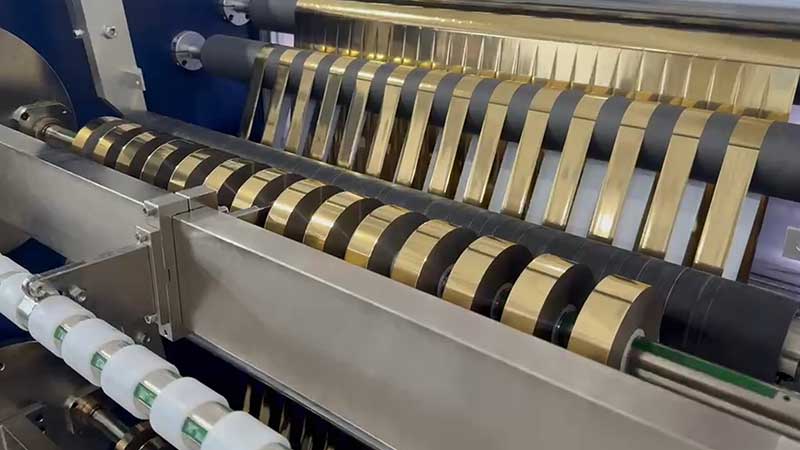
Hot stamping foil is a delicate composite, typically ranging from 12 to 30 microns in thickness . It consists of a PET base film, a release layer, a color layer, and an aluminum coating. Because it is so thin, it is hypersensitive to three enemies: inconsistent tension, dull cutting edges, and static electricity.
When a standard or poorly configured slitting machine runs at speeds of 200 to 400 meters per minute, these enemies multiply . A dull blade doesn’t cut; it tears, creating micro-cracks that later propagate into full breaks or visible burrs . Static electricity attracts metallic dust to the freshly cut edge, which gets wound into the roll and later appears as “sand eyes” or pinholes during the stamping process . Perhaps most critically, tension fluctuations cause the foil to stretch microscopically, leading to registration errors when the foil is finally applied to high-end packaging.
For a converter producing luxury cigarette packs, cosmetic cartons, or security labels, a 20% defect rate is not just a material waste issue—it is a direct threat to client relationships and brand integrity.
The Anatomy of a Zero-Scratch Slitting Machine
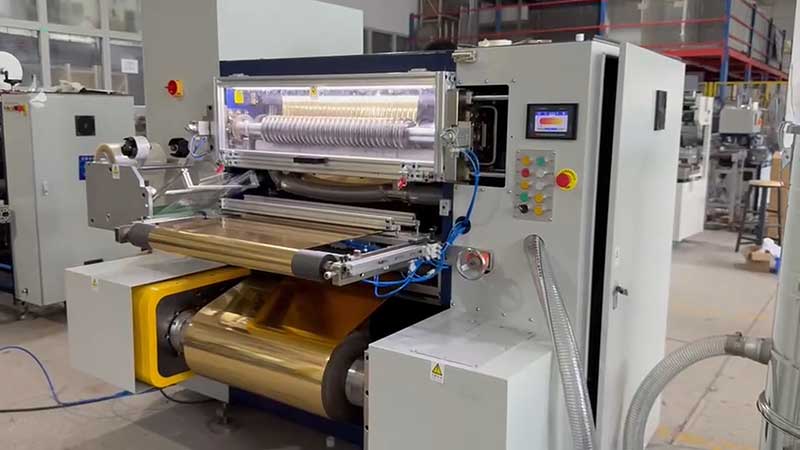
Achieving a sub-2% defect rate requires a fundamental redesign of the slitting process, focusing on three critical subsystems: tension, tooling, and web handling.
1. Closed-Loop Tension Control
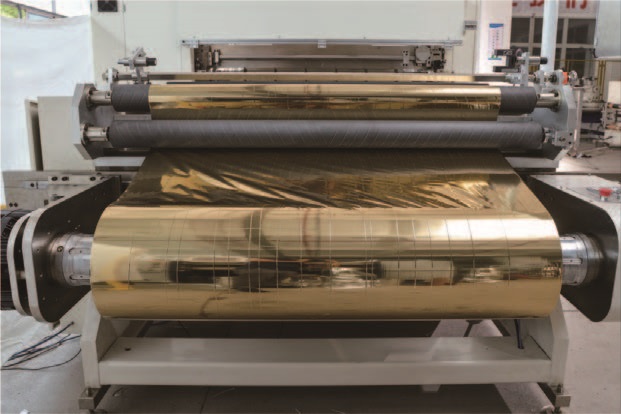
The most common cause of invisible scratches and deformation is improper tension. A machine designed for zero-scratch performance utilizes a full closed-loop servo tension system. Unlike open-loop systems that simply apply a brake, a closed-loop system uses load cells to measure actual web tension in real-time and adjusts the motor instantly.
Crucially, this system must employ taper tension technology. As the rewound roll grows in diameter, the tension must gradually decrease. If tension remains constant, the outer layers compress the inner layers, causing the foil to “block” or wrinkle. The best systems maintain tension fluctuation within ±3% of the set value, ensuring the foil is neither stretched nor crushed .
2. Precision Tooling and Blade Management
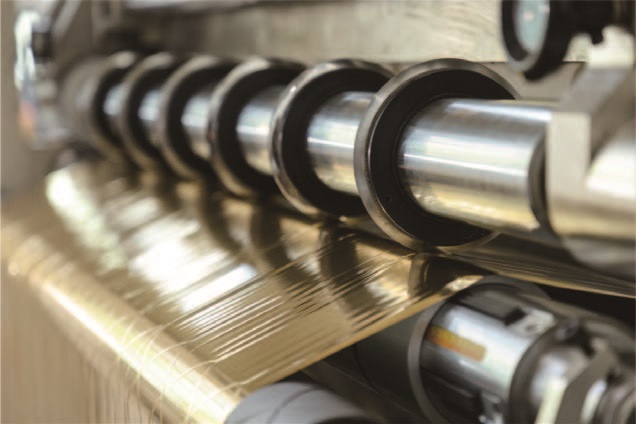
The cutting edge is where the scratch is born. High-end slitting machines for hot stamping foil move away from simple razor blades toward pneumatic or servo-driven circular shear cutting systems. These systems use carbide or diamond-coated tooling that stays sharp far longer and resists adhesive buildup from the foil’s sizing layer.
The geometry of the cut matters just as much as the blade material. For foil under 12 microns, the overlap between the upper and lower blades must be meticulously controlled—often in the range of 0.02 to 0.05mm with lateral clearance tuned to “just cut, not squeeze” . The right machine allows for micron-level adjustment of the knife holders, ensuring that the foil is sheared cleanly rather than crushed or torn.
3. Intelligent Web Handling and Static Elimination
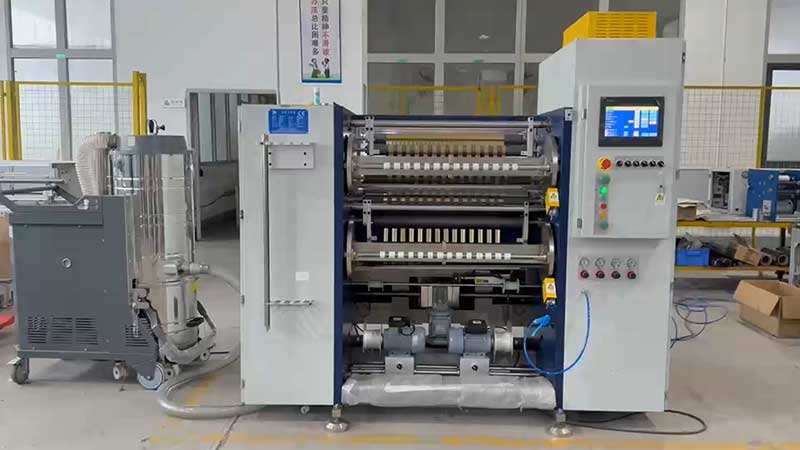
Scratches also occur when the foil drags across a dirty or misaligned guide roller. A zero-scratch machine features precision-balanced, dynamically balanced rollers with bearing quality that prevents any stick-slip motion. Furthermore, the machine must include active static elimination bars or ionizing air nozzles positioned immediately before and after the cutting zone .
Static is the silent saboteur of surface quality. It causes the foil to cling to rollers, creating tension spikes and physical drag marks that are invisible on the slitting line but glaringly obvious after stamping. By neutralizing the charge at the source, the foil glides smoothly without surface contact damage.
From 20% to 2%: The Operational Reality
The transition from a 20% defect rate to under 2% is rarely achieved by purchasing a generic slitting machine and hoping for the best. It requires a machine built specifically for the unique properties of hot stamping foil, not a converted film slitter.
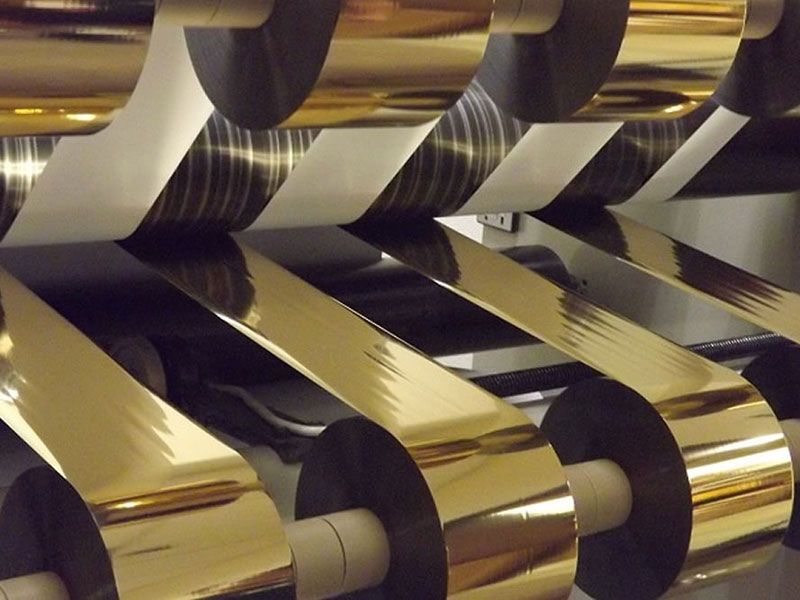
When a converter invests in a dedicated foil slitting solution with these zero-scratch features, the results are measurable across the entire production chain. Slitting accuracy improves to ±0.1mm or better, which eliminates the “white edges” and misregistration that plague high-speed stamping presses . The elimination of burrs means the foil releases cleanly from the carrier film during stamping, reducing downtime for cleaning dies and removing stuck debris.
Most importantly, the sub-2% defect rate turns a previously variable cost into a predictable one. For exporters and high-volume converters, this reliability is the difference between winning a contract with a major brand and losing it to a competitor who can guarantee flawless output.
The technology exists. The engineering is proven. The only question remaining is whether your slitting process is still accepting the 20% penalty.
 English
 Deutsch
 Français
 Español
 Português
 日本語
 русский
 한국어
 عربي
 ภาษาไทย
 Tiếng Việt
 Italiano

 Cold Foil Slitter
 Card Print Ribbon Rewinder
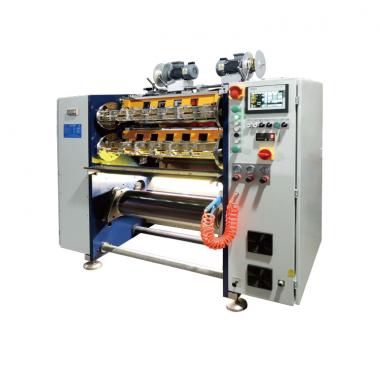 Card Print Ribbon Slitter
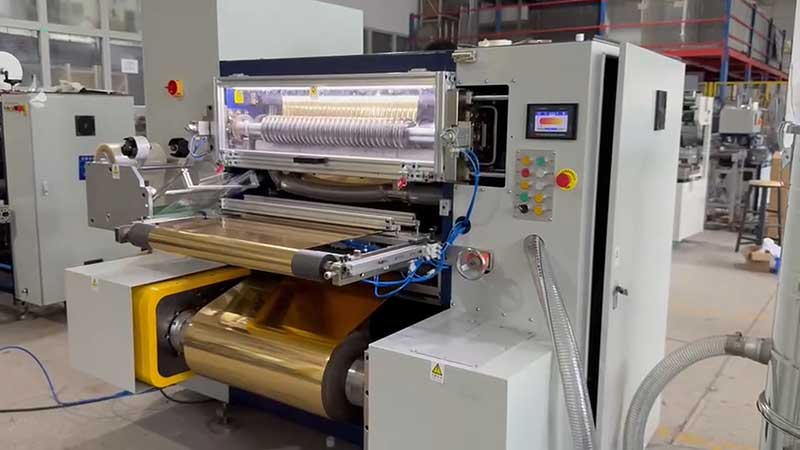
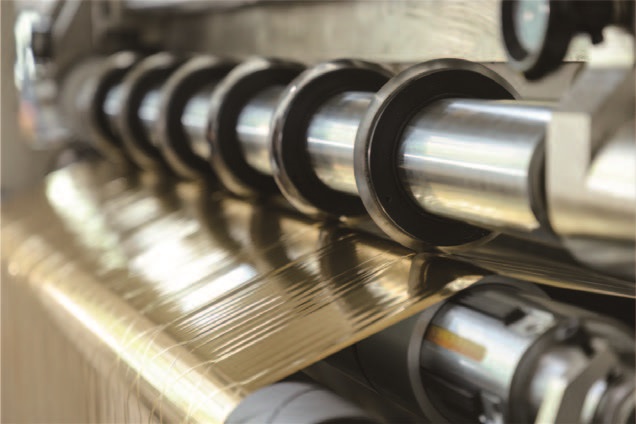 Hot Stamping Foil Slitting Machine
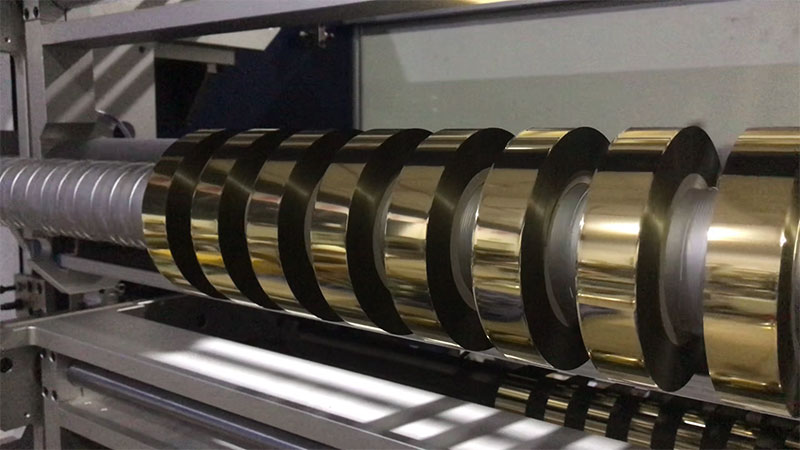 Holographic Foil Slitter
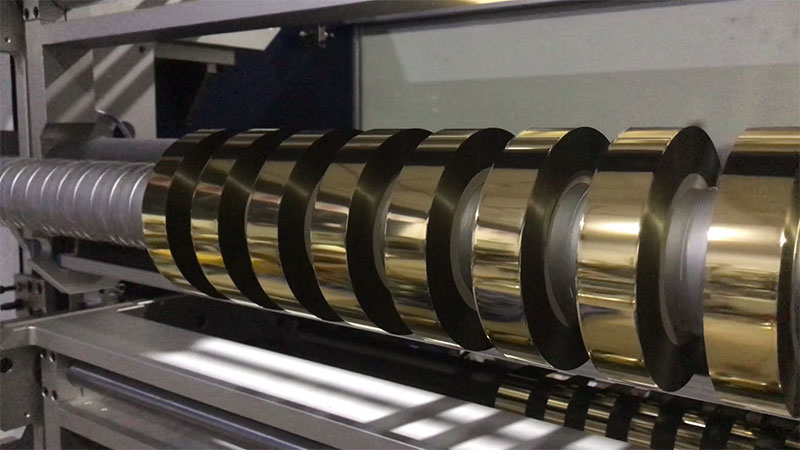 Digital Enhancement Foil Slitter
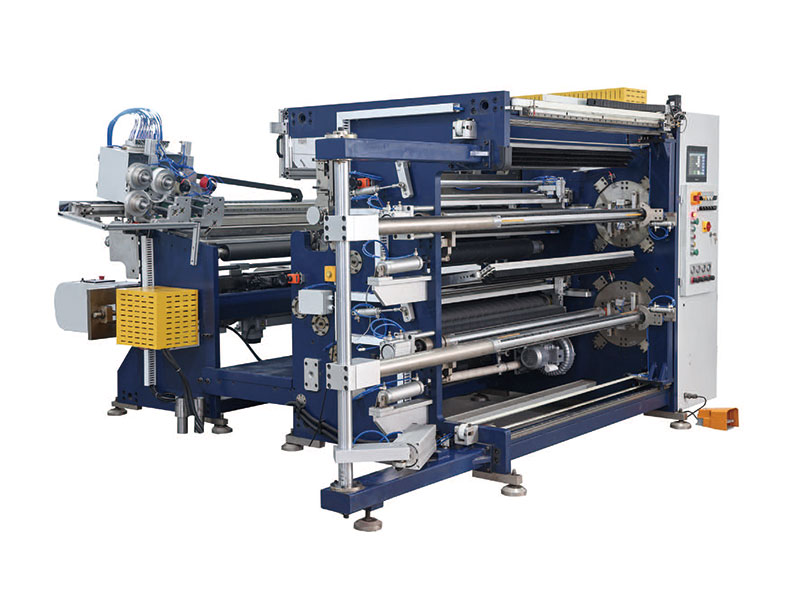 Hot Stamping Foil Slitter RSDS7H 1350 PLUS
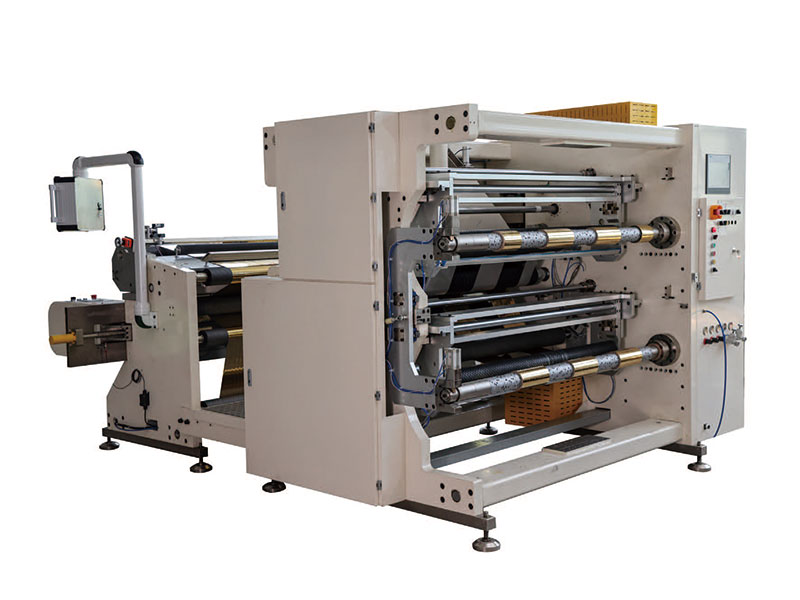 Hot Stamping Foil Slitter (RSDS7H) 1350