The packaging and label industry has crossed a threshold. In 2026, the economics of short-run production no longer tolerate equipment that was designed for an era of mass manufacturing. Brand owners now demand limited editions, regional variations, and rapid iteration—often in quantities that would have been unthinkable just five years ago. For converters and hot stamping foil suppliers, this shift has exposed a critical bottleneck that sits upstream of the press: foil slitting.
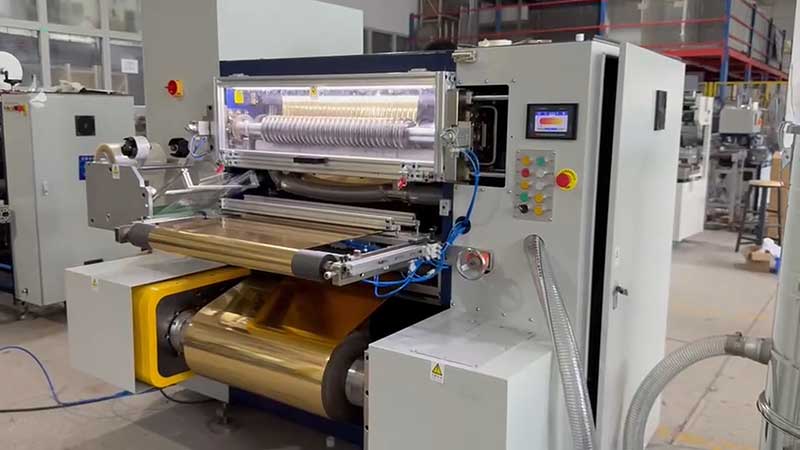
The Small-Batch Trap
Traditional hot stamping foil slitting machines were engineered for a simple proposition: run one specification, run it fast, and run it for hours. When order volumes were measured in tens of thousands of meters, a thirty-minute setup between jobs was a minor inefficiency. But as order sizes have collapsed and specification variety has exploded, that same setup time has become a profit killer. Industry data shows that hot stamping foil order specifications have surged from a handful of standard widths to dozens of variants, while single batch sizes have plummeted from tens of thousands of meters to hundreds or even dozens of meters . In this environment, a machine that requires manual blade repositioning and tension re-calibration for every changeover spends more time down than running.
The downstream consequences are equally severe. When foil is slit poorly—whether due to inconsistent tension, burred edges, or width deviations—the defect does not disappear. It propagates to the hot stamping press, where it manifests as misregistration, incomplete transfer, or costly web breaks. With hot stamping foil being a high-unit-price material, every meter wasted at the slitting stage represents direct margin erosion .
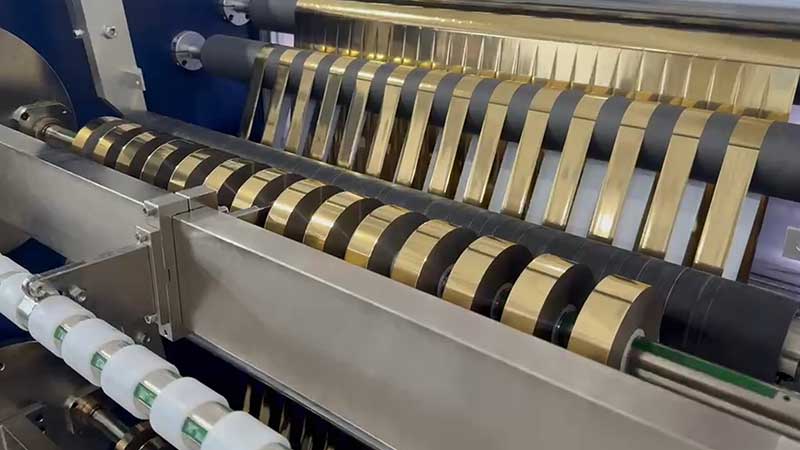
What Auto-Setup Actually Delivers
The term “auto-setup” is sometimes used loosely in equipment marketing. In practical terms, it refers to a cluster of technologies that together eliminate the manual intervention that traditionally separated one production run from the next.
At the core is a servo-driven tool positioning system. Rather than requiring an operator to physically loosen, slide, and retighten each blade holder, the machine receives a width specification through its control interface and moves the cutting heads to the correct positions automatically. The best systems achieve this with positioning accuracy measured in hundredths of a millimeter, ensuring that the first meter of every run meets specification .
Equally important is the parameter recall capability. A modern auto-setup slitting machine stores the tension profiles, speed curves, and winding hardness settings for each material and width combination. When the next order calls for a different foil type—say, a thin 12-micron laser foil after a run of standard 25-micron PET—the operator selects the recipe and the machine configures itself. The result is that changeover time drops from thirty minutes or more to under three minutes in well-implemented systems . For a converter running a dozen small jobs per shift, that reclaimed time translates directly into capacity.
Tension Control: The Silent Differentiator
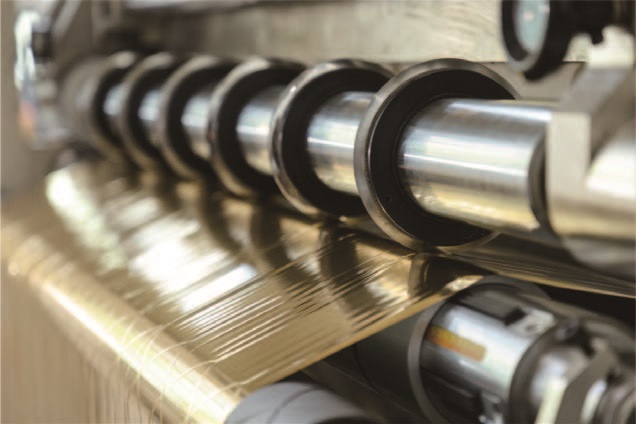
While auto-positioning gets the attention, tension control is where auto-setup machines earn their keep in real production. Hot stamping foil is a delicate laminate: a PET carrier, a release layer, a tinted or metallized layer, and an adhesive. Each layer responds differently to tension. Too much, and the foil stretches, the coating cracks, or the web breaks. Too little, and the finished roll is loose, misaligned, or wrinkled—problems that only reveal themselves when the foil reaches the stamping press.
Auto-setup machines address this with closed-loop servo tension systems that monitor and adjust unwinding and rewinding tension in real time. The better units maintain tension fluctuation within ±1% across the entire run, from the first meter to the last . This matters most for narrow-width slitting, where a small tension deviation that would be tolerable across a wide web becomes a catastrophic edge-quality problem when the finished roll is only a few millimeters wide.
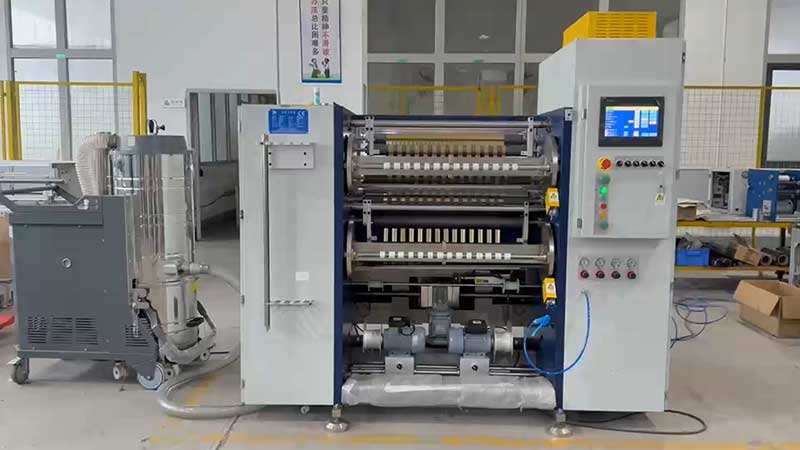
The Economic Argument in Plain Terms
The case for auto-setup slitting is not about technology for its own sake. It is about matching the cost structure of production to the revenue structure of the market. If a converter’s order book is increasingly populated by jobs of 500 to 5,000 meters—and in 2026, it almost certainly is—then every minute of setup time and every meter of startup waste is a direct deduction from a margin that is already under pressure.
Consider the arithmetic. A slitting machine that requires thirty minutes of setup between jobs and generates five meters of waste per changeover, running ten jobs per day, loses five hours of productive time and fifty meters of foil daily. Over a year, that is more than 1,200 hours of lost capacity and enough foil waste to fund a significant portion of a new machine. An auto-setup system with three-minute changeovers and minimal startup waste does not just improve efficiency on paper; it changes which orders are profitable to accept.
What to Look For
For converters evaluating an investment in auto-setup slitting capability, the specification sheet should be read with a skeptical eye. The critical questions are not about maximum speed or headline precision claims. They are about the practical mechanics of changeover: How are the blades positioned, and how long does it actually take? Does the machine store recipes for different materials, or must tension be re-tuned manually? What is the real tension fluctuation across the full roll, not just at steady state?
Bring the hardest material to the demonstration—the thinnest laser foil, the most delicate holographic film—and ask to see the changeover performed. The difference between a machine that is genuinely auto-setup and one that merely has powered adjustments becomes obvious within the first five minutes . In a market where small batches are the reality and flexibility is the price of admission, that difference is the difference between a tool that keeps pace and one that holds the business back.
 English
 Deutsch
 Français
 Español
 Português
 日本語
 русский
 한국어
 عربي
 ภาษาไทย
 Tiếng Việt
 Italiano

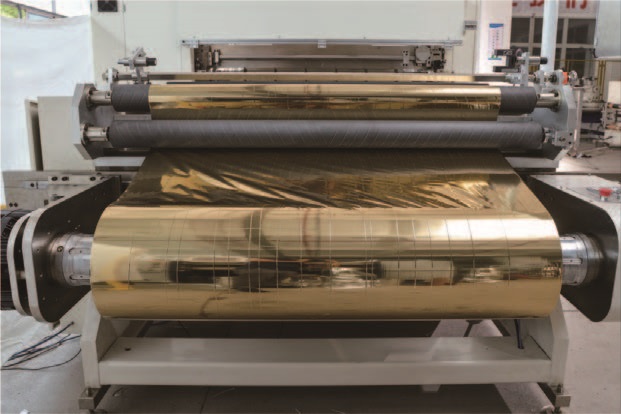
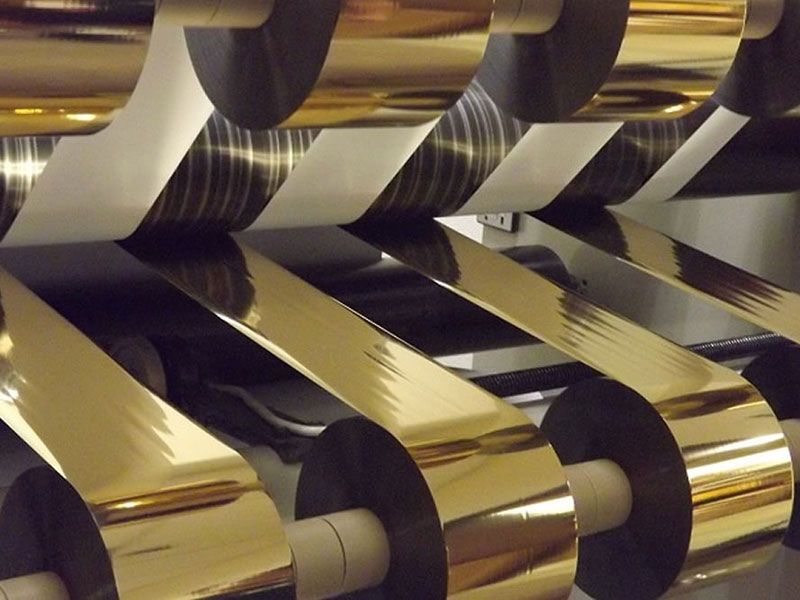 Cold Foil Slitter
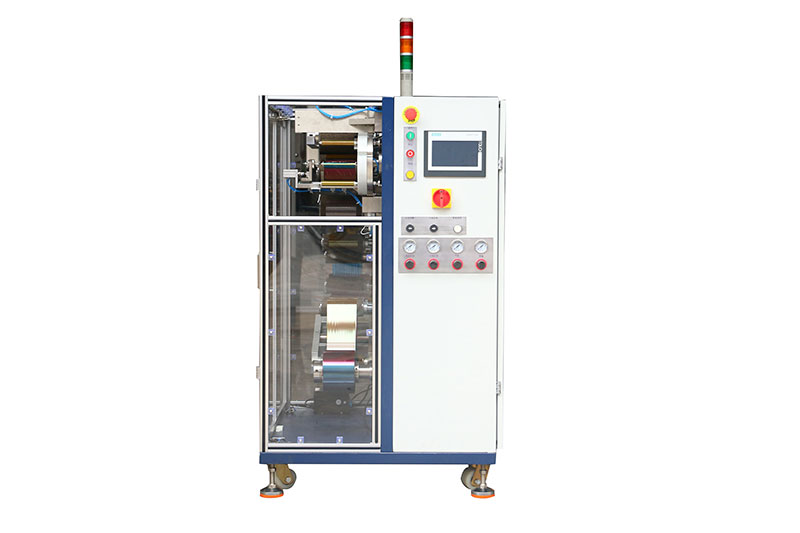 Card Print Ribbon Rewinder
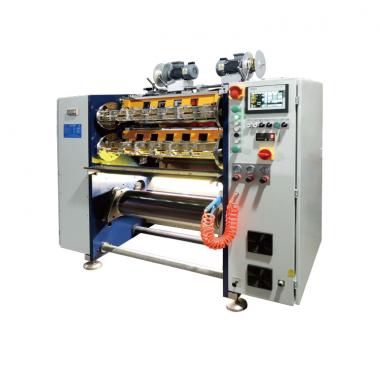 Card Print Ribbon Slitter
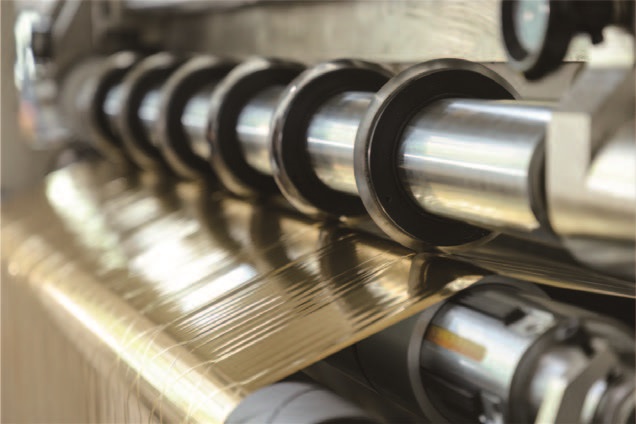 Hot Stamping Foil Slitting Machine
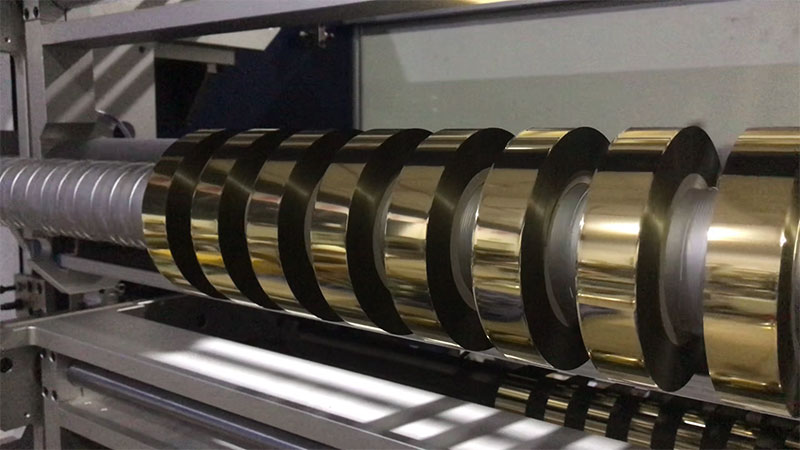 Holographic Foil Slitter
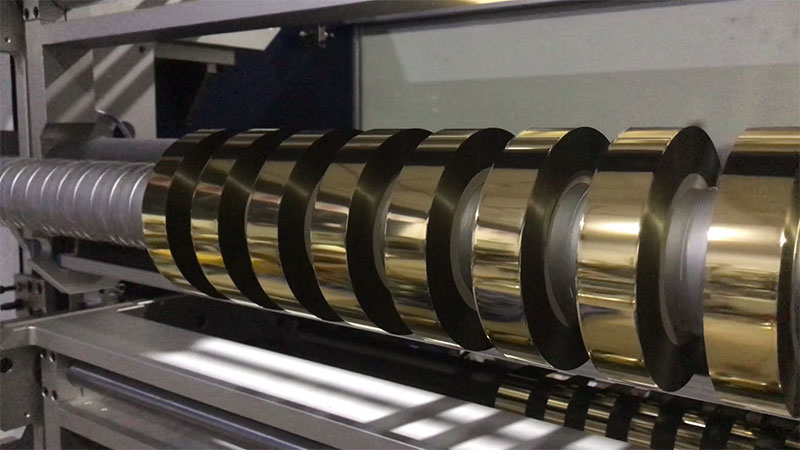 Digital Enhancement Foil Slitter
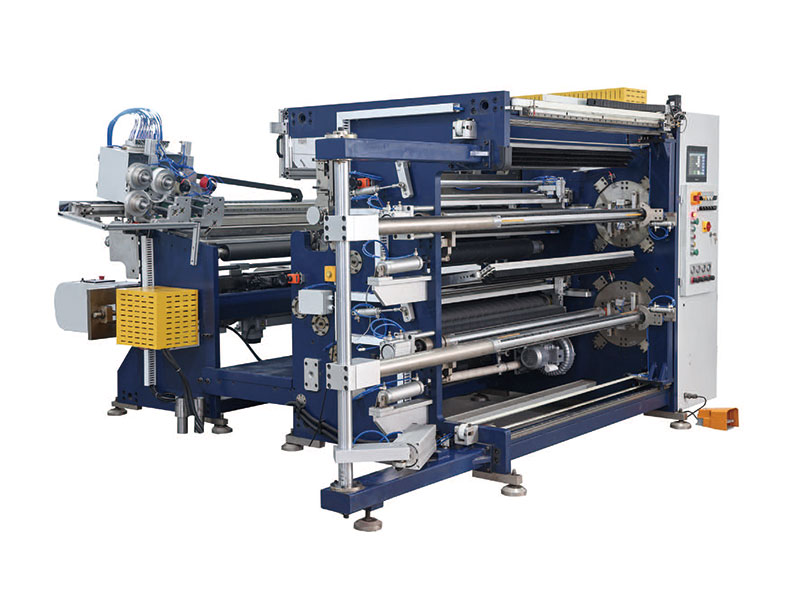 Hot Stamping Foil Slitter RSDS7H 1350 PLUS
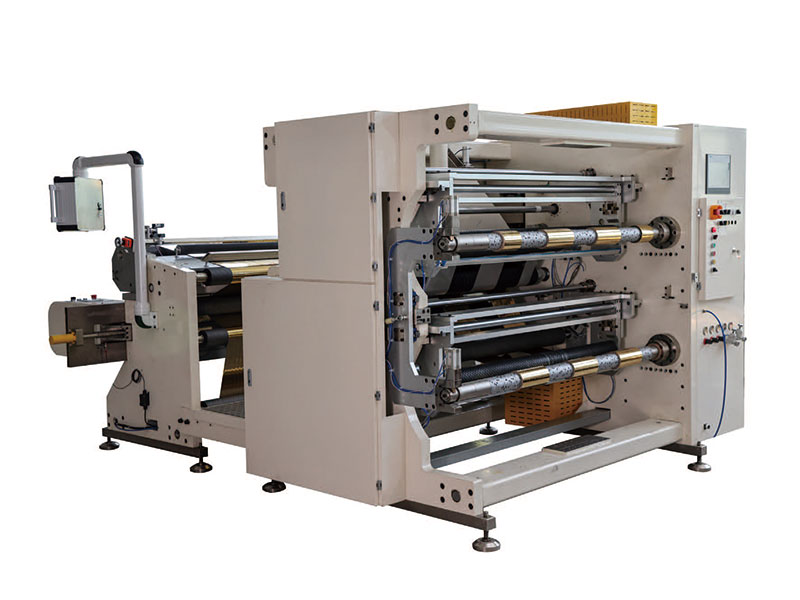 Hot Stamping Foil Slitter (RSDS7H) 1350