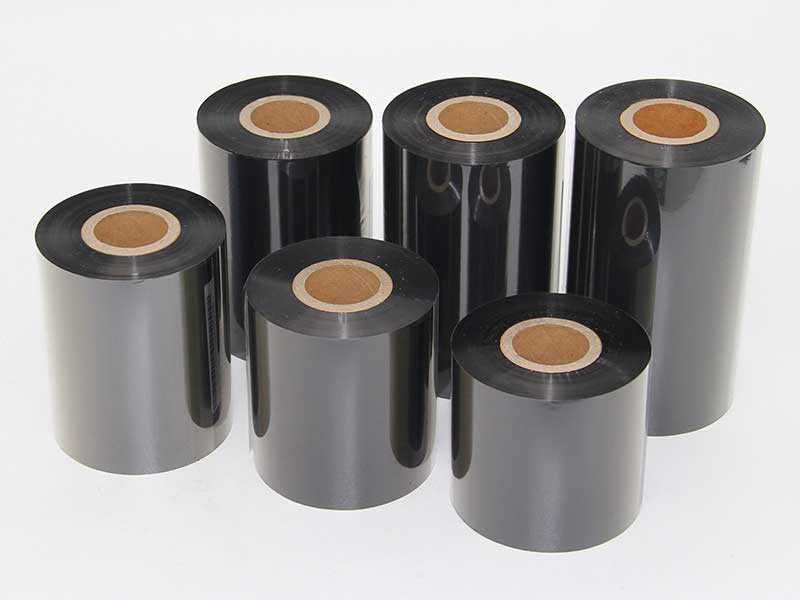
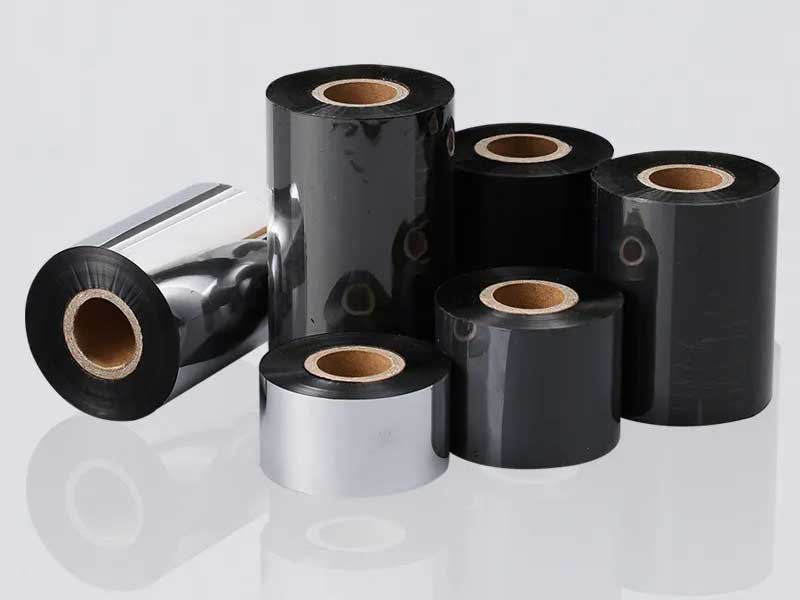
Slitting is a crucial process in the production of thermal transfer ribbons. It directly determines the end face flatness, elasticity consistency, and belt travel stability of the finished ribbon product. However, "uneven winding" is a stubborn disease that has plagued the slitting link for a long time - uneven end faces, uneven tightness of winding, wrinkled or deviated film layer, which not only affects the aesthetics, but also leads to wrinkled and broken ribbons during printing, resulting in a large number of waste products.
To completely say goodbye to "uneven winding", the core lies in building a precise wiring control system. This is not achieved with a single component, but requires systematic solutions from mechanics and control algorithms to process parameters.
1. The root cause of the problem: why is the closing of the paper uneven?
Before discussing the plan, we must first clarify the root cause of the messy volume:
1. Insufficient accuracy of the wiring mechanism: the lead screw clearance is too large and the parallelism of the linear guide rail is poor, resulting in the guide nozzle jitter or lag when doing reciprocating motion.
2. Unstable tension control: The tension fluctuation between winding, unwinding and driving rollers causes the tape to expand and deform during the winding process, and the end face naturally cannot be aligned.
3. Edge detection failure: Traditional photoelectric guidance correction (EPC) response is slow, large dead zone, or inaccurate detection of transparent/translucent ribbon substrates, resulting in the inability to correct deviations in time.
4. Simple wiring algorithm: the fixed mode of "every step of the stepper motor, the number of teeth moved by the row line" mode cannot compensate for the linear speed change caused by the accumulation of tape thickness, resulting in the accumulation of offset of the landing point per turn.
2. Core precision wiring scheme
To complete high-quality slitting of high-end ribbons such as hybrid, resin, and high-speed printed ribbons, the following integration schemes are recommended:
1. Servo drive + ball screw precision wiring mechanism
• Alternative to pneumatic or normal stepper motors: Uses servo motors to drive ball screws with pre-pressed double nuts to eliminate reverse backlash. With high-rigidity linear guides, the positioning accuracy of the cable guide nozzle is ±0.02mm.
• Closed-loop feedback: Rotary encoders or magnetic scales are installed at the end of the row shaft to provide real-time feedback of position signals to form a full closed-loop control.
2. Floating swing roller closed-loop tension control system
• Active unwinding/unwinding: The unwinding shaft is controlled by a servo motor and outputs constant counter-tension in "torque mode".
• Tension isolation: A floating pendulum roller mechanism is set up in front and behind the slitting tool holder, and the potentiometer or angle sensor installed on the pendulum roller is used to monitor the tension of the film belt in real time, and the PID adjustment is carried out by the servo drive to control the tension fluctuation within ±2%. Stable tension is the prerequisite for neat lines.
3. Intelligent cable arrangement algorithm - variable pitch adaptive control
This is the soul of solving the "uneven closing".
• Real-time thickness calculation: The system automatically calculates the ideal wire lead required for each layer and turn (i.e., the distance the guide nozzle moves per turn of the spool) based on the ribbon base film thickness, slitting width and current roll diameter.
• Variable lead compensation: Unlike fixed step sizes, intelligent algorithms monitor the rotational speed and linear speed changes of the winding shaft in real time. When it detects that the actual stacking thickness of the tape deviates from the theoretical value due to tension or compression, the algorithm fine-tunes the lead of the next turn to ensure that each turn is close to the previous circle without gaps or superposition gaps.
• Forced Edge Alignment: With each layer of winding, the system makes a micro-correction based on the edge detection results to eliminate cumulative errors.
4. Multi-mode Composite Guiding (EPC)
• Ultrasonic/IR Combination Sensor: Switchable sensor for plain PET substrates and clear, high-gloss black ribbons. Ultrasonic is not affected by color and transparency, while infrared is suitable for high-contrast edge detection.
• "Pilot + Servo" correction: the response speed of the correction frame is up to 100ms, and the correction action is decoupled from the line movement without interfering with each other. The first rough correction is carried out immediately at the exit of the slitting knife, and the second fine correction is carried out before winding.
3. Implementation effect and application level of the plan
According to different precision requirements, the wiring scheme can be divided into three levels:
| grade | Configuration points | Areas of application | The flatness of the end face is reachable |
| Standard grade | Frequency conversion cable motor + mechanical clutch + photoelectric correction | Plain wax-based ribbons, low-end barcode ribbons | ±0.5mm |
| Premium grade | stepper motor wiring + active unwinding + floating roller tension + intelligent variable lead | Hybrid-based, resin-based ribbons, industrial printing | ±0.2mm |
| Precision grade | Servo wiring + full closed-loop tension + ultrasonic correction + adaptive wiring algorithm | High-end resin-based, colored ribbon, edge-pressed printed ribbon | ±0.1mm |
For high-end slitting machines that pursue "say goodbye to uneven winding", it is highly recommended to adopt a precision-grade solution.
4. Auxiliary points of process operation
Even with a good plant concept, operation and maintenance are equally critical:
• Tool Condition: The slitting circular knife or razor must be sharp and free of chips. Blunt knives can produce tiny burrs that increase the friction of the tape in the guide nozzle, resulting in uneven force on the wire.
• Guide wheel cleaning: All film guide wheels (especially cable guides) should be cleaned regularly with antistatic materials. The powder of the ribbon coating will accumulate on the guide wheel, change the friction coefficient, and induce deviation.
• Winding tube core: Ensure that the two ends of the winding paper tube or plastic tube have good parallelism, uniform wall thickness, and are concentric with the winding shaft. If the pipe core is not correct, it is difficult to save the immortals.
5. Conclusion
"Uneven winding" is not the inevitable cost of ribbon slitting processing. Through the four-in-one precise wiring solution of servo hardware upgrade + variable pitch intelligent wiring algorithm + closed-loop tension control + composite deviation correction and sensing, it is possible to achieve perfect ribbon coils with mirror-like end surfaces and consistent elasticity.
Under this scheme, each meter of ribbon can be arranged on the core in the most uniform posture after being slit. The final delivery to the user is not only a beautiful-looking product, but also a smooth and reliable experience when printing. Say goodbye to uneven winding and start with the selection and implementation of a truly precise wiring system.
 English
 Deutsch
 Français
 Español
 Português
 日本語
日本語 русский
 한국어
한국어 عربي
عربي ภาษาไทย
 Tiếng Việt
 Italiano

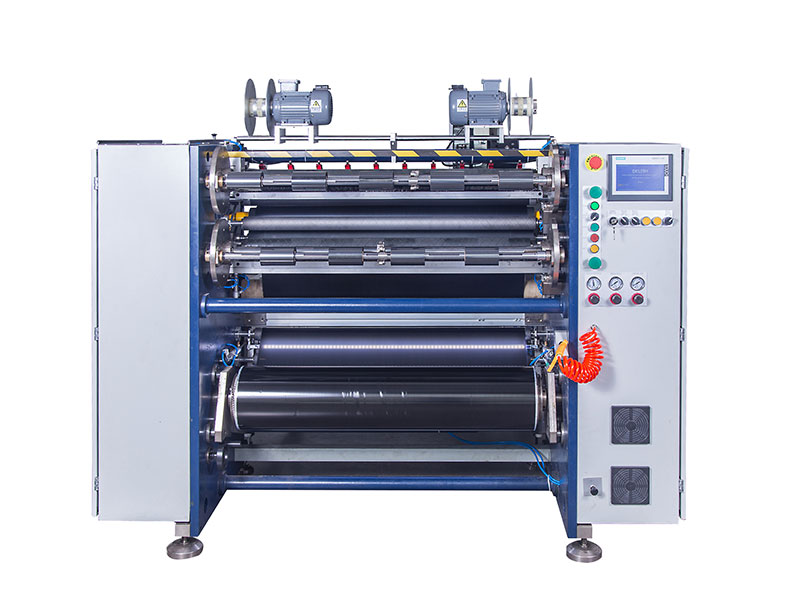
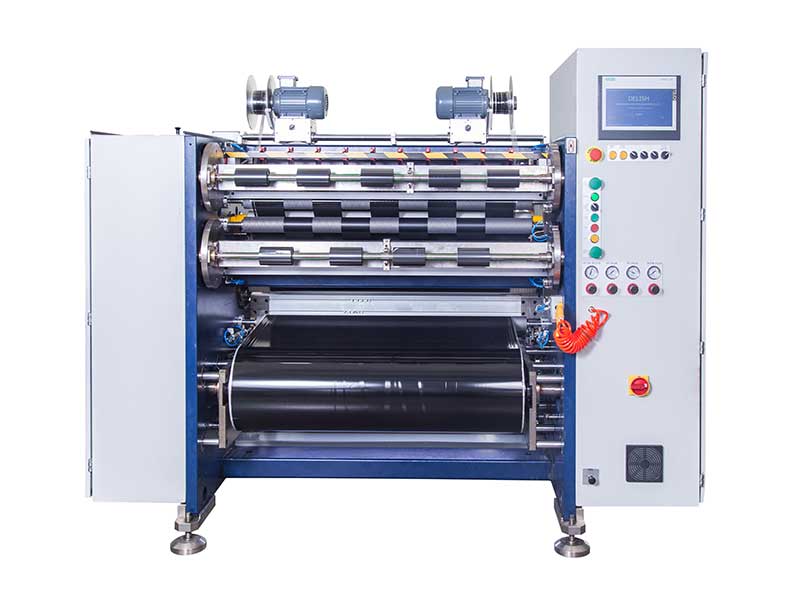 Barcode Ribbon Slitting Machine
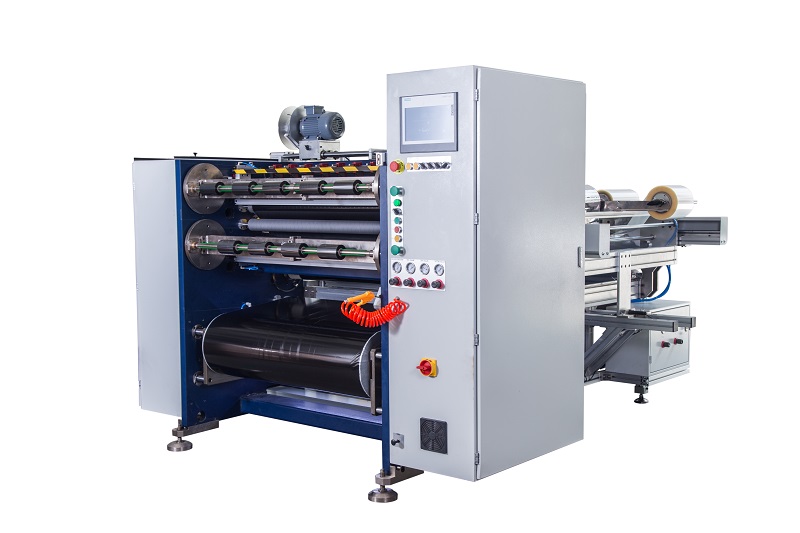 Semi Automatic Thermal Transfer Ribbon Slitter RSDS5 PLUS
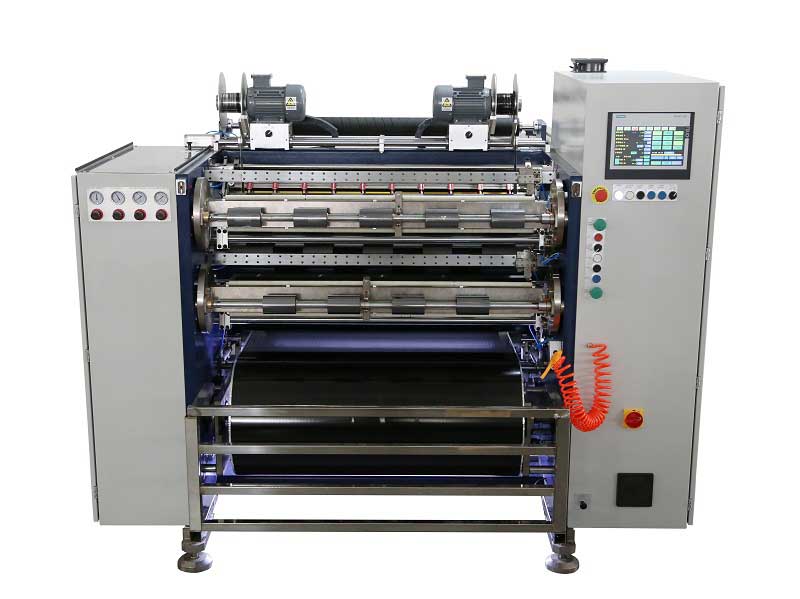 Automatic Thermal Transfer Ribbon Slitter RSDS8 H PLUS
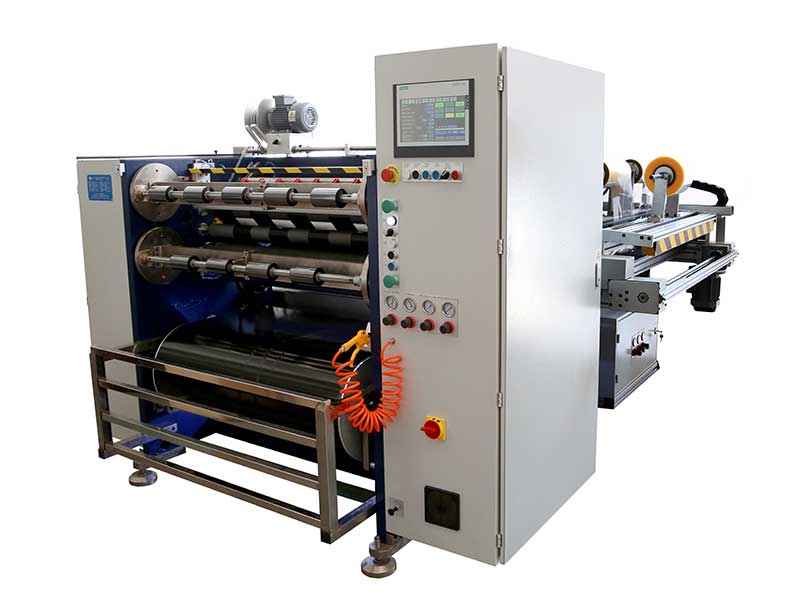 Automatic Thermal Transfer Ribbon Slitter RSDS6 PLUS
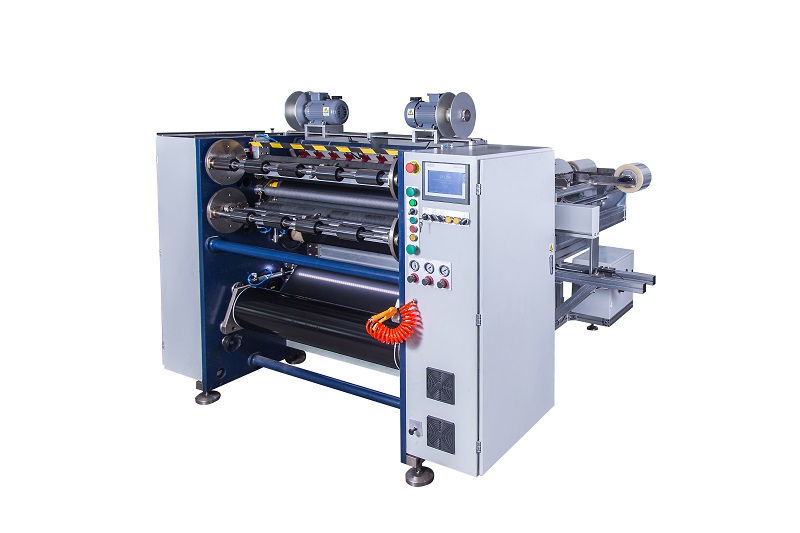 Semi Automatic Thermal Transfer Ribbon Slitter RSDS1 PLUS
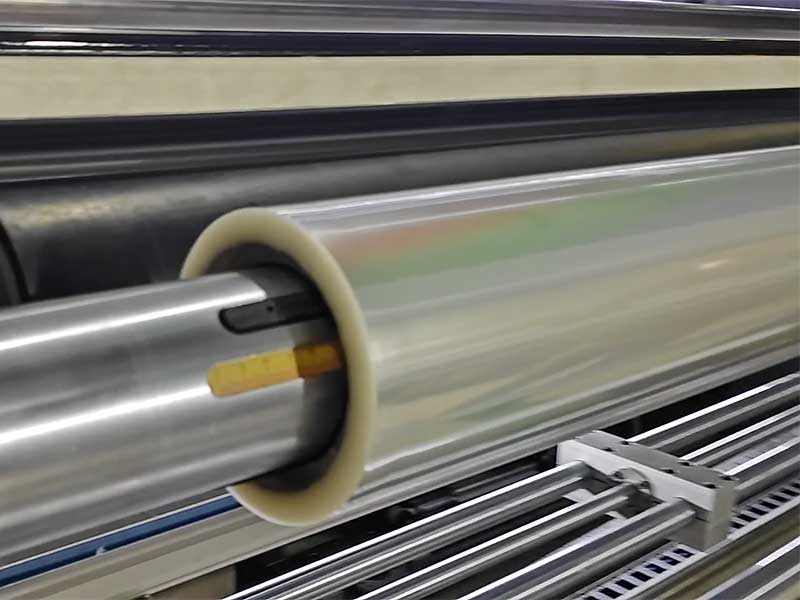 Solar Film Slitter
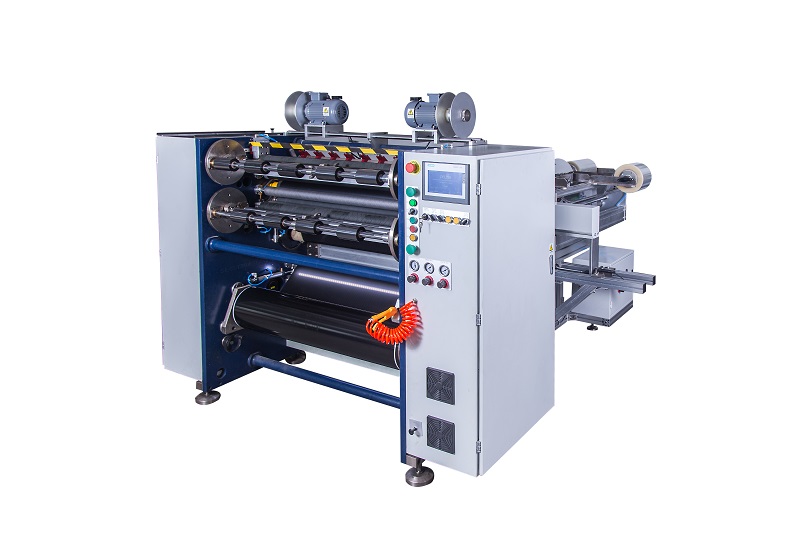 Semi Automatic Thermal Transfer Ribbon Slitter RSDS2 PLUS
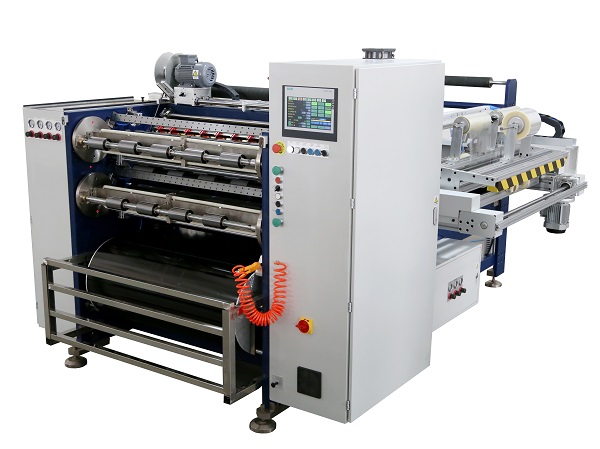 Automatic Thermal Transfer Ribbon Slitter RSDS8 PLUS