When you invest in a fully automatic thermal transfer ribbon slitting machine, the quality of the equipment is only half the equation. The other half—the half that determines whether your production line runs smoothly for the next decade—is the after-sales support behind it. Thermal transfer ribbon slitting is a precision process dealing with PET films as thin as 4.5 to 10 microns, where tension control and cutting accuracy are unforgiving . Downtime isn’t just inconvenient; it consumes expensive master rolls and delays customer deliveries. This is why serious buyers look beyond the spec sheet and examine the service infrastructure of their equipment partner.

Remote Diagnostics and 24/7 Response
The most immediate after-sales need for any slitting operation is a fast response when something goes wrong. Modern suppliers of fully automatic thermal transfer ribbon slitters typically operate 24/7 online support systems, ensuring that a technician is available to analyze the issue the moment a fault occurs . This isn’t merely a call center reading from a script. Effective remote support involves video-assisted troubleshooting, where an operator can show the technician the exact behavior of the machine—whether it’s a tension fluctuation on the unwind brake or an abnormal noise from the knife shaft—and receive real-time guidance.
For common issues such as slitting burrs or uneven winding, experienced support teams can often diagnose the root cause remotely. A burr that appears intermittently usually points to tension fluctuation or worn brake pads, while a consistent burr suggests blade passivation or improper overlap between the upper and lower knives . Having a support team that can walk your operator through these distinctions over a video call saves days of trial and error.

On-Site Installation, Commissioning, and Training
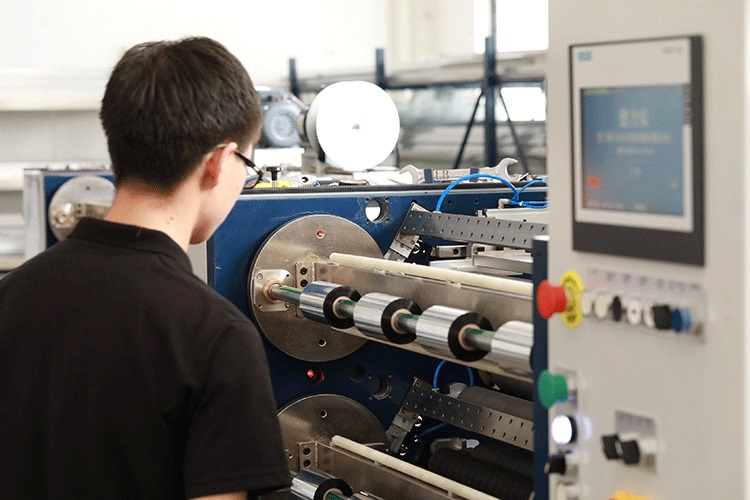
A fully automatic slitter is a complex piece of machinery. Even with a user-friendly interface, the initial setup—leveling the machine, calibrating the tension curves, and aligning the knife shaft—requires precision that only experienced technicians can reliably deliver. Reputable manufacturers offer on-site installation and commissioning as part of the standard service package, or provide detailed operation videos and manuals for customers who prefer to handle setup internally .
Training is equally critical. The operators running your slitter need to understand not just how to start and stop the machine, but how to interpret its behavior. They should know that a “tower-shaped” rewound roll indicates an unreasonable tension taper setting or a parallelism deviation between the rewinding shaft and the guide roller . They should recognize that static buildup during high-speed slitting attracts dust to the cut edge and can be mitigated by checking the grounding resistance . Proper training transforms an operator from someone who merely pushes buttons into someone who can prevent small issues from becoming expensive downtime events.
Spare Parts Availability and Warranty Coverage
Thermal transfer ribbon slitting machines have wear components—blades, bearings, brake pads, and guide rollers—that will eventually need replacement. The question is how quickly you can get them. Suppliers with mature after-sales systems maintain spare parts inventories and offer lifetime parts support, often at cost price for the duration of the machine’s service life . This matters enormously for operations in regions far from the manufacturer. A blade that takes three weeks to arrive is three weeks of reduced output or idle capacity.
Warranty terms vary, but the industry standard for quality manufacturers is a one-year warranty covering all major parts excluding consumables, combined with lifetime technical support . Some suppliers also offer free replacement of components within the first year and free online technical support during that period . When evaluating a supplier, ask specifically what is classified as a “consumable” and what the turnaround time is for critical wear parts like carbide slitting blades and precision bearings.
Preventive Maintenance Guidance and Long-Term Partnership
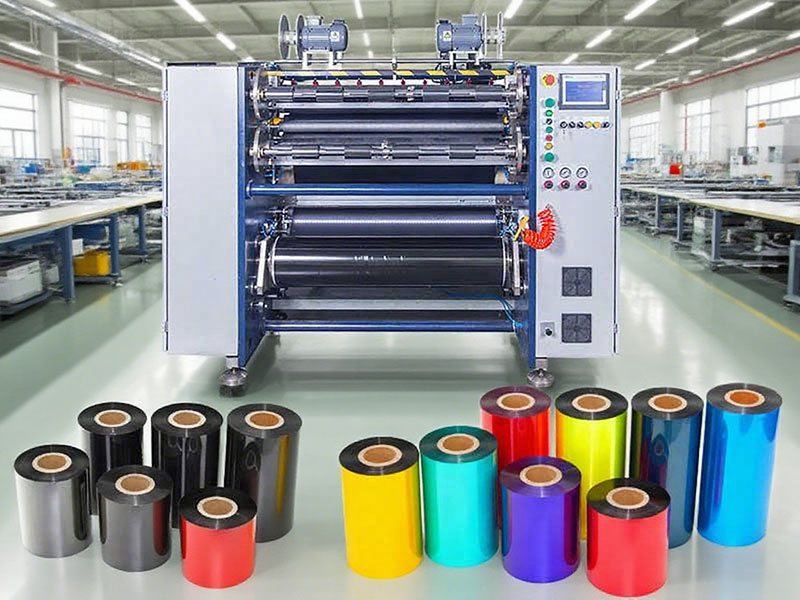
The best after-sales support is the kind that helps you avoid needing emergency service in the first place. Suppliers who understand the thermal transfer ribbon industry know that the substrate’s thin PET film is sensitive to tension and prone to stretching, and that consistent maintenance is the difference between a machine that runs for years and one that constantly demands attention . Look for a partner who provides clear preventive maintenance schedules: daily cleaning of the material path with high-concentration alcohol, regular inspection of blade edges with a magnifier, and periodic calibration of the tension control system .
Beyond maintenance, a genuine after-sales partnership includes support for process optimization. If you’re switching from wax-based to resin-based ribbons, the tension parameters that worked before may no longer be appropriate. Resin ribbons generally require slightly higher tension than wax ribbons, and the cutting parameters may need adjustment . A supplier who can advise on these transitions—rather than simply selling you parts—adds value that compounds over the life of the machine.
Conclusion
The thermal transfer ribbon slitting machine is not a commodity purchase. It is a production asset that must be supported by a service organization capable of responding quickly, diagnosing accurately, and supplying parts reliably. Before finalizing a purchase, ask prospective suppliers for their average response time to technical inquiries, the location of their spare parts warehouse, and whether they offer structured operator training. The answers to those questions will tell you more about the machine’s true cost of ownership than the price on the quotation.
 English
 Deutsch
 Français
 Español
 Português
 日本語
 русский
 한국어
 عربي
 ภาษาไทย
 Tiếng Việt
 Italiano


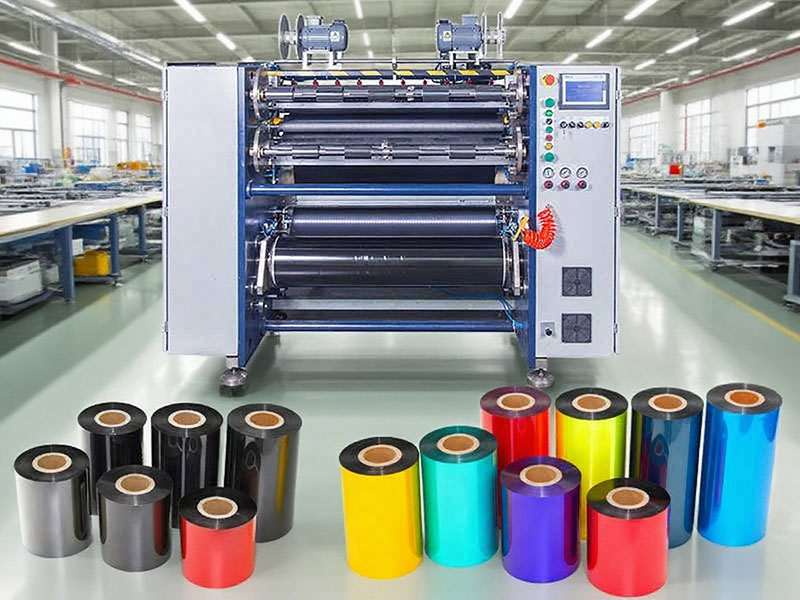
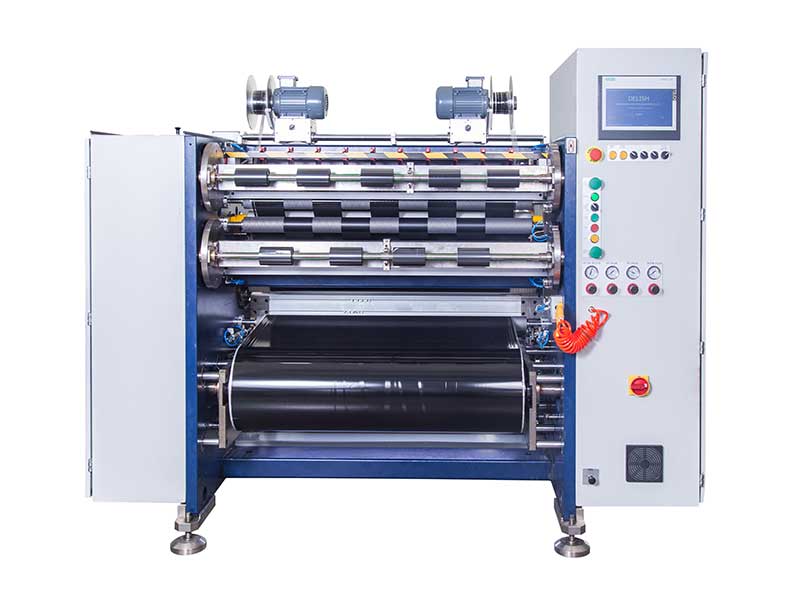 Barcode Ribbon Slitting Machine
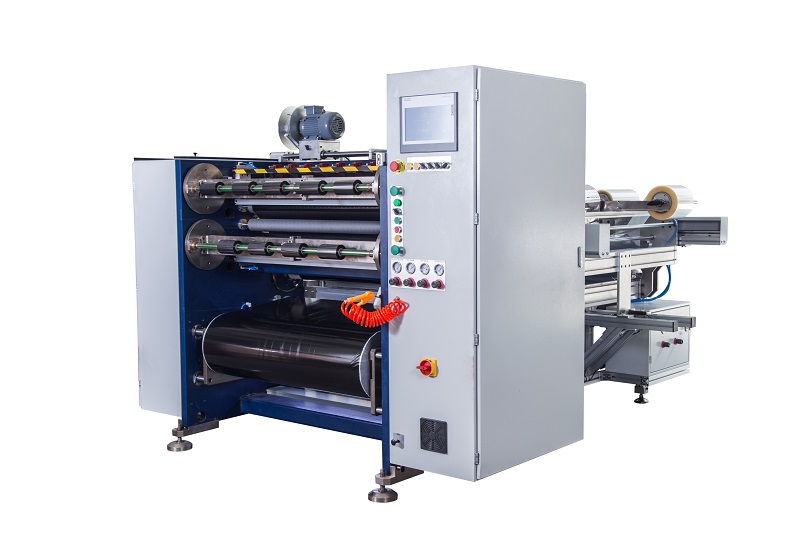 Semi Automatic Thermal Transfer Ribbon Slitter RSDS5 PLUS
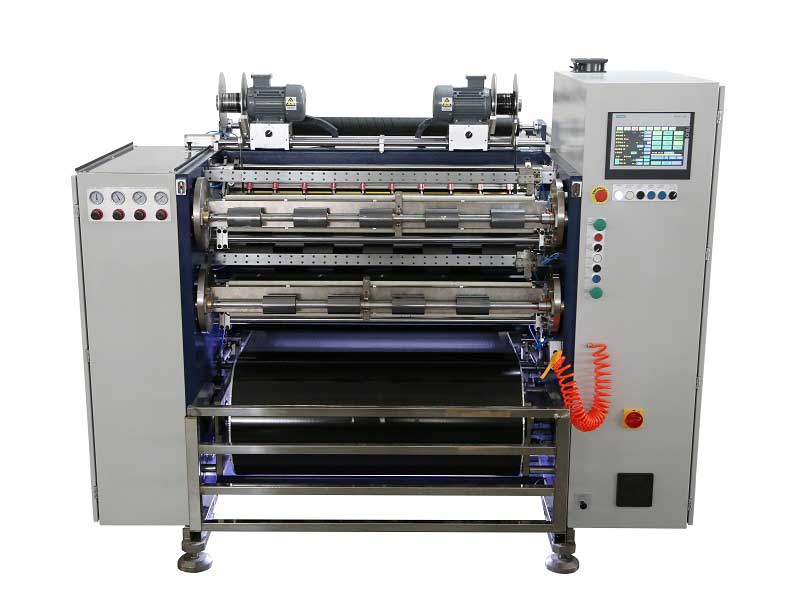 Automatic Thermal Transfer Ribbon Slitter RSDS8 H PLUS
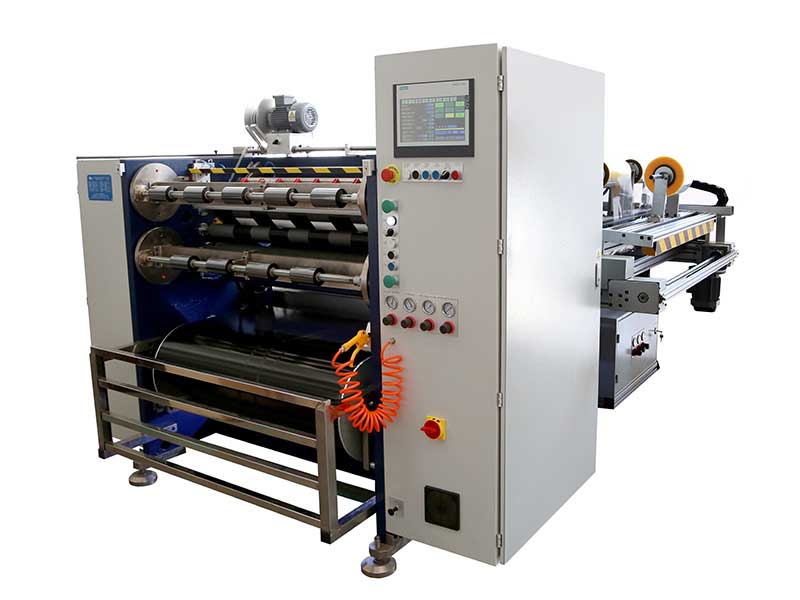 Automatic Thermal Transfer Ribbon Slitter RSDS6 PLUS
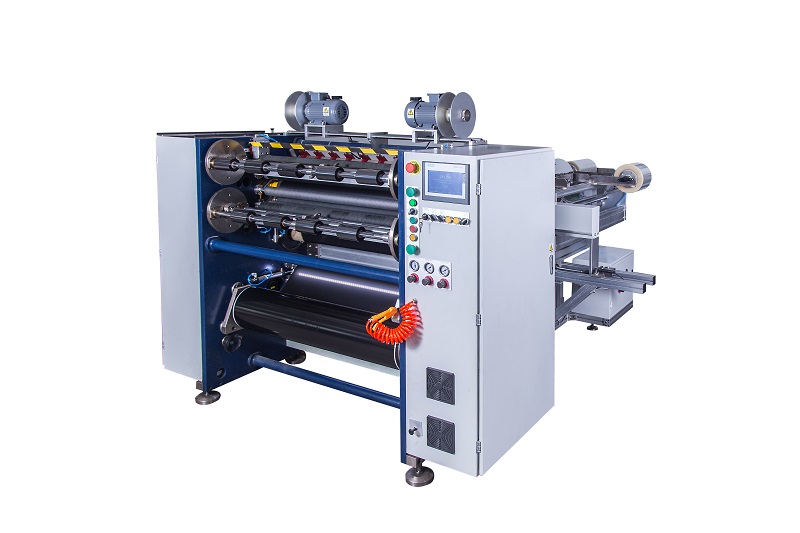 Semi Automatic Thermal Transfer Ribbon Slitter RSDS1 PLUS
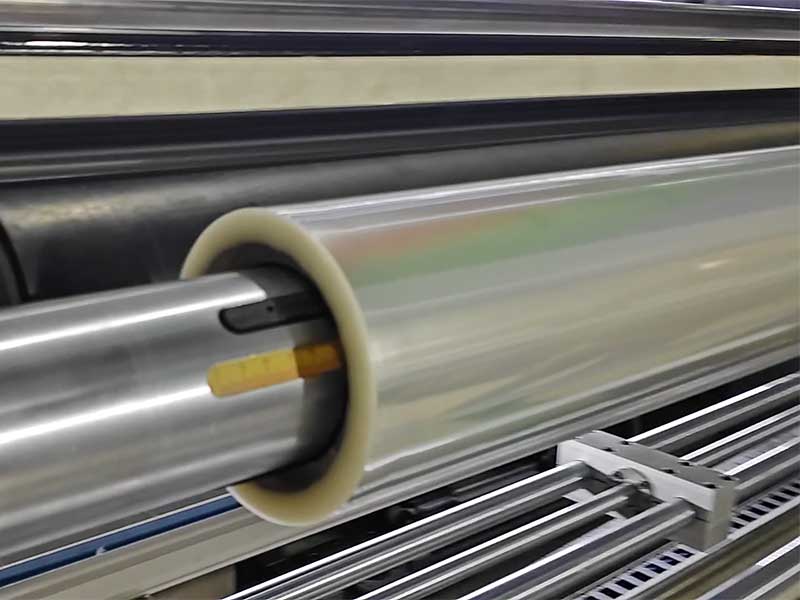 Solar Film Slitter
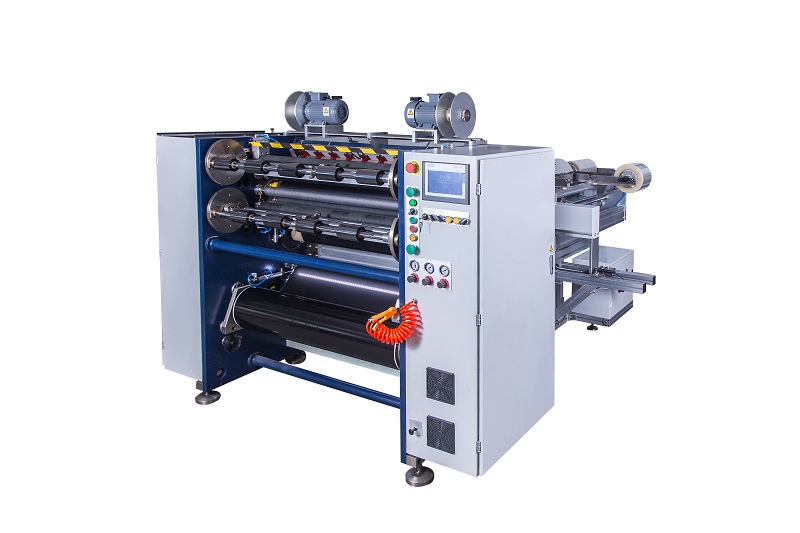 Semi Automatic Thermal Transfer Ribbon Slitter RSDS2 PLUS
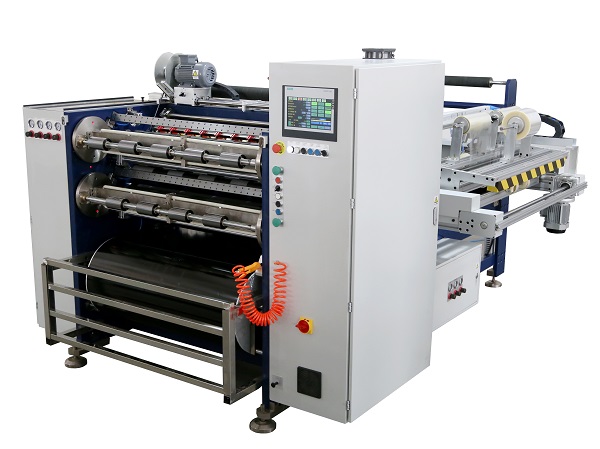 Automatic Thermal Transfer Ribbon Slitter RSDS8 PLUS