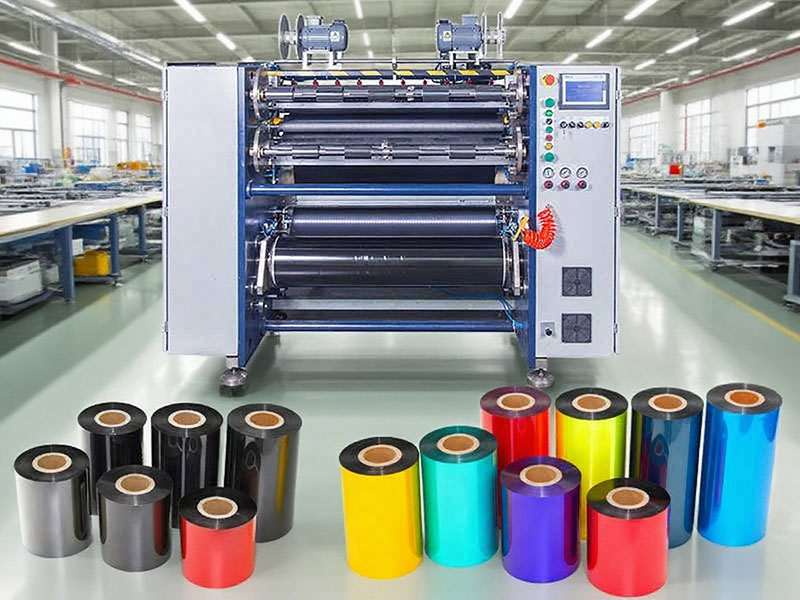
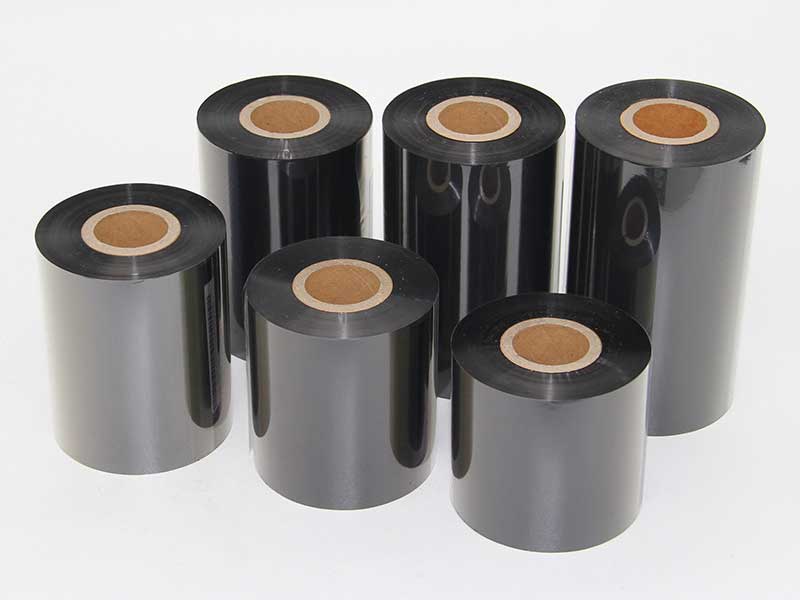
In the production chain of thermal transfer ribbons, slitting is the final key step that determines the pass rate of finished product length. The customer's requirements for "100 meters per roll" or "300 meters per roll" may seem simple, but in reality, they rely on the slitting machine's metering stop function to achieve a precise "brake" at high speed. The ribbon substrate is only 4.5~10μm PET film, which is easy to stretch and wrinkle, making meter-counting stops far more than just "counting and stopping." This article will break down the technical core of this function from four dimensions: signal detection, control logic, shutdown strategy, and precision calibration.
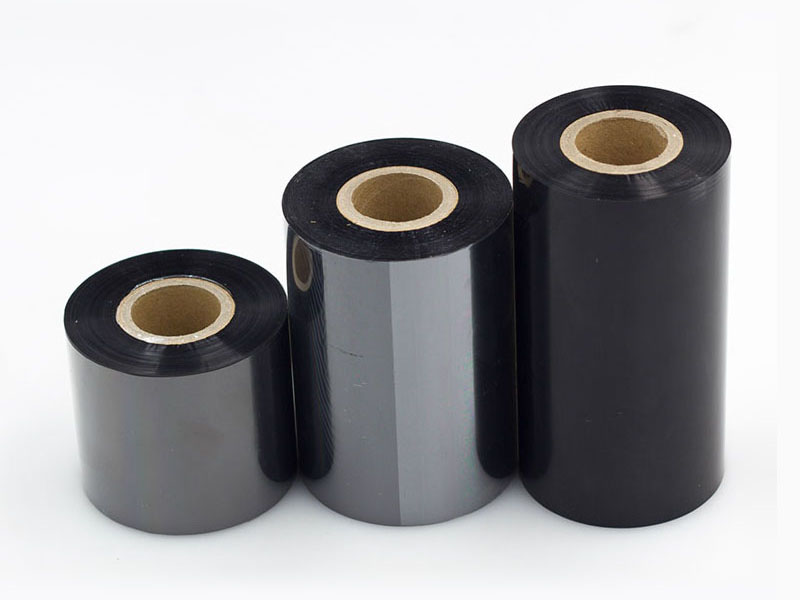
1. Source of meter-counting signals: Who is "counting" the length of the ribbon
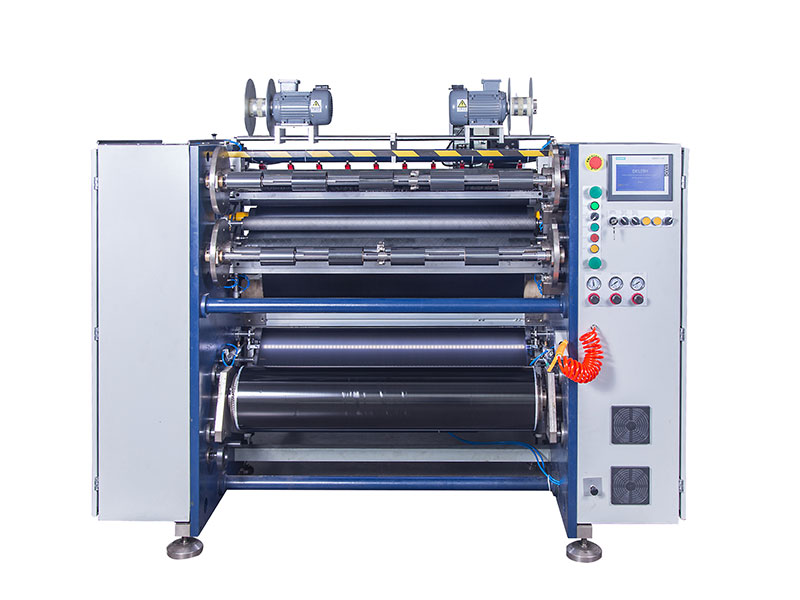
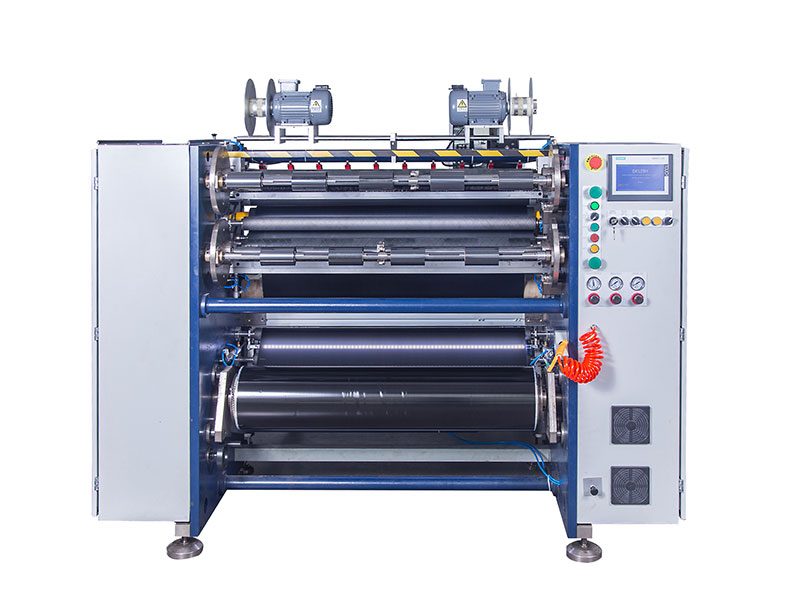
The premise for meter-counting shutdown is to accurately sense the actual length of the carbon belt traveled. Currently, mainstream ribbon slitting machines generally use encoders combined with meter-counting wheels. The meter-counting wheel is tightly pressed against the roller or ribbon surface of the travel belt. When the ribbon runs, it drives the meter-counting wheel to rotate synchronously, and the rotary encoder installed at the shaft end of the meter-counting wheel outputs pulse signals accordingly.
There is a key conversion relationship here: the control system needs to know "how many millimeters of carbon belt displacement each pulse corresponds to," that is, the pulse equivalent. Its calculation depends on the actual perimeter of the meter-counting wheel and the number of pulses per revolution of the encoder. If the perimeter changes due to wear of the meter-counter wheel, or if the encoder signal loses pulses due to interference, the pulse equivalent will shift, making meter-counting accuracy impossible. Therefore, high-precision slitting machines usually place the meter-counting wheel on the winding side after the slitting blade to avoid minor slips that may occur during slitting, while also requiring smooth bearings and clean surfaces to ensure "every turn is a full turn."
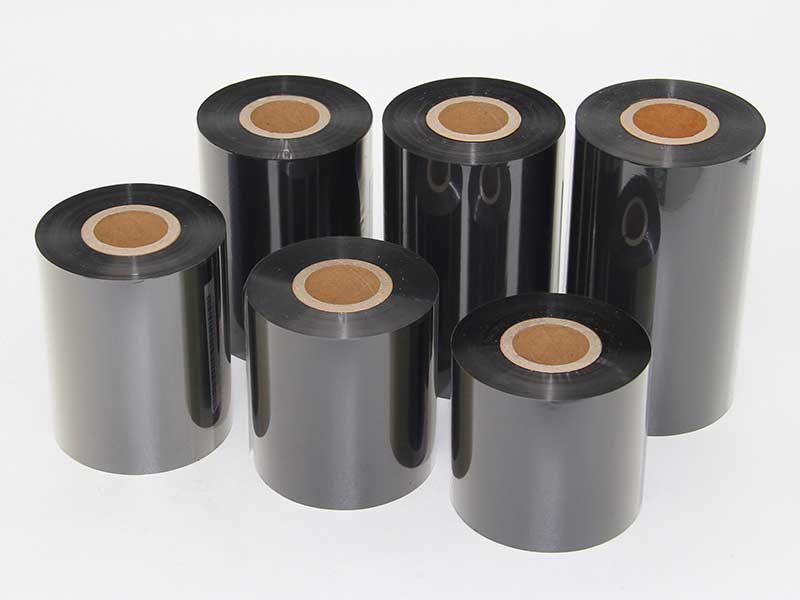
2. From Counting to Commands: How to Trigger Downtime Logic
When the cumulative value of the encoder pulse reaches the target length set on the operation interface, the control system issues a shutdown command. But the word "shutdown" in the context of high-speed slitting involves a precise timing coordination.
If the drive output is simply cut off roughly, the ribbon will continue to travel a certain distance due to inertia, causing the actual length to exceed the set value. Therefore, setting a buffer shutdown distance is crucial. When the meter value reaches the "target length minus buffer distance," the system begins executing the deceleration curve, ensuring that the device's speed is exactly zero when it reaches the target value. This buffer distance needs to be dynamically adjusted based on the current line speed and winding inertia; the higher the speed, the longer the buffer distance.
In some old-style retrofit solutions using variable frequency drives, a dual-signal shutdown strategy is even employed: when the meter counter sends the first signal, the frequency converter slows down according to the normal deceleration time; when the second signal is sent, it triggers rapid shutdown and engages the braking resistor. This two-stage reduction balances efficiency and precision, avoiding overcurrent alarms or ribbon stretching caused by sudden high-speed stops. In modern servo control systems, the reduction curve is directly planned by the motion controller, and the consistency of the stop position can be controlled at the millimeter level.
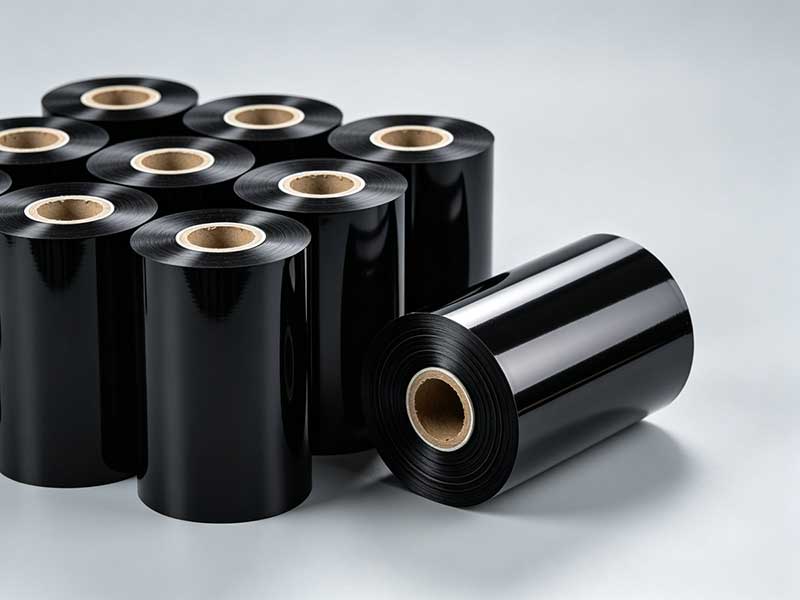
3. The Invisible Killer of Downtime Precision: Slippage and Tension Fluctuations
Even if the encoder count is accurate and the reduction curve is reasonably planned, the actual shutdown length may still deviate from the target. The most common source of deviation at the ribbon slitting site is slippage of the meter-counting wheel. The ribbon surface is coated with ink, causing an unstable friction coefficient. If the pressure of the pressure roller is insufficient or the surface is contaminated with toner, the meter-counting wheel will "idle" on the ribbon—the encoder is counting, but the actual length the ribbon travels is less than the recorded value, resulting in a shorter finished product.
Tension fluctuations are another hidden factor. During slitting, the ribbon is stretched; the greater the tension, the longer the actual ribbon length per pulse (because the ribbon is stretched). If the winding tension changes abruptly during the deceleration and shutdown phase, the change in the ribbon's elastic recovery will be directly reflected in the downtime length. To address this, high-end slitting machines link meter-counting signals with a closed-loop tension: during the buffer stop section, the tension system synchronously narrows the fluctuation range, reducing length drift caused by tension relaxation or overtightening.
In addition, acceleration and deceleration compensation parameters should not be overlooked. During the process of equipment decelerating from high speed to zero, the distance the ribbon continues to travel due to inertia is related to the deceleration. The control system must automatically compensate for the pulse increment in this segment based on the current speed; otherwise, systematic errors such as "low-speed accuracy, high-speed deviation" may occur.
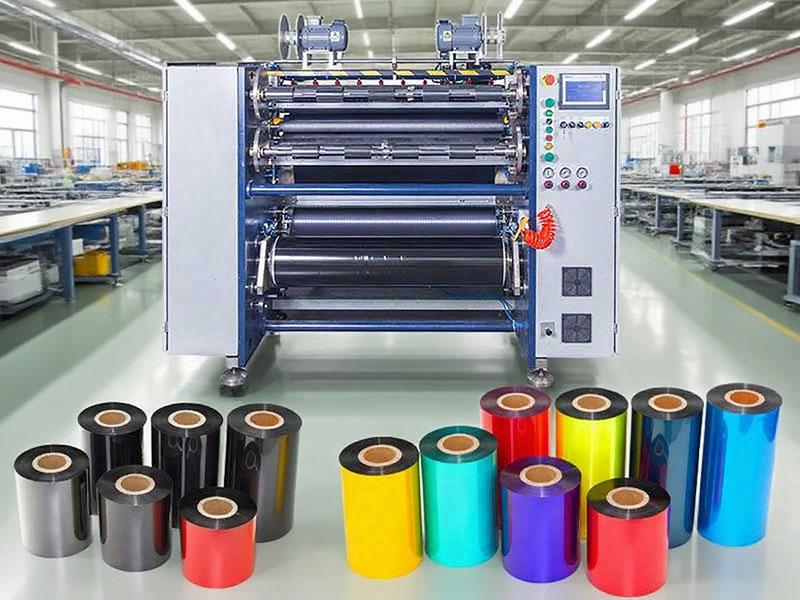
4. Calibration: Make sure the meter value can withstand repeated weighing
Even the most precise systems require regular calibration. Metering calibration of ribbon slitting machines usually uses the dynamic belt walking method: mark the start of the ribbon, fix a steel ruler on the machine, set the equipment to run for 10 meters before stopping, and measure the movement distance. If the measured value is 9.98 meters, the error coefficient is 0.998. Multiply the current pulse equivalent by this coefficient and re-enter the data, repeating verification until the error converges.
For routine maintenance, operators should pay attention to two vulnerable points: the cleanliness of the meter wheel surface and the condition of the encoder connection cables. Toner accumulation changes the effective perimeter of the meter-counting wheel, and loose cables may introduce signal interference. Generally, ribbon slitting requires meter-counting errors controlled at ≤0.3%, while high-demand products require ≤0.1%. After calibration, verification should be conducted at low, medium, and high speeds to confirm that compensation parameters are valid across all speed ranges.
Conclusion
The meter-counting stop function of the ribbon slitting machine is essentially a closed-loop system of "perception—decision-execution": the encoder senses the length, the control system decides when to slow down, and the drive and braking systems stop executing execution. The coordination precision among these three determines whether the numbers on the meter scale on each roll of ribbon are honest when they reach the customer. For equipment users, understanding the relationship between pulse equivalent and slippage, valuing the matching of buffer distance and tension, and establishing regular calibration habits is far more meaningful than pursuing "high precision" on paper. After all, the downstream of ribbon slitting is thermal transfer printing. A roll of ribbon that is too short often only shows problems when printing the last label version—at that point, the loss is not just one ribbon.
 English
 Deutsch
 Français
 Español
 Português
 日本語
 русский
 한국어
 عربي
 ภาษาไทย
 Tiếng Việt
 Italiano


 Ribbon Slitting Machine
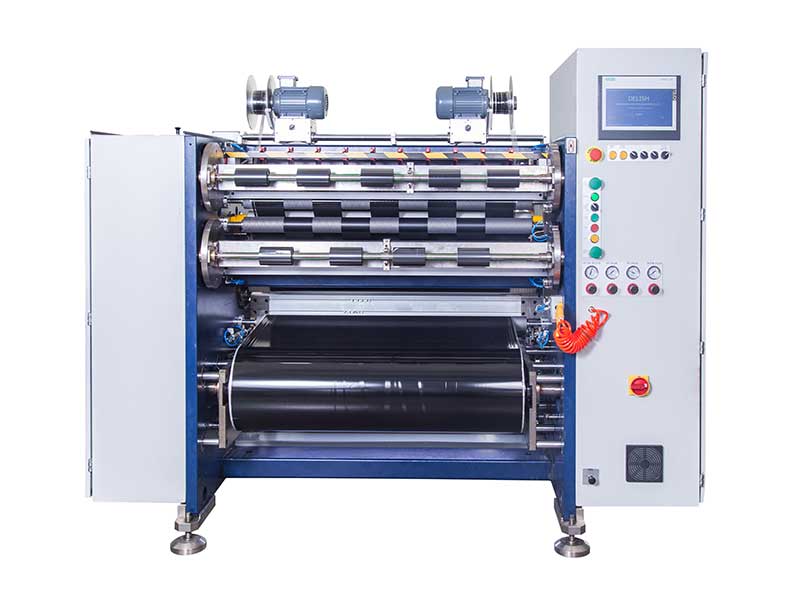 Barcode Ribbon Slitting Machine
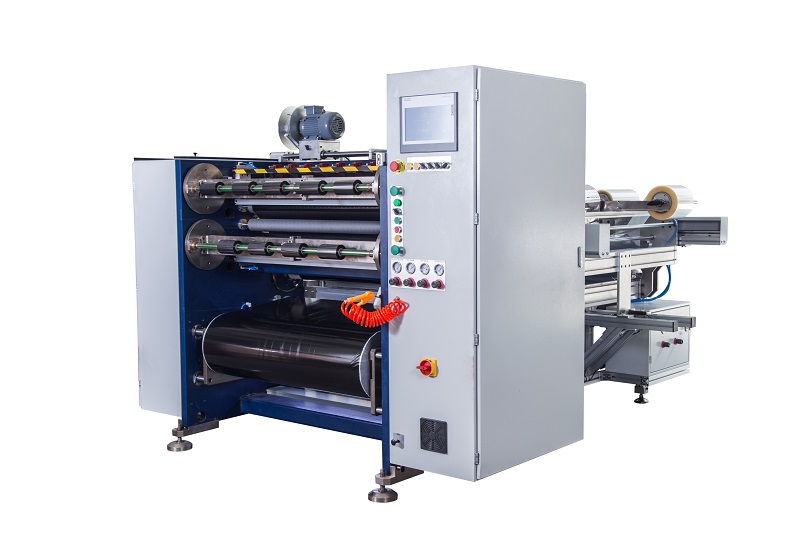 Semi Automatic Thermal Transfer Ribbon Slitter RSDS5 PLUS
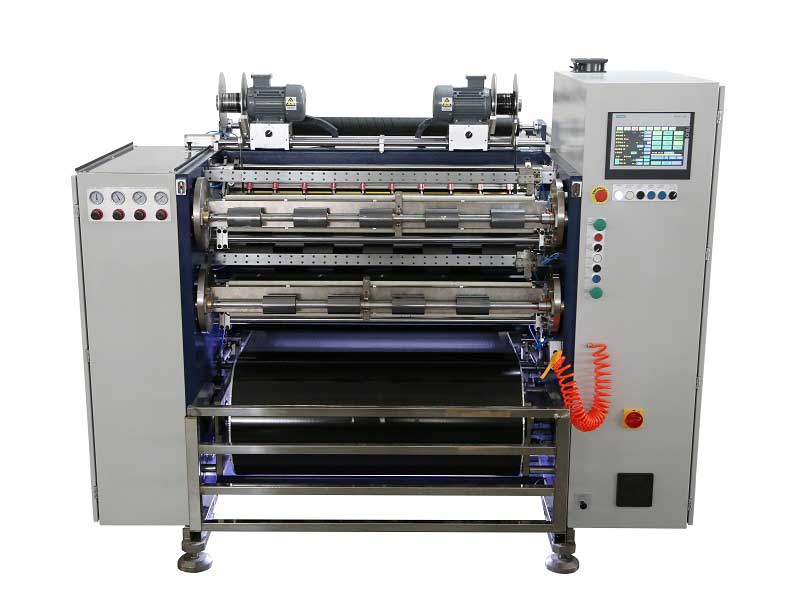 Automatic Thermal Transfer Ribbon Slitter RSDS8 H PLUS
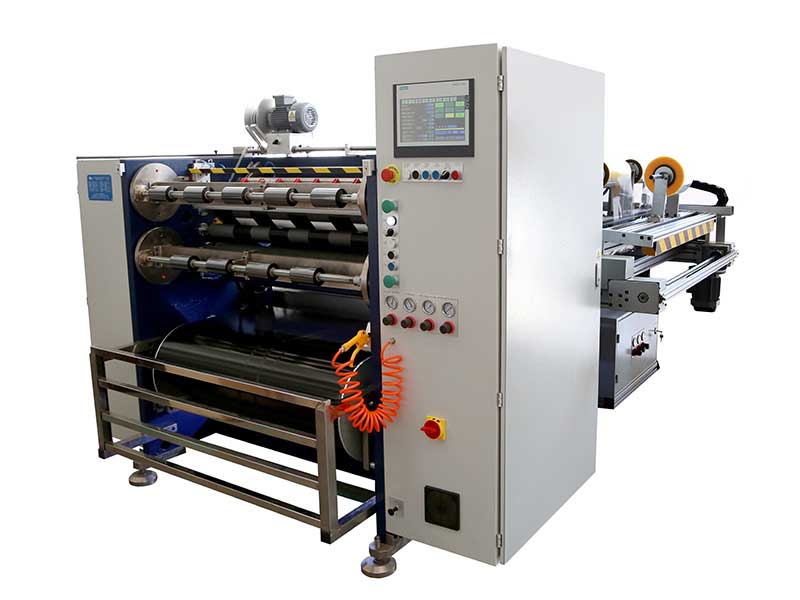 Automatic Thermal Transfer Ribbon Slitter RSDS6 PLUS
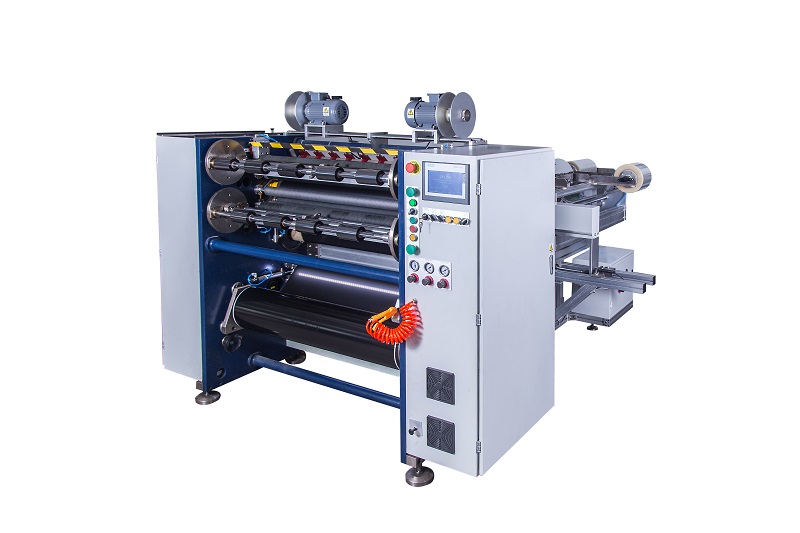 Semi Automatic Thermal Transfer Ribbon Slitter RSDS1 PLUS
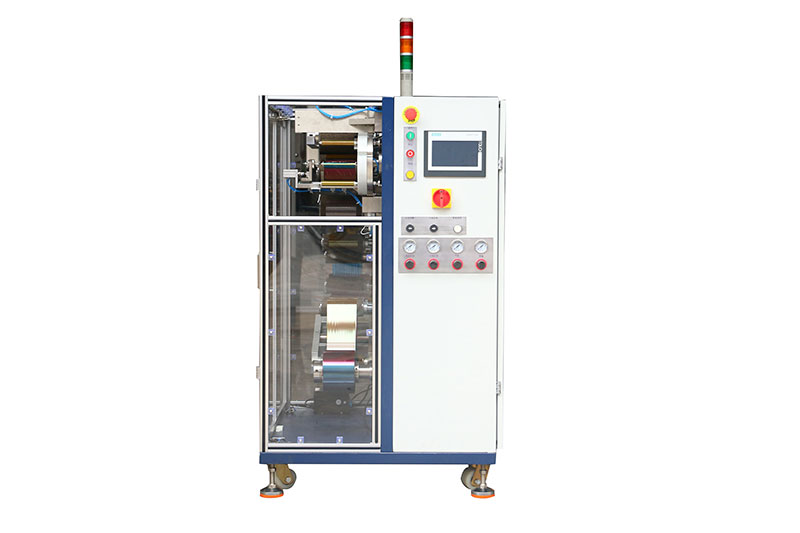 Card Print Ribbon Rewinder
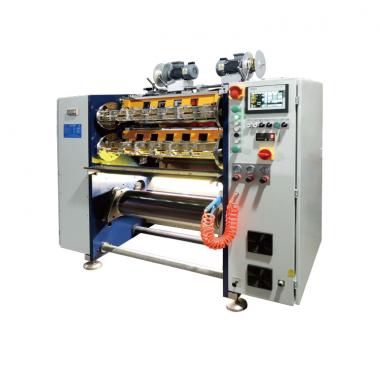 Card Print Ribbon Slitter