In the production chain of thermal transfer ribbons, slitting is the final and most skillful process. The coated wide master rolls are cut here into various widths required by the customer—from the common tens of millimeters to the ultra-narrow specifications of just a few millimeters used for electronic tags. The ribbons themselves are extremely thin, typically only 4.5 to 6 microns thick, composed of a PET base film and ink coating, making them fragile and sensitive. If the slitting machine lacks sufficient precision, the finished product will have fuzzy edges and misaligned width, causing downstream printers to jam or break tape; Poor loss control wastes over ten meters of material per order change, and profits slip away in these invisible places. The value of the fully automatic ribbon slitting machine lies precisely in these two most basic criteria: precise cutting, minimal waste.
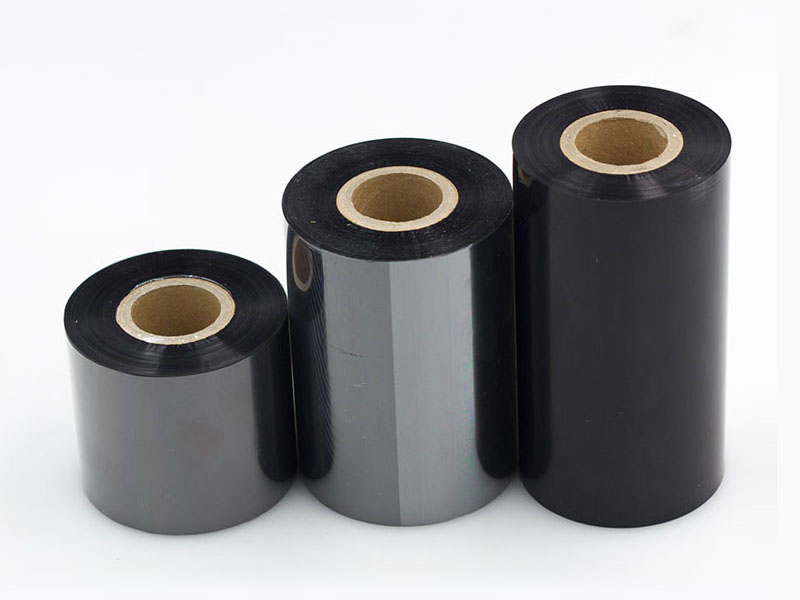
Precision primarily depends on tension. The tensile force experienced by the ribbon during slitting can cause problems even if slightly deviated. If the tension is too high, the PET base film will be stretched and deformed, causing the width to shrink after slitting and the dimensions to be misaligned; If the tension is too low, the material becomes loose and wrinkled, and the winding end face is uneven, making it easy to see white lines and creases during printing. Traditional slitting machines use magnetic powder clutches to control tension, which has a lag response and fluctuations of up to ±10%, which can cause mass scrapping at high speeds. The fully automatic model adopts closed-loop servo control: tension sensors monitor in real time, PLCs calculate according to preset curves, and actuators adjust at millisecond-level levels. The tension of the three sections for unwinding, slitting, and rewinding is set independently. The winding uses taper control, gradually decreasing as the diameter increases, ensuring the narrow strip stays tight from full to empty. The effect is that tension fluctuations are suppressed to within ±0.25N, and the waste from the start-stop pull belt decreases from an average of 5.2 meters per coil to 1.1 meters per roll.
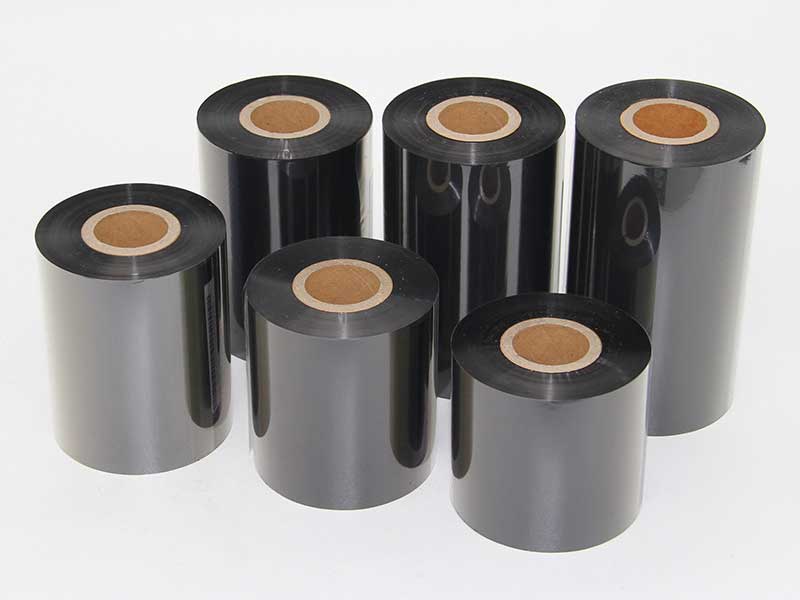
Correction is another line of defense for accuracy. When the ribbon is separated below 10 millimeters, the lateral rigidity is extremely weak, and if it deviates by several dozen microns, it is considered scrap. The fully automatic slitting machine is equipped with photoelectric or laser sensors for real-time edge detection, servo-driven correction rollers for fine adjustment, response time controlled at the millisecond level, and dynamic correction accuracy reaching ±0.1 millimeters or even higher. Combined with a high-rigidity frame and precision-ground guide rollers, the radial runout of the winding shaft is limited to the micron level. The ribbon path from the blade edge to the core is always parallel, ensuring the end face is as smooth as a mirror, without strips or edge collapse.
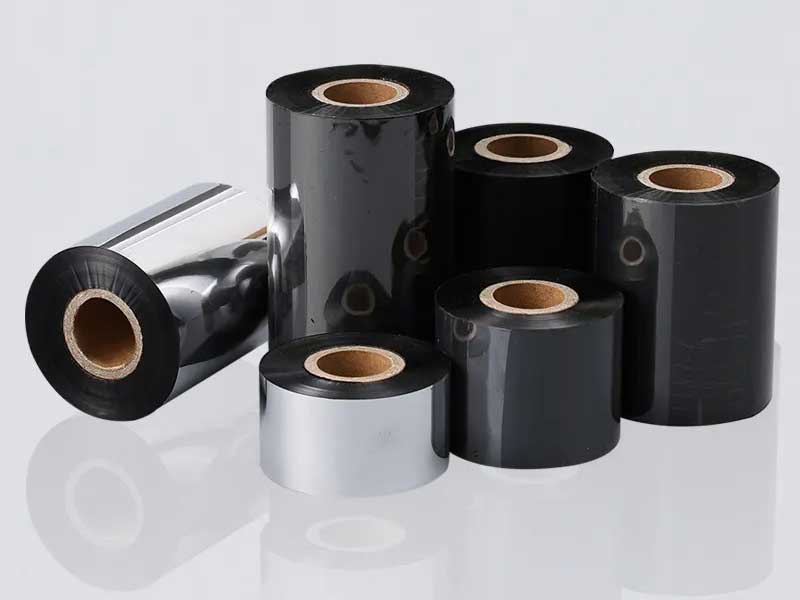
The reduction in losses is hidden in every detail of order changes and scrap materials. The material loss rate in the slitting stage is generally between 3% and 5% in the industry, but a significant portion of this is not a "necessary cost." The film breakthrough transition during order changes is the biggest hidden bleeding point: by default, 20 meters of genuine carbon ribbon are used for pulling, resulting in over ten extra meters wasted per order. Fully automatic models allow operators to determine the minimum stable transition length of the equipment through testing, using scrap heads or defective products from the previous order instead of genuine feeding. This zero-cost improvement can reduce most of the order change losses. The tail material stage also has its own issues: when the coil diameter shrinks to the set value, the system automatically switches to "small reel diameter mode," reducing the tension from about 100N at full coil to 30N, preventing the ribbon from being scrapped prematurely due to tension instability, and shortening the tailstock length from an average of 15 meters to within 5 meters.
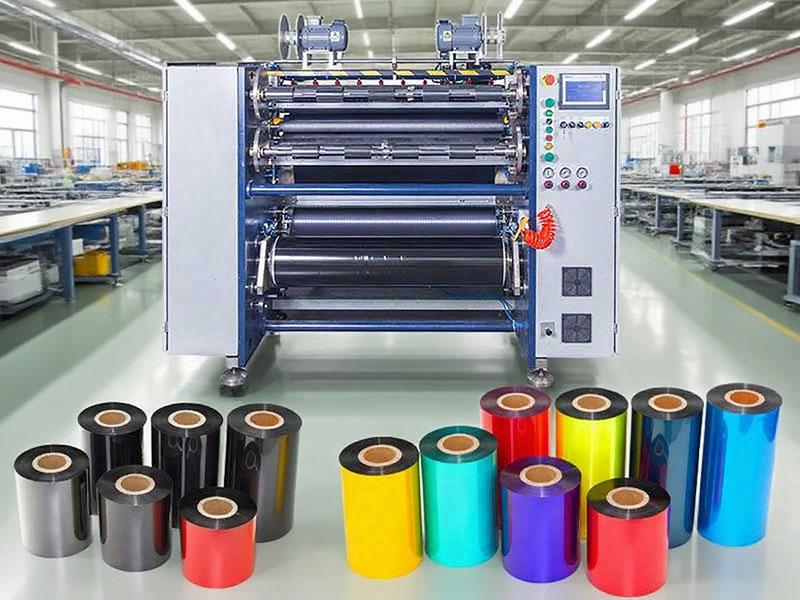
The quality of the cutting tool and cut surface directly affects the lifespan of the downstream print head. If the cut surface has burrs, microscopic debris can shed and contaminate the print head, while flanging leads to uneven winding and sudden tension changes. The fully automatic slitting machine uses high-hardness circular blades, with blade angles adjusted according to ribbon material, and the gap between blades and slots controlled between 0.02 and 0.05 millimeters, with regular inspections and replacements. The cut ribbons have smooth and straight edges, and the narrow ribbons move smoothly inside the printer without breaking due to uneven edge force.
Looking at these stages together, the "high precision and low loss" of the fully automatic ribbon slitting machine is not the result of any one cutting-edge technology, but rather a systematic coordination of tension closed-loop, automatic deviation correction, fine tool management, and order change strategies. For ribbon manufacturers, slitting is the final hurdle in cost control and the first step in quality delivery. A machine that cuts accurately and wastes less saves material and preserves the printing effect of the ribbon in the customer's hand.
 English
 Deutsch
 Français
 Español
 Português
 日本語
 русский
 한국어
 عربي
 ภาษาไทย
 Tiếng Việt
 Italiano



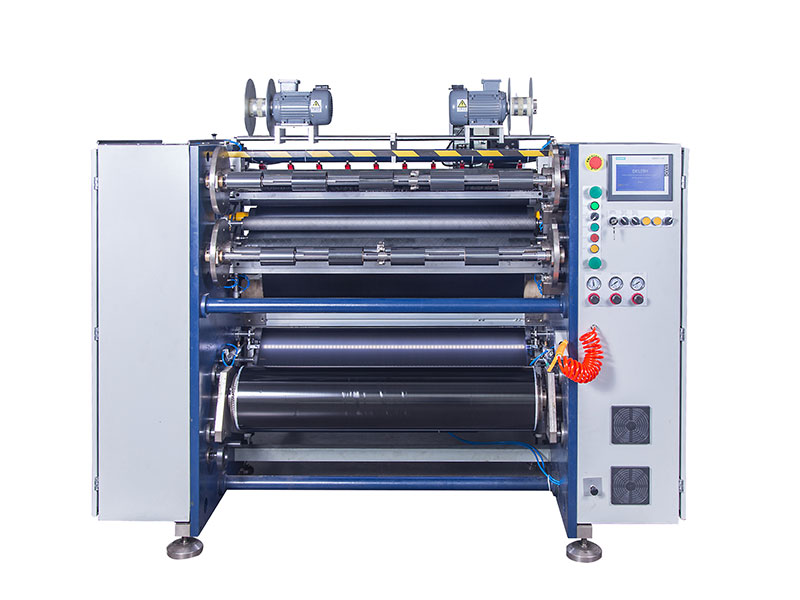
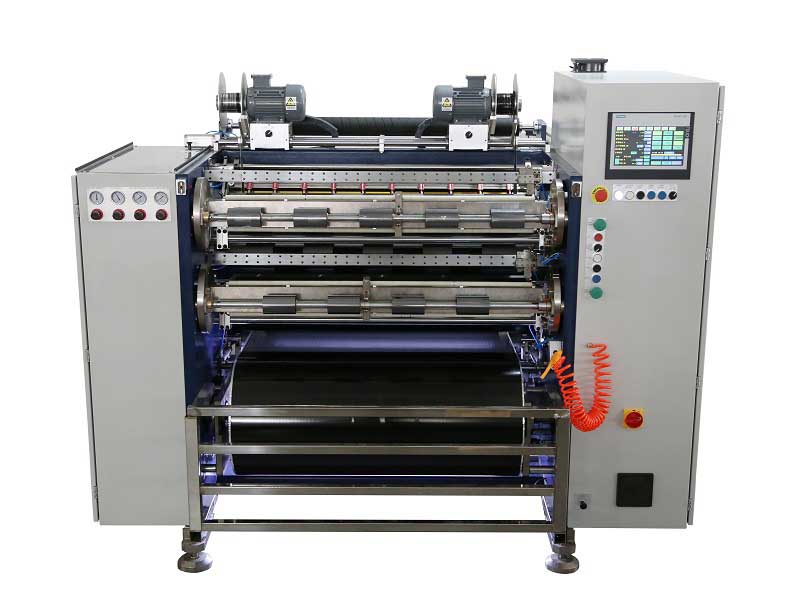 Fully Automatic Thermal Transfer Ribbon Slitting Machine