The efficiency bottleneck in ribbon slitting almost never lies in the "cutting" itself, but in the "changeover." Under the trend of multi-specification, small-batch orders, a single changeover often takes 25 to 45 minutes; with five to eight changeovers per day, two to three hours of effective capacity are eroded. Compressing changeover time to under 15 minutes cannot be achieved through fine-tuning a single link—it requires the interlocking of two technical paths: modular quick-change and automatic knife positioning. The former separates knife sets, shaft cores, and parameters from "on-machine work" into "off-machine preparation," while the latter replaces manual measurement and locking with servo positioning. Together they reduce post-shutdown operation steps to a minimum.
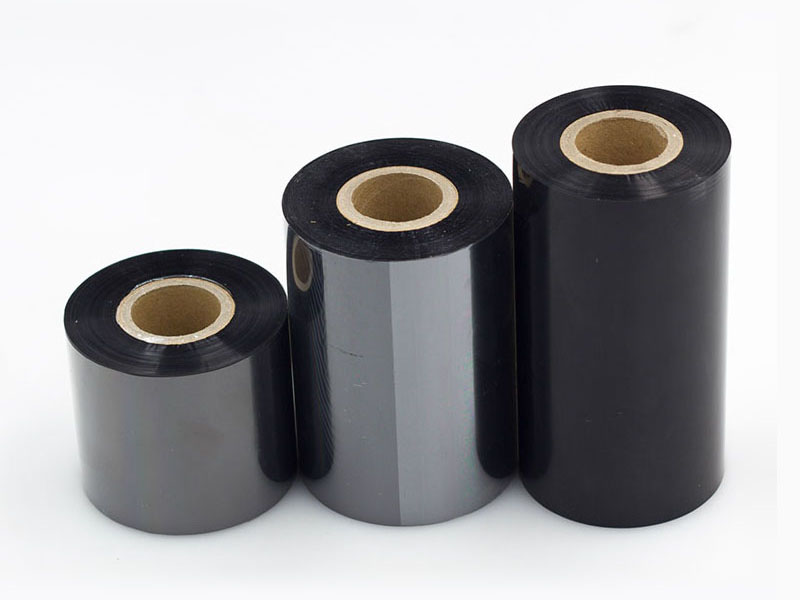
The time structure of traditional changeovers determines where compression space lies. A routine ribbon slitting changeover typically involves five stages: disassembling and installing knife sets with individual measurement and positioning (15–20 min); resetting more than ten parameters such as tension, speed, and winding pressure (8–12 min); changing winding shaft cores to accommodate paper tubes of different inner diameters (5–8 min); threading and edge alignment adjustment; and 20–50 meters of waste from first-meter trial cuts. Of these, the core actions that truly must be completed during shutdown are concentrated in two items: knife set exchange and parameter recall. The rest of the time is largely consumed by "finding tools, measuring dimensions, and repeated trial and error." The lean manufacturing concept of rapid die change (SMED) has long revealed that the key to compressing changeover time lies in distinguishing internal operations from external operations—moving everything that can be done while the machine is running to off-machine time.
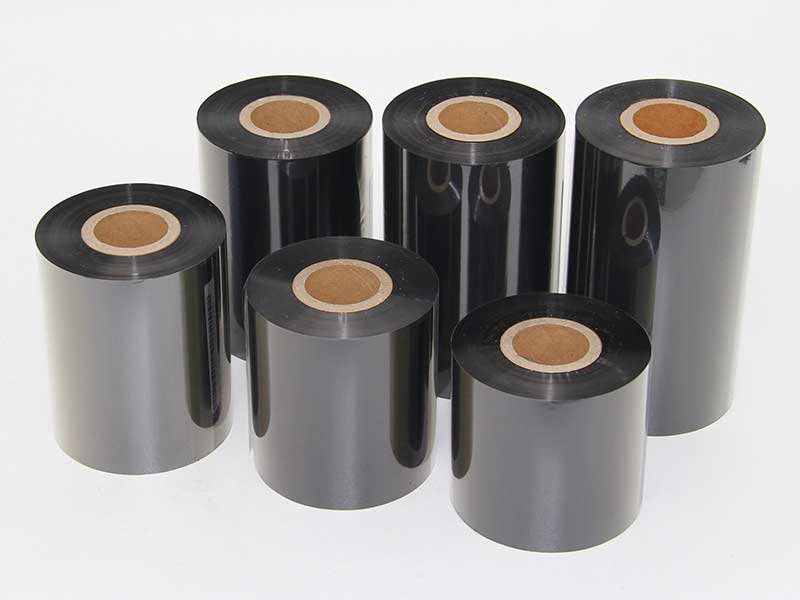
The core logic of modular quick-change is turning "knife adjustment" into "cassette exchange." The traditional approach involves loosening screws one by one on the slitting machine, measuring with a ruler, and locking positions. The modular solution integrates slitting circular knives, spacers, and lower knife anvil rollers into a quick-release knife cassette unit, with each fixed slitting width combination corresponding to an independent cassette. While the equipment is running, the operator completes cassette assembly and locking on an offline pre-adjustment table according to the next order's width specifications; during changeover, one simply pulls out the old cassette, pushes in the new one, and a single pneumatic clamp brings it into position. This transformation compresses on-machine knife change time from an average of 20 minutes to under 3 minutes and eliminates cumulative errors from manual positioning. The matching quick-change on the winding side is equally critical: air-expanding shafts with segmented chucks switch effective diameters via internal air bladders, so switching between 1-inch and 0.5-inch paper tubes requires no shaft core removal; the self-centering tailstock automatically centers upon push-in, reducing shaft change and centering time from 5–8 minutes to about 1 minute.
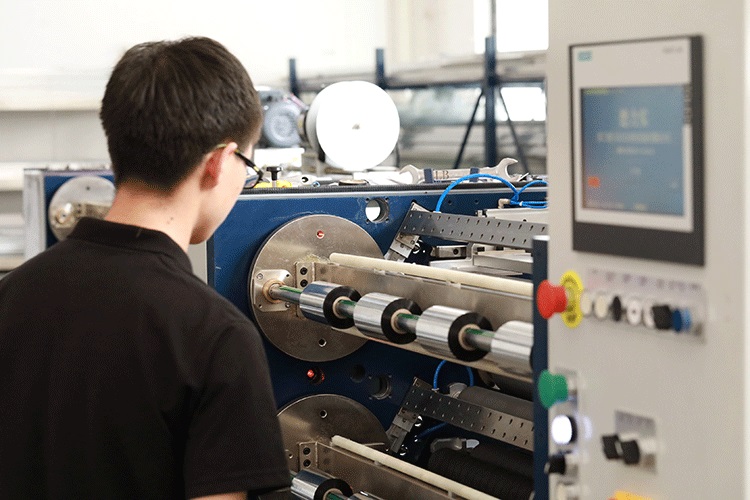
Automatic knife positioning addresses another parallel time-consumption line. Even with cassettes pre-assembled, the width combinations of different orders still need precise positioning on the knife shaft. Traditional manual positioning requires operators to climb onto the frame and move blades one by one against a steel ruler, taking nearly 20 minutes for a set of eight knives. The servo-driven automatic knife positioning system simplifies this process to numerical input on a touchscreen: the operator enters the unwinding width, slitting specifications, and waste edge width; the system automatically calculates each knife's target position, and servo motors drive the knife holders into place one by one with positioning accuracy reaching micron level. Measured data shows that automatic positioning can compress the positioning stage from 20 minutes to 2–3 minutes. More importantly, it complements modular cassettes: for high-frequency repeat specifications, pre-assembled cassettes skip the positioning step entirely; for temporary insert orders or non-standard widths, automatic positioning completes positioning within minutes. Together they cover changeover scenarios of different frequencies.
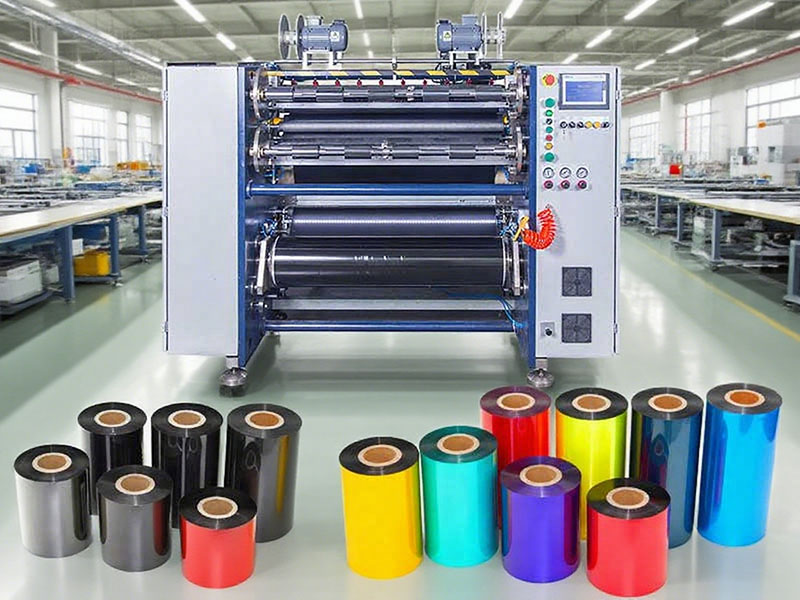
"One-click" parameter recall completes the final piece of the 15-minute target. After knives and shafts are in place, if more than twenty process parameters such as tension, speed, and taper curves still rely on manual entry item by item, it not only takes 8–12 minutes but also buries the risk of trial-cut scrap caused by incorrect numbers. By solidifying complete parameter sets for common specifications into a recipe library, operators can recall them by scanning a code or selecting from a menu, and the PLC automatically transmits them to frequency converters, servos, and tension controllers—compressing parameter setting from the ten-minute level to under ten seconds. Practice at a ribbon factory further corroborates the effect of systematic transformation: after implementing standardized changeover procedures and parallel work division, average specification change time dropped from 22 minutes to 12 minutes.
In summary, the combination of modular quick-change and automatic knife positioning is not a simple equipment upgrade but a reconstruction of changeover logic. Cassette pre-assembly moves knife set disassembly and installation out of the shutdown window; automatic positioning hands positioning actions to servo closed-loop control; recipe recall turns parameter setting from manual input into data transmission; and quick-change shaft cores compress mechanical adjustments to a push-pull motion. When these links connect in parallel, 15 minutes is no longer an isolated indicator of any single technology but a deterministic result brought by system design. For ribbon slitting workshops with five to eight changeovers per day, this means one to two extra hours of effective output per day, along with less trial-cut waste and a more stable first-pass yield.
 English
 Deutsch
 Français
 Español
 Português
 日本語
 русский
 한국어
 عربي
 ภาษาไทย
 Tiếng Việt
 Italiano

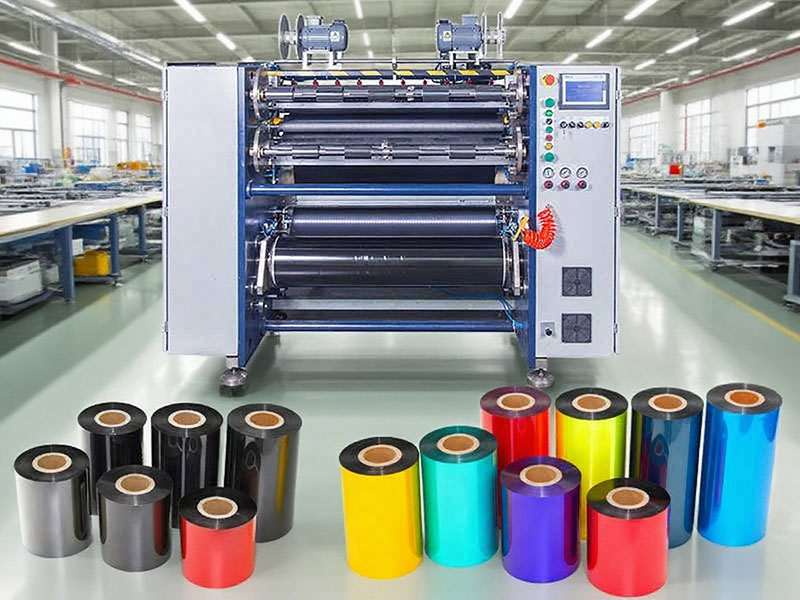
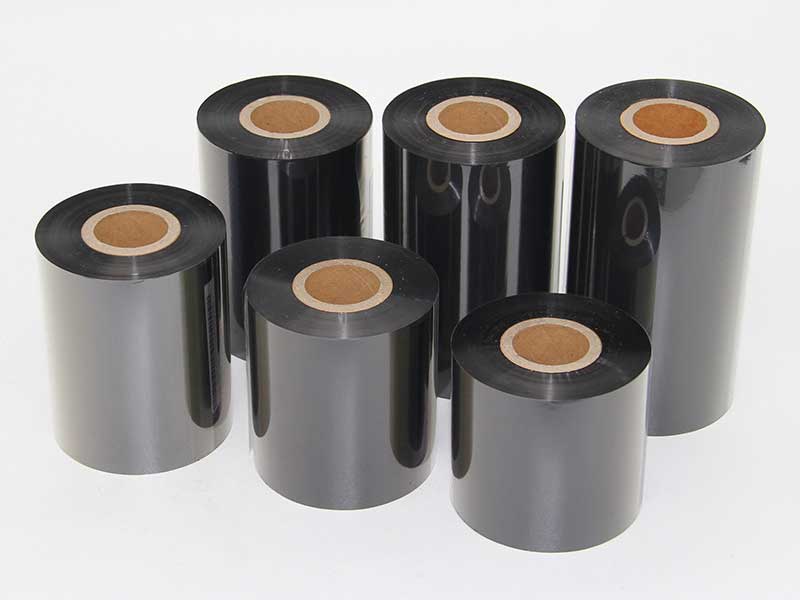
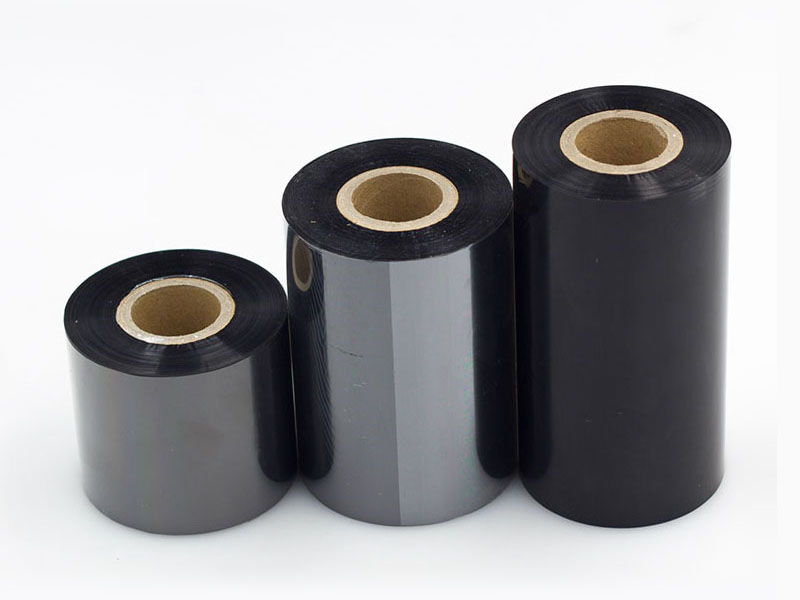
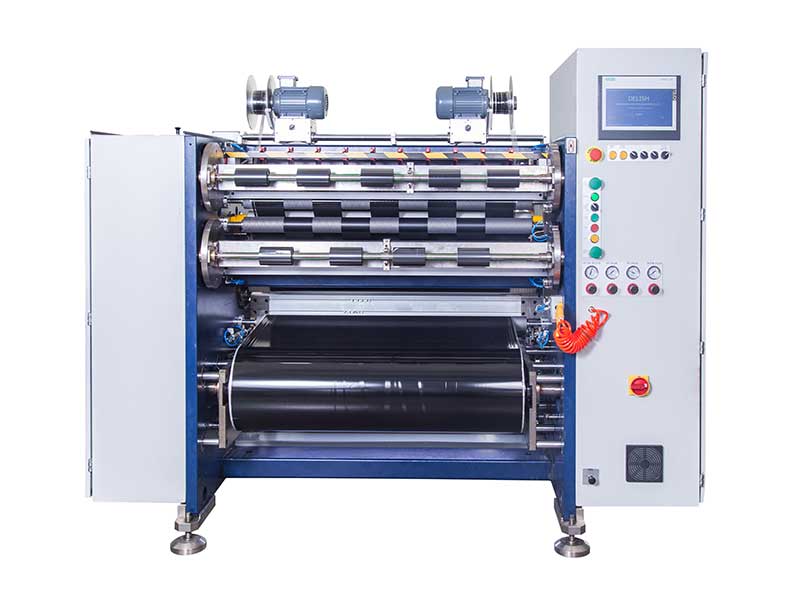 Barcode Ribbon Slitting Machine
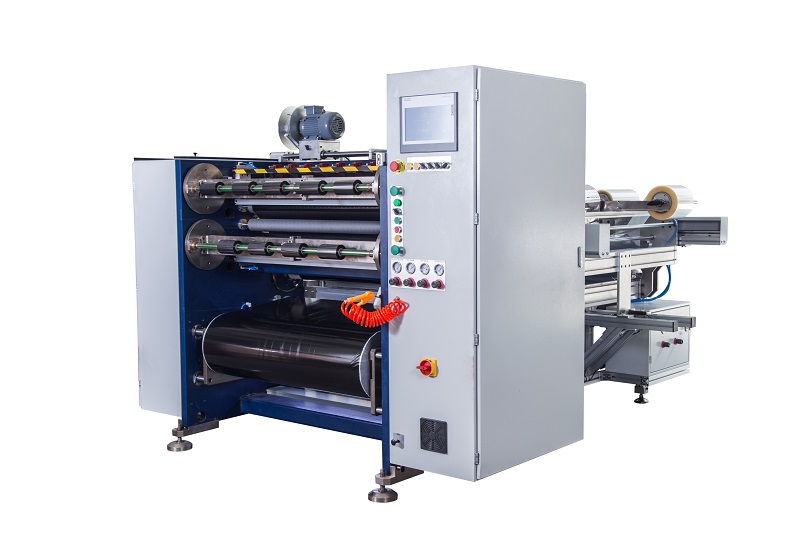 Semi Automatic Thermal Transfer Ribbon Slitter RSDS5 PLUS
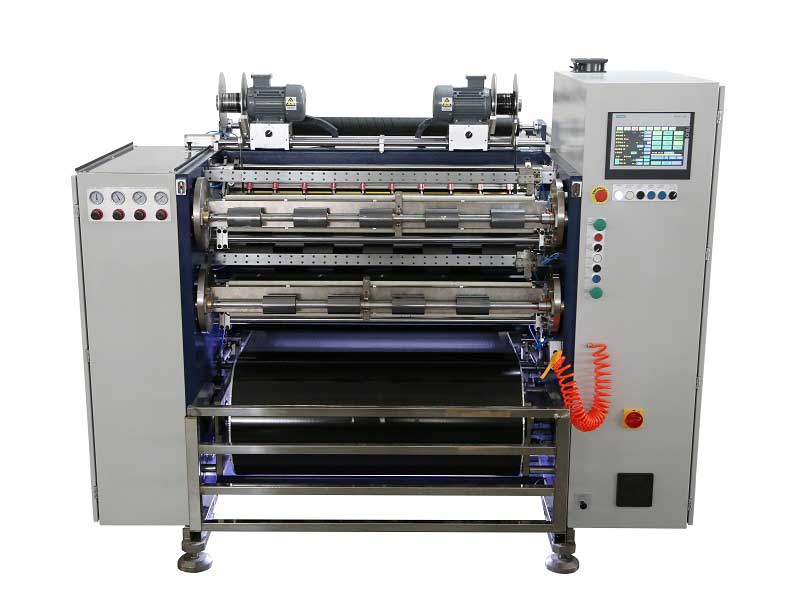 Automatic Thermal Transfer Ribbon Slitter RSDS8 H PLUS
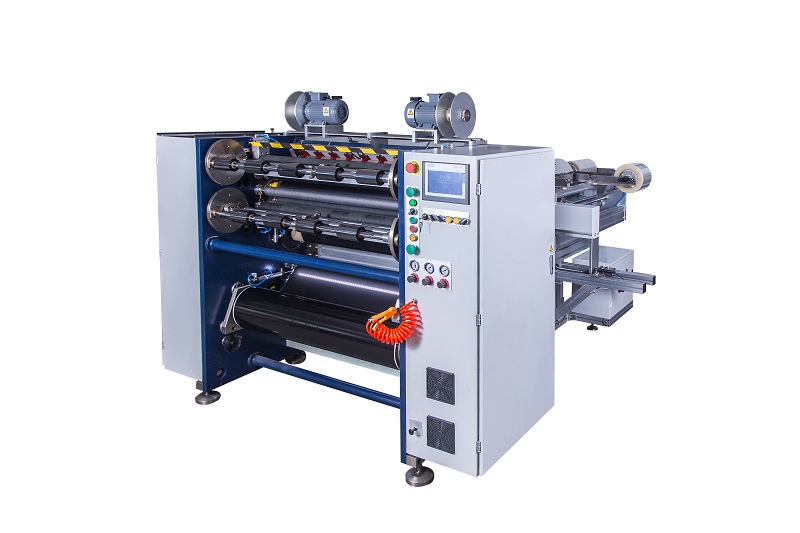 Semi Automatic Thermal Transfer Ribbon Slitter RSDS2 PLUS
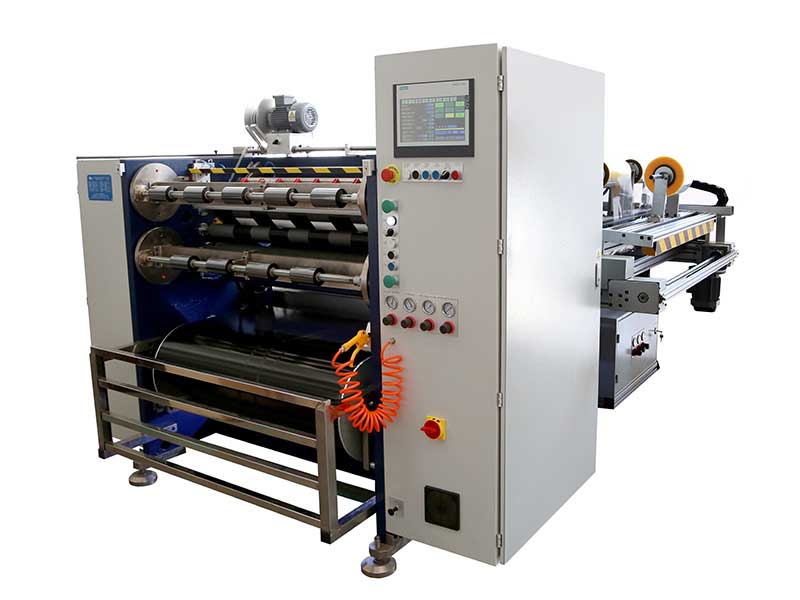 Automatic Thermal Transfer Ribbon Slitter RSDS6 PLUS
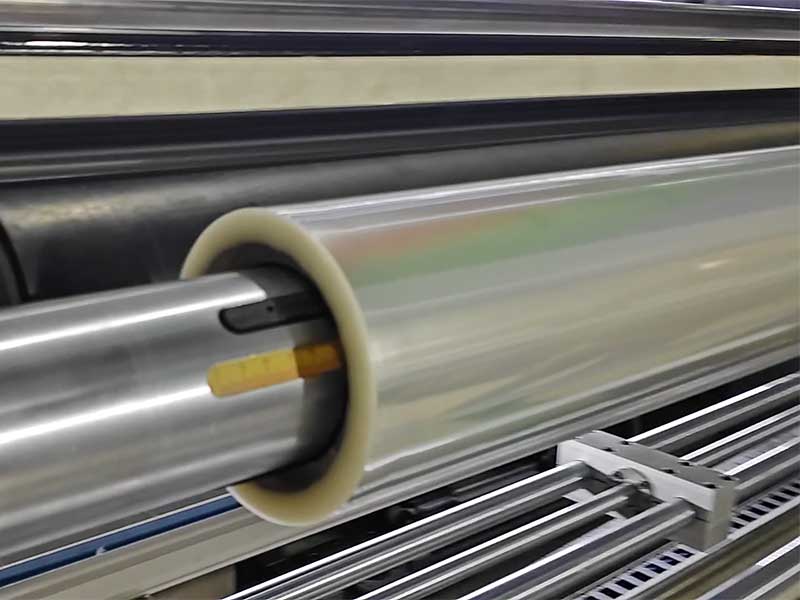 Solar Film Slitter
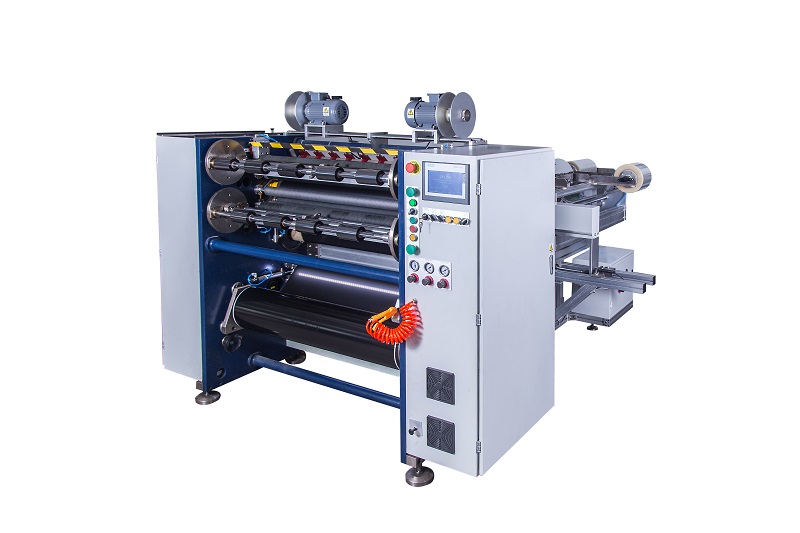 Semi Automatic Thermal Transfer Ribbon Slitter RSDS1 PLUS
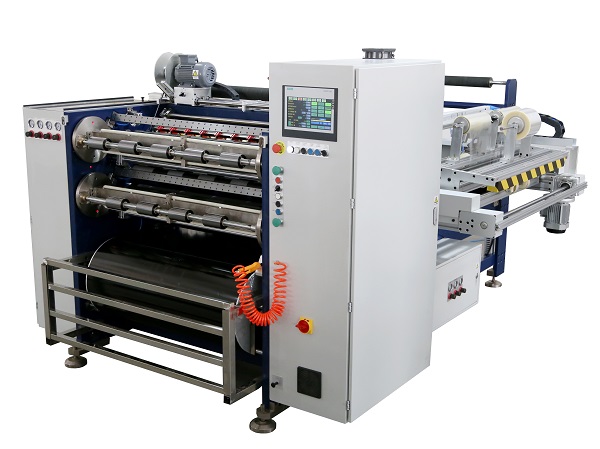 Automatic Thermal Transfer Ribbon Slitter RSDS8 PLUS