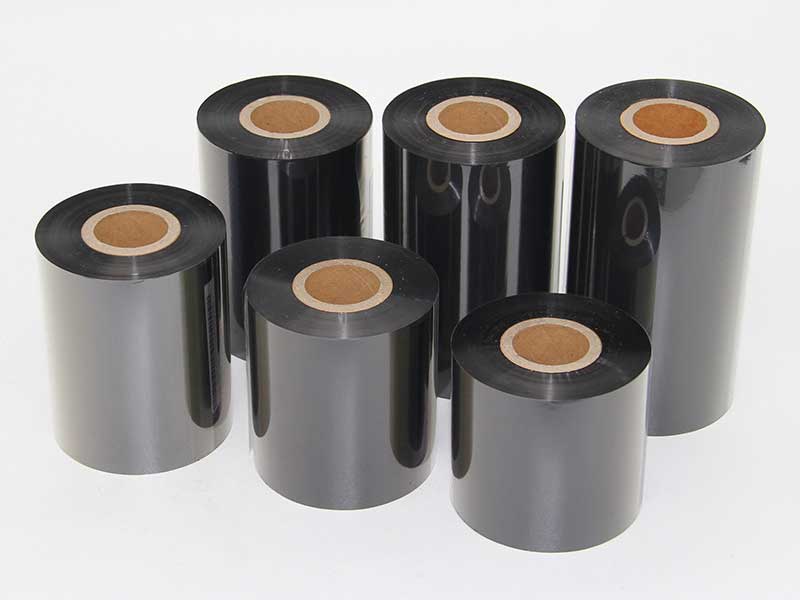
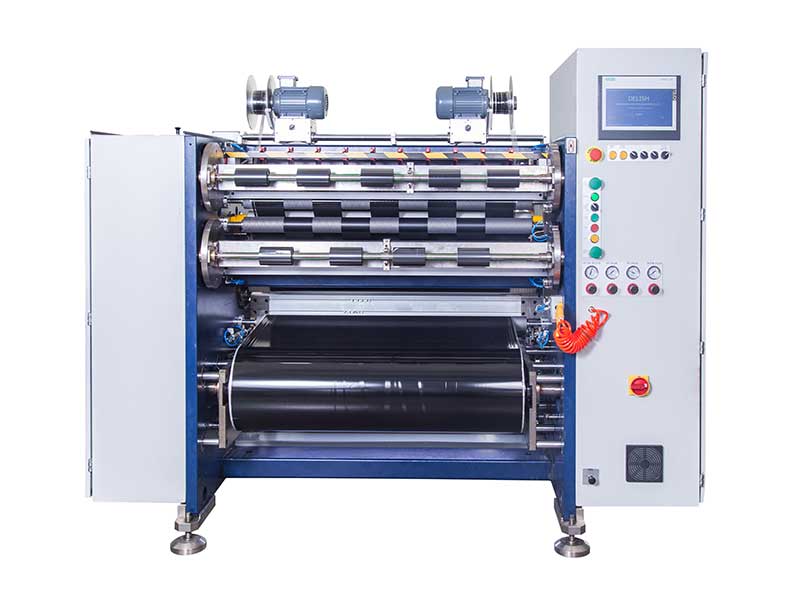
For thermal transfer ribbon (TTR) manufacturers, the slitting machine is not merely a finishing tool—it is the final gatekeeper of product quality. A TTR slitter transforms jumbo master rolls into printer-ready finished rolls, and the precision of this conversion directly determines whether the ribbon performs reliably in end-user printers or becomes a source of complaints, waste, and damaged print heads. Understanding the specifications that matter—and those that are merely marketing numbers—is essential for making a sound capital equipment decision.
Slitting Precision: The Non-Negotiable Foundation
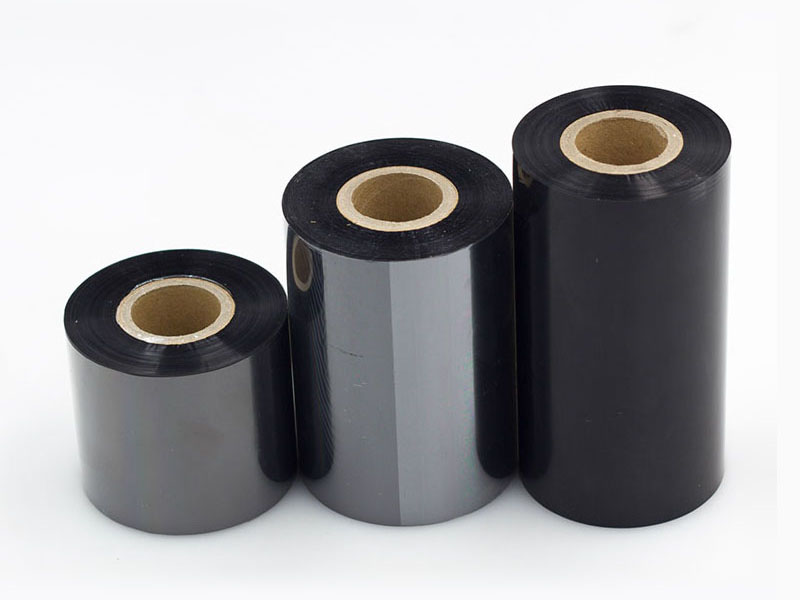
Slitting precision dictates width consistency and edge quality. Insufficient precision produces burred edges that can wear down thermal print heads and width deviations that cause ribbon misalignment during high-speed printing. Industry accuracy tiers are generally categorized as follows: economy grade at ±0.3–0.5 mm for conventional commercial and logistics labels; high precision at ±0.1 mm for electronic tags and industrial applications; and ultra-high precision at ±0.05 mm or tighter for medical labels, high-resolution barcodes, and ultra-narrow ribbons . For manufacturers serving medical, electronics, or narrow-web segments, ±0.05 mm capability is not a luxury—it is a requirement. The critical evaluation step is trial cutting with your own master roll material at production speed, followed by measuring width deviation across at least ten consecutive finished rolls .
Tension Control: The Specification That Governs Everything Else
Industry practitioners consistently describe tension control as the “soul” of ribbon slitting, and for good reason: it accounts for more than 50% of the influence on winding flatness and overall roll quality . The PET base film in thermal transfer ribbon is extremely thin—typically 4.5 to 20 microns—and behaves elastically under load. Excessive tension stretches and deforms the substrate, causing microcracks in the ink layer that shed powder and contaminate print heads. Insufficient tension produces loose, wrinkled rolls that generate white lines or indentations during printing. Uneven tension leads to telescoping and core misalignment .
A fully automatic closed-loop tension control system combining a PLC with servo drives is the baseline expectation. This configuration monitors and adjusts tension in real time across unwinding, traction, and rewinding stages, holding fluctuations within ±2% of the set value or tighter. Traditional open-loop control with manual magnetic particle clutch adjustment can drift by ±10% and cannot compensate for the tension changes that occur as roll diameter grows . Taper tension is equally important: as the rewinding diameter increases, the system should automatically decrease tension to maintain a “tight inside, softer outside” structure, preventing internal creep and ink transfer during storage and transport.
Winding Neatness and the Hardware That Produces It
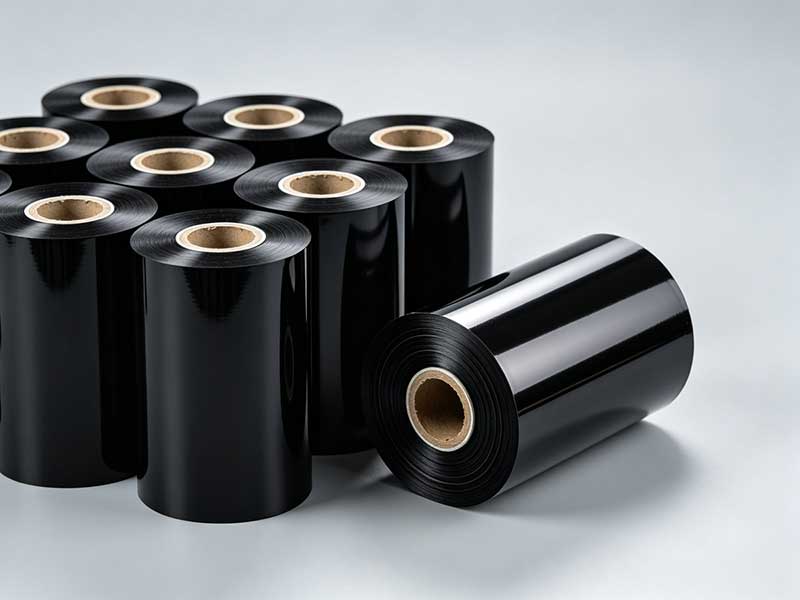
Winding neatness is the most visible indicator of slitter quality and one of the most frequently overlooked specifications during purchasing. End-face deviation should be controlled within ±1 mm for standard production, with high-end equipment achieving ±0.5 mm . Poor winding neatness manifests as “bell-mouth” profiles, “sawtooth” edges, or internal wrinkles—any of which will cause ribbon breakage or printer jams at the end-user stage.
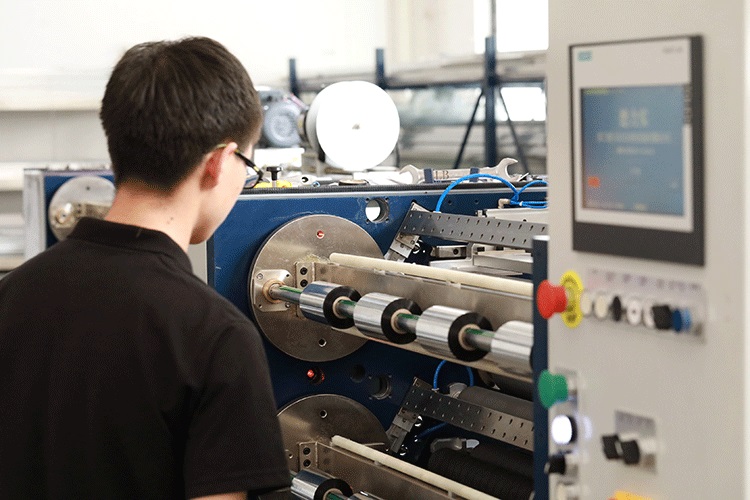
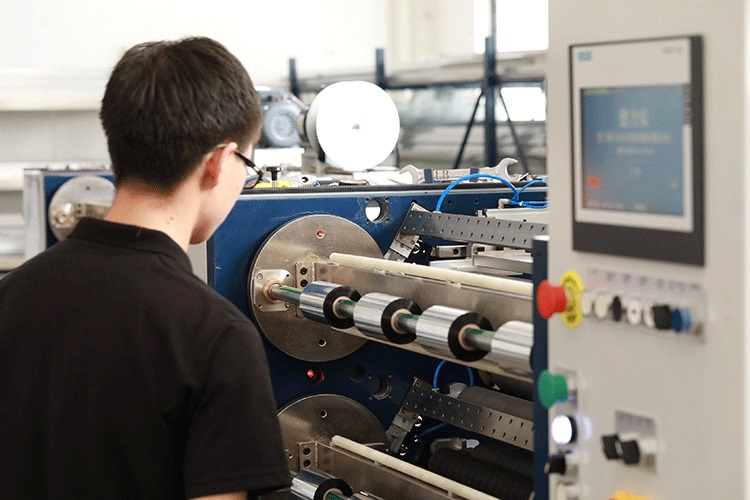
Slip shafts are essential for multi-specification production. Each winding station has an independent slip ring that adjusts torque as roll diameter changes, maintaining consistent hardness from core to surface. Pneumatic slip shafts offer better control precision than mechanical versions and are worth the additional investment for operations that frequently switch specifications or run multiple narrow rolls simultaneously . Active web guiding using photoelectric or ultrasonic sensors is the other non-negotiable hardware item, monitoring edge position in real time and adjusting rollers to prevent lateral drift .
Slitting Speed: Match Output to Material Realities
Nominal maximum speed is the most heavily marketed specification and the least meaningful in isolation. A machine that claims 450 m/min but must be run at 200 m/min to maintain acceptable quality with your specific resin ribbons is effectively a 200 m/min machine . Practical speed ranges break down into low-speed economy models at 50–100 m/min for small-batch production, medium-speed universal machines at 150–250 m/min for most commercial orders, and high-speed production models at 300–500 m/min for continuous large-volume operations . Resin-based ribbons, with harder coatings and lower toughness, typically require operating speeds 20–30% below those for wax-based ribbons . Stability at the intended production speed matters more than the peak number on the datasheet.
Automation Level and Changeover Efficiency
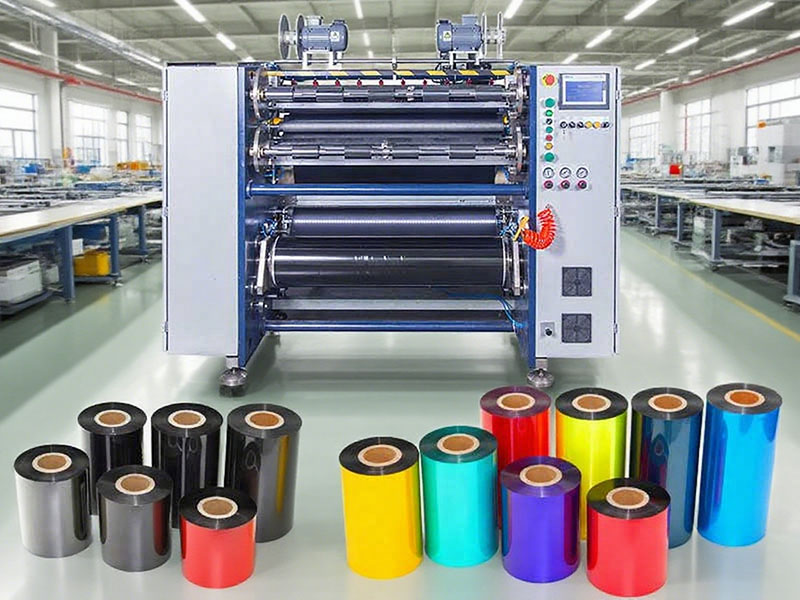
Automation directly impacts labor costs, changeover speed, and scrap rates. Semi-automatic machines require manual blade positioning and leader/trailer handling, while fully automatic systems offer automatic blade setting, leader/trailer handling, turret rewinding, and cross cutting. A fully automatic TTR slitter can achieve max widths of 1050 mm, speeds of 450 m/min, and minimum slit widths of 25 mm, making it suitable for large-volume production . For manufacturers facing increasing demand for “small batches, multiple specifications,” rapid changeover capability—supported by servo-driven independent tool holders and recipe management systems—deserves serious weight in the purchasing decision .
A Final Consideration: Total Cost of Ownership
The purchase price is only one component of the true cost of a slitting machine. A machine that produces inconsistent rolls, requires frequent blade changes, or demands extensive operator intervention generates hidden costs in waste, rework, and customer complaints. When evaluating suppliers, request trial slitting with your own materials, inspect cut edges under magnification, and measure end-face deviation on finished rolls. The specifications that matter are the ones that hold up under your production conditions—not the ones that look impressive on a brochure.
 English
 Deutsch
 Français
 Español
 Português
 日本語
 русский
 한국어
 عربي
 ภาษาไทย
 Tiếng Việt
 Italiano

 Barcode Ribbon Slitting Machine
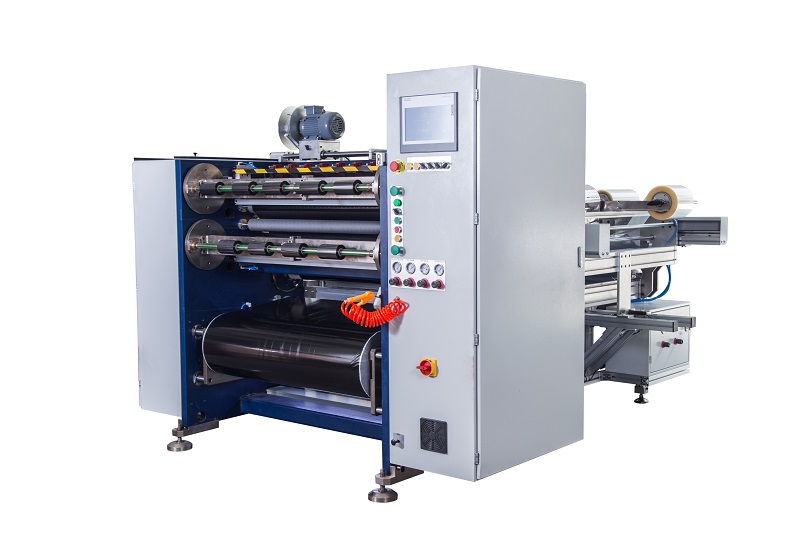 Semi Automatic Thermal Transfer Ribbon Slitter RSDS5 PLUS
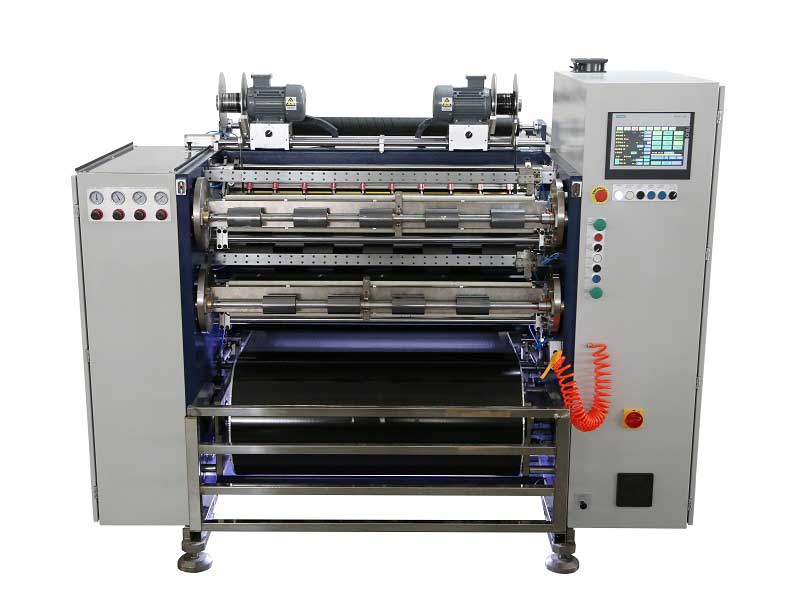 Automatic Thermal Transfer Ribbon Slitter RSDS8 H PLUS
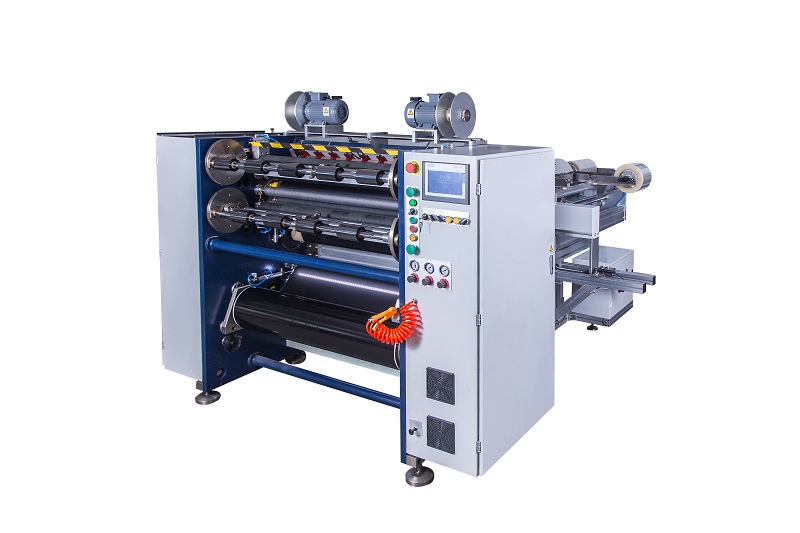 Semi Automatic Thermal Transfer Ribbon Slitter RSDS2 PLUS
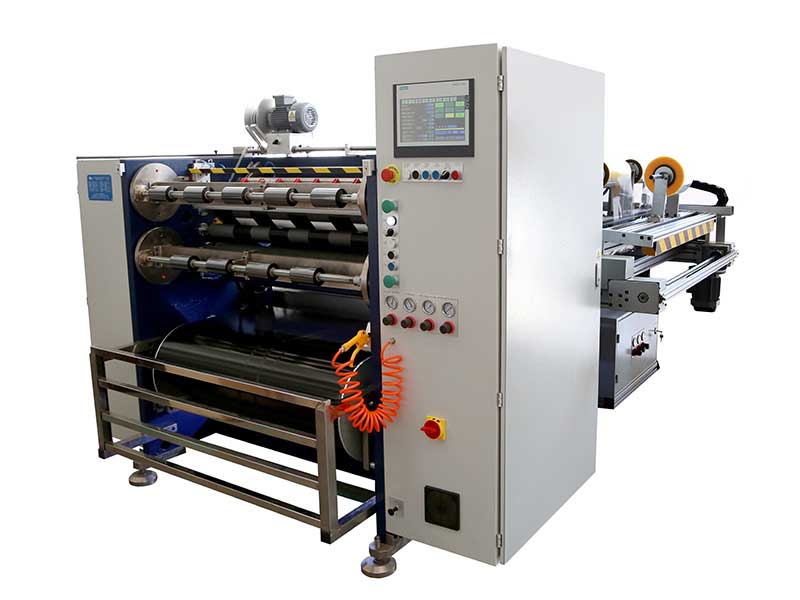 Automatic Thermal Transfer Ribbon Slitter RSDS6 PLUS
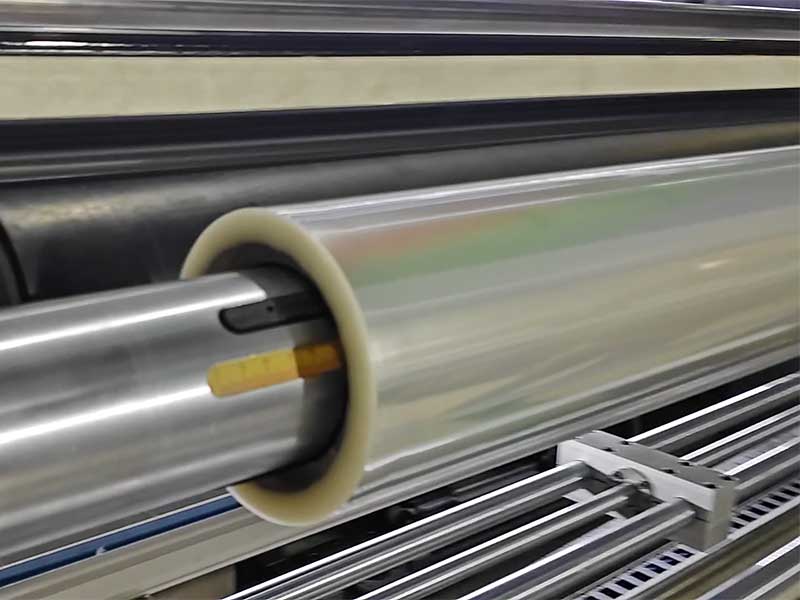 Solar Film Slitter
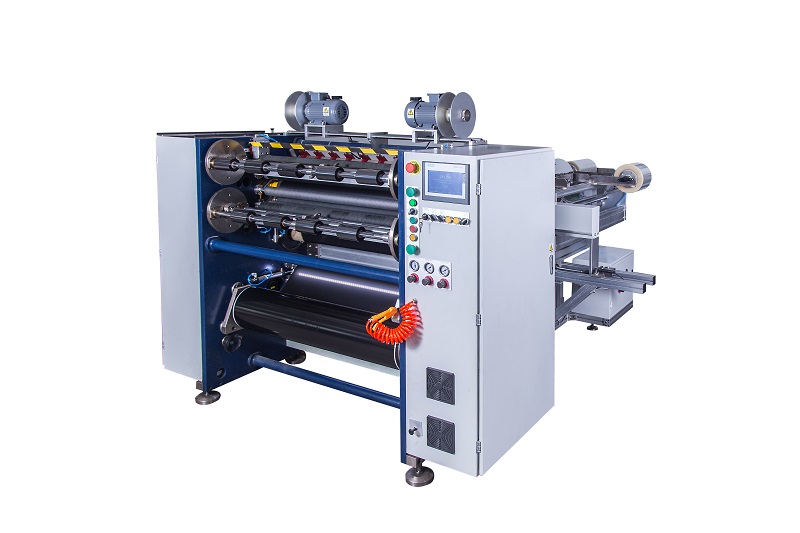 Semi Automatic Thermal Transfer Ribbon Slitter RSDS1 PLUS
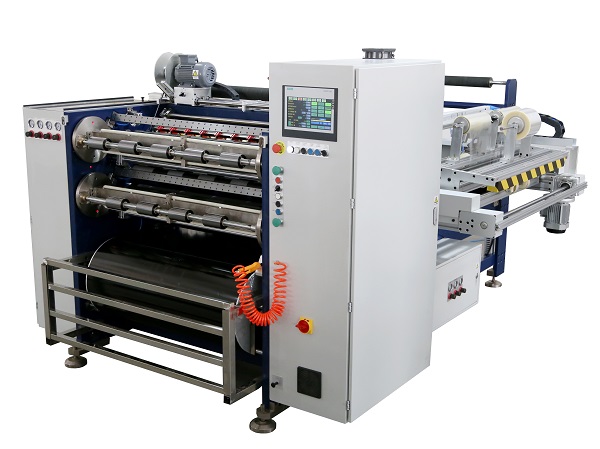 Automatic Thermal Transfer Ribbon Slitter RSDS8 PLUS