The slitting of barcode ribbons is far from simply "cutting and rolling it back up." A roll of thermal transfer ribbon is a composite of PET base film only a few microns thick, an ink layer, and a back coating. Slitting precision directly determines the clarity of barcode printing, the smoothness of ribbon travel, and even the service life of the printhead. On traditional slitting machines, precision depends on experienced operators adjusting tension, reading scales, and feeling the blade edge by experience; the intervention of AI is pushing this process from "experience-driven" to "data-driven." Its value lies not in replacing machinery, but in giving machinery the ability to sense, judge, and correct errors in real time.
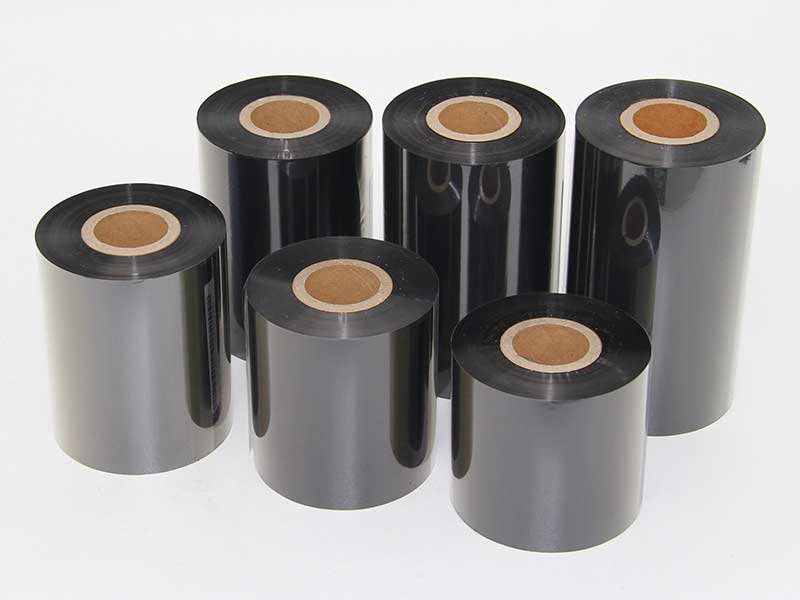
Tension Control: From "Segmented Settings" to "Dynamic Prediction"
Tension is the "soul of stability" in ribbon slitting. The ribbon substrate is extremely thin; if tension is too high, the PET base film is stretched and micro-cracks appear in the ink layer, resulting in powder shedding and white lines when the finished product reaches the user's printer; if tension is too low, the material becomes slack and wrinkled, with a serpentine end face, which is especially fatal when slitting narrow tapes. Although traditional equipment has adopted segmented closed-loop control, with tension set separately for unwinding, slitting, and rewinding, the parameters are static—the operator gives a set of values based on experience, and the equipment executes accordingly to the end.
AI's entry point is to make tension parameters flow in real time with operating conditions. During ribbon slitting, roll diameter changes, speed changes, and the friction characteristics of the substrate also change; static settings will always lag behind actual demand. By introducing a tension optimization algorithm based on reinforcement learning, the system can continuously collect tension sensor data and finished end-face quality results in each slitting batch, automatically learning "what tension curve is optimal for what combination of roll diameter, speed, and material." Some research has applied deep reinforcement learning to the parameter optimization of the tracking differentiator of slitting machines, keeping steady-state error within 1.24%, significantly better than unoptimized schemes. This means that when the equipment switches from wax-based ribbon to resin-based ribbon, or from wide width to narrow tape, AI no longer requires manual re-test cutting and parameter adjustment, but directly provides a converged tension strategy based on historical data, minimizing "machine adjustment waste."
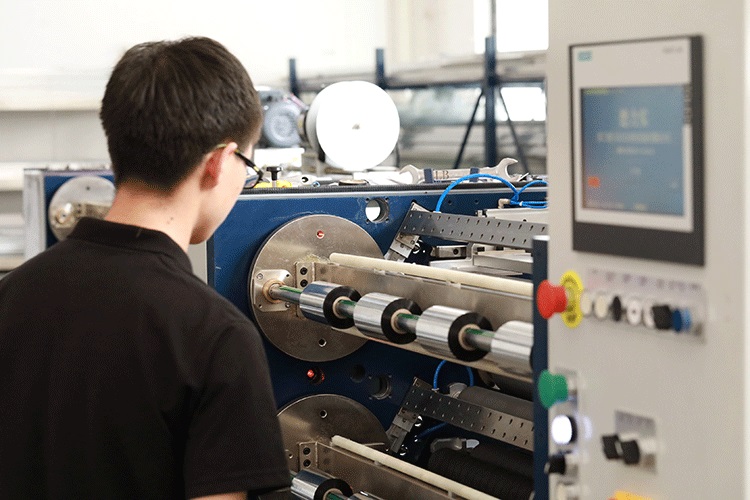
Real-Time Linkage Between Defect Detection and Slitting Decisions
Quality inspection on traditional ribbon slitting machines is lagging: after cutting, a few rolls are sampled, and if burrs or scratches are found, the entire batch is downgraded or scrapped. The introduction of visual inspection changed the way of "seeing," while AI changes "what to do after seeing."
High-speed line-scan cameras scan the ribbon surface and slitting edges at hundreds of frames per second, and AI algorithms—usually lightweight convolutional neural networks—complete defect classification in milliseconds: this is a scratch, that is a bubble, and that spot at the edge is a burr rather than a stain. The key is that detection results are no longer used only for after-the-fact reports, but are fed back in real time to the slitting actuator. When the vision system identifies continuous defects in a certain section of the master roll, AI can automatically plan the slitting path, avoid the defective section from the finished product specification, or mark its location for subsequent removal; when the height of edge burrs shows an upward trend, the system can determine that the blade is dulling and issue a tool-change warning in advance, rather than waiting until the cut edge tears to stop the machine. This "detection—judgment—execution" closed loop pushes slitting precision from "post-event gatekeeping" to "process immunity."
Deviation Correction and Blade Compensation: Micron-Level Adaptive Adjustment
The issue of deviation in ribbon slitting is sharply amplified under narrow-tape specifications. When the slitting width is below 10 mm, the lateral rigidity of the ribbon is extremely weak, and any slight tension fluctuation or mechanical deviation on the guide rollers will be amplified into "tower rolls" or "serpentine edges." Traditional deviation correction systems rely on photoelectric sensors to detect edge position and drive the actuator to correct, with a response time usually above 0.3 seconds, which is still slow for high-speed slitting.
AI's role here is to change deviation correction from "feedback correction" to "feedforward prediction." By analyzing the correlation between historical deviation data and real-time tension, speed, and roll diameter, machine learning models can predict the trend of edge position drift at the next moment before the deviation is captured by sensors, and issue commands to the correction mechanism in advance. With servo systems, correction precision can be stabilized at the ±0.05 mm level. Similarly, tool wear compensation is also becoming intelligent: pressure sensors monitor blade condition, and AI models infer the degree of edge wear based on cutting resistance and burr characteristics, automatically fine-tuning cutting depth or overlap to avoid edge tearing caused by "dull blade squeezing."
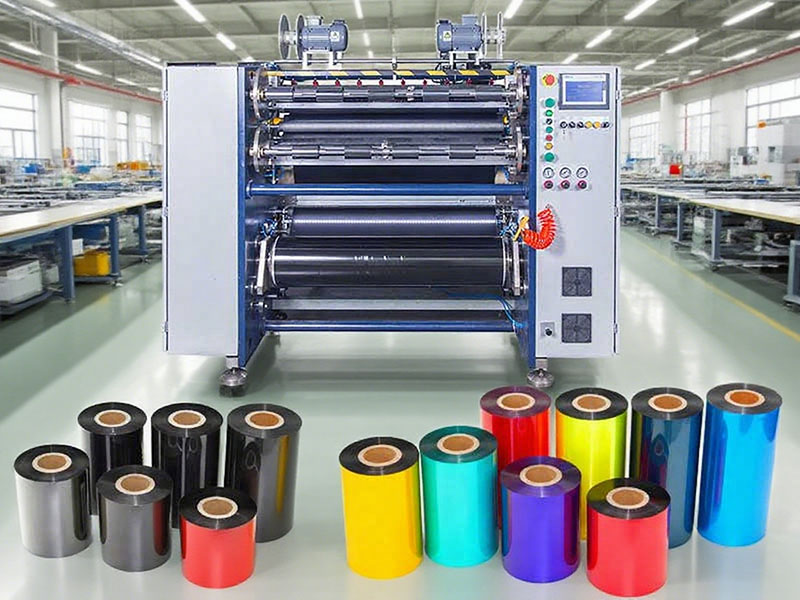
Dynamic Balance Between Speed and Precision
An easily overlooked fact is that slitting speed is not the faster the better. Measured data show that under a speed gradient from 150 m/min to 550 m/min, the yield of ribbon slitting can fall from 97.2% to 88.0%, while the medium-speed range of 250 to 350 m/min is often the "golden zone" with the highest yield. In traditional operation, operators choose a conservative speed based on experience, sacrificing capacity for stability.
AI can do this more finely. It does not pursue the highest speed on paper, but seeks the optimal speed point under current working conditions in real-time quality data. When the vision system feedback shows a decrease in edge burr rate and a narrowing of tension fluctuation, AI gradually increases linear speed to test the capacity limit; once a deteriorating trend in end-face uniformity is detected, it immediately falls back to the safe range. This dynamic optimization capability means the equipment no longer requires humans to make a either-or decision between "ensuring quality" and "pushing output."
Conclusion
The improvement of barcode ribbon slitting precision has never been the credit of a single technology. Mechanical rigidity is the baseline, servo control is the skeleton, and AI is the layer that teaches this system to "think." It turns tension from a static recipe into a dynamic curve, turns quality inspection from sampling into a full-inspection closed loop, and turns deviation correction from passive response into active prediction. For ribbon slitting enterprises, the practical value of AI is ultimately reflected in two numbers: width tolerance approaching ±0.05 mm from ±0.1 mm, and scrap rate compressed from 3%–5% to below 0.5%. When a roll of ribbon runs smoothly through the last centimeter in the printer and the barcode remains clear and sharp, those micron-level contests hidden in servo motors and algorithm models have truly completed their mission.
 English
 Deutsch
 Français
 Español
 Português
 日本語
 русский
 한국어
 عربي
 ภาษาไทย
 Tiếng Việt
 Italiano


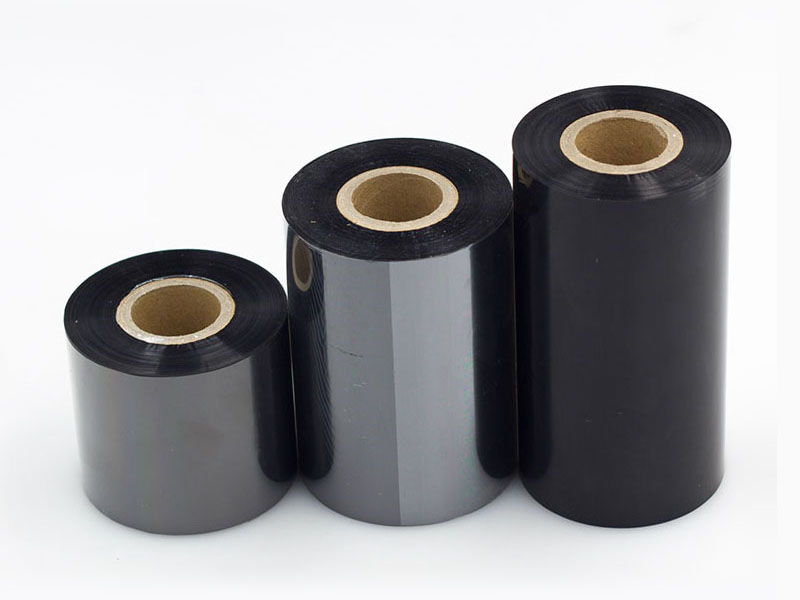
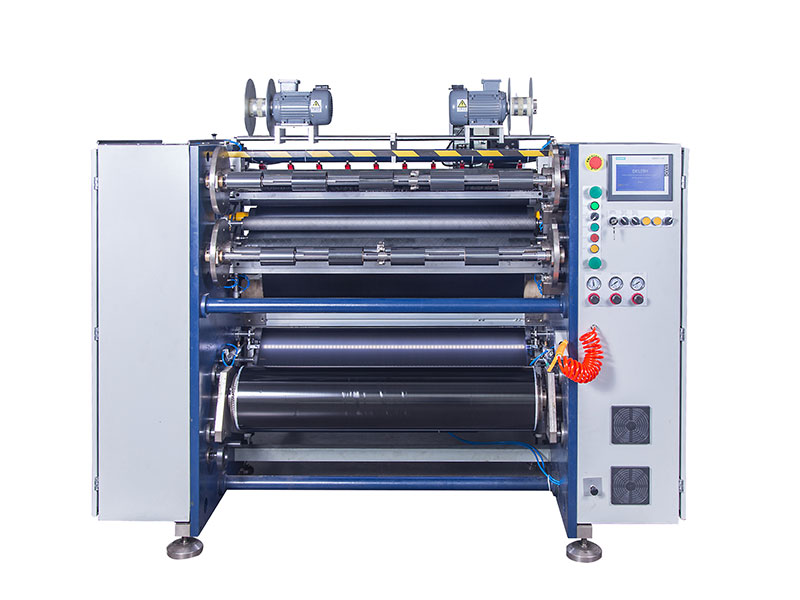
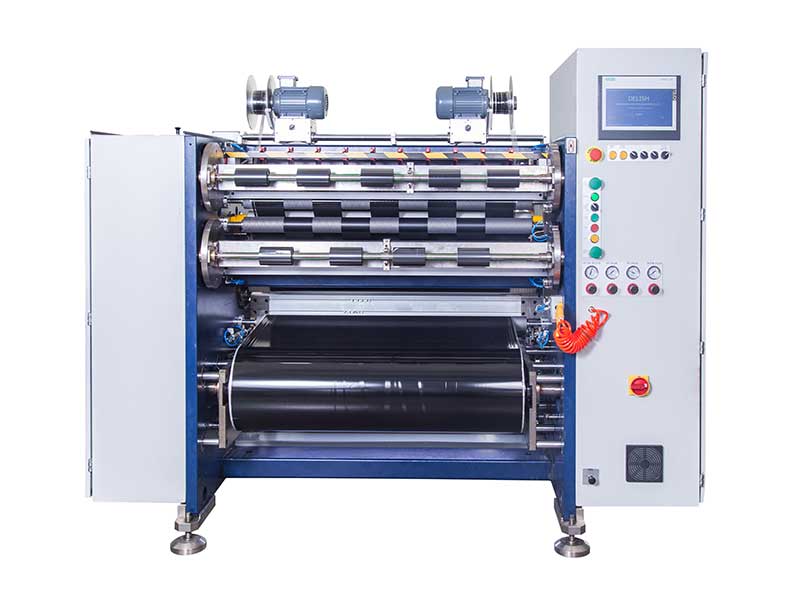 Barcode Ribbon Slitting Machine
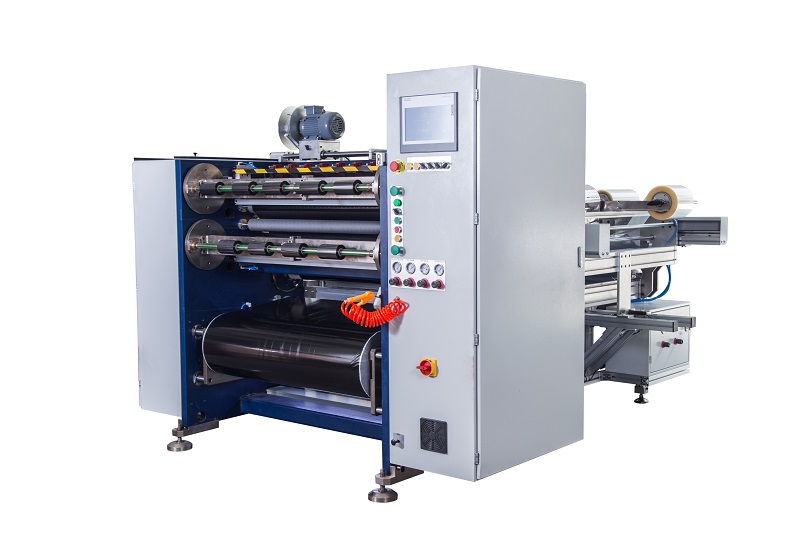 Semi Automatic Thermal Transfer Ribbon Slitter RSDS5 PLUS
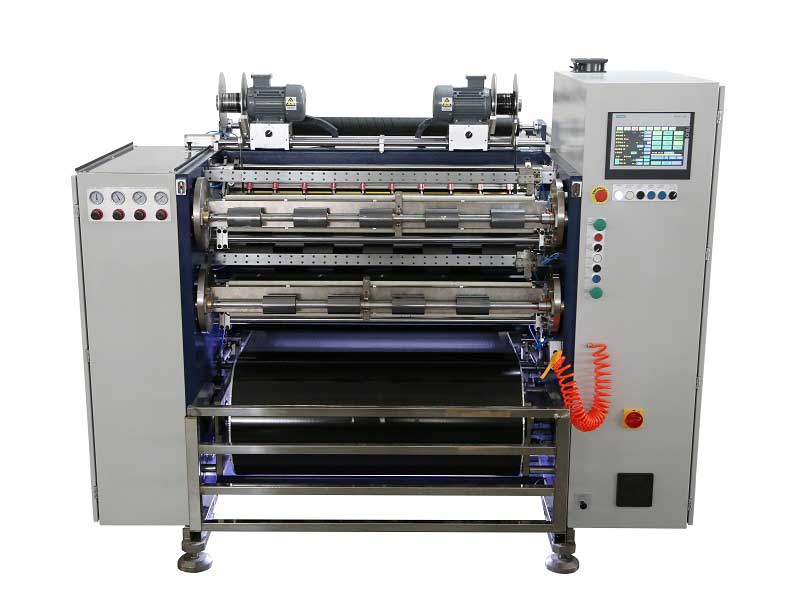 Automatic Thermal Transfer Ribbon Slitter RSDS8 H PLUS
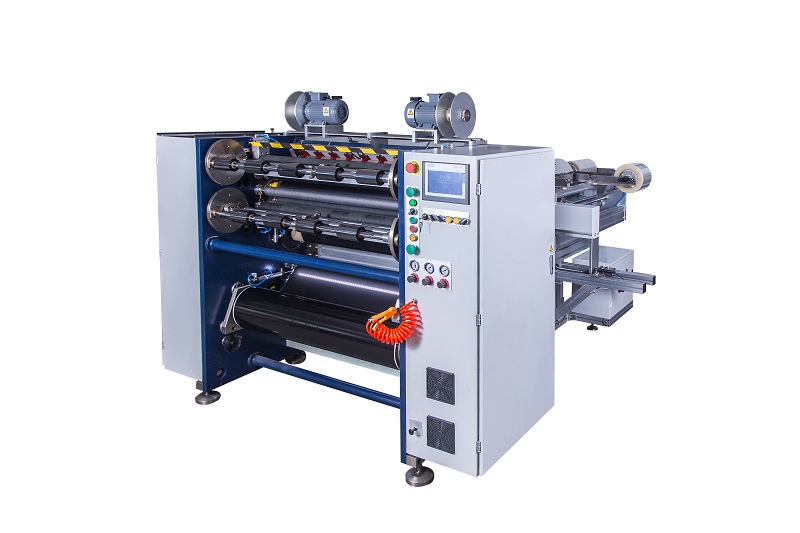 Semi Automatic Thermal Transfer Ribbon Slitter RSDS2 PLUS
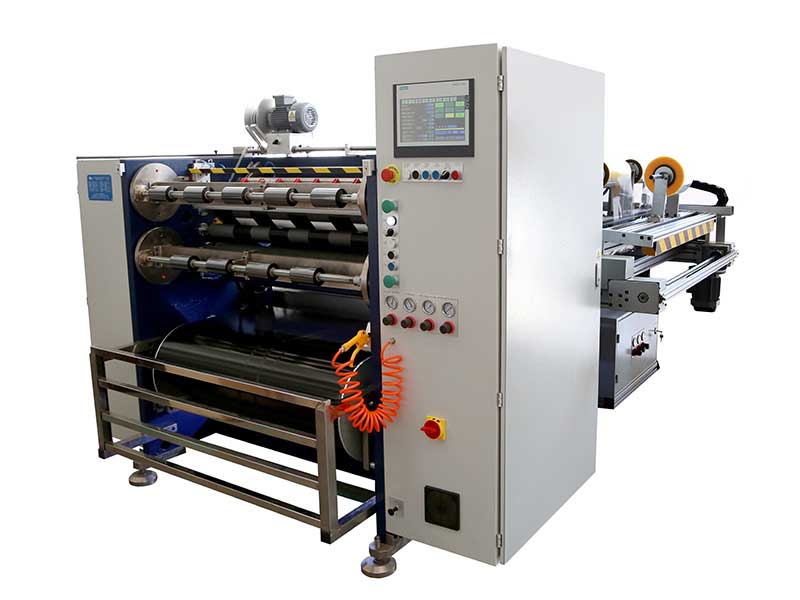 Automatic Thermal Transfer Ribbon Slitter RSDS6 PLUS
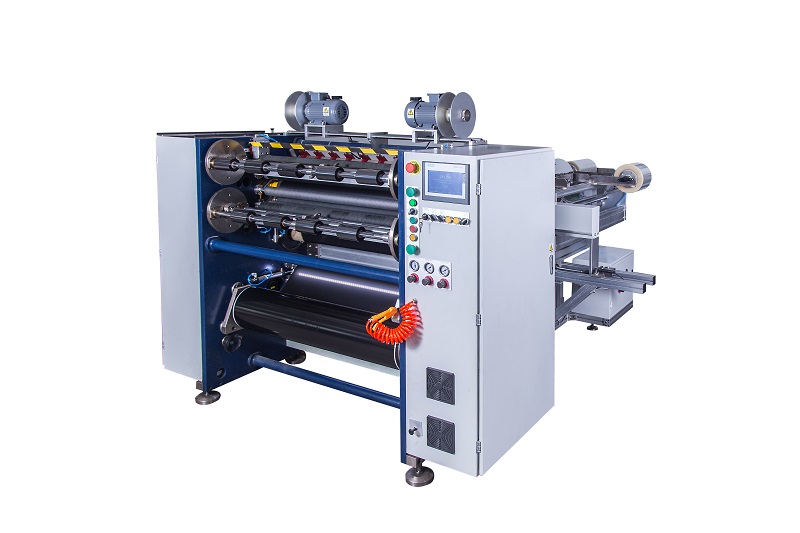 Semi Automatic Thermal Transfer Ribbon Slitter RSDS1 PLUS
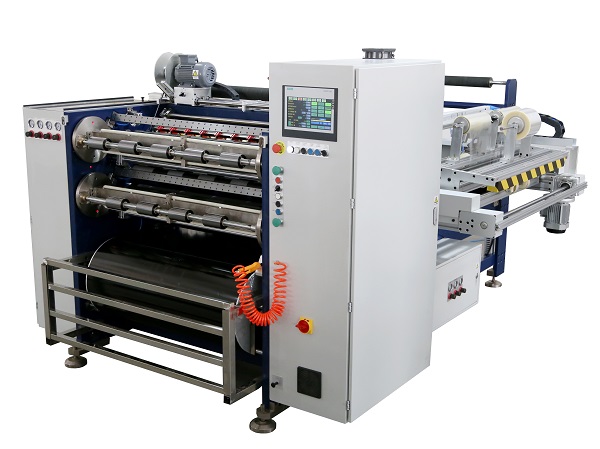 Automatic Thermal Transfer Ribbon Slitter RSDS8 PLUS
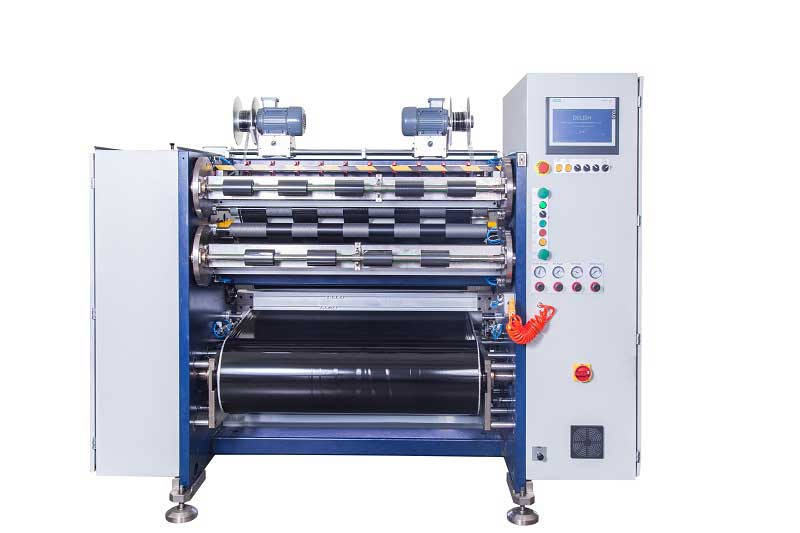 Manual Thermal Transfer Ribbon Slitter RSDS4