Sizing a thermal transfer ribbon slitting machine is one of the highest-leverage decisions a barcode ribbon manufacturer will make. Choose correctly, and you convert raw jumbo rolls into precise, repeatable finished rolls with minimal waste. Choose incorrectly, and you lock in blade chatter, edge dust, inconsistent widths, and customer returns for years.
This guide walks barcode ribbon converters through every sizing parameter that matters — from web width and core diameters to tension control, blade selection, and dust management — so you can spec a machine that matches your product mix today and scales with it tomorrow.
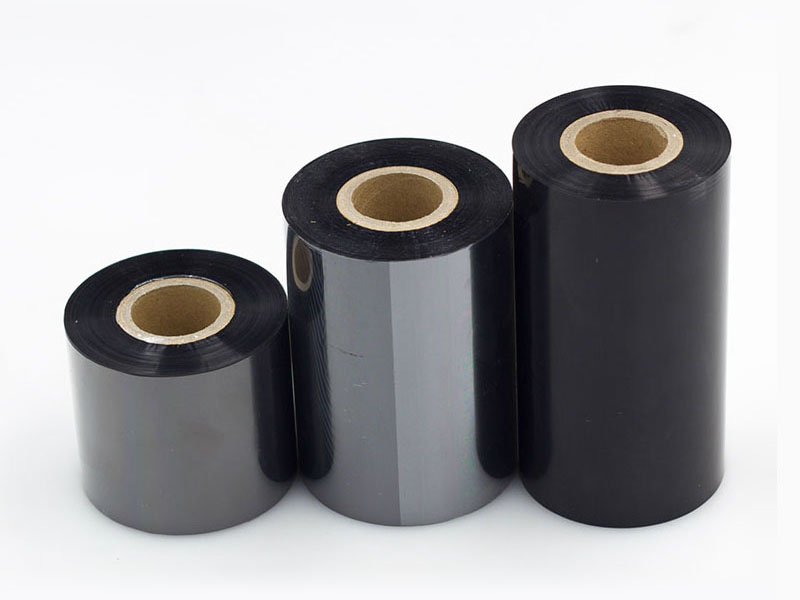
1. Know Your Input and Output: The Sizing Basics
Before you look at any machine specification, define the two ends of the process.
Input (jumbo roll):
• Master web width (mm or inches) — typical thermal transfer ribbon master widths range from 200 mm to 1,300 mm
• Outer diameter (OD) of the jumbo roll
• Core ID of the master roll
• Total roll weight
Output (finished rolls):
• Final slit width per roll (e.g., 30 mm, 50 mm, 60 mm, 110 mm)
• Core ID you must finish to (0.5", 1", 1.5", 2", or 3" cores)
• Roll OD / length per finished roll
• Tolerance requirements for width
The machine's working width and unwind capacity must comfortably exceed both your current master stock and the widest roll you plan to source. Rule of thumb: size for your largest realistic master width, then add 10–15% margin.
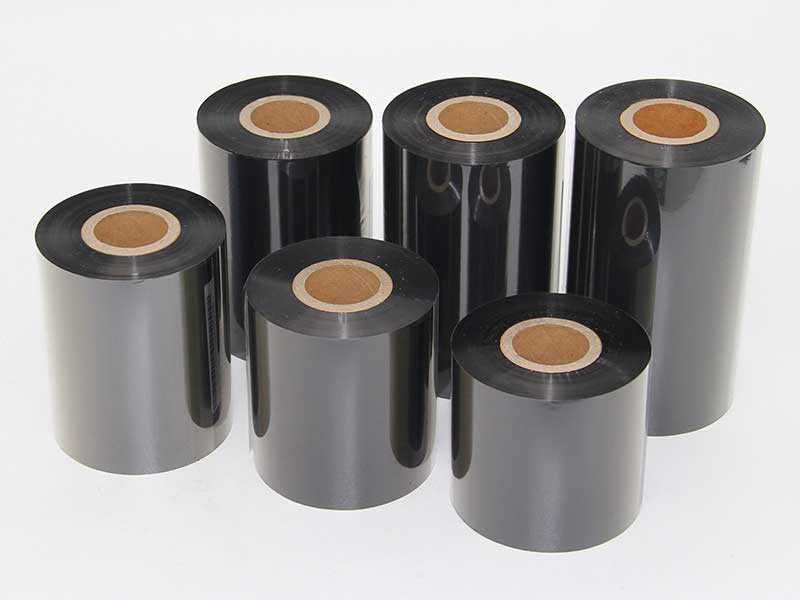
2. Core Diameters: The Most Frequently Overlooked Parameter
The core IDs you must produce determine the mandrel and rewind system configuration. Barcode ribbon is most commonly finished onto 1-inch (25.4 mm) cores, but 0.5", 1.5", 2", and 3" cores are common across markets and applications.
Critical questions to ask:
• Does the machine support multiple core sizes? A dual or interchangeable rewind shaft saves changeover time across your product line.
• Does it handle eccentric or lightweight paper/plastic cores? Barcode ribbon often uses thin plastic cores; the machine needs proper core gripping to avoid slippage during high-speed rewind.
• Is core alignment automated? Misaligned cores cause telescoping — one of the most common rejection reasons in barcode ribbon.
Choose a machine where rewind shaft diameter, core gripping, and end-cap design match every core size in your catalog.
3. Web Width Range and Slitting Configuration
The slitting method must match both your material and your quality requirements.
Razor / crush cutting — suited to thin, low-cost film webs; simple but generates more edge dust and requires frequent blade changes.
Shear (rotary) cutting — uses a male/female blade set for a cleaner cut; ideal for wax and wax-resin ribbons where edge quality directly affects printhead performance.
Score cutting — best for thicker films and materials prone to tearing.
For barcode ribbon, where printhead life and consistent barcode quality depend on clean, dust-free edges, shear slitting is the recommended default. The machine's slitting head should allow rapid re-positioning of blades to minimize changeover time between width jobs.
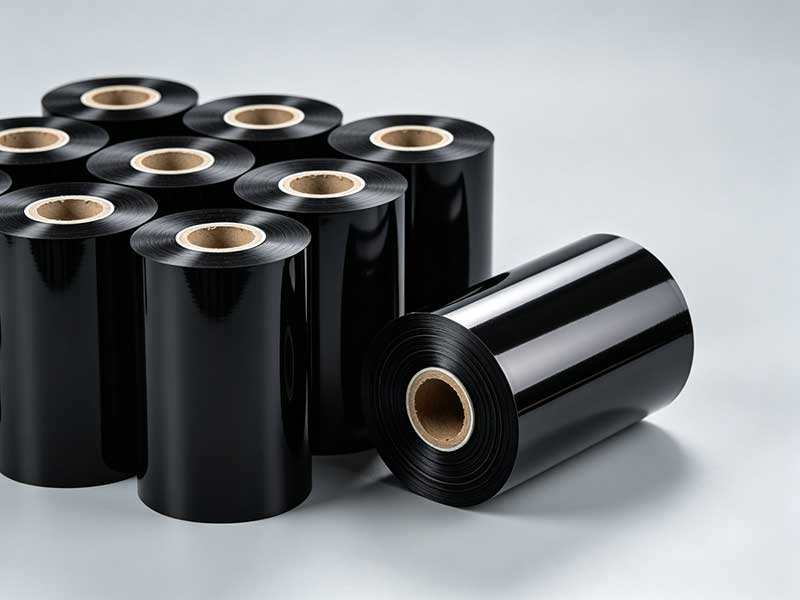
4. Tension Control: Where Quality Is Won or Lost
Uneven tension is the root cause of telescoped rolls, wrinkled ribbon, and inconsistent print performance downstream. Your sizing checklist should include:
• Independent tension zones for unwind, slitting, and rewind — each controlled separately
• Closed-loop tension control (load cell based) that compensates as roll diameter changes during rewinding
• Programmable taper tension so that finished rolls stay firm at the core without crushing inner layers
• Smooth start/stop to prevent web slip on the core at every cycle
If your finished rolls will be used at high speed in industrial label printers, tension consistency is non-negotiable.
5. Dust Control and Edge Quality
Barcode ribbon must have exceptionally clean edges — dust and coating debris left on the web migrate into the printhead area and shorten printhead life, causing poor print quality and costly customer complaints.
A quality slitting machine should integrate:
• Edge trimming with removal of trim waste
• Vacuum or brush dust removal at the slitting station and rewind
• Static elimination bars to prevent dust attraction and web cling
• Guided dust collection to keep both the machine and the cleanroom environment clean
If you are supplying ribbon to customers running thermal printers, an integrated dust-removal system is one of the strongest selling points you can offer — and a requirement, not an option.
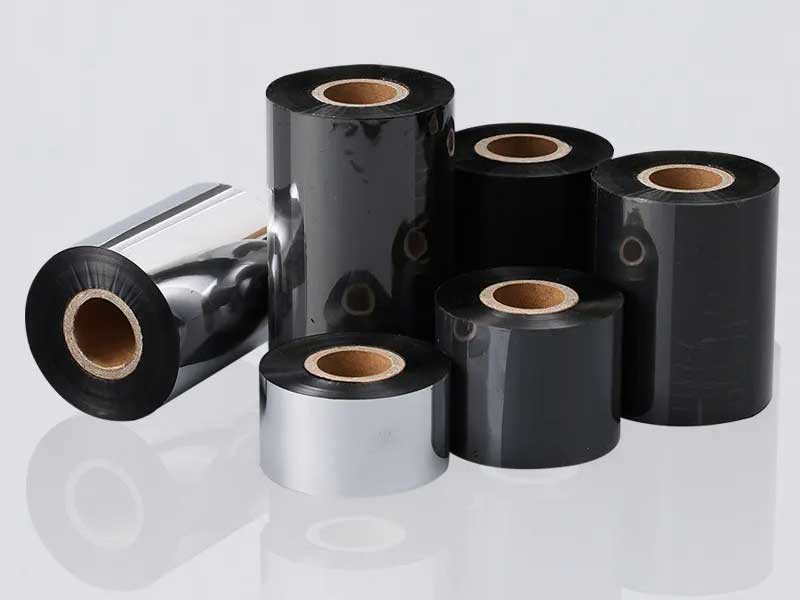
6. Speed vs. Accuracy: Matching Production to Tolerance
Higher line speeds improve throughput but can compromise width tolerance and edge quality if the machine isn't engineered for it. Key specifications to compare:
| Parameter | What to look for |
| Max slitting speed | Match your target daily output; typical 100–300 m/min |
| Width tolerance | ±0.1 mm or better for precision barcode ribbon |
| Blade run-out / concentricity | Low run-out for clean, consistent cuts |
| Roll-to-roll alignment | ≤±0.5 mm to avoid telescoping |
| Changeover time | Under 10 minutes for multi-width production |
Your tolerance requirement should come from your customers' printer applications, not just the machine datasheet. Ask: what is the narrowest finished width and tightest tolerance your sales pipeline requires? That spec should drive the machine selection.
7. Material Compatibility: Wax, Wax-Resin, and Resin Ribbon
Thermal transfer ribbon comes in three main coating chemistries, and they behave differently on a slitter:
• Wax ribbons — softer coating, higher dust generation, needs good dust removal
• Wax-resin ribbons — balanced performance, the most common barcode ribbon grade
• Resin ribbons — harder, more brittle coating; requires gentler tension and precise blade settings to avoid flaking
A machine that handles all three without reconfiguration, and lets you store material-specific recipes (tension, blade type, speed) in the PLC, gives you real production flexibility.
8. Automation, Controls, and Industry 4.0 Readiness
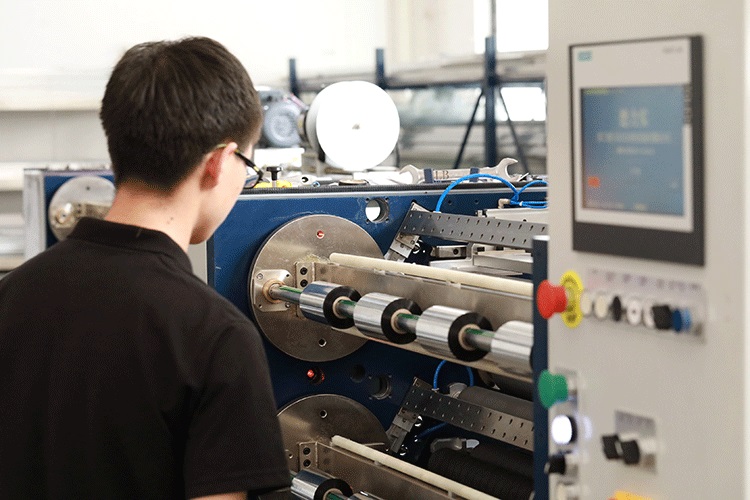
Modern slitting machines are increasingly integrated with:
• Servo-driven control systems for precise tension and repeatable speed
• Recipe management for quick recall of material settings
• Automatic roll counting, labeling, and length measurement
• Edge-guide (EPC) systems to maintain straight web path during slitting
• Data logging for traceability and quality audits
If your customers or quality system require full traceability, prioritize machines with integrated measurement and reporting.
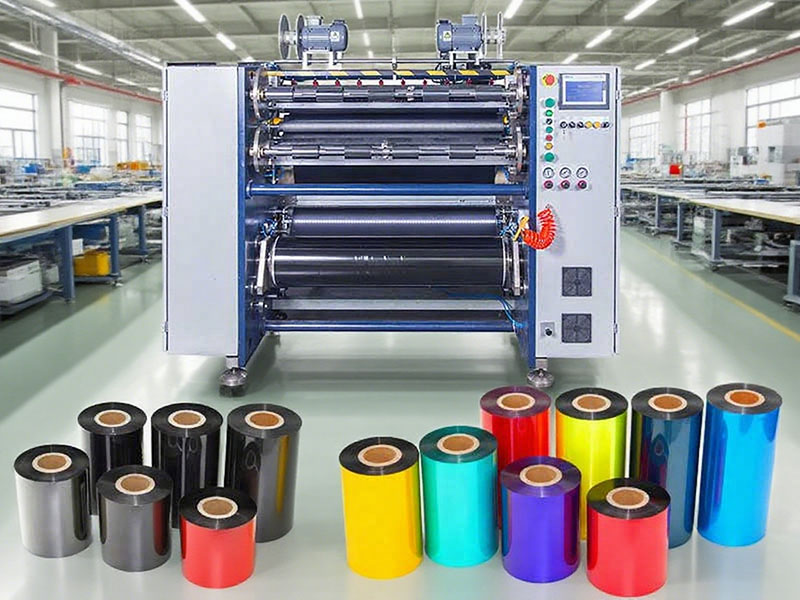
9. Floor Space, Utilities, and Installation
Don't forget the practical constraints:
• Overall footprint and clearances for loading jumbo rolls and unloading finished rolls
• Power requirements (voltage, phase) and compressed air supply for blades/dust system
• Load capacity of your floor, especially for machines handling 1,300 mm+ masters
• Operator access for threading, blade changes, and cleaning
10. A Practical Sizing Checklist
Use this as your final pre-purchase checklist:
▪ Master web width range covers all current and planned input stock (+10–15% margin)
▪ Rewind shaft / core gripping supports every core ID in your catalog
▪ Slitting method (shear recommended) matches your material grades
▪ Closed-loop tension control with taper capability
▪ Integrated dust removal and static elimination
▪ Width tolerance meets your tightest customer application (±0.1 mm or better)
▪ Speed capacity aligned with target output
▪ Material-specific recipes stored in the control system
▪ Changeover time fits your production mix
▪ Utility and footprint requirements confirmed
Conclusion
Sizing a thermal transfer ribbon slitting machine is about matching input, output, and quality — not just picking the fastest or widest model. Get the core diameters, tension control, dust removal, and tolerance right, and you build a production line that delivers clean, consistent barcode ribbon your customers trust. Get them wrong, and every reel becomes a gamble.
If you are evaluating a slitting machine for your barcode ribbon line, map your complete product catalog against this checklist first — then compare machines on the parameters that actually drive your quality and cost.
 English
 Deutsch
 Français
 Español
 Português
 日本語
日本語 русский
 한국어
한국어 عربي
عربي ภาษาไทย
 Tiếng Việt
 Italiano
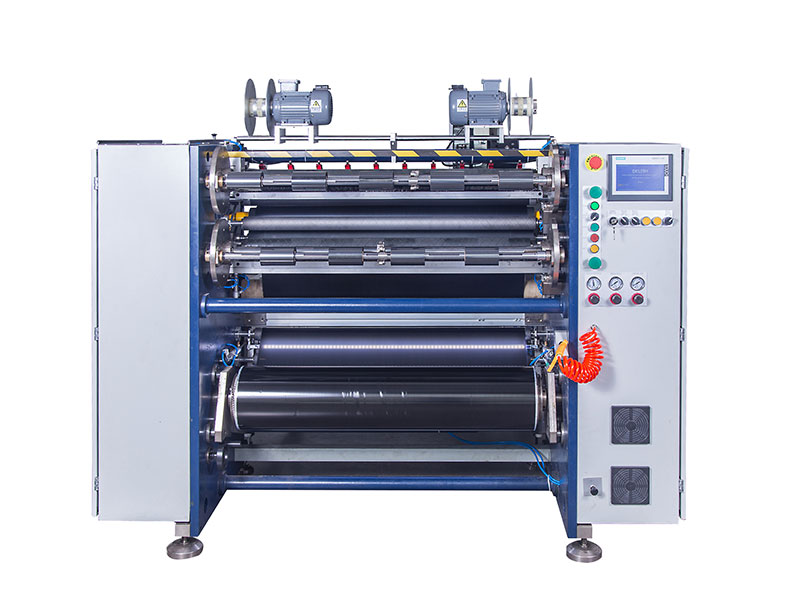

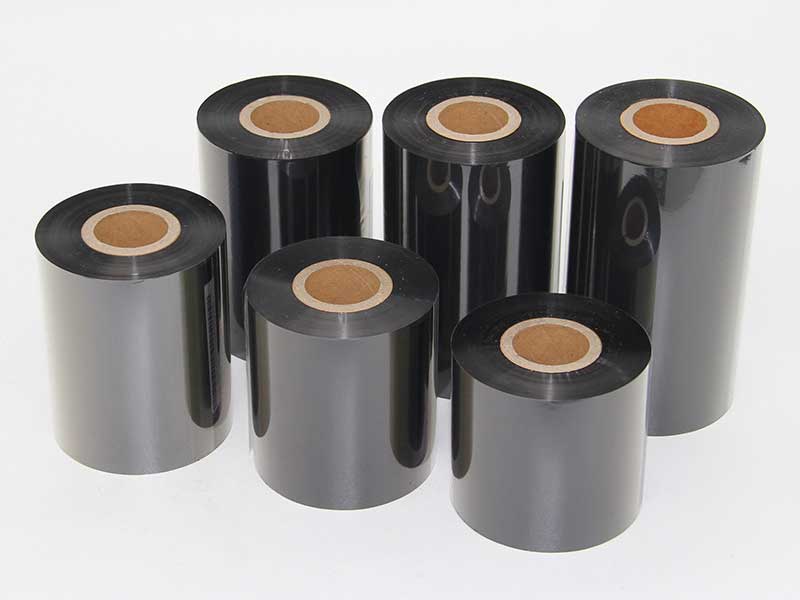
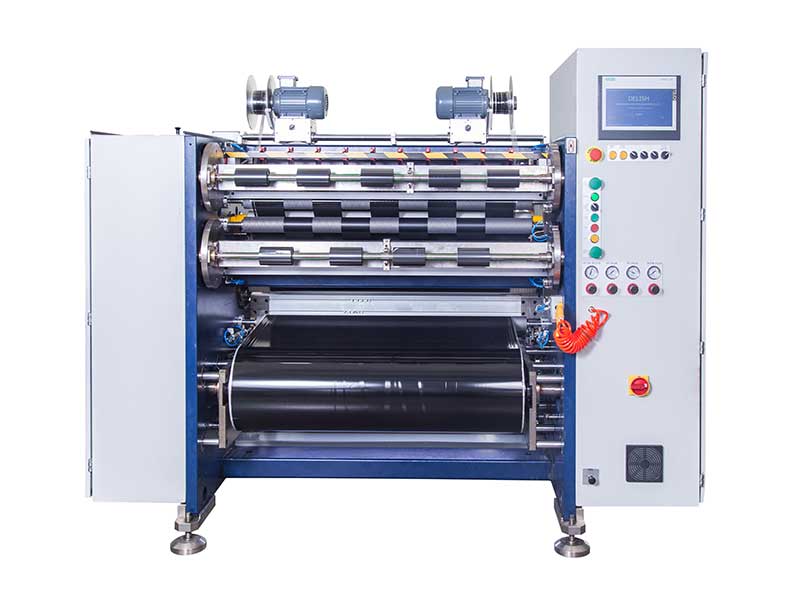 Barcode Ribbon Slitting Machine
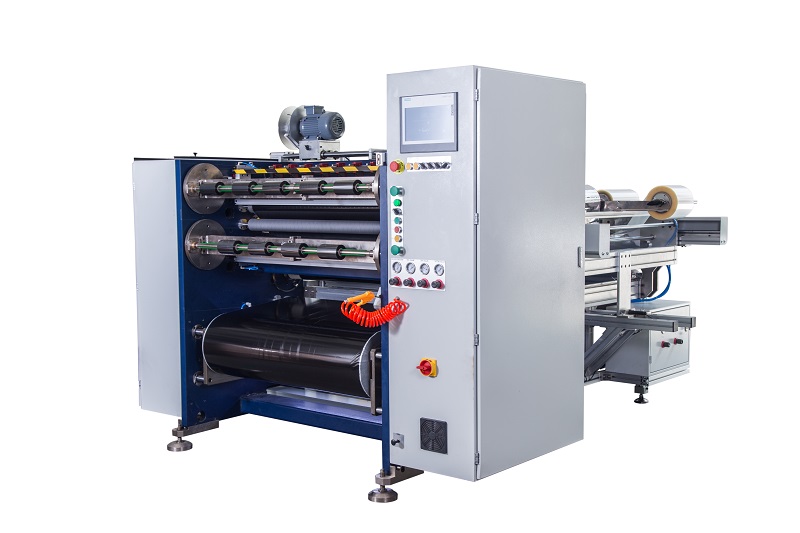 Semi Automatic Thermal Transfer Ribbon Slitter RSDS5 PLUS
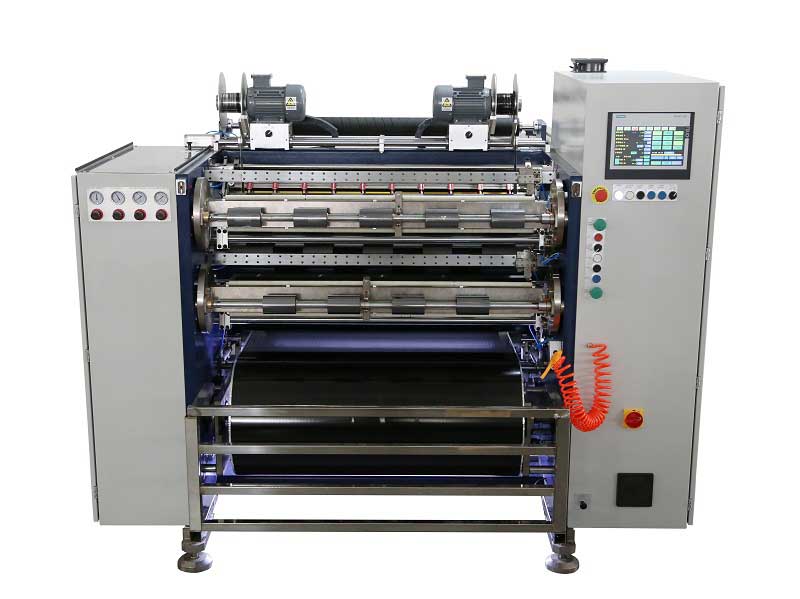 Automatic Thermal Transfer Ribbon Slitter RSDS8 H PLUS
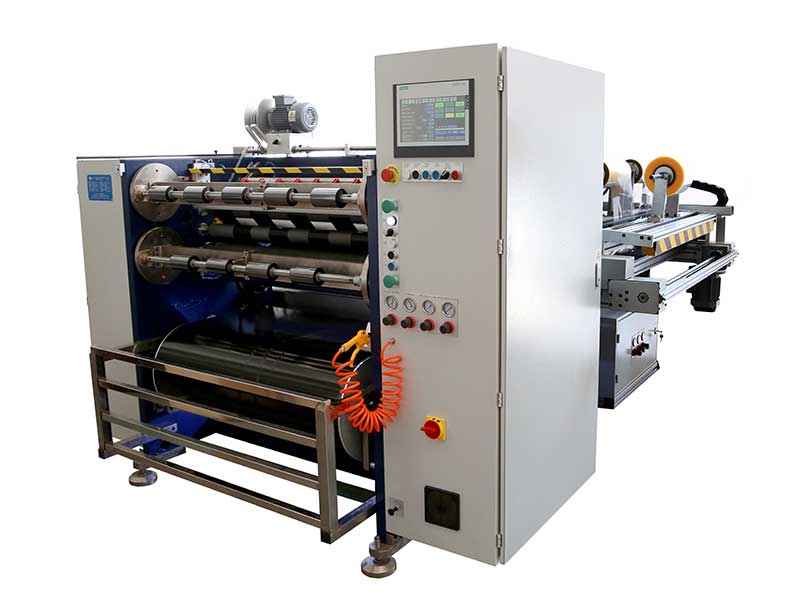 Automatic Thermal Transfer Ribbon Slitter RSDS6 PLUS
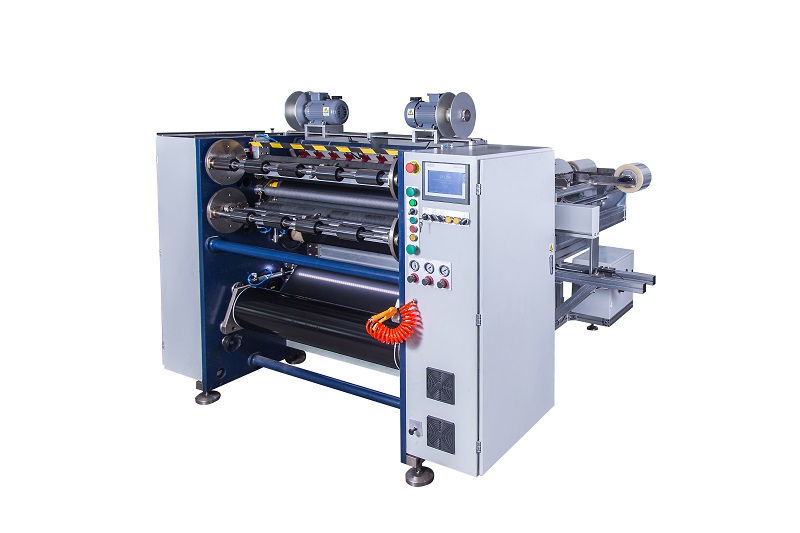 Semi Automatic Thermal Transfer Ribbon Slitter RSDS1 PLUS
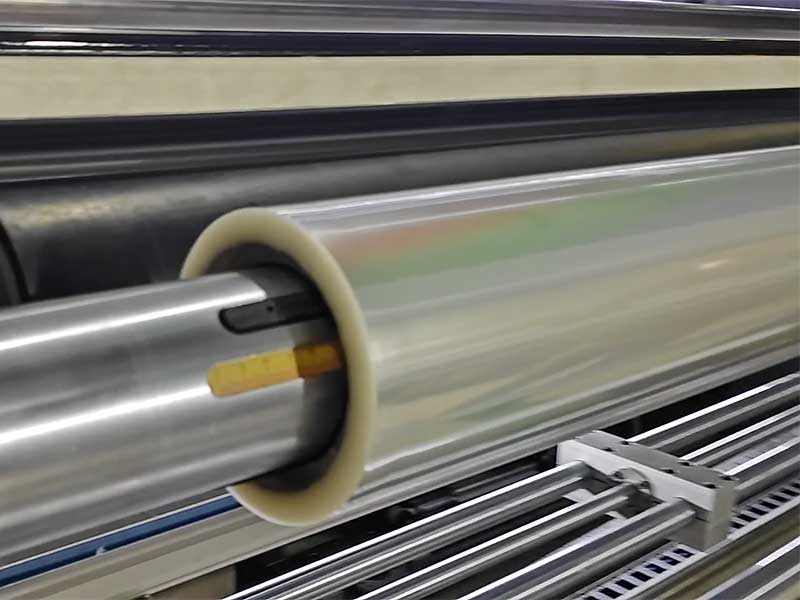 Solar Film Slitter
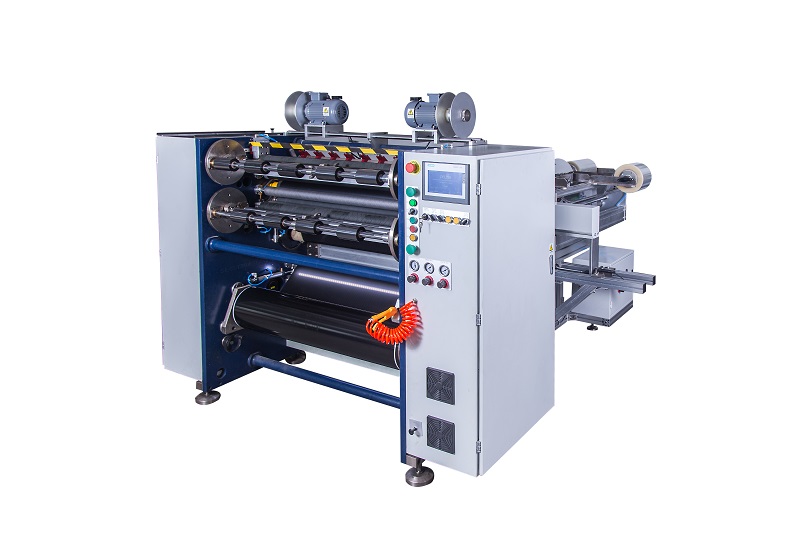 Semi Automatic Thermal Transfer Ribbon Slitter RSDS2 PLUS
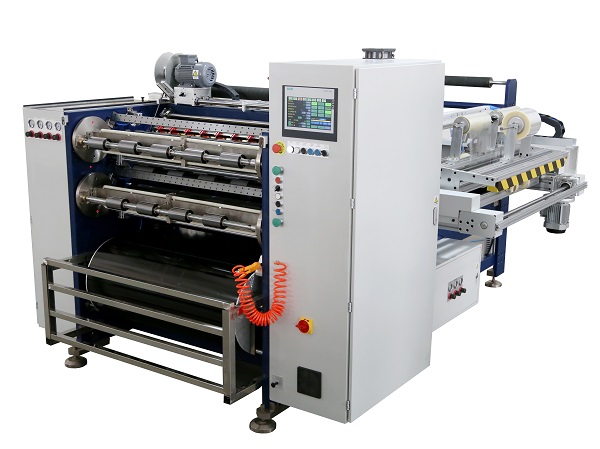 Automatic Thermal Transfer Ribbon Slitter RSDS8 PLUS