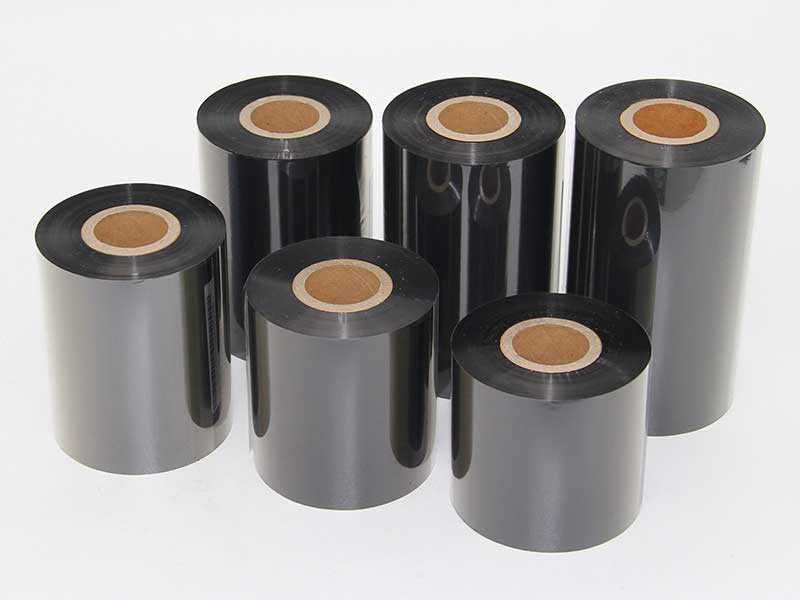
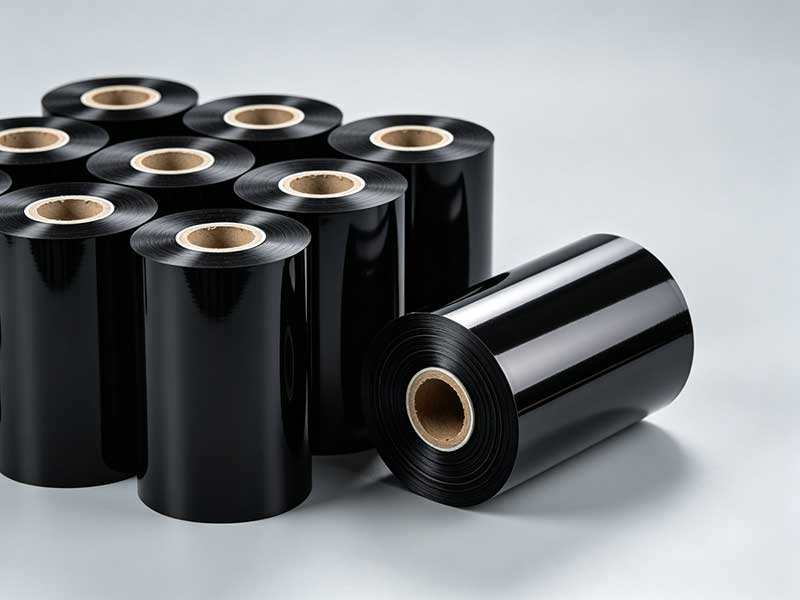
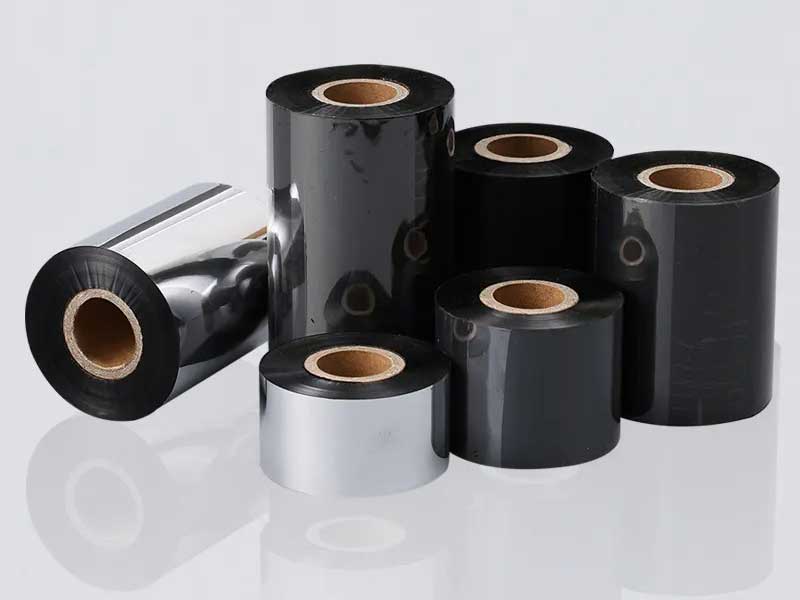
Ribbon slitting is a key process in the production of thermal transfer consumables, cutting wide master rolls into narrow rolls required by customers. However, creasing during rewinding—manifested as uneven end faces, chrysanthemum cores, tower-shaped rolls, or interlayer folds—is one of the most stubborn quality issues in the slitting process. The carbon ribbon base film is typically only 4.5 to 10 microns in PET film, and after coating the ink layer, the overall thickness is only a dozen microns. This extremely thin physical property makes it highly sensitive to tension fluctuations, mechanical deviations, and electrostatic interference. Wrinkling during winding not only affects the appearance of the finished product but can also directly cause downstream printing to cause tape strips, broken tape, white printing lines, and even damage to the print head.
To solve this problem, a systematic inspection is needed from four dimensions: tension control, mechanical precision, auxiliary systems, and operating standards.
Tension control: the primary variable for winding and wrinkling
Tension control is the soul of ribbon slitting and winding. Excessive tension causes the base membrane to stretch and deform, causing stress concentration in the inner layer and easily forming "chrysanthemum core" wrinkles; If the tension is too low, the ribbon becomes loose, interlayer slippage, and the end face appears serpentine or tower-shaped. The optimal tension principle for ribbon slitting is the "minimum workable tension"—using the lowest possible tension value while ensuring smooth ribbon operation, no slipping, and no deviation.
The tension requirements vary significantly among different ribbon materials. Wax-based ribbons are relatively soft, with a recommended tension range of 2 to 5N; Hybrid-based ribbons can withstand 5 to 8N; Resin-based ribbons require higher tension to ensure flatness, typically between 8 and 12N, with some high-hardness formulations reaching 15 to 30N. Narrow band slitting (width less than 10mm) has very weak transverse rigidity, so tension should be reduced to 60% to 70% of conventional broadband slitting. In practice, the winding tension can be controlled between 3 and 5N as an initial reference, with each adjustment range controlled by 5% to 10%. After observing the winding effect at 2 to 3 meters, further adjustment can be decided.
More important than the initial tension value is tension taper control. During winding, the diameter continues to increase. If the tension does not decrease with the diameter, the outer layer will keep pressing against the inner layer, eventually forming a 'chrysanthemum core' or internal fold. The taper coefficient of ribbon slitting is usually set between 0.3 and 0.5. In practice, the initial tension in the winding zone can be set to 120% of the slitting zone tension, and decreases linearly to 80% as the winding diameter increases, ensuring consistent hardness between the inner and outer layers of the finished roll and a flat end face.
For equipment that still uses manual magnetic powder clutches to adjust tension, it is difficult to ensure consistent winding quality. As the roll diameter changes, the tension fluctuation amplitude of open-loop control can reach up to ±10%. Upgrading to a closed-loop tension control system—using real-time feedback from tension sensors and dynamic adjustment by PLC via PID algorithm—can control tension fluctuations within ±0.5N, which is the most fundamental technical approach to solving wrinkle reeling.
Mechanical precision: The overlooked root cause of wrinkles
No matter how precise the tension is, if there is a deviation in the mechanical reference, the winding and wrinkling are still difficult to eliminate. Mechanical components account for more than 60% of the causes of winding failures.
The parallelism of the guide roller and the winding shaft is the primary inspection item. Even if the horizontal error is only 0.2mm/m, it is enough to generate lateral division force on the ribbon, causing uneven tension on both sides, and during winding, it veers to one side, forming a "bell mouth" or unilateral protrusion. The parallelism error should be controlled within 0.05mm/m. The quick inspection method is: after stopping the machine, insert A4 paper into the gap between the two ends of the pressure roller and the winding shaft. If the resistance sensation on both sides is noticeably different, it indicates a parallelism problem.
The runout of the reel is equally crucial. The runout of the reel should be less than 0.05mm; otherwise, periodic and severe fluctuations in tension may occur. If the rewinding reel is bent or has radial runout, each rotation generates a "alternation of tension" between tension and tension, eventually leaving periodic lateral ripples on the roll surface. The top device and electromagnetic positioning plate can effectively control the vibration of the winding spindle during rotation, making the product surface smooth and the ends smooth.
The pressure uniformity of the roller directly affects the local flatness of the roll surface. For equipment using center-and-surface composite winding, if the pressure difference at both ends of the roller exceeds 0.05MPa, localized "bar-exposed reinforcement" will appear. The dual-cylinder proportional pressure valve allows the pressure of the pressure roller to decrease linearly as the roll diameter increases, preventing overpressure on the outer layer.
The clearance between the core and the rewinding shaft is often overlooked by operators. If the gap between the inner diameter of the roll and the outer diameter of the rewinding shaft exceeds 0.5mm, eccentric runout occurs during rotation, causing a tension disturbance with each full rotation, accumulating over time to form periodic end-face swings. The standard fit clearance should be controlled within 0.3mm, and before use, each core should be checked for roundness and inner diameter tolerance.
Auxiliary system: deviation correction and electrostatic protection
Lateral drift during ribbon slitting is a direct cause of uneven winding. Narrow carbon ribbons (especially those below 10mm) have extremely weak lateral rigidity. Even slight deviations in the guide rollers, airflow disturbances, or tension fluctuations can cause lateral displacement. After hundreds of layers of winding, these accumulate into visible uneven end faces.
The reliability of the Correction System (EPC) is crucial. If photoelectric or ultrasonic sensors are obscured by carbon powder or dust, the correction actuator cannot respond in real time, and the ribbon path will gradually deviate from the center. The sensor mirror should be kept clean daily, and the sensitivity of correction actions should be regularly verified. For narrow-band slitting, the centerline correction mode is usually more stable than edge correction.
Static electricity is another hidden source of interference. High-speed friction between the ribbon base film (PET) and the metal guide roller generates a large amount of static charge. After accumulation, sudden discharge can interfere with the tension sensor's signal, causing misjudgment in the control system. Additionally, interlayer static attraction can also lead to abnormal ribbon bonding and interlayer slippage. Installing an active static eliminator (such as an AC corona rod) before the ribbon enters the winding unit to keep the static potential below ±500V can significantly improve winding flatness.
The condition of the slitting tool is equally noteworthy. Blade wear or improper clearance can cause burrs or wavy deformation at the edges of the cut ribbons, and these "twisted straps" naturally cannot be bonded flat during winding. The recommended tool clearance for ribbon slitting is 0.01 to 0.03mm. Blades with severe wear should be replaced directly rather than repeatedly sharpened.
Operating standards and quick troubleshooting logic
When wrinkling issues arise during rewinding, it is recommended to follow the inspection sequence: "observe first, then act; mechanical, then electrical; static first, then dynamic."
The first step is to accurately describe the phenomenon. Unilateral protrusions accompanied by overall tapering, usually indicate uneven pressure at both ends of the pressure roller or excessive winding tension; The end face is neat but the center is soft, mostly due to core deformation or bent reel; Periodic oscillation is often due to tool wear or eccentricity of the roll core; Overall offset should first suspect the parallelism of the guide roller or the failure of correction.
Step two: start with the simplest operation. Reduce the winding tension appropriately by 5% to 10%, and observe the effect after running for 2 to 3 meters. Clean the correction sensor and all guide roller surfaces to remove carbon powder and adhesive buildup.
Step three: check the mechanical reference. Use feeler gauges or A4 paper to verify the parallelism between the pressure roller and the winding shaft; if necessary, add a shim under the bearing seat for temporary calibration. Check the clearance between the core and the winding shaft; if the gap is too large, replace the core immediately.
Step 4: Verify the tool and the static elimination system. Observe whether there are burrs on the edges of the ribbon after slitting; if necessary, recalibrate the knife gap with a 0.02mm feeler gauge. Confirm that the static eliminator is working properly.
For wrinkling during base rewinding, mature practices in film slitting can be referenced: during rewinding, temporarily reduce the pressure of the roller by 50% to 70%, then gradually restore normal pressure once the winding stabilizes, while appropriately increasing the tension at the moment of rewinding so that the ribbon fits tightly against the core.
Conclusion
Ribbon slitting and wrinkling during rewinding is not caused by a single factor, but is the result of multiple variables such as tension, mechanical, electrostatic, and manual factors. To solve this problem, it is necessary not only to understand the physical properties of carbon ribbons as ultra-thin PET films, but also to establish systematic inspection thinking. For manufacturers seeking stable quality, upgrading the closed-loop tension control system and active deviation correction system is a fundamental technical guarantee; In daily operations, establishing process parameter cards for each ribbon specification, recording the optimal tension curve, tool clearance, and speed limits, is the most effective preventive measure. The flatness of the winding end face is ultimately the most honest reflection of equipment precision and process control level.
 English
 Deutsch
 Français
 Español
 Português
 日本語
日本語 русский
 한국어
한국어 عربي
عربي ภาษาไทย
 Tiếng Việt
 Italiano

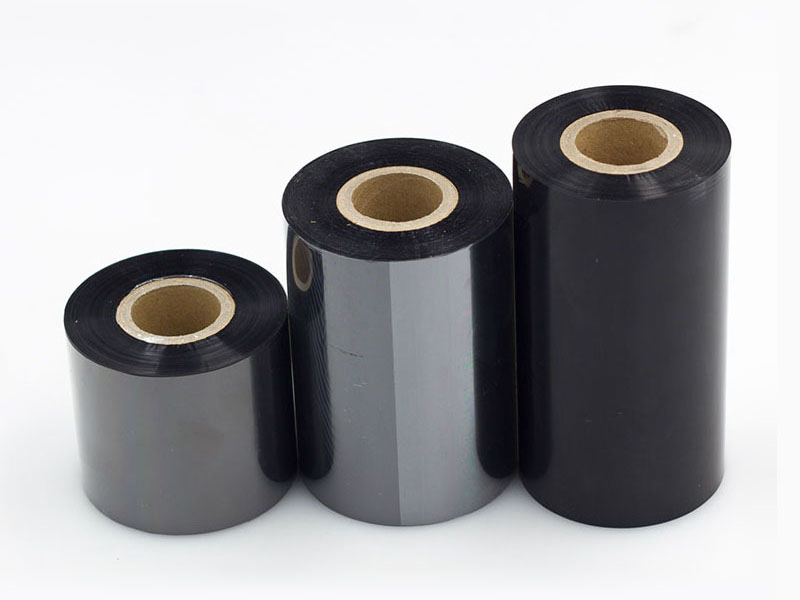
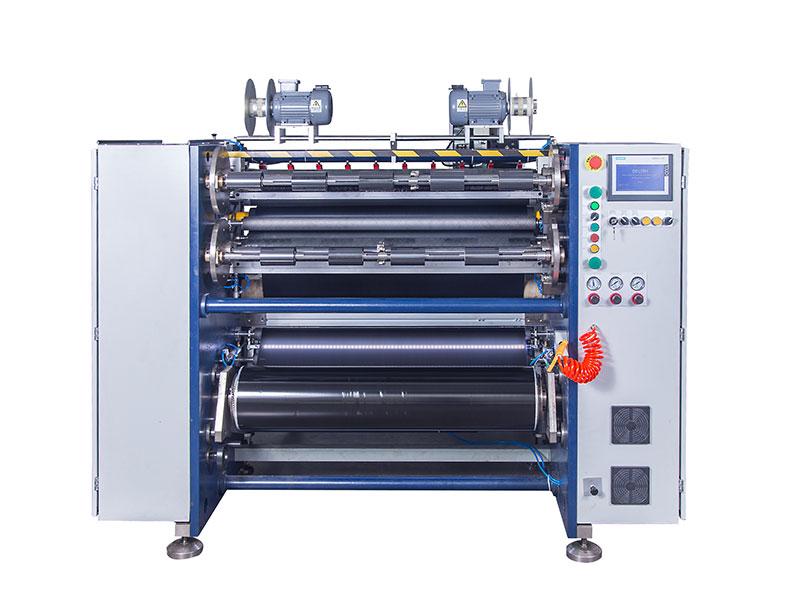 Ribbon Slitting Machine
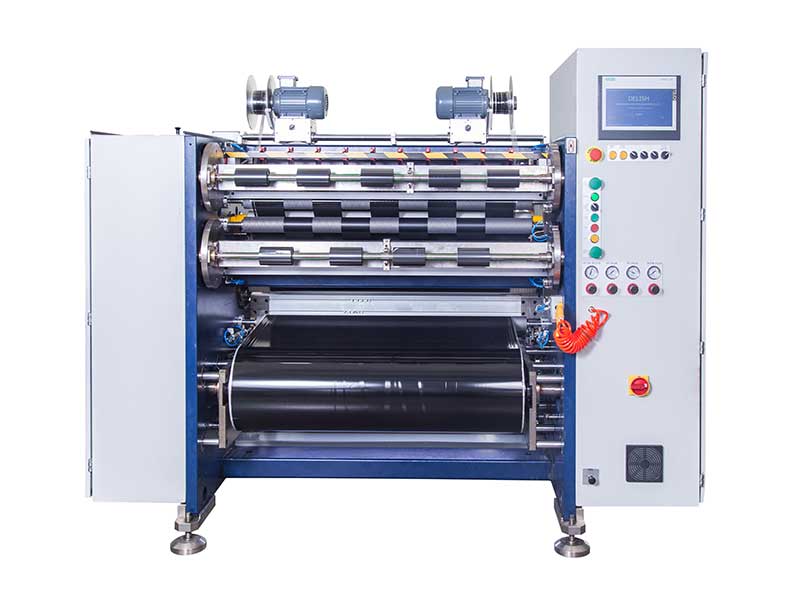 Barcode Ribbon Slitting Machine
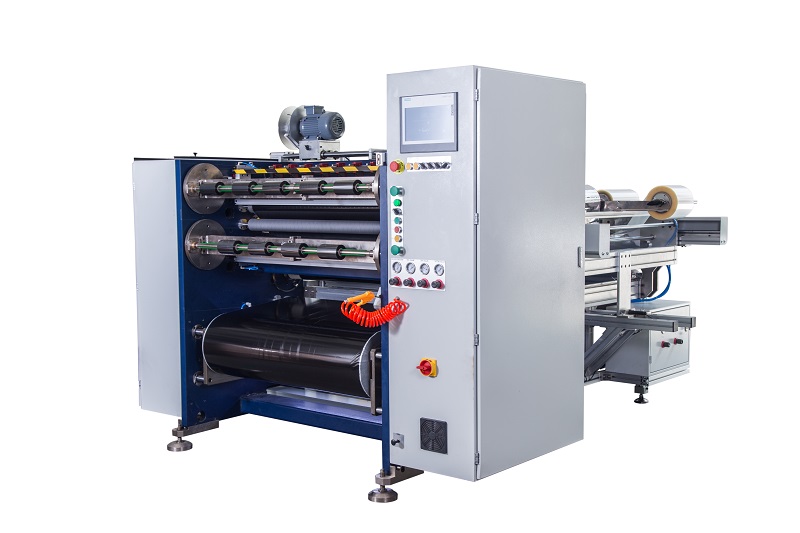 Semi Automatic Thermal Transfer Ribbon Slitter RSDS5 PLUS
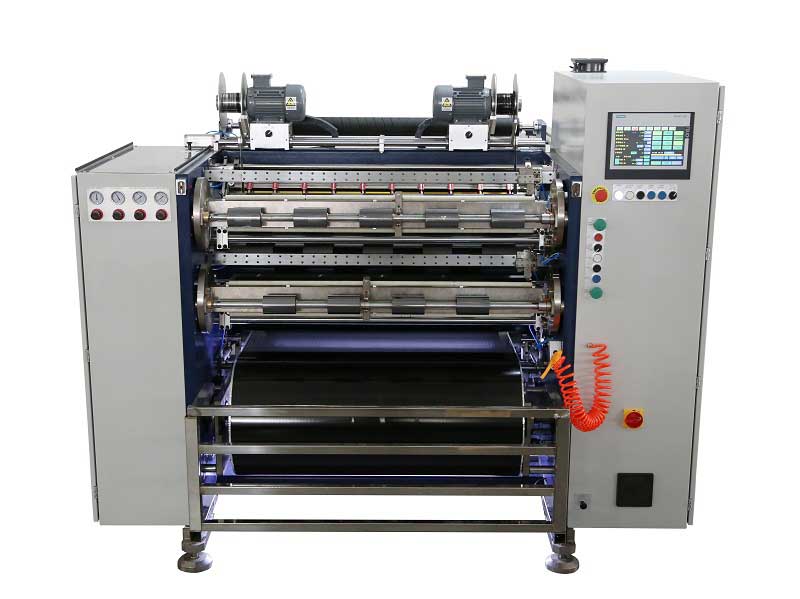 Automatic Thermal Transfer Ribbon Slitter RSDS8 H PLUS
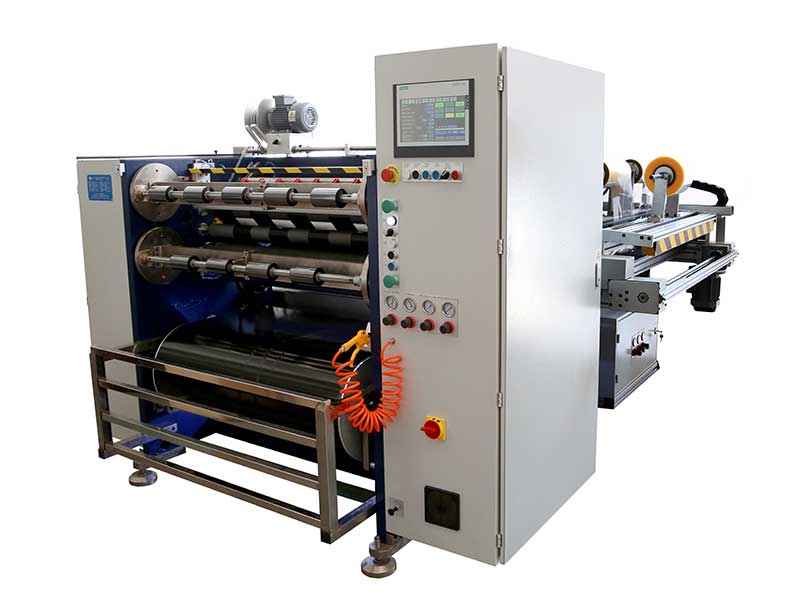 Automatic Thermal Transfer Ribbon Slitter RSDS6 PLUS
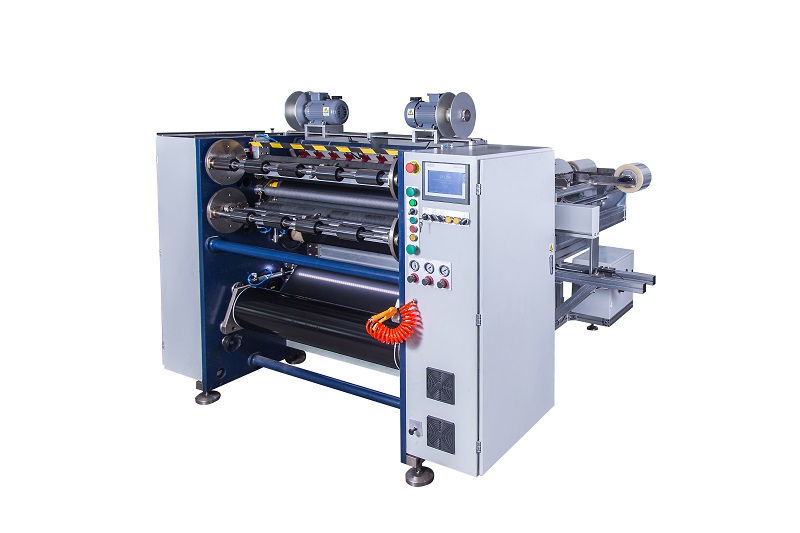 Semi Automatic Thermal Transfer Ribbon Slitter RSDS1 PLUS
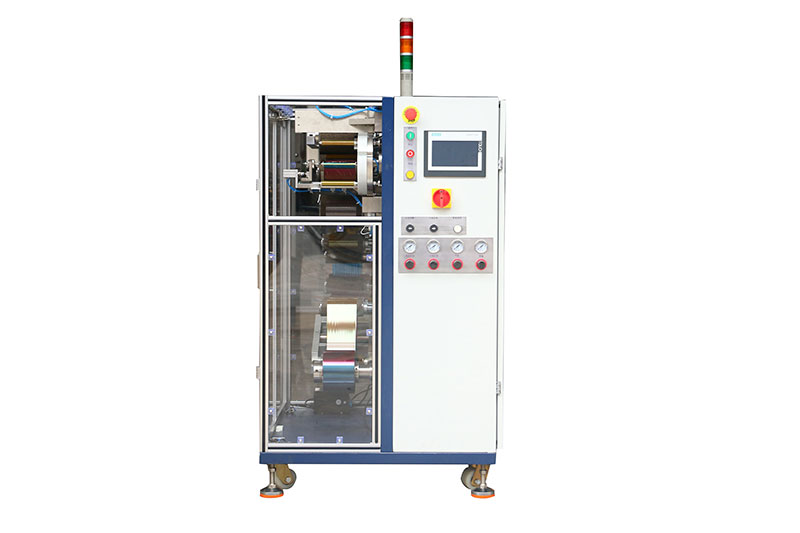 Card Print Ribbon Rewinder
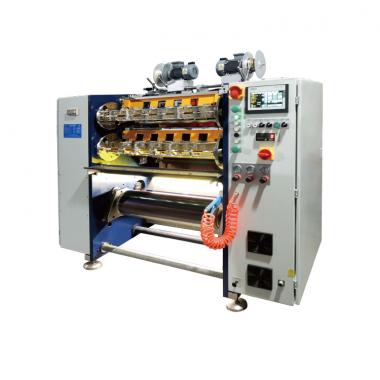 Card Print Ribbon Slitter