What Is a Thermal Transfer Ribbon Slitting Machine and How Does It Work?
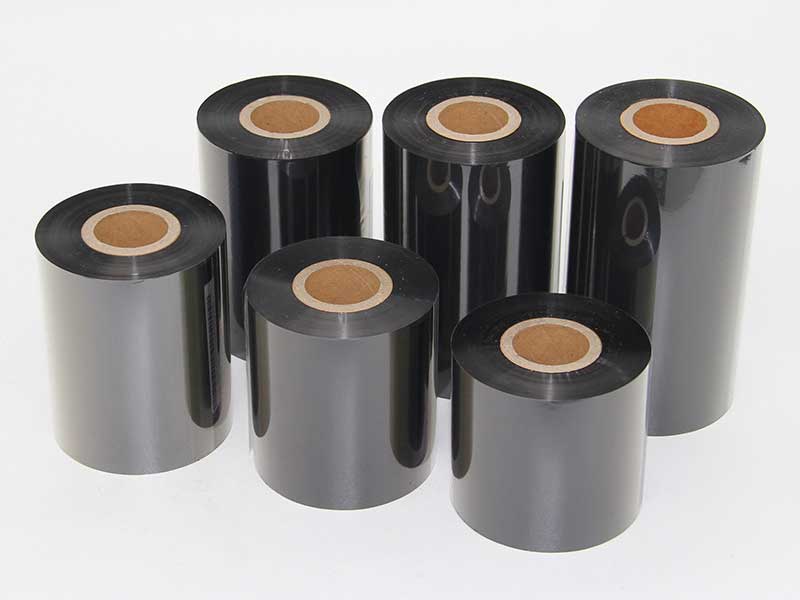
Thermal transfer ribbons (TTR) are the unsung heroes behind crisp barcodes, durable labels, and high-resolution packaging codes. Yet these ribbons rarely arrive at the printer in their final form. They are manufactured in wide "jumbo" rolls and must be precisely cut down to the narrow widths that specific printer models demand. This is where the thermal transfer ribbon slitting machine comes in.
For businesses in the label converting, packaging, or ribbon manufacturing sector, understanding this machine is essential for quality control and cost efficiency. This article breaks down what the machine is, how it operates, and the key features that separate a basic slitter from a high-performance production asset.
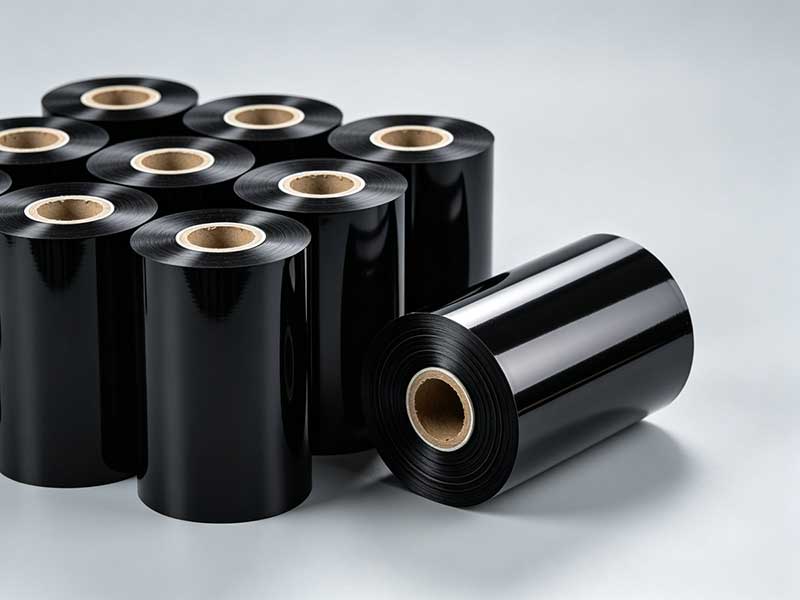
What Is a Thermal Transfer Ribbon Slitting Machine?
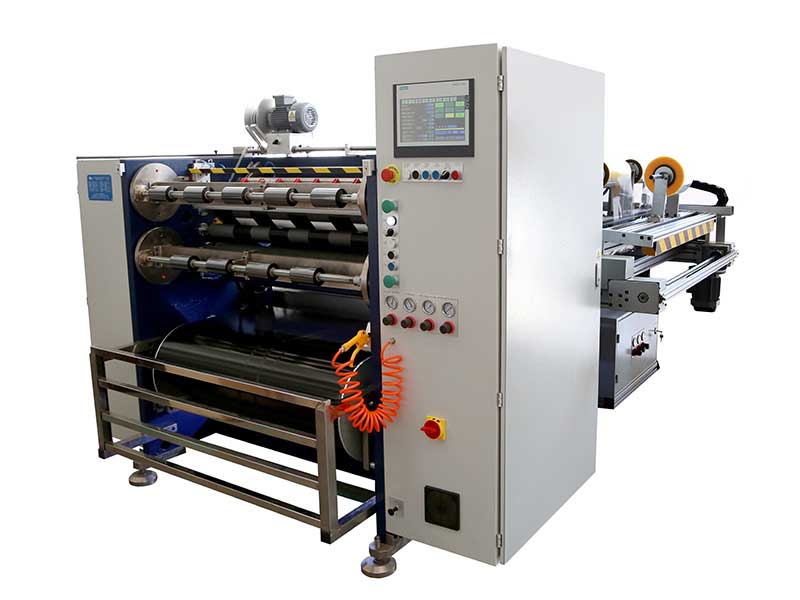
A thermal transfer ribbon slitting machine is a specialized industrial device designed to unwind a wide master roll of TTR, cut it longitudinally into multiple narrower strips, and rewind those strips onto small cores under precise tension. Unlike general-purpose film slitters, TTR slitters must handle extremely delicate materials—typically ranging from 4 to 20 microns in thickness—without damaging the sensitive ink coating or the heat-resistant back layer.
These machines are indispensable for ribbon converters who supply the aftermarket and OEM printer markets. Modern units can achieve working speeds of 250 to 500 meters per minute, depending on the model and automation level, making them high-throughput assets for volume production.
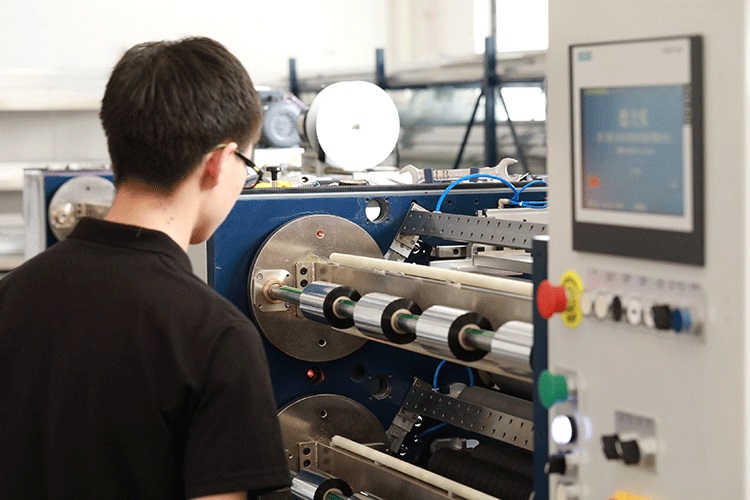
How Does It Work? The Core Process
The fundamental principle is straightforward: Unwind → Slit → Rewind. However, the precision required to handle micron-thin materials makes the execution highly technical. Here is the step-by-step workflow.
1. Unwinding and Tension Control
The process begins with loading the wide master roll onto a shaftless or air-expanding shaft. Because the ribbon is so thin, even slight variations in tension can cause stretching or wrinkling. The machine uses a tension controller (often with a magnetic powder brake or servo motor) to maintain a constant "back-pull" force, ensuring the web stays taut as it feeds into the cutting zone.
2. Web Guiding and Correction
Before the ribbon reaches the blade, it passes through a photoelectric or ultrasonic edge-detection system. This sensor monitors the position of the ribbon edge in real time. If the master roll has an uneven edge, the system automatically shifts the unwind stand laterally to keep the web perfectly aligned with the cutting blades, preventing off-center cuts.
3. The Slitting Zone (The Core Operation)
This is where the wide roll becomes many narrow ones. Two primary cutting methods are used in TTR slitting:
• Razor Blade Slitting: The ribbon passes over a hardened anvil roller and is cut by sharp razor blades held in magnetic holders. This method is highly flexible and allows for quick width changes.
• Rotary Shear Cutting: The ribbon passes between a pair of circular knives (upper and lower) that act like scissors. This produces a very clean, dust-free edge, which is critical for high-end resin ribbons where edge quality affects print head wear.
4. Waste Edge Removal
The edges of the master roll are rarely perfect. The slitter trims these edges (often a few millimeters on each side). A waste edge removal system—usually utilizing air suction or a dedicated winding motor—continuously extracts these trimmings, keeping the production line clean and preventing the thin waste from wrapping around rollers and causing jams.
5. Rewinding
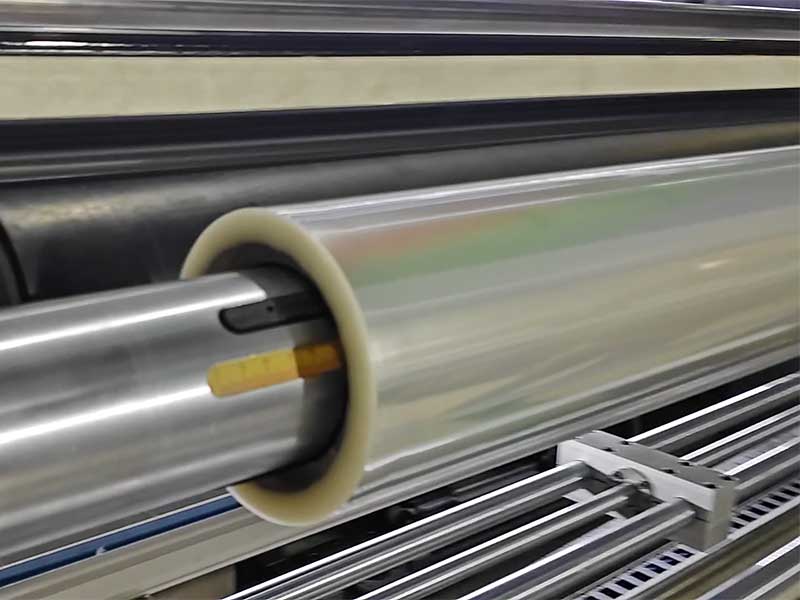
The slit strips are then wound onto finished cores (commonly 1-inch or 1/2-inch inner diameter). This is the most delicate stage. The rewinding shafts (often air shafts for easy core loading) must maintain consistent tension across all strips. If one strip is wound tighter than another, the finished rolls will have varying diameters, leading to printing defects. Advanced machines use independent servo motors for the rewind shafts to ensure perfectly cylindrical, evenly tensioned finished rolls.
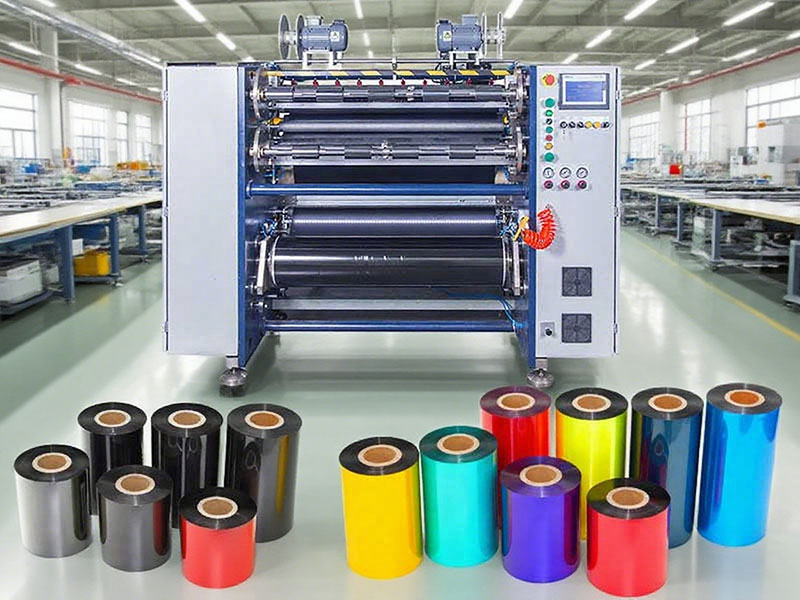
Key Features to Look For in a Modern TTR Slitter
When evaluating equipment for a converting business, the specifications tell a story about the machine's capability and the labor it saves.
| Feature | Why It Matters for TTR Production |
| Magnetic Blade Holders | Allows operators to change slitting widths in minutes without needing specialized tools. Standard setups often include 30 blade holders. |
| Automatic Tension Control | Compensates for the changing diameter of the unwind roll as it depletes, ensuring the slit width remains stable from start to finish. |
| Leader/Trailer Tables | A semi-automatic or fully automatic system that applies adhesive tape to the start (leader) and end (trailer) of the ribbon. This saves significant material waste during roll changes. |
| Shaftless Unwind | Eliminates the need for heavy lifting and manual chucking of the master roll, reducing changeover time and improving operator safety. |
| Dual-Diameter Rewind Shafts | Machines typically include both 1-inch and 1/2-inch air shafts to accommodate the two dominant core sizes used in the thermal printing industry. |
Automation Levels: From Semi-Auto to Fully Automatic
The market offers distinct tiers of automation, and the right choice depends on production volume and labor costs.
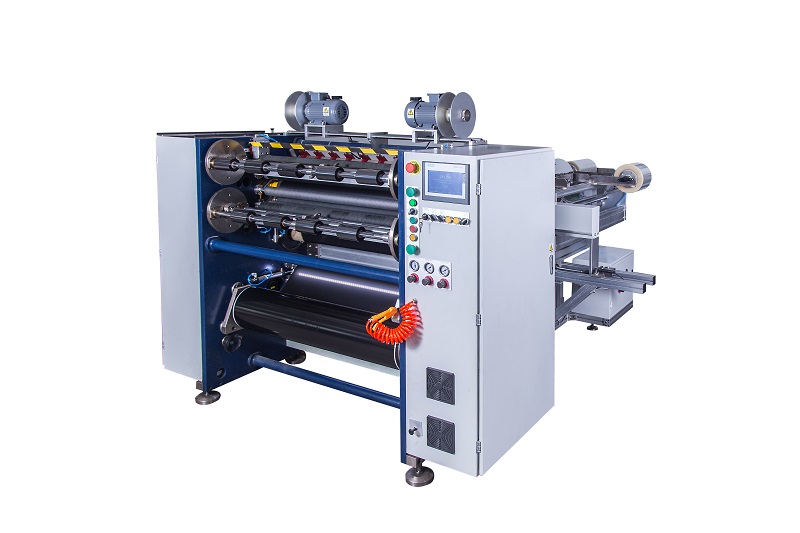
Semi-Automatic Slitters are the workhorses of small to mid-sized converters. They require an operator to manually thread the ribbon and apply the leader tape, but they handle the slitting and tension control automatically. These are cost-effective and have a smaller footprint.
Fully Automatic Slitters are designed for 24/7 high-volume operations. They feature automated blade setting, turret rewinding (which switches finished rolls without stopping the machine), and automatic unload/load cycles. Recent launches in the market, such as those showcased at Labelexpo, highlight features like automatic leader/trailer handling and speeds up to 450 m/min. While the initial investment is higher, they drastically reduce labor costs per roll and minimize human error.
Why Quality Slitting Matters for Your Bottom Line
A poorly slit ribbon roll is more than just an aesthetic issue. If the slit edge is rough or the winding tension is inconsistent, the ribbon can wrinkle or break inside the customer's printer. This leads to downtime, wasted labels, and potential print head damage.
For converters, investing in a TTR slitter with precise web guiding and servo-driven tension control is not just about speed—it is about yield. By minimizing waste edges and ensuring that every meter of the master roll is converted into saleable finished goods, a high-quality slitter pays for itself through reduced material scrap and higher customer satisfaction.
Whether you are looking to bring ribbon converting in-house or upgrade an aging line, understanding the mechanics behind the slitting process ensures you choose a machine that matches your material specifications and production targets.
 English
 Deutsch
 Français
 Español
 Português
 日本語
 русский
 한국어
 عربي
 ภาษาไทย
 Tiếng Việt
 Italiano

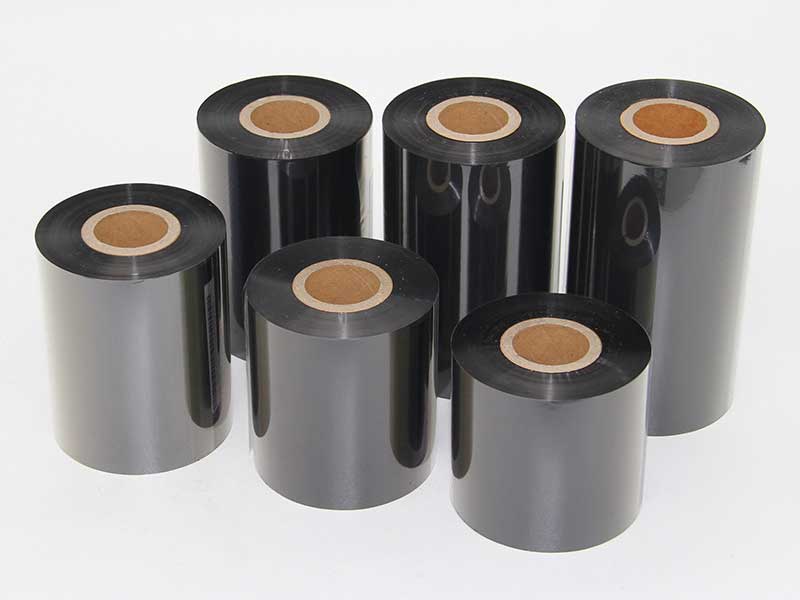

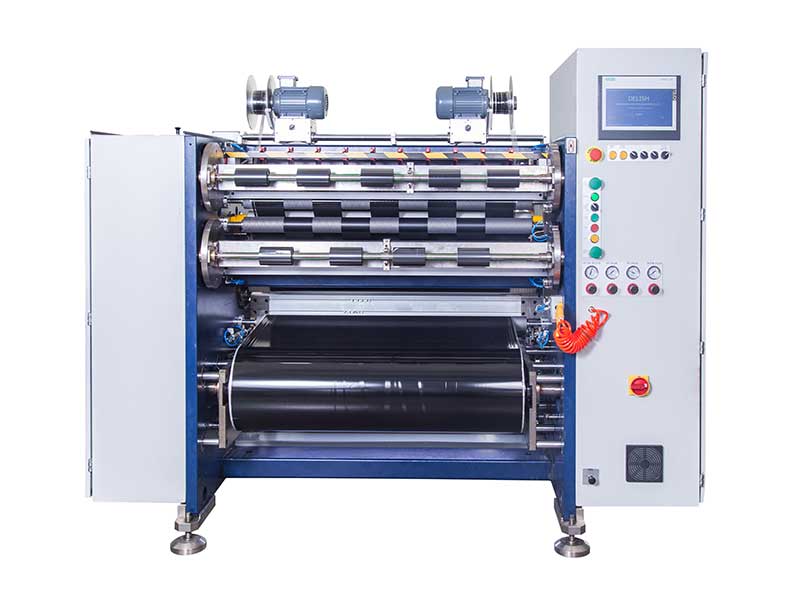 Barcode Ribbon Slitting Machine
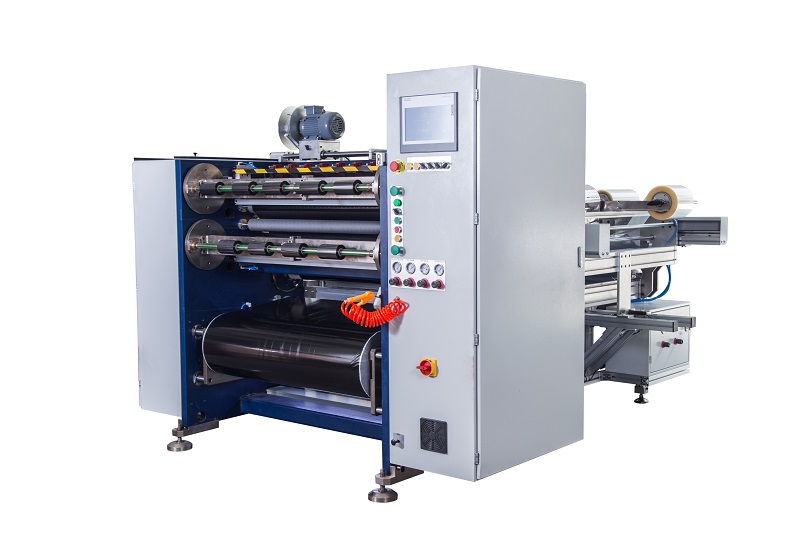 Semi Automatic Thermal Transfer Ribbon Slitter RSDS5 PLUS
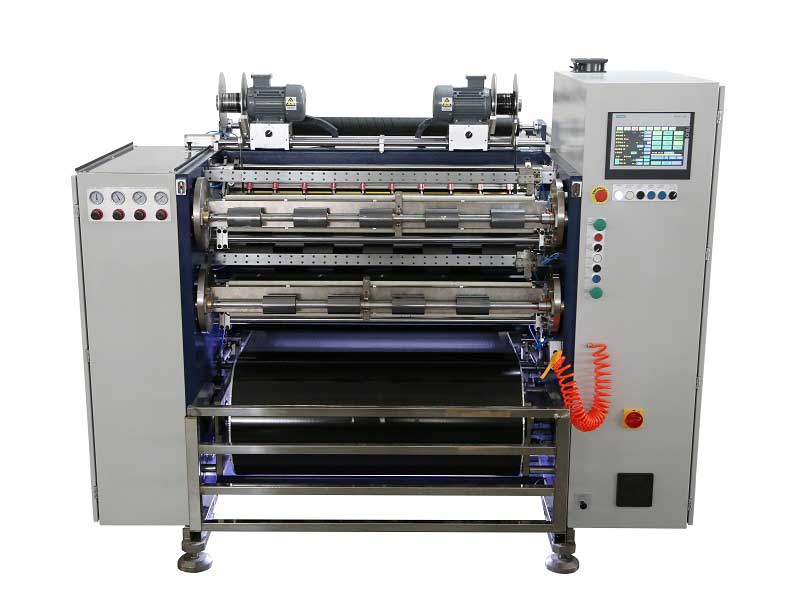 Automatic Thermal Transfer Ribbon Slitter RSDS8 H PLUS
 Automatic Thermal Transfer Ribbon Slitter RSDS6 PLUS
 Solar Film Slitter
 Semi Automatic Thermal Transfer Ribbon Slitter RSDS1 PLUS
 Semi Automatic Thermal Transfer Ribbon Slitter RSDS2 PLUS
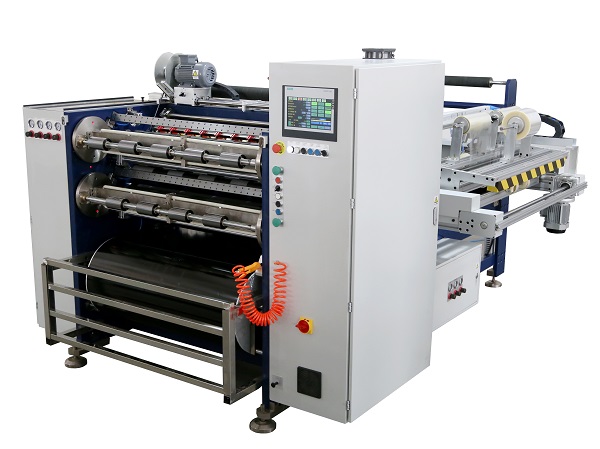 Automatic Thermal Transfer Ribbon Slitter RSDS8 PLUS