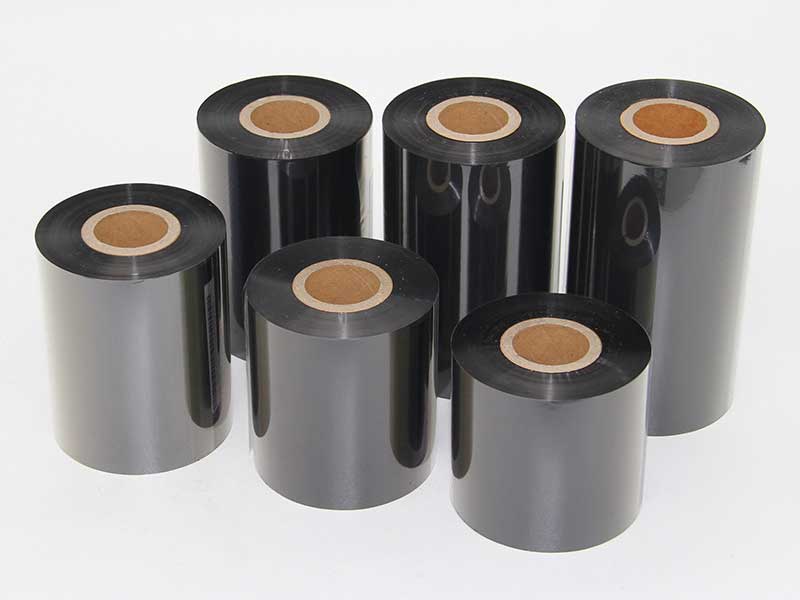
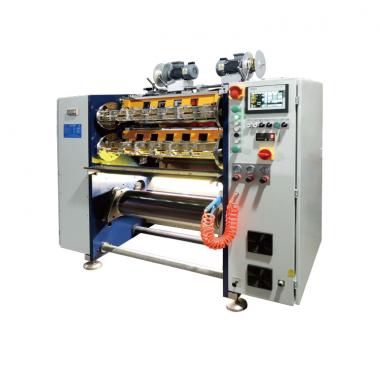
Thermal transfer ribbons often leave the factory in wide, large rolls, but before label printers, they must be precisely wide, tightly wound into small rolls. This seemingly simple "cutting" step actually determines whether the ribbon can run smoothly under the printhead, without skewing or wrinkles. The ribbon slitting and rewinding machine is the key equipment for this transformation. Its application scenarios go far beyond ribbon production workshops and span the entire consumables supply chain from manufacturing to end users.
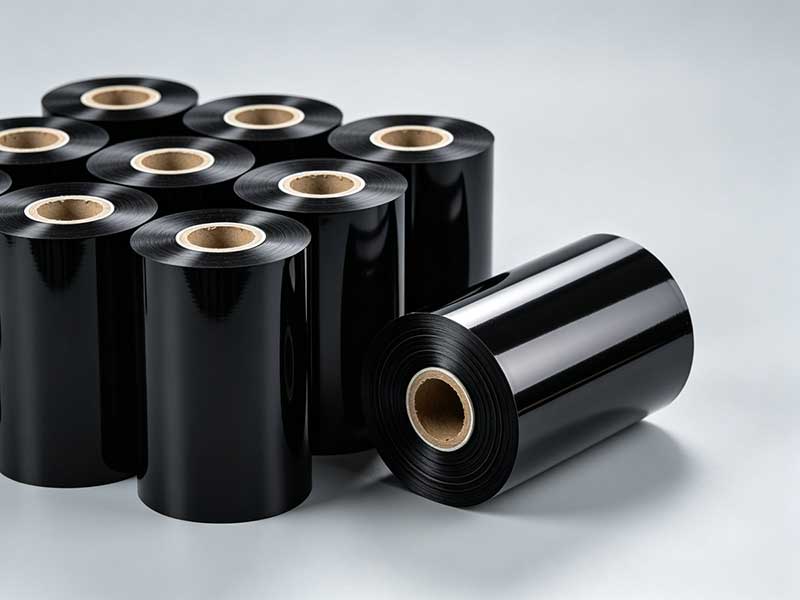
At ribbon manufacturing plants: precision and efficiency determine profit margins
For barcode consumables manufacturers, the slitting process is the "final checkpoint" of finished product quality. A barcode consumables company in Dongguan once faced a typical dilemma: outdated slitting equipment lacked precision, narrow ribbon slitting had many burrs on the edges and inconsistent tightness during rewinding, a defect rate hovered around 8% for a long time, and equipment speed could not keep pace with batch order delivery. After introducing a high-speed ribbon dedicated slitting machine, the circular blade slitting system, combined with photoelectric correction and constant tension closed-loop control, stabilizes slitting accuracy within ±0.1mm, ensures smooth edges without tensile deformation, drops scrap rate to below 0.5%, and increases production capacity by more than 40%.
Such cases reveal a often overlooked fact: ribbon slitting is not simply "cutting as long as it cuts." The ribbon substrate is PET film only 4.5 to 10 microns thick, with a highly sensitive heat transfer ink layer coated on the surface. Excessive tension causes the base film to stretch, making color registration deviations or even tape breakage during printing; If the tension is too low, the winding becomes loose and wrinkled, causing the printer to jam when running the tape. Therefore, the core value of modern slitting rewinders lies not in the blades themselves, but in whether the tension control system dynamically decreases as the winding diameter increases, and whether the correction sensor can always lock the ribbon edge at high speeds. When the slitting speed increases to 300 meters per minute or even higher, the response speed of this control system directly determines the yield rate.
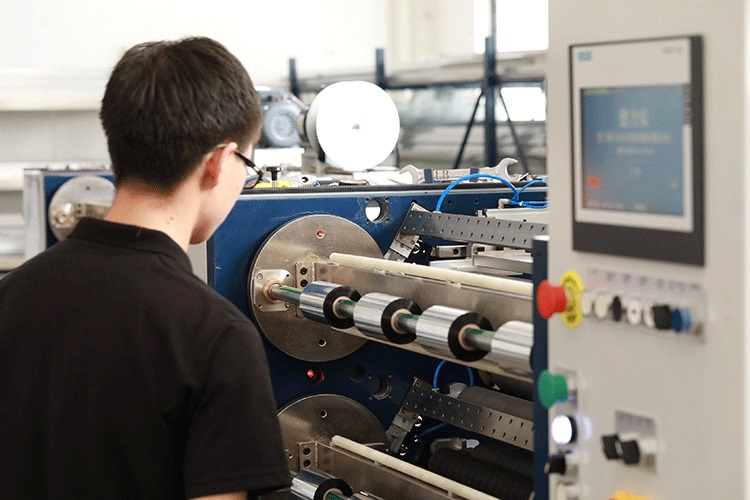
At the dealer and end user side: specification matching and scrap material regeneration
Ribbon distributors face a wide variety of customers: small desktop printers for logistics outlets, with a width requirement of 110mm; For industrial-grade models used by garment hang tag factories, a narrow 25mm washable label ribbon may be required. The flexibility of the slitting rewinder is reflected in a "stock strategy"—dealers do not need to stockpile all widths of finished ribbons, only a few types of wide-width main rolls to be cut in real time according to orders. A device supporting simultaneous rewinding of multiple rolls can produce dozens of narrow rolls simultaneously in a single roll cycle, maximizing the utilization of the main roll.
More nuanced applications occur at the "end of the lifecycle" of the ribbon. After printing is completed, unused ribbons often remain on the empty shaft or are left unused due to insufficient length to complete the entire batch of printing. In the past, these recoils were mostly disposed of as scrap, but after rewinding machines recalibrate specifications and remove damaged sections, they can be reused for warehouse internal labels, office document barcodes, and other non-high-demand scenarios. Industry analysts point out that combining coiling with recycling and rewinding can increase the overall utilization rate of carbon ribbons by more than 30%, while also reducing plastic waste caused by discarded reels and residual ribbons. The commercial significance of this application lies not only in cost savings but also in responding to the increasingly tightening environmental pressure in the printing consumables industry.
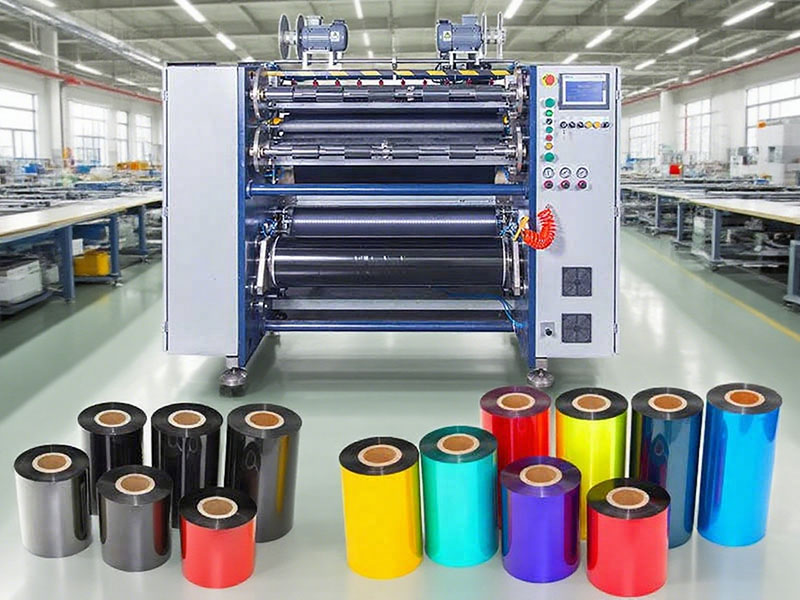
Overlooked supporting steps: The precision of paper tubes also affects the quality of rewinding
The success or failure of ribbon slitting and rewinding sometimes does not depend entirely on the slitting machine itself. The gap between the inner diameter of the paper tube used for winding and the gas expansion shaft is a variable that is easily underestimated. If the inner diameter tolerance of the paper tube is too large, even if the slitting machine's tension is perfectly controlled, the core will still experience periodic eccentric beats during rotation, causing the finished product end face to undulate in a wavy pattern. A paper tube technology company in Guangdong specializes in producing 1-inch paper tubes for ribbon slitting. Its original cutting equipment used manual feeding, resulting in large dimensional errors, and end-face burrs often scratched the ribbon edges. After upgrading the automatic loading/unloading pipe cutting machine, cutting accuracy stabilized at ±0.1mm, with no burrs on the end faces, and production capacity increased by about three times, finally solving the hidden problem of ribbon uneven rewinding at the supporting end.
This detail shows that the industry application of ribbon slitting rewinders should not be viewed in isolation. A well-functioning slitting machine requires a precisely matched paper tube, a clean workshop environment (to prevent dust from adhering to the toner coating), and calibrated tension parameters—different wax-based, blended, and resin-based ribbons have varying coefficients of friction and tensile properties, and operators need to establish dedicated parameter records for each material. Those seemingly minor "adjustment experiences" are actually the real threshold for whether equipment can achieve nominal accuracy.
From reducing the scrap rate in the Dongguan workshop from 8% to 0.5%, to Polish customers purchasing cutting and rewinding equipment across continents, and to scrap recycling, which increased ribbon utilization by 30%, these real-world applications scattered across different scenarios all point to one judgment: although ribbon slitting and rewinding machines do not directly participate in printing, they determine the state of each ribbon when it reaches the print head. In today's world, where labels and barcodes have long permeated logistics, retail, and manufacturing, the precision and stability of this device quietly support the starting point for countless labels to be clearly imposed.
 English
 Deutsch
 Français
 Español
 Português
 日本語
 русский
 한국어
 عربي
 ภาษาไทย
 Tiếng Việt
 Italiano

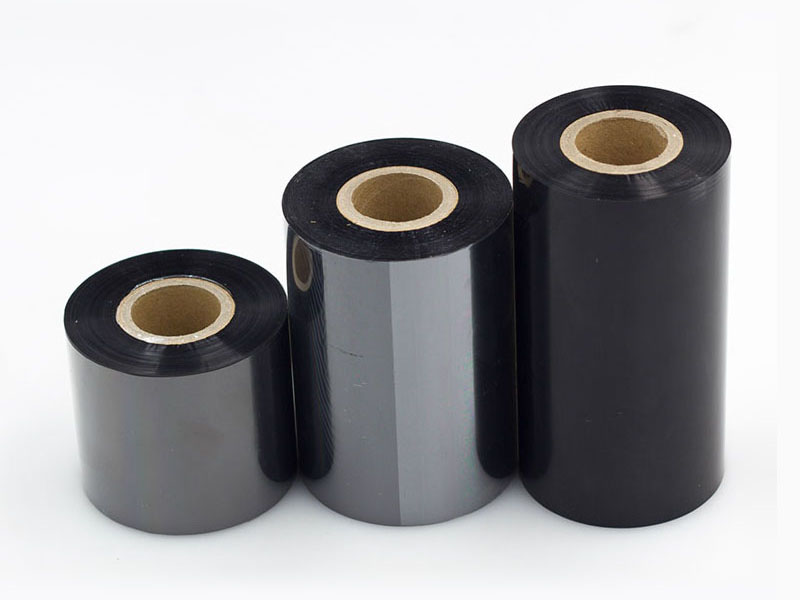

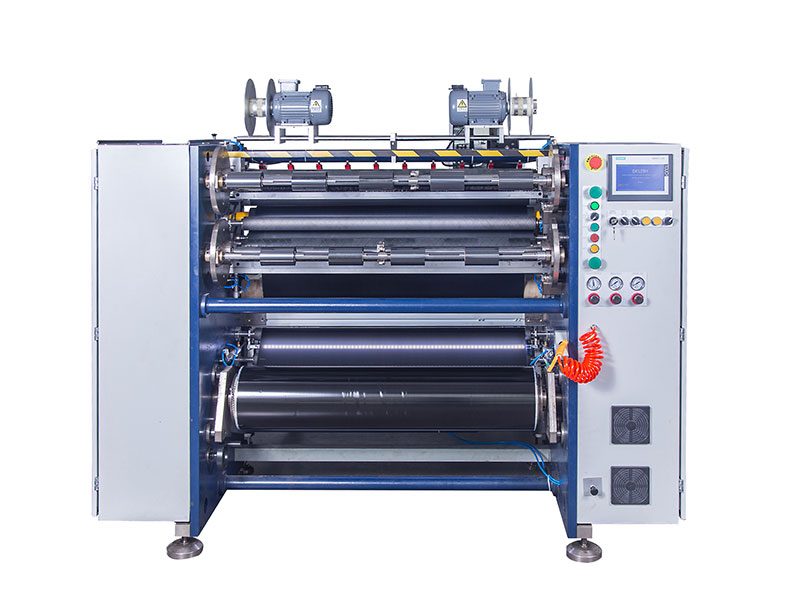 Ribbon Slitting Machine
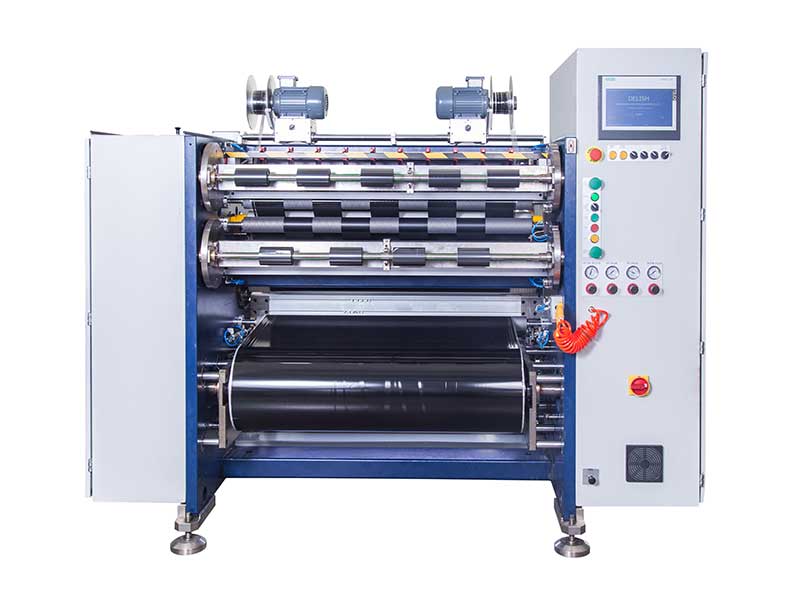 Barcode Ribbon Slitting Machine
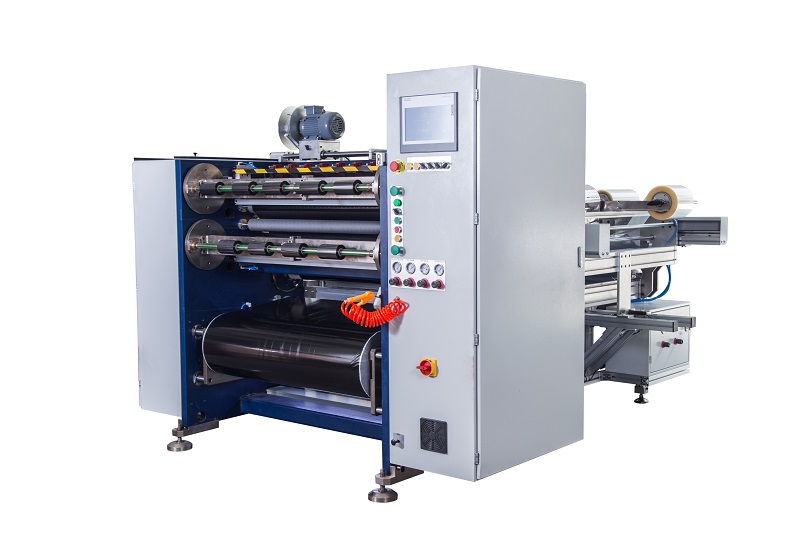 Semi Automatic Thermal Transfer Ribbon Slitter RSDS5 PLUS
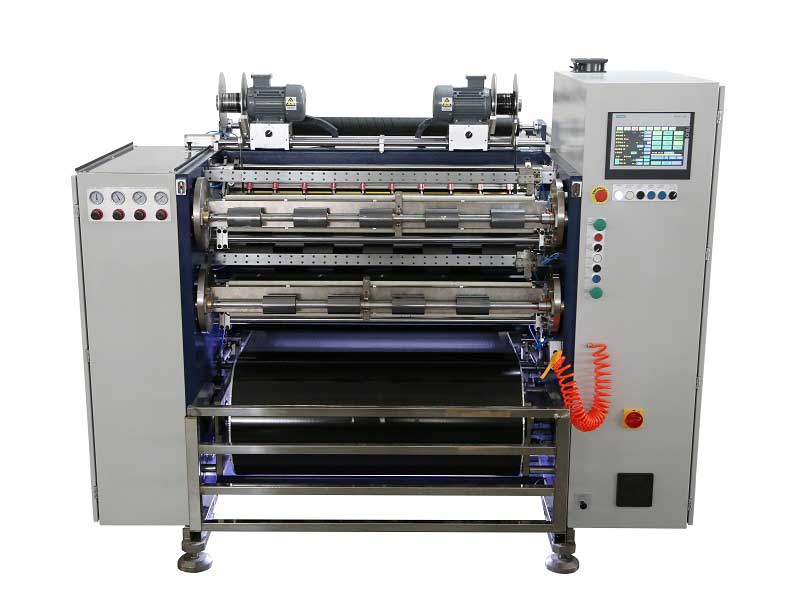 Automatic Thermal Transfer Ribbon Slitter RSDS8 H PLUS
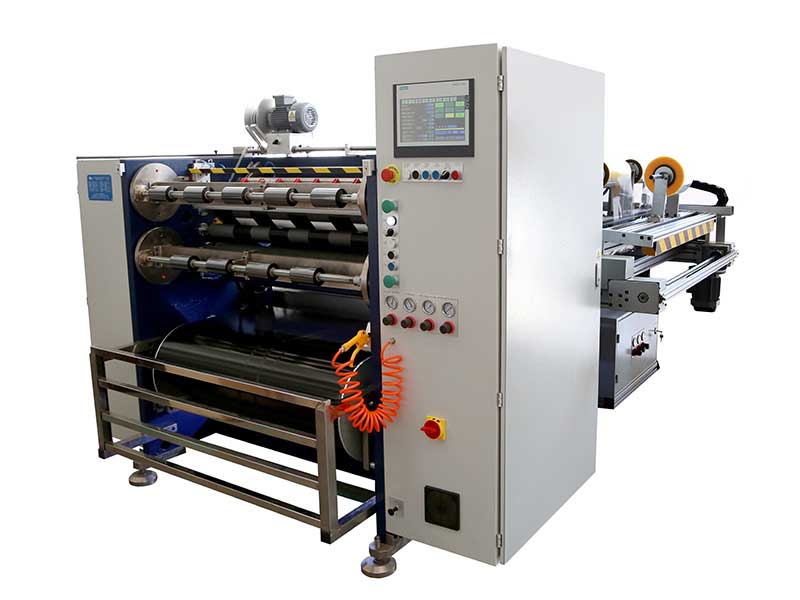 Automatic Thermal Transfer Ribbon Slitter RSDS6 PLUS
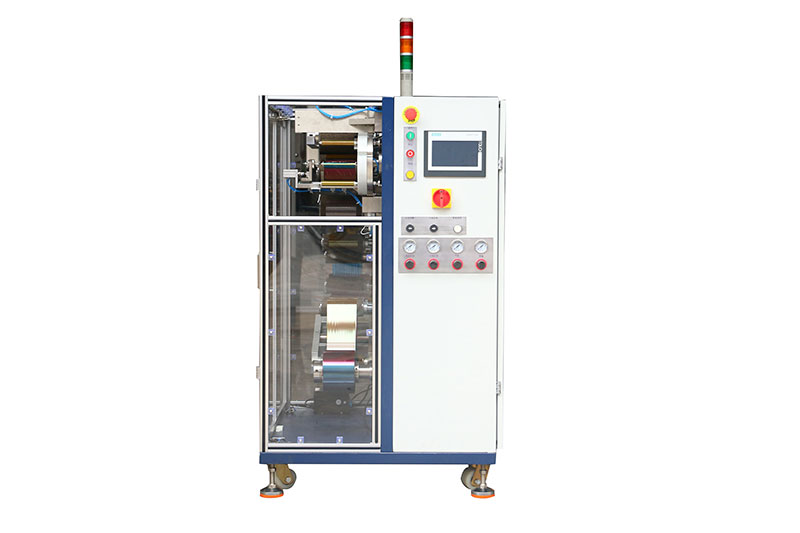 Card Print Ribbon Rewinder
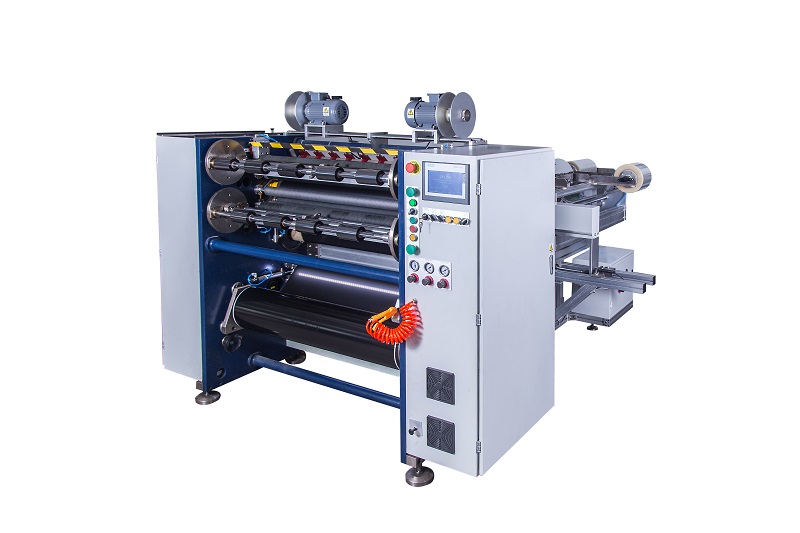 Semi Automatic Thermal Transfer Ribbon Slitter RSDS1 PLUS
 Card Print Ribbon Slitter