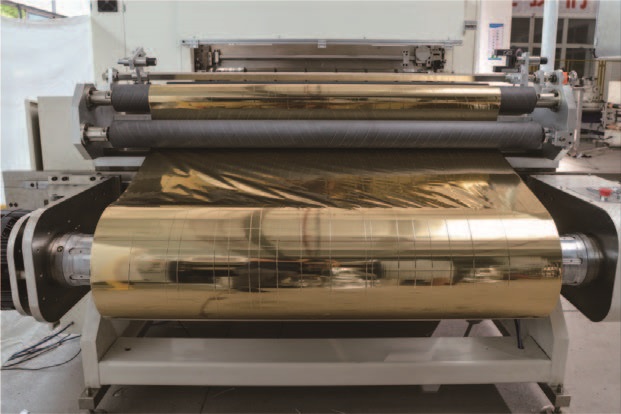
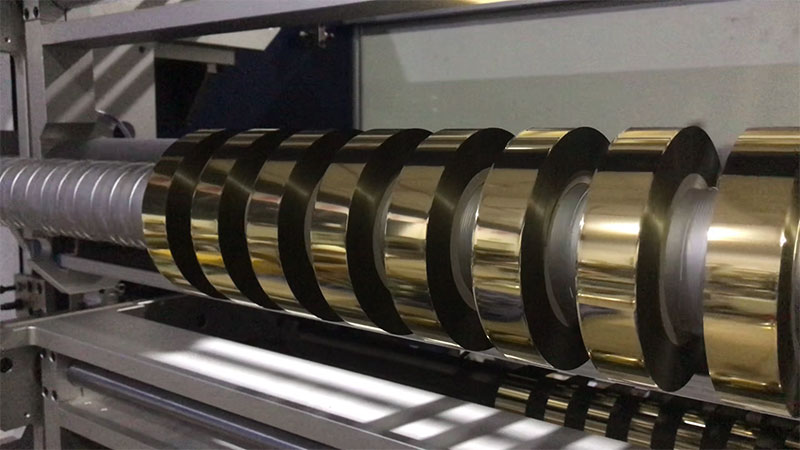
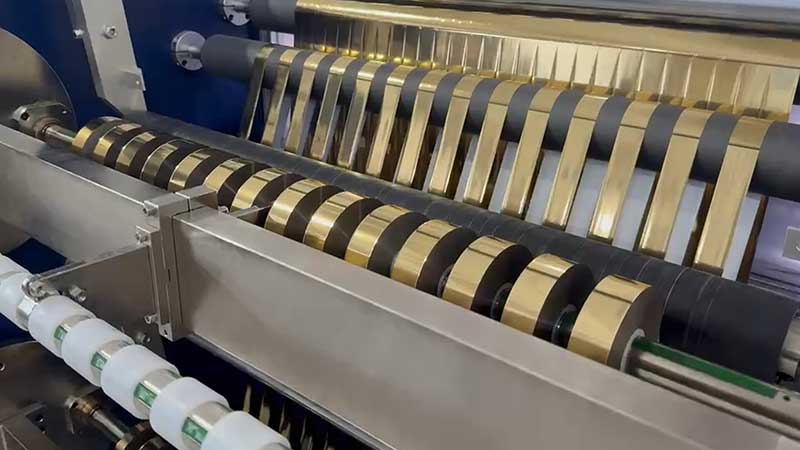
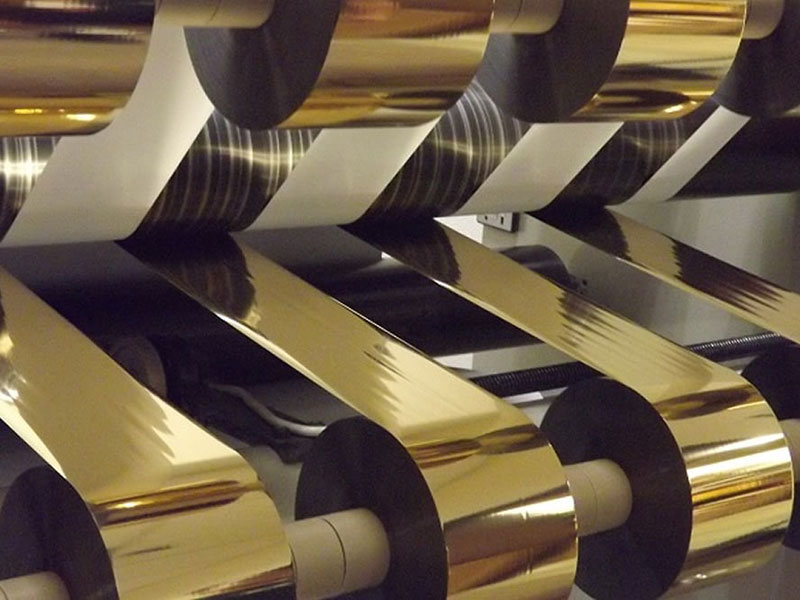
In the competitive world of hot stamping and packaging printing, production efficiency is not just about working faster—it is about working smarter, minimizing waste, and ensuring that every meter of foil delivers maximum value. The hot stamping foil slitting machine has evolved from a basic cutting tool into a strategic asset that directly impacts your bottom line. By transforming wide master rolls into precisely sized finished rolls, these machines eliminate bottlenecks, reduce material loss, and enable seamless integration with downstream processes.
The Core Bottleneck: Why Traditional Slitting Fails Efficiency Standards
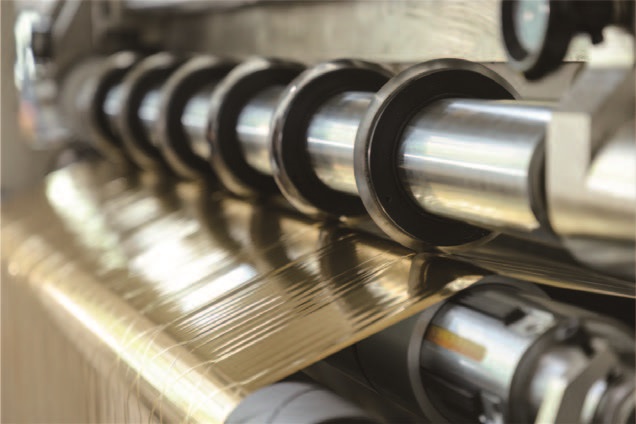
Traditional hot stamping processes often involve a cumbersome, multi-step workflow. Wide foil rolls are stamped, rolled up, sent to a separate slitting machine, cut into narrower rolls, and then rewound to adjust the unwinding direction. This fragmented approach is time-consuming and labor-intensive, requiring multiple transfers and handling stages that slow down production . Each additional step introduces the risk of material stretching, scratching, or contamination, directly impacting yield and increasing operational costs . For manufacturers, this inefficiency is not just an inconvenience—it is a drain on profitability.
Precision as the Foundation of Efficiency
The modern hot stamping foil slitting machine addresses these inefficiencies at the source. By integrating precision control systems, it ensures that slitting is not merely fast but exceptionally accurate. The primary efficiency gain comes from waste reduction. Advanced slitting machines utilize high-precision cutting tools and automated edge correction systems to achieve tolerances as tight as ±0.1mm . This precision minimizes the trimming allowance—the amount of material wasted on the edges. Where traditional mechanical sensors might struggle with reflective foil surfaces, modern systems employ dual CCD vision and laser positioning to compress trimming waste significantly .
Furthermore, the ability to slit multiple specifications in a single run is a major efficiency booster. Intelligent tool layout software allows operators to input the desired finished product width, and the system automatically calculates the optimal cutting pattern to maximize material utilization . This flexibility means you can fulfill diverse orders without the downtime usually associated with re-tooling, ensuring that every inch of your expensive hot stamping foil is used effectively.
Speed and Automation: The Engines of Throughput
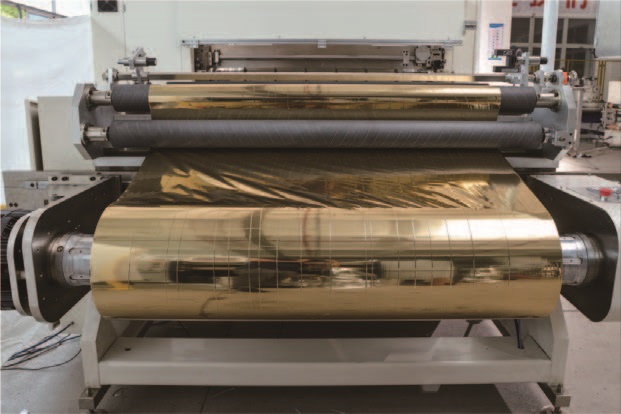
Production speed directly correlates with output capacity. High-performance hot stamping foil slitting machines are engineered to operate at working speeds ranging from 50 to 500 meters per minute . However, raw speed is only valuable if it can be maintained without interruptions. This is where advanced automation features shine.
Key automation advancements that unlock higher throughput include:
• Integrated Online Slitting: The latest innovations allow slitting to occur inline with the hot stamping process. The unwinding shaft, hot stamping unit, slitting unit, and winding unit are arranged sequentially along the film’s path. This configuration completes multi-layer stamping, slitting, and winding in one continuous operation, eliminating the need for secondary slitting and back-rolling procedures .
• Automatic Tension Control: Hot stamping foil is delicate. Inconsistent tension leads to stretching, wrinkling, or breaks, which cause costly downtime. Modern machines use full closed-loop tension control with sensors in both the unwinding and rewinding sections. These systems monitor tension in real-time and automatically adjust parameters, ensuring smoother operation and higher efficiency than traditional models . By preventing tension-related defects, operators avoid frequent stops for adjustments or material reloading .
• Non-Stop Roll Changing: The integration of dual-station unwinding and vacuum adsorption automatic foil bonding devices allows for continuous rewinding. While one set of rolls is being processed, another can be pre-loaded. When a roll is finished, the machine switches automatically, reducing a roll change time that traditionally took minutes down to mere seconds . This reduction in downtime is a massive contributor to overall equipment effectiveness.
Ensuring Quality Without Compromising Velocity
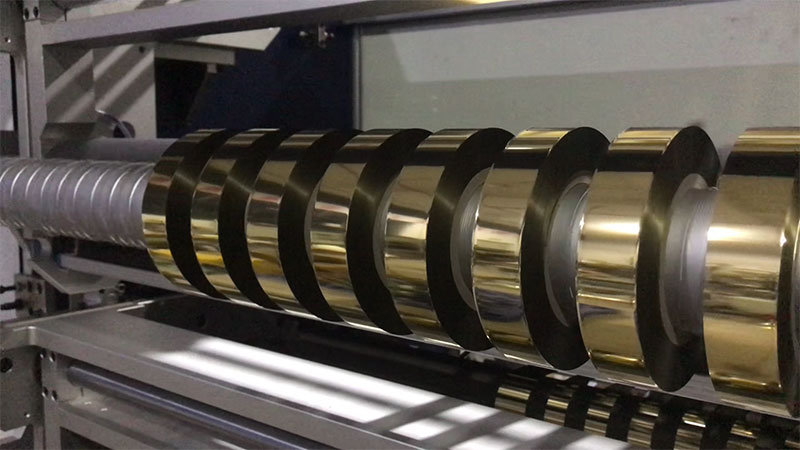
Efficiency is not just about volume; it is also about quality. Defective or inconsistent foil rolls cause jams in the stamping press, leading to unplanned stoppages that decimate production schedules. The hot stamping foil slitting machine improves efficiency by guaranteeing the quality of the slit roll, which ensures smooth downstream feeding.
The slitting process directly influences the quality of the final stamping. High-quality slitting with laser or ultra-thin round knives provides a flat, burr-free incision . This is critical because burrs or flashes on the foil edge can interfere with the release of the foil during stamping, causing skipped impressions or inconsistent adhesion. Additionally, advanced machines can be equipped with in-line inspection systems. CCD cameras detect surface defects like scratches or bubbles in real-time, automatically marking or rejecting defective sections before they reach the customer . By catching defects early, you avoid the much larger efficiency loss of running an entire stamping job with faulty foil.
The Strategic Impact on Production Workflow
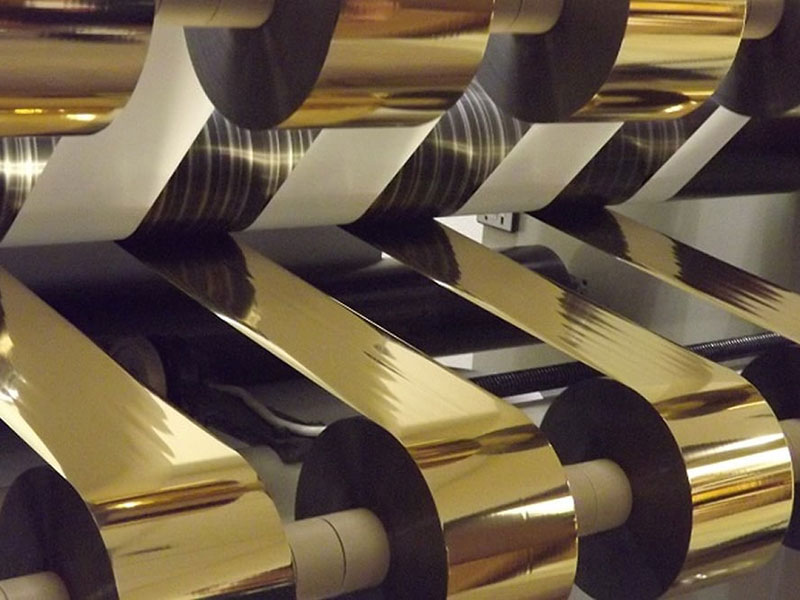
Beyond the immediate operational benefits, investing in advanced slitting technology has a transformative effect on the entire production workflow. The precision and reliability of the slitter allow for tighter inventory management. You can buy wider master rolls, which are often more cost-effective, and slit them to exact specifications on demand. This just-in-time capability reduces the capital tied up in inventory and the storage space required for numerous pre-slit widths.
Moreover, the consistency of the slit rolls improves the overall efficiency of the hot stamping press itself. When rolls are wound with perfect tension and smooth edges, the press can run at higher speeds with fewer web breaks. The synchronization between the slitter and the press creates a harmonious production line where the slitter feeds the press with optimal material, reducing waste and maximizing uptime. For high-value applications like cigarette packaging or luxury goods, where registration and appearance are paramount, the precision of the slitter directly translates into higher sellable output .
Conclusion
The hot stamping foil slitting machine is far more than a peripheral piece of equipment; it is a critical control point for production efficiency. By moving from manual, multi-step processes to integrated, automated precision, manufacturers can drastically cut waste, increase throughput, and ensure superior quality. Whether through the waste reduction enabled by intelligent tool layout, the speed unlocked by automated tension and roll changing, or the quality assurance provided by precision cutting and in-line inspection, modern slitting technology provides a clear competitive advantage. For businesses looking to optimize their hot stamping operations, upgrading this essential asset is a direct investment in efficiency, profitability, and market responsiveness.
 English
 Deutsch
 Français
 Español
 Português
 日本語
日本語 русский
 한국어
한국어 عربي
عربي ภาษาไทย
 Tiếng Việt
 Italiano
 Cold Foil Slitter
 Card Print Ribbon Rewinder
 Card Print Ribbon Slitter
 Hot Stamping Foil Slitting Machine
 Digital Enhancement Foil Slitter
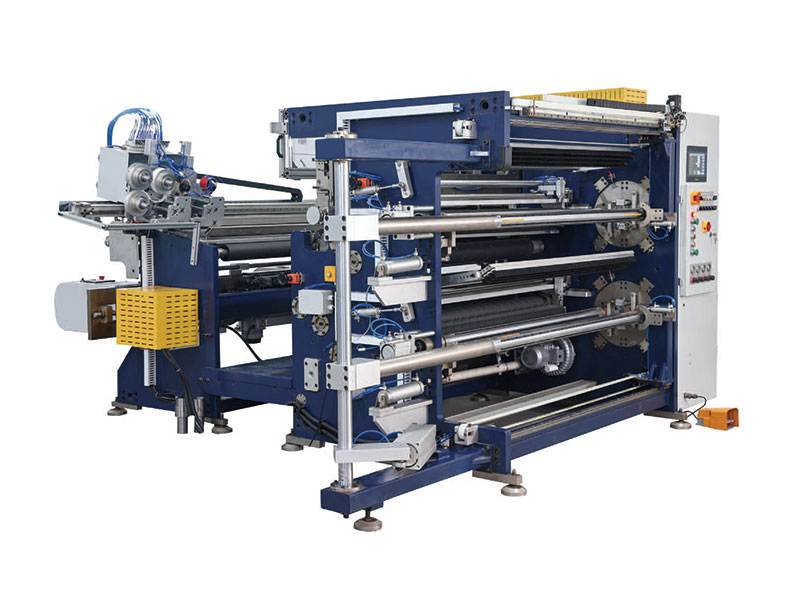 Hot Stamping Foil Slitter RSDS7H 1350 PLUS
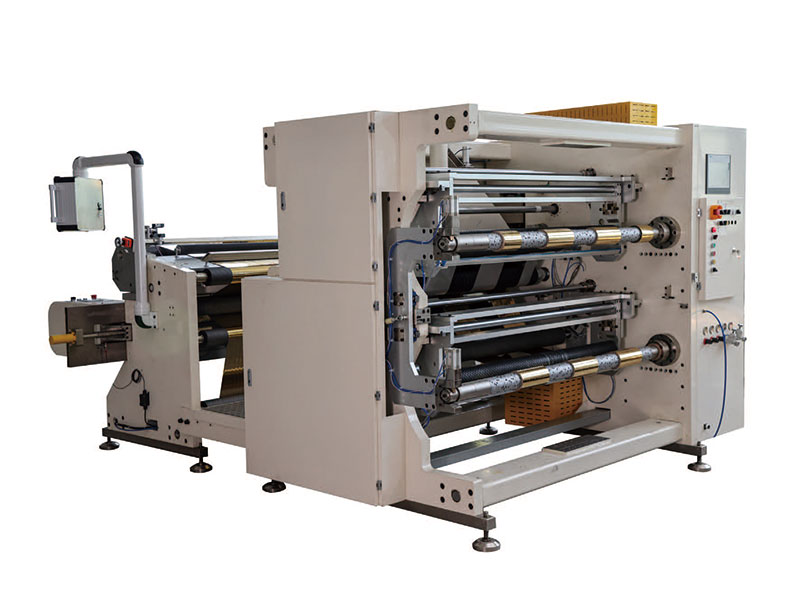 Hot Stamping Foil Slitter (RSDS7H) 1350