The total thickness of thermal transfer ribbons is usually only 4.5 to 20 microns, and they are made by laminating an ultra-thin PET base film, heat-resistant coating, and ink layer. Slitting, as the final step before the finished product leaves the factory, directly determines whether the ribbon can be smoothly loaded into the machine and whether it damages the print head. When faced with devices on the market costing anywhere from tens of thousands to hundreds of thousands of yuan, rather than being overwhelmed by complicated parameter tables, it's better to focus on the following five key indicators.
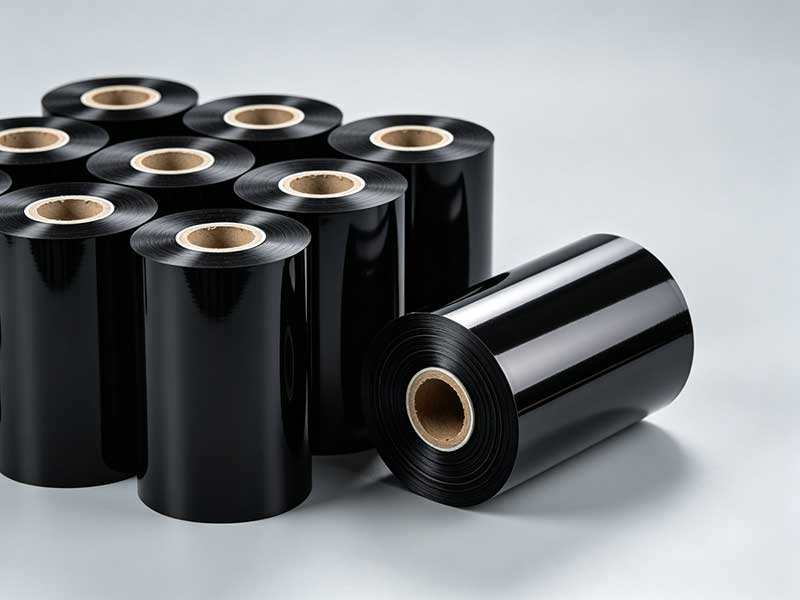
Parameter 1: Slitting accuracy—the lifeline of quality
Slitting accuracy is the primary indicator for measuring equipment performance; it directly determines the width consistency and edge quality of the finished carbon ribbon. Insufficient precision can cause ribbon edges to be rough, tape slip offset, tape clips during printing, and even damage to the print head.
Industry precision standards can be roughly divided into three levels: the standard grade has a precision of ±0.3~0.5mm, suitable for conventional commercial and logistics labels; The high-precision class can reach ±0.1mm, suitable for precision electronics and general industrial applications; The ultra-high precision level can be controlled within ±0.05mm, meeting high-end scenarios such as medical labels and ultra-narrow ribbons.
The key hardware that determines accuracy lies in the tension control system and tool holder rigidity. When purchasing, do not trust the theoretical values on the parameter table. Always bring your own ribbon roll for on-site trial cutting, use a vernier caliper to measure the deviation between the slitting width and the set value, and check for burrs on the edges of the sample.
Parameter 2: Tension Control—The "Soul" of the Device
The PET base film of the ribbon is extremely thin and extremely sensitive to changes in tension. Tension control accounts for over 50% of the impact on winding flatness, and the industry even regards it as the "soul" of slitting machines.
Excessive tension results in the base film stretching and deformation, causing microcracks in the ink layer, which leads to powder and white lines shedding during printing; If the tension is too low, the ribbon becomes loose and wrinkled, causing the winding end face to appear "serpentine," which easily causes core misalignment during transportation. An excellent tension control scheme adopts a three-stage differentiated zone: the unwinding area uses decreasing tension, the slitting area maintains constant tension, and the winding area implements taper decreasing control—linearly lowering tension as the coil diameter increases, preventing the outer layer from being overtight and crushing the inner layer, resulting in a "daisy core" winding.
When purchasing, prioritize the fully automatic closed-loop tension control system, which uses real-time feedback from the tension sensor and dynamic adjustment by PID algorithm to keep fluctuations within ±0.5N. Traditional open-loop controls (such as manually adjusting the magnetic powder clutch) can fluctuate up to ±10%, making it difficult to cope with tension drift caused by changes in winding diameter.
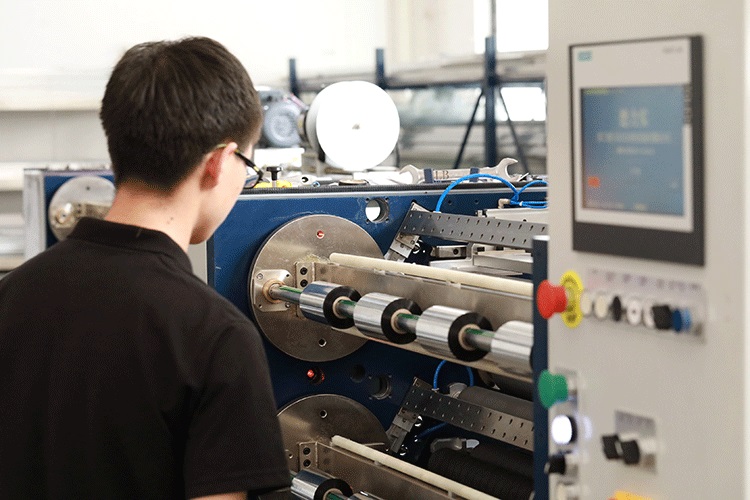
Parameter 3: Winding Neatness—The Easily Overlooked "Hidden Cost"
The neatness of winding directly affects the efficiency of back-end packaging and the smoothness of the printer's tape movement. If the end face appears as a "bell-mouthed," edges appear "serrated," or internal folds appear, the root cause is inadequate tension control and correction devices, which can easily cause ribbon breakage or jam tape during subsequent unwinding printing.
Industry control standards are: end face deviation should generally be kept within ±1mm, and high-end equipment can reach ±0.5mm. To achieve this level, besides closed-loop tension control, the reel arrangement is equally crucial. The slip shaft is a must-have for high-end ribbon production—it can independently control torque for each winding unit and adjust in real time according to changes in the coil diameter, effectively solving the problem of "loose inside, tight outside" or "core core" when winding multiple rolls simultaneously. Pneumatic slip shafts offer higher control accuracy than mechanical ones, making them especially suitable for production scenarios where specification changes are frequent.
Parameter 4: Slitting speed—a measure of efficiency, but the higher the better
Cutting speed determines output per unit time, but the nominal maximum speed is often just "laboratory data." A device that frequently slows down or shuts down due to tension fluctuations may actually produce less output than a stable medium-speed model.
Speed ratings can refer to the following ranges: low-speed economical type 50~100 m/min, suitable for small batch and multi-variety production; Medium-speed general-purpose model 150~250 m/min, meeting most commercial orders; High-speed production model 300~500 m/min, suitable for large-scale continuous production.
It is important to note that the actual usable speed is significantly affected by the material of the ribbon. Resin-based ribbons have harder coatings and lower toughness, so they usually need to operate at speeds 20%~30% lower than wax-based ribbons. Therefore, when evaluating speed, manufacturers should be asked to conduct trial cuts using your actual materials to observe the control effect during acceleration and deceleration phases, rather than just looking at the numbers on the nameplate.
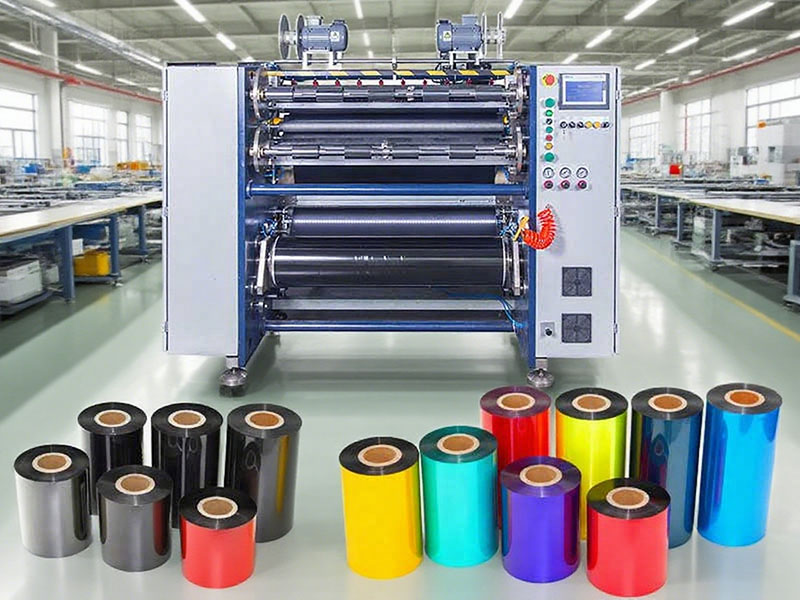
Parameter 5: Tool shape and hardware configuration—matching materials is the right choice
Blade shape selection is based on material thickness as the reference line. Square blade (razor cut) is suitable for cutting thin ribbons below 70μm, with high edge uniformity, making it a "specialist" for thin ribbons; Circular blades (scissor cutting) are more suitable for thick materials over 100μm and ribbons with paper backing, offering greater durability and suitability for mass production. The commonly used wax-based and mixed-based ribbon ribbons in the logistics industry typically have thicknesses between 4.5~20μm, and square blade configurations often achieve better slitting performance.
The rack and core components determine the equipment's ability to maintain long-term accuracy. Heavy, high-strength cast iron or steel frames can effectively absorb vibrations; The brands of drivetrain bearings, rails, and servo motors directly reflect the manufacturer's commitment to quality. These details are not obvious in the initial stage of equipment operation, but after two or three years, the rate of precision degradation becomes noticeably different.
Comprehensive selection strategy: Take it personally
By combining the characteristics of their own business, they can quickly pinpoint direction. For small batches, multi-specification prototyping or short order scenarios, priority is given to ease of order changeover and programmable tool positions, with speeds of 100~150 m/min and accuracy controlled within ±0.3mm; Mass production of standard wide-width ribbons, focusing on high-speed continuous operation and automatic cutters, speeds above 250 m/min, accuracy within ±0.2mm; High-end resin-based or special ribbons require low-tension control, anti-static treatment, and independent slip shaft configuration, with speeds of 150~200 m/min and accuracy ± within 0.1mm.
One last piece of advice: No matter how beautiful the spec sheet is, using your own ribbon roll for on-site trial cutting before buying is the most effective way to avoid pitfalls. Focus on edge quality at the narrowest and widest specifications, winding performance during high-speed start-stop times, and stability during long-term continuous operation.
 English
 Deutsch
 Français
 Español
 Português
 日本語
日本語 русский
 한국어
한국어 عربي
عربي ภาษาไทย
 Tiếng Việt
 Italiano

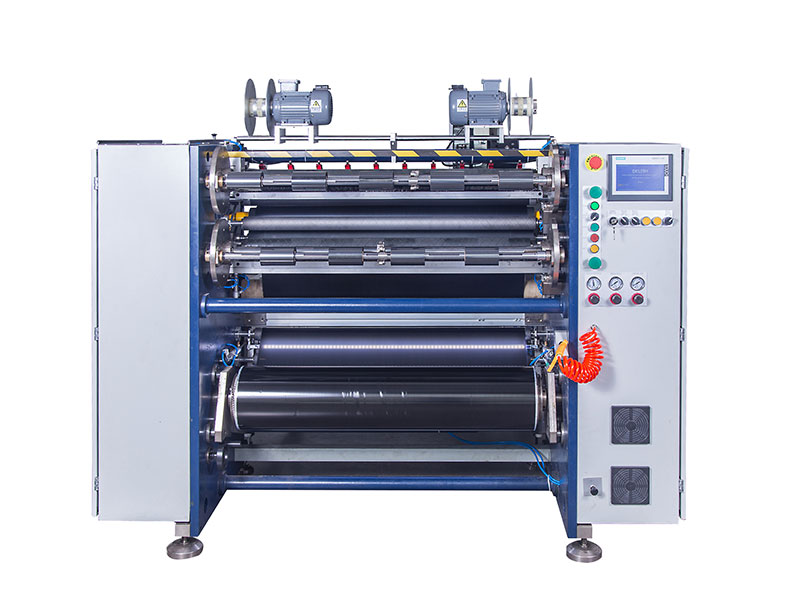
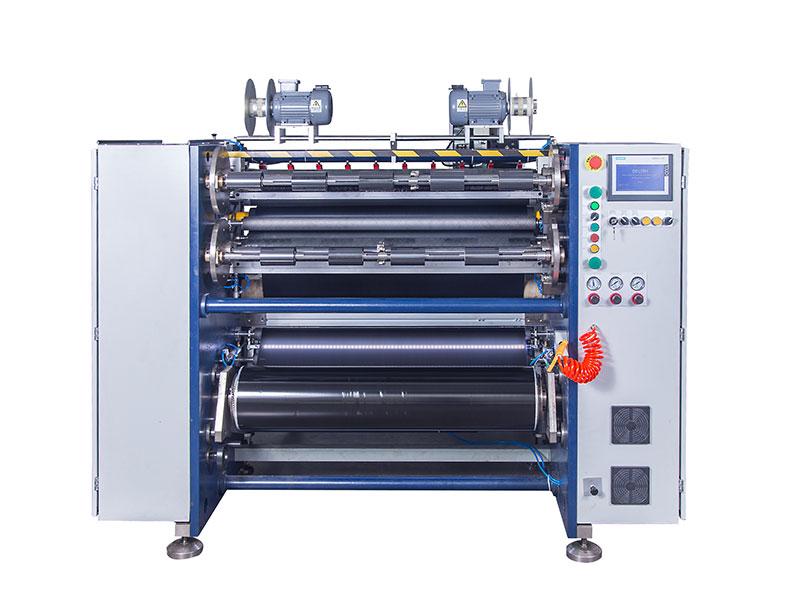 Ribbon Slitting Machine
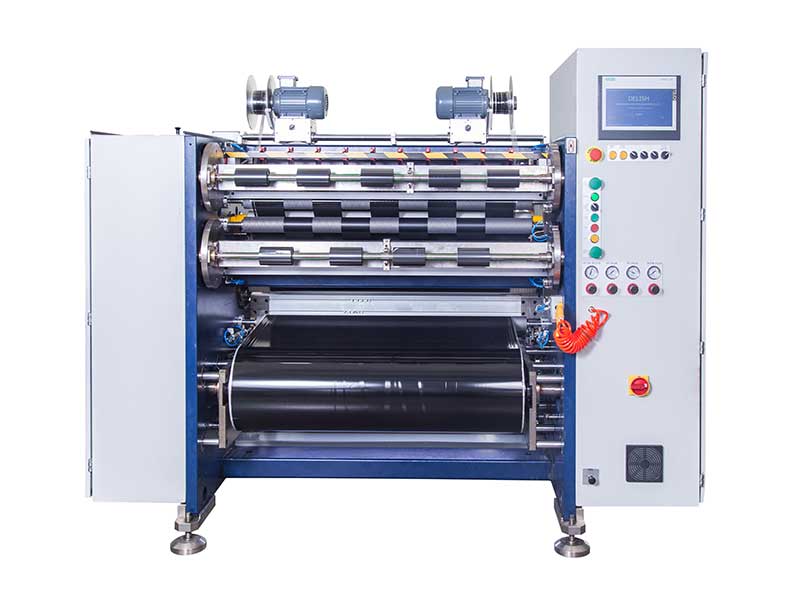 Barcode Ribbon Slitting Machine
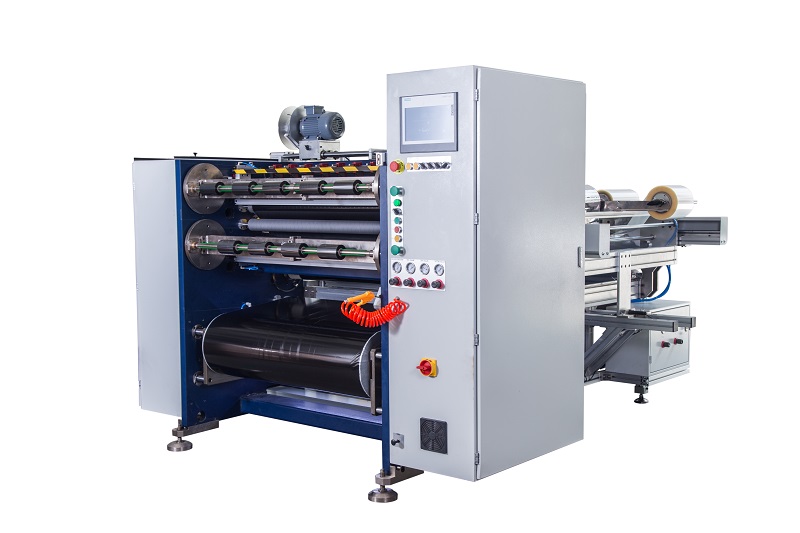 Semi Automatic Thermal Transfer Ribbon Slitter RSDS5 PLUS
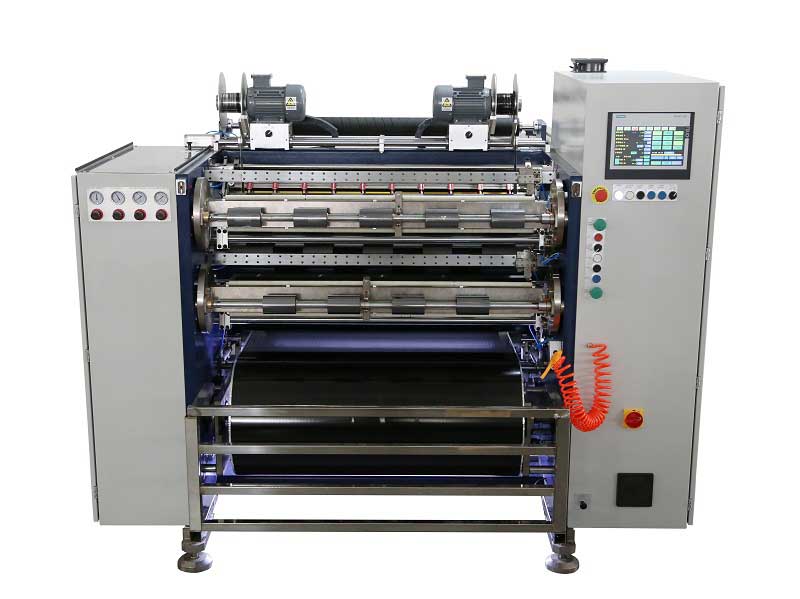 Automatic Thermal Transfer Ribbon Slitter RSDS8 H PLUS
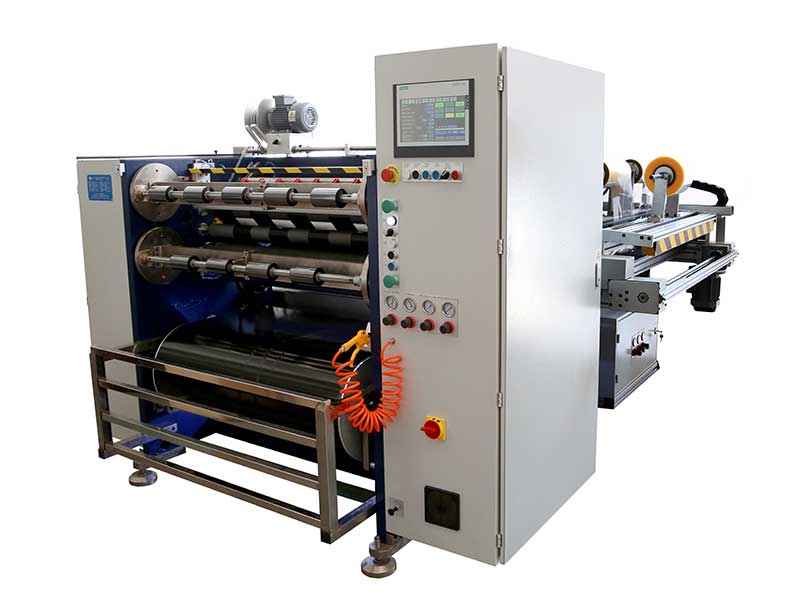 Automatic Thermal Transfer Ribbon Slitter RSDS6 PLUS
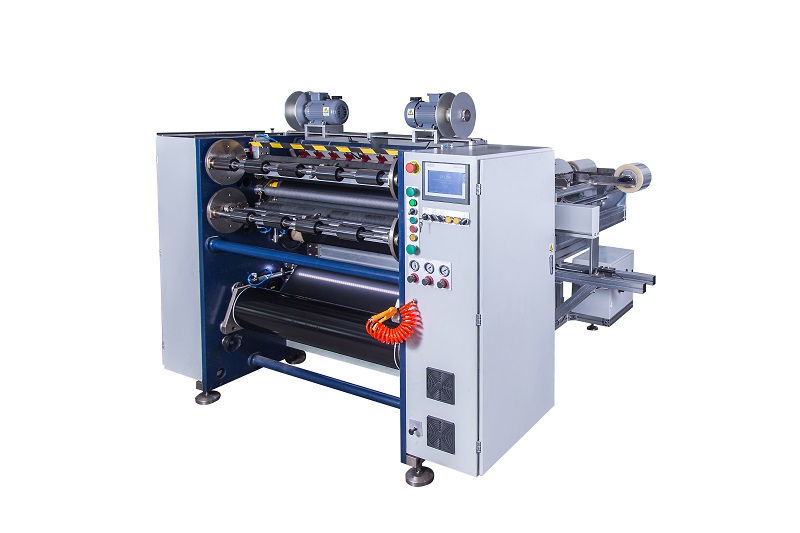 Semi Automatic Thermal Transfer Ribbon Slitter RSDS1 PLUS
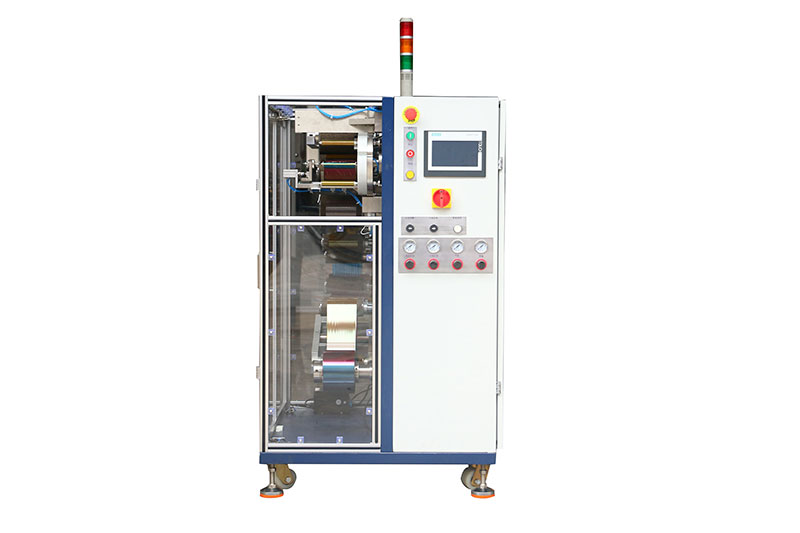 Card Print Ribbon Rewinder
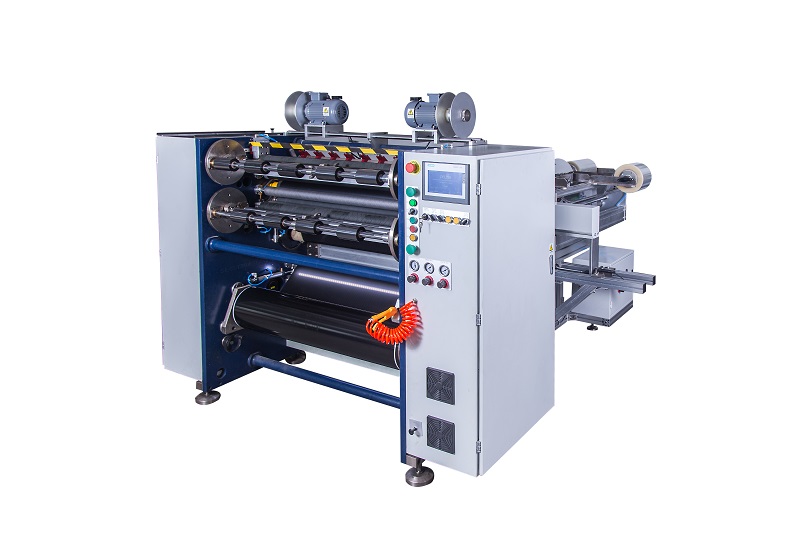 Semi Automatic Thermal Transfer Ribbon Slitter RSDS2 PLUS