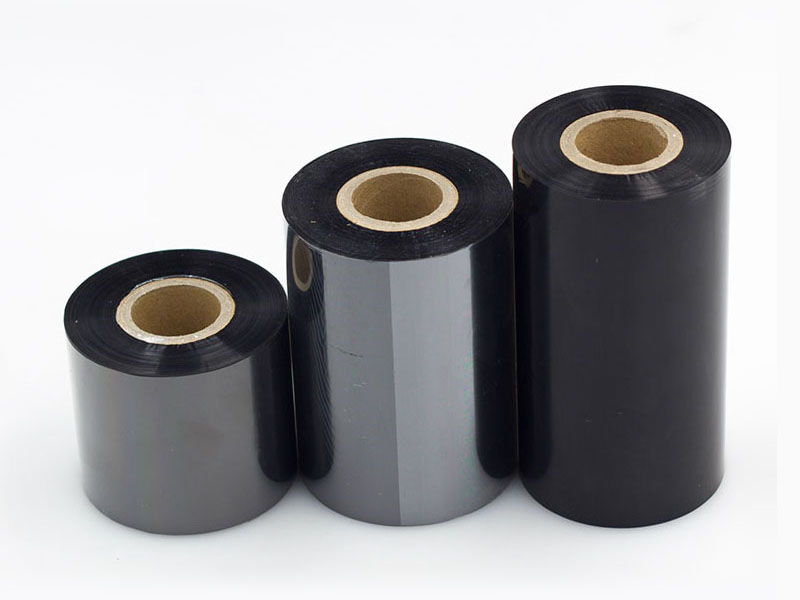
When purchasing ribbon slitting and rewinding machines, they are most likely to be misrepresented by the "highest speed" and "lowest price" listed in the parameter table. A device rated at 500 meters per minute may experience uneven end faces or tensile deformation at 200 meters per minute if tension control is inadequate, and its actual efficiency is far inferior to a machine running stably at 250 meters per minute. The total thickness of the ribbon is often only 4.5 to 20 microns, and even minor deviations during the slitting process can directly lead to print head wear, tape wear, or even entire batch scrap. The core logic of selection is not to buy the "best" or "cheapest," but to find a match between your material characteristics, order structure, and long-term operating costs.
Lock in precision first: this is an uncompromising bottom line
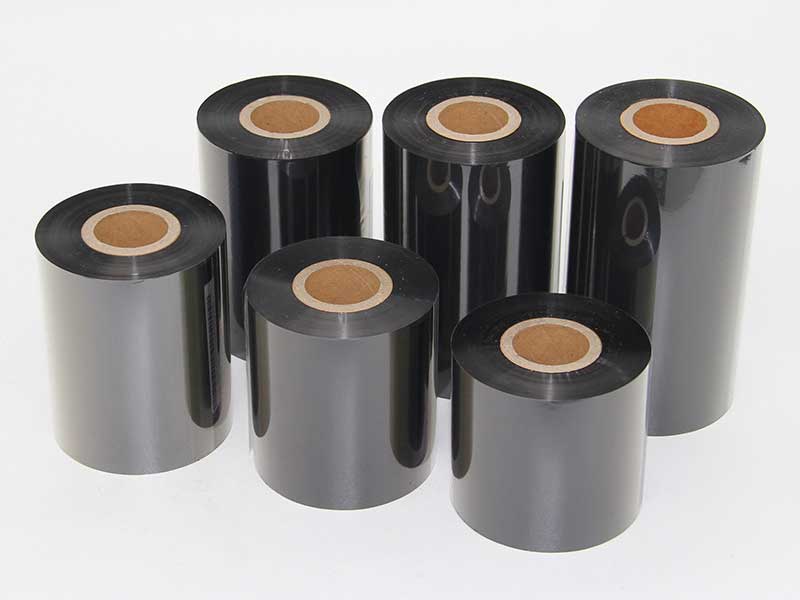
Slitting accuracy is the primary measure of equipment performance and directly determines whether the finished ribbon can be smoothly fed into the machine. The accuracy classification within the industry is generally clear: the error for standard equipment is about ±0.5mm, while high-precision models can reach ±0.1mm or even ±0.05mm. If your business involves precision electronic tags, medical labels, or high-resolution barcode printing, ± 0.1mm is the starting threshold; If only conventional logistics labels are made, ±0.3~0.5mm is acceptable, but the actual trial cut samples should be used as the standard, not the theoretical values on the parameter table.
Even more hidden than width tolerance is winding neatness. End face deviation should be controlled within ±1mm, and high-end equipment can reach ±0.5mm. The end face shows a "bell-mouth," serrated edges, or internal folds almost always indicate inadequate tension control and correction systems. The ribbon substrate is extremely thin, and tension accounts for more than 50% of the impact on winding flatness. Excessive tension can cause tensile damage to the PET base film, making it easy to shed powder during printing; If the tension is too low, the ribbon wrinkles, and white lines or indentations may appear in the print. Therefore, a fully automatic closed-loop tension control system is a must-confirm configuration when selecting a system. It uses sensors to provide real-time feedback and adjust the tension at each stage of winding, traction, and rewinding, rather than relying on open-loop settings.
The choice of reel is equally crucial. If the equipment is only equipped with a standard gas expansion shaft, when multiple coils are rolled simultaneously, the difference in coil diameter will cause tension to be unable to be adjusted independently, resulting in issues like "loose inside, tight outside" or "core inside." Slip shafts (especially pneumatic slip shafts) allow each winding unit to independently control torque, adjusting in real time according to changes in roll diameter, making it an essential option for producing high-quality ribbon in multiple specifications.
Select tool type and speed based on material, not by nominal value
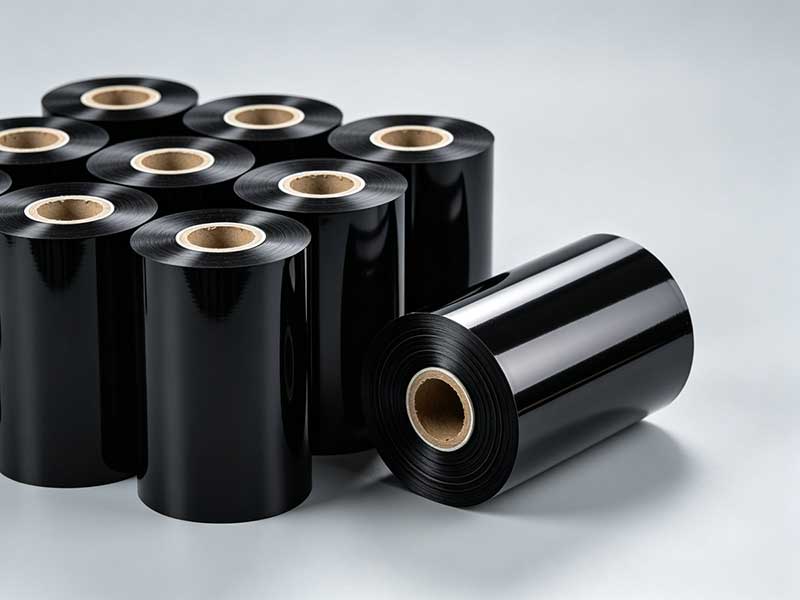
The material of the ribbon determines the focus of the slitting method. Wax-based and mixed-based ribbons are relatively insensitive to mechanical stress; circular blade (scissor type) slitting is sufficient, and the cut quality remains relatively stable at high speeds. Resin-based ribbons are hard and brittle, easily deformed under tensile stretching. Besides requiring low-tension control, the tool's wear resistance is also more important. Tungsten steel or ceramic-coated inserts are more suitable for such scenarios. For ultra-thin ribbons with thicknesses less than 5 microns, mechanical contact slitting is highly prone to tensile failure. Laser slitting offers obvious advantages in non-contact cutting, but the equipment cost is significantly higher and must be balanced according to product positioning.
In terms of speed, common ranges are: low-speed economy model 50–100 m/min, medium-speed general type 150–250 m/min, and high-speed production model 300–500 m/min. However, there is a fact that is easily overlooked: resin-based ribbons have harder coatings and usually need to operate at a speed 20%–30% lower than wax-based ribbons to ensure cut quality. If your main product is resin-based ribbons, a device rated at 400 meters per minute may have an actual usable speed of 280–320 meters per minute. When selecting models, manufacturers should be required to use your busbar for on-site trial cutting, focusing on edge quality at the narrowest specifications and tension stability during high-speed start-stop times—these two factors better reflect the true level of the equipment than peak speeds.
Flexible changeover capability: Hidden costs in the era of small-batch orders
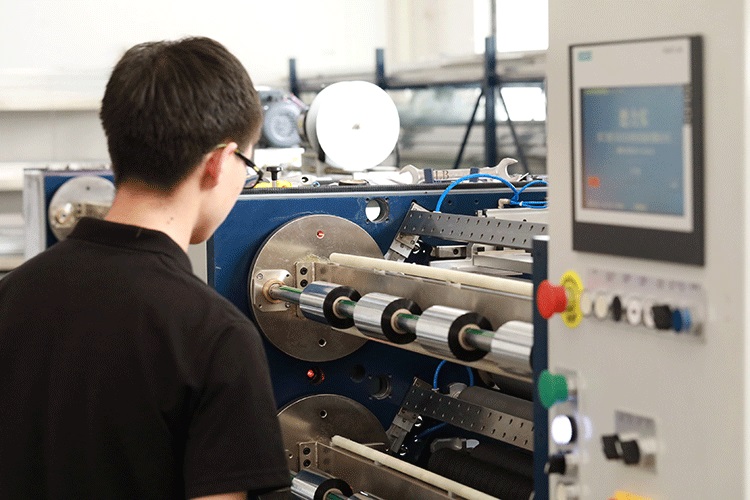
The order structure of the carbon ribbon market is becoming fragmented, with multiple specifications and small batches becoming the norm. Traditional slitting machine model changes require manual movement of the cutter holder and manual adjustment of tension parameters, taking tens of minutes or even longer. Small orders can easily lose profit due to the changing time. Equipped with an independent tool holder driven by servo motors and a formulation management system, the system automatically completes blade positioning and tension matching after operators input new specifications on the touchscreen, reducing changeover time to just a few minutes or even tens of seconds. The price difference at the time of equipment procurement may not be significant, but its impact on daily operational efficiency is sustainable.
Additionally, correction systems should not be considered "optional." Ribbons are prone to lateral offset at high speeds. CCD photoelectric or ultrasonic sensors detect edge positions in real time and automatically adjust the belt path, serving as essential infrastructure to ensure stable slitting accuracy. For ribbons made of transparent or semi-transparent substrates, ultrasonic correction is more suitable than photoelectric types.
Manufacturer evaluation and trial cutting: the last line of defense
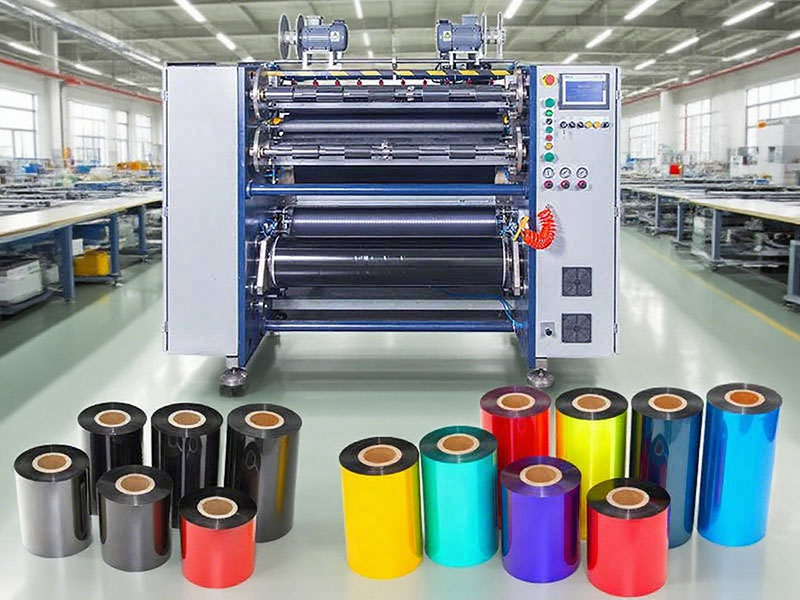
The brand choice for the core components of ribbon slitting machines—bearings, guide rails, motors—reflects the manufacturer's commitment to maintaining long-term precision. The rails from THK, NSK, and INA to the motors from Mitsubishi, Panasonic, and Siemens—these details will show differences after years of operation. The thickness of the frame is equally important: high-strength cast iron or thick steel can effectively absorb vibrations during slitting, while thin frames tend to resonate at high speeds, accelerating precision degradation.
But all parameter and configuration evaluations ultimately come down to on-site trial cutting. Bring your main ribbon master roll you actually use, and require the manufacturer to cut your narrowest and widest specifications on the target model. Check the neatness of the end faces of the trial samples, whether there are burrs on the edges, and whether the winding is uniform. If conditions allow, allow the equipment to run continuously for a period at speeds close to your daily production schedule, observing tension fluctuations and correction responses. This step cannot be replaced by any spec sheet or sales promise.
In terms of price, common mid-to-high-end ribbon slitting and rewinding machines on the market are priced between tens of thousands of yuan and over a hundred thousand yuan, depending on width, degree of automation, and tension configuration. But what matters more when making decisions is the full lifecycle cost: energy consumption, replacement frequency of wear parts, changeover time, and scrap rates due to insufficient accuracy. A device costing 20,000 yuan but with an annual scrap rate one percentage point lower often has a shorter payback period than expected.
Ultimately, choosing a ribbon slitting rewinder is a judgment about "matching." High-precision equipment paired with low-speed resin-based production lines is wasteful, while economical equipment is risky to run precision electronic label orders. Clarify your main materials, precision requirements, and order structure, and focus your budget on tension control and rewinding reels—two core configurations that can't be added at low cost later. The rest should be trade-offs as needed—that's the pragmatic decision-making path.
 English
 Deutsch
 Français
 Español
 Português
 日本語
 русский
 한국어
 عربي
 ภาษาไทย
 Tiếng Việt
 Italiano



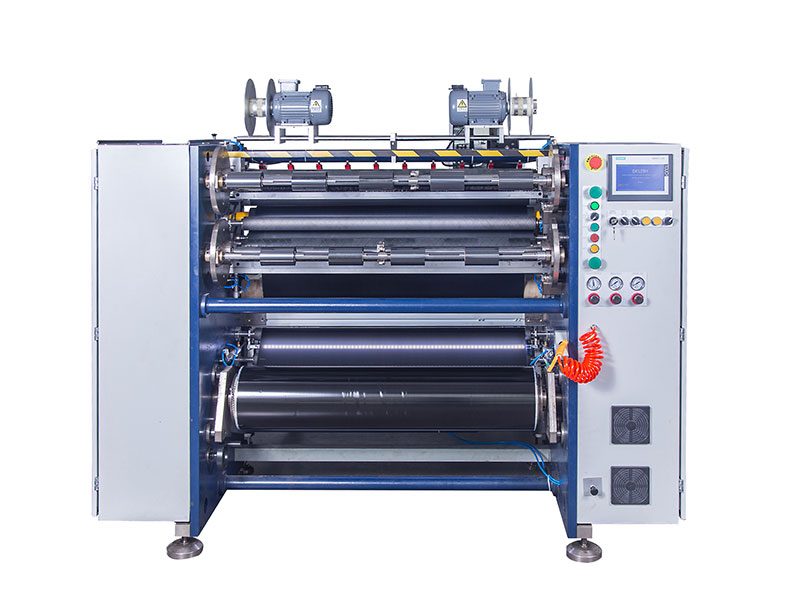 Ribbon Slitting Machine
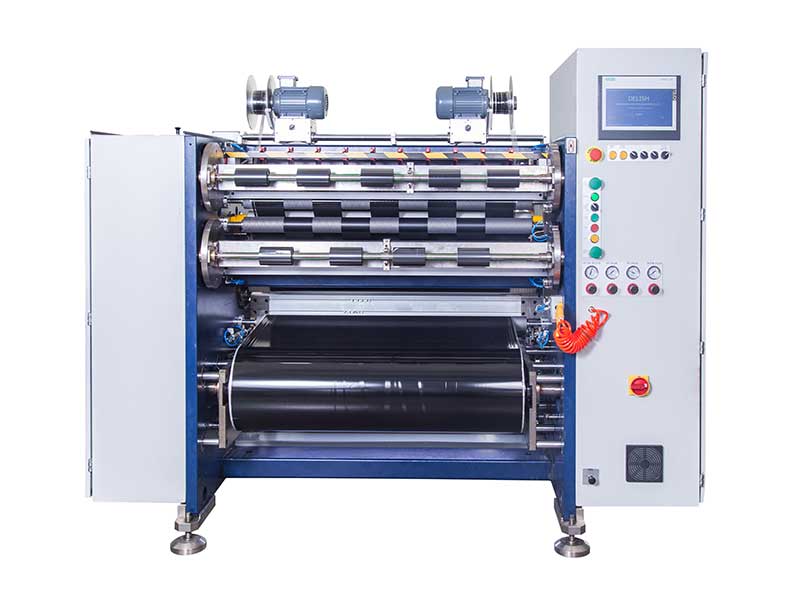 Barcode Ribbon Slitting Machine
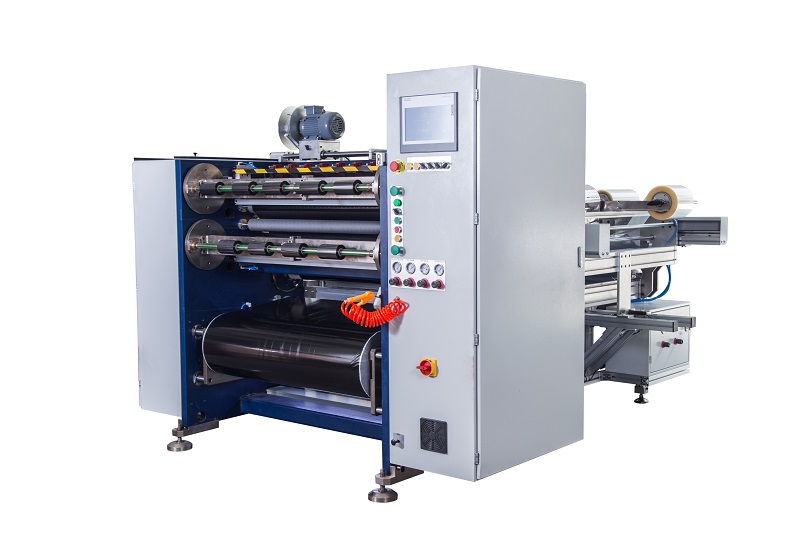 Semi Automatic Thermal Transfer Ribbon Slitter RSDS5 PLUS
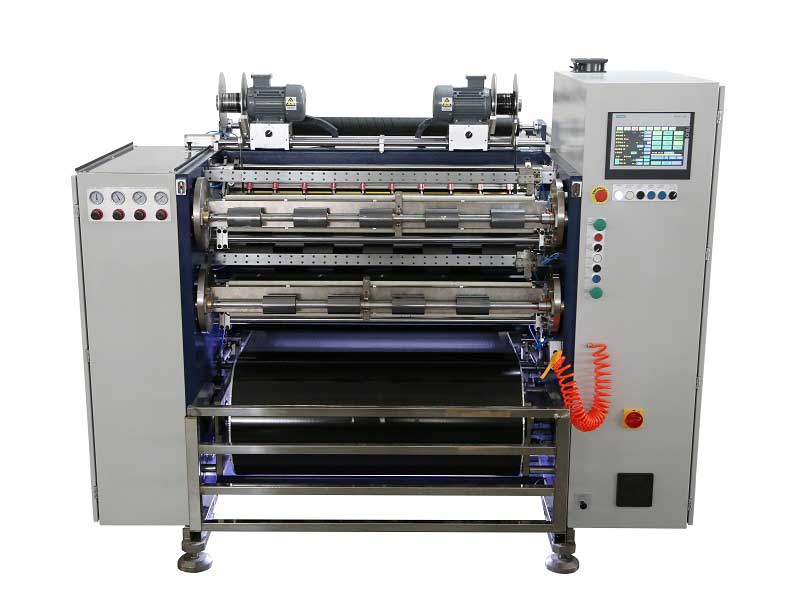 Automatic Thermal Transfer Ribbon Slitter RSDS8 H PLUS
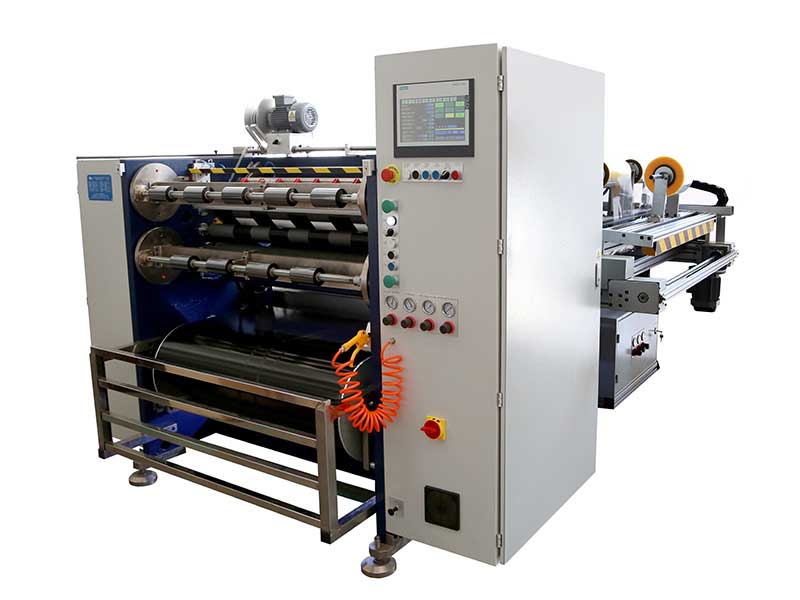 Automatic Thermal Transfer Ribbon Slitter RSDS6 PLUS
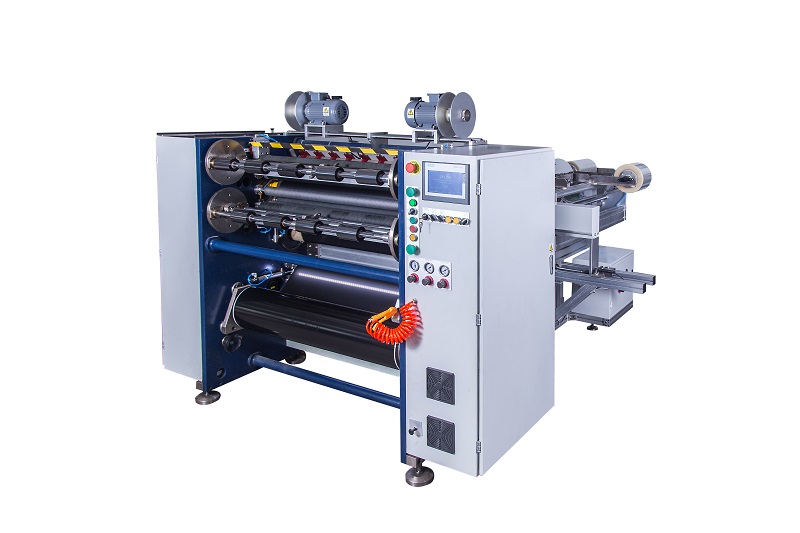 Semi Automatic Thermal Transfer Ribbon Slitter RSDS1 PLUS
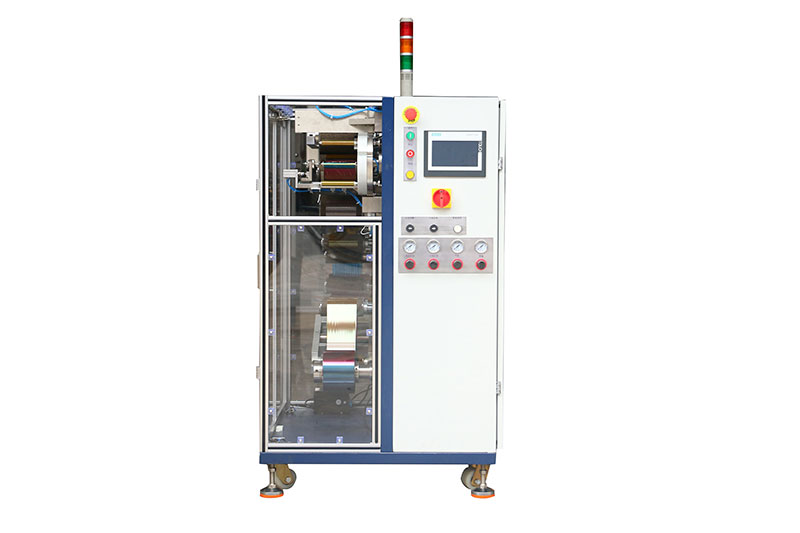 Card Print Ribbon Rewinder
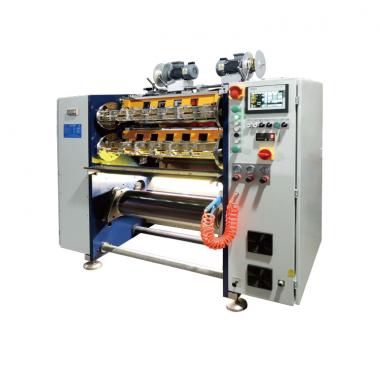 Card Print Ribbon Slitter