Abstract: Tension control is the core technology of film slitting equipment, directly affecting product quality and production efficiency. Starting from the physical mechanisms of tension generation, this paper systematically analyzes the key points of tension control in the three sections of unwinding, traction, and rewinding, focusing on the application of taper tension models, PID control, and their improved algorithms in engineering practice, and elaborates on key technologies such as tension detection and actuators.
1. Introduction
The film slitting machine is a key device for slicing wide-width large rolls of film into several narrow small rolls. Its product quality is reflected not only in visual indicators such as wrinkle-free appearance and neat end faces, but more importantly, in the magnitude of residual stress inside the product—which directly affects the accuracy of subsequent processes such as printing and registration. At the core of this quality is the tension control technology that runs through the entire slitting process.
Tension control refers to the precise adjustment of the tensile force acting on the film during film conveying and winding to keep it within the required process range. Too little tension can cause the film to loosen, deviate, or uneven rolling; Excessive tension can cause the film to stretch and deform, increase shrinkage rate, and even form wrinkles. For high-end materials such as ultra-thin separators with thicknesses of only 10–25μm, the precision requirements for tension control are especially stringent.
2. Physical Basis and Zoning Architecture of Tension Control
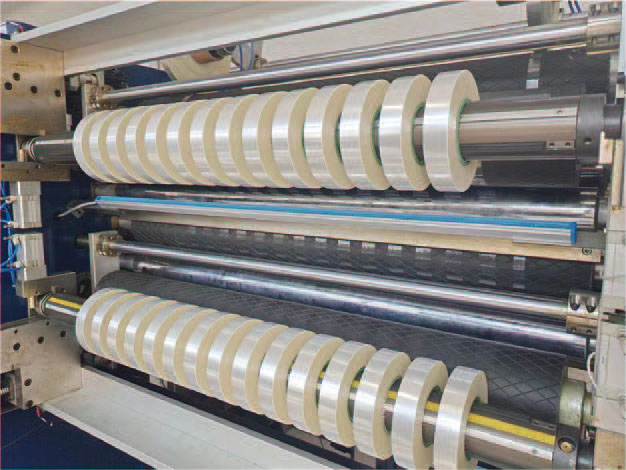
Tension is essentially the mutual traction generated inside the film under tensile force. From the perspective of control zones, the tension control of the film slitting machine can be divided into three independent yet related sections:
The unwinding section is the starting point for tension control. Residual stress already exists inside the original film master roll taken in the previous process, and due to curing and other reasons, eccentricity is inevitable, which causes periodic tension fluctuations during unwinding. Unstable tension during winding will "transmit" to subsequent segments, ultimately affecting the quality of the finished product.
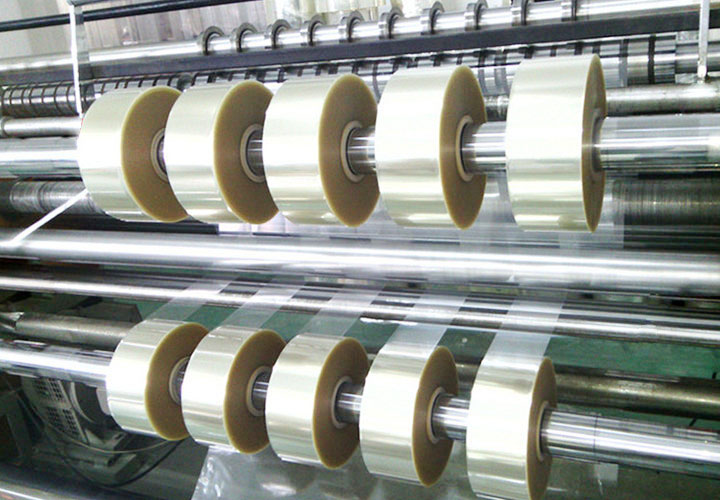
The traction section connects unwinding and rewinding. Due to the speed difference between the rollers, the film generates tension under elastic deformation. The current mainstream solution uses independent motors for each roller and digital speed control to eliminate tension disturbances caused by speed differences.
The winding section is the endpoint of tension control and also the most complex stage. As the winding diameter gradually increases, maintaining constant tension results in excessive tension at the core and insufficient tension in the outer layers, leading to quality issues such as interlayer slippage, wrinkling, and unevenness on the end face.
3. Core Control Strategies and Algorithms
1. Taper tension model
To address the challenges brought by diameter changes during winding, a taper tension control strategy is widely adopted in engineering. The core idea is: as the roll diameter increases, the winding tension gradually decreases according to a set "taper curve," making the inner and outer layers of the film more evenly bearing, preventing the inner layer from being crushed or slipping between layers.
The segmented taper tension model is a refined solution, dividing the entire winding process into several sections, each using different tension curves. This method ensures the initial winding tension while effectively suppressing common issues such as film stretching and increased friction coefficient during constant torque winding.
2. PID control and its improvements
Traditional PID controllers are widely used due to their simple structure and high reliability. In a typical solution, the tension sensor detects the membrane tension in real time, compares it with the set value to obtain a deviation signal, and after calculation by the discrete PID controller, drives the actuator to adjust the motor torque.
However, the control system of the film slitting machine exhibits obvious nonlinear and time-varying characteristics. When the system's dynamic characteristics change, fixed-parameter PID controllers struggle to maintain optimal performance. To address this, researchers proposed a fuzzy PID control scheme: using fuzzy logic to automatically adjust PID parameters online and adaptively compensate for tension changes. Simulation results verify the superiority of this scheme.
3. Real-time calculation of roll diameter
Accurate roll diameter values are the prerequisite for tension control. Common ratio calculation method in engineering: Based on the ratio of linear velocity to angular velocity, real-time diameter is calculated through pulse signals of the speed of the traction shaft and the winding shaft. To improve accuracy, integration algorithms can be used to smoothly optimize the calculation results, eliminating the effects of mechanical errors and transient disturbances.
4. Key Execution and Testing Techniques
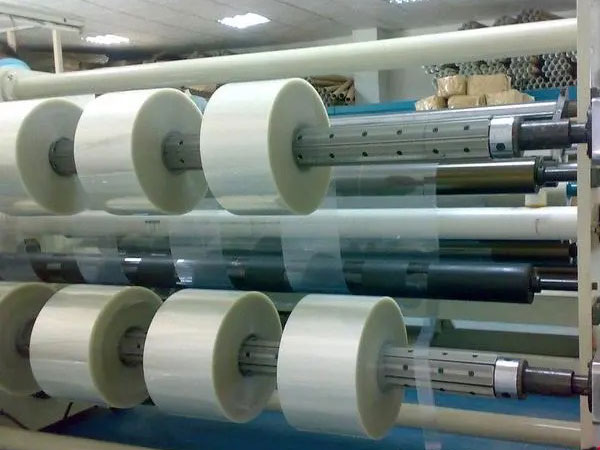
On the unwinding side, a magnetic powder brake is commonly used to control the unwinding shaft torque, which is used to maintain constant unwinding tension by adjusting the braking torque. Magnetic powder brakes feature fast response and high control accuracy, making them suitable for working conditions requiring frequent adjustments.
The winding side controls the torque output of the winding motor via a servo driver. Taking a patented solution as an example, the controller outputs a pulse frequency compensation value to the servo driver based on the tension deviation signal, which then adjusts the motor torque to form closed-loop control.
The floating roller mechanism is an important mechanical means for stabilizing tension during unwinding. It absorbs speed fluctuations caused by the eccentric of the main roll through swinging floating rollers. Furthermore, the tandem dual floating roller technology can reduce tension fluctuations to one-fourth of that of a single floating roller, making it especially suitable for low-tension, high-speed operation scenarios.
5. Conclusion
Tension control technology for thin film slitting machines involves interdisciplinary integration of control theory, mechanical design, and material mechanics. From taper tension models to fuzzy PID adaptive control, from magnetic particle brakes to servo drives, technological evolution has always revolved around one core goal: to ensure that every inch of film is "stretched and relaxed" during slitting. As the requirements for slitting precision in high-value materials such as lithium battery separators and optical films continue to rise, tension control technology will continue to evolve toward higher precision and stronger adaptability.
 English
 Deutsch
 Français
 Español
 Português
 日本語
日本語 русский
 한국어
한국어 عربي
عربي ภาษาไทย
 Tiếng Việt
 Italiano
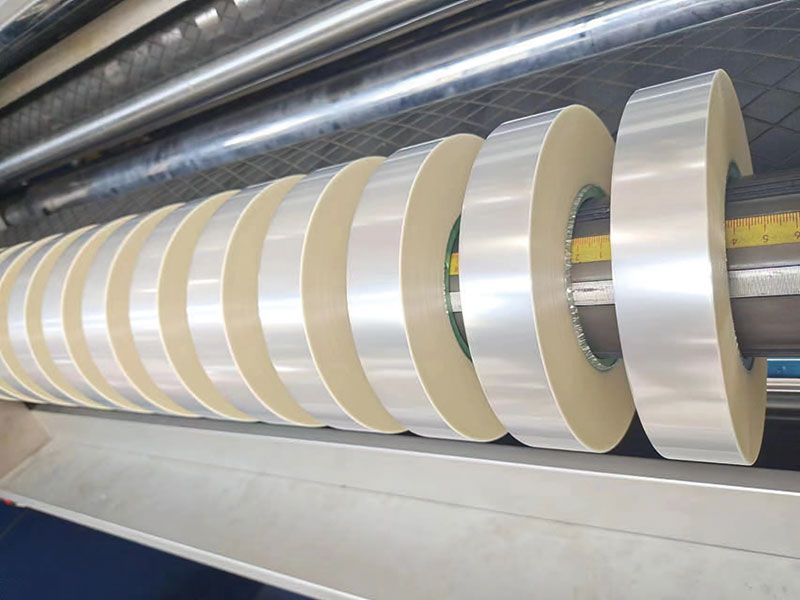 Film Slitting Machine
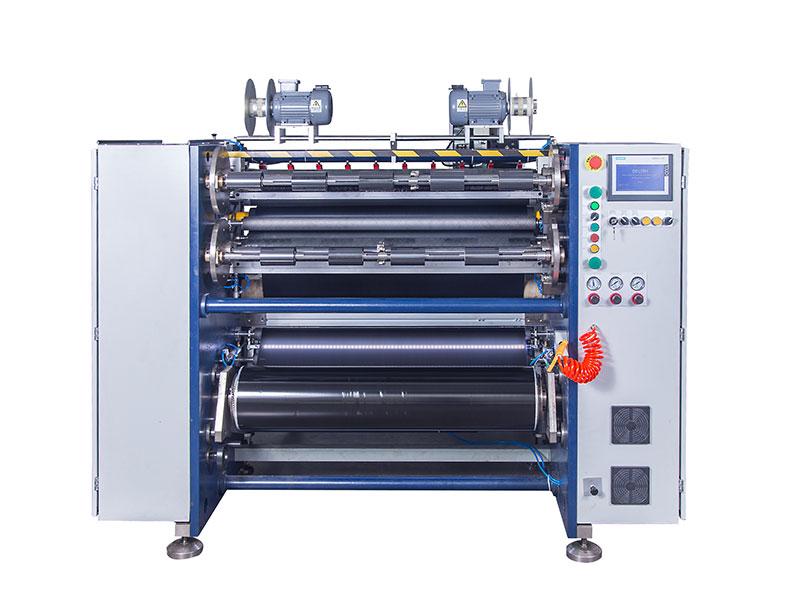 Ribbon Slitting Machine
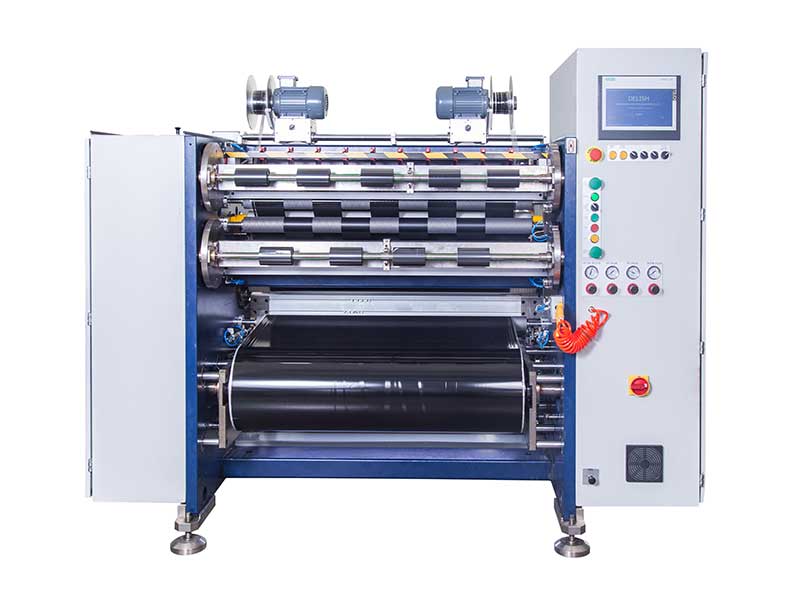 Barcode Ribbon Slitting Machine
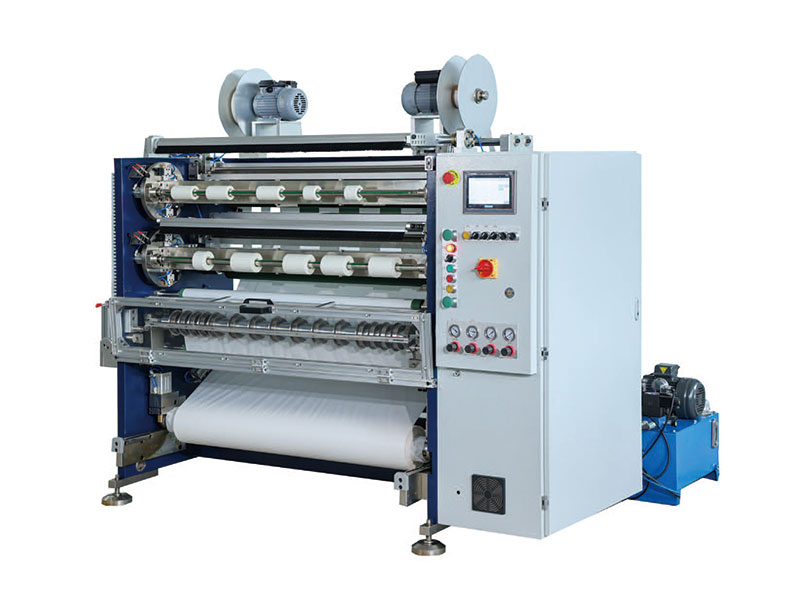 Tape Slitter
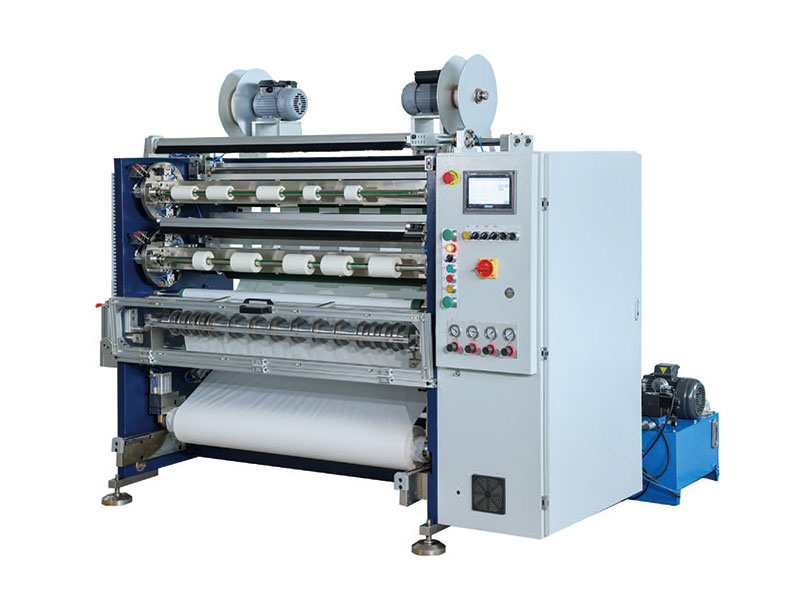 Single Side Adhesive Slitter
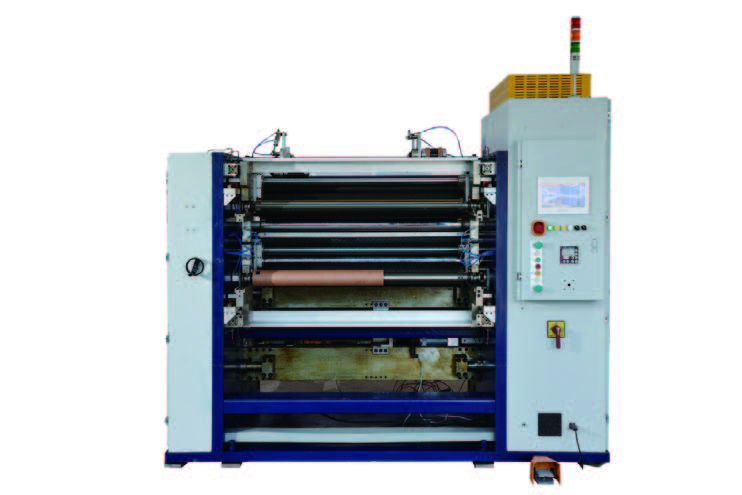 Capacity Film Slitter
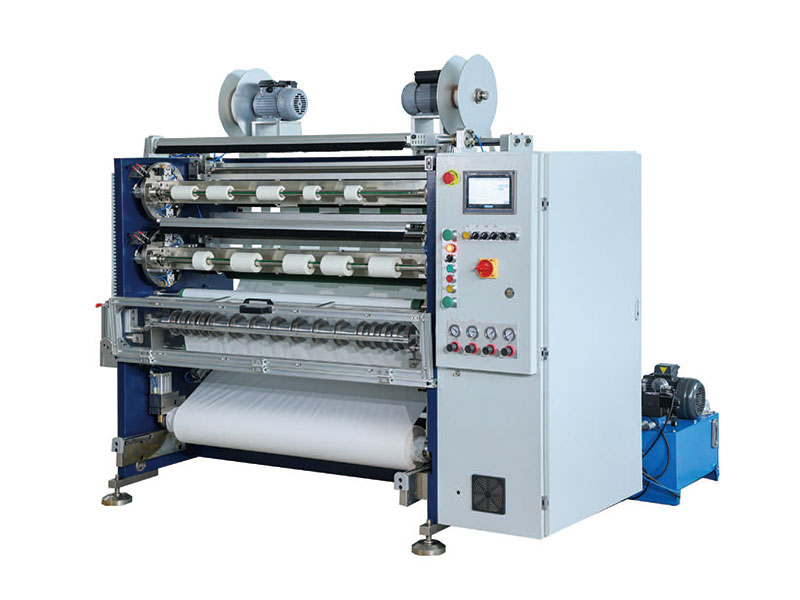 Double Side Adhesive Slitter
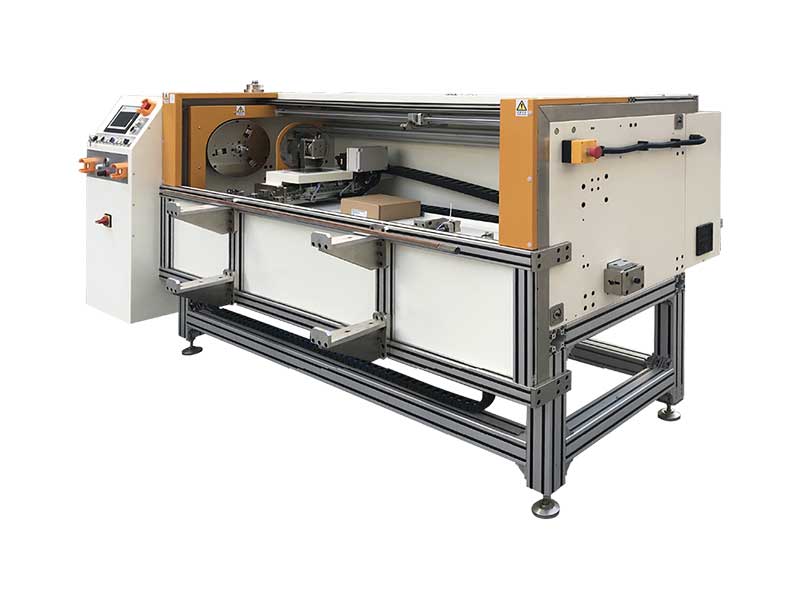 Automatic Foil Roll Cutter