In today's rapidly developing industries such as packaging, new energy, and optoelectronic displays, the processing precision and efficiency of film materials directly determine the quality and cost of the final product. As a key link in the film processing process, the slitting process is undergoing a profound transformation from traditional mechanical operation to automation and intelligence. With its significant advantages in precision, efficiency, stability, and intelligence, automated film slitting machines have become indispensable core equipment in modern precision manufacturing systems.
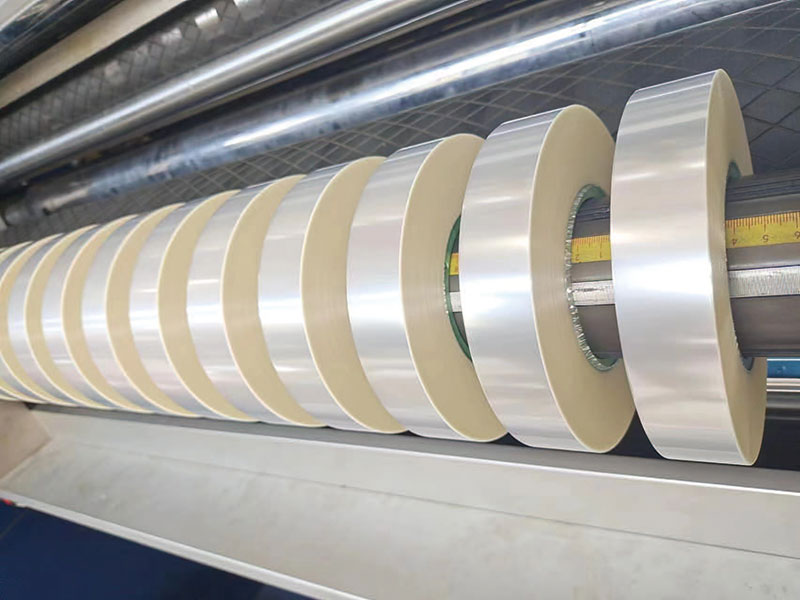
Precise control: From "micron-level" accuracy to stable tension control
For high-end applications such as optical films, capacitor films, and lithium battery separators, slitting accuracy is the primary measure of equipment value. Traditional slitting machines rely on manual adjustments, making it difficult to avoid defects such as uneven edges, burrs, or tensile deformation. Modern automated slitting machines have improved slitting accuracy to ±0.1mm or even higher.
This high-precision achievement relies on the collaboration of two core systems: the servo ultrasonic automatic deviation correction system and the closed-loop tension control system. The correction system uses photoelectric sensors to detect the edge position of the film in real time. Once any misalignment occurs, it immediately drives the actuator to make micron-level adjustments, ensuring the slitting blade always moves along the predetermined trajectory. Meanwhile, high-precision tension sensors provide real-time feedback signals, and together with PLC calculations, automatically adjust the winding and unwinding torque, effectively preventing film wrinkles, stretching, or uneven tightness caused by tension fluctuations. Especially for tension-sensitive materials such as breathable membranes and highly ductile films, advanced equipment can automatically adjust processing parameters according to changes in coil diameter through multi-stage taper tension control, ensuring high consistency in winding quality from inner to outer rings.
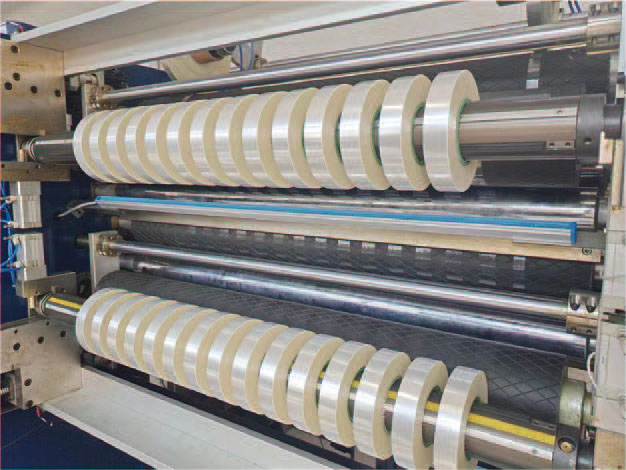
Efficiency revolution: continuous production and the leap in capacity of "one to four."
Another significant advantage brought by automation is the exponential improvement in production efficiency. Traditional slitting machines require frequent stops for roll changes, unloading, and tool adjustments, whereas fully automatic equipment integrates automatic feeding, automatic roll change, automatic film breaking, and automatic discharge mechanisms to achieve continuous production without stopping.
Taking stretch film slitting as an example, equipment equipped with a four-axis automatic winding system can achieve a "one to four times" production capacity, with output reaching 2.5 to 3 tons in a 12-hour shift per day. In fields requiring large-scale continuous operations such as sanitary materials and non-woven fabrics, combined with the automatic cutting of flying knives and automatic splicing of finished coils, the entire production line can maintain long-term uninterrupted operation, significantly improving equipment utilization rates. In addition, the application of automatic tool layout and automatic positioning systems greatly reduces the time needed to switch between different product specifications. According to industry data, specification change time can be controlled within 15 minutes, which is especially critical for flexible manufacturing models with multiple varieties and small batches.
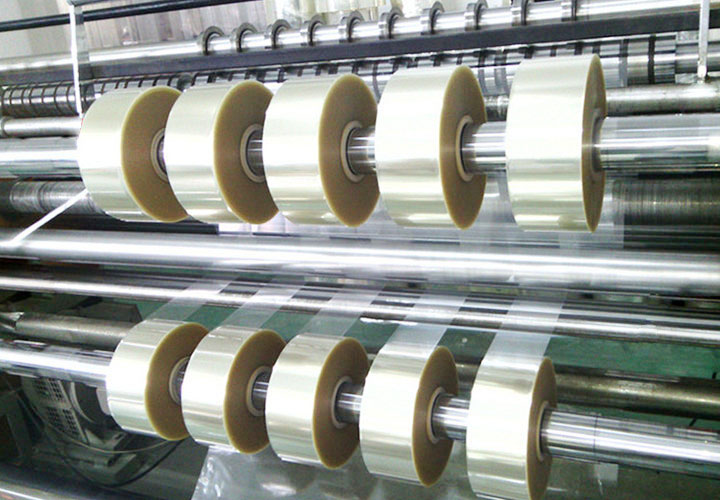
Smart Empowerment: From "Human-Machine Dialogue" to Data-Driven
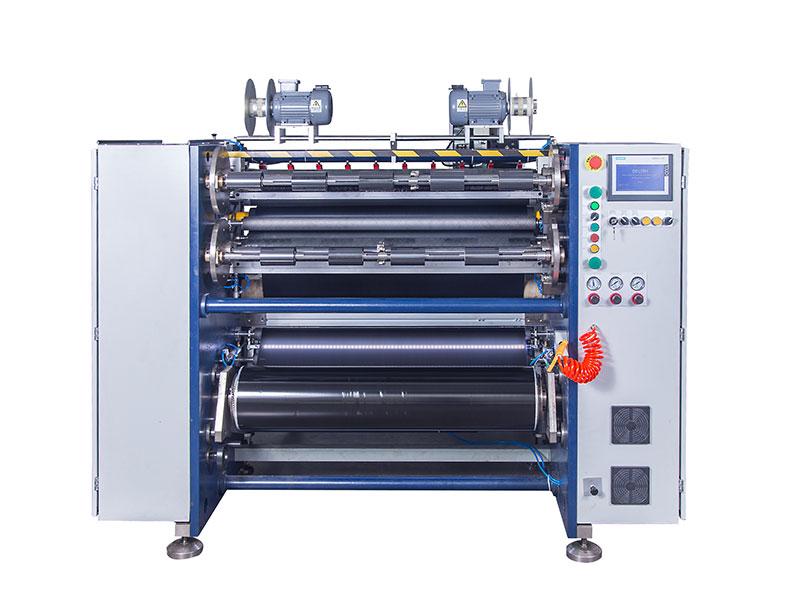
The advantages of automated film slitting machines lie not only in execution but also in their intelligent "brain." The equipment generally uses PLC control systems and color touchscreen (HMI) human-machine interfaces. Operators only need to call preset recipe parameters to start complex slitting tasks with one click, greatly reducing reliance on skilled operators.
A deeper level of intelligence is reflected in the closed-loop management of process data. For example, some high-end equipment can automatically calculate and adapt the average thickness of finished rolls under matching cutting widths based on the thickness test data of large film rolls, thereby avoiding repeated inspections and saving manpower and resources while ensuring precise traceability of each roll's finished product dimensions. By integrating video surveillance and remote fault diagnosis modules, equipment manufacturers can also provide real-time remote operation and maintenance support, ensuring efficient and stable production line operation.
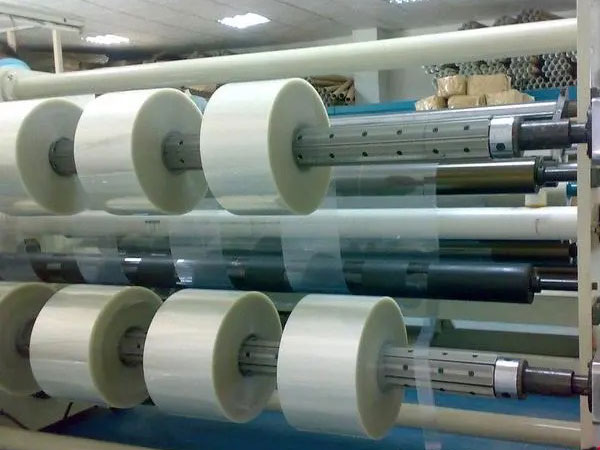
Flexible adaptation: multi-purpose machine and material compatibility
Faced with complex and ever-changing market demands, automated slitting machines demonstrate exceptional material adaptability and structural flexibility. By equipping an adjustable slitting tool holder and cutting tools of various materials (such as round cutters, pneumatic cutters, and flat cutters), the same machine can easily handle processing of a wide range of materials including PET, PE, BOPP, mica tape, aluminum foil, composite paper, and battery separators.
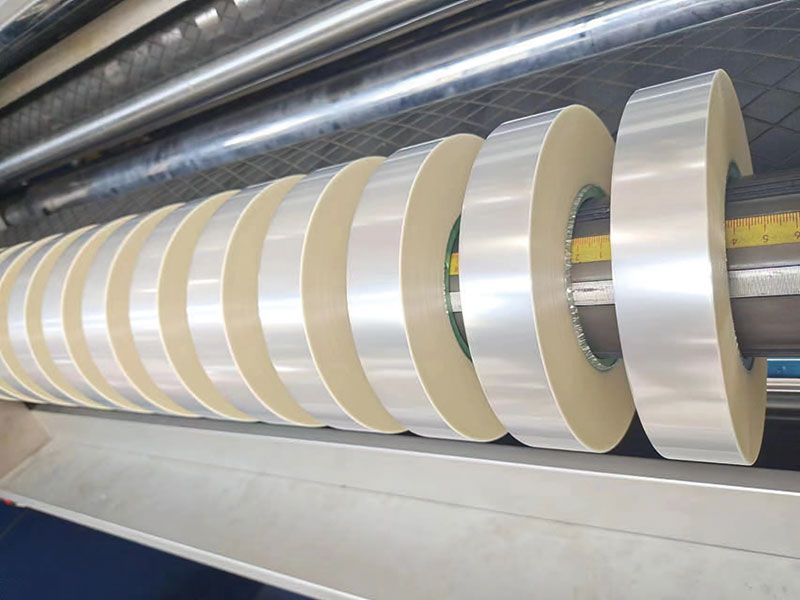
In the winding stage, the application of slip shaft technology solves the tension difference problem caused by uneven material thickness among winding units, ensuring the uniformity of end faces and tightness when winding multiple rolls simultaneously. Some models also support flexible switching between active and passive unwinding modes, and are equipped with a connecting platform and lever pressing device, further reducing the number of tape threads and material waste.
Conclusion
The automated film slitting machine has gone beyond the simple category of cutting tools; it is a deep fusion of precision mechanical technology, automatic control theory, and next-generation information technology. It not only ensures product quality through high-precision correction and tension control, but also reduces labor costs through fully automatic recoil change and discharge, and relies on intelligent data systems to support production management decisions. With the continuous upgrading of new energy, optoelectronics, and high-end packaging industries, automated slitting technology will continue to evolve toward higher speeds, narrower slitting widths and stronger intelligence, laying a solid foundation for precision manufacturing.
 English
 Deutsch
 Français
 Español
 Português
 日本語
日本語 русский
 한국어
한국어 عربي
عربي ภาษาไทย
 Tiếng Việt
 Italiano
 Film Slitting Machine
 Ribbon Slitting Machine
 Tape Slitter
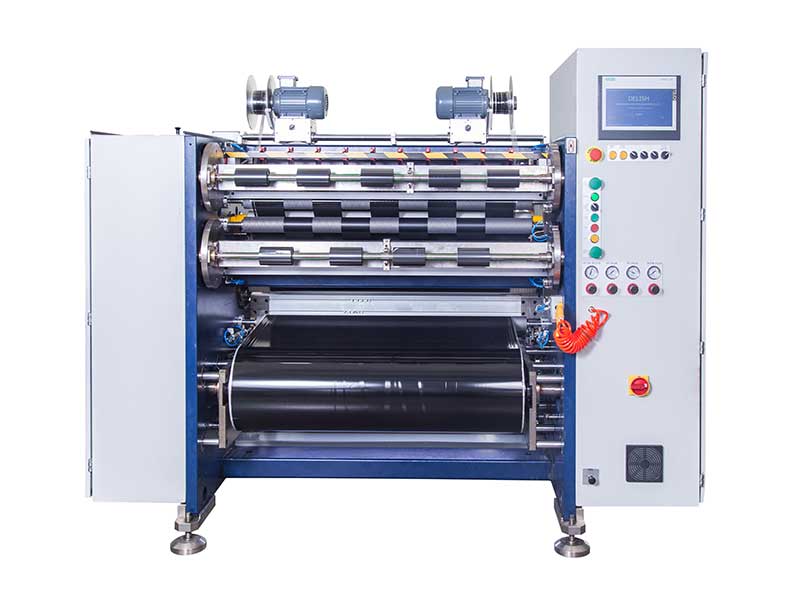 Barcode Ribbon Slitting Machine
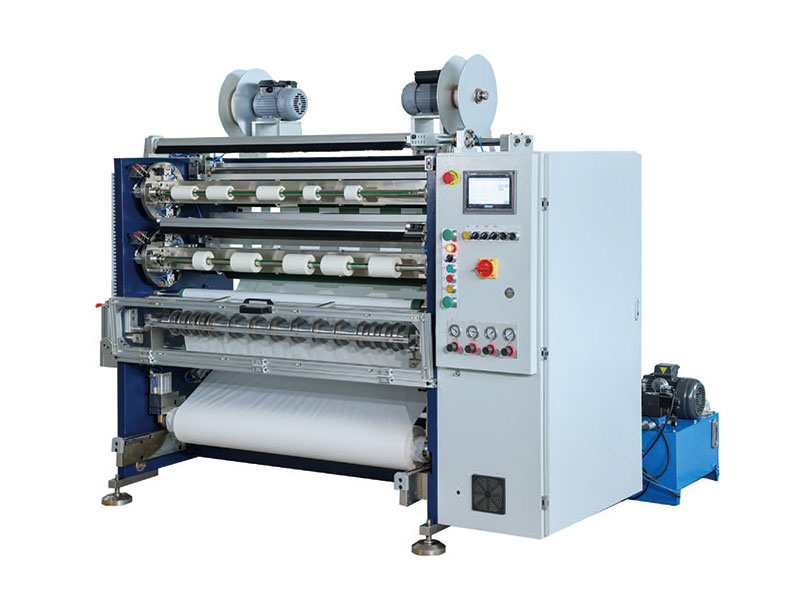 Single Side Adhesive Slitter
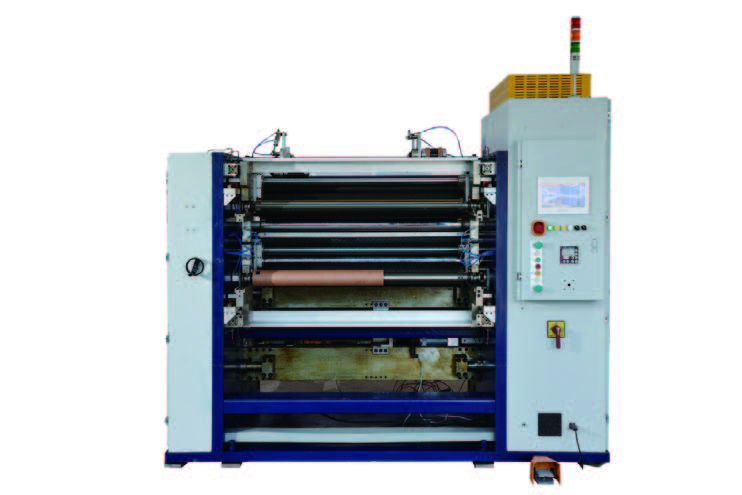 Capacity Film Slitter
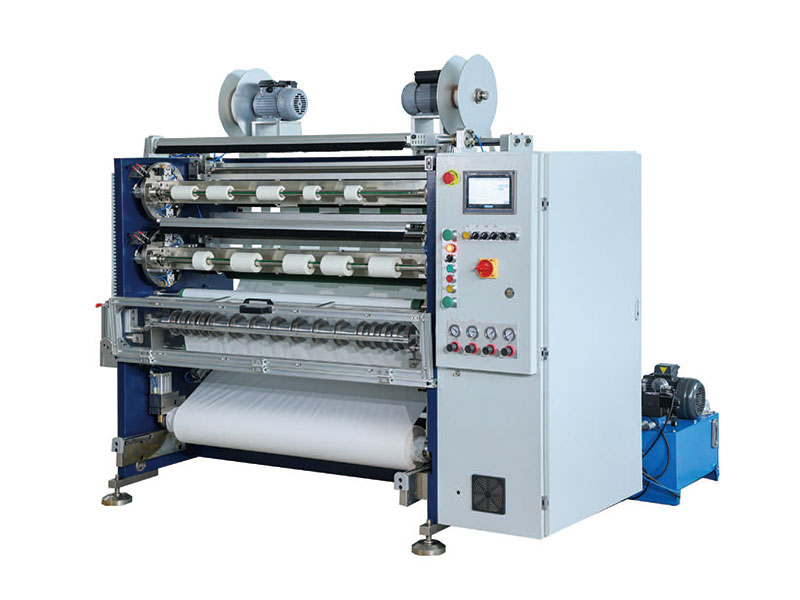 Double Side Adhesive Slitter
 Automatic Foil Roll Cutter