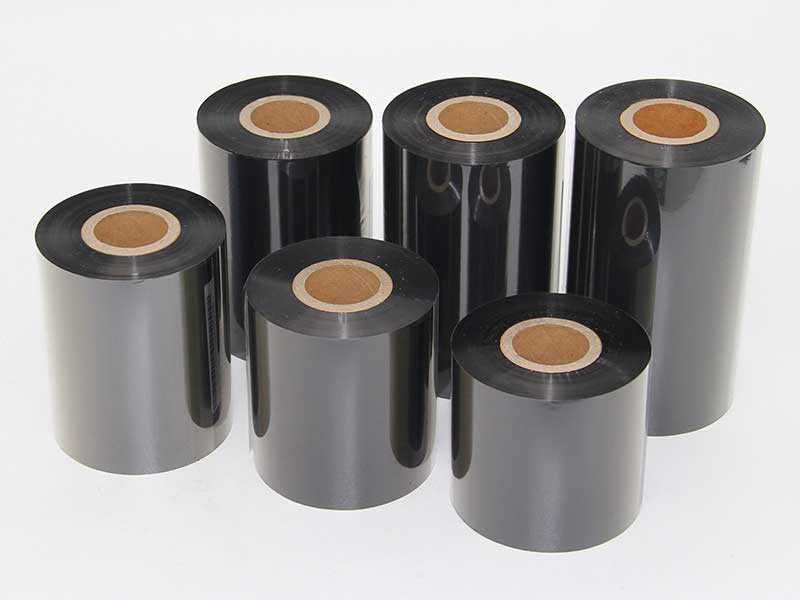
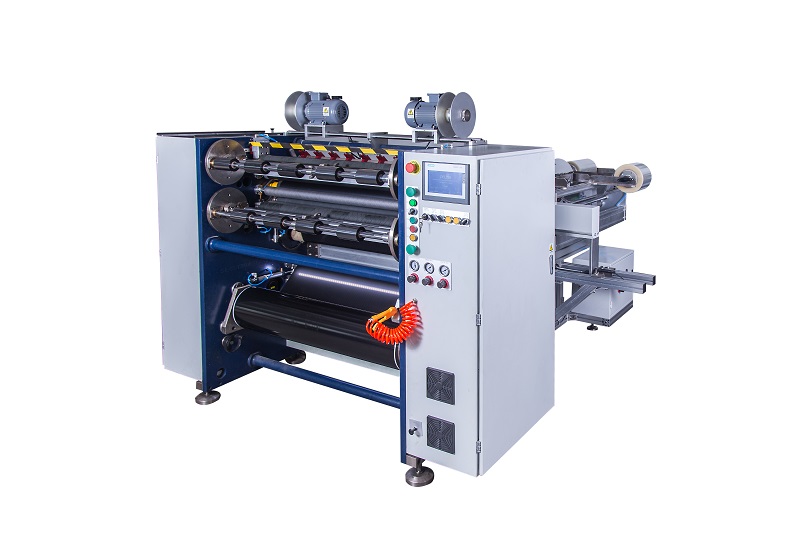
Ribbon—this roll of thermal transfer consumables, as thin as cicada wings, is often only 4.5 to 20 microns thick, and is precisely composed of a PET base film, heat-resistant coating, and ink layer. Before it evolves from a wide-format master roll into a finished roll suitable for various printers, the final step is slitting. The precision and quality of this process directly determine whether the ribbon breaks, white lines or indentations appear during printing, and even whether it fits the printer's slot. The equipment that accomplishes this critical task is the ribbon high-speed slitting machine.
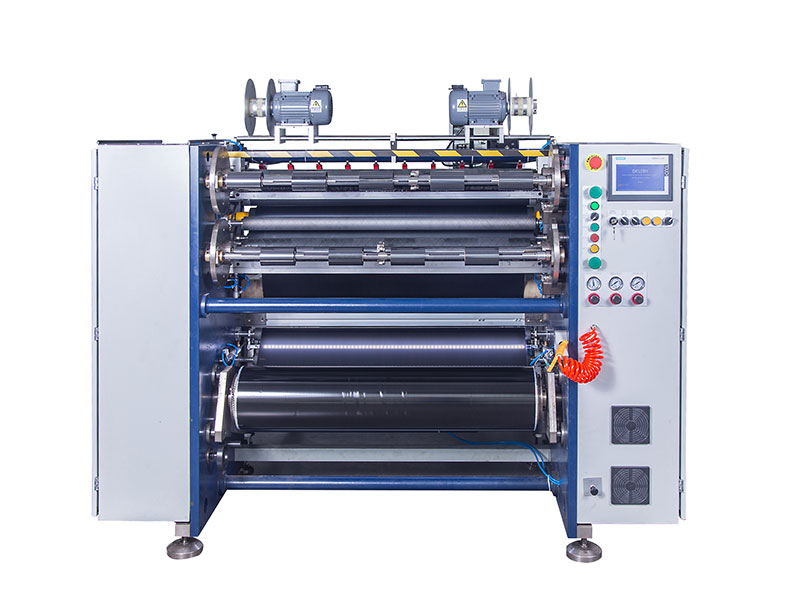
1. Core Task: Precise control from "wide" to "narrow."
The working principle of the ribbon slitting machine is not complicated—unwinding, slitting, and rewinding, a three-step cycle. However, ensuring the quality of micron-level film materials at high-speed operation at hundreds of meters per minute requires considerable technical expertise.
The key to slitting quality lies in tension control. The substrate of the ribbon, PET film, is extremely sensitive to tension: excessive tension can cause tensile damage to the base film, causing physical changes in the ink layer, which can cause ribbon powder shedding and contaminate the print head during printing; If the tension is too low, the ribbon will become loose and wrinkled, making white lines or indentations more likely to appear during printing; Uneven tension leads to uneven rewinding, uneven force on the ribbon edges, making it very easy to break during printing. An excellent slitting machine is precisely an expert that precisely controls this "force" at high speed.
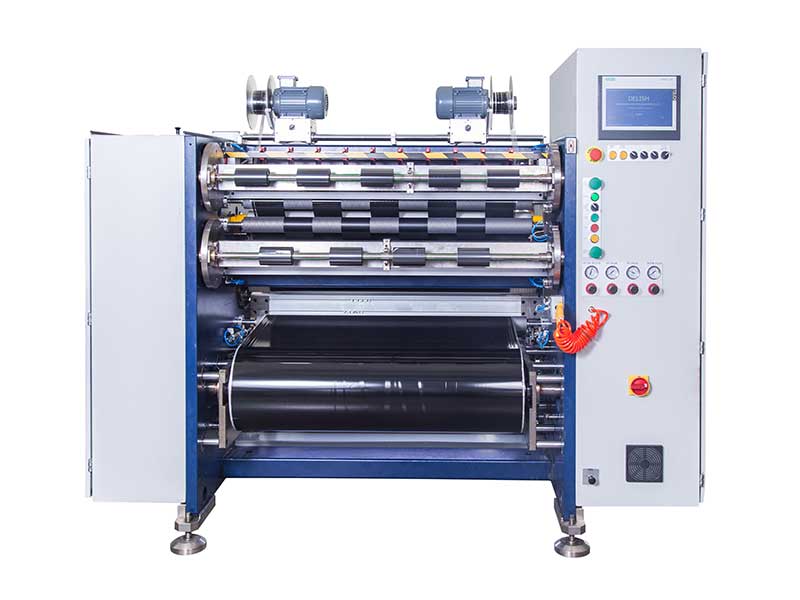
2. Key Technical Parameter Interpretation
By focusing on the following core indicators when looking at the manufacturer's specification list, you can quickly assess the true performance of a device.
1. Slitting accuracy: the most robust metric
Slitting accuracy is the primary measure of equipment grade. General-grade equipment has an error of about ±0.5mm, while high-precision models can control errors to ±0.1mm or even higher. For resin-based ribbons or high-resolution barcode printing needs, high precision is a necessary condition. Edge burrs caused by insufficient precision can become the "invisible killer" of the print head, while excessive width tolerances may cause the ribbon to fail to fit the printer slot.
2. Slitting Speed: The balance between efficiency and yield
Speed parameters visually reflect production efficiency. Entry-level models are about 80~100m/min, mid-to-high-speed models can reach 200~300m/min, and high-end fully automatic models can exceed 400~500m/min. But don't blindly believe in the maximum rated speed—the actual usable speed is limited by the ribbon material. Resin-based ribbons have harder coatings and usually need to be operated at a reduced speed of 20%~30% to ensure quality. True efficiency lies in balancing speed and yield, not just speed numbers.
3. Tension Control Method: The Hidden Guarantee Behind Precision
The configuration of the tension control system is key to distinguishing equipment grades. Traditional equipment mostly uses magnetic powder clutches to control tension, while modern high-end equipment commonly employs servo motors combined with taper tension control technology—dynamically decreasing tension as the coil diameter increases during winding, ensuring consistent tension inside and outside the finished coil. Higher-end models are also equipped with independent slip shafts, which can independently control the winding tension of each roll, effectively avoiding end defects such as "loose inside, tight outside" or "vegetable core."
4. Suitable for main rolls and finished product specifications
When purchasing, also pay attention to the device's compatibility with the main roll and finished products:
• Female roll width: mainstream models cover 500mm~1050mm, some can reach up to 1100mm
• Maximum diameter of the main roll: usually between φ500mm~φ650mm
• Minimum finished product width: usually up to 20mm
• Maximum diameter of finished products: generally between φ100mm~φ135mm
• Reel specifications: Must accommodate two commonly used die dies: 1-inch and 1/2 inch
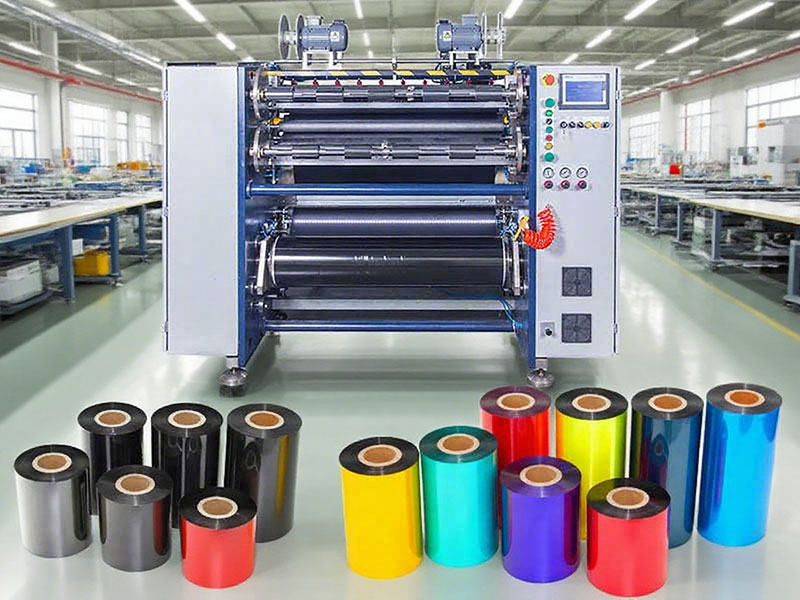
3. Slitting Methods and Automated Configuration
The cutting method directly affects the quality of the cut and the lifespan of the tool. Mainstream methods include hanging blades (blades do not contact bottom rollers, suitable for film-type materials) and square cutters (blades swing up and down to cut to reduce dust generation). Some high-end models also introduce laser slitting/air knife technology, using non-contact cutting to avoid damage to the ribbon coating caused by mechanical friction, with cutting speeds reaching 300~500m/min.
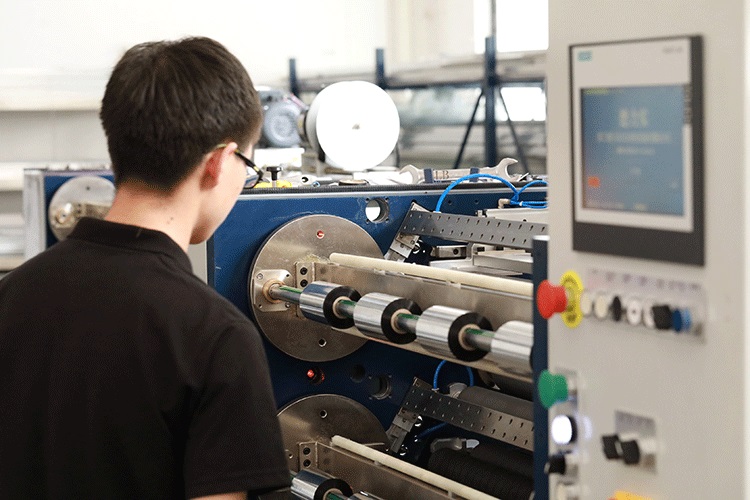
The degree of automation determines the overall efficiency of the equipment. The fully automatic model is equipped with dual-station winding and automatic rewinding functions, reducing the rewinding time from traditional manual 3 minutes to nearly zero downtime. Additionally, the automatic deviation correction system (EPC) uses photoelectric sensors to ensure ribbon edge alignment, which is a fundamental configuration for accuracy.
4. Select the machine by "material": The type of ribbon determines the equipment's focus
The physical characteristics of different types of carbon ribbons determine the focus when selecting slitting machines:
• Wax-based/mixed-based ribbons: not sensitive to mechanical stress, prioritize high-speed slitting machines, offering high cost-effectiveness
• Resin-based ribbons: Hard and brittle, easily deformed under stretching; it is recommended to choose precision slitting machines equipped with independent slip shafts
• Ultra-thin ribbon (thickness <5μm): Mechanical contact slitting is prone to tensile failure, making laser slitting machines the preferred choice due to their non-contact cutting advantages
Conclusion
The ribbon high-speed slitting machine may seem to simply cut wide coils into narrow coils, but in reality, it provides comprehensive precision control over tension, speed, correction, and cutting. A high-quality slitting machine not only requires an advanced servo control system and precise mechanical structure, but also needs to find the most suitable tension range for a specific ribbon formula during installation and commissioning—this data is often the core know-how accumulated by technicians over many years. For end users, the quality of ribbon printing is already hinted at the slitting stage.
 English
 Deutsch
 Français
 Español
 Português
 日本語
日本語 русский
 한국어
한국어 عربي
عربي ภาษาไทย
 Tiếng Việt
 Italiano

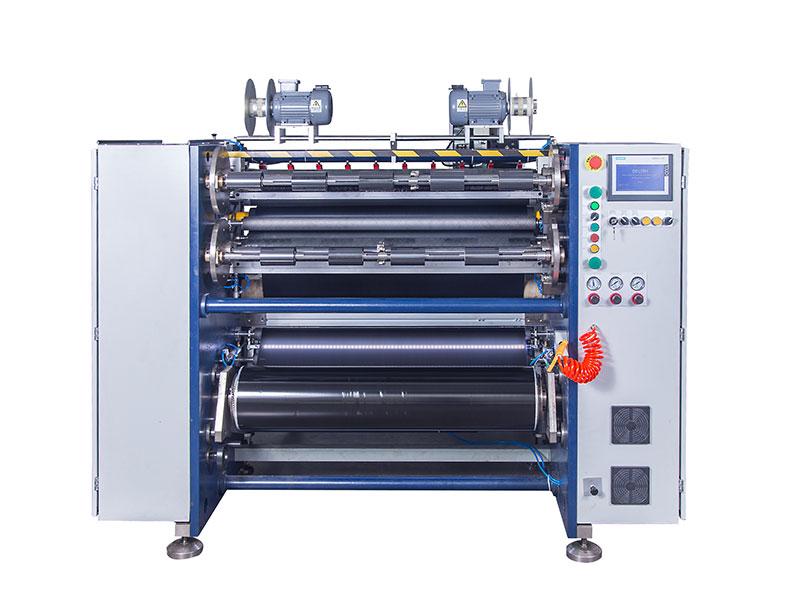 Ribbon Slitting Machine
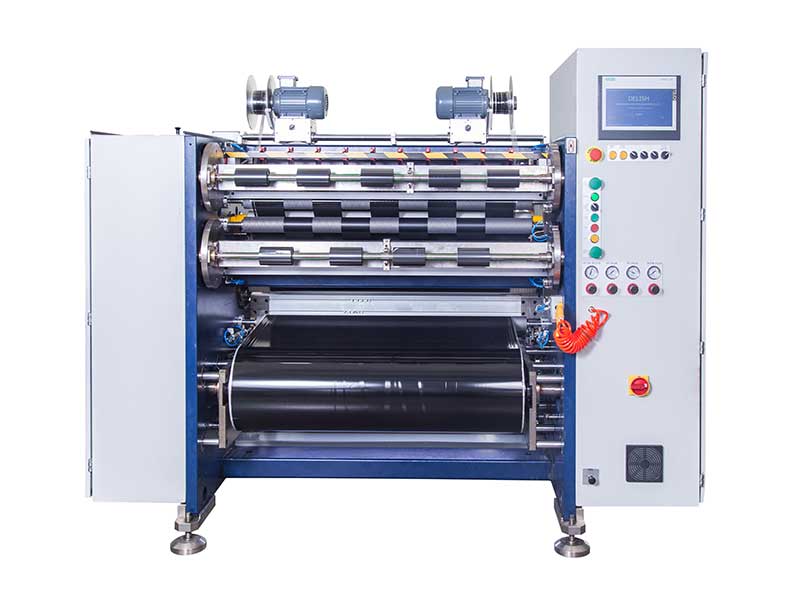 Barcode Ribbon Slitting Machine
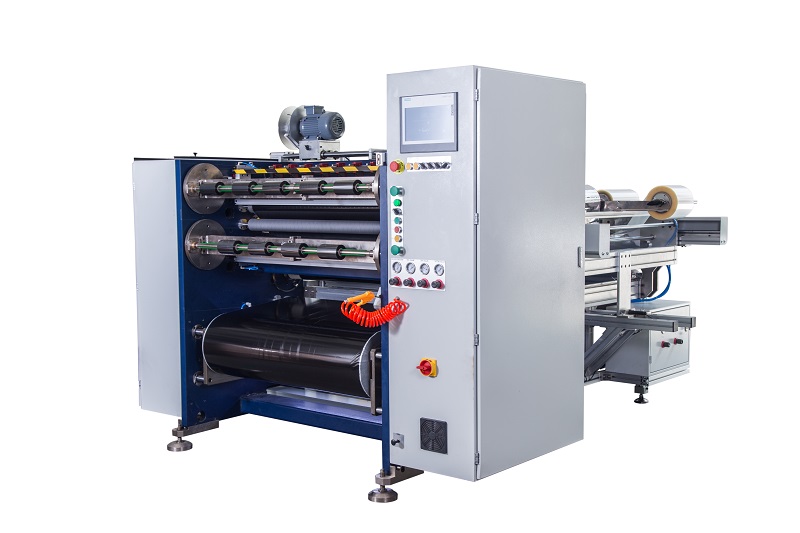 Semi Automatic Thermal Transfer Ribbon Slitter RSDS5 PLUS
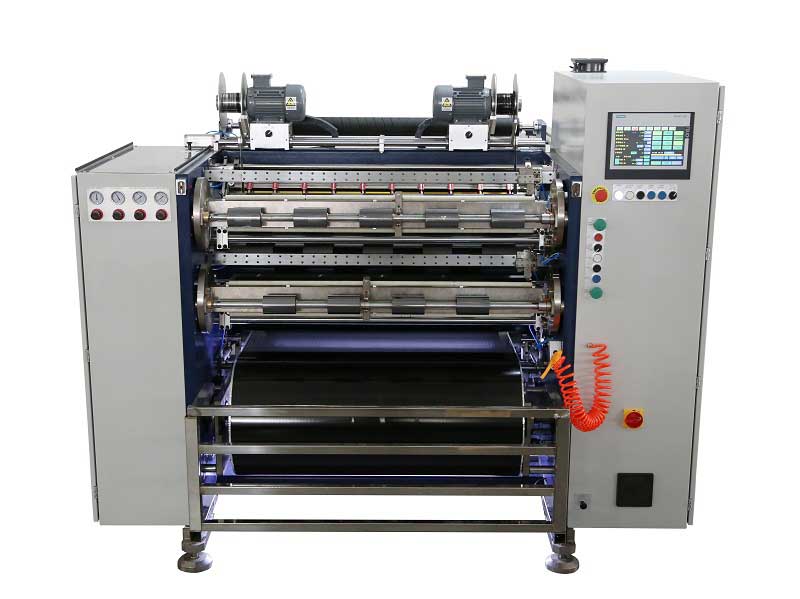 Automatic Thermal Transfer Ribbon Slitter RSDS8 H PLUS
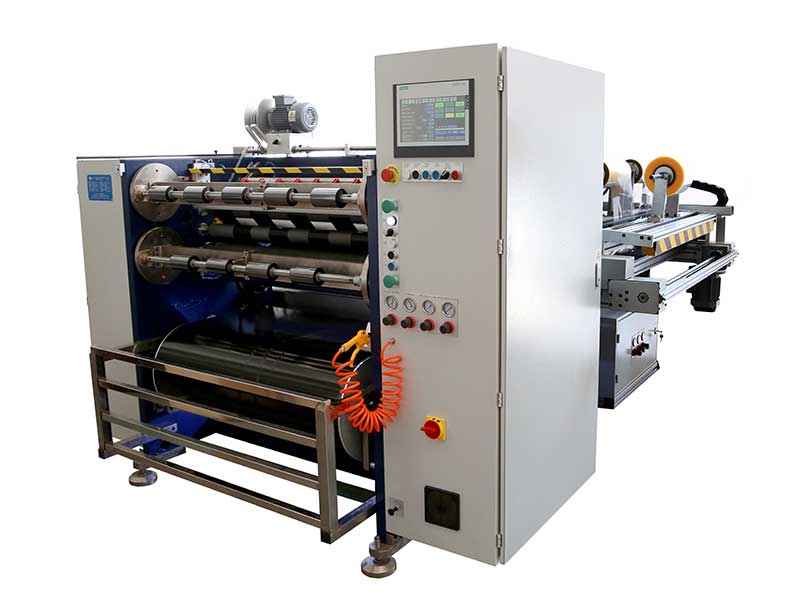 Automatic Thermal Transfer Ribbon Slitter RSDS6 PLUS
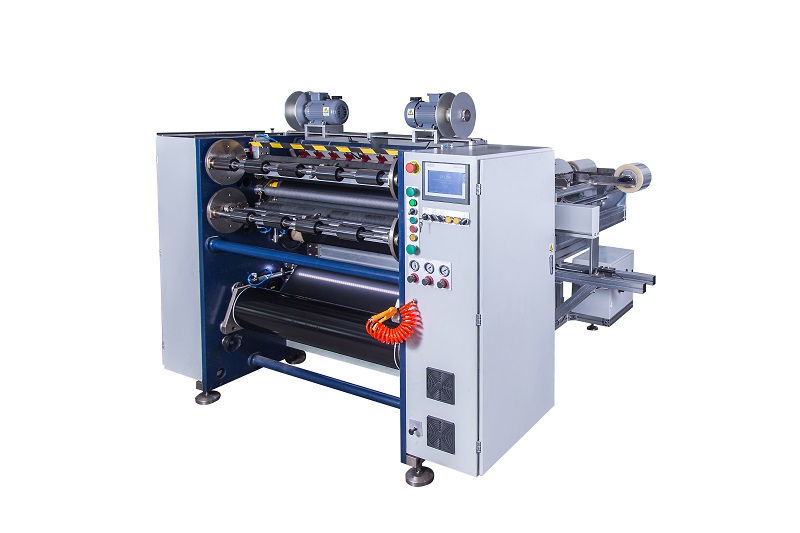 Semi Automatic Thermal Transfer Ribbon Slitter RSDS1 PLUS
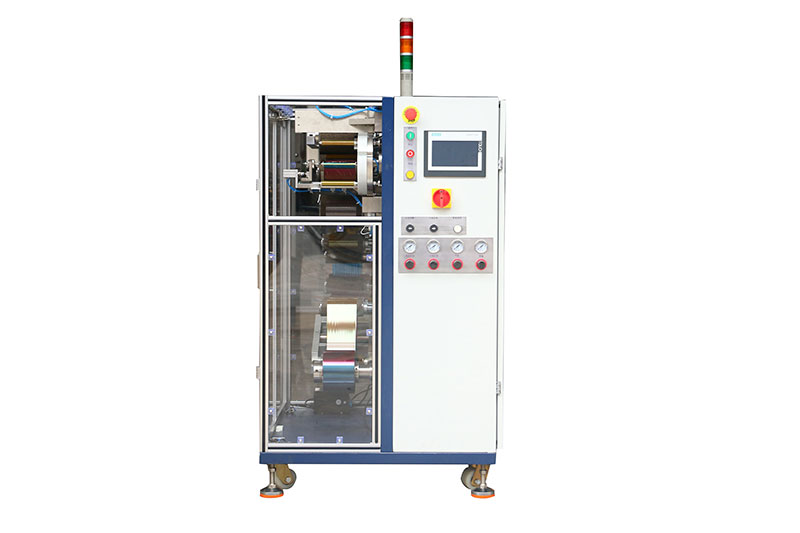 Card Print Ribbon Rewinder
 Semi Automatic Thermal Transfer Ribbon Slitter RSDS2 PLUS