Why is precision the lifeline of slitting?
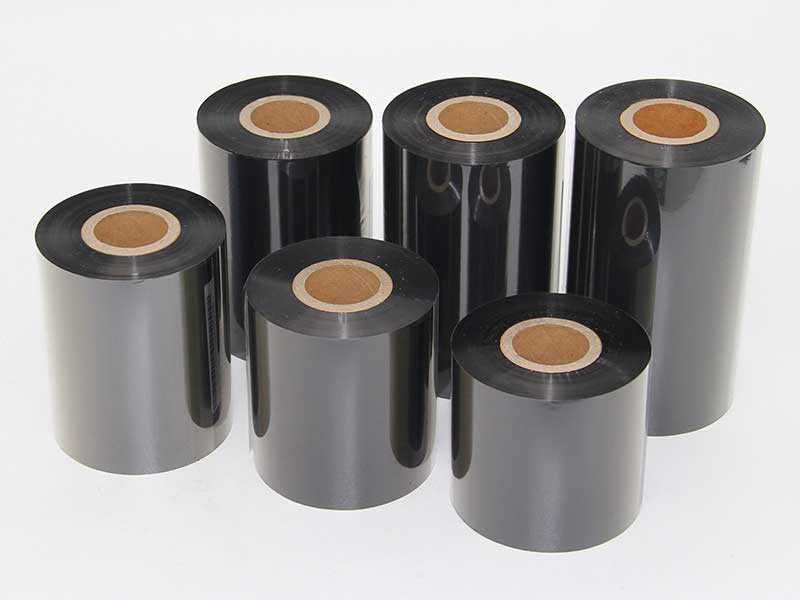
The carbon ribbon, this thin, cicada-wing-thin composite material, is often only 4.5 to 20 microns in total thickness, precisely composed of a base film, heat-resistant coating, and ink layer. Slitting, as the final step in the finished product, directly determines the fate of the ribbon printing machine.
When slitting accuracy is insufficient, edge burrs become the printhead's "invisible killers." Excessive width tolerances may prevent ribbons from fitting the printer slots, and wrinkles caused by uneven winding tension can trigger ribbon breakage during printing. It can be said that a wrong choice of slitting machine can render all subsequent quality efforts wasted.
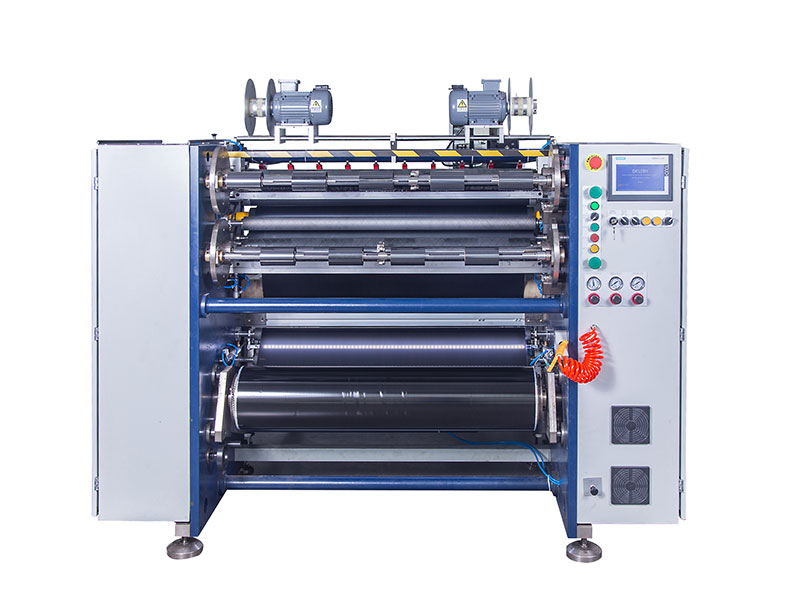
Clearing the Fog: Three Core Parameters
By focusing on the following three core indicators when looking at the manufacturer's specification list, you can quickly assess the true performance of a device.
Slitting accuracy is the primary measure. General-grade equipment has an error of about ±0.5mm, while high-precision models need to keep errors within ±0.1mm or even ±0.05mm. For resin-based ribbons or high-resolution barcode printing needs, the latter is a necessary condition. Tension control is an invisible guarantee of accuracy. It is essential to select models equipped with closed-loop tension control systems and independent slip shafts. The closed-loop system uses sensors to provide real-time feedback and adjust tension, while the slip shaft independently controls the winding tension of each roll, effectively avoiding end face defects such as "loose inside, tight outside" or "vegetable core," ensuring end face uniformity deviation is less than 0.1mm.
Slitting speed is all about efficiency, but don't blindly believe in the highest nominal speed. High-speed production equipment can reach speeds of 300-500 meters per minute, but the actual usable speed is limited by the ribbon material (wax-based, blended, resin-based). Because resin-based ribbons have harder coatings, they usually need to be operated at a reduced speed of 20%-30% to ensure quality. True efficiency lies in balancing speed and yield.
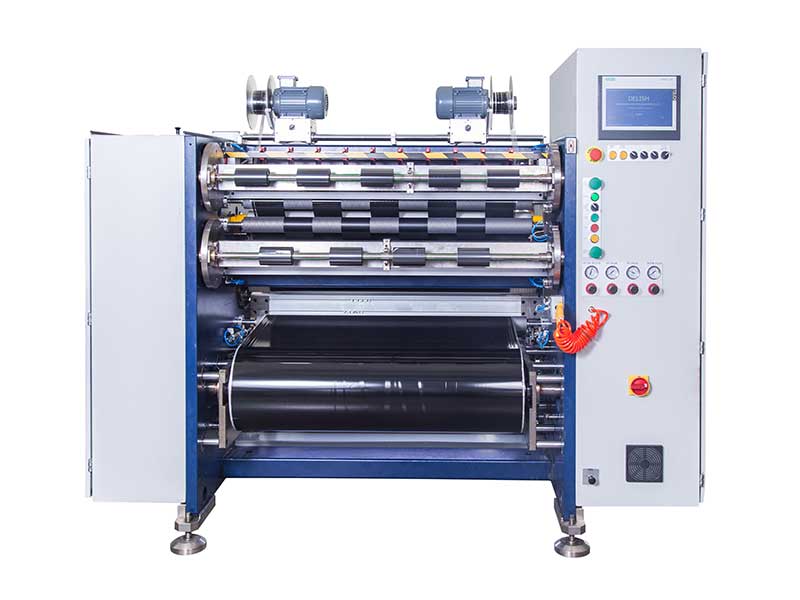
Select the machine by "material": the type of ribbon determines the equipment focus
The physical characteristics of different types of ribbons determine the focus when selecting slitting machines.
Wax-based/mixed-based ribbons are not sensitive to mechanical stress, so high-speed flat blade slitting machines are preferred, offering high cost-performance and meeting the production needs of general-purpose labels. Resin-based ribbons are hard and brittle, easily deformed under tensile stretching. It is recommended to choose precision slitting and rewinding machines equipped with independent slip shafts to achieve low-tension, high-precision slitting. For ultra-thin ribbons (thickness < 5μm), mechanical contact slitting is highly prone to tensile failure. Laser slitting machines are the better choice due to their non-contact cutting advantages, although the equipment cost is higher.
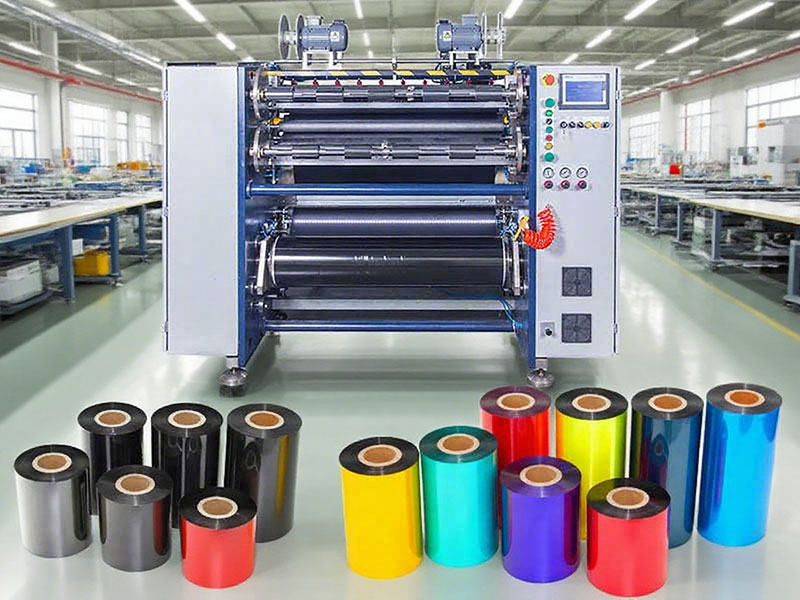
Return on investment: The balance between price, brand, and performance
This is a long-term investment in quality, not just a simple equipment purchase. Analyzing full lifecycle costs is more rational than focusing solely on purchase price, as energy consumption, maintenance, replacement of wear parts, and production losses caused by downtime must be comprehensively considered. On-site demonstration is an essential step. Carry your own mother roll for trial cutting, focusing on edge quality and stability at the narrowest and widest specifications, and stability during high-speed start-stop times, rather than blindly trusting theoretical parameters.
Choosing a slitting machine essentially means finding the most suitable balance between precision, efficiency, stability, and cost. There is no "best" device, only the "best" solution. For large standardized production lines, highly automated leading brands may be the most efficient solution; For R&D-oriented production with multiple varieties and small batches, models with flexible operation and easy order changeover are even more valuable. Precise matching is the key to truly forging the slitting machine into the "precision leader" on the production line.
 English
 Deutsch
 Français
 Español
 Português
 日本語
日本語 русский
 한국어
한국어 عربي
عربي ภาษาไทย
 Tiếng Việt
 Italiano

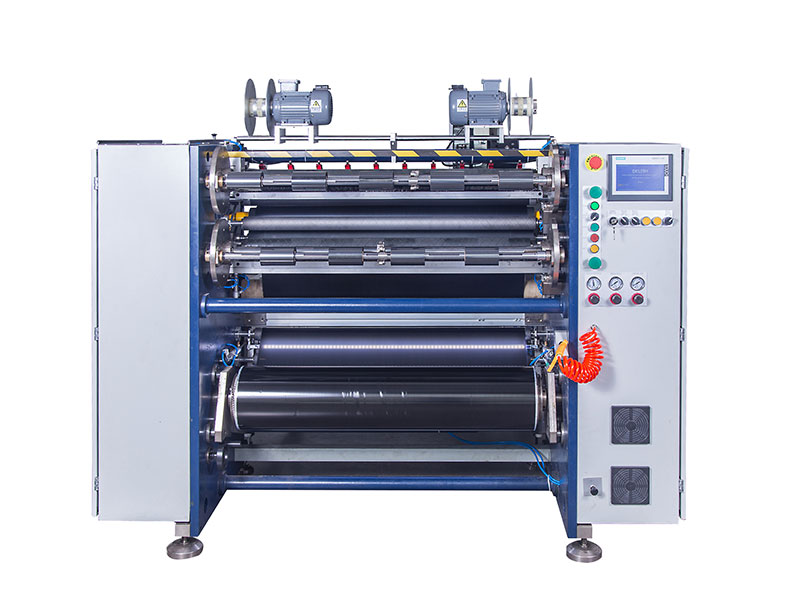
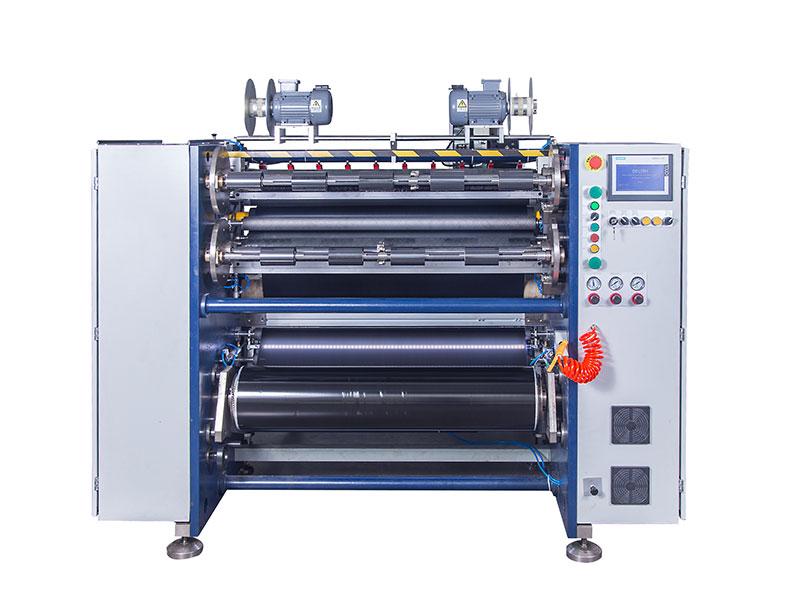 Ribbon Slitting Machine
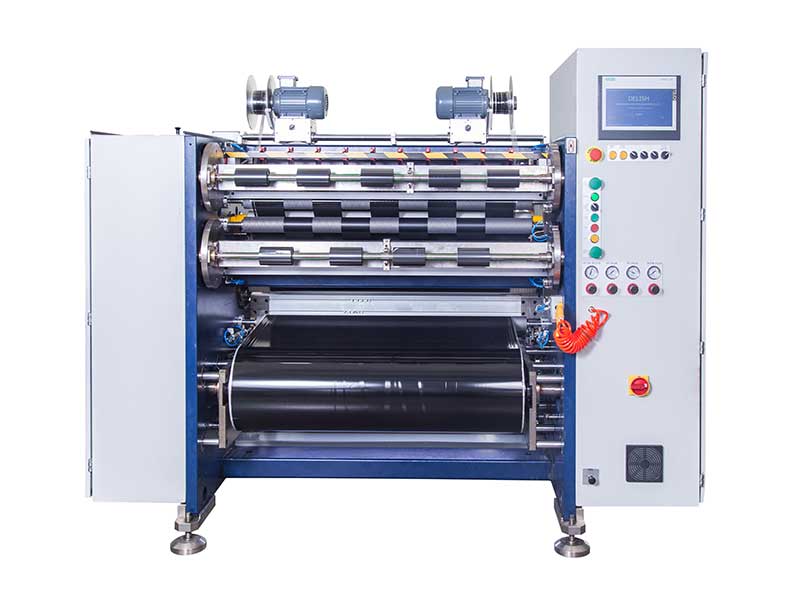 Barcode Ribbon Slitting Machine
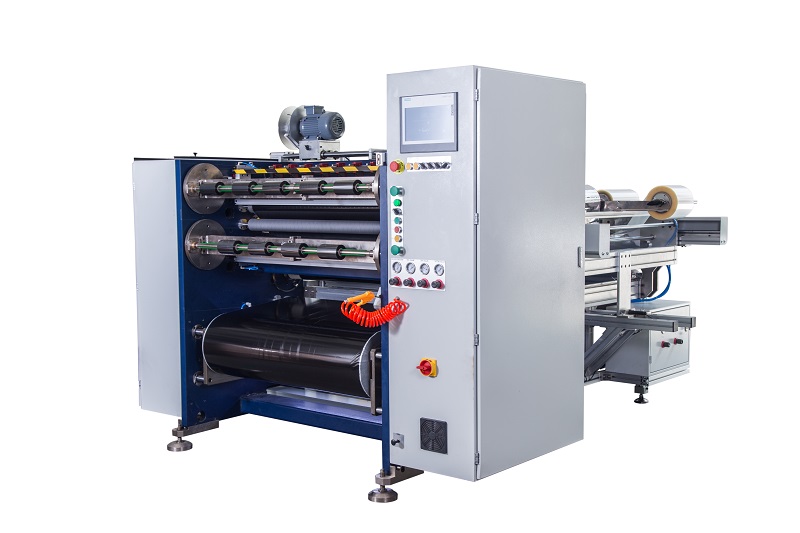 Semi Automatic Thermal Transfer Ribbon Slitter RSDS5 PLUS
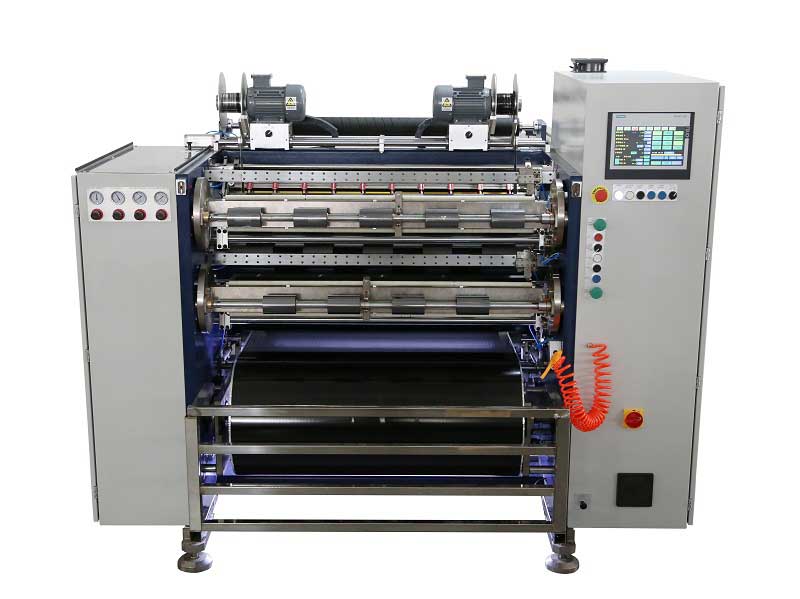 Automatic Thermal Transfer Ribbon Slitter RSDS8 H PLUS
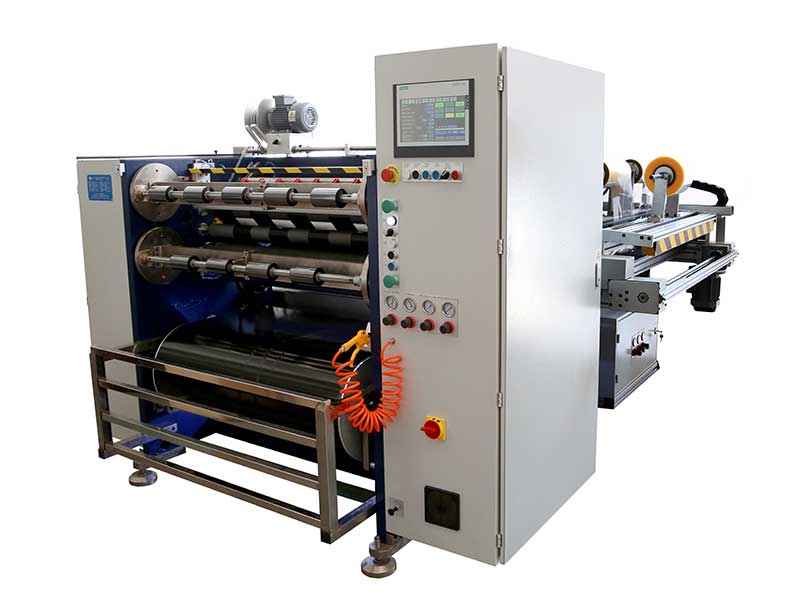 Automatic Thermal Transfer Ribbon Slitter RSDS6 PLUS
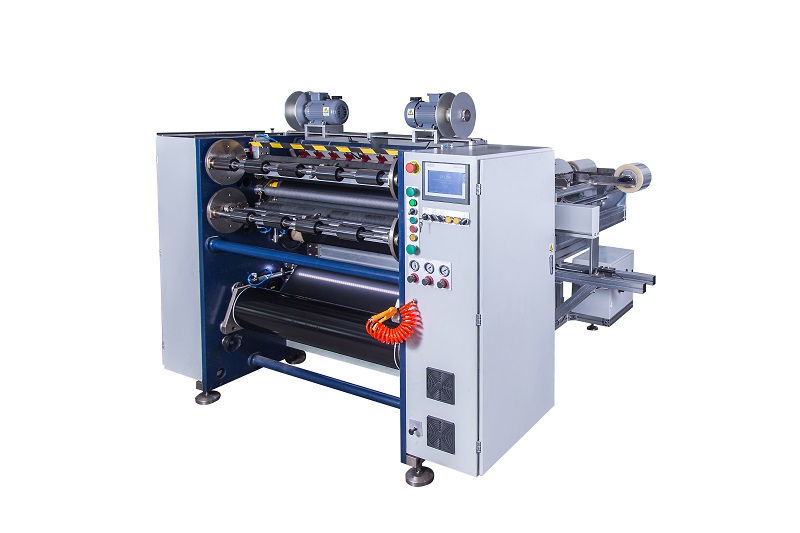 Semi Automatic Thermal Transfer Ribbon Slitter RSDS1 PLUS
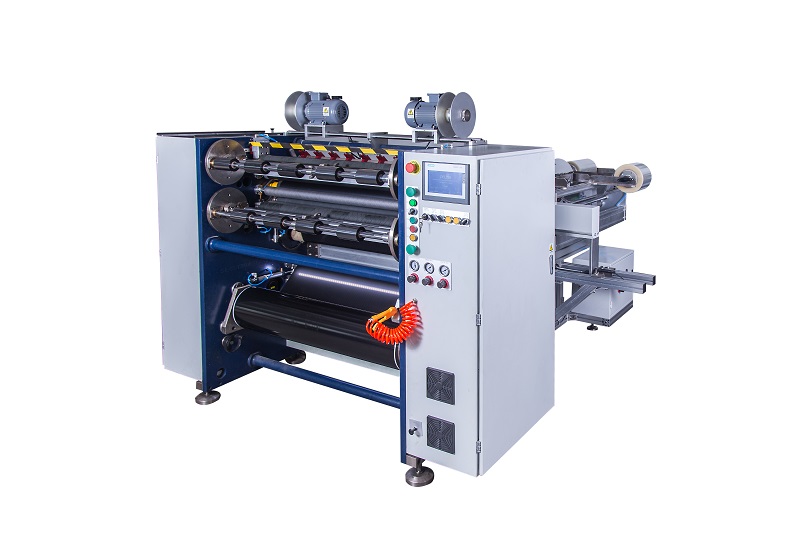 Semi Automatic Thermal Transfer Ribbon Slitter RSDS2 PLUS
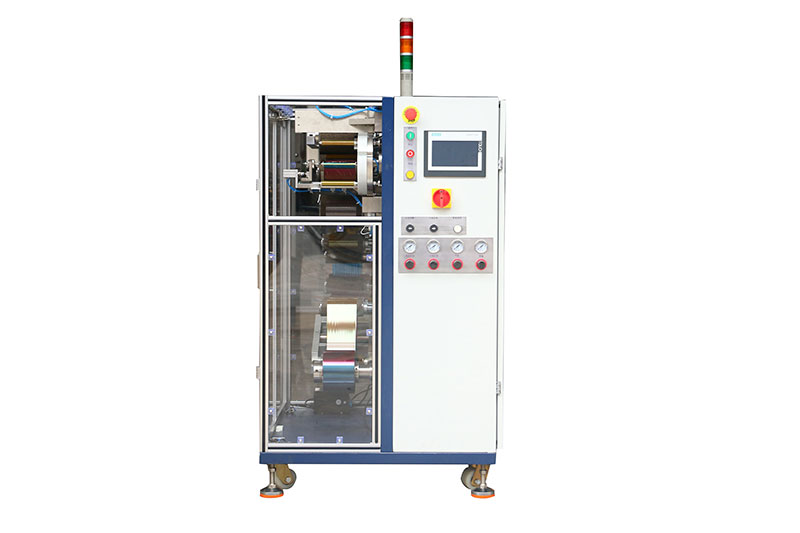 Card Print Ribbon Rewinder