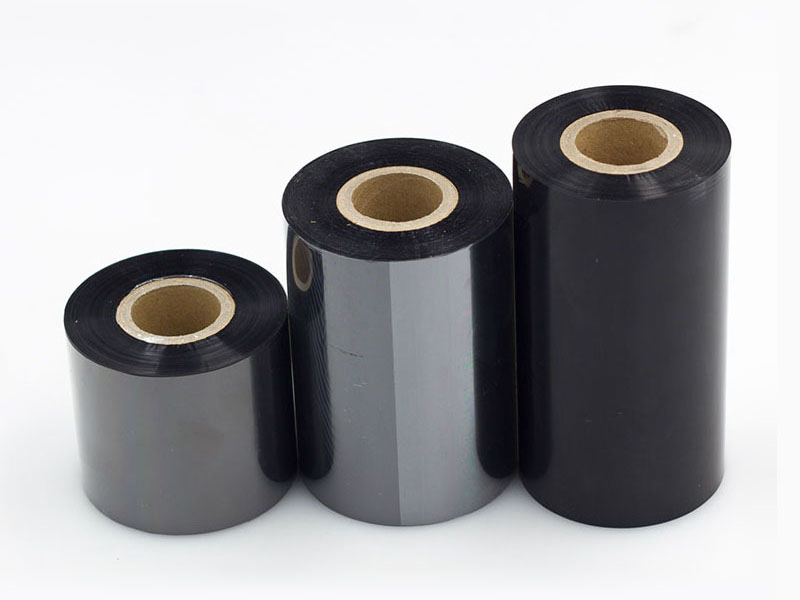
In the production process of heat transfer ribbons, slitting is the core link between previous and lower levels. Upstream coating machines produce wide master strips, which are then "broken down into pieces" by slitting machines to become finished ribbons of various sizes with uniform edges. In this process, as the carrier of the ribbon, the inner diameter matching of the paper tube (core) may seem fundamental, but it is actually the core variable affecting winding quality, production efficiency, and even finished product shipment.
Faced with the widely available 1-inch (about 25.4mm), 1.5-inch, 3-inch, and even 6-inch paper tubes on the market, how does the slitting machine achieve fast, precise, and stable matching? Behind this lies a system solution ranging from mechanical structures and pneumatic components to automated control.
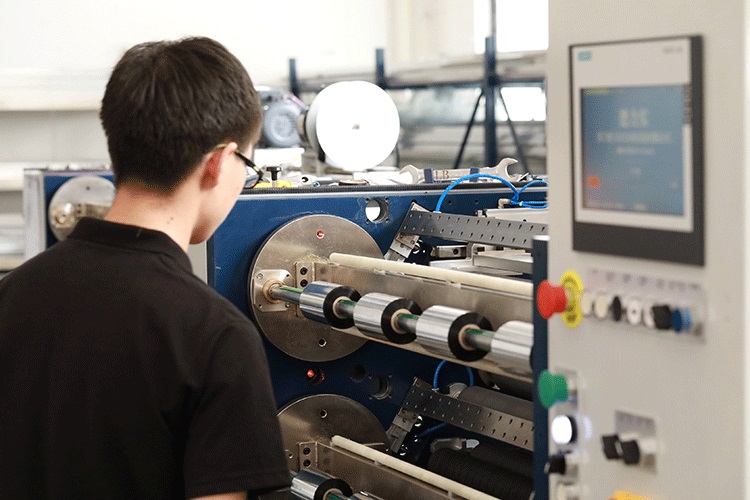
1. Core Solution: Gas expansion shaft and mechanical reducer sleeve
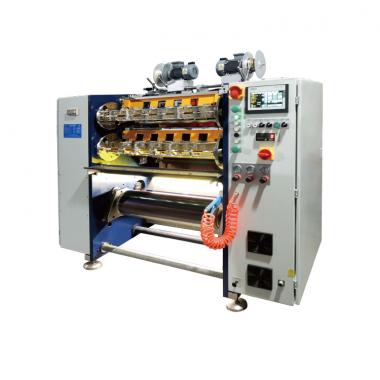
The most direct and core mechanical component for matching paper tubes with different inner diameters is the rewinding reel. Modern ribbon slitting machines commonly use air expansion shafts to solve this problem.
1. Gas expansion shaft: a seamless solution
The outer surface of the expansion shaft is equipped with key strips or expansion blocks, and inside there is an airbag. When compressed air enters the shaft core, the airbag expands, pushing the key bar to bulge radially and tightly press against the inner wall of the paper tube, thereby driving the tube to rotate through friction.
• Matching logic: For paper tubes with the same diameter specification (e.g., all 3 inches) but with different inner diameter tolerances, the gas expansion shaft can automatically compensate for gaps through air pressure, achieving "stepless tightening."
• Ease of operation: When changing paper tube specifications, operators only need to release pressure—remove the old tube—insert the new tube—inflate and lock it. The entire process can be completed in seconds.
2. Reducer sleeve: The key to cross-specification matching
When the inner diameter of the paper tube does not match the shaft diameter (for example, equipment comes standard with a 3-inch shaft but requires a 1-inch paper tube), a reducer sleeve is needed. This is a precision engineering plastic or metal bushing with an outer diameter fitting a 3-inch shaft and an inner diameter of 1 inch. After being mounted on the shaft, the "large shaft" is converted into a "small shaft" and used with air expansion or mechanical locking mechanisms.
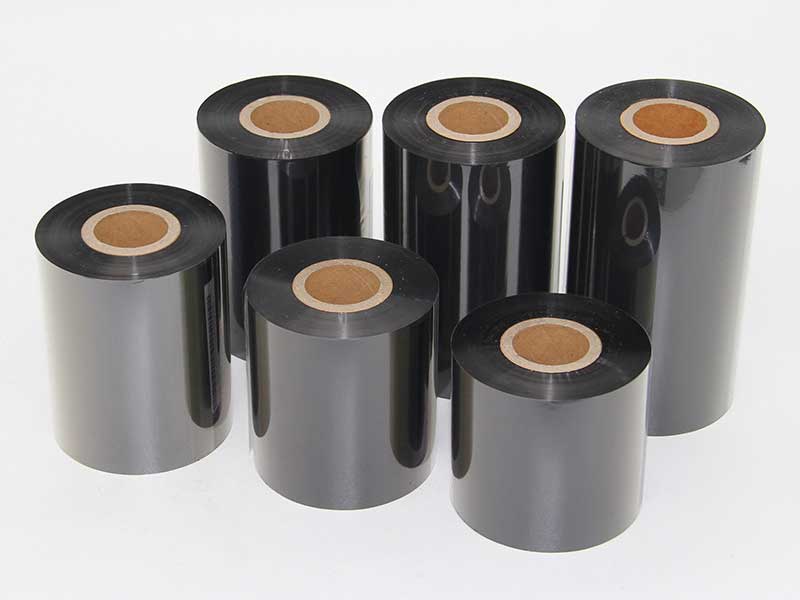
2. Practical Matching: Operation Procedures for Different Inner Diameters
In actual production scenarios, switching paper tube specifications according to orders is common. For operators, the matching process is usually divided into the following two situations:
Scenario 1: Switching between different inner diameters on the same shaft
Many new slitting machines are designed with compatibility in mind, allowing for the configuration of reeling reels of different specifications through optional accessories.
• 1-inch and 0.5-inch switch: This is a common specification for high-end precision ribbons. If the equipment is equipped with a dedicated segmented chuck or airbag shaft core, the operator can select the mode via the control panel, changing the physical shaft diameter to directly fit small-diameter paper tubes without disassembling the heavy entire shaft.
• 3-inch and 6-inch switch: commonly found on large-width industrial or wax-based ribbons. If the equipment is not equipped with a fully automatic reducer shaft, the quickest way is to replace the entire gas expansion shaft. Thanks to the quick-change jack-tightening design, releasing the tailstock, pulling out the old shaft, inserting the new shaft, and locking the ejector pin can be completed in 1-2 minutes with skilled operation.
Scenario 2: Switch switching and centering
After replacing the axle core, the self-centered tailstock played an important role. Traditional equipment requires manual repeated adjustment of the ejector pin position to center, which is time-consuming and prone to eccentricity, leading to misalignment during reeling. Modern equipment uses a self-centering tailstock, which automatically clamps and centers after being pushed into the shaft core, greatly reducing the difficulty and time of mechanical adjustment.
3. Consequences of improper matching: It's not just that it can't be installed
If the inner diameter of the paper tube does not match the equipment properly, or if the reducer sleeve accuracy is insufficient, a series of quality issues can arise during high-speed production operation:
1. Inner diameter slippage: If the inner diameter of the paper tube is too large or the gas expansion pressure is insufficient, the shaft tube will not rotate, the ribbon cannot be wound up, and may even tear off the substrate.
2. Wrinkle reeling: The paper tube is not concentric with the shaft (eccentric rotation), causing fluctuations in winding tension, resulting in difficult-to-eliminate "wrinkles" or "tower wheel" defects at the ribbon edges.
3. Paper tube deformation: excessive gas expansion pressure (for thin-wall paper tubes) or overly tight fit of the reducer sleeve can burst the paper tube, causing scrap.
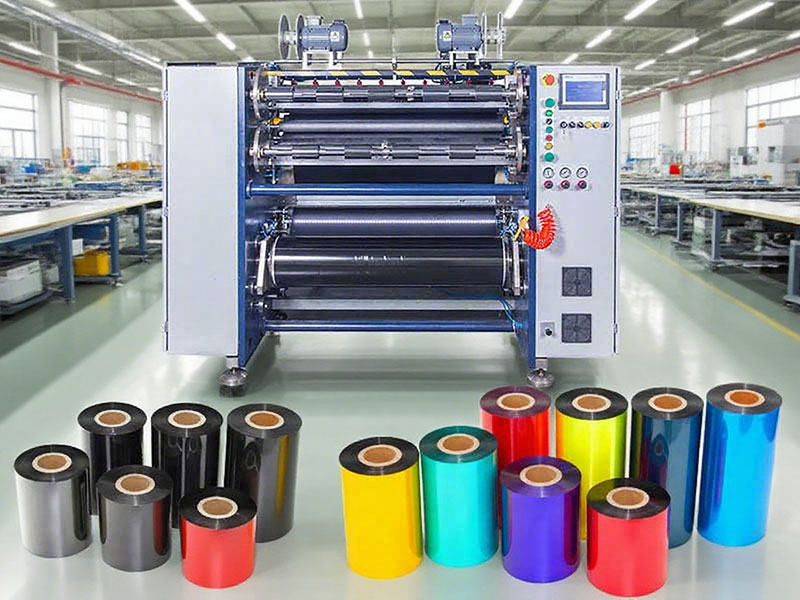
4. Technological Frontiers: When "specification changes" become insignificant
As manufacturing enters the era of "small batches, multiple varieties" of flexible production, matching the inner diameter of paper tubes is no longer just manual labor, but has become an integrated automation and data-driven system engineering.
1. Quick reeling technology
For scenarios where orders are frequently switched, the high-end slitting machine introduces a design that does not require removing the shaft core. The same rewinding shaft can adapt to two types of inner diameters through internal structural changes. Combined with a quick-lock mechanism, shaft change and centering time is compressed from the traditional 5-8 minutes to under 1 minute.
2. Parameter formulation
When changing the paper tube specifications, not only does the mechanical dimension change, but process parameters such as winding tension and starting acceleration also need to be adjusted accordingly. Modern equipment has built-in PLCs and recipe libraries. After the operator scans the work order barcode, the device automatically calls the tension curve parameters of the corresponding paper tube (such as a 1-inch rigid paper tube), eliminating the need for manual re-entry based on experience. This not only reduces trial-and-error defects but also protects the paper tube from mechanical damage.
3. Precision of bushings
For special applications (such as extra-long meter winding), standard reducer sleeves may not provide sufficient friction area. At this point, equipment vendors provide customized high-precision bushings with keyways to ensure that during high-speed start-stop moments, the inner wall of the paper tube is not worn by the shaft end and generates debris, which is especially important for medical-grade ribbon slitting with high cleanliness requirements.
Conclusion
Matching ribbon slitting machines with paper tubes of different inner diameters is a field of "balancing rigidity and flexibility." Flexible locking is achieved through the expansion shaft, cross-specification compatibility is achieved with a reducer sleeve, and rotational accuracy is ensured by a self-centering tailstock. The mechanical structure solves the problem of "whether it can be installed."
At a higher level of production management, automated shaft changes and digital formula management solve the problem of "whether installation can be fast and accurately." For ribbon manufacturers, understanding and optimizing this matching process means less downtime, lower material waste, and more stable product quality. Next time you pick up a roll of ribbon, you might think that the tightly sealed paper tube at one end actually hides the ingenuity of slitting techniques.
 English
 Deutsch
 Français
 Español
 Português
 日本語
日本語 русский
 한국어
한국어 عربي
عربي ภาษาไทย
 Tiếng Việt
 Italiano


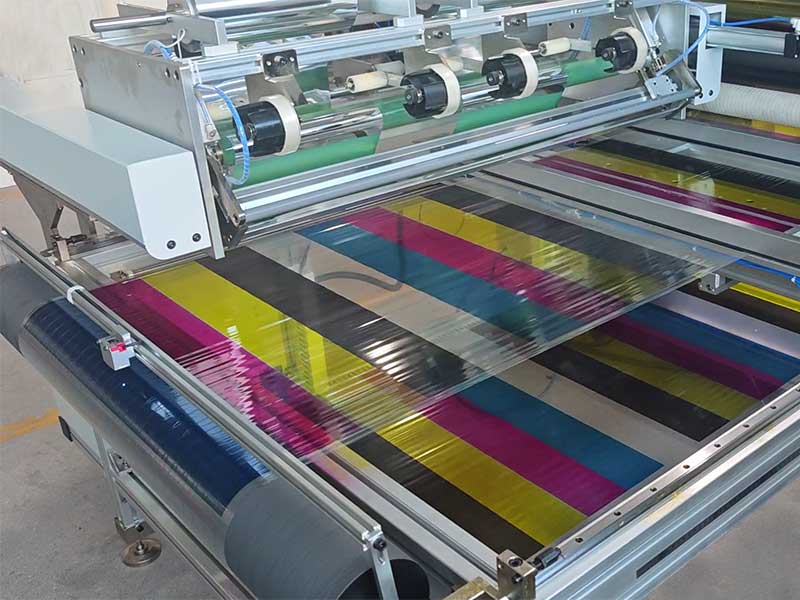
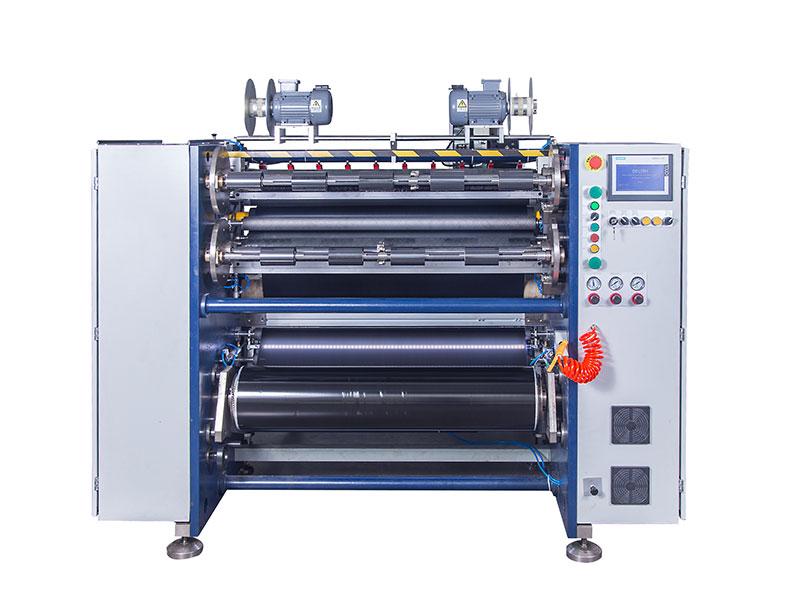 Ribbon Slitting Machine
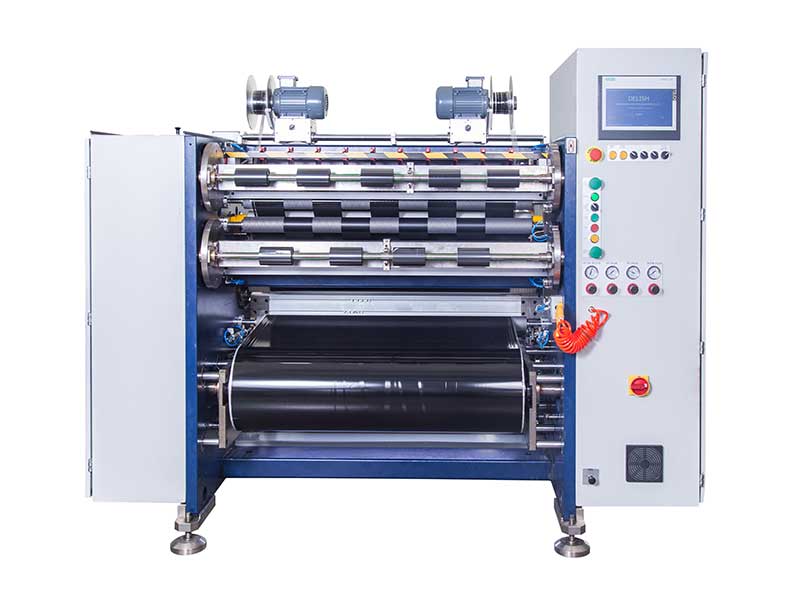 Barcode Ribbon Slitting Machine
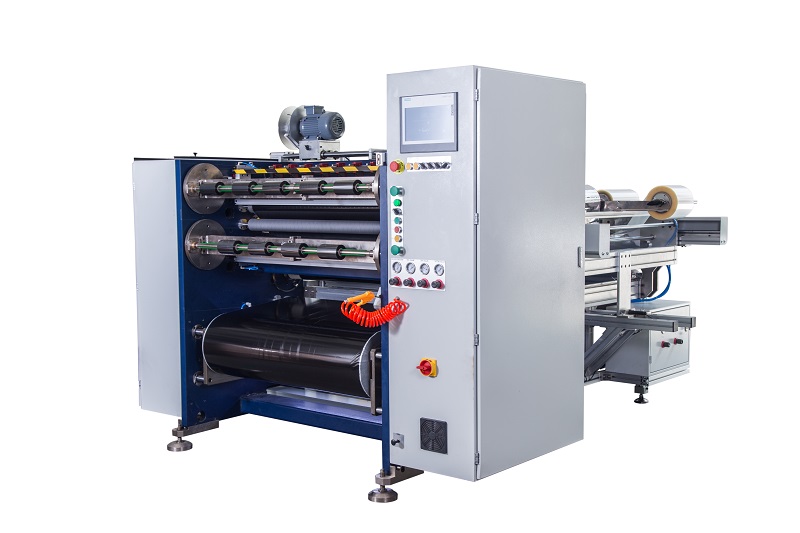 Semi Automatic Thermal Transfer Ribbon Slitter RSDS5 PLUS
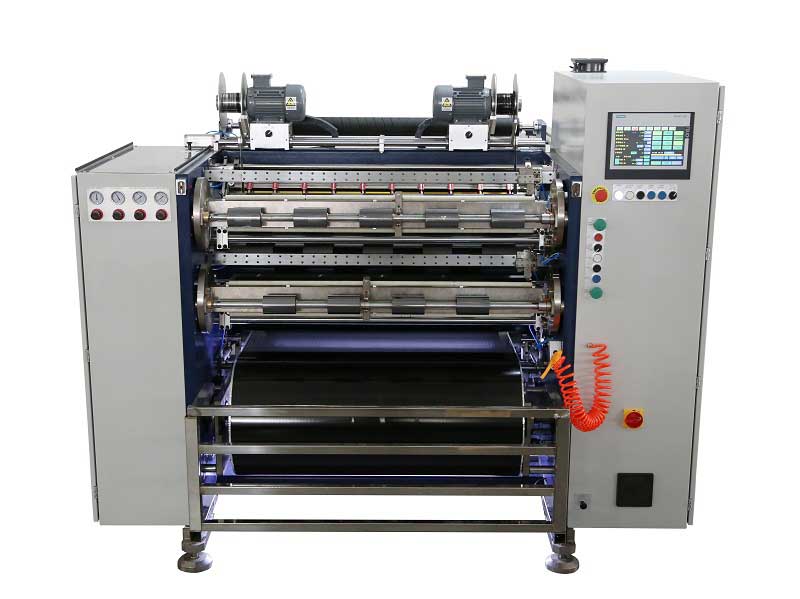 Automatic Thermal Transfer Ribbon Slitter RSDS8 H PLUS
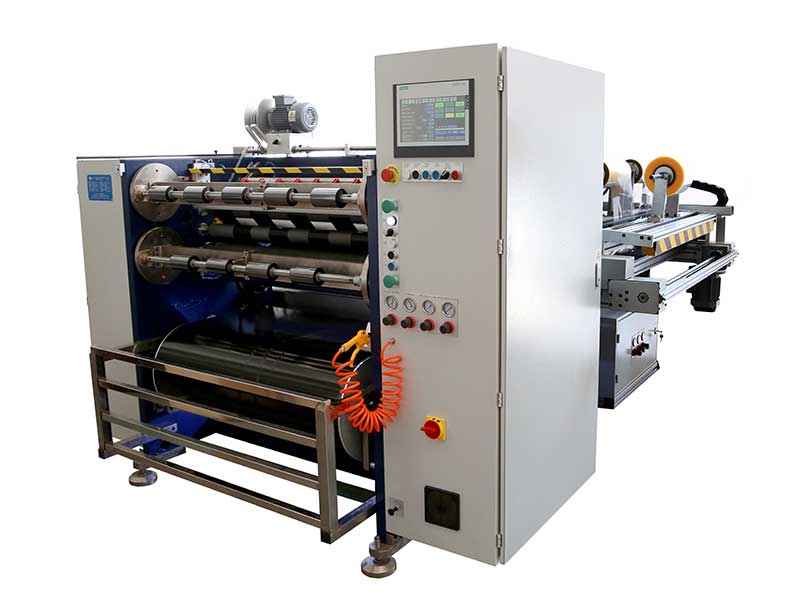 Automatic Thermal Transfer Ribbon Slitter RSDS6 PLUS
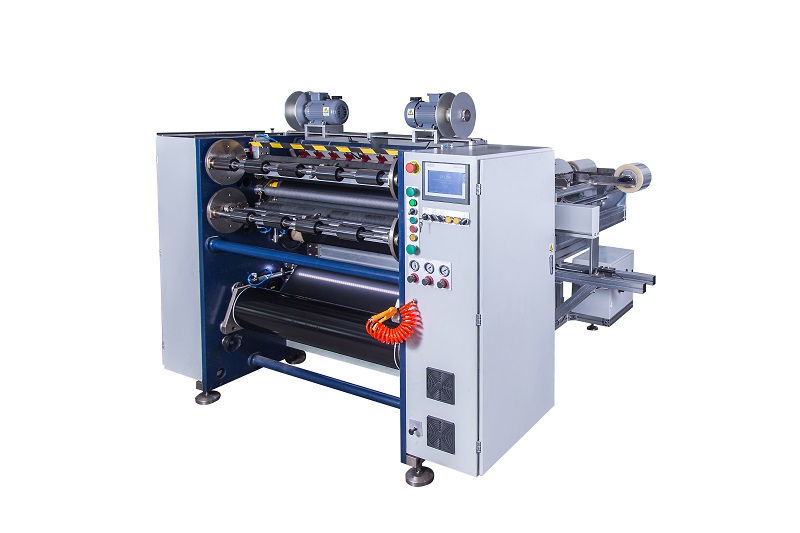 Semi Automatic Thermal Transfer Ribbon Slitter RSDS1 PLUS
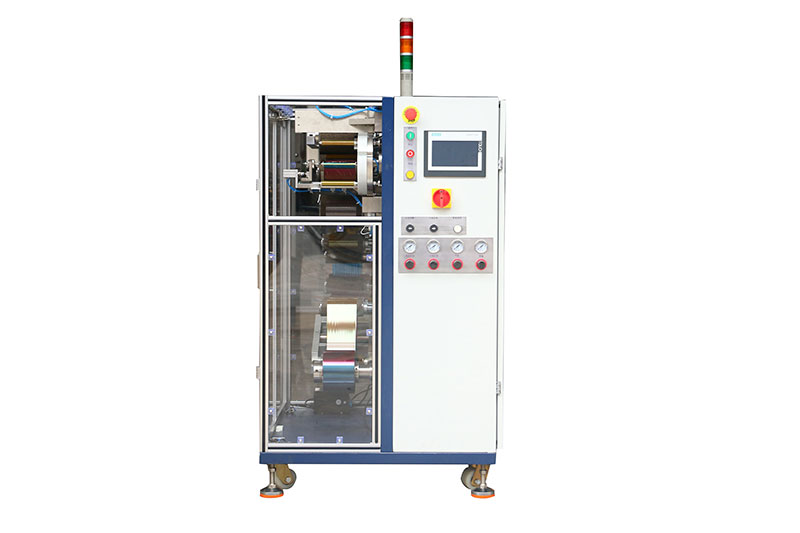 Card Print Ribbon Rewinder
 Card Print Ribbon Slitter