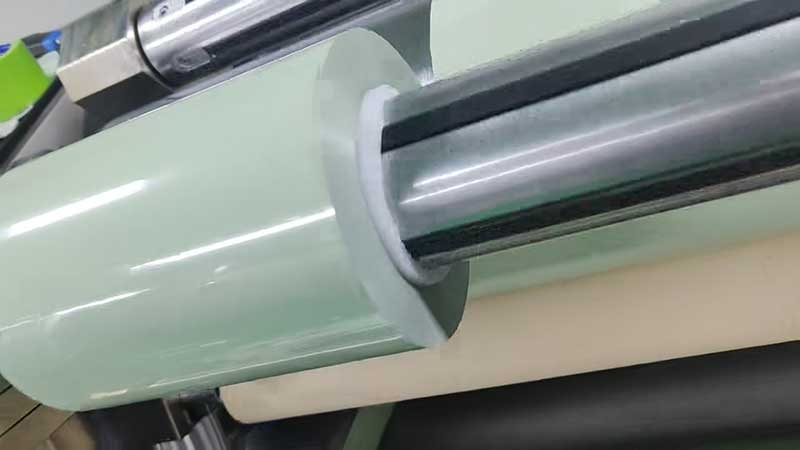
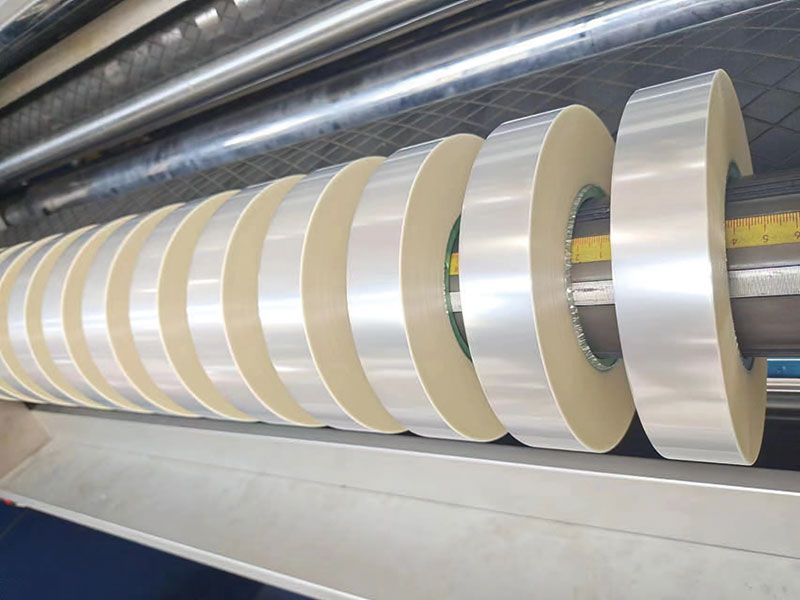
In the film production and processing industry, slitting machines are key back-end equipment. If the slitting machine stops frequently, it not only affects production efficiency but also causes material waste and delivery delays. This article will systematically review the most common types of faults in film slitting machines and their troubleshooting methods, helping operators and maintenance personnel quickly locate problems and resume production.
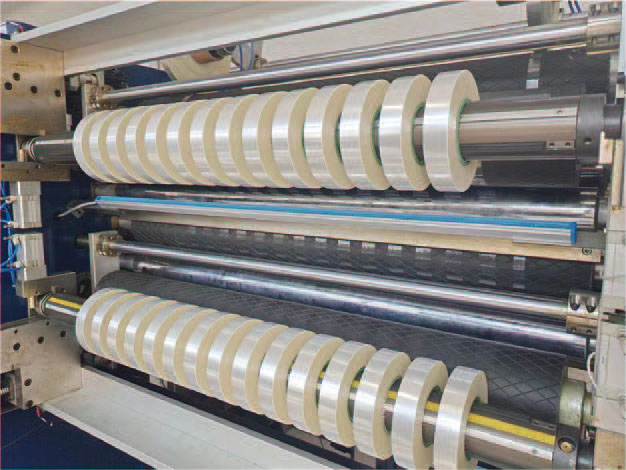
1. Unable to start on or suddenly stopping during operation
Common causes:
1. Emergency stop button not reset – Check that all emergency stop switches are in the release position.
2. Security door or protective cover not closed – Some models have safety interlock switches that cannot be activated if the protection is not properly closed.
3. Power supply phase loss or unstable voltage – Check the power supply lines and circuit breakers.
4. Inverter or PLC alarm – Check the alarm code, common causes include overcurrent, overvoltage, motor overheating, etc.
Steps to eliminate:
• Reset emergency stop button → Close all safety doors → Check power indicators → Read the inverter fault code and reset according to the manual.
2. Unstable tension during unwinding or material breakage
Phenomenon: Film deviation, wrinkling, or tearing at startup.
Common causes:
1. Wear of the reeling brake pad – pneumatic or magnetic powder brake failure.
2. Tension sensor zero drift – sensor damage or loose wiring.
3. Leakage of the expansion shaft – causes the core to slip.
4. Unstable air pressure – water or pressure fluctuations in the air passage.
Troubleshooting methods:
• Check the thickness of the brake pads and replace them if necessary.
• Recalibrate the tension sensor (zeros when unloaded).
• Check the seal of the expansion shaft with soapy water and replace the O-ring.
• Clean the air circuit filter pressure reducing valve to ensure air pressure is between 0.5~0.6MPa.
3. Uneven end face during winding or "rib bursting"
Phenomenon: The winding edges appear tower-shaped, flared, or locally raised (reinforcement).
Common causes:
1. Uneven pressure on the pressure roller – The cylinder pressure at both ends of the roller is inconsistent.
2. Excessive clearance in the rewinding arm – wear of linear guide rails or sliders.
3. Inflexible swing roller movement – bearing jamming or excessive damping.
4. Excessive film thickness tolerance – Issues with upstream extrusion or coating processes.
Troubleshooting methods:
• Use a pressure gauge to measure and adjust the pressure at both cylinders.
• Tighten the rewinding arm slider and replace worn guide rails.
• Disassemble and clean the oscillating roller bearings, and add an appropriate amount of grease.
• Communicate with the quality control department to check for incoming material thickness deviations.
4. Burrs, stringing, or misalignment at the slitting edges
Phenomenon: The cut edge is not smooth, with fibrous strings, or the cut is not cut, resulting in overlapping edges.
Common causes:
1. Worn or chipped round blades – prolonged use or cutting hard objects.
2. Improper clearance between upper and lower blades – Excessive clearance causes burrs; too small causes heat and adhesion.
3. Axial movement of the cutter shaft – bearing damage or loose locking nut.
4. Severe static electricity in thin films – dust adsorption leads to poor cuts.
Troubleshooting methods:
• Replace the circular blade; it is recommended to use it in combination after grinding.
• Adjust tool clearance: Generally, the film thickness is 0.01~0.03mm, with aluminum foil slightly larger.
• Lock the knife shaft nut and replace the angular contact bearing.
• Install static elimination rods and appropriately increase workshop humidity.
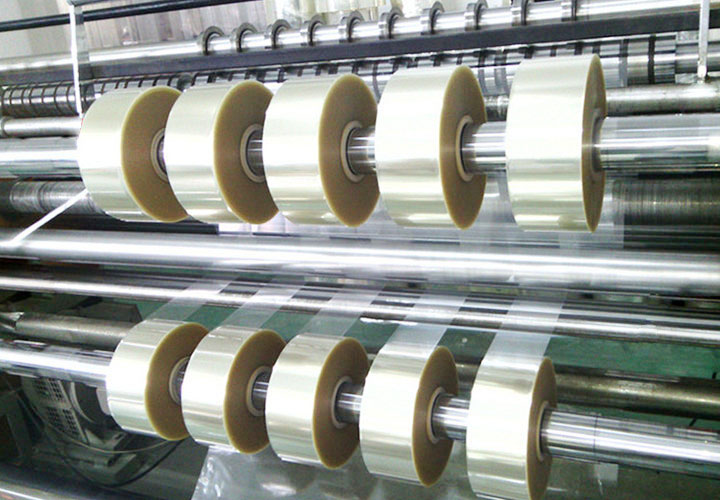
5. Longitudinal streaks (nail marks) appear during slitting
Phenomenon: Periodic dents or raised streaks appear on the membrane roll surface.
Common causes:
1. Foreign objects or scratches on the guide roller surface – adhesive particles or carbides adhere.
2. Aging of the flat roller (bending roll) sleeve – uneven surface.
3. Non-parallel roller passes – Causes localized pressure concentration.
4. Excessive winding tension – inner film deforms under pressure.
Troubleshooting methods:
• Sanding the guide roller with fine sandpaper to clean off any adherent material.
• Replace the spreading roller sleeve or replace the entire bending roller.
• Use a level to calibrate the parallelism of each roller.
• Reduces the taper tension of the winding, especially for films that are prone to deformation.
6. Abnormal operating noise or severe vibration
Phenomenon: Metal knocking sounds or periodic vibrations occur during the operation of the slitting machine.
Common causes:
1. Bearing damage – including rewinding arm, rollers, and roller bearings.
2. Slippage or wear of the drive belt – surface cracking or elongation.
3. Dynamic balance failure – uneven wear of the rubber roller or improper repair of adhesive tape.
4. Excessive gear clearance – wear after long-term operation.
Troubleshooting methods:
• Use a stethoscope to inspect bearings one by one and replace damaged parts.
• Adjust belt tension or replace the timing belt.
• Send the rubber roller to a professional manufacturer for re-coating and dynamic balancing.
• Adjust gear meshing clearance and add extreme pressure grease.
7. Common issues in electrical and control systems
| Fault phenomena | Possible reasons | Quick processing |
| The touchscreen is unresponsive | Loose communication cables or power module failure | Replug and unplug the communication cable and check the 24V power supply |
| and the rice calculations were inaccurate | Encoder coupling slips | Tighten the encoder screws or replace the flexible couplings |
| Servo motor vibrates | Incorrect servo gain parameters | Retune the servo driver parameters |
| The safety circuit is blocked | Relay contacts oxidize | Clean or replace the intermediate relay |
8. Preventive maintenance recommendations
To truly reduce downtime, a three-level maintenance system should be established:
1. Daily check-ups (per shift)
◦ Clean dust and glue particles from the roller and knife holder
◦ Check whether the air pressure is normal and the oil mist meter oil level
◦ Run idle at low speed before powering on; listen for any abnormal noises
2. Weekly maintenance
◦ Tighten bolts at all parts, especially the rewinding arm and tool holder
◦ Check the sealing performance of the expansion shaft
◦ Clean the fan filter screen of the electrical control cabinet
3. Monthly/quarterly maintenance
◦ Replace blades and grind upper and lower blades
◦ Inspect and lubricate bearings and guide rails
◦ Calibration of tension sensors and length encoders
◦ Check and back up the frequency converter parameters
9. Quick Troubleshooting Mind Map (Text Version)
• Stop → Check alarm information → code → Check manual → Press reset
• No code → Check emergency stop/safety door/power supply → Manual turning → Identify mechanical resistance points
• Tension issues → Check brakes/sensors/expansion shafts
• Cut issues → Check knife clearance, wear, and static electricity
• Abnormal vibration → bearings/belts/dynamic balance
Conclusion
Downtime failures in film slitting machines are often not caused by a single factor, but rather reflect a combination of mechanical, electrical, pneumatic, and process parameters. By mastering the methods and troubleshooting steps for these common issues, combined with regular preventive maintenance, over 90% of unplanned downtime can be resolved. For difficult and complicated issues, it is recommended to record the fault symptoms and alarm codes, contact the equipment manufacturer or professional repair team promptly, and avoid blindly disassembling or installing to avoid worsening the fault.
• Reminder: When handling slitting machine faults, operators must first press the emergency stop switch and cut off the main power. Only inspect and repair after the equipment is completely stable to ensure personal safety.
 English
 Deutsch
 Français
 Español
 Português
 日本語
日本語 русский
 한국어
한국어 عربي
عربي ภาษาไทย
 Tiếng Việt
 Italiano
 Film Slitting Machine
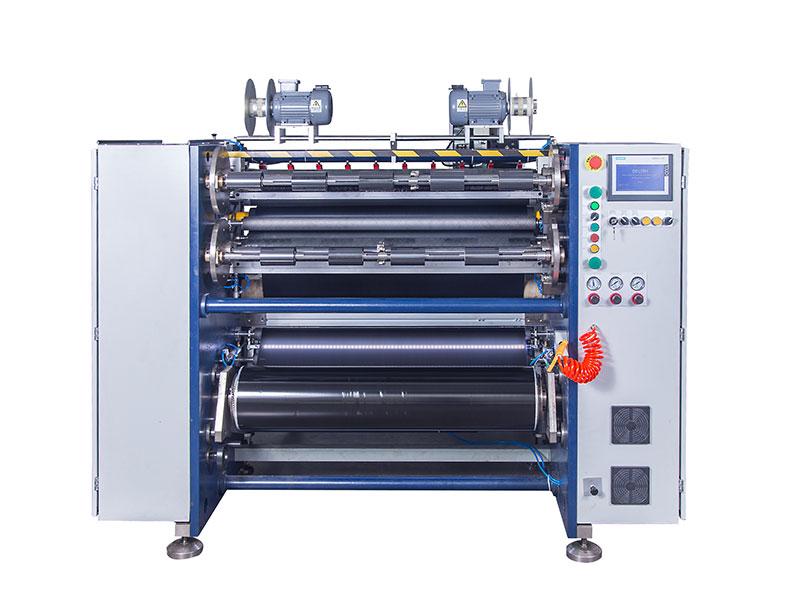 Ribbon Slitting Machine
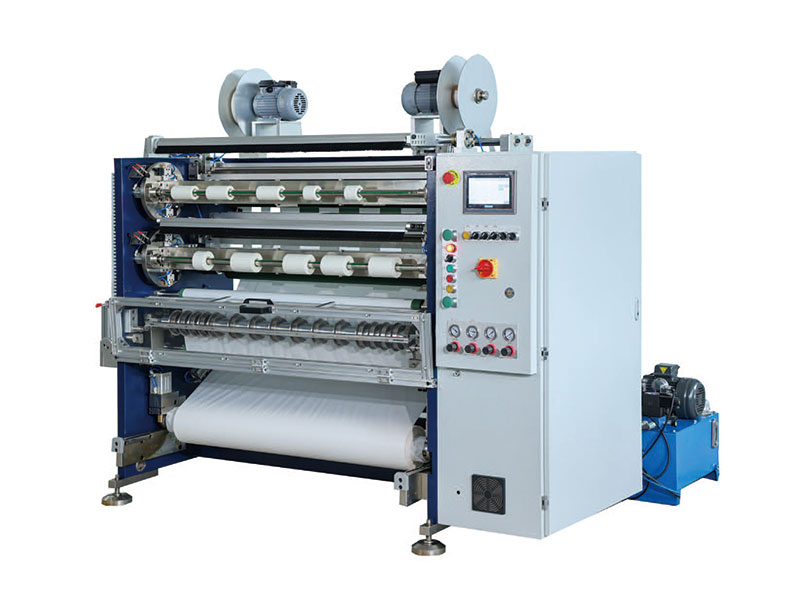 Tape Slitter
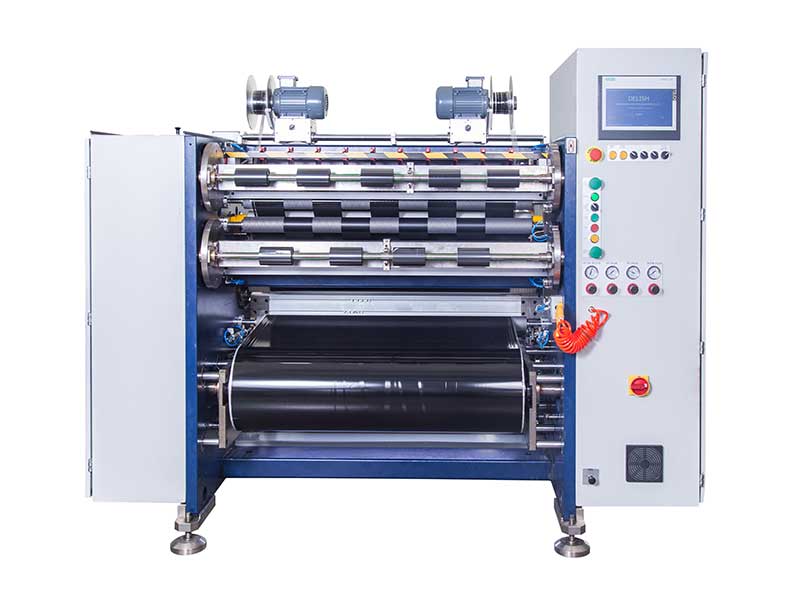 Barcode Ribbon Slitting Machine
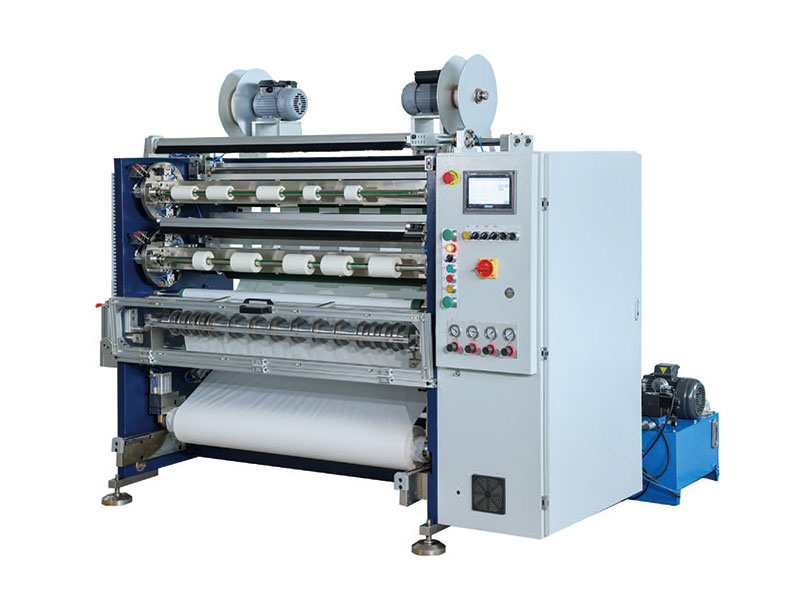 Single Side Adhesive Slitter
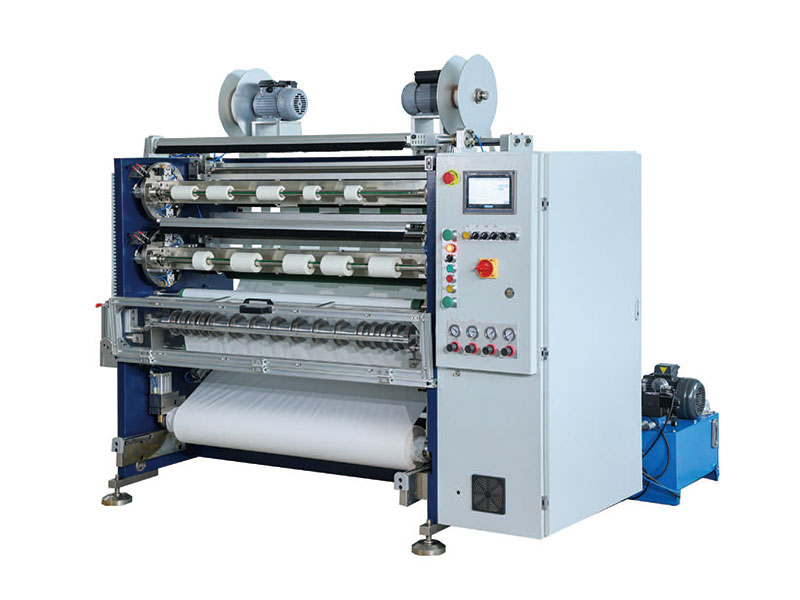 Double Side Adhesive Slitter
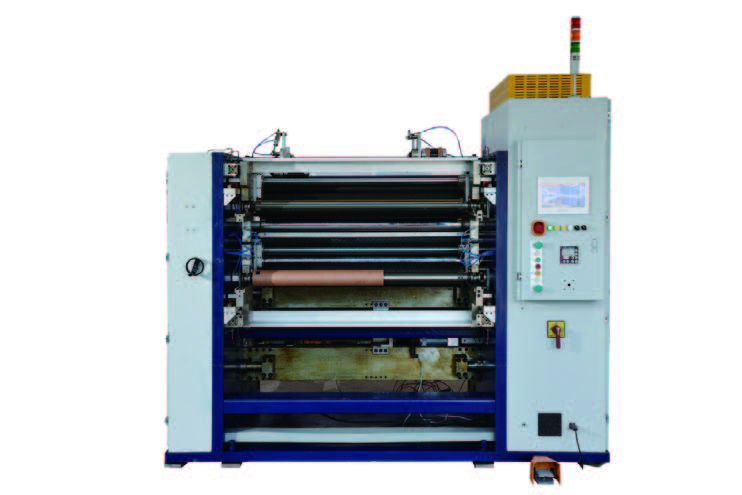 Capacity Film Slitter
 Automatic Foil Roll Cutter