Slitting is the final step in film production and a key link in determining the quality of the finished product. There is even a saying in the industry that "film quality is determined by slitting." Choosing the right slitting machine means stable production efficiency and controllable yield rates; If you choose the wrong one, you may end up with endless quality issues and material waste. This article helps you clarify your selection approach from four dimensions: material matching, core parameters, industry scenarios, and supplier selection.
1. First, understand the "nature" of your materials
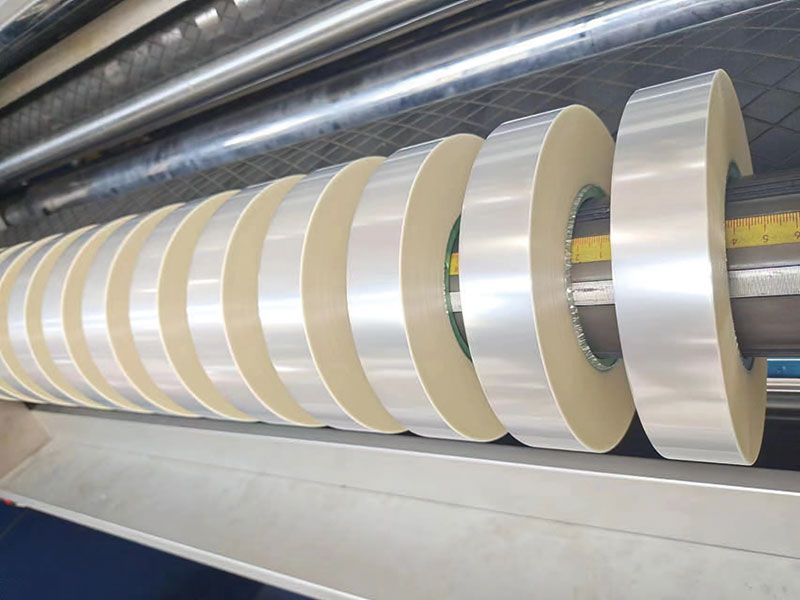
When choosing a slitting machine, the first step is not to look at the equipment specifications, but to research what you want to cut. Different film materials have vastly different requirements for equipment.
• Rigid film (PET, BOPP, BOPA): These materials have high stiffness and modulus, requiring high-rigidity tools and powerful winding systems. The thinner the thickness (e.g., below 12μm), the higher the required tension control accuracy; The thicker the thickness (e.g., above 250μm), the more it tests tool life and spindle rigidity.
• Soft film (PE, CPP): The material is soft and easy to stretch, requiring extremely high sensitivity for tension control. Slightly excessive tension can cause stretching deformation or wrinkling. When winding, tapered tension control is also needed to prevent tightness inside and looseness outside.
• Metallized films (aluminized films, capacitive films): The metal surface layer is highly prone to burrs and scratches, so anti-static designs and special tools are required. Some high-end applications also require anti-oxidation winding (such as nitrogen protection).
• High value-added films (optical films, lithium battery separators): These materials have nearly stringent requirements for cleanliness, scratch-free, and dust-free properties. The material of contact components (guide rollers must be chrome-plated or ceramic), dust removal system, and static elimination rods are all standard and cannot be compromised.
2. Lock in five core technical parameters
Once the material properties are clarified, you can use the following five core parameters to filter equipment.
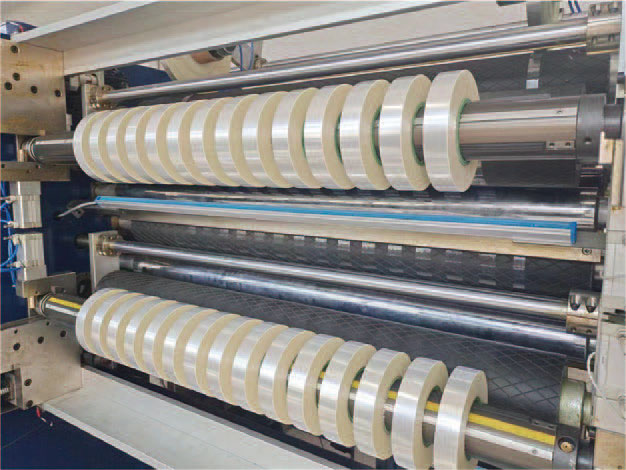
Tension Control System—The "Heart" of the Slitting Machine
Tension control is the core of slitting quality. Among common control schemes, magnetic particle brakes are low-cost but have limited precision, making them suitable for low-speed general scenarios; The servo closed-loop tension system achieves an accuracy of up to ±0.2N, enabling taper tension control (tension decreases proportionally as the coil diameter increases during winding), making it a standard for high-speed, high-precision slitting. For high-demand materials such as PET and optical films, closed-loop servo systems must be selected.
Slitting Method—Tailoring the 'Knife' to Material
| Tool type | Applicable scenarios | Features |
| Razor (pneumatic pressure knife) | Thin plastic film and paper | Low cost, fast speed, suitable for < 100μm thin materials |
| Round Knife (Shear-type) | General films such as PET and BOPP | The upper and lower blades engage smoothly, resulting in a long service life |
| Ultrasonic knife | Ultra-thin or easily layered materials (e.g., ≤ 2μm film) | Anti-layering, pollution-free, the top choice for high-end applications |
Slicing precision—perfect for the dish and rice
• Standard packaging film: ±0.5mm is sufficient
• Consumer electronics capacitive film: ±0.1mm
• High-frequency high-voltage capacitors and optical films: must be within ±0.02mm
Cutting speed—faster is not always better
Standard slitting machines operate at speeds of 150-300 m/min, while high-speed machines can reach over 800 m/min. However, what should be focused on is the long-term stability of the equipment at the nominal speed, not the peak speed. Blindly pursuing high speed while neglecting stability can lead to edge burrs and uncontrolled tension, which is actually counterproductive.
Rolling Method — Determining the "Appearance" of the Finished Roll
• Central winding: driven by the shaft core, precise tension control ensures maximum versatility
• Surface winding: Driven by contact rollers, suitable for materials that are easily deformed or have large roll diameters, effectively expelling air between membranes and preventing end face misalignment
• Center + Surface Rewinding: High-end model combination solution balancing precision and loading quality
3. Industry determines allocation differences
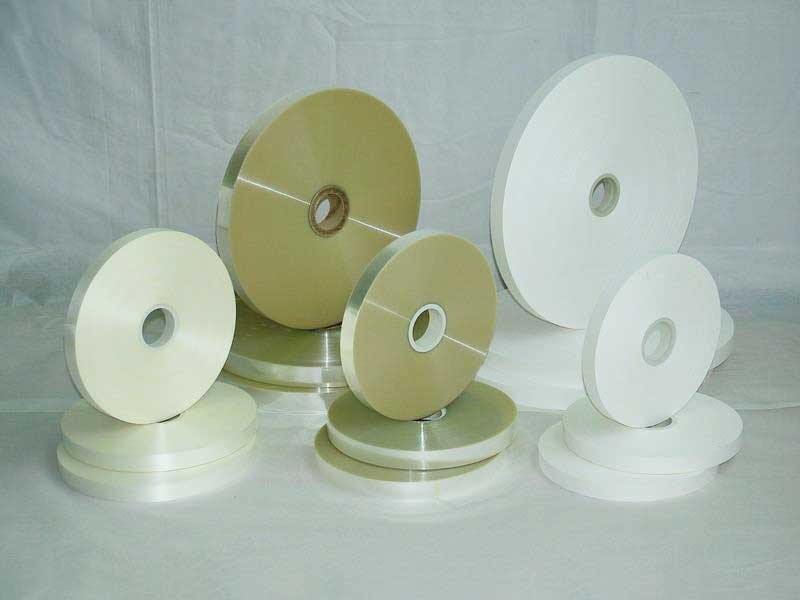
The demand for slitting machines varies greatly across industries, so choosing configurations that match the industry can help avoid 'overusing the best material' or 'lacking ability.'
Consumer electronics industry (aluminum electrolytic capacitors, film capacitors): large volume, medium precision (±0.1mm), cost sensitive. It is recommended to choose a medium-speed model (200-400m/min), which comes standard with circular blade slitting and static elimination devices.
New energy industry (photovoltaics, electric vehicle capacitors): high-voltage, high-frequency, high-temperature-resistant films (such as PPS), requiring high precision (±0.02mm), equipped with constant tension systems and temperature compensation, metallized films also need to be oxidation-resistant and rolled.
Power electronics industry (industrial capacitors): ultra-thick film (15-30μm), high tensile stability, requires heavy-duty slitting machines, tools require wear-resistant coatings (such as diamond coatings), equipped with pre-stretching devices.
Medical/Aerospace: Ultra-thin films (≤2μm), dust-free environment, ultrasonic slitting to avoid layering, equipped with dust-free workshop design and ionized air cleaning systems.
Packaging industry: General films (BOPP, PET), wide width, medium to high speed, standard automatic waste edge recycling, relatively cost-sensitive, domestic brands can meet this well.
4. Key points for "pitfalls" when choosing suppliers
Ultimately, equipment selection depends on the choice of supplier. The following points are worth noting:
1. Look at cases, not advertisements: Require suppliers to provide successful cases of similar materials. Finding cases of optical films for optical films, finding cases of separators for lithium battery separators, and the reference value of cross-industry experience is limited.
2. Materials must be brought for trial cutting: Before signing the contract, bring the hardest batch of materials to the manufacturer (not perfect products) to test the machine on-site. Key points to focus on: whether the end face is neat, whether the winding hardness is uniform, and whether tension fluctuations cause wrinkles during high-speed start-stop times.
3. Calculate the total account, not the purchase price: The total cost of ownership (TCO) of a piece of equipment includes the purchase price, energy consumption (servo systems save 20%-30% more energy than traditional systems), blade consumable lifespan, maintenance costs, downtime losses, and so on. Cheap equipment often "eats up" more profit during long-term operation.
4. Check equipment rigidity: At high speeds, insufficient rigidity of the frame can cause resonance, causing slitting width drift. Priority should be given to integrated cast frames or thick steel welded structures; wall panel thickness is recommended to be ≥12mm.
5. Reserved intelligent interfaces: If future digital factories are planned, confirm whether equipment reserves MES/IoT data interfaces, support automatic process parameter issuance, and output data transmission.
Summary
The selection of film slitting machines essentially involves finding the optimal balance between material properties, precision requirements, production efficiency, and budget constraints. The most expensive one may not be the most suitable, but anything far below market value almost always has a pitfall. It is recommended to follow the path of "clarifying material → matching parameters→ benchmarking industry → field verification," and spend every penny on key configurations that truly affect product quality and efficiency.
 English
 Deutsch
 Français
 Español
 Português
 日本語
日本語 русский
 한국어
한국어 عربي
عربي ภาษาไทย
 Tiếng Việt
 Italiano
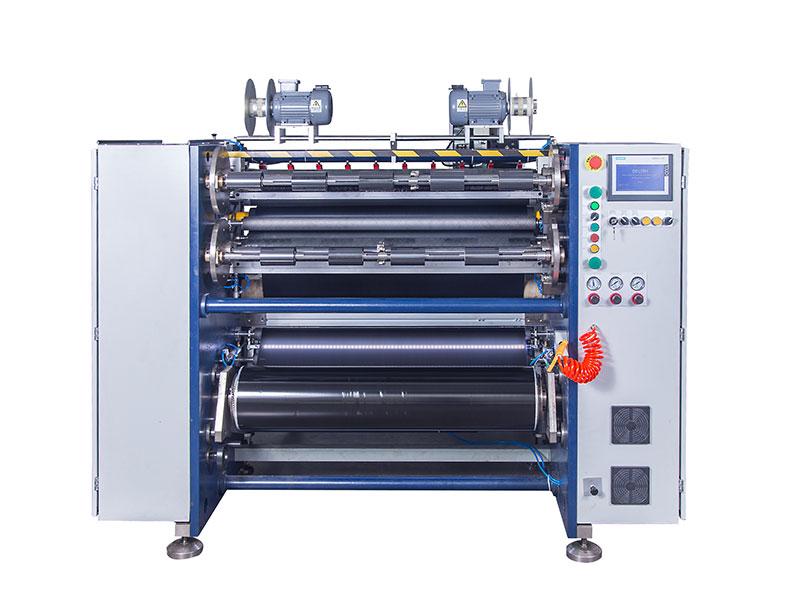 Ribbon Slitting Machine
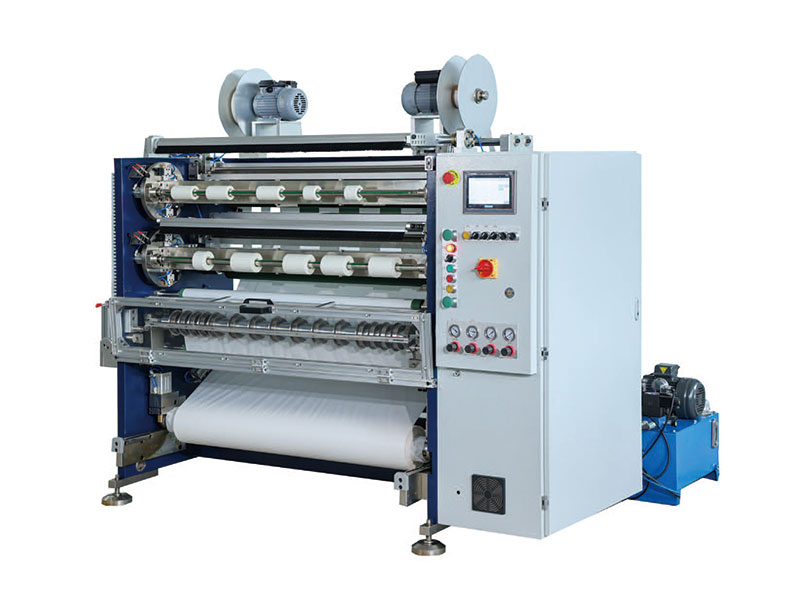 Tape Slitter
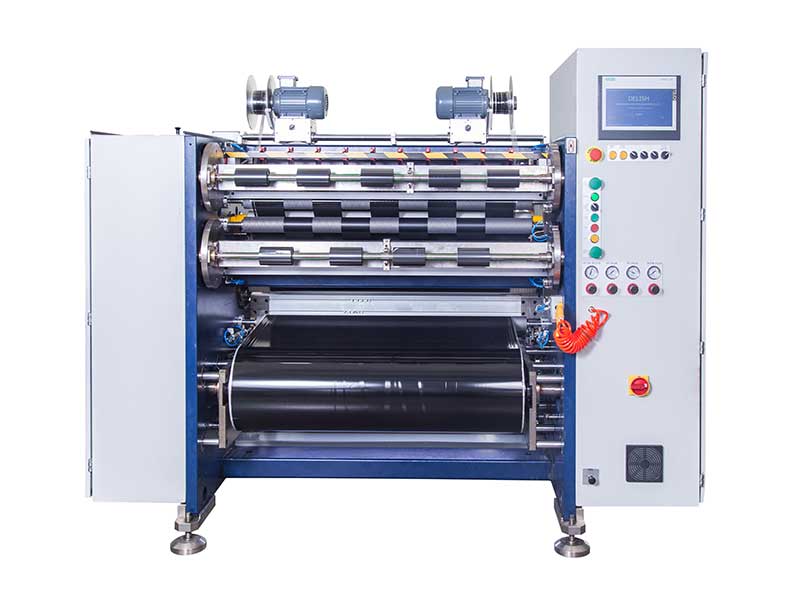 Barcode Ribbon Slitting Machine
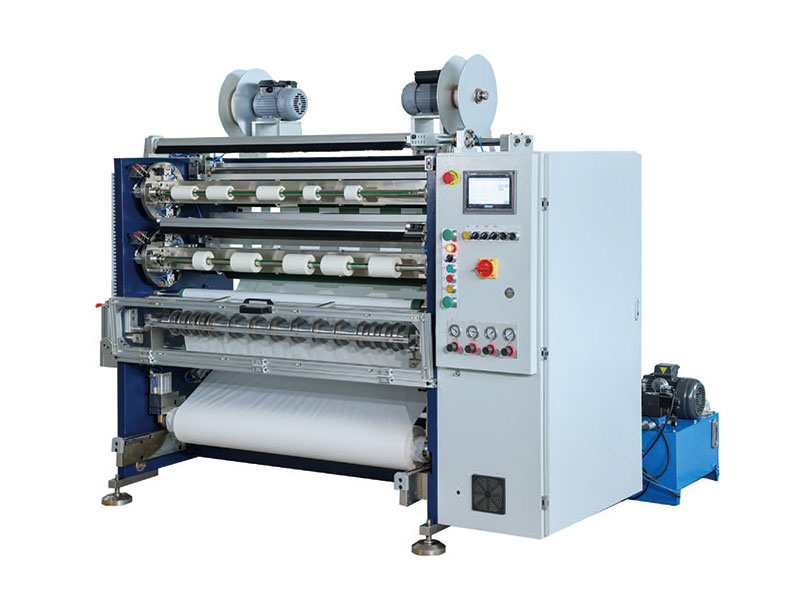 Single Side Adhesive Slitter
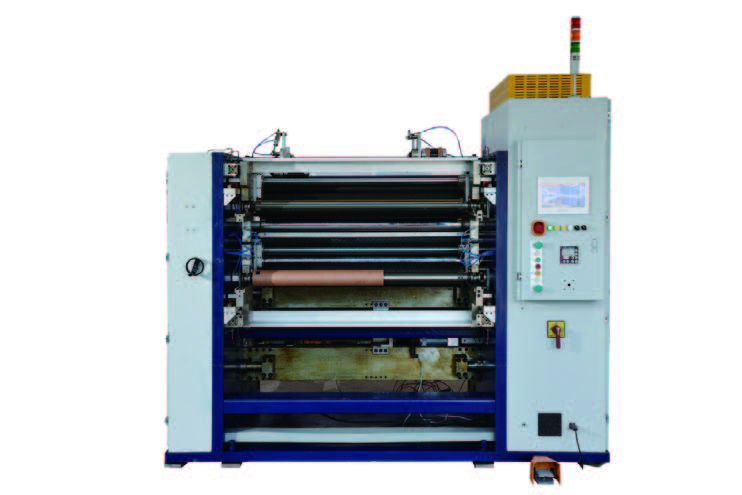 Capacity Film Slitter
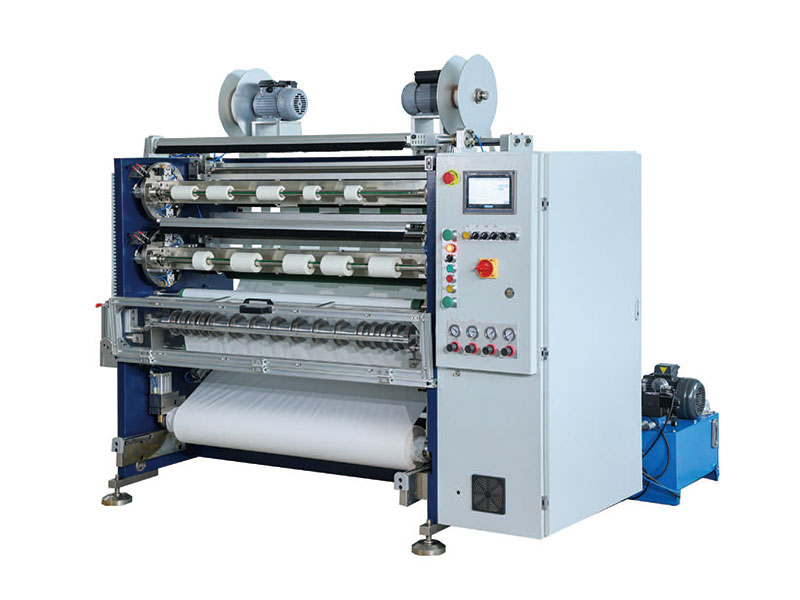 Double Side Adhesive Slitter
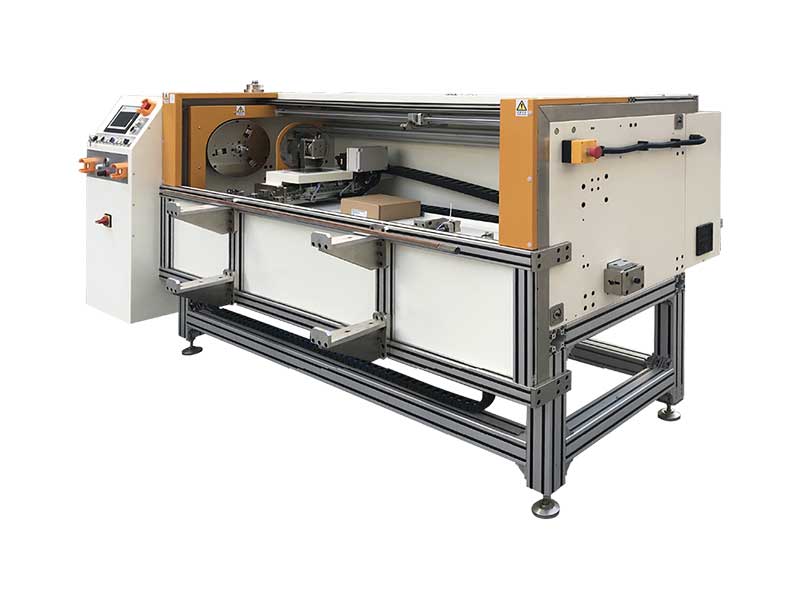 Automatic Foil Roll Cutter