During the production of heat transfer ribbons, whether the rewinding after slitting is neat is not only the product's "appearance" but also one of the core indicators of quality. Uneven rewinding end faces can at best affect customer experience, and at worst, cause ribbons to wrinkle, break, or even damage the print head during printing.
The reason for incomplete rewinding is often not a single factor, but rather the result of a subtle balance between tension control, mechanical precision, and auxiliary system status.
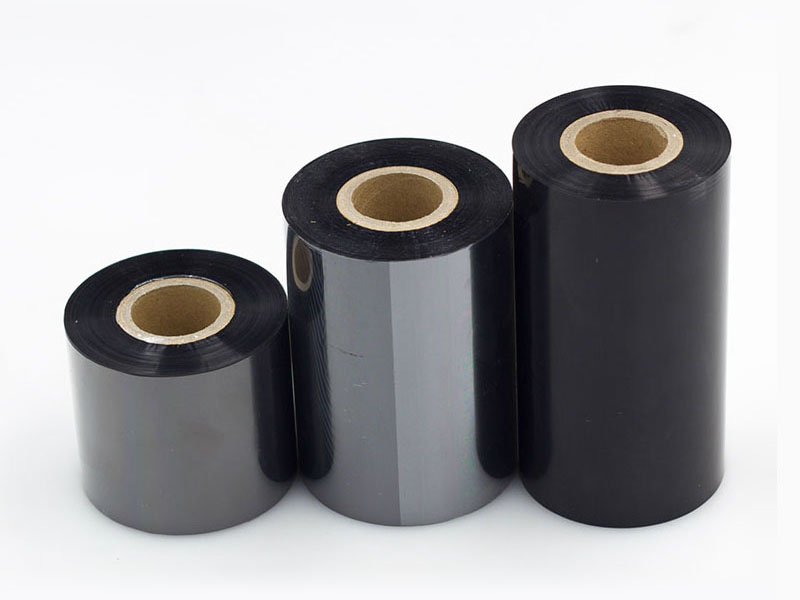
The "excess" and "deficiency" of Zhang Li
Tension control is the soul of slitting and rewinding. The substrate for carbon ribbons is usually PET film only 4.5~10 microns thick, which is extremely sensitive.
• Excessive tension: If the ribbon is stretched too tightly, the inner and outer layers of stress are uneven, which can easily form a "tower" or "bellflower" shape later on, and may damage the base film and cause powder shedding.
• Too low tension: loose rolling, inner layers wrinkle, and the end face naturally cannot be flat.
• Unreasonable taper setting: As the roll diameter increases, if the tension does not gradually decrease according to the "taper curve," the outer layer will compress the inner layer, forming a "daisy core" staggered layer.
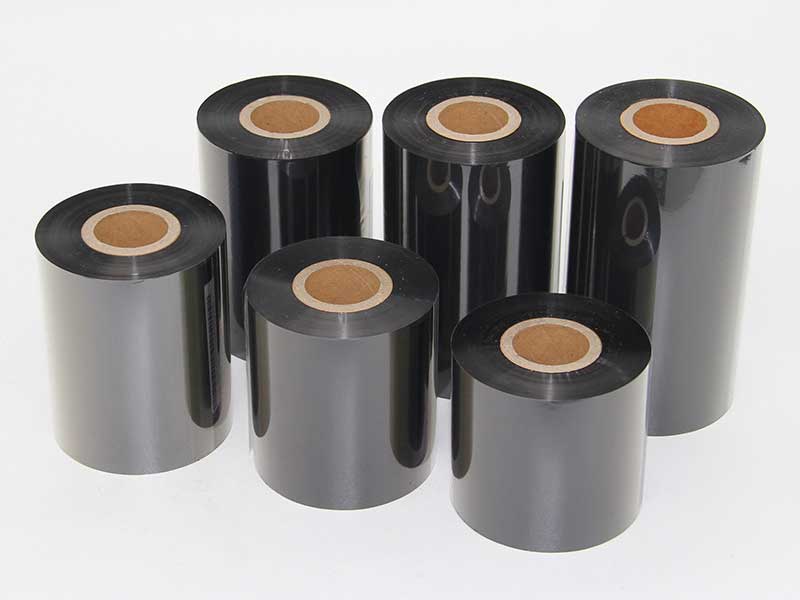
The "superficial unity but indescribable separation" of mechanical components
The mechanical precision of the equipment itself is the foundation for ensuring neatness.
• Parallelism deviation: If the winding shaft and guide roller are not parallel, the ribbon will be subjected to lateral component forces and naturally drift to one side, resulting in a "unilateral protrusion."
• Uneven pressure on the roller: Uneven pressure at both ends of the winding roller causes uneven force on the ribbon at the contact points, resulting in localized bulging or "rebar exposure."
• Fit between the core and the shaft: If the inner diameter of the core (paper or plastic tube) has too much clearance with the rewinding shaft, it will develop "eccentricity" and periodic runout during rotation, which is a key reason for periodic swinging of the end face.
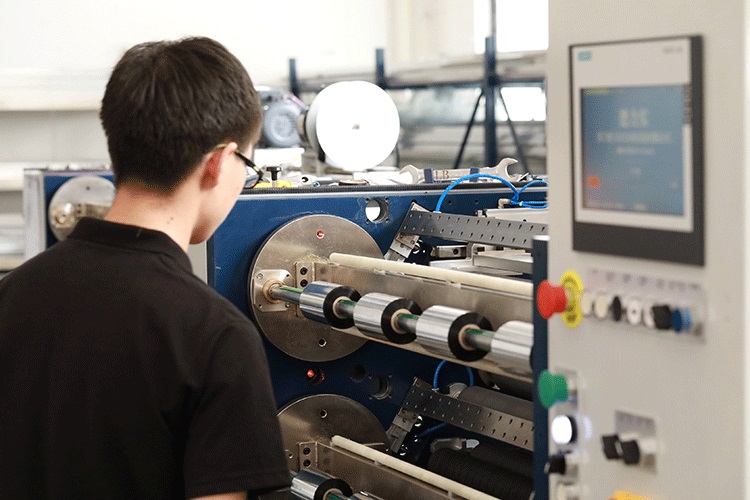
"Malfunction" and "interference" of auxiliary systems
• Correction system failure: If photoelectric or ultrasonic sensors are obscured by dust or actuators operate slowly, the system cannot correct the ribbon's trajectory in real time.
• Poor slitting tool condition: Blade wear or improper gaps cause burrs or wavy edges on the cut ribbon, causing this "twisted" belt to deviate during rewinding.
• Static electricity and environmental interference: Static electricity generated in dry environments can cause the film to attract dust or stick together, disrupting the smoothness of the tape.
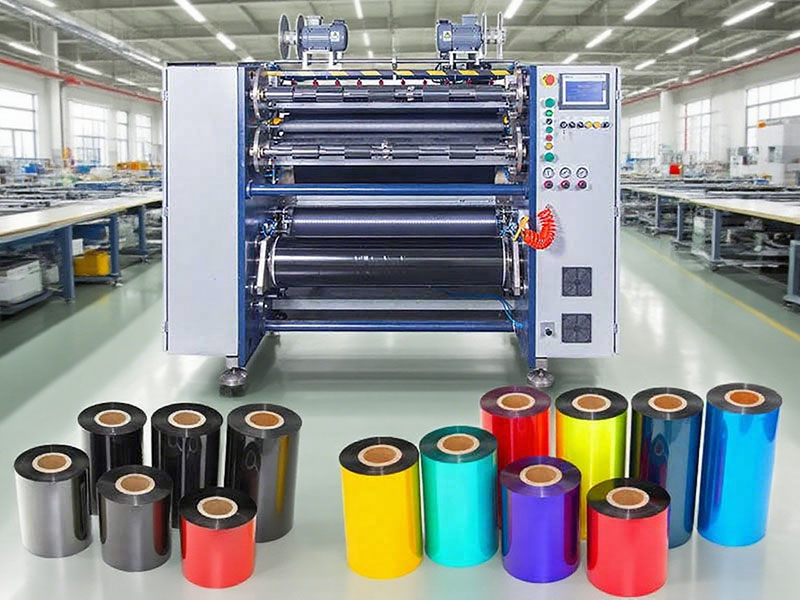
Systematic inspection and solutions
If you encounter incomplete re-rolls, you can check them in the following order, from simple to complex:
1. Clean and observe first (5 minutes): Clean the correction sensor lens and observe whether correction responds. Inspect and clean all guide rollers, removing any adhesive or toner.
2. Adjust tension parameters (10 minutes): Appropriately reduce the winding tension (5%-10% each time) and check whether the tension taper coefficient is reasonable (usually set at 0.3-0.5).
3. Check mechanical parallelism (15 minutes): Use feeler gauges or A4 paper to check the parallelism between the pressure roller and the winding shaft; if necessary, add a gasket for temporary calibration.
4. Check the core and cutting tools: replace with a high-quality core with matching inner diameter, and recheck the slitting tool clearance (ribbon recommended 0.01-0.03mm).
Uneven rewinding is the most common yet challenging issue in the ribbon slitting field. It acts like a precise alarm, directly reflecting the device's current "health status." Solving this problem often doesn't require major interventions; instead, it requires the operator to have systematic thinking and find a delicate balance between tension, mechanics, and correction. Creating a dedicated "medical record card" for each device to record parameters for different models of ribbons is the most effective way to prevent such issues from recurring.
 English
 Deutsch
 Français
 Español
 Português
 日本語
日本語 русский
 한국어
한국어 عربي
عربي ภาษาไทย
 Tiếng Việt
 Italiano


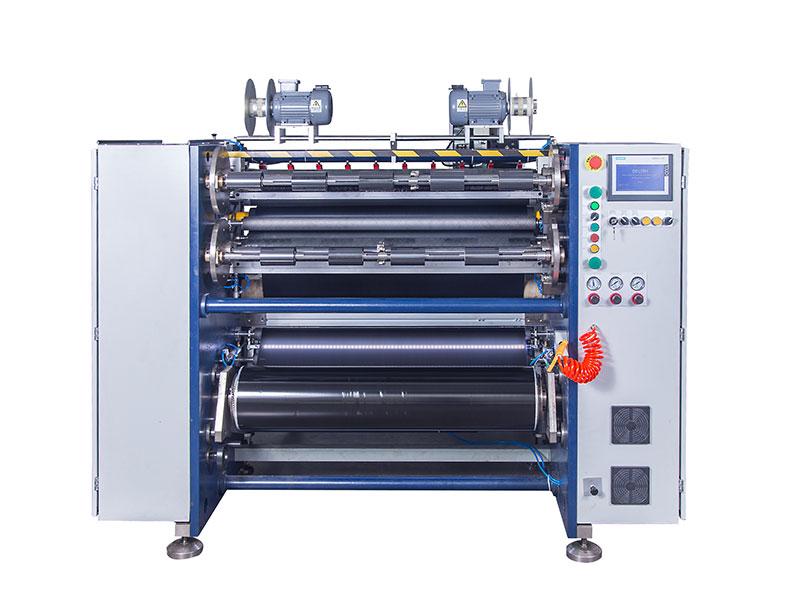 Ribbon Slitting Machine
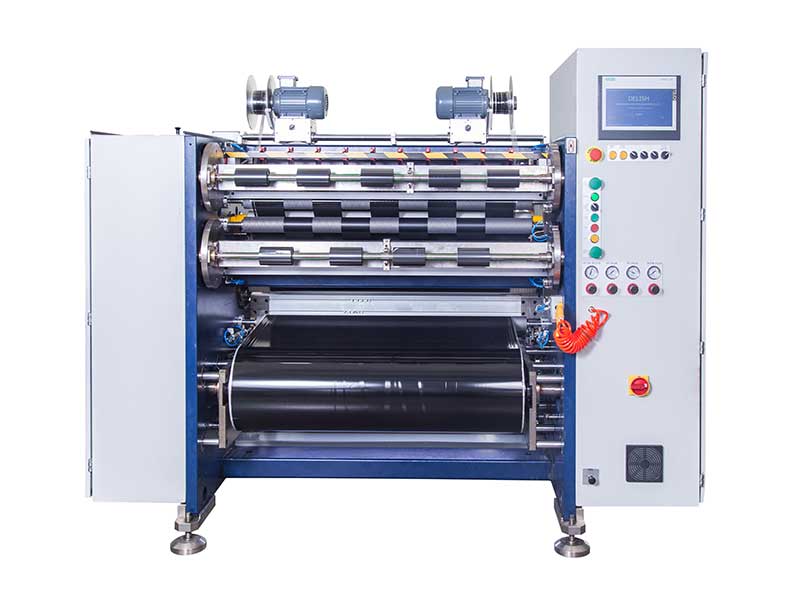 Barcode Ribbon Slitting Machine
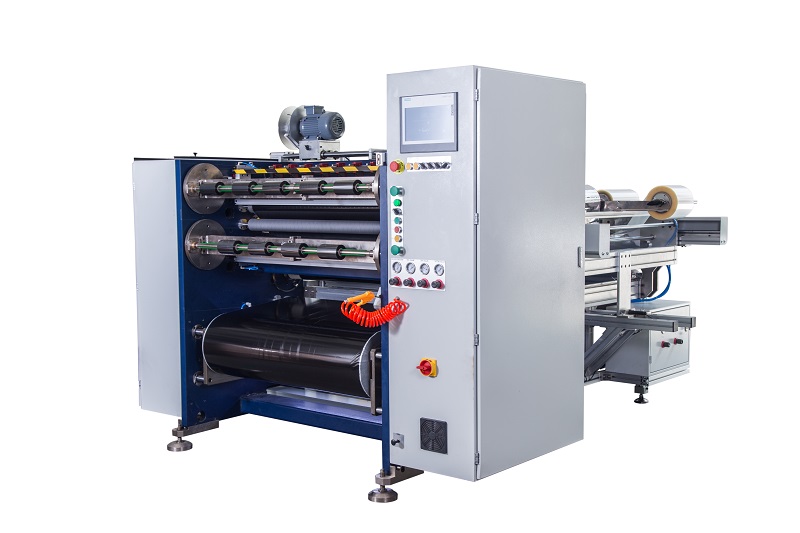 Semi Automatic Thermal Transfer Ribbon Slitter RSDS5 PLUS
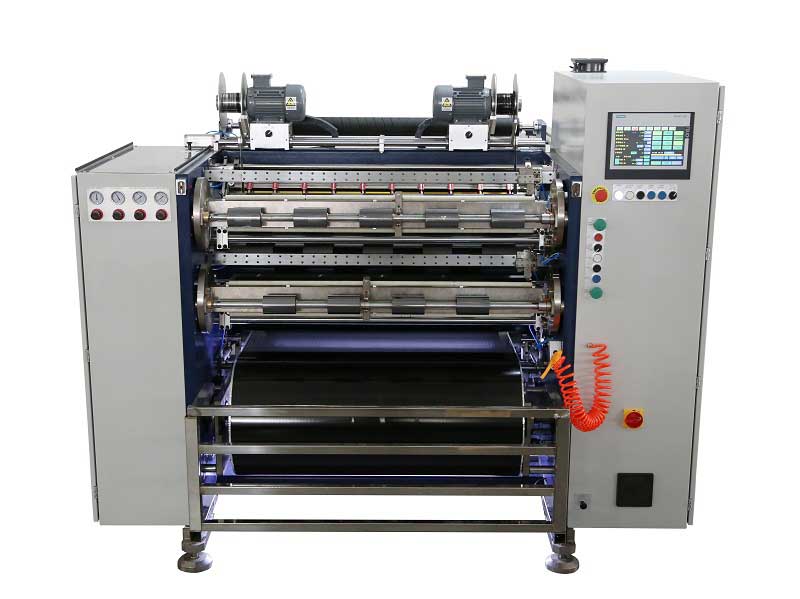 Automatic Thermal Transfer Ribbon Slitter RSDS8 H PLUS
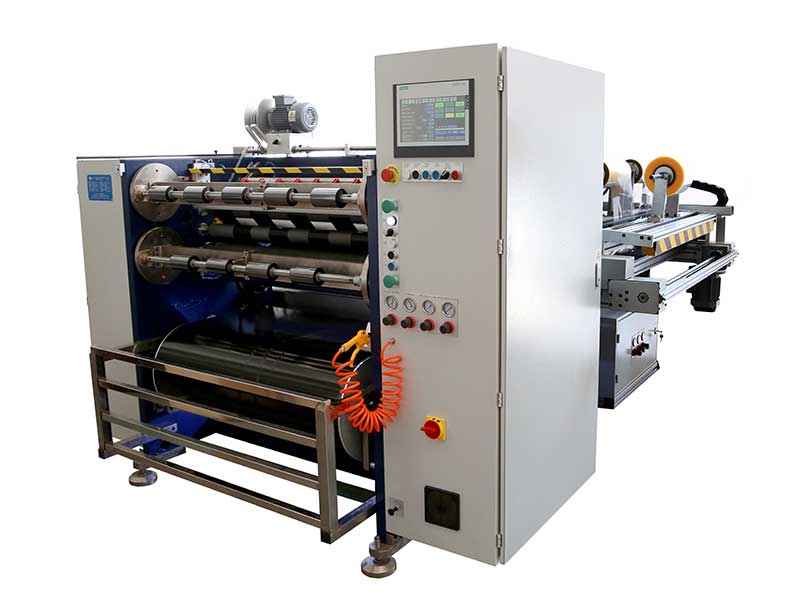 Automatic Thermal Transfer Ribbon Slitter RSDS6 PLUS
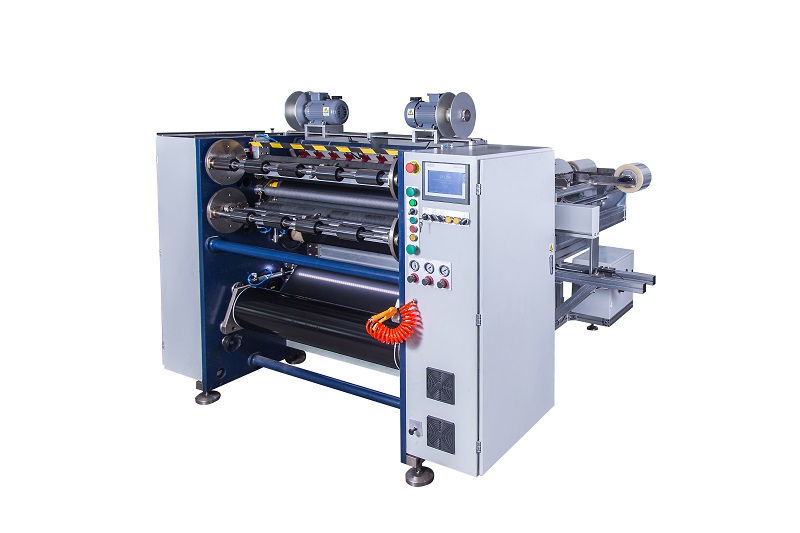 Semi Automatic Thermal Transfer Ribbon Slitter RSDS1 PLUS
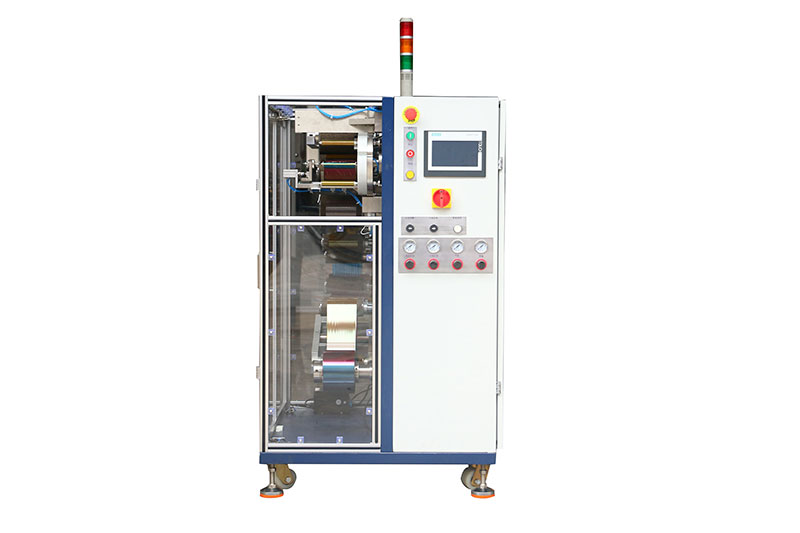 Card Print Ribbon Rewinder
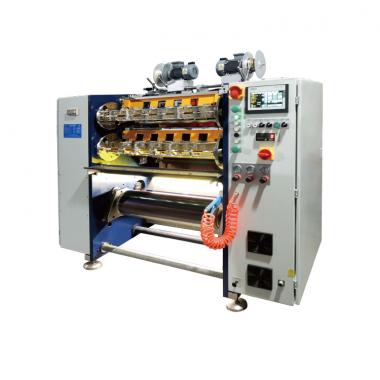 Card Print Ribbon Slitter