When purchasing a solar film slitting machine, the biggest worry is not a short budget, but that money is spent and the machine still can't cut the film properly. Some people buy expensive models for "high precision," only to make ordinary car films, and the extra money spent won't be evened out for years; Others chose open-loop tension control for the cheaper option, but when cutting PPF, stretching, wrinkles, and glue threads kept breaking, the saved purchase costs were lost in the material within a few months.
The industry average for the solar film slitting stage still hovers between 5% and 8%, and the goal of selecting the right equipment is to keep this line below 3%. The gap isn't in brand reputation or appearance features, but in several core factors that truly determine yield.
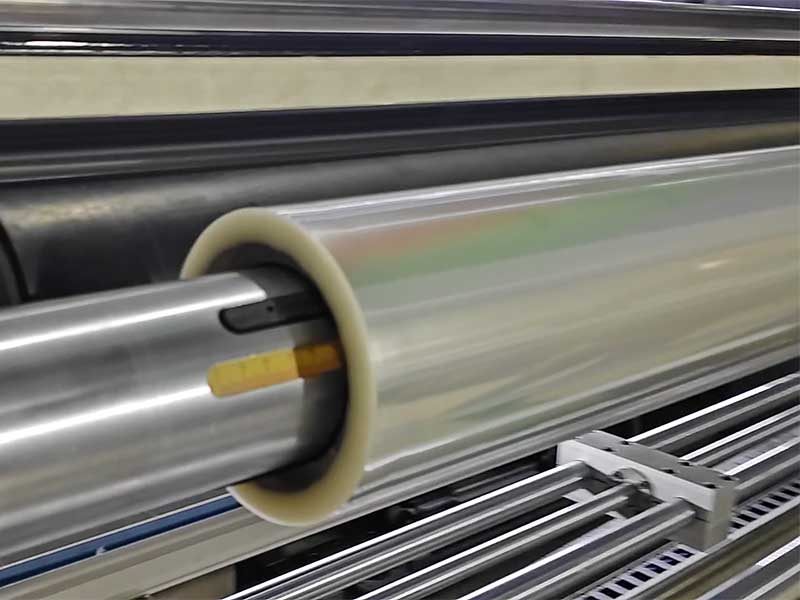
First: Tension control—first ask whether you are 'closed or open'?
Tension control is known in the industry as the "soul" of slitting machines. Sun film is a thin, flexible material; if tension is too high, it stretches, deforms, and wrinkles; if tension is too low, it rolls loosely and the ends are uneven. During slitting, the diameter of the film roll changes continuously—the unwinding end shrinks from large to small, and the rewinding end becomes larger from small. The torque requirement changes in real time, making constant tension itself a false proposition.
Open-loop control relies on the operator to preset a tension value based on experience; the machine does not automatically adjust based on actual conditions. Experienced craftsmen can handle it, but newcomers face a defect rate. Closed-loop control uses tension sensors to monitor film tension in real time and automatically adjust unwinding and winding torques. For high value-added materials like optical-grade solar films or PPF, closed-loop tension is almost a must — the scrap cost of one roll of film may be equivalent to that of an entry-level device.
The judgment standard is straightforward: ask the manufacturer if the tension system has sensor feedback. If not, no matter how the salesperson explains "operator training is good," it is recommended to be cautious.
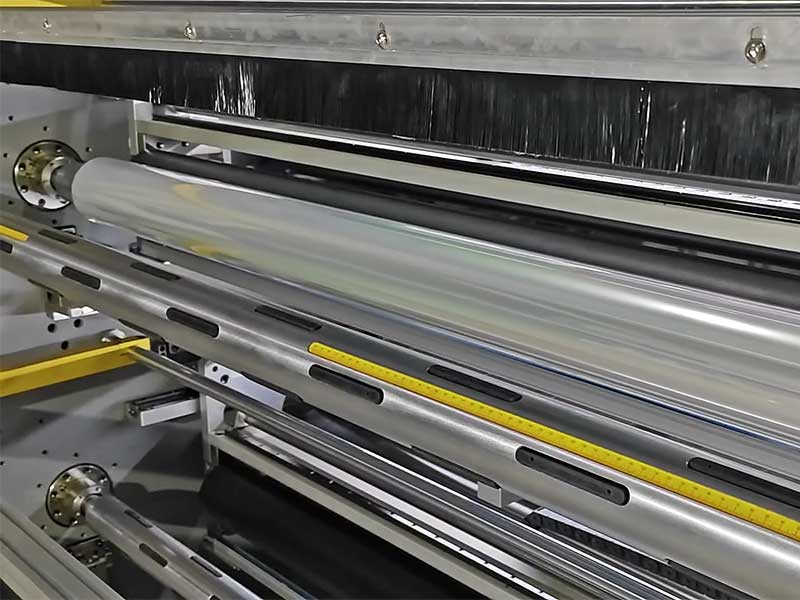
Second: slitting accuracy—just calculate the material and make it clear
Accuracy is a parameter, and it's easy to get numb by looking at nominal values. The width tolerance of ordinary equipment is about ±0.2mm, while high-precision models can be compressed to within ±0.05mm. A 0.15mm difference may seem insignificant to just one cut seam, but on a production line with two trimmings, continuous year-round production, and monthly consumption of millions of yuan in raw materials, it means that for every percentage point increase in yield, the net profit difference is over a hundred thousand yuan per year.
The impact of precision goes beyond material savings. High slitting accuracy: more finished products can be arranged on the same width of the master roll, multiplying the output in a single run; If precision is insufficient, the trimming margin is forced to be left wide, wasting the film material that could have been turned into a finished product.
But there's a practical catch: the accuracy listed by manufacturers is often laboratory data under ideal operating conditions. When selecting the model, it is essential to use the film materials currently in use for on-site sample testing, measuring the consistency of the slitting width and the flatness of the cut. At the same time, pay attention to the configuration of the correction device (EPC). The accuracy of photoelectric sensors should usually be within ±0.1mm; otherwise, even the best tool will not cut straight.
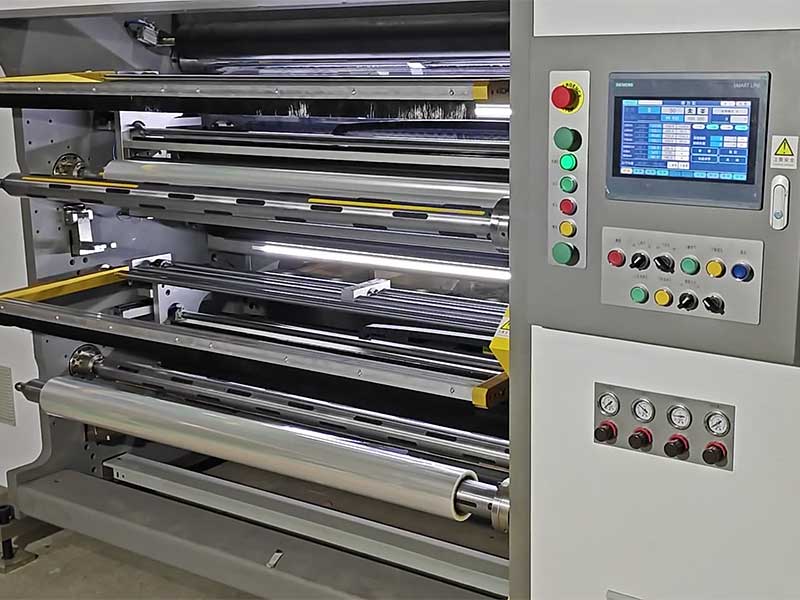
Third: Cut method—match your film rather than your budget
There is no absolute right or wrong in the slitting method, only whether it fits or not. The three mainstream solutions on the market each have clear applicable boundaries.
The circular blade has fast cutting speed and high efficiency, making it the mainstream choice for ordinary PET solar films and thinner architectural films, offering the best cost performance. However, when dealing with thick or hard films, round knives are prone to indentation. Flat blade slitting uses upper and lower die punching, resulting in smooth cuts without indentations, suitable for multilayer composite films, adhesive films, and PPF. The drawback is the slightly higher cost of cutting tools. Air knife slitting uses high-pressure airflow assistance, eliminating physical contact and preventing damage to the film surface, suitable for ultra-thin and easily stretchable film materials, but requires significantly higher equipment investment.
If you mainly make regular car films, the round-cut type is sufficient. Once PPF or magnetron sputtering films are involved, the situation changes: PPF is highly elastic and has an adhesive layer; circular blades are prone to rubber wire or stretching deformation when slicing, while flat or air blades are more stable; Magnetron sputtering films contain metal coatings, causing ordinary tools to wear out very quickly, and tool materials need to be upgraded to cemented carbide or diamond coatings.
Two items that are easily overlooked but affect daily use
It is recommended to choose a tool shaft dynamic balance grade of G2.5 or above, as vibration is minimal at high speeds and the cut is smooth. The winding method directly affects the unwinding experience when applying the film in stores: center roll is suitable for small, narrow-width automotive film, while surface roll is suitable for large, wide-width architectural film. Combined roll balancing both can prevent "telescope" rolls or loose cores.
Additionally, if narrow strip slitting is frequently required, such as automotive side window films, it is necessary to confirm whether the minimum slitting width of the equipment can be achieved at 10–20mm. Do not rely solely on the manufacturer's nominal values for precision parameters; on-site sample testing is the only reliable way to verify accuracy.
Ultimately, the core of purchasing a solar film slitting machine is not choosing the "best machine," but selecting the "machine that best matches the film on your hand." First, review the main film types processed by the company, common widths, and precision requirements, then take samples to test the machine and let the neatness of the cut and winding speak for themselves. A device with stable tension, sufficient precision, and a slitting method that aligns with the road can recoup the price difference within two to three years by reducing losses.
 English
 Deutsch
 Français
 Español
 Português
 日本語
 русский
 한국어
 عربي
 ภาษาไทย
 Tiếng Việt
 Italiano

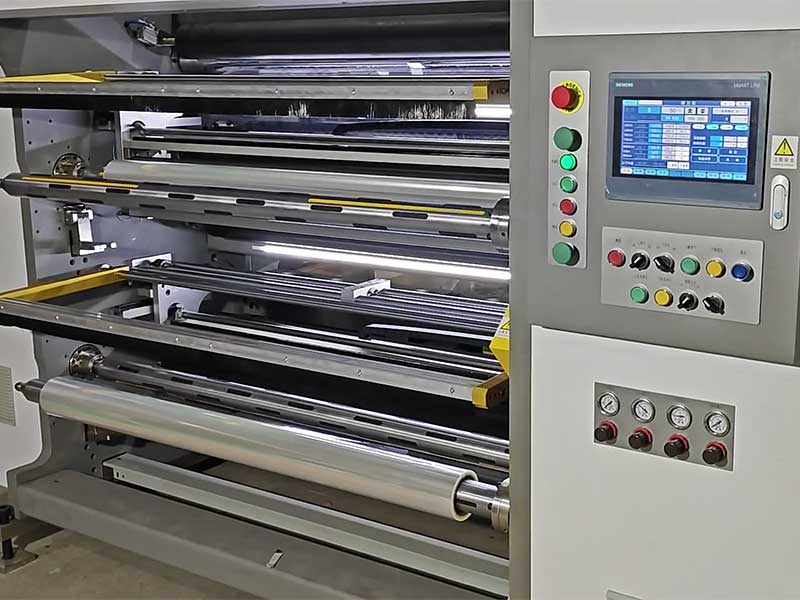
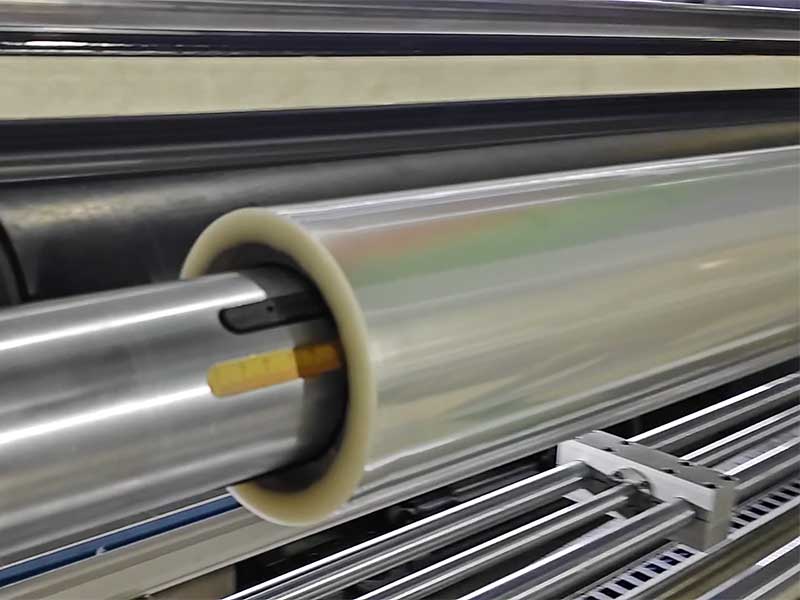
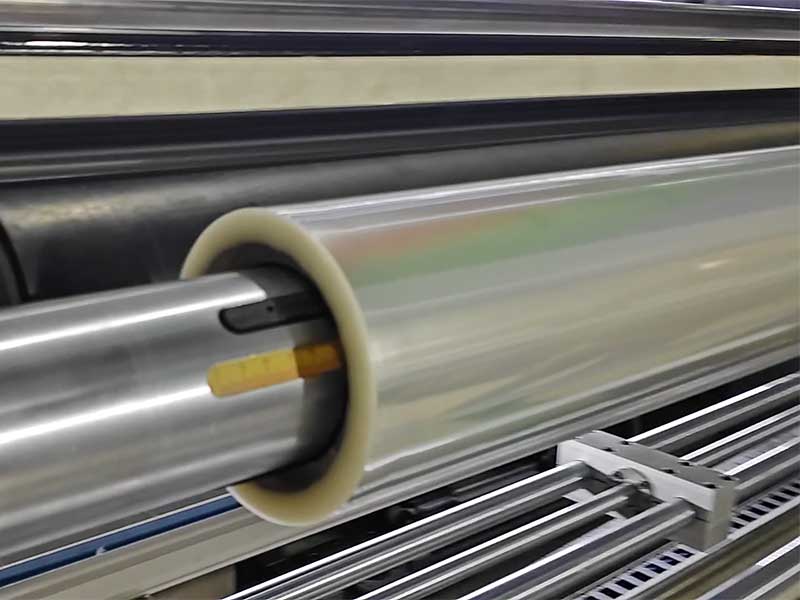 Solar Film Slitter