The root cause of burrs in automotive solar film slitting is often not a single step, but rather an imbalance among tool conditions, tension fluctuations, and equipment precision. The solar film structure is extremely thin and often contains multiple functional coatings; even micron-level vibrations or stretching during cutting can leave burrs or white edges on the edges. To cut a smooth, burr-free end face, it is necessary to inspect everything from insert selection, parameter matching, to mechanical stability layer by layer.
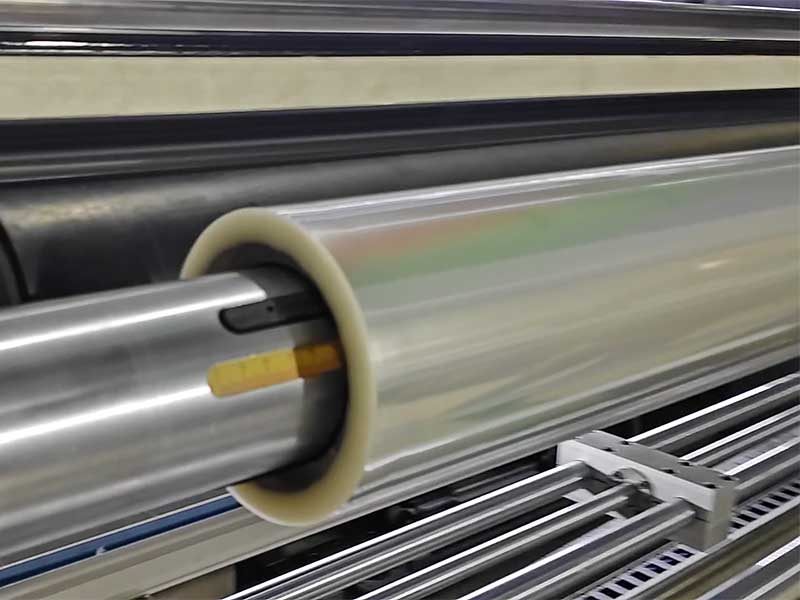
1. Blade: sharpness and compatibility are the bottom line
The most direct characteristic of burrs is the appearance of a tear surface at the cut rather than a smooth cut surface. This usually means the blade failed to "cut" the film cut material, but instead "pulled" it.
First, check whether the blade has been passivated or chipped. The ceramic particles or metal sputtering layer in the solar film wear the blade extremely quickly. Traditional steel knives tend to dull quickly at high speeds, and once the edge cannot be cleanly cut, burrs will appear on the edges. It is recommended to inspect the cutting edge after producing a certain number of meters; if chipping or wear exceeds the limit, replacement is required. For solar films with hard coatings, diamond-coated or ceramic blades have significantly better lifespan and cut quality than ordinary steel knives, maintaining a high level of smoothness at cutting edges.
The geometric accuracy of blade mounting is equally critical. The gap between the upper and lower circular knives must be precisely controlled; too much clearance can cause cutting failure and draw burrs, while too small can accelerate wear or even chipping. It is generally recommended to control the gap between about 5% and 10% of the film thickness, while ensuring moderate overlap between the upper and lower blades so that the shear force penetrates the film layer cleanly and efficiently. If the blade shaft bearing is loose, slight runouts during operation will directly reproduce the cut, forming periodic jagged burrs, which require timely tightening or replacement of the bearings.
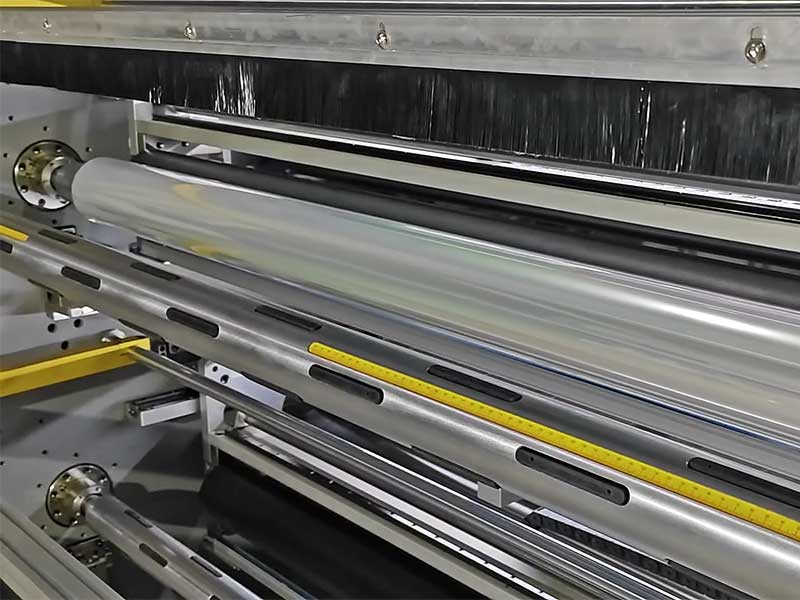
2. Tension and Speed: Keep the film surface "taut but not stretched" at the cutting point
During slitting, the solar film is dynamically moving. If the winding tension is too low, the film surface cannot be effectively tightened at the cutting edge, causing shaking or lateral offset, resulting in wavy or jagged edges. Conversely, excessive tension can cause the film to be overstretched, releasing stress after cutting and causing edge retraction, which also leads to unevenness.
For conventional thickness solar films, the winding tension can usually be adjusted in the range of 8N to 15N, while thicker explosion-proof films require appropriate adjustment. During adjustments, follow the principle of "small steps and quick running," adjusting by 5% to 10% each time, running at least 20 meters before observing changes in trimming. The tension at the unwinding end also needs to be stable. If the tension fluctuates too much, the film surface will already have internal stress of uneven tightness before entering the cutting zone, making it difficult for even the sharpest blade to cut straight lines.
Slitting speed and tension are linked parameters. At high speeds, thinner solar film tends to develop "drifting edges" at the cutting edge, with edges slightly fluttering like flags and burrs appearing. For conventional solar membranes, it is recommended to control the slitting speed between 80 and 120 meters per minute. If burrs appear, reduce the speed by about 30% for trial cutting. While reducing speed, tension must be adjusted proportionally; otherwise, the speed change itself will disrupt the original balance.
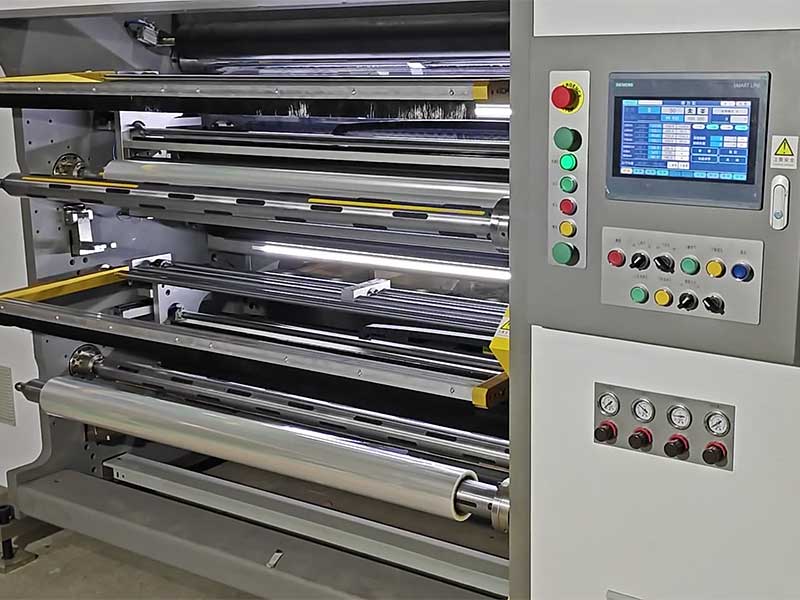
3. Overlooked details: vibration, static electricity, and debris
Even if the blade is sharp and the tension is stable, even minor vibrations from the equipment itself can still ruin the quality of the cut. At high speeds, the radial runout of the tool shaft is amplified into wavy burrs at the cut edge. The high-rigidity tool shaft design and micron-level clearance adjustment mechanism fundamentally suppress the "yield of the knife" phenomenon, allowing the bite between upper and lower blades to be precise down to the micron level, ensuring vertical incisions without white edges.
If the fine particles and debris from the cut are rewound into the film roll or adhere to the cutting edge, secondary pressure damage and scratches can occur, which visually appear as edge defects. Equipping static elimination devices and cleaning curtains near the cutting point to promptly blow away debris is an effective auxiliary means to keep the cut clean and clean. Additionally, adhesive stains or dust on the roller surface can cause the film surface to shift slightly during movement, so the cutting line naturally cannot remain straight. Regular cleaning of the roller is not an optional routine.
4. Recommended Inspection Order
When encountering burr issues, it is not recommended to replace the blade immediately after the first move. The proper inspection sequence is: first confirm whether the winding and unwinding tensions are within a reasonable range and stable, then check whether the slitting speed matches the current film thickness. If these two parameter adjustments fail, stop the machine and use a magnifying glass to observe the blade edge condition, and finally check the parallelism between the blade shaft bearing and the guide roller. Most burr issues can be significantly improved during the tension-speed matching adjustment stage, and only when the cut shows local tears or white edges does it point to the blade itself.
Solar film slitting is essentially an extreme demand for stability: the knife must be sharp, the membrane stable, and the mechanism firm. Each of the three fulfills its own role, leaving no place for the hairy edge to find a place to stand. Each time the film roll specification is changed, a short trial cut is made to record the verified tension and speed, forming a process card, which can be directly called next time, which is far more efficient than remediating after the fact.
 English
 Deutsch
 Français
 Español
 Português
 日本語
 русский
 한국어
 عربي
 ภาษาไทย
 Tiếng Việt
 Italiano

 Barcode Ribbon Slitting Machine
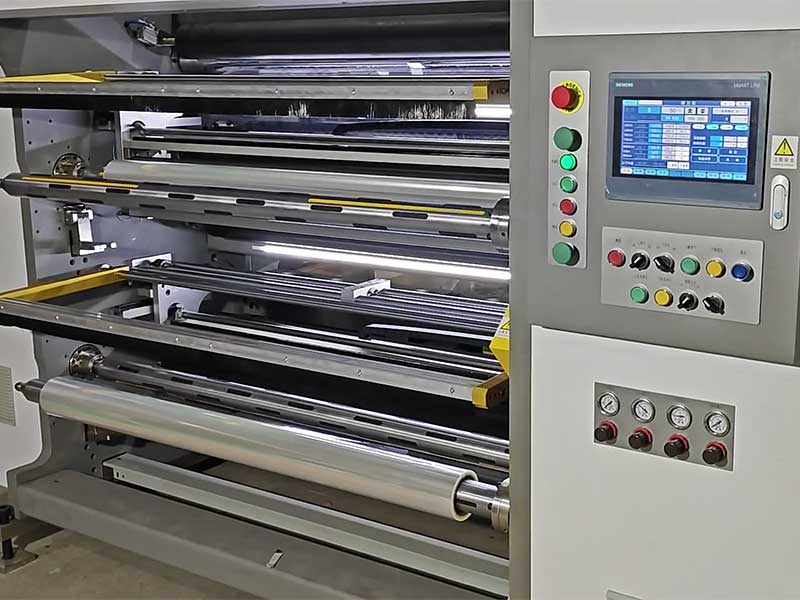
 Solar Film Slitter
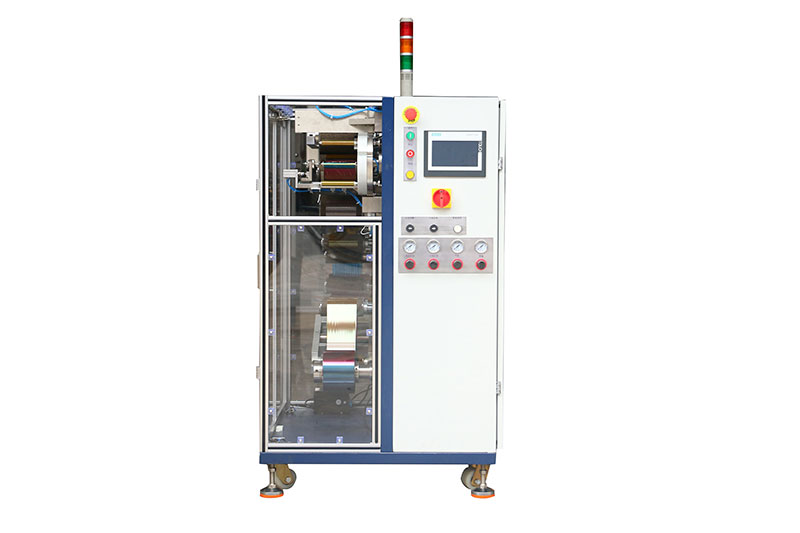 Card Print Ribbon Rewinder
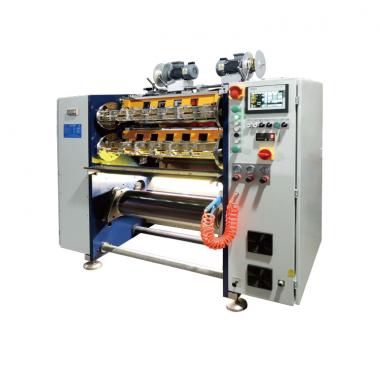 Card Print Ribbon Slitter
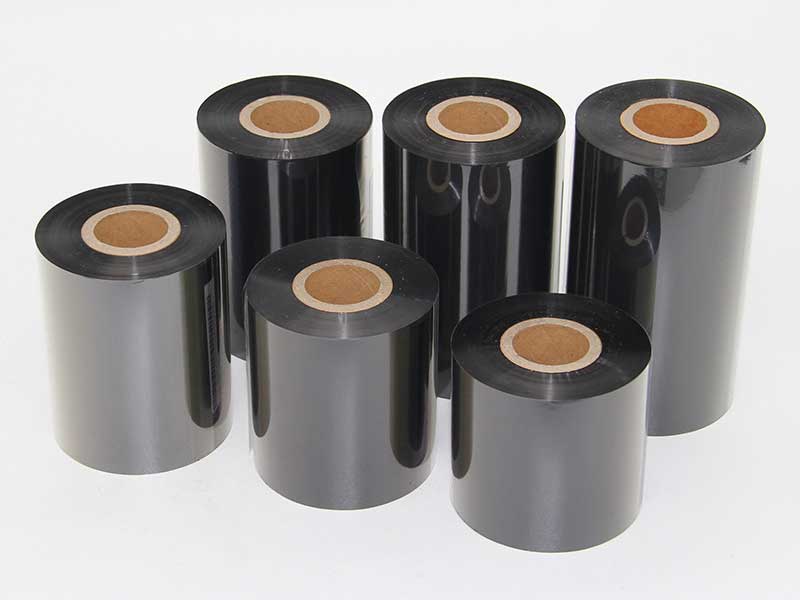 Carbon Ribbon Slitting Machine
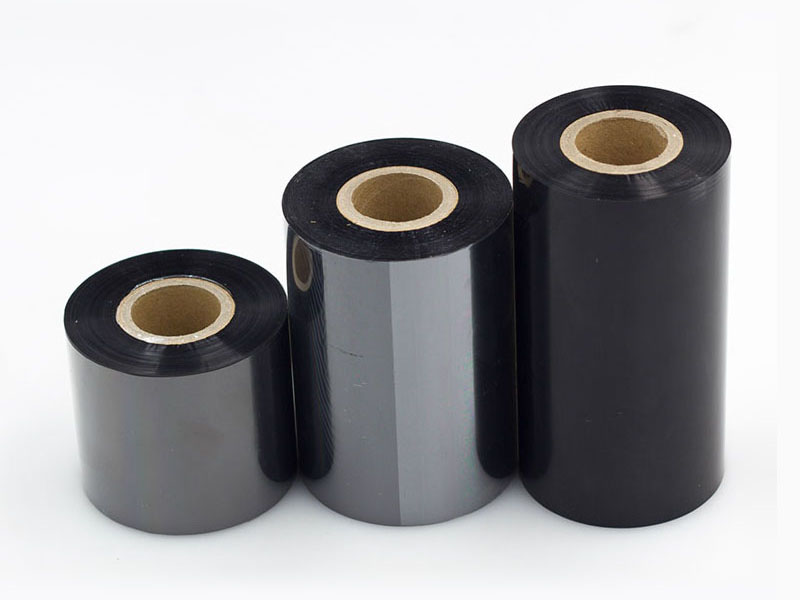 Printer Ribbon Slitting Machine