The biggest risk when purchasing a ribbon slitting machine is not "whether the equipment can rotate," but "whether the separated ribbon can be used after rotation." Many companies only discover uneven end faces, excessive burrs, and unstable tension only after equipment arrives and starts production. Further friction with suppliers at this point not only puts them passive, but also causes losses from production stoppages.
A set of enforceable acceptance standards aims to clearly quantify the boundary between "usable" and "unusable" before shipment or production. Below, we summarize the key acceptance indicators for ribbon slitting machines from four dimensions: static precision, dynamic performance, finished product quality, and continuous operation.
1. Why is factory inspection important?
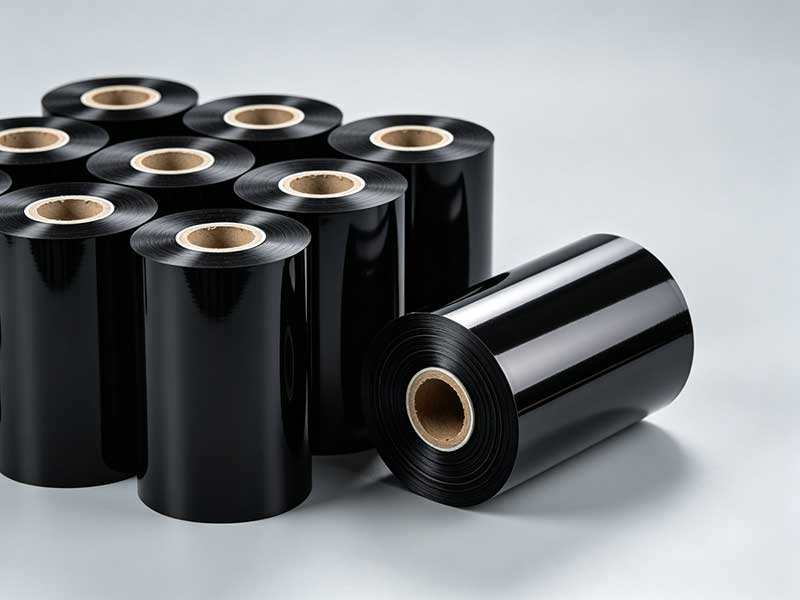
Ribbon slitting is the final critical step in the production of thermal transfer ribbons. The quality of the slitting directly affects the smoothness of the finished ribbon in the printer, whether the edges will damage the print head, and the consistency of print quality. Excessive width tolerances, excessive serpentine deviation on end faces, and edge burrs can all be exposed during use by downstream customers.
Therefore, the core logic of acceptance is: do not conduct tests in your own workshop that should be completed in the supplier's workshop. Carrying your own master roll and completing key indicator measurements before leaving the factory is the lowest-cost risk control method.
2. Static geometric accuracy: basic term
The physical accuracy when the equipment is not powered on determines the "upper limit" of slitting accuracy. If the frame is uneven or the guide rollers are not parallel, no matter how good the dynamic control is, it is difficult to make up for it.
The frame levelness should be controlled at ≤0.1mm/m. This is the foundation to ensure no distortion of the machine body and also affects the uniformity of force on each guide roller.
The parallelism between the guide roller and the spindle is a key indicator, and the error must be controlled within ±0.05mm. The misalignment of the guide rollers is the physical root cause of ribbon deviation; the correction system can only correct the "deviation," not eliminate the "root cause."
The contact accuracy of the tool holder also needs to be checked. The meshing amount of the upper and lower blades should be uniform, with no changes in gaps, and the cut should be free of burrs. For circular blade slitting, the blade overlap is usually set at 10%~20% of the ribbon thickness; For flat blade slitting, the gap must be precisely set according to the material thickness.
3. Dynamic Slitting Accuracy: Core Performance
This is the most critical step in acceptance, directly determining whether the finished product can be used for high-end barcode printing.
Slitting width tolerance is the primary indicator. The industry high-precision standard is ±0.1mm. For example, for a ribbon slitted 110mm wide, the measured measurement should be between 109.9mm and 110.1mm. For ordinary commercial grades, the limit can be relaxed to ±0.3~0.5mm, but if the target customers are involved in precision electronic labels, pharmaceutical traceability, or similar fields, ±0.1mm is the bottom line.
Serpentine deviation (end-face off-layer) reflects winding uniformity. The offset at any point on the finished roll end face should be controlled within ±0.5mm. Excessive deviation usually indicates defects in the tension control or correction system.
Edge quality requires physical observation. The slitting edges must not have burrs, white edges (coating peeling), or carbon powder contamination. During acceptance, you can observe with a 10x magnifying glass or directly test the print quality with a black card. Ribbon with excessive burrs can scratch the print head during printing, causing losses far exceeding the ribbon's intrinsic value.
4. Tension Control System: The "Heart" of the Equipment
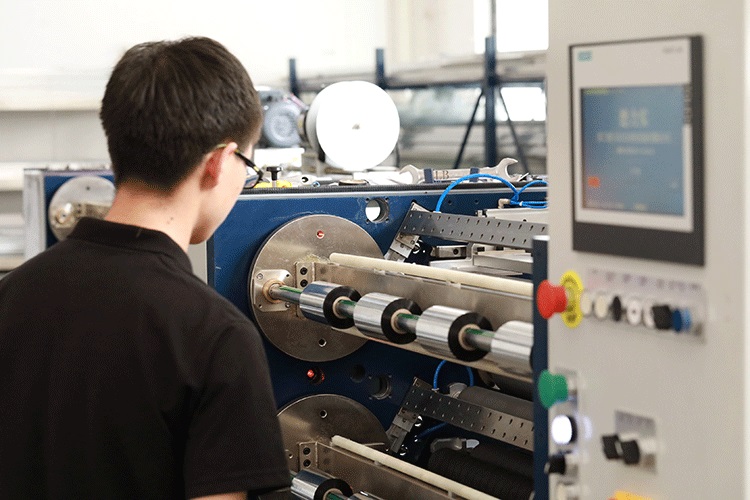
The ribbon substrate is PET film with a thickness of only 4.5~20μm, which is extremely sensitive to tension. Excessive tension fluctuations can cause inconsistent tightness in the roll at best, or stretch, deformation, and powder shedding in severe cases.
The range of tension fluctuations is a core indicator for quantitative acceptance. During acceleration and deceleration, fluctuations between the set tension value and the actual value should be controlled within ±1.5%~±2%. This requires the equipment to have a fully automatic closed-loop tension control system, rather than simple open-loop or semi-closed-loop control.
The taper control function needs to be verified. The tapering taper causes the finished roll to soften from hard to outer diameter, preventing the inner ribbon from being squeezed or the outer ring collapsing. During acceptance, observe whether the hardness gradient of the finished roll is reasonable.
Emergency stop response is equally critical. When making a sudden stop at high speed, the ribbon should not become loose or break. High-quality equipment should be able to brake instantly and synchronously, keeping the diaphragm taut rather than stretching.
5. Correction and Winding System
The correction response speed should be ≤ 0.3s. If the ribbon is manually toggled to deviate from its track, the correction sensor should respond quickly and pull the ribbon back. Correction accuracy is usually controlled at ±1mm.
The straightness of winding is directly related to correction and tension. When the end-face deviation exceeds ±1mm, the ribbon is prone to misalignment or tape during subsequent unwinding printing.
6. Continuous Operation Testing: Reliability Verification
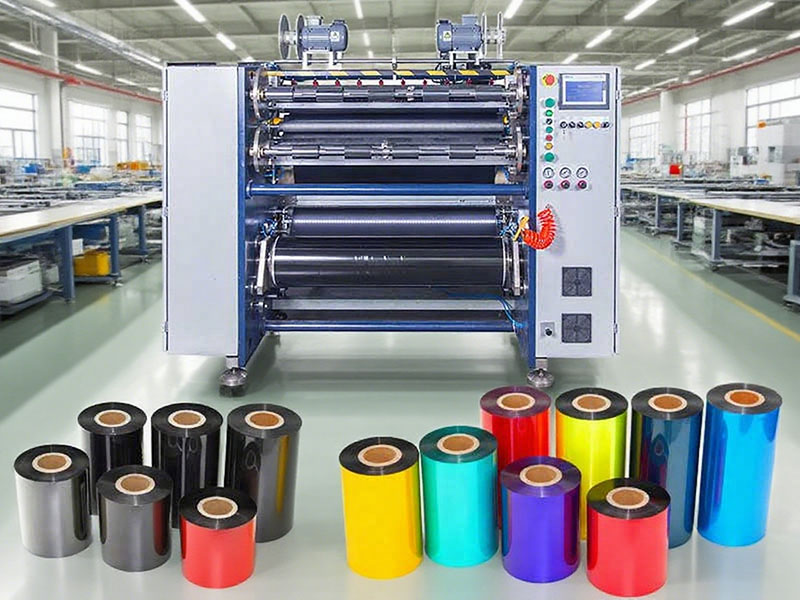
A single successful trial cut does not guarantee equipment reliability. Continuous running tests are a "endurance race" to verify stability.
It is recommended to perform continuous load operation for 8 to 24 hours to simulate actual production rhythms. Criteria include: no non-planned downtime during the period (such as equipment crashes, overload alarms, etc.); Spindle bearing and motor temperature rise must not exceed ambient temperature of +15°C; Operating noise ≤75dB(A), with no irregular noises.
7. Preparations before acceptance
The effectiveness of acceptance largely depends on how well prepared the work is. Carrying your own master roll is an iron rule—no less than 2000 meters of representative materials. The parameters demonstrated by suppliers using "ideal materials" may not hold true for your actual materials.
Checking the configuration list is equally important. Confirm against the contract whether the brands of the servo motor, bearings, blades, and control system are consistent. The brand differences of core components manifest significantly over long-term operation in terms of accuracy retention and failure rates.
Environmental conditions should simulate the actual workshop as much as possible, with a temperature of 20±5°C and humidity of 40%~60% to minimize interference from environmental factors on test results.
Conclusion
The acceptance criteria for ribbon slitting machines can be summed up in a simple principle: use your own materials and cut into finished products in the supplier's workshop that you can accept. The ±0.1mm on the parameter table and the measured ±0.1mm are two different things; the latter counts. Only by implementing these indicators one by one can equipment be avoided from "operating with defects" and reduce passivity in subsequent production.
 English
 Deutsch
 Français
 Español
 Português
 日本語
日本語 русский
 한국어
한국어 عربي
عربي ภาษาไทย
 Tiếng Việt
 Italiano

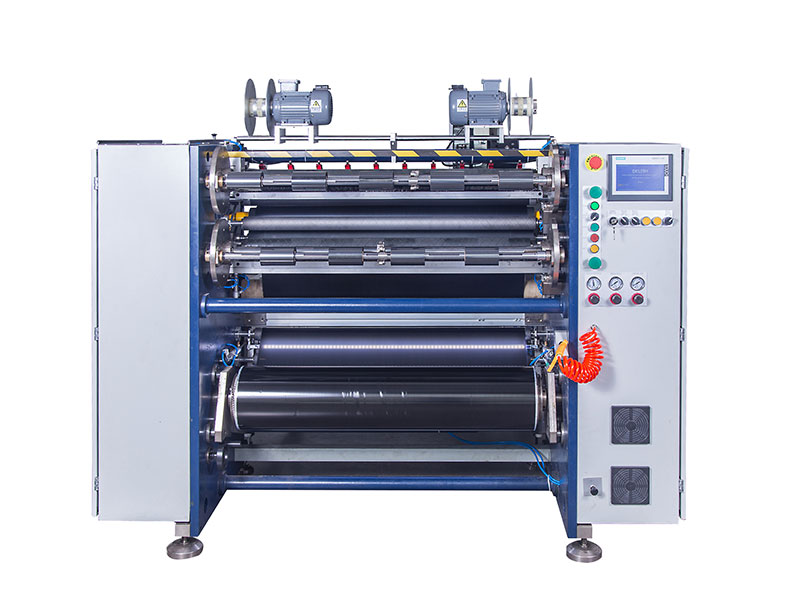
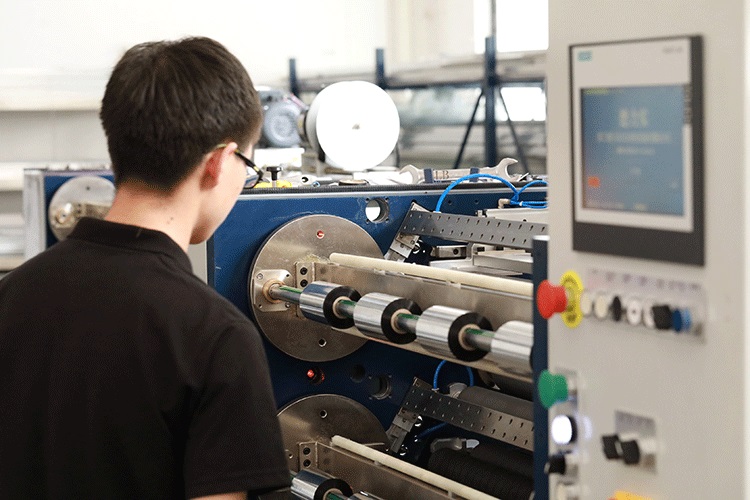
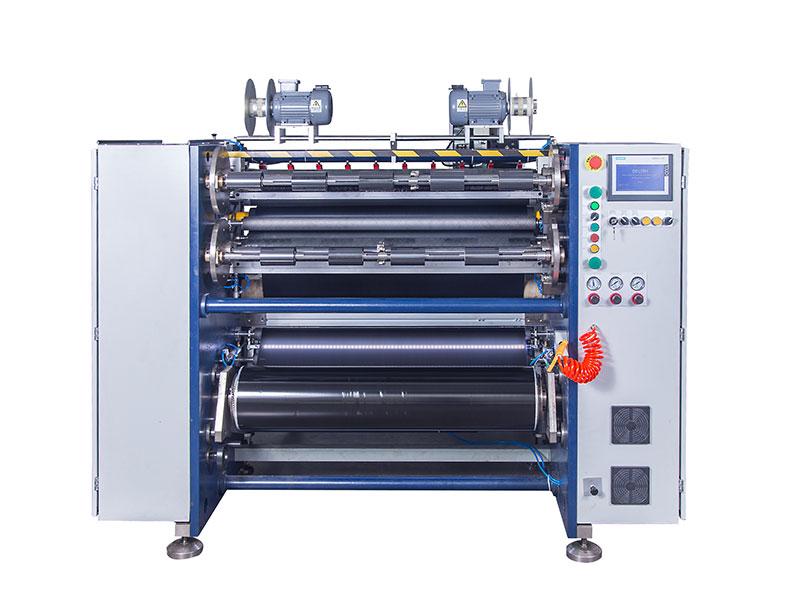 Ribbon Slitting Machine
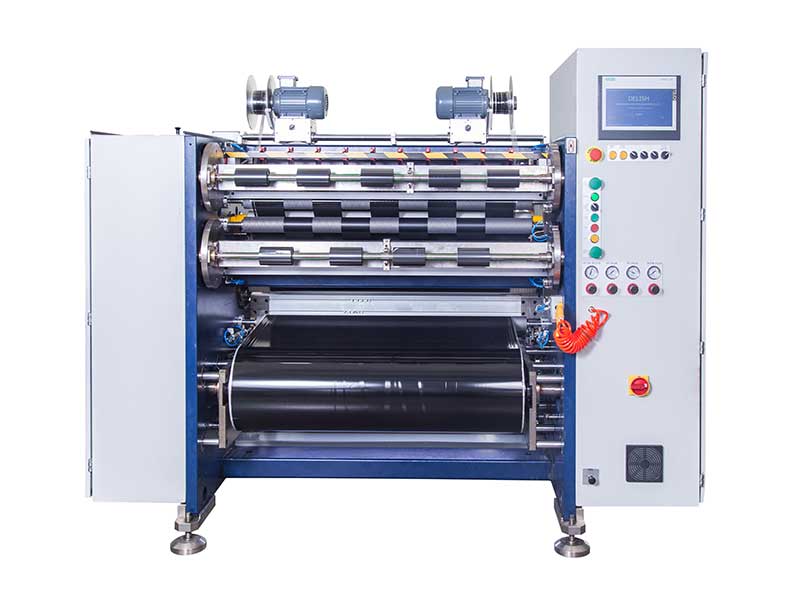 Barcode Ribbon Slitting Machine
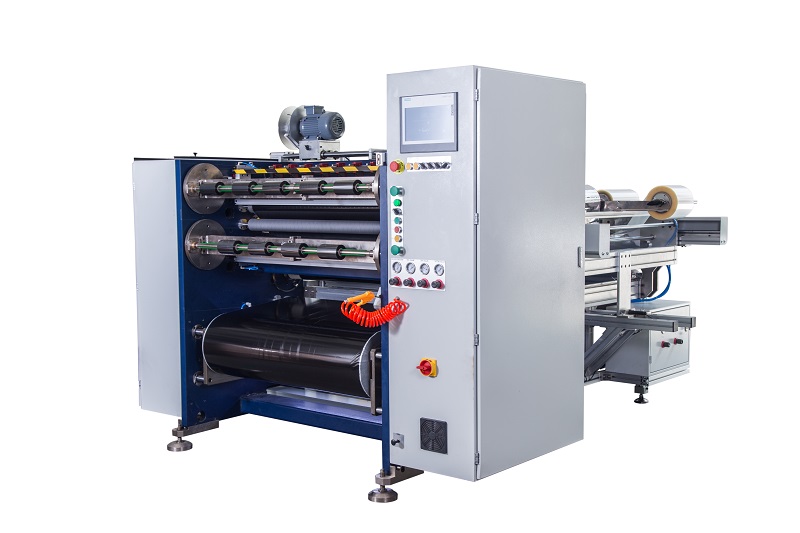 Semi Automatic Thermal Transfer Ribbon Slitter RSDS5 PLUS
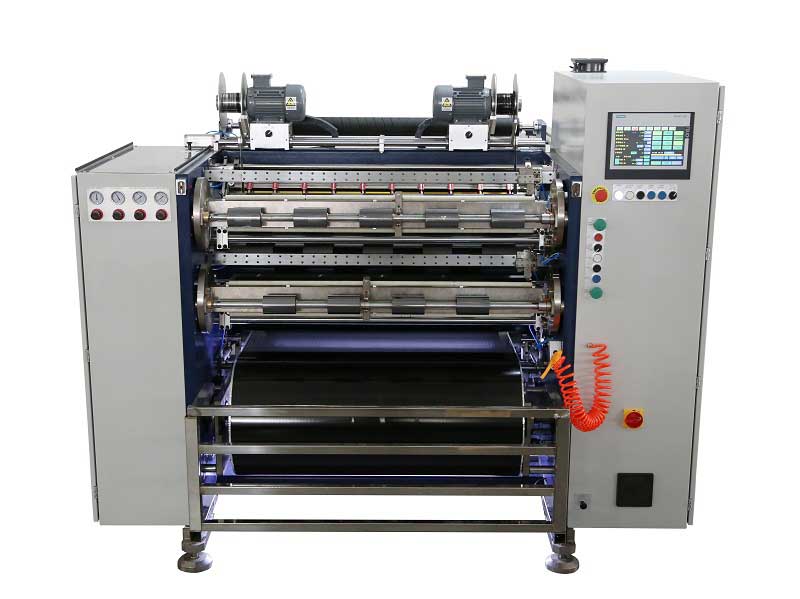 Automatic Thermal Transfer Ribbon Slitter RSDS8 H PLUS
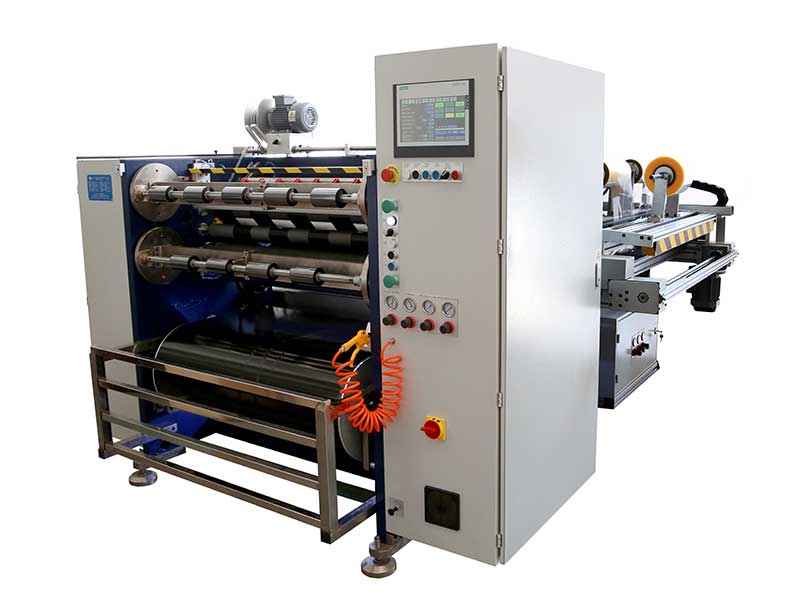 Automatic Thermal Transfer Ribbon Slitter RSDS6 PLUS
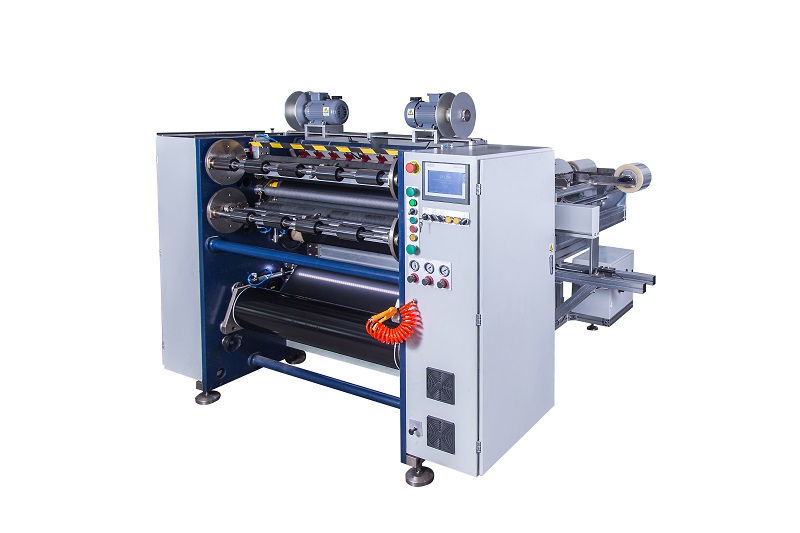 Semi Automatic Thermal Transfer Ribbon Slitter RSDS1 PLUS
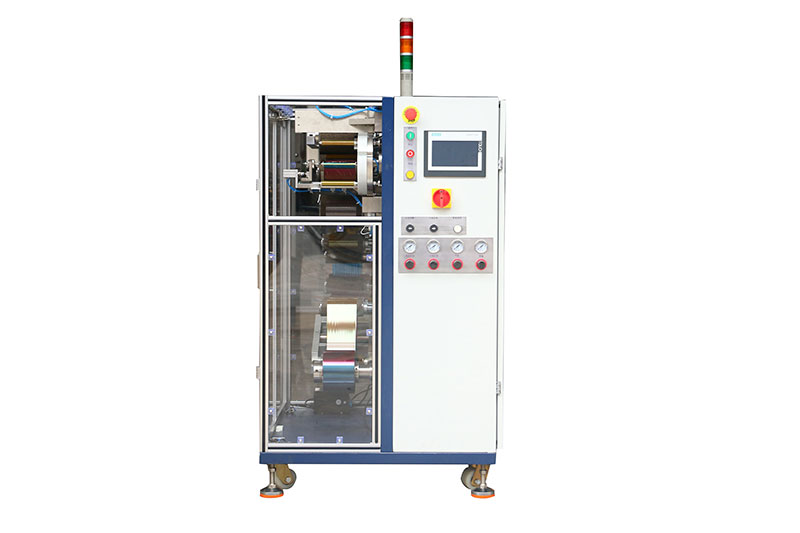 Card Print Ribbon Rewinder
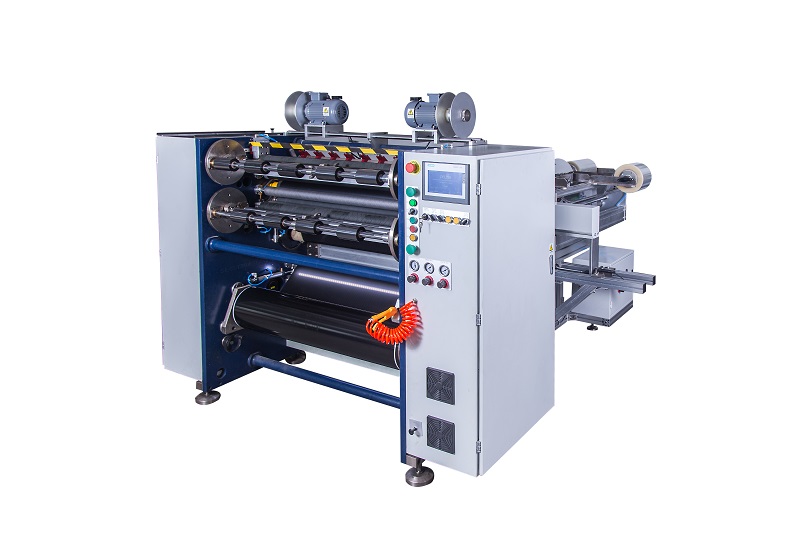 Semi Automatic Thermal Transfer Ribbon Slitter RSDS2 PLUS