When deciding to customize a ribbon slitting rewinder, the most common mistake buyers make is misinterpreting customization as "changing the width" or "changing the reel." When equipment arrived, it was discovered that when cutting narrow strips, the end face looked like bellheads; when cutting resin bases, the edges were full of burrs; each specification change required two hours of shutdown adjustments—tracing back to the same root cause: vague requirements, suppliers could only guess, and the guessed solutions were likely to leave regrets at some stage.
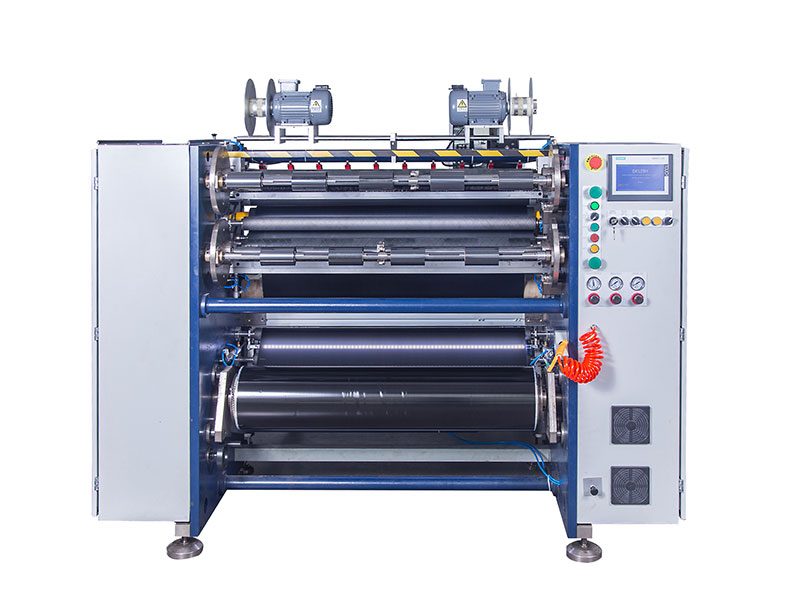
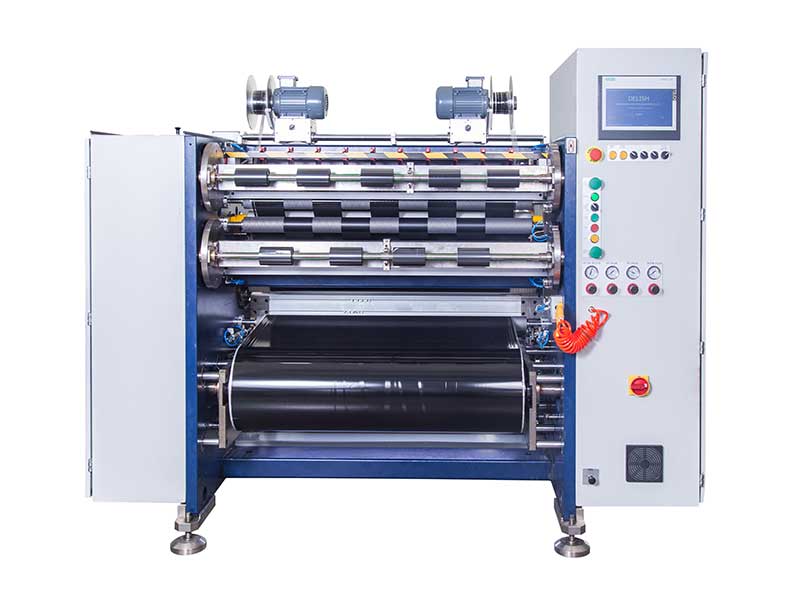
Customizing ribbon slitting and rewinding machines is essentially a precise alignment of material properties, tension logic, and order structure. Below, we outline the key things you must consider before customization from four key dimensions.
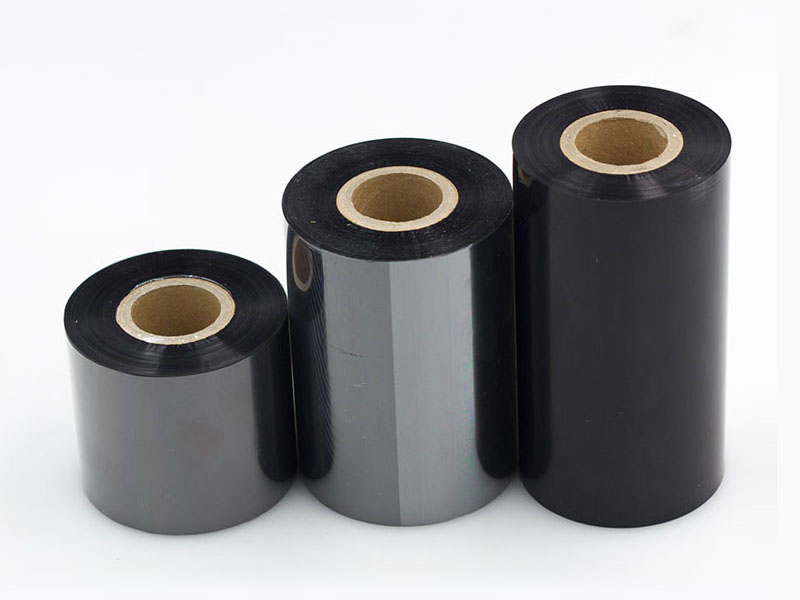
1. First, get a clear picture of your product lineup, rather than just saying "all widths are needed"
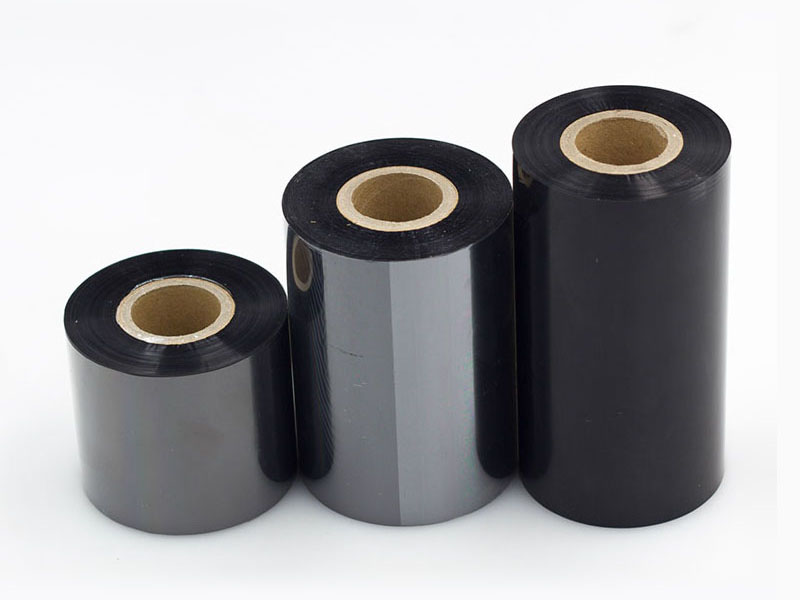
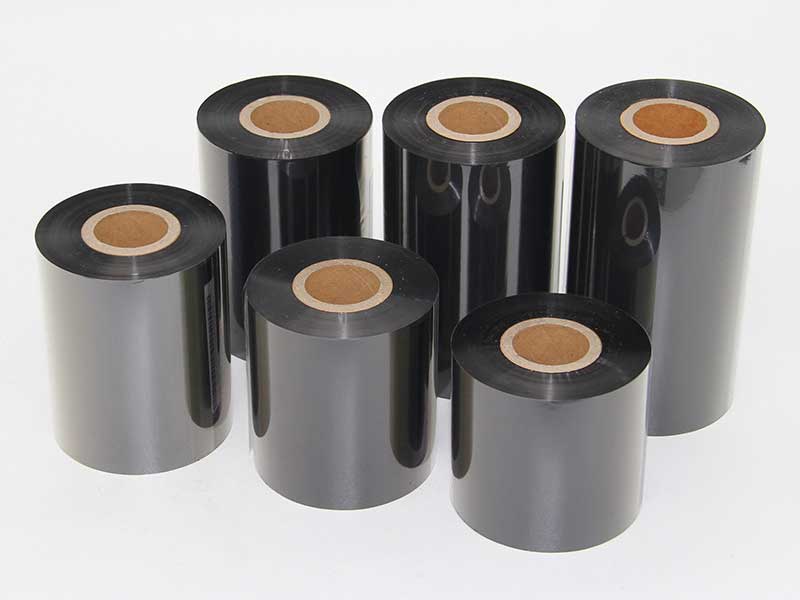
The first question suppliers often ask is, "What type of ribbon do you mainly cut?" This is not just small talk. The cutting logic of wax-based, mixed, and resin-based materials is completely different: the wax-based coating is relatively soft, so the coating must be avoided during slitting; Resin-based coatings are hard and brittle, and the requirements for blade sharpness and heat control have sharply increased. In practice, the slitting speed is usually 20% to 30% lower than that of wax-based coatings. If your product lineup covers electronic label narrow strips of just a few millimeters to logistics widths of hundreds of millimeters, custom solutions must allow sufficient adjustment margin in tool systems and tension control, rather than using a fixed configuration to cover all specifications.
A more practical approach is to produce a list of commonly used specifications: make the narrowest as narrow as possible, make the widest possible width, the maximum width, inner diameter, and outer diameter of the main roll, and what is the main material. Only by handing this list to suppliers can they determine what kind of unwinding structure and reel arrangement are needed, rather than relying on a "I want everything" to design out of thin air.
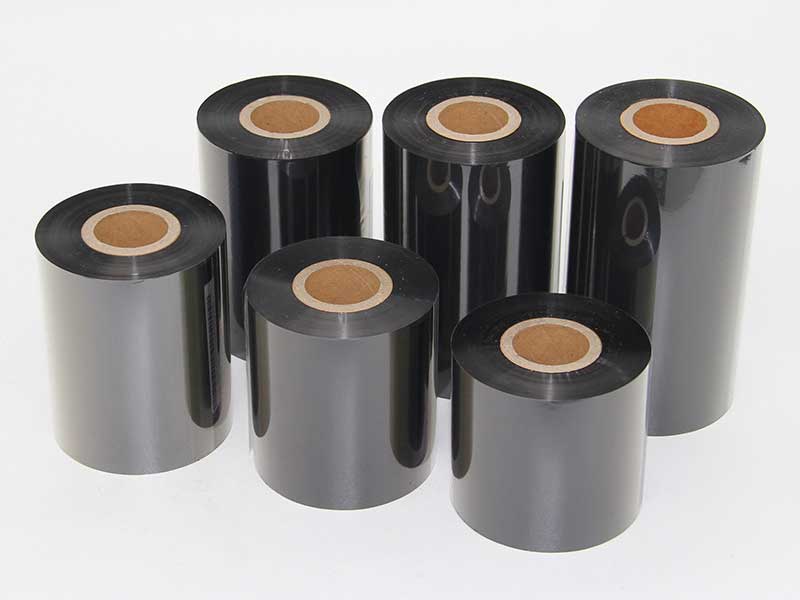
2. Accuracy: Use consequences to reverse the workaround, rather than just throwing out a tolerance number
Almost every supplier emphasizes "high precision," but precision comes at a cost. Ordinary grade equipment has an error of about ±0.5 millimeters, while precision grade can achieve ±0.1 millimeters or even tighter. The question is whether the extra costs match your real needs.
A more effective way to communicate is to reverse the consequences: if the slitting width deviates by 0.1 millimeter, what happens downstream? For ordinary logistics labels, slight edge misalignments may barely work; When making high-resolution barcodes or precision electronic tags, edge burrs can directly cause tape offset, white printing lines, or even wear down the print head. Telling suppliers about the end-to-end printing scenario is more meaningful than throwing out an isolated tolerance number. At the same time, the only way to verify the accuracy promise is trial cutting—using your own main roll, cutting to the narrowest and widest specifications, measuring with a caliper, rather than looking at the theoretical values on the parameter table.
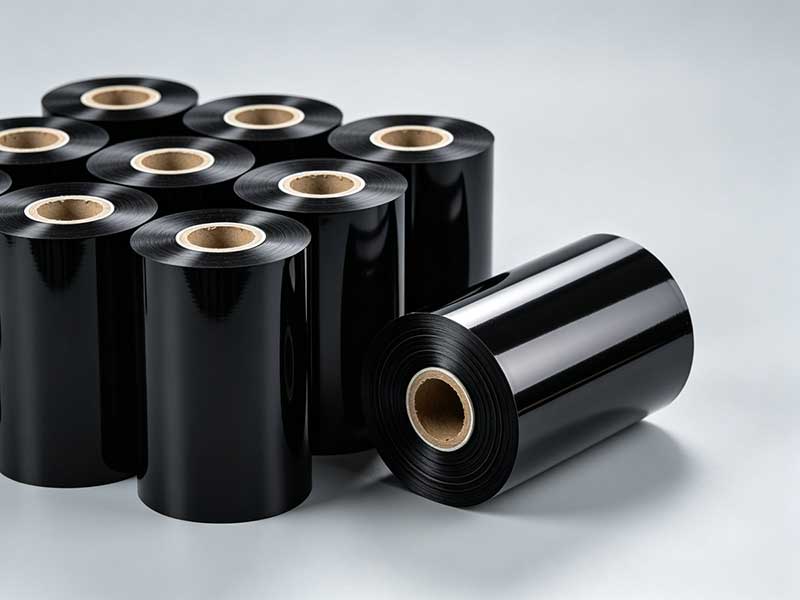
3. Tension control is the core battleground for customization needs, and the choice of reel is equally crucial
The ribbon substrate is PET film only a few microns thick, which is much more sensitive to tension than ordinary paper or film. Excessive tension causes the base film to stretch and deform, causing microcracks in the ink layer and increasing powder shedding during printing; If the tension is too low, the winding is loose, the end face is crooked, and printing on the machine inevitably causes jams. Tension control affects the flatness of the winding for more than half, which cannot be summed up by the phrase "tension must be stable."
Specific parameters to align with the supplier during customization include: the minimum ribbon thickness in microns, the minimum roll diameter after slitting, and whether the rewinding reels are single-axis or multi-axis synchronized. For slitting ultra-narrow ribbons, tension control must be precise to the 0.1 Newton level, and subtle differences between axes during simultaneous winding of multiple rolls must be addressed. The types of winding shafts should also not be ambiguous: ordinary gas expansion shafts can cause differences in roll diameters when multiple rolls are wound simultaneously, causing tension that cannot be adjusted independently, resulting in internal looseness and outer tightness, or "vegetable core" issues; The pneumatic slip shaft allows each winding unit to independently control torque and adjust in real time according to changes in coil diameter, making it an essential option for producing multi-specification, high-quality ribbons.

4. Speed matches order structure, with model change efficiency more valuable than peak speed
The nominal top speed is the most tempting number on the spec list, but it is often not the factor that determines actual output. In small-batch, multi-variety production models, order change efficiency is far more important than extreme speed—frequent downtime and tool adjustments consume all the benefits of "high speed." Only large-scale, small-spec continuous production is worth paying for high-speed performance exceeding three million per minute.
Another easily overlooked constraint comes from the material itself: resin-based ribbons have harder coatings, so the actual slitting speed is usually 20% to 30% lower than that of wax-based ribbons. A device rated at 4 million per minute, if your main product is resin-based, may have actual usable speeds between 280 and 320. When requesting speed, include the main ribbon type so suppliers can provide meaningful recommendations. If order fragmentation is obvious, attention should also be paid to changeover capability: servo-driven independent tool turrets combined with formula management systems can reduce traditional tool setting time from tens of minutes to just a few minutes or even less, which is much more practical for multi-specification switching scenarios than the extra peak speed.
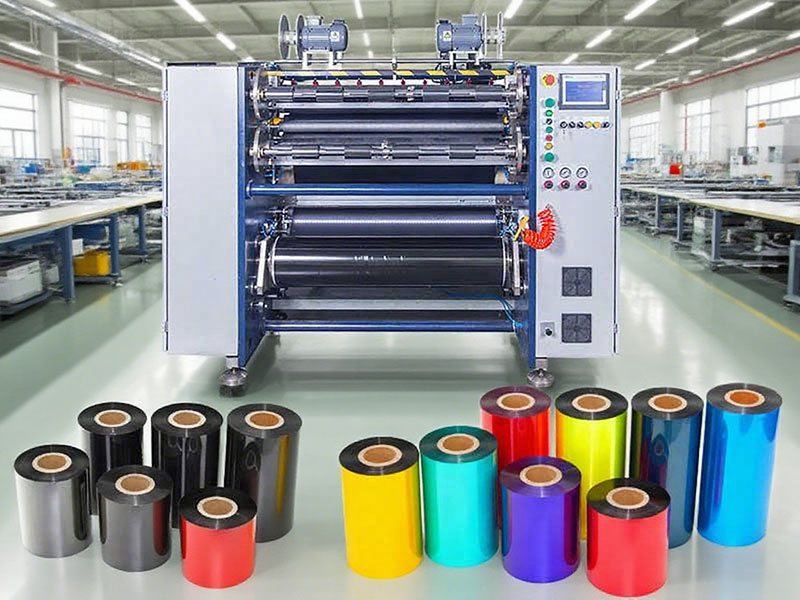
The last line of defense: trial cutting and after-sales commitments
No matter how detailed the customized plan is, it ultimately comes down to physical verification. Require the supplier to use your master coil to test cut the narrowest specification and observe the edges for burrs or stretch marks; Trial cut to the widest specification, checking whether the winding end face is neat and free of wrinkles. At the same time, confirm the brand and warranty coverage of core components, as well as whether the supplier provides installation, commissioning, and operational training. The value of a custom device is not in how beautiful the parameters are on delivery, but in the fact that after three years, when cut to the narrowest specification, the end face remains flat and the tension remains stable.
Ultimately, the customization of ribbon slitting rewinders tests the buyer's deep understanding of their own products. Only by clearly explaining the four aspects—material, specifications, precision, and order structure—can suppliers have a chance to deliver a device that is "easy to use," not just a machine with "attractive specs."
 English
 Deutsch
 Français
 Español
 Português
 日本語
 русский
 한국어
 عربي
 ภาษาไทย
 Tiếng Việt
 Italiano


 Ribbon Slitting Machine
 Barcode Ribbon Slitting Machine
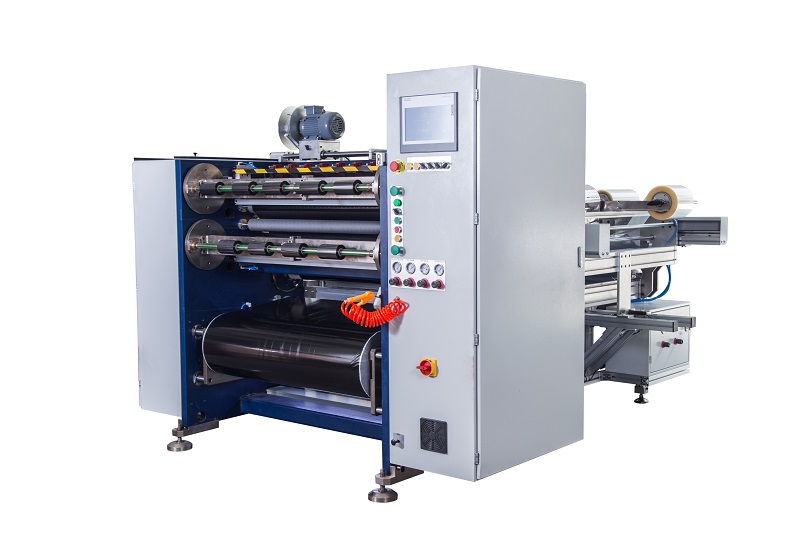 Semi Automatic Thermal Transfer Ribbon Slitter RSDS5 PLUS
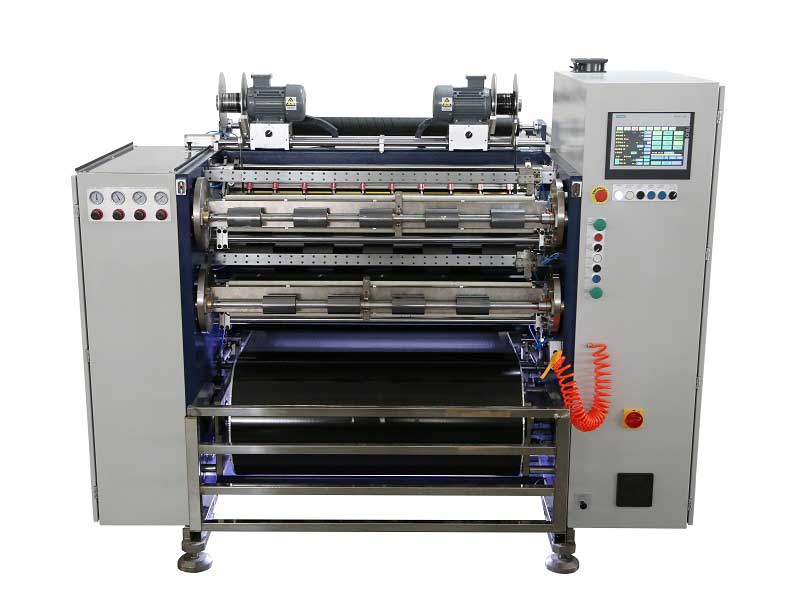 Automatic Thermal Transfer Ribbon Slitter RSDS8 H PLUS
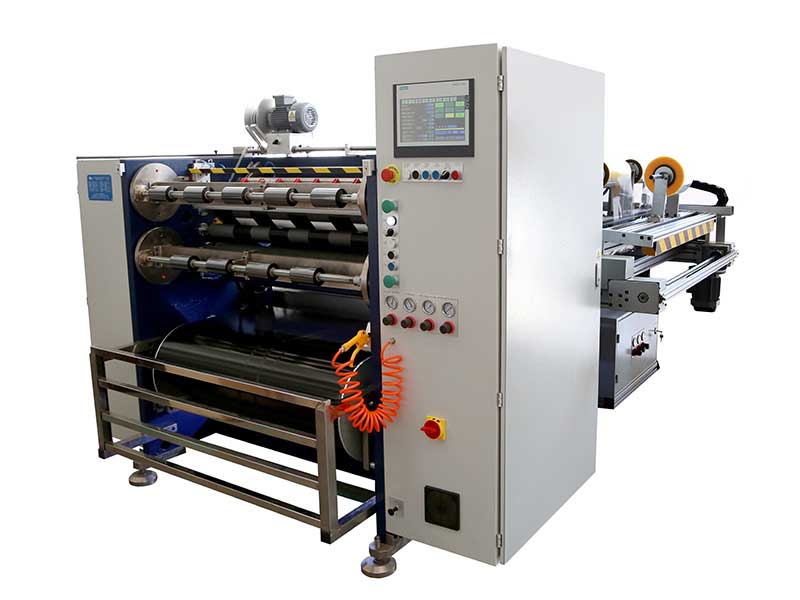 Automatic Thermal Transfer Ribbon Slitter RSDS6 PLUS
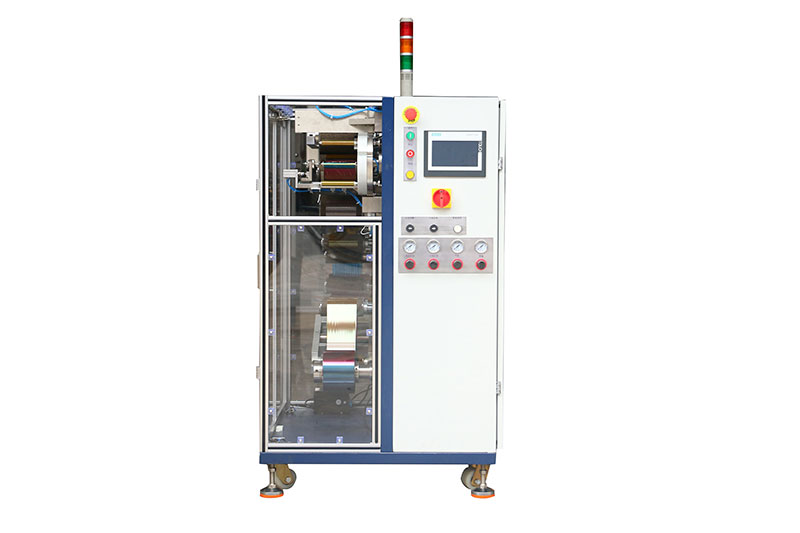 Card Print Ribbon Rewinder
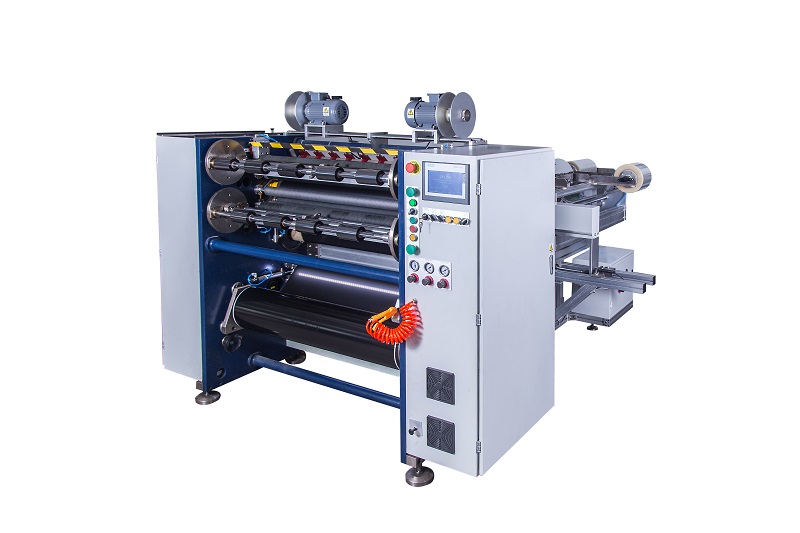 Semi Automatic Thermal Transfer Ribbon Slitter RSDS1 PLUS
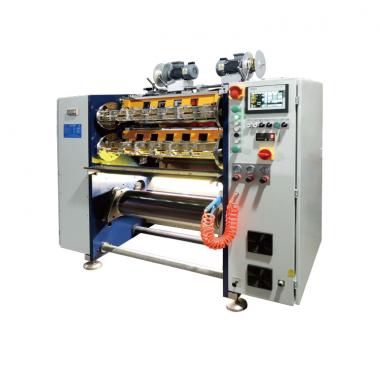 Card Print Ribbon Slitter