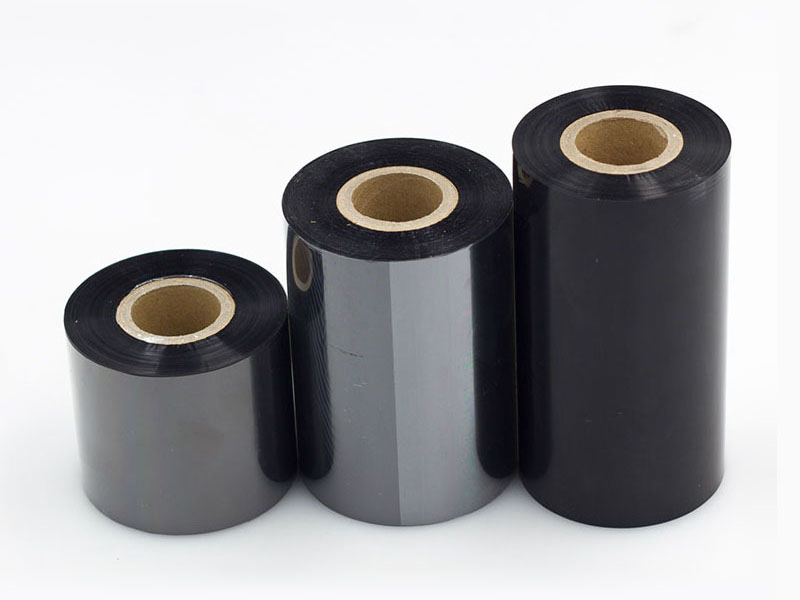
In the fast-paced world of thermal transfer printing, the quality of your output depends heavily on the quality of your inputs. For businesses utilizing Thermal Transfer Overprinting (TTO) technology—common in food packaging, pharmaceutical labeling, and logistics—the ability to convert master rolls into specific, usable sizes is essential. This is where the TTO ribbon slitting machine comes into play.
Choosing the right slitting machine is not just about cutting material; it is about ensuring precision, reducing waste, and maintaining the integrity of sensitive thermal inks. Whether you are upgrading your production line or entering the converting business, here are the critical features you need to evaluate.
1. Precision Tension Control System
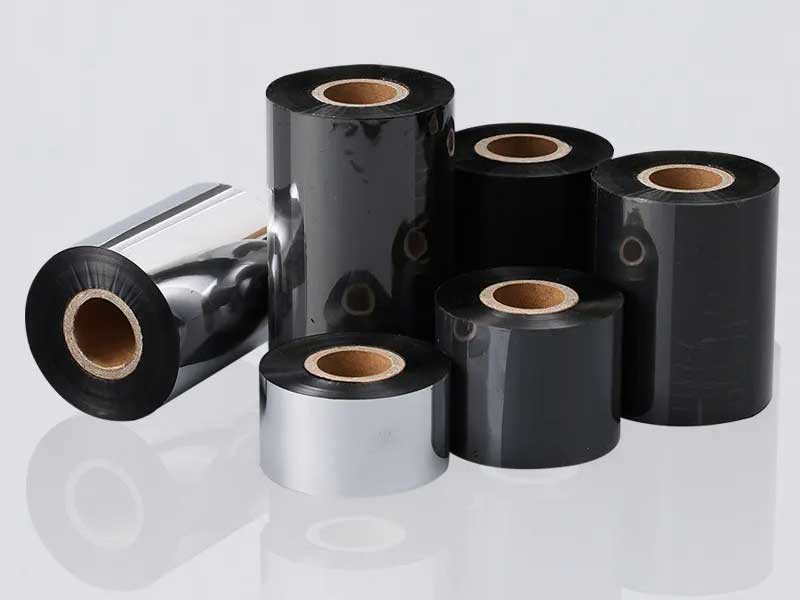
The most critical feature of any slitting machine, particularly for thin films like TTO ribbons, is the tension control system. TTO ribbons typically use PET film ranging from 4.5 to 10 microns, which is extremely sensitive to mechanical stress .
If the tension is too high, the film can stretch, damaging the ink layer and leading to print head contamination or ribbon breakage. Conversely, if the tension is too low, the finished rolls will be loose and wrinkled, causing white lines or indentations during printing .
What to look for:
• Closed-Loop Servo Control: Modern machines utilize servo motors combined with taper tension control. This technology ensures that tension decreases dynamically as the roll diameter increases, maintaining consistent tightness from the core to the outer layer .
• Independent Control: The machine should allow for independent adjustment of unwind and rewind tension to accommodate different material thicknesses and widths.
2. Cutting Method and Blade Quality
The slitting method determines the cleanliness of the cut and the amount of dust generated—a crucial factor since dust can contaminate the thermal ink and damage print heads.
Key cutting mechanisms include:
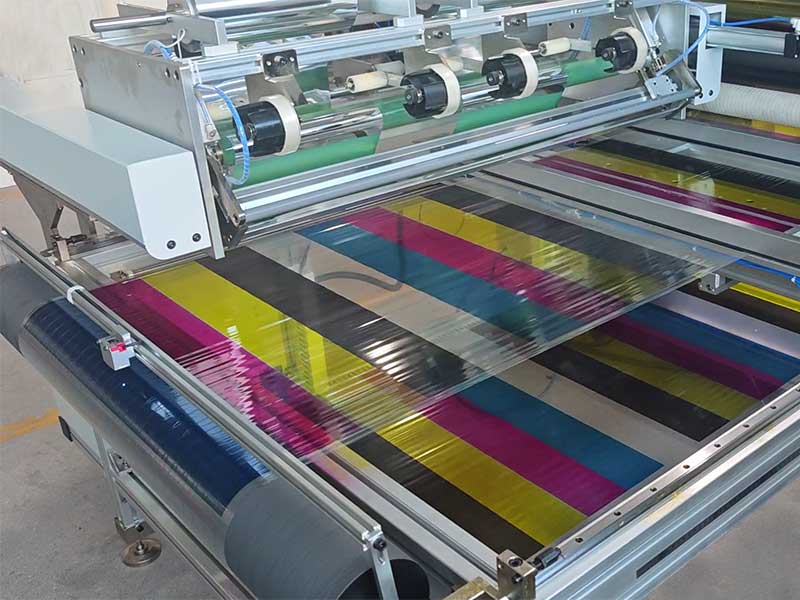
• Knife Suspension (Razor Slitting): This is the standard for film materials. The blade does not contact a bottom roller but cuts through the suspended ribbon. This method is ideal for TTO ribbons as it minimizes friction and heat .
• Square Blade Slitting: This method involves a blade swinging up and down. It is often used to reduce dust generation and improve material utilization .
Blade Durability: Look for machines that use high-quality blades, such as tungsten carbide or ceramic-coated options. These are essential for processing resin-based ribbons or high-volume runs, as they maintain sharpness longer and ensure clean edges .
3. Automation and Control Interface
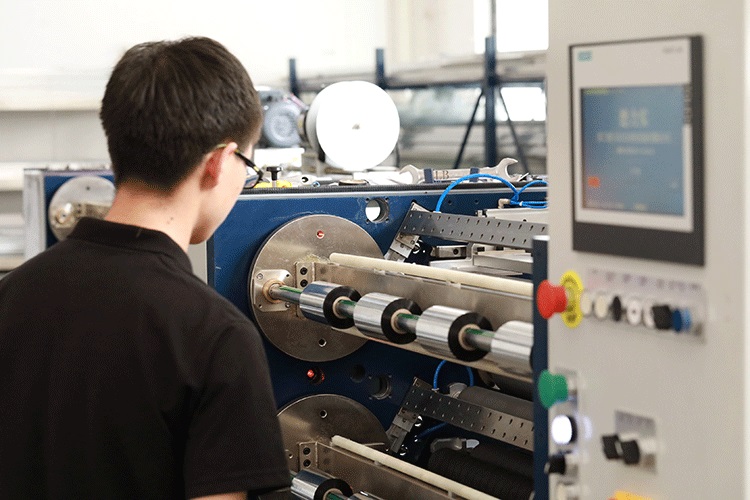
To remain competitive, efficiency is key. A fully automatic machine significantly reduces manual intervention and setup time compared to manual or semi-automatic models .
Essential automation features:
• Digital Control System: A touchscreen interface with programmable presets allows operators to save settings for different jobs. This reduces setup time by up to 40% and minimizes human error .
• Automatic Feeding and Unloading: High-end models feature automatic feeding mechanisms. This streamlines material handling and allows for continuous production, which is vital for large-volume orders .
• Automatic Web Guiding (Edge Correction): This system uses sensors to ensure the ribbon remains aligned as it unwinds. This prevents "telescoping" (uneven winding) and ensures the finished roll is perfectly straight .
4. Roll Specifications and Compatibility
Your machine must be capable of handling the specific dimensions of your raw materials and finished products.
| Feature | Standard Specification | Why It Matters |
| Working Width | 500mm - 1050mm (Standard) | Determines the maximum width of the master roll you can process. |
| Finished Width | Minimum 20mm | Critical for producing narrow ribbons required for specific TTO coders. |
| Core Sizes | 1 inch and 1/2 inch | Must accommodate standard plastic cores used in the industry. |
| Max Unwind Diameter | ϕ500mm - ϕ650mm | Larger diameters allow for longer production runs without stopping to reload. |
5. Construction and Safety Standards
A slitting machine is a long-term investment. It should be built to withstand heavy industrial use.
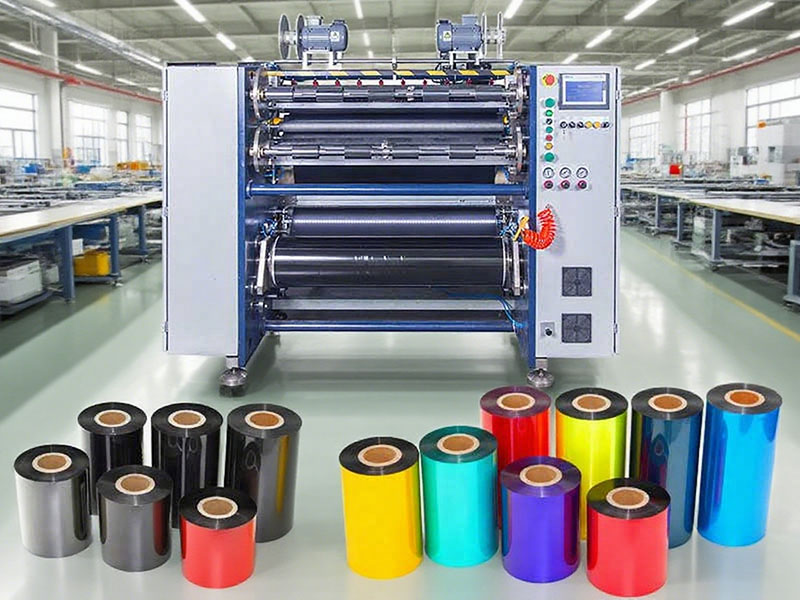
• Durable Construction: Look for machines with corrosion-resistant metal bodies. Industrial-grade construction ensures longevity and reduces maintenance costs compared to plastic-bodied models .
• Safety Compliance: Ensure the machine adheres to relevant safety standards (such as CE certification). Key features include emergency stop buttons, safety enclosures, and warning indicators to protect operators from moving blades and rollers .
6. Supplier Support and Customization
Finally, consider the manufacturer’s ability to support your specific needs. Every production environment is different, so customization is a valuable asset. Look for suppliers who offer adjustable parameters for material thickness, slitting speed, and specialized rollers .
Additionally, robust after-sales support—including installation, training, and readily available spare parts—is crucial for minimizing downtime and ensuring your ROI .
Conclusion
Selecting a TTO ribbon slitting machine requires a balance of precision engineering and operational efficiency. By prioritizing advanced tension control, automated control systems, and durable construction, you can ensure that your production line delivers high-quality ribbons with minimal waste. As the demand for thermal transfer printing continues to grow, investing in a machine that offers flexibility and precision will keep your business ahead of the curve.
 English
 Deutsch
 Français
 Español
 Português
 日本語
日本語 русский
 한국어
한국어 عربي
عربي ภาษาไทย
 Tiếng Việt
 Italiano


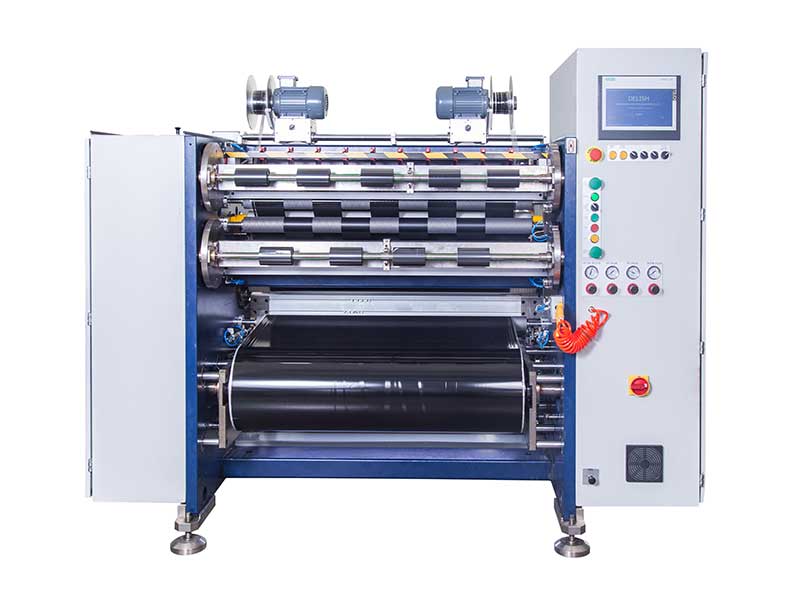 Barcode Ribbon Slitting Machine
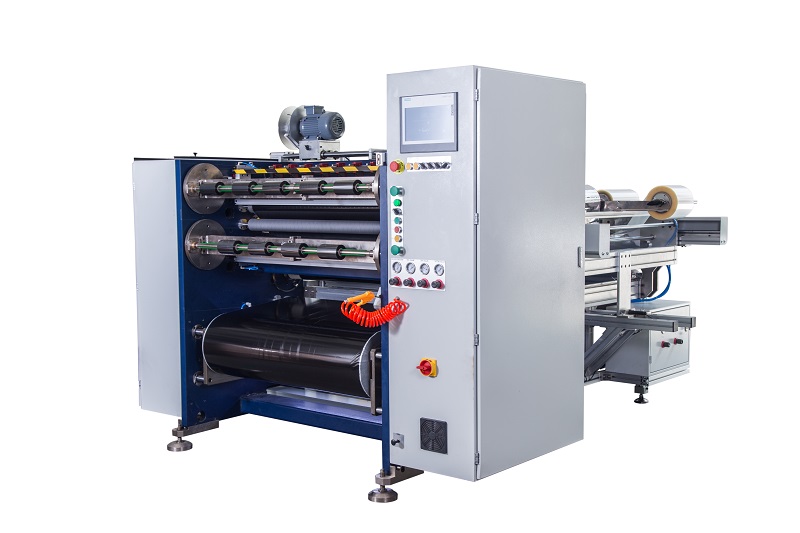 Semi Automatic Thermal Transfer Ribbon Slitter RSDS5 PLUS
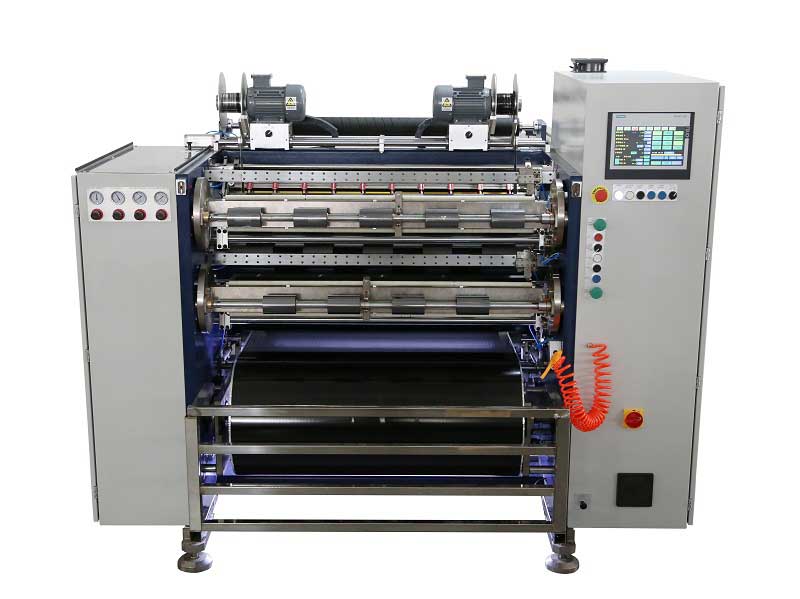 Automatic Thermal Transfer Ribbon Slitter RSDS8 H PLUS
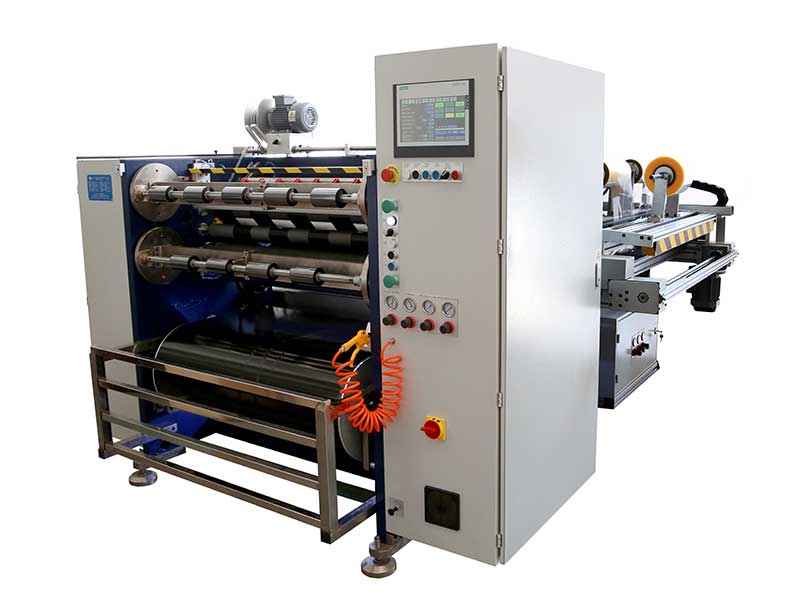 Automatic Thermal Transfer Ribbon Slitter RSDS6 PLUS
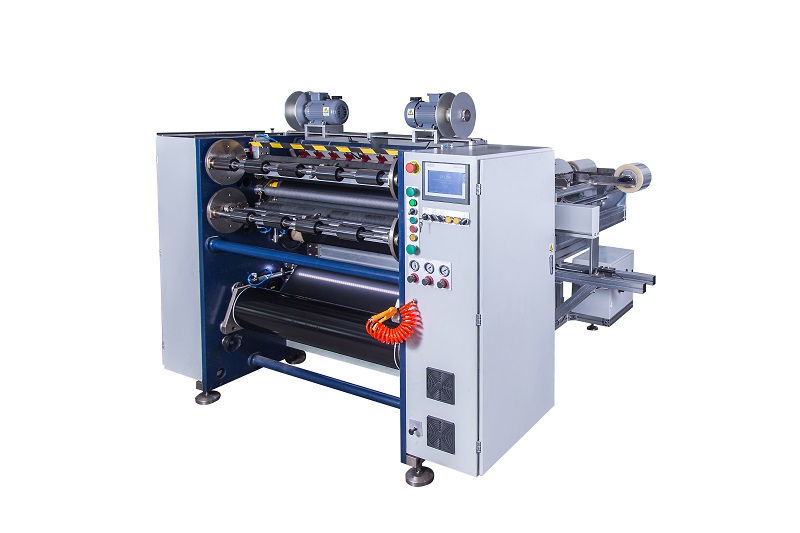 Semi Automatic Thermal Transfer Ribbon Slitter RSDS1 PLUS
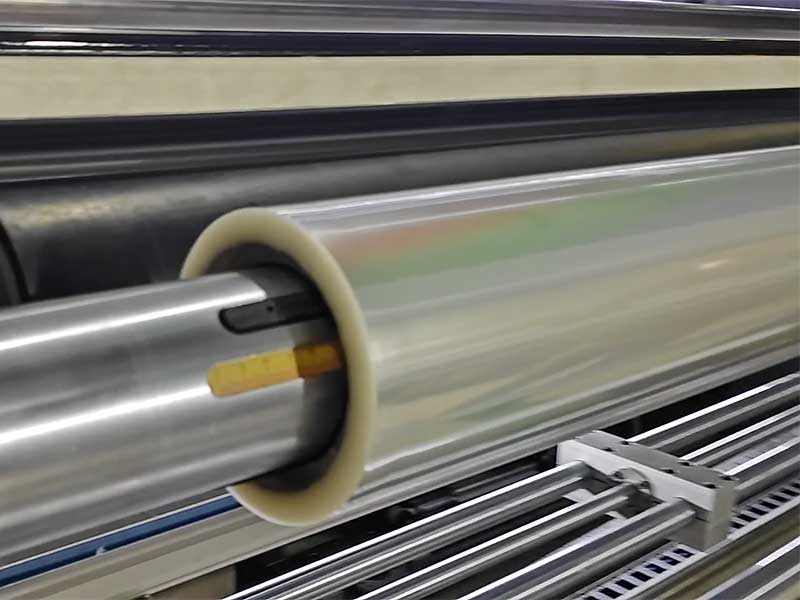 Solar Film Slitter
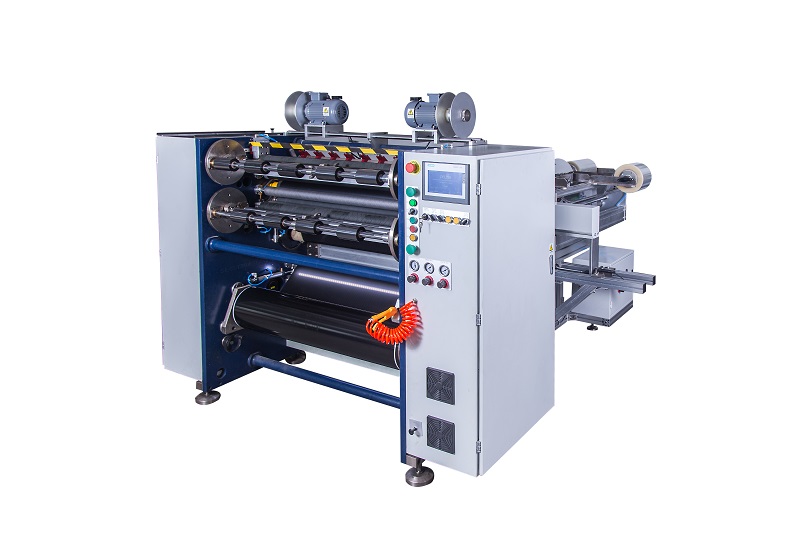 Semi Automatic Thermal Transfer Ribbon Slitter RSDS2 PLUS
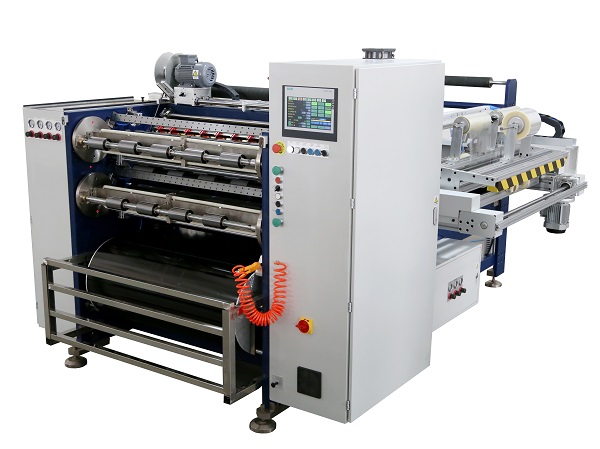 Automatic Thermal Transfer Ribbon Slitter RSDS8 PLUS