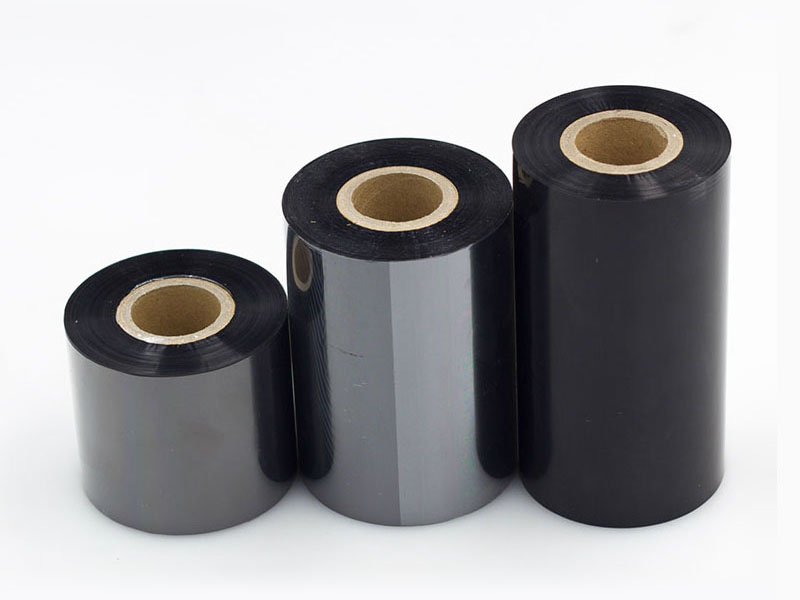
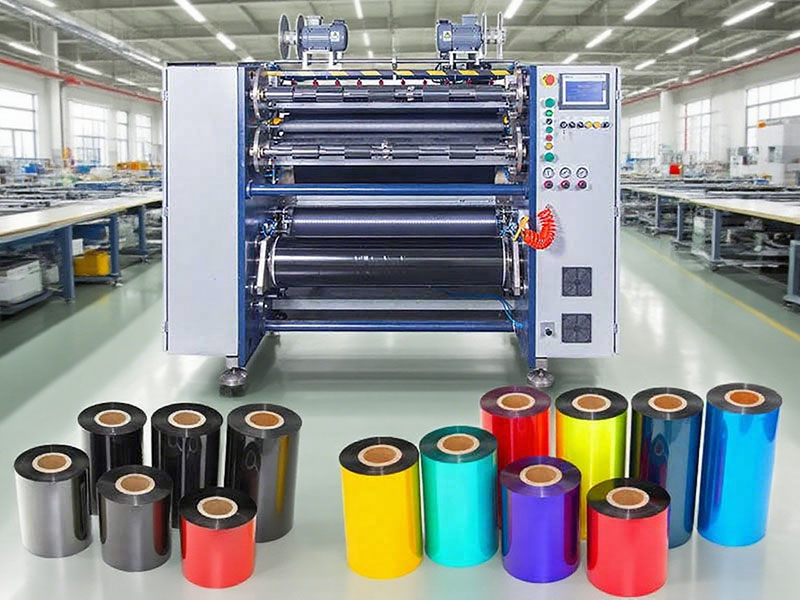
In equipment such as barcode printers and label machines, ribbons (thermal transfer ribbons) are key consumables for achieving text and graphic transfer. However, ribbons produced by factories are often wide, long rolls, which cannot directly fit the narrow and variously sized ribbon cartridges found in printers. The ribbon slitting machine is the core equipment that completes this transformation from "rough" to "refined" form.
1. Definition and Core Functions
A ribbon slitting machine refers to a device specifically designed to precisely slit wide, large-winding carbon ribbons into multiple narrow ribbons, and simultaneously complete rewinding (rewinding) operations.
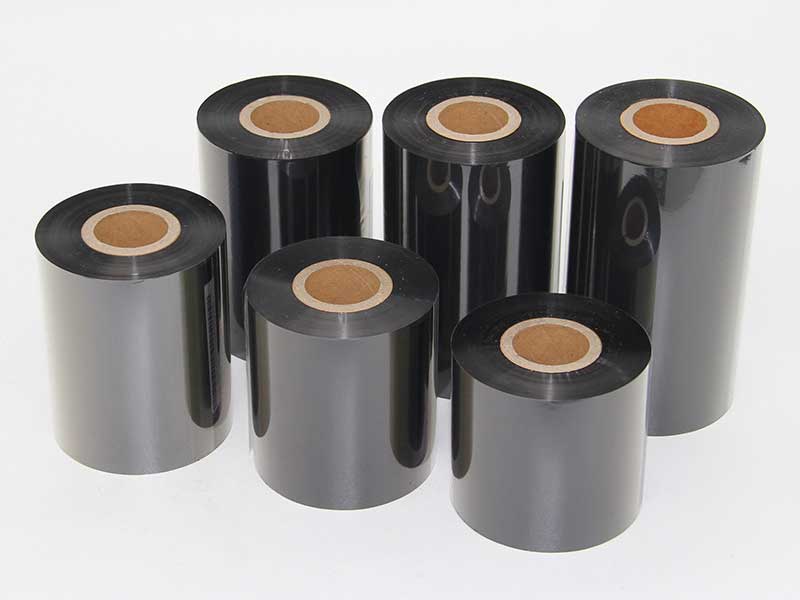
Its core function is not just "cutting." Imagine cutting a wide piece of fabric into multiple evenly sized ribbons—cut straight without rough edges, and neatly wound each ribbon around its respective paper tubes. The ultimate goal of the ribbon slitting machine is to ensure that every small roll of ribbon after slitting meets strict industrial standards for width accuracy, winding tightness, and end face flatness, guaranteeing no wrinkles, breakage, or poor printing during later printing processes.
2. Core Components and Workflow
A typical ribbon slitting machine typically consists of five major modules: unwinding system, traction system, slitting system, winding system, and tension and correction control system. Its workflow is like a precise assembly line:
1. Unwinding (Raw Material Supply): The wide large roll main ribbon is installed on the unwinding reel, controlled by a magnetic powder clutch or servo motor to control the release tension to ensure stable release of the ribbon under constant tension.
2. Traction and Correction: The ribbon moves forward through multiple sets of conveyor rollers. Before entering the cutter, the automatic correction system detects the edge position of the ribbon to prevent inconsistent slitting widths caused by deviation.
3. Slitting (core step): This is the most critical step. Slitting blades (commonly suspended or disc blades) cut wide carbon ribbons longitudinally into preset narrow strips. The precision of the slitting knife directly determines the tolerance of the finished product's width.
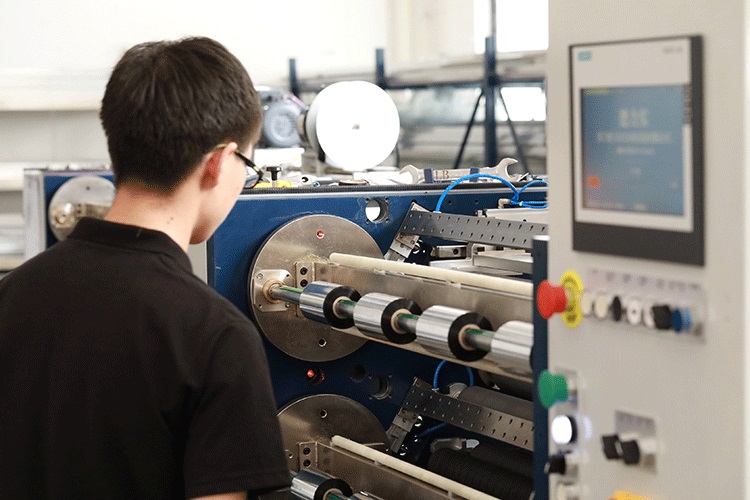
4. Rewinding (finished product winding): Multiple cut ribbons are each wound around their respective reels (tubes) to form the final product roll. This stage demands extremely high tension control.
5. Waste Recovery: Edge scrap generated by slitting is collected by specialized waste collection facilities to keep the equipment clean.
3. Technical Challenge: Tension control is the soul
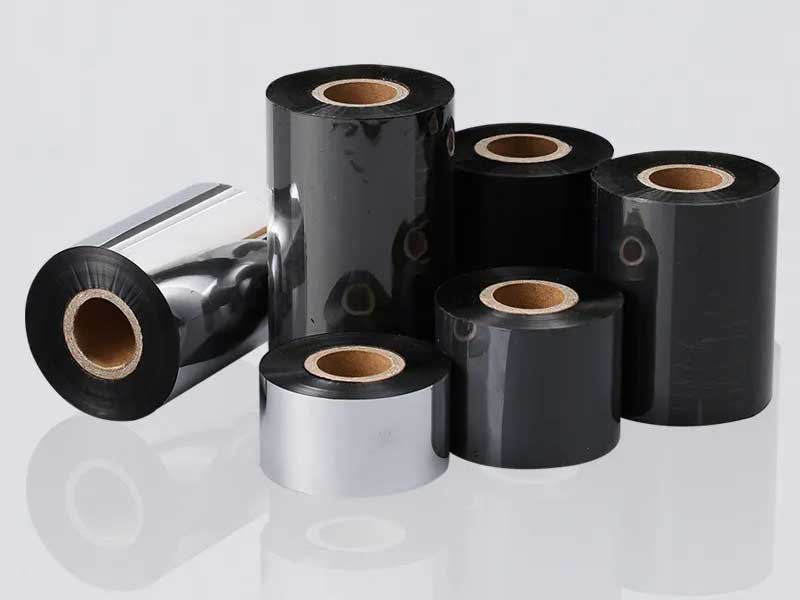
Among the various technical indicators of ribbon slitting, tension control is regarded as the "soul" of the equipment. The ribbon base film is extremely thin (usually 4.5 to 10 microns), and excessive tension can stretch or even damage the PET base film, causing the ink layer coated on it to peel off (i.e., "powder shedding"), which affects print clarity; If the tension is too low, the ribbon will become loose during rewinding, resulting in uneven roll cores and making wrinkles or broken ribbons easily occur during high-speed printing.
To tame this subtle tension, high-end equipment extensively uses magnetic particle clutches or independent servo motor drive technologies. The magnetic powder clutch controls torque by adjusting the excitation current, thereby precisely adjusting the pulling force of the winding shaft. At the same time, to ensure the ribbons are neatly arranged on the winding shaft, the equipment must control the ribbons to be absolutely parallel to the core to avoid uneven stress on the edges of the finished product.
4. Classification and Application Scenarios
Depending on the slitting material and application scenario, ribbon slitting machines mainly serve three major categories of ribbons:
• Wax-based ribbon: the lowest cost, mainly used for slitting ordinary paper labels.
• Hybrid-based ribbons: combining scratch resistance and cost advantages, making them the most widely used.
• Resin-based ribbons: resistant to chemical corrosion and high temperatures, used for slitting in harsh environments such as synthetic materials and industrial environments.
Its downstream applications cover almost all fields requiring barcode management, including package waybills in logistics and warehousing, product price tags in retail e-commerce, component traceability in manufacturing, drug labeling in biomedicine, and production dates on food and beverage packaging.
5. Industry Development Trends
With the advancement of Industry 4.0 and intelligent manufacturing, ribbon slitting machines are evolving toward high speed, high precision, and automation. For example, modern equipment is equipped with automatic switching reels. When one shaft is fully rewinded, the rotating rolling bracket can switch to the next empty shaft without stopping the machine to continue working, greatly improving production efficiency. At the same time, the integration of intelligent modules such as touchscreen human-machine interfaces, PLC program control, and online width detection makes equipment operation and maintenance much more convenient.
Conclusion
Although ribbon slitting machines are not presented directly to end users like printers, they are the "unsung heroes" determining the quality of thermal transfer printing. Through precise mechanical structures and complex tension algorithms, it transforms industrial raw materials into standard consumables for daily use, connecting the two ends of ribbon manufacturing with barcode applications.
 English
 Deutsch
 Français
 Español
 Português
 日本語
日本語 русский
 한국어
한국어 عربي
عربي ภาษาไทย
 Tiếng Việt
 Italiano

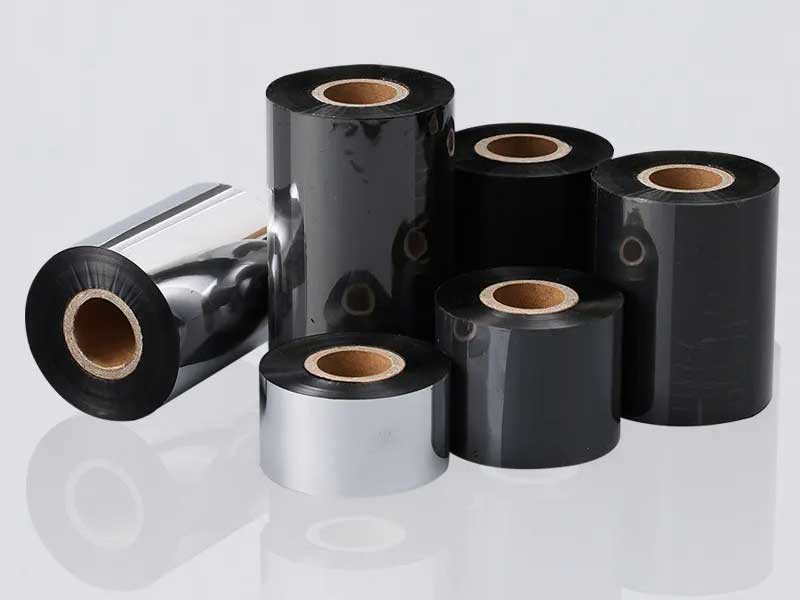
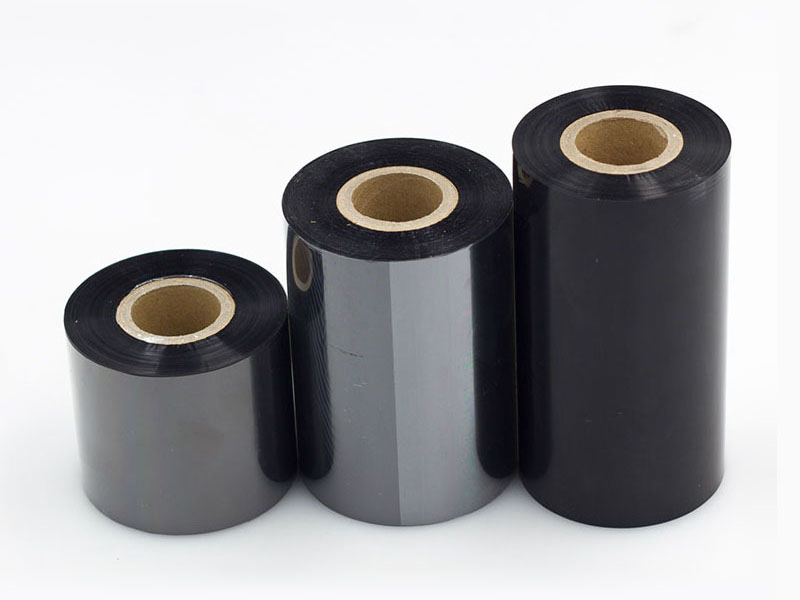
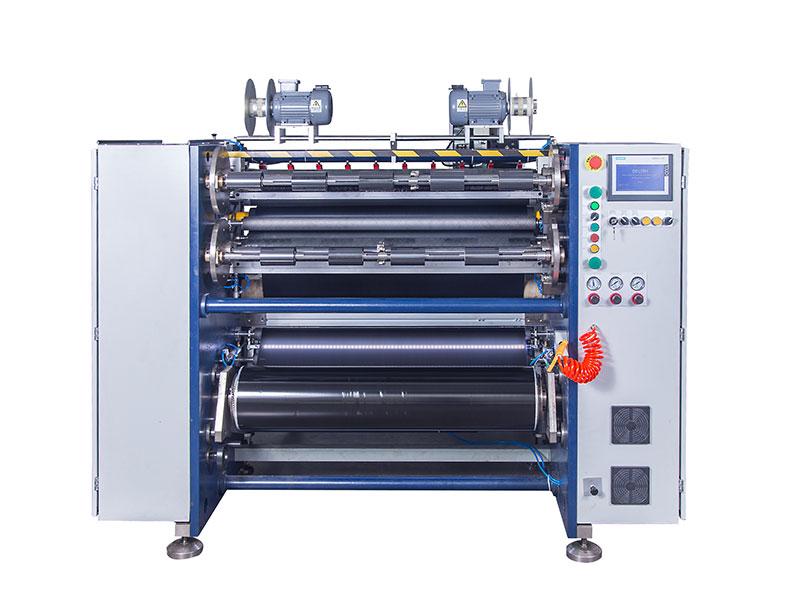 Ribbon Slitting Machine
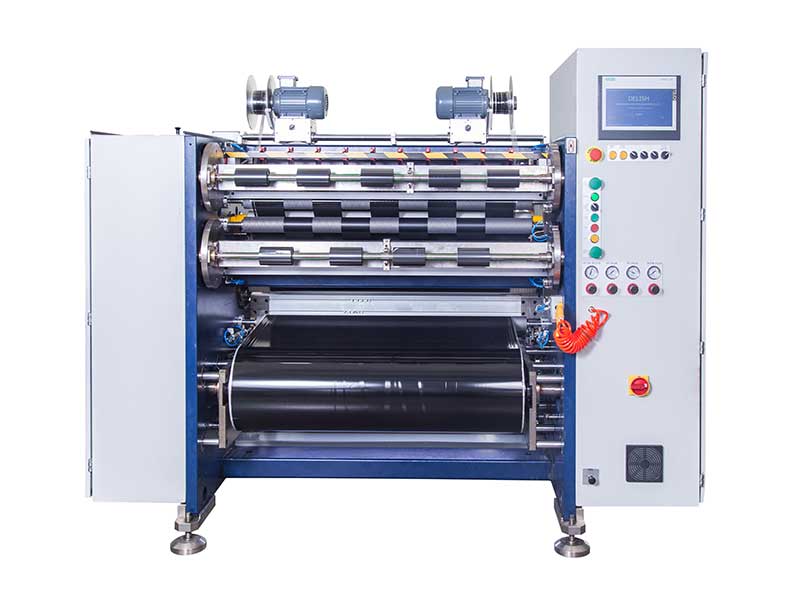 Barcode Ribbon Slitting Machine
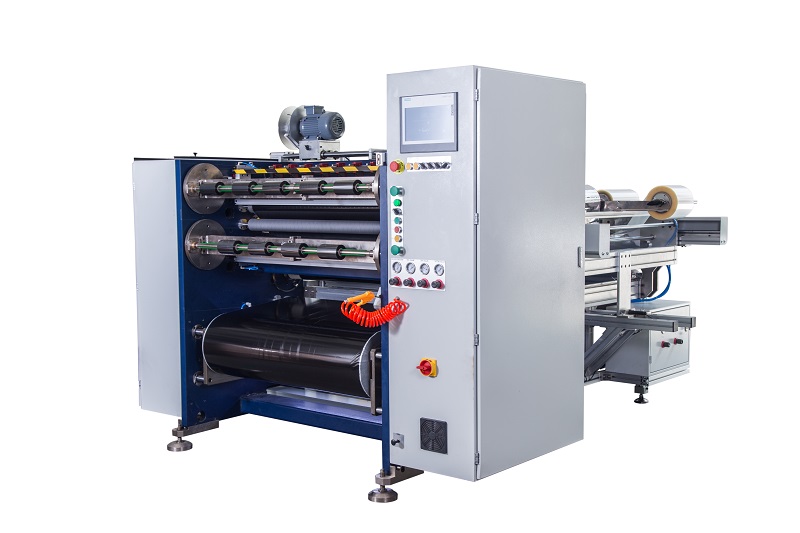 Semi Automatic Thermal Transfer Ribbon Slitter RSDS5 PLUS
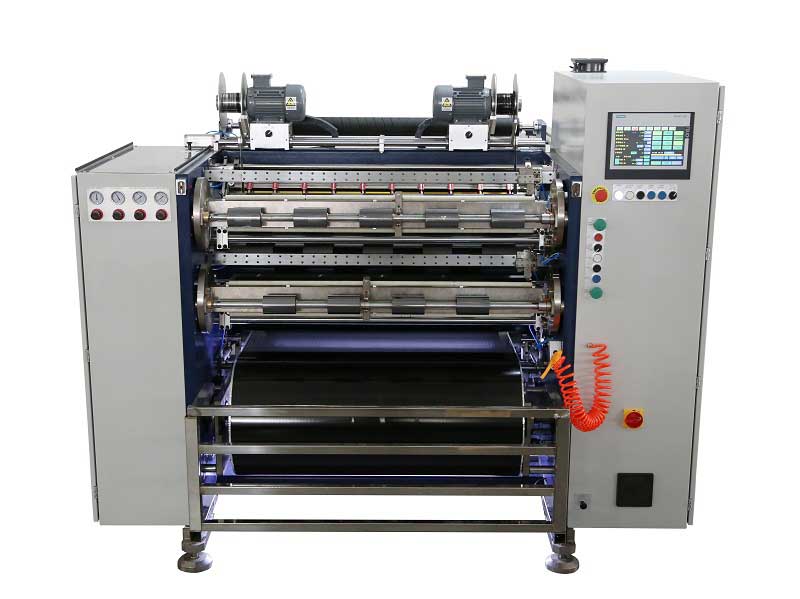 Automatic Thermal Transfer Ribbon Slitter RSDS8 H PLUS
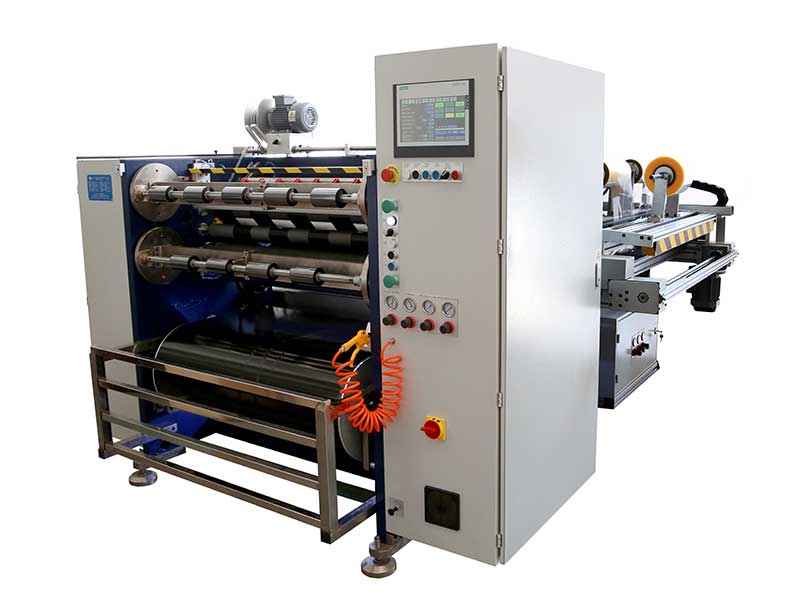 Automatic Thermal Transfer Ribbon Slitter RSDS6 PLUS
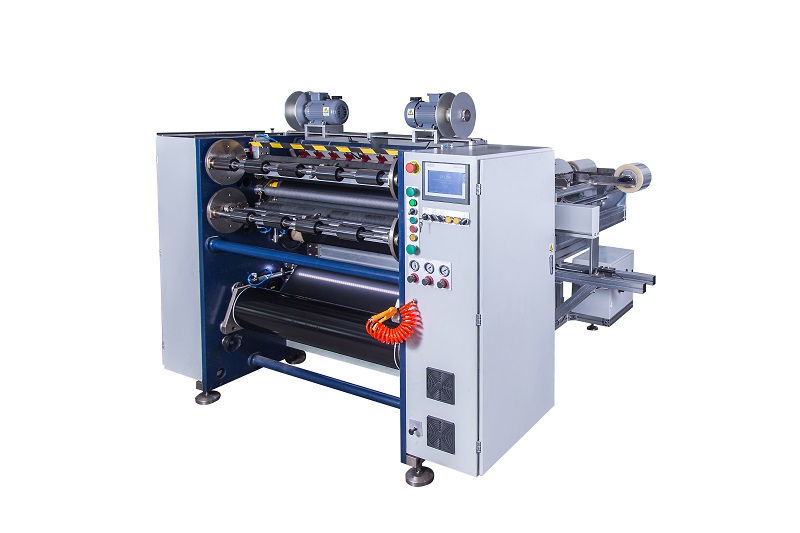 Semi Automatic Thermal Transfer Ribbon Slitter RSDS1 PLUS
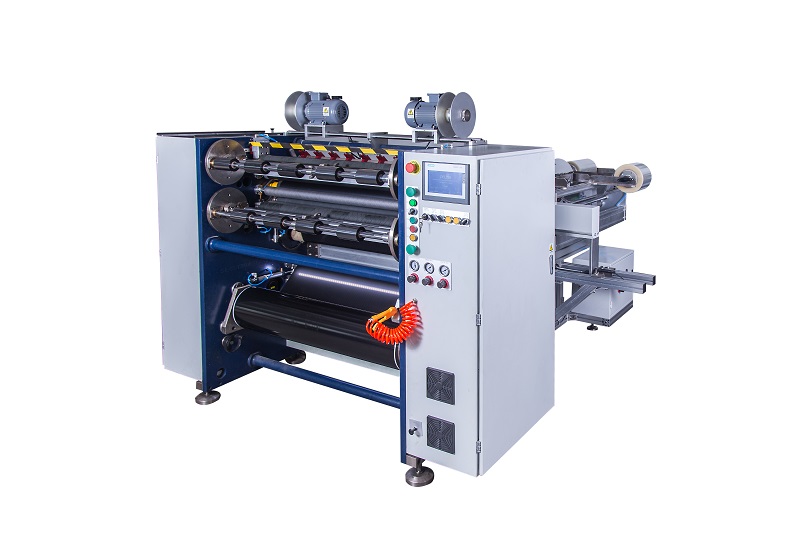 Semi Automatic Thermal Transfer Ribbon Slitter RSDS2 PLUS
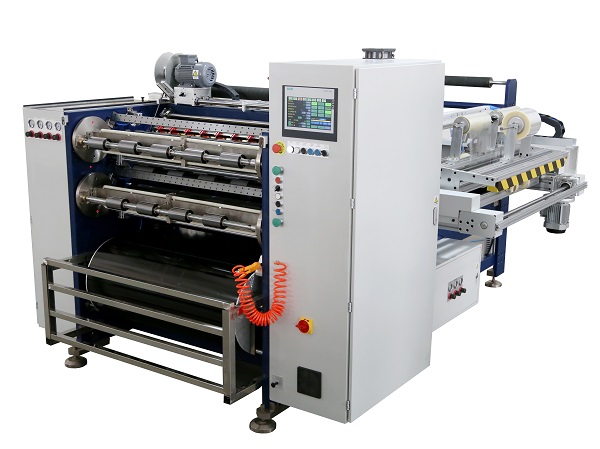 Automatic Thermal Transfer Ribbon Slitter RSDS8 PLUS