In the packaging and printing industry, the quality of hot stamping technology directly determines the high-end texture of the product, and as the front-end process, hot stamping foil slitting profoundly affects the efficiency and precision of the entire production line. In recent years, with the maturity of intelligent control, machine vision, and Internet of Things technologies, the efficiency improvement of hot stamping foil slitting machines has evolved from a single speed breakthrough to a systematic engineering system covering equipment, processes, and management.
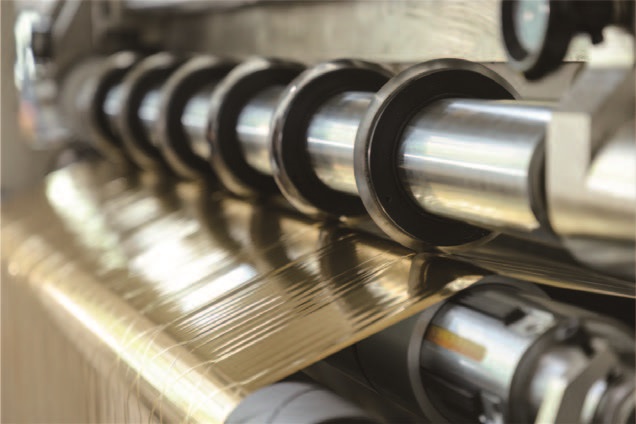
1. Efficiency bottleneck: The core pain point of traditional slitting
Traditional hot stamping foil slitting operations have long faced three core challenges. First, order changes and machine setup times are too long. Frequent specification changes mean traditional equipment debugging takes 15-30 minutes and heavily depends on the experience of experienced technicians. Second, material waste is severe, with hot stamping foil thickness only 0.8-12μm, making it easy for tension fluctuations to cause wrinkles or material breakage, and traditional slitting loss rates can exceed 5%. Finally, the production process is opaque, lacking data records, quality issues are difficult to trace, and the overall equipment effectiveness (OEE) remains low for a long time.
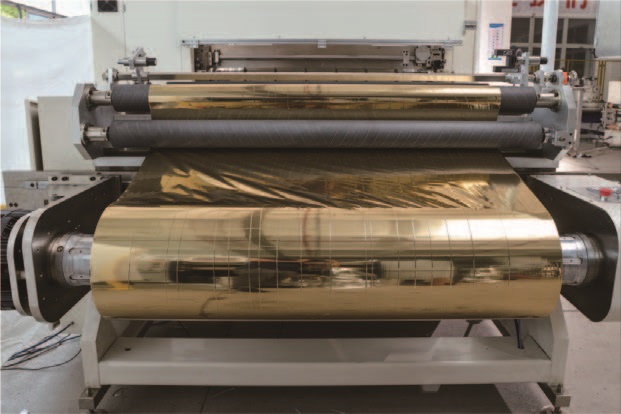
2. Technological Empowerment: Three Core Paths to Improve Efficiency
1. Automation and intelligent control: Shorten non-production time
The new generation of equipment uses PLC intelligent control and recipe management systems to preset and store different order parameters, enabling one-click recall and reducing order change time from 15 minutes to under 3 minutes. The intelligent automatic feeding system also enables continuous roll replacement, reducing the traditional 20-30 minute changing time to about 30 seconds, which alone can improve production efficiency by about 20%.
2. High-precision tension and visual correction: ensures stability at high speeds
The core contradiction in hot foil slitting lies in "speed versus precision." The advanced equipment uses a fully closed-loop servo tension control system, reducing tension fluctuations from ±5% to within ±1.5%, and lowering material breakage rates by 60%. Combined with CCD visual inspection and automatic correction systems, it can monitor foil edges in real time and adjust tool positions at the micron level, ensuring straight and burr-free slitting edges, with width deviations controlled within ±0.02mm, fundamentally eliminating waste from hot stamping processes caused by slitting quality.
3. Digital Transformation: From "Experience-Driven" to "Data-Driven"
The deep integration of IoT technology gives slitting machines both "perception" and "analysis" capabilities. By installing sensors at critical locations, the equipment can collect real-time data on vibration, temperature, tension, and other factors, and analyze it via the cloud platform to achieve predictive maintenance, reducing sudden downtime by over 70%. The system can also automatically recommend the best slitting parameters for different materials based on historical data, enabling beginners to reach the level of experienced craftsmen, while reducing the slitting loss rate from 5% to below 1%.
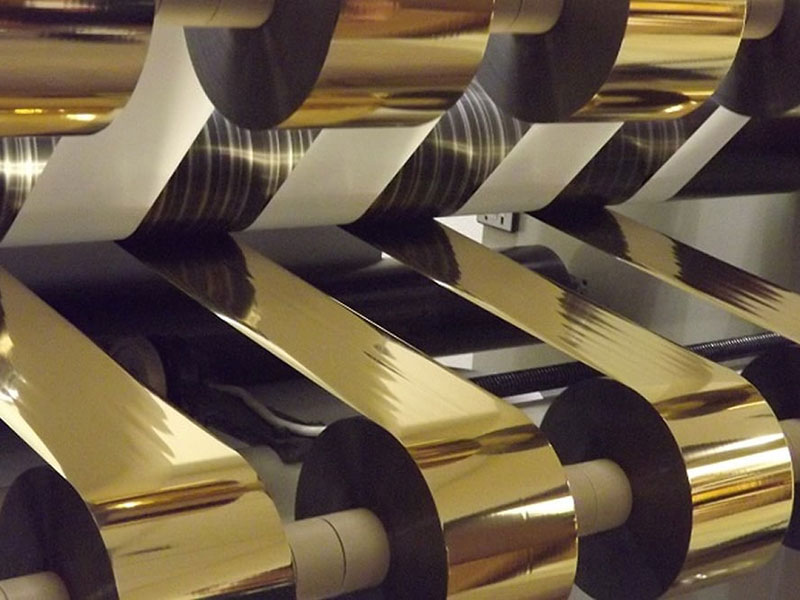
3. Practical Results: Quantifying the value of data-driven decisions
By integrating practical data from multiple cases, the returns brought by systematic efficiency improvements are extremely substantial. In an actual transformation of a packaging company in Zhejiang, after introducing an intelligent slitting machine, the material change time dropped from an average of 25 minutes to 35 seconds, material utilization increased from 89% to 95%, daily output increased by 42%, and the product defect rate dropped from 3.2% to 0.8%. Another case shows that just by saving on materials, companies recouped a significant portion of their equipment investment costs within half a year.
4. Conclusion
The efficiency improvement of hot stamping foil slitting machines is no longer just about "speeding up," but a systematic optimization that integrates precision machinery, automatic control, and digital technology. For enterprises, investing in upgrading the slitting process is not only to solve current capacity bottlenecks but also to establish a flexible production line that responds faster, offers more stable quality, and offers better costs, meeting the market's challenges of small batches, multiple varieties, and high-quality orders. Technological upgrades in this stage often revitalize the entire production chain with relatively low investment, becoming a key engine for high-quality enterprise development.
 English
 Deutsch
 Français
 Español
 Português
 日本語
日本語 русский
 한국어
한국어 عربي
عربي ภาษาไทย
 Tiếng Việt
 Italiano
 Cold Foil Slitter
 Card Print Ribbon Rewinder
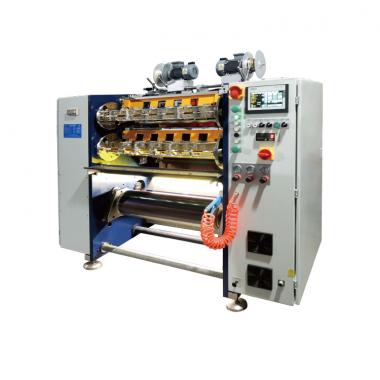 Card Print Ribbon Slitter
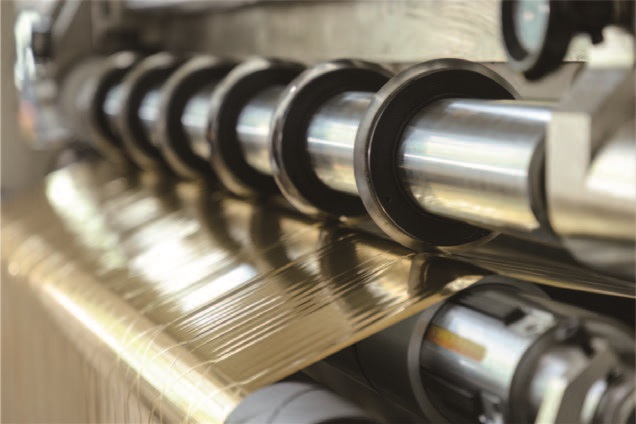 Hot Stamping Foil Slitting Machine
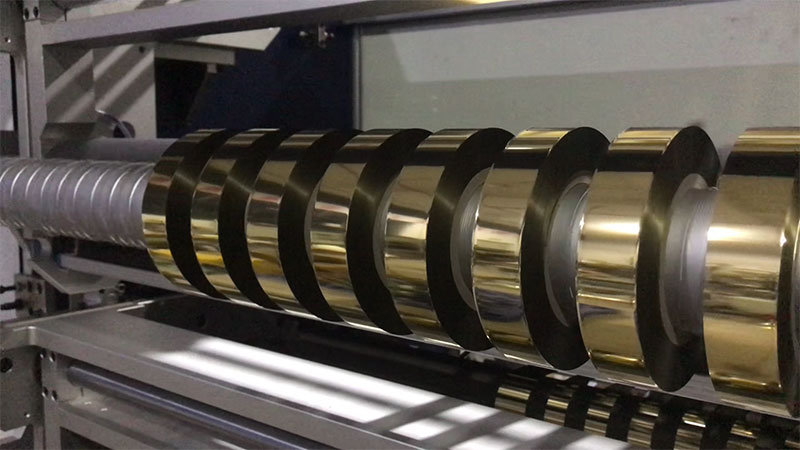 Holographic Foil Slitter
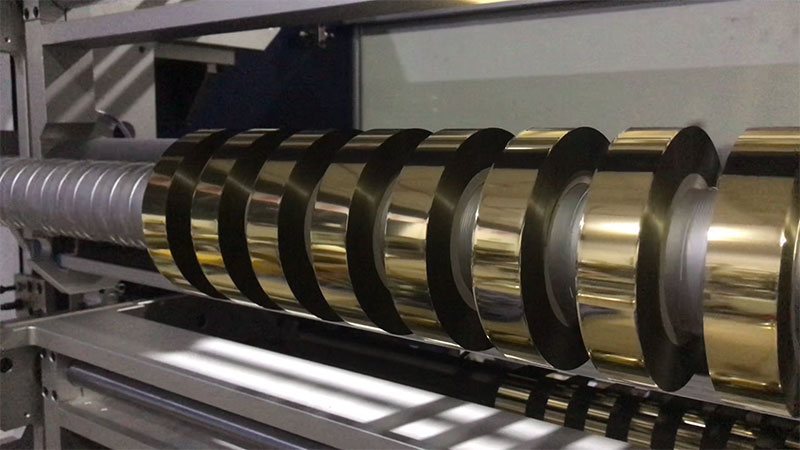 Digital Enhancement Foil Slitter
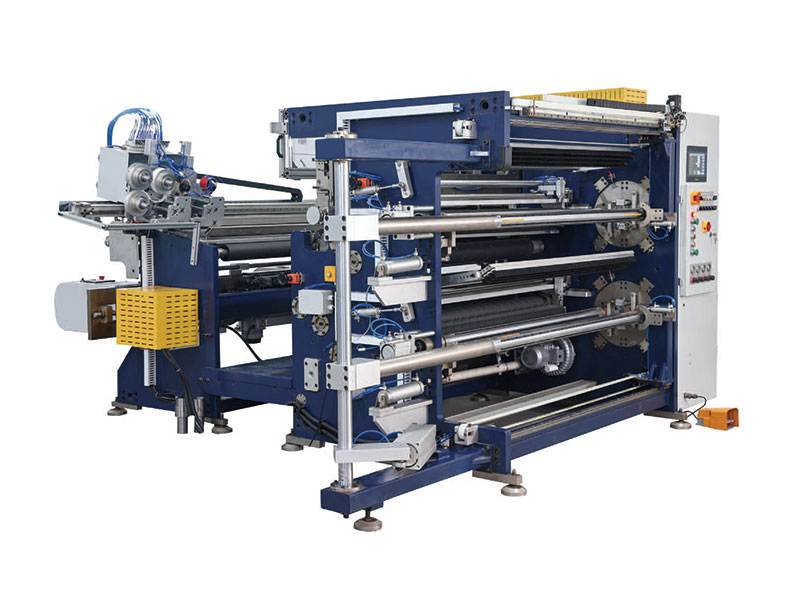 Hot Stamping Foil Slitter RSDS7H 1350 PLUS
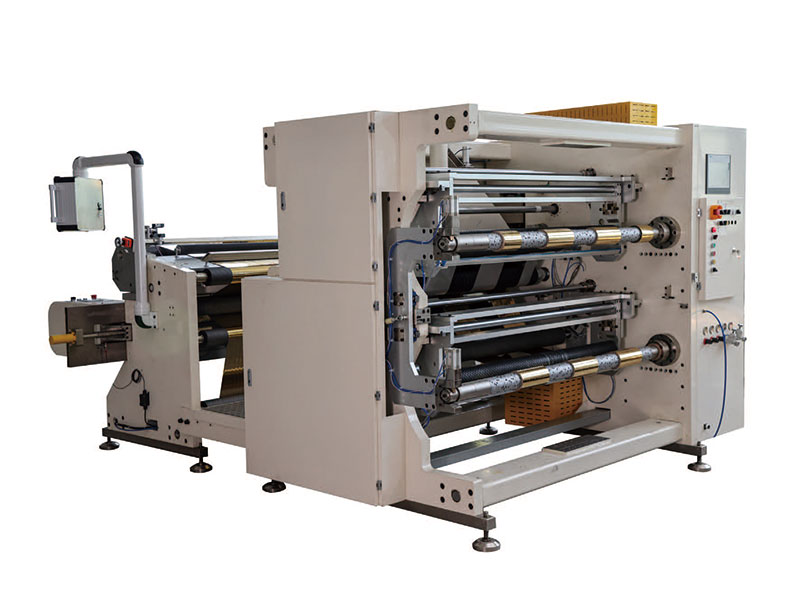 Hot Stamping Foil Slitter (RSDS7H) 1350