When choosing a hot stamping foil slitting machine, the most common pitfall is focusing on "maximum speed" and "price." A device rated at 500 m/min, if tension control is not adequate, may not even be able to maintain 200 m/min steadily during actual operation; A machine priced over a hundred thousand yuan cheaper has a slitting accuracy difference of half a thread, and the foil wasted in a year is enough to make up the price difference.
Hot stamping foil is only 4~30μm thick, composed of PET base film, release layer, coloring layer, aluminum coating, and adhesive layer. It is thin, brittle, and extremely sensitive to tension. Ordinary slitting machines can cause mild edges and misalignment, and at worst, the entire roll will be scrapped. The key to choosing a model is to focus on several hard indicators that truly determine the quality of the slit.
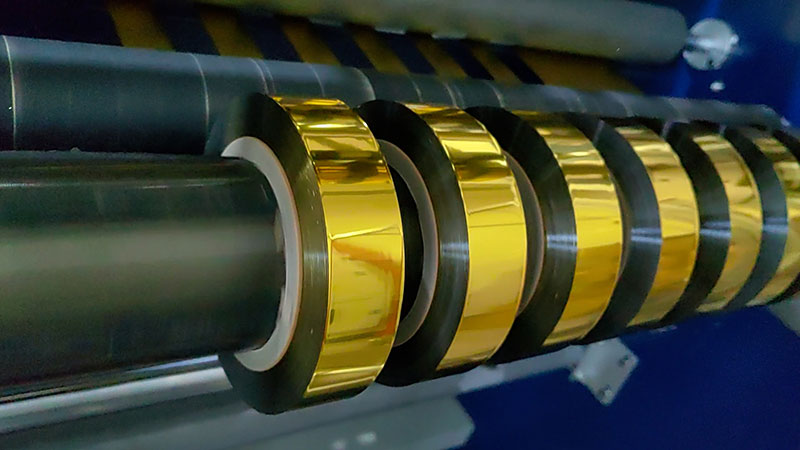
1. First, understand: Why can't ordinary slitting machines cut the hot stamping foil well?
Hot stamping foil cutting faces three core challenges:
Pull resistance: If tension control is improper during slitting, ultra-thin materials are prone to stretching and deformation, resulting in inaccurate pattern overprinting during subsequent stamping. The base material for hot stamping foil is PET film, which is 12μm thicker than a strand of hair. If the tension is slightly higher, the base film will be stretched.
Pill Fear: If the cutting edge contains micron-level burrs or serrations, under the pressure of hot stamping, it will directly appear as "gold edge defects," causing the entire batch to be scrapped. The essence of the burr problem lies in the difference between "cutting" and "tearing"—if the blade is dullened or mismatched, the gold leaf will be "squeezed" rather than "cut" through.
Dirt Fear: Static electricity generated by high-speed movement attracts dust and aluminum powder generated during slitting. Once it gets caught in the roll, visible 'sand holes' or 'pits' appear during stamping.
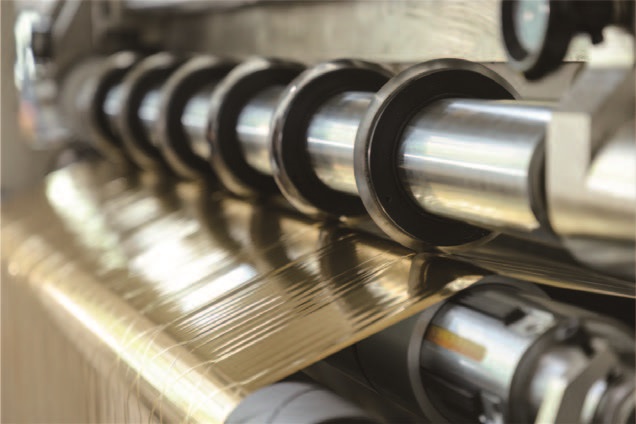
2. Core Selection Parameters: Keep a Close Eye on These Five Dimensions
1. Slitting accuracy—a hard specification with no compromise
Slitting precision directly determines the hot stamping effect. Ordinary hot stamping products allow an error of about 0.3mm, but in high-end packaging, tobacco, and luxury label fields, 0.1mm or even higher are required, with some high-end models reaching 0.05mm.
What guarantees accuracy? First, check whether the drive system is servo-based. Servo motor drives respond faster and more accurately than traditional variable frequency controls, and when combined with micron-level adjustable tool holders, each blade lands in its designated position. Second, check the rigidity of the body. High-rigidity cast iron or alloy steel bodies can effectively absorb vibrations during high-speed operation. If the blade shaft radial runout exceeds 0.02mm, the cut will vary in depth. When purchasing, you can request to use a dial indicator to measure the blade shaft runout—equipment with excessive bounce will inevitably have 'drift' accuracy at high speeds.
2. Tension control—the lifeline of thin materials
Over 90% of slitting size and end face misalignment issues stem from tension control. The base material of the hot stamping foil is thin and brittle; if the tension is slightly high, it breaks or stretches; if slightly loose, it wrinkles or shifts.
A fully closed-loop servo tension control system must be selected. Open-loop control response lags, causing large tension fluctuations during acceleration and deceleration; The fully closed-loop system uses sensors for real-time feedback and dynamic adjustment, keeping tension fluctuations within 3% of the set value.
Taper tension technology is essential. As the winding diameter increases, the tension must decrease proportionally; otherwise, the outer layer may be extruded by the inner layer, causing the aluminum layer to transfer or stick. For hot stamping foils, taper tension is the core technology to prevent deformation of finished rolls. If a device only mentions "maximum speed" but ignores tension control accuracy and taper curve, it can basically be concluded that it does not understand hot stamping foil.
For winding shafts, choose slip shafts or gas-expanding shafts. When multiple spindies are winding simultaneously, slight thickness differences among the cores can cause inconsistencies. The slip shaft allows each winding station to slide and adjust independently, solving the problem of inconsistent tension between inside and outside.
3. Tool system—the ultimate executor of trimming quality
The hot stamping foil has a glue layer on the surface, and ordinary blades will stick and become dull after prolonged use. For tool selection, the priority is to shear rotary blades. Upper and lower disc blades provide a smooth cutting surface, with smooth edges free of burrs, long blade life, and suitable for high-speed slitting (≥300m/min). Flat blades (razor blade type) are prone to wear that causes them to fail to cut or flange.
Tool materials should be cemented carbide or diamond coatings; these materials have long lifespans and are not prone to adhesive adhesion, and the edges need to be polished to a mirror finish. The clearance and overlap between the upper and lower blades must be precisely adjustable—if the gap is too large, cutting will not be possible; if too small, it will accelerate wear.
For wide-width slitting (>800mm), blade shaft rigidity is a core challenge. As the slitting width increases, under heavy pressure, the middle of the tool shaft is prone to slight bending, resulting in "incomplete cut" or "misalignment." Prioritize equipment with thickened alloy steel wall panels and large-diameter blade shafts.
4. Winding quality and correction system
The off-layer layer on the winding end face should be ≤0.1mm; otherwise, subsequent processes cannot be smoothly put on the machine. The alignment system is the lifeline for neat edges; it is essential to choose models equipped with ultrasonic correction sensors, as their detection is unaffected by foil color or metal reflection, resulting in more accurate responses. Higher-end models integrate a CCD visual recognition system that can automatically recognize printed edge labels.
5. Dust Removal and Static Elimination—The Easily Overlooked 'Invisible Killer'
During slitting, the edges generate tiny aluminum powder and plastic dust. If aluminum powder sticks to the foil surface, it will form "gold stamping spots" during stamping, directly causing scrap. A dust removal system combining contact (dust roller) and non-contact (ion air knife/suction port) must be equipped, and static elimination rods should be installed at the winding and unwinding points to prevent dust from being adsorbed by static electricity and to avoid uneven winding caused by static electricity causing material slippage.
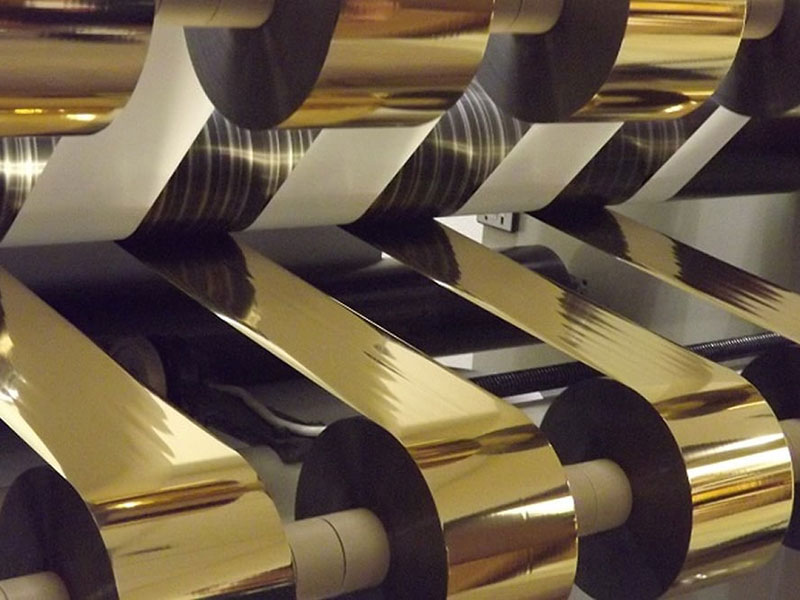
3. Configure according to your product positioning
The requirements for slitting machines vary significantly across different application scenarios:
For cigarette pack and luxury label manufacturing: precision must be within 0.1mm, with full closed-loop servo tension + ultrasonic correction + diamond-coated circular blade, fully equipped with full configuration.
For ordinary packaging hot stamping: 0.3mm accuracy is acceptable, but closed-loop tension control and circular blade slitting are still required, and the dust removal system cannot be omitted.
Frequent order changes and a wide variety of specifications: Consider equipping with an automatic tool layout system or at least a hydraulic tool locking system. By entering the slitting width, the tool holder automatically moves to the designated position, reducing order change time from hourly to minute levels and minimizing manual errors. The CNC system can reduce the time for machine switching and adjustment from 30 minutes to 1-2 minutes.
Narrow slitting (<50mm): Mostly used for skipping stamping on fine patterns, with extremely sensitive end flatness and tightness when rolling up. Manual tool locking tools are prone to dimensional deviations due to uneven locking force; it is recommended to select a hydraulic tool lock system or a high-precision slip shaft.
4. Final step: test cutting with material
No matter how beautiful the specs are, why not try rolling it up on the spot? Be sure to bring your commonly used hot stamping foil master roll for on-site trial cutting—this is the most critical step.
Key observation: Check if the slitting end face is as smooth as a mirror, and whether there are any impressions or burrs. If possible, use a high-magnification microscope to inspect the cut edges and see if there are microcracks that are difficult to detect with the naked eye. At the same time, attention is paid to the device's intelligence level—whether it is equipped with formula storage functions. Different widths and materials of hot stamping foils correspond to different tension and speed parameters, which can be digitally saved and can be accessed with one click during order changes, avoiding errors caused by manual adjustment by the experienced technician's "touch."
Choosing a hot stamping foil slitting machine is essentially not about buying a bunch of steel parts, but about purchasing a "precise and stable" cutting system. The most suitable equipment may not be the most feature-rich, but it must be the one with precise tension closed-loop tension, rigid tools and body structure, and a test cut that can pass the test cut.
 English
 Deutsch
 Français
 Español
 Português
 日本語
日本語 русский
 한국어
한국어 عربي
عربي ภาษาไทย
 Tiếng Việt
 Italiano
 Cold Foil Slitter
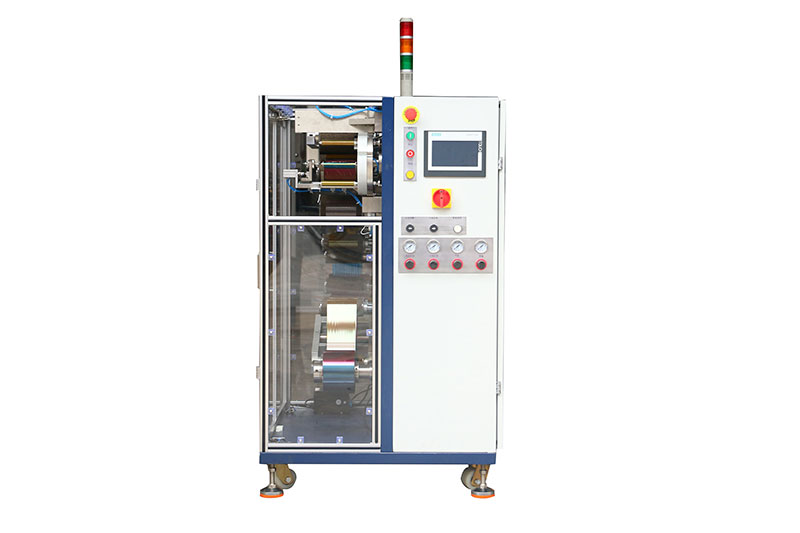 Card Print Ribbon Rewinder
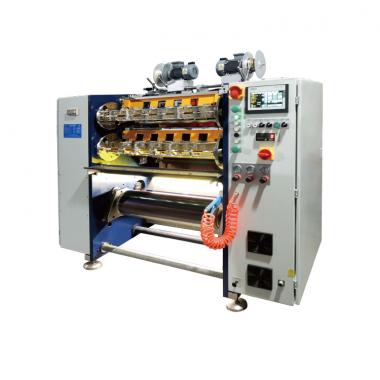 Card Print Ribbon Slitter
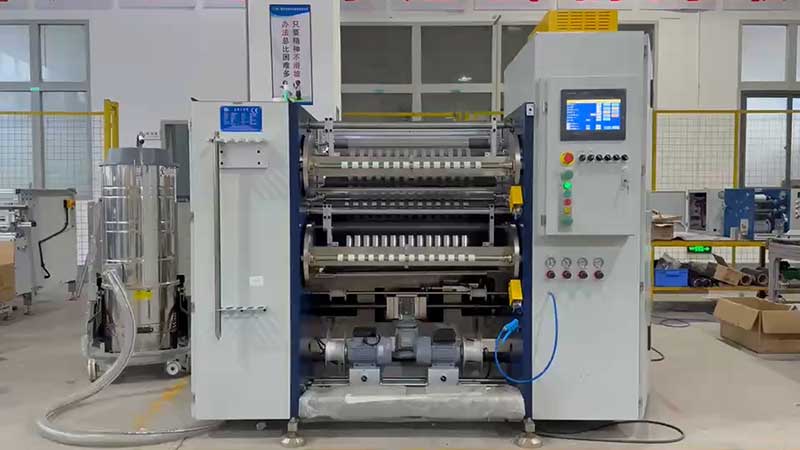
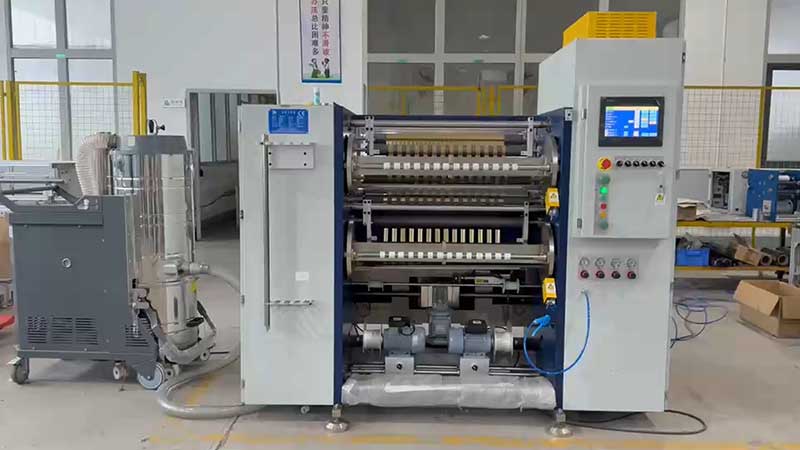
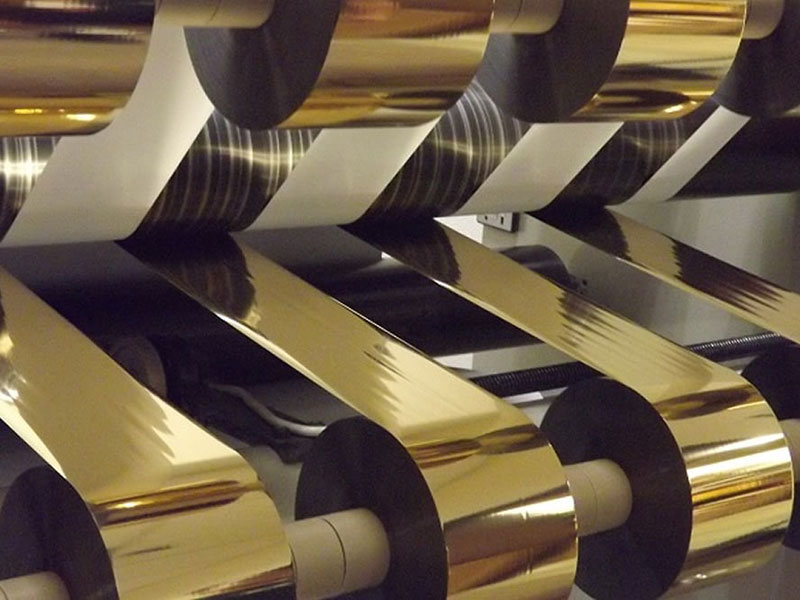
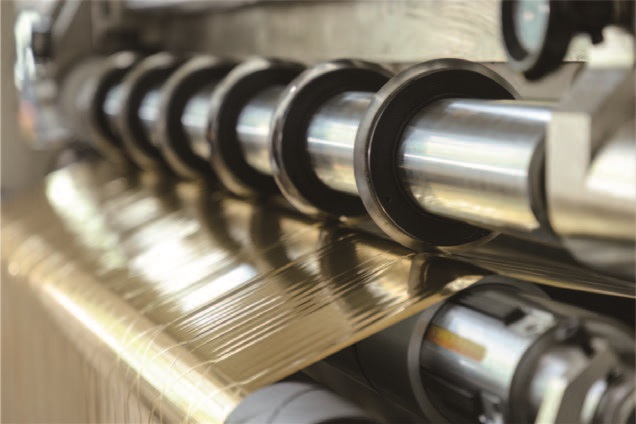 Hot Stamping Foil Slitting Machine
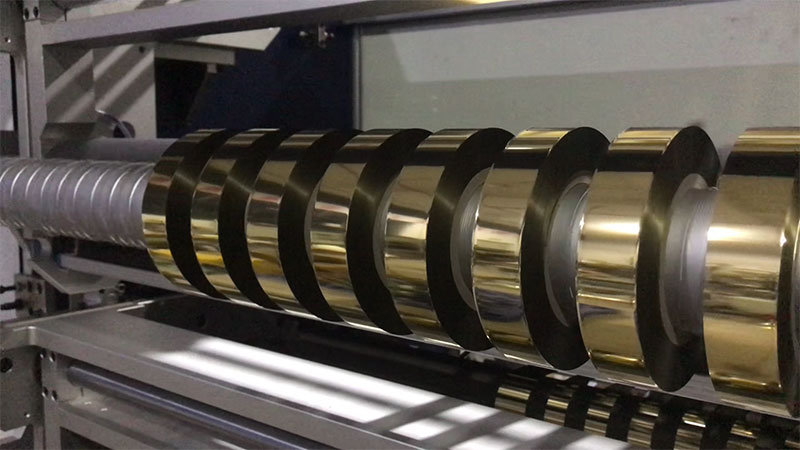 Holographic Foil Slitter
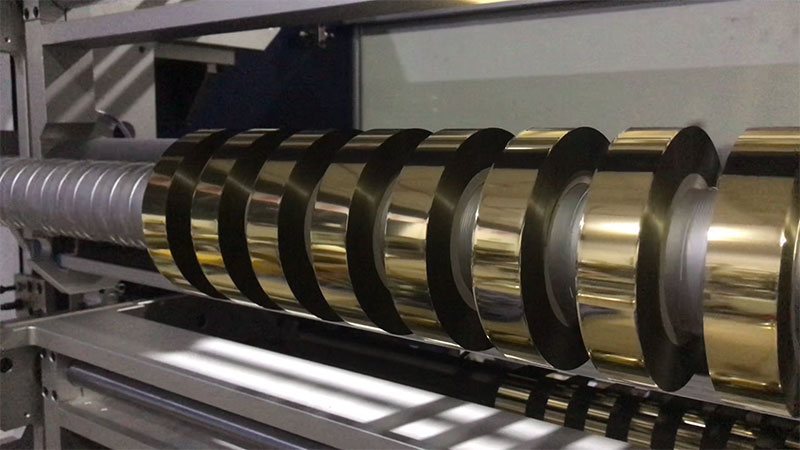 Digital Enhancement Foil Slitter
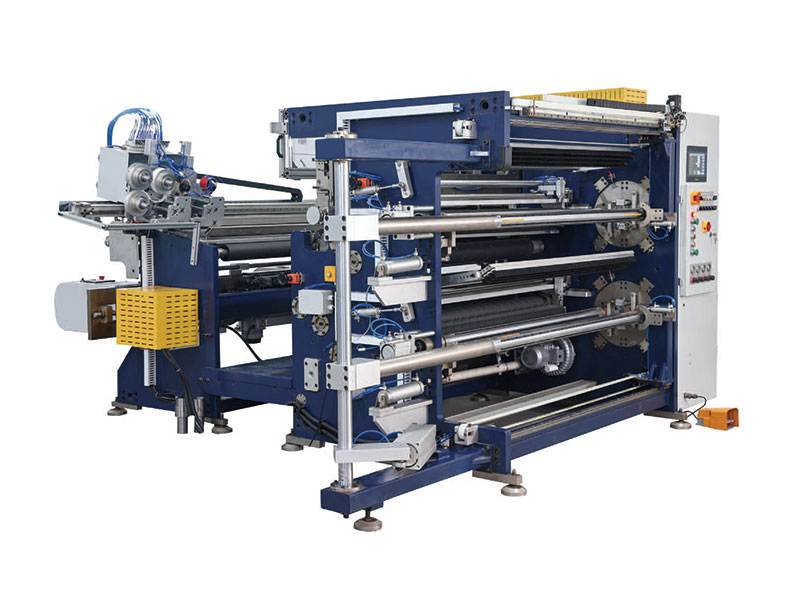 Hot Stamping Foil Slitter RSDS7H 1350 PLUS
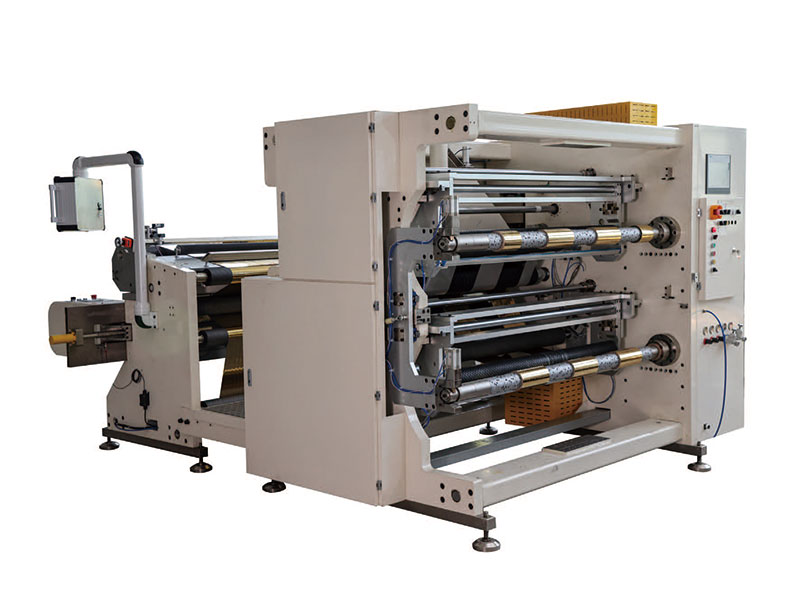 Hot Stamping Foil Slitter (RSDS7H) 1350