1. General Provisions and Maintenance System
The hot stamping paper slitting machine is a high-speed, high-precision device, typically operating at speeds of 200-400 meters per minute. Slitting accuracy must be kept within ±0.1mm, and tension fluctuations must remain stable. Equipment maintenance adopts a four-level maintenance system: daily, weekly, monthly, and annually, with each level of maintenance coordinated to form a closed-loop management system.
The basic principles of maintenance are: cleanliness first, lubrication is key, inspections are important, and records are the basis. Each piece of equipment should have an independent maintenance record recording each maintenance item, replacement of parts, and abnormal situations, facilitating fault tracing and spare parts management.
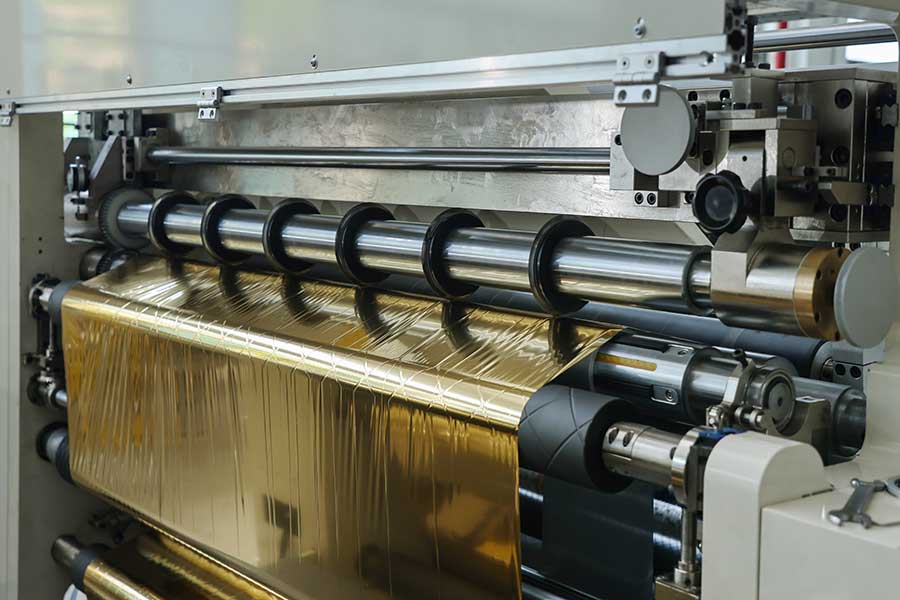
2. Daily Maintenance (per shift)
Daily maintenance is the foundation of equipment upkeep, performed by on-duty operators, usually before startup and after work.
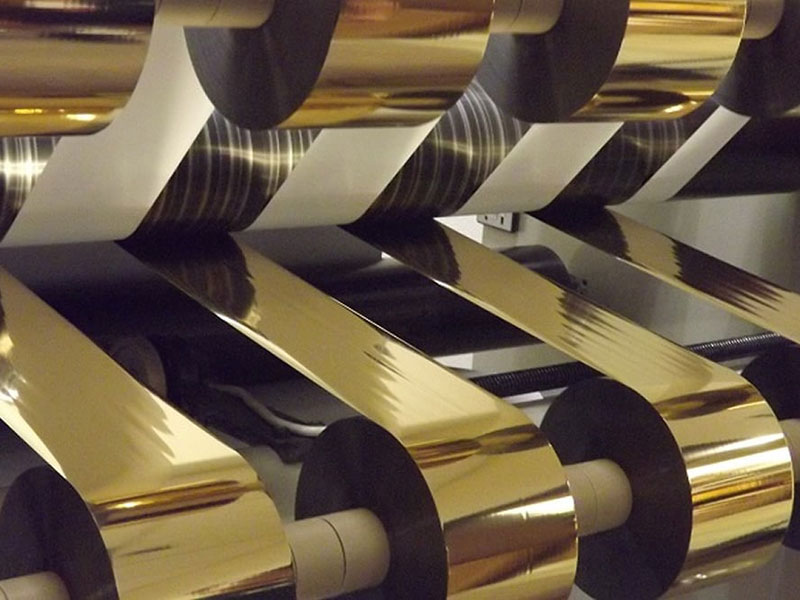
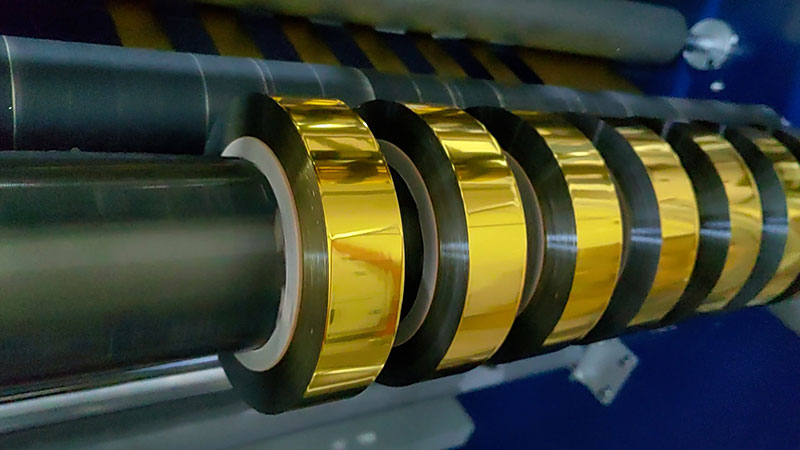
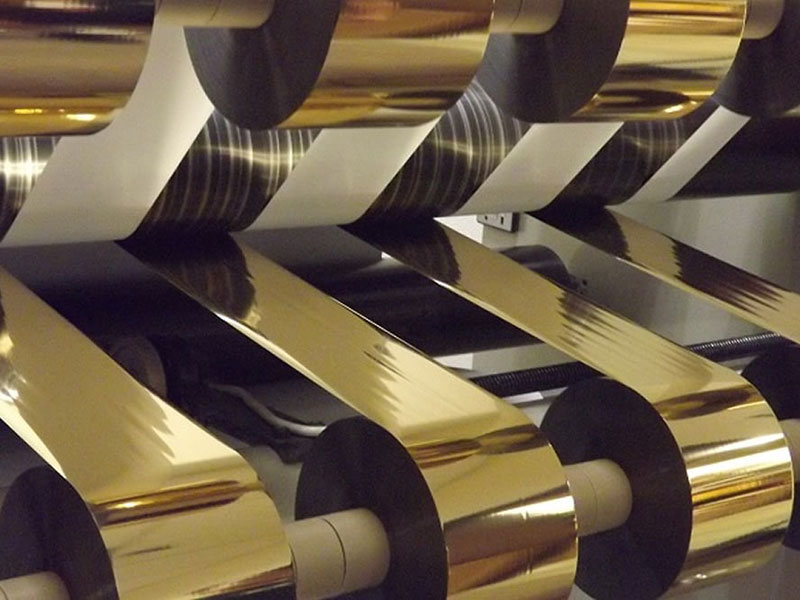
Cleaning: Use an air gun or soft brush to remove gold paper debris and dust from the knife holder, retractor reels, and rollers. During high-speed slitting, hot stamping paper tends to absorb foil powder due to static electricity. If not cleaned promptly, it will accumulate on the blade edge and guide roller surface, causing scratches or indentations. Before leaving work, wipe the surface of the equipment clean to keep the machine tidy.
Tool inspection: Check whether the slitting blade has chipped edges or obvious passivation. You can help judge by observing the quality of the slitting edges—if the cut surface shows burrs, jagged edges, or stringing, it means the tool needs replacement or sharpening. Minor wear can be repaired with a whetstone; severe wear must be replaced immediately.
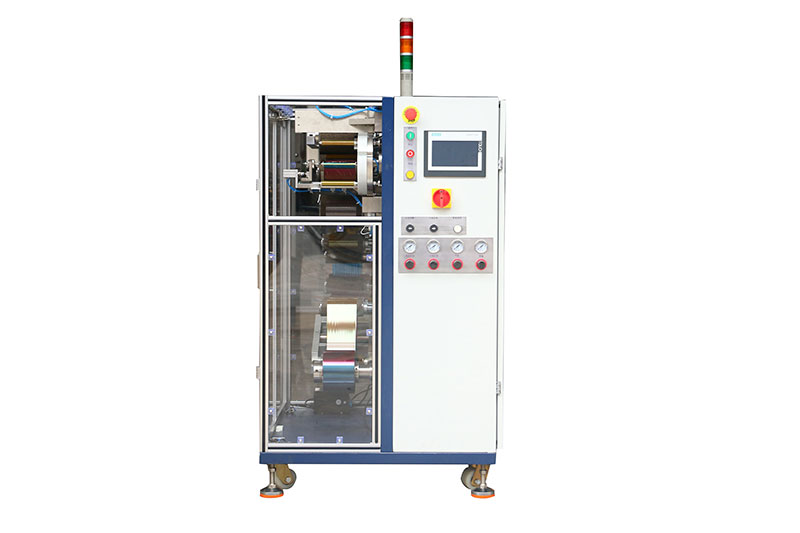
Air circuit inspection: Check whether the pressure gauge readings are within the standard range (usually 0.5-0.7MPa), check if there is water accumulation in the water filter, and manually drain before leaving work. Insufficient air pressure affects the knife pressure and roller pressure, leading to poor slitting or uneven winding.
Safety device confirmation: Test whether the emergency stop button is sensitive and confirm that the photoelectric sensor device on the protective cover is functioning properly. Safety devices are the last line of defense for equipment operation and must be ensured to be effective at all times.
3. Weekly maintenance (once a week)
Weekly maintenance is carried out by operators assisting maintenance personnel, with a focus on inspecting transmission components and tension systems.
Roller cleaning: Use anhydrous alcohol to wipe all rollers, especially rubber pressure rollers and aluminum roller surfaces. During slitting, hot stamping paper tends to leave adhesive residue on the roller surface, and if not cleaned, it can cause the film to slip or develop longitudinal scratches. When wiping, check the roller surface for scratches or hard deposits.
Lubrication and maintenance: Add an appropriate amount of lubricant or grease to moving parts such as the tool screw, winding arm chain, and other moving parts to ensure smooth and stuck-free tool movement. Lubrication should follow the principles of "appropriate amount, fixed quality, and fixed points." Excessive lubrication can easily attract dust.
Fastening inspection: Thoroughly check whether the tool post fixing screws, coupling screws, and all connecting parts are loose. The high-frequency vibrations generated during high-speed operation of slitting machines can easily cause screws to loosen, which can cause tool position shifts at best, or equipment accidents at worst.
Tension system inspection: Observe whether the tension during unwinding and rewinding is stable and whether the tension display values are within the normal range. If tension fluctuations are detected, first check whether the magnetic powder brake/clutch is functioning properly.
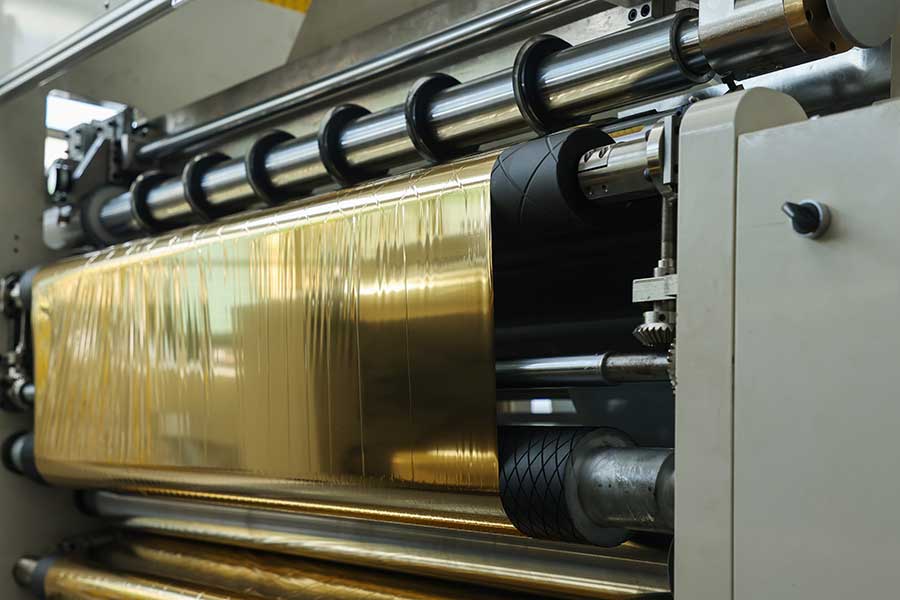
4. Monthly maintenance (once a month)
Monthly maintenance requires dedicated downtime, with maintenance personnel leading systematic inspections and calibrations.
Electrical system maintenance: When the power is off, use a vacuum cleaner to clean dust accumulated inside the electrical cabinet, especially dust on the frequency converter and PLC module. Check whether the cooling fan is operating normally—overheating is the primary cause of electrical component damage. At the same time, check whether all terminal points are secure and whether the sensor and encoder signals are normal.
Tension system calibration: Check whether the zero point of the tension sensor is drifting, and use standard methods to re-calibrate the tension of the unwinding and rewinding forces. Tension control is the core parameter for slitting hot stamping paper; sensor signal distortion directly leads to quality defects in slitting.
Transmission belt inspection: Check the tension of the main drive belt and motor belt. If too loose, it can cause slippage and loss of rotation; if too tight, it accelerates bearing wear. Press the midpoint of the belt with your thumb; a pressing distance of 10-15mm is normal.
Correction system calibration: Clean the correction sensor lens, recalibrate the edge tracking point, and confirm that the alignment actuator operates smoothly. Dirty or misaligned sensor lenses can cause malfunctions in the correction system, causing material misalignment.
5. Annual Maintenance (once a year)
Annual maintenance is the highest level in the four-level maintenance system, equivalent to a major overhaul of equipment, and should be scheduled during holidays or the off-season for production, usually taking several days.
Bearing inspection and replacement: Check the bearing clearance of all rollers. For equipment operating for more than 8000 hours, it is recommended to disassemble and inspect the spindle bearing and rewinding shaft bearing. Any worn clearance should be replaced immediately. Bearing wear causes roller runout, directly affecting slitting accuracy and product end face quality.
Slip shaft depth maintenance: For slip shaft winding models, disassemble the slip shaft, clean the internal friction plates, and check the wear of steel balls. The degradation of slip shaft performance is the most common cause of uneven tightness in winding, often manifested as excessive tightness differences between the inner and outer rings of the same roll material.
Mechanical accuracy restoration: Use a laser centering instrument to check the parallelism and levelness of each roller. After long-term operation, foundation settlement or deformation may cause the rollers to be unparallel. If the deviation exceeds the standard, mechanical adjustment should be performed to keep the deviation within 0.05mm/m.
Replacement of wear parts: Completely replace wear parts that have reached the end of their service life, including belts, seals, filter elements, etc. At the same time, inventory of spare parts is conducted to ensure that key parts (blades, bearings, sensors, etc.) have reasonable safety stock.
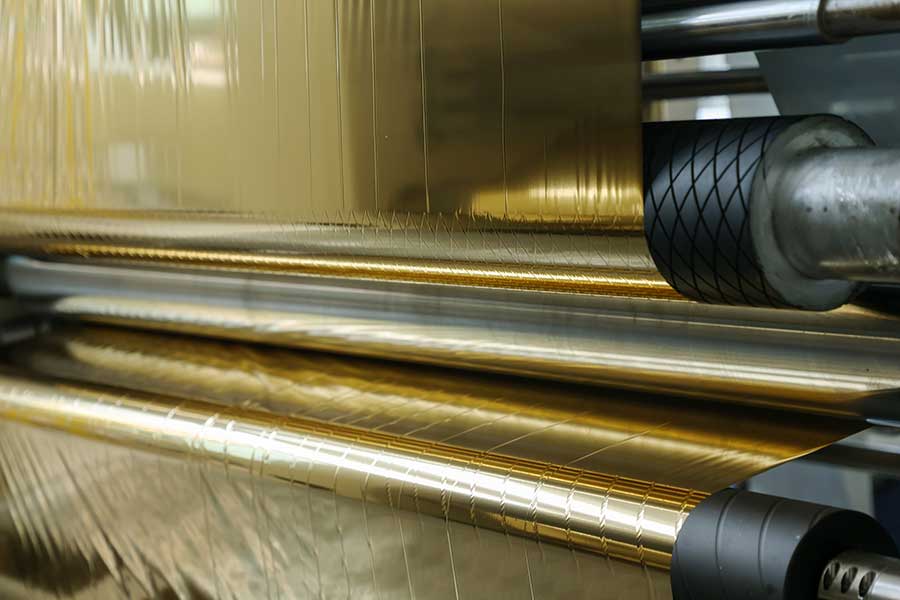
6. Common faults and emergency handling
Uneven slitting end faces (burrs/serrations): First, check whether the tool is passive; if so, replace immediately; Next, check whether the bite amount of the upper and lower blades (usually 0.5-1mm) and lateral pressure are appropriate; also check for static interference, install static elimination rods, and appropriately increase workshop humidity.
Uneven winding end face (telescope phenomenon): prioritize adjusting the winding taper tension so that the tension decreases as the roll diameter increases; Next, check whether the pressure at both ends of the winding compression roller is balanced; At the same time, clean the correction sensor lens to ensure it is functioning properly.
Material misalignment: Quickly troubleshoot according to the sequence of "tension→ guide roller →correction →tool". First, check whether the air pressure on the expansion shaft is sufficient (0.5-0.7MPa), then check whether all guide rollers are parallel, and finally confirm the status of the correction sensor and actuator.
If the winding is not tight: check in the order of "adjust tension first, then check the roller, and finally adjust the angle." Gradually increase the winding tension (increasing by 5%-10% each time), check the surface of the pressure rollers for wear or adhesive stains, and adjust the rewinding wrap angle to the ideal range of 90°-110°.
Abnormal operating noise: Check for oil shortages at lubrication points and tighten any loose parts. If the noise persists, check whether the bearing is damaged or the gears are worn.
7. Operating Procedures and Safety Instructions
Equipment operators must pass training before starting work. Before starting the machine, check the equipment status and confirm that material specifications match process parameters; During operation, closely monitor equipment operation noise and product quality, sampling every 30 minutes to check slitting width errors and edge quality; After shutdown, properly fill out the operation records and maintenance logs.
It is strictly forbidden to make any adjustments or clean during equipment operation. During equipment maintenance, the power must be cut off and a "Do Not Close" warning sign hung. Operators must wear protective gloves and goggles; hot stamping paper has sharp edges and can easily cause cuts. Work areas should be equipped with fireproof equipment, and hot stamping paper materials should be kept away from fire sources.
A spare parts life tracking system has been established, recording replacement times and usage durations for key parts such as blades, bearings, and sensors, gradually achieving predictive maintenance. Through standardized maintenance systems and continuous data accumulation, unplanned downtime can be significantly reduced, improving overall equipment efficiency.
 English
 Deutsch
 Français
 Español
 Português
 日本語
日本語 русский
 한국어
한국어 عربي
عربي ภาษาไทย
 Tiếng Việt
 Italiano
 Cold Foil Slitter
 Card Print Ribbon Rewinder
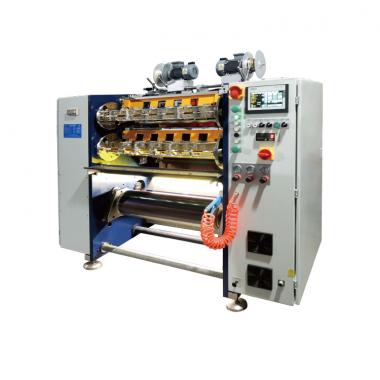 Card Print Ribbon Slitter
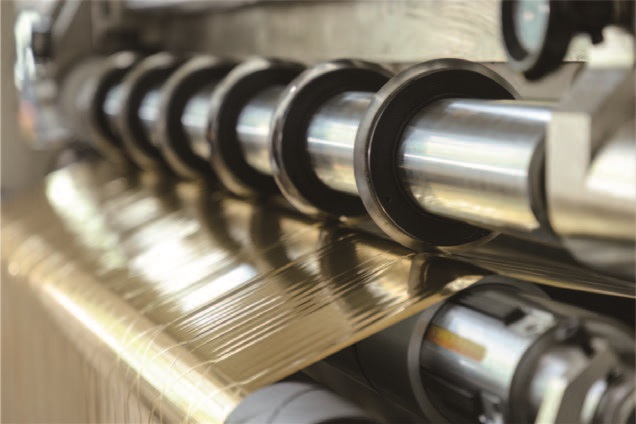 Hot Stamping Foil Slitting Machine
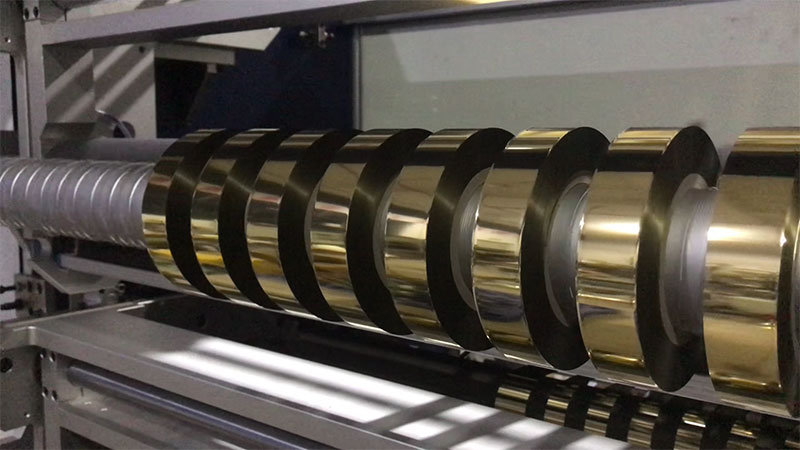 Holographic Foil Slitter
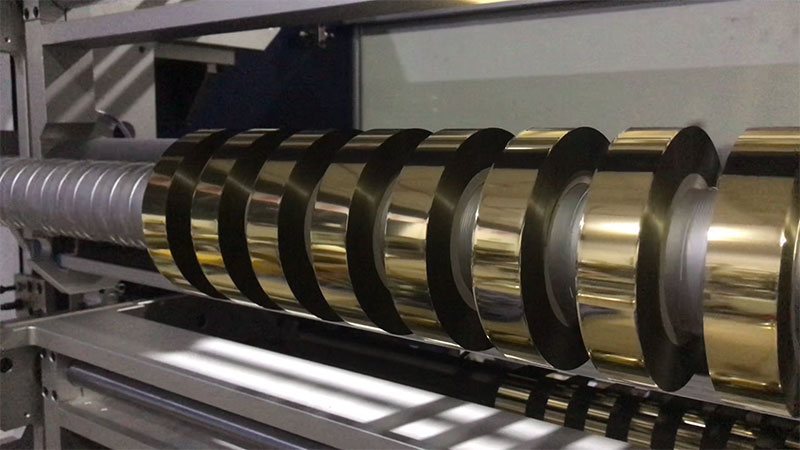 Digital Enhancement Foil Slitter
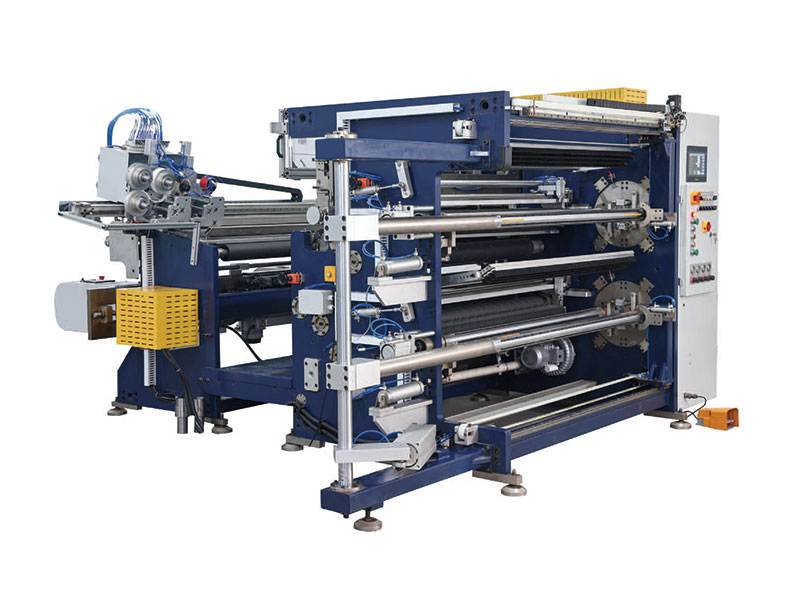 Hot Stamping Foil Slitter RSDS7H 1350 PLUS
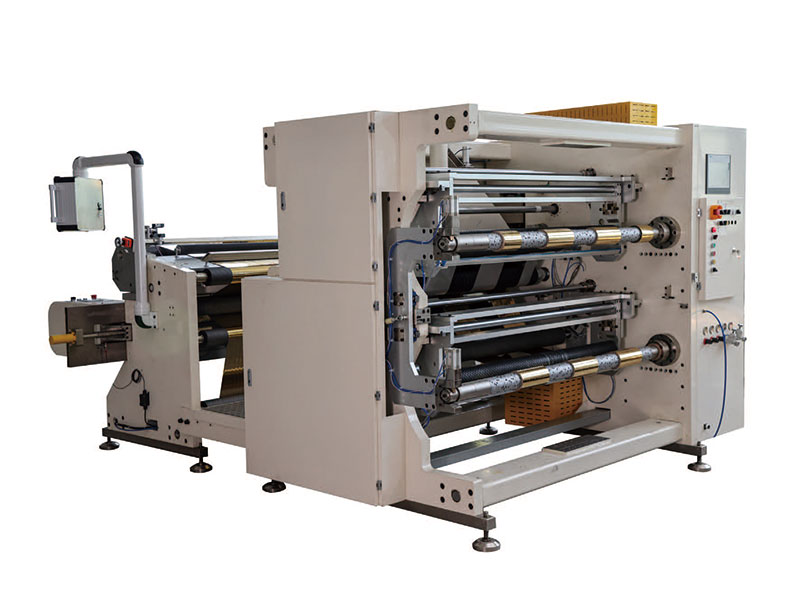 Hot Stamping Foil Slitter (RSDS7H) 1350