Uneven winding is one of the most common equipment failures during the slitting process of ribbons (thermal transfer ribbons). At best, it will affect the appearance of the product, and at best, it will lead to ribbon wrinkles, breakage, or even scrapping of the entire roll. In this case, it is obviously unrealistic to disassemble and assemble for most of the day every time. Here are several proven quick tuning methods to help you solve problems in the shortest possible time.
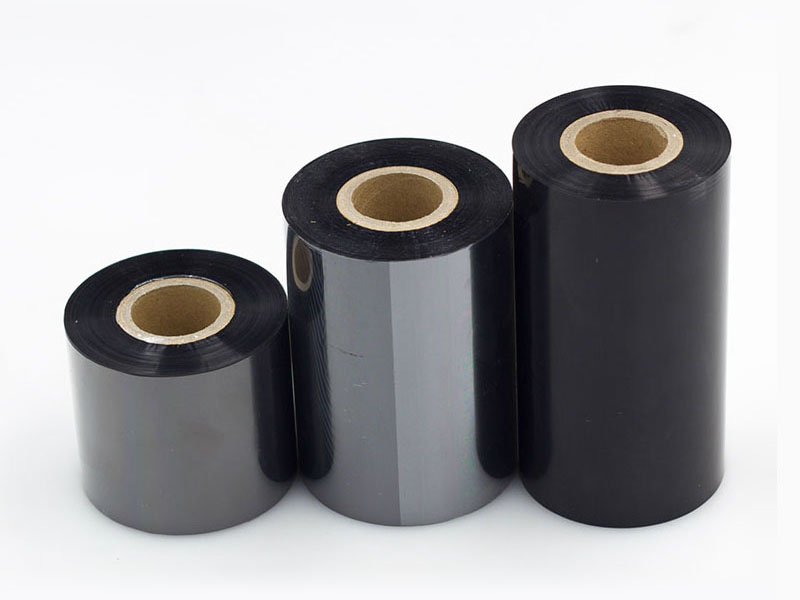
1. Judge the type of "unevenness" first
Before doing it, observe the winding end face, different manifestations correspond to different causes:
| phenomenon | Possible causes |
| It is convex on one side and tapered as a whole | The winding tension is too large, or the pressure at both ends of the pressure roller is uneven |
| The ends are neat and the middle is loose | The reel is bent or the paper tube is deformed |
| Periodic swing | Blade wear or uneven slitting backlash |
| Overall offset | The guide roller is not parallel or the correction fails |
Only by identifying the symptoms can we "prescribe the right medicine".
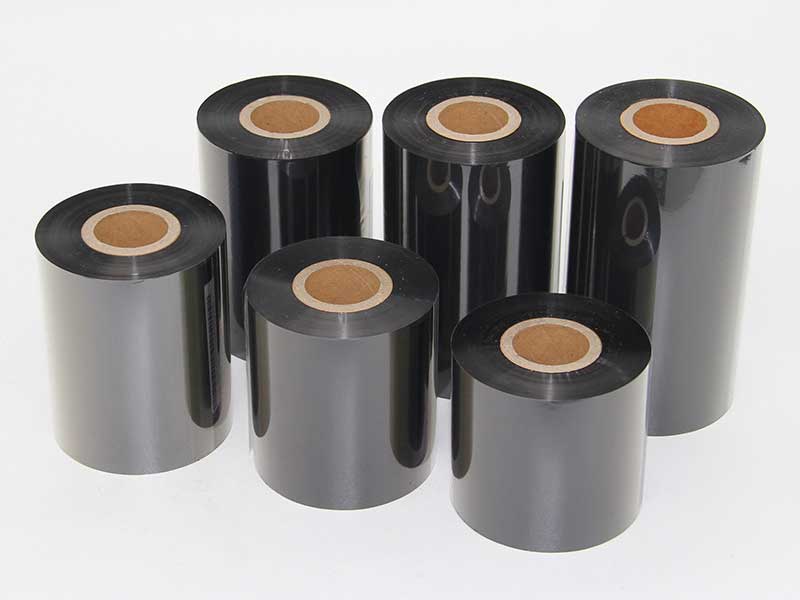
2. Quick adjustment: from simple to complex
1. Adjust the winding tension
The fastest trick: appropriately reduce the winding tension.
The ribbon material is thin, and the tension will cause the material to stretch and deform, especially when the edge is unevenly stressed, it is easy to form a "bell mouth". When operating:
• Reduce the winding tension controller by 5-10% each time and observe the winding effect of 2-3 meters
• If there is slackness, then pull back a small amount
• Also check whether the unwinding tension matches
Experience value: When most ribbons are slit, the rewinding tension is controlled at 3-5N (subject to the 10mm wide test strip)
2. Calibrate the roller parallelism
If the press roller is not parallel to the rewinding shaft, it will "push" the ribbon to one side. 30-second quick check:
• Stop the machine and use a piece of A4 paper to stuff the gap between the two ends of the pressure roller and the rewinding shaft
• If the resistance feeling of the two sides is different when pulled out, it means that they are not parallel
• Temporary emergency: Loosen the bearing seat at one end of the pressure roller and insert a 0.1-0.2mm thin gasket
3. Check the correction device
Most slitting machines are equipped with pneumatic or photoelectric guidance. If the correction fails, the winding will inevitably be uneven.
Quick verification: Gently push the edge of the ribbon with your hand to see if the guidance correction sensor responds. If there is no action:
• Clean the photosensor lens (dust is the most common cause)
• Check whether the guiding actuator gas pipe is dislodged or bent
• Temporarily adjust the rewinding reel to the center position to complete a small number of orders first
4. Blade and slitting clearance adjustment
"Periodic wobbles" usually originate from the slitting tool. Check Steps:
• Observe the edges of individual ribbons after slitting for burrs or waves
• If any, recalibrate the gap between the upper and lower knives with a 0.02mm feeler gauge
• Recommended clearance for ribbon material: 0.01-0.03mm (about half of ordinary paper)
• Replace blades when they are severely worn – sharpening is not as good as replacing them, and the time cost is more cost-effective
5. The paper tube is matched with the winding reel
The "invisible killer" of uneven winding: the gap between the inner diameter of the paper tube and the outer diameter of the winding shaft is too large.
• Standard fit: clearance ≤ 0.3mm
• If the gap > 0.5mm, a layer of masking paper can be wrapped around the reel (temporary solution)
• Long-term need to purchase paper tubes with qualified tolerances
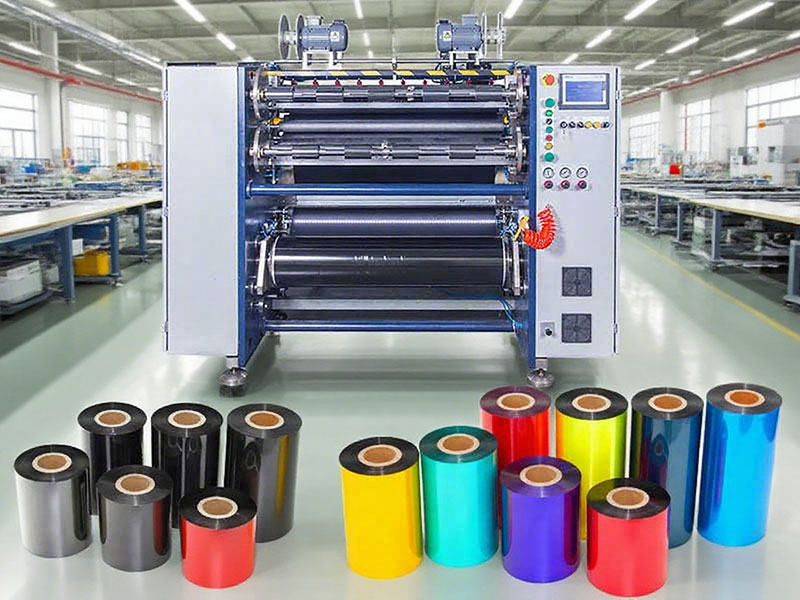
3. 30-minute rapid troubleshooting process
It is recommended to operate in the following order to avoid invalid tossing:
1. Step 1 (2 minutes): Clean the guidance sensor and observe the effect
2. Step 2 (5 minutes): Reduce the winding tension by 10% and try to run 3 meters
3. Step 3 (10 minutes): Check the roller parallelism and adjust the gasket if necessary
4. Step 4 (10 minutes): Review the slitting knife gap
5. Step 5 (3 minutes): Change the reel tube to ensure that it is tightly matched with the shaft
80% of the inconsistencies can be solved in the first three steps.
4. Daily prevention tips
• Spot inspection for each shift: check the parallelism of the guide roller with a ruler, and the deviation exceeding 0.1mm/m needs to be corrected
• Establish a tension record table: ribbons of different widths and thicknesses should have corresponding tension parameters
• Blade life management: Replace every 100,000 meters of slitting or when burrs appear
• Regular cleaning of the rewinding shaft: prevent toner buildup from causing improper loading of paper tubes
Epilogue
Most of the time, the slitting and winding of the ribbon is not a big problem, but a subtle imbalance between tension, parallelism, and correction. Mastering the above quick adjustment method, diagnosis and correction can be completed within 10 minutes. Of course, if the basic accuracy of the equipment has been seriously reduced (e.g. the winding shaft is bent by more than 0.3 mm), mechanical repairs will still need to be arranged - but that's another topic.
The last word of advice: remember to take a photo to record the original state before adjustment, so that it is easy to restore after ineffective operation. This is something that many veterans will ignore.
 English
 Deutsch
 Français
 Español
 Português
 日本語
日本語 русский
 한국어
한국어 عربي
عربي ภาษาไทย
 Tiếng Việt
 Italiano

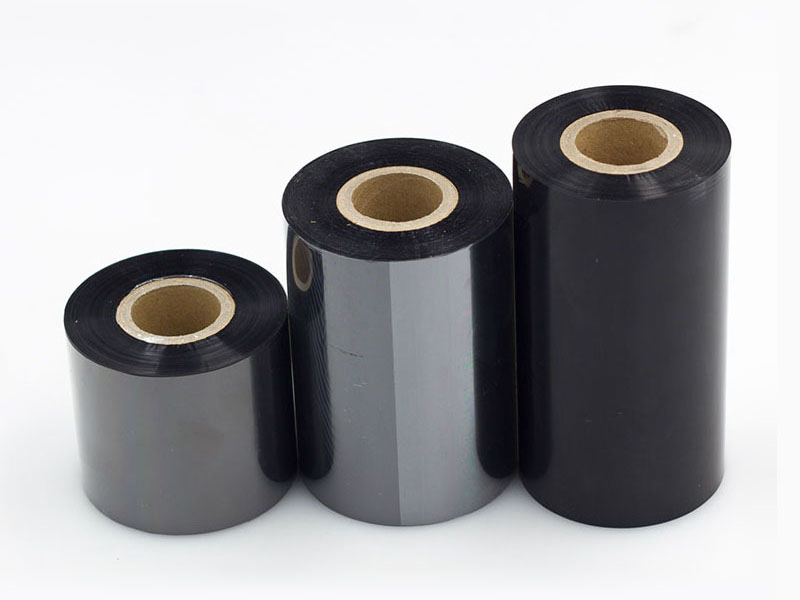
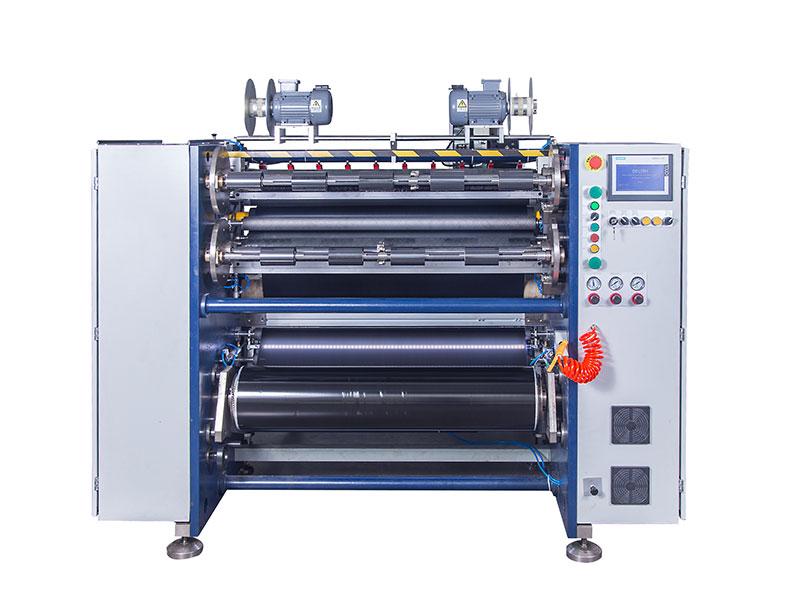 Ribbon Slitting Machine
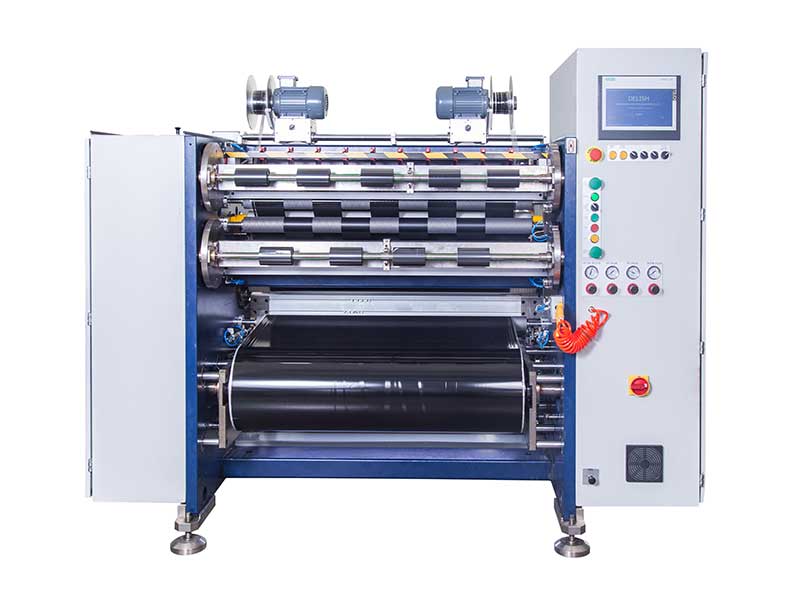 Barcode Ribbon Slitting Machine
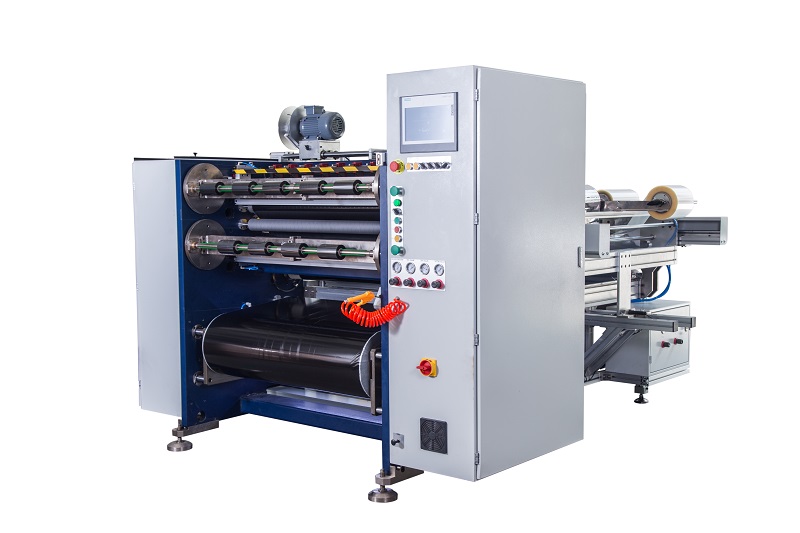 Semi Automatic Thermal Transfer Ribbon Slitter RSDS5 PLUS
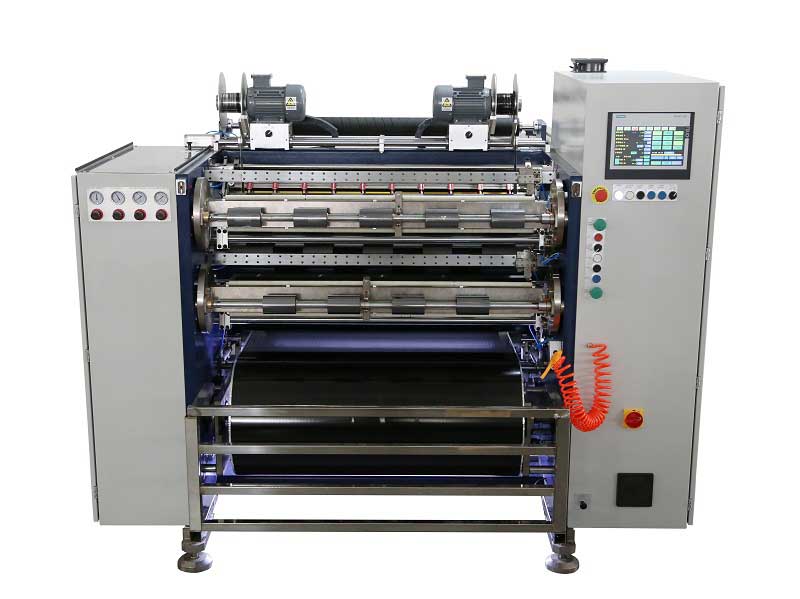 Automatic Thermal Transfer Ribbon Slitter RSDS8 H PLUS
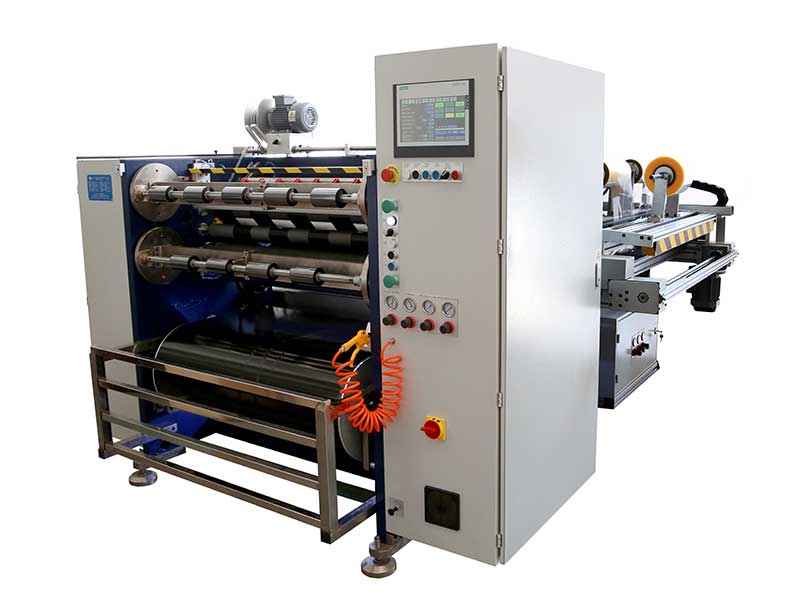 Automatic Thermal Transfer Ribbon Slitter RSDS6 PLUS
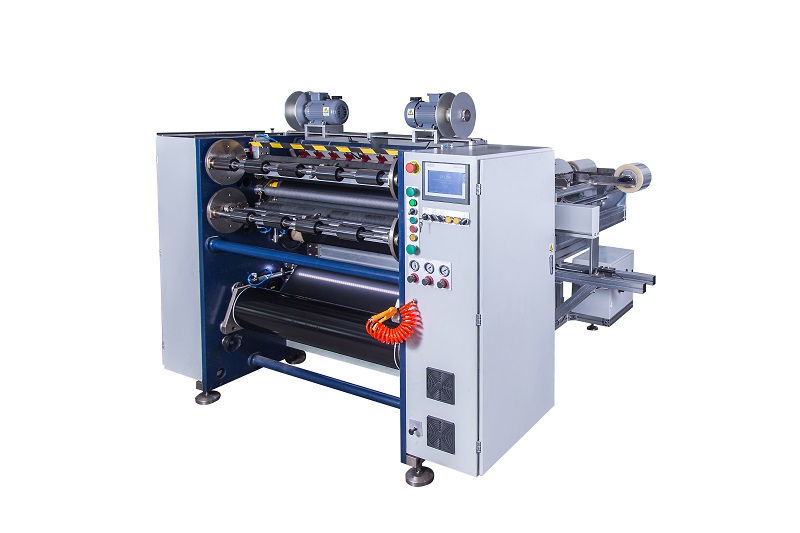 Semi Automatic Thermal Transfer Ribbon Slitter RSDS1 PLUS
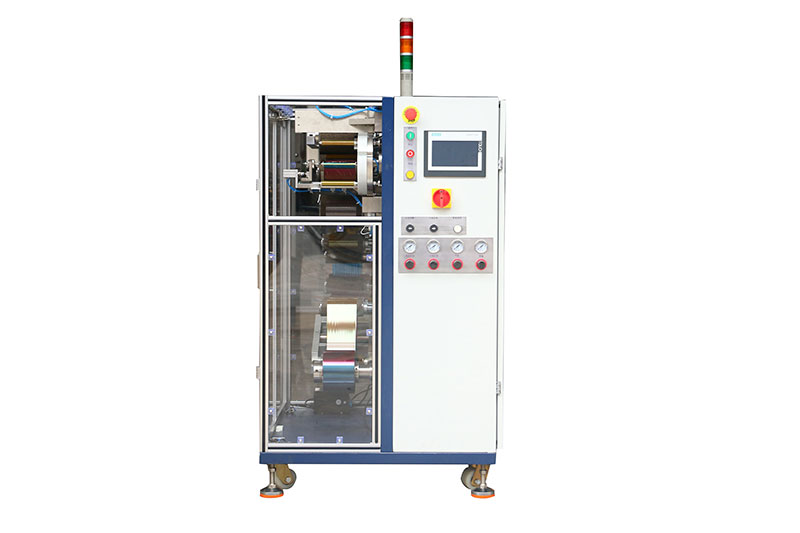 Card Print Ribbon Rewinder
 Card Print Ribbon Slitter