Tension control: thermal-transfer ribbon slitting yield is a hidden lever
In the production of thermal transfer ribbons, slitting is a key step in transforming wide master rolls into final products. The ribbon itself is a multilayer composite material with a thickness of only 4.5~10 microns (PET base film, release layer, ink layer, backcoat). This precise structure makes it extremely sensitive to mechanical changes. Tension control is the core variable that determines the success or failure of slitting—it acts like an invisible lever that controls the entire situation, and even slight fluctuations can cause huge fluctuations in yield.
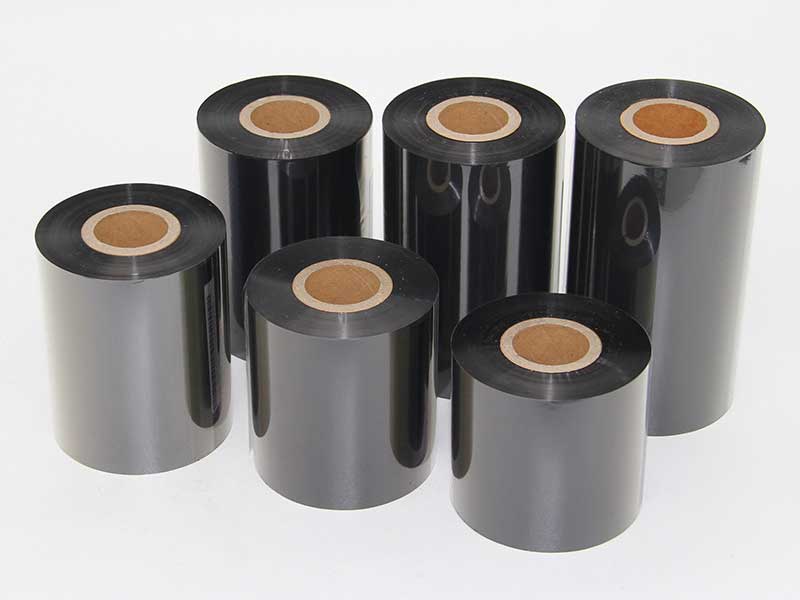
Tension Out of Control: The "Invisible Killer" of Yield Rate
During slitting, improper tension control can consume the finished product rate in various ways, affecting the entire production process:
Slitting zone: The direct source of defects. Excessive tension can cause the substrate to stretch and deform, resulting in burrs, serrations, and even microcracks at the cut edges; If the tension is too low, the material loosens, causing the serpentine shape to deviate and wrinkle. These defects not only affect appearance but can also directly cause broken lines, blurring, or scratched printheads during terminal printing. Data shows that on equipment not equipped with closed-loop tension systems, the scrap rate caused by abnormal tension can reach as high as 5%~8%.
Collection area: The area where hidden dangers accumulate. If the winding tension is unreasonable, the outer layer will crush the inner layer, forming "daisy core" wrinkles, or the "tower-shaped" roll with staggered ends may appear. These internal damages may not be obvious at the factory, but downstream customers may experience unstable movement and misprinted prints when used. Using taper tension control (linear decreasing tension as the roll diameter increases) is key to solving this problem, with the taper coefficient usually set at 0.3~0.5.
Belt Breaks and Downtime: A Double Blows to Efficiency and Cost. Tension fluctuations are the primary cause of band breaks, accounting for as much as 60% of unplanned shutdown events. Every broken band means material waste and production interruptions. Industry practice shows that after upgrading open-loop control to closed-loop tension systems, the number of band breaks can drop from an average of 3 times per roll to 0.2 times.
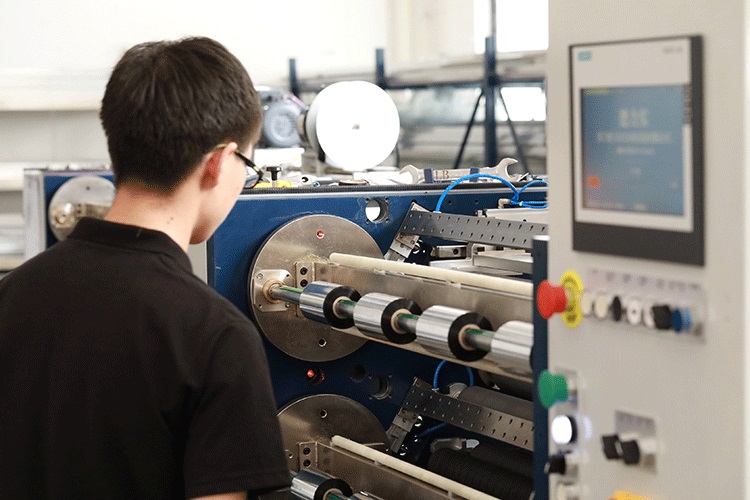
The evolution of tension control: from experience to precision
The generational differences in tension control technology directly set the upper limit for finished product rates:
Traditional open-loop control relies on manually setting fixed torque or air pressure, which cannot respond to changes in speed, roll diameter, or material batch differences. The operator's experience becomes the main variable, and the yield rate usually hovers between 85%~92%. In previous cases, slitting machines using open-loop systems had an average of 4~5 unplanned shutdowns per day, with a finished product rate of only 93.2%.
Modern closed-loop tension control has built a system for real-time sensing and regulation:
• Measurement: The tension sensor samples at a frequency of over a hundred times per second, capturing micronewton-level force changes.
• The control :P ID controller dynamically adjusts based on feedback and prestores over 20 sets of process parameters for different ribbon materials, enabling one-click recalls.
• Independent zone control: The unwinding, slitting, and rewinding zones each have their own tension settings to meet mechanical requirements at different stages.
The upgrade has shown significant results: tension fluctuations have narrowed from ±15% to within ±3%, the finished product rate has jumped from 93.2% to 98.7%, and some high-end production lines are approaching the 99% target.
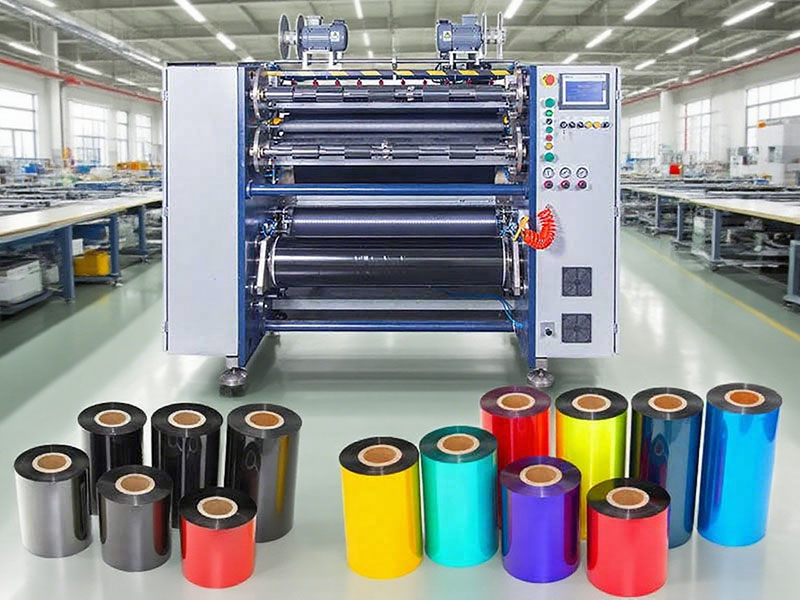
Material Adaptation: One type of carbon ribbon, one set of tension logic
Different materials of ribbons have distinctly different tension requirements, which tests the equipment's flexible control capabilities:
• Wax-based ribbon: The coating is the softest, and during slitting, friction and thermal can cause "wax overflow" and adhesion. Extremely sharp tools are required to have low and stable tension, complemented by cooling measures.
• Hybrid-based ribbons: balancing adhesion and wear resistance, mainstream in the market. The difficulty in slitting lies in balance—unstable tension can cause "burrs" and "powder shedding."
• Resin-based ribbon: Hard and brittle texture, excessive tension can easily cause "chipping" or microcracks, requiring extremely high instantaneous cutting capability from equipment.
An excellent tension control system must be able to find the precise balance between "overtight pull break" and "overly loose and wrinkled" to address these differences.
Conclusion
Tension control technology has risen from auxiliary parameters to core competitiveness in thermal transfer ribbon slitting. It is not only a direct means to reduce burrs, wrinkles, and broken bands, but also a key to achieving a paradigm shift from "experience-dependent" to "data-driven" production. For manufacturing companies pursuing high yields and batch consistency, investing in a precise closed-loop tension control system is a strategic choice to build quality barriers at the micron scale.
 English
 Deutsch
 Français
 Español
 Português
 日本語
日本語 русский
 한국어
한국어 عربي
عربي ภาษาไทย
 Tiếng Việt
 Italiano

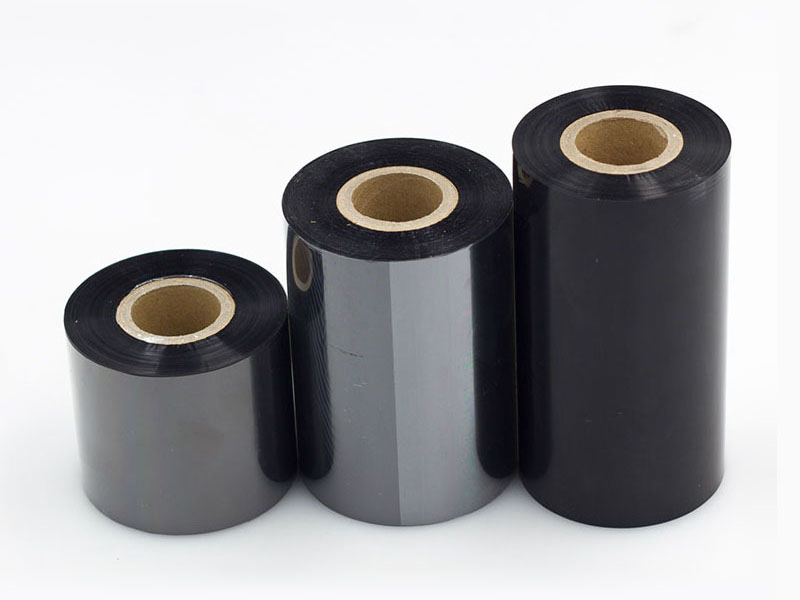
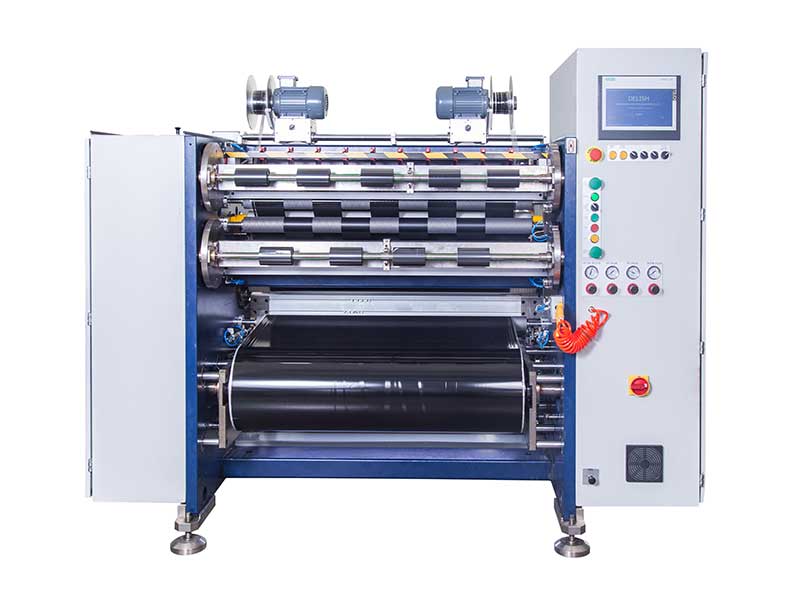 Barcode Ribbon Slitting Machine
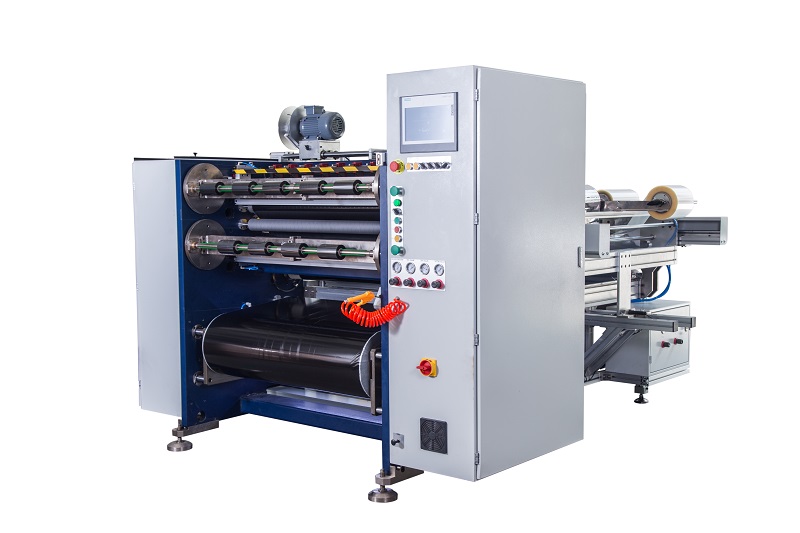 Semi Automatic Thermal Transfer Ribbon Slitter RSDS5 PLUS
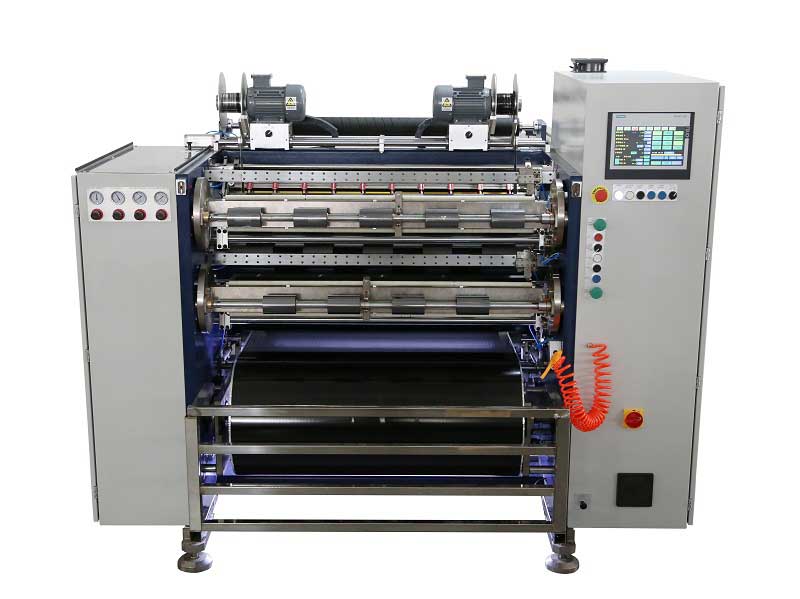 Automatic Thermal Transfer Ribbon Slitter RSDS8 H PLUS
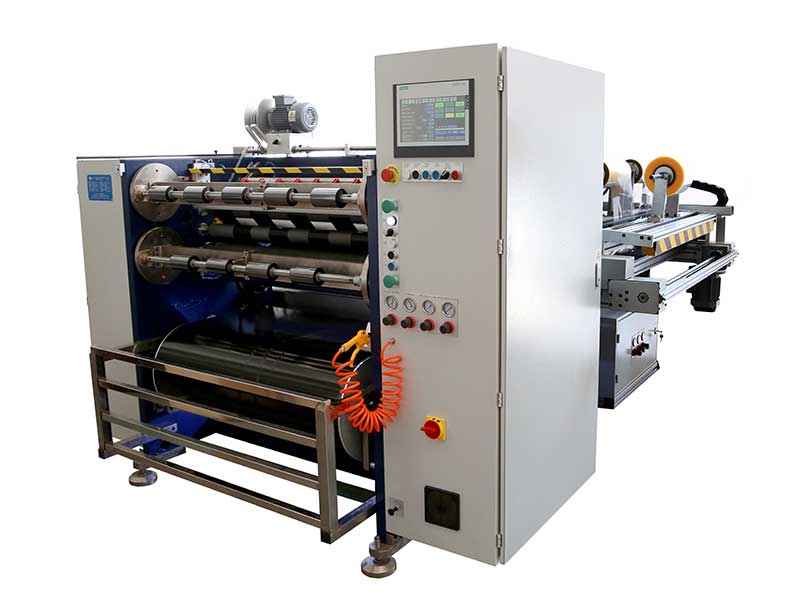 Automatic Thermal Transfer Ribbon Slitter RSDS6 PLUS
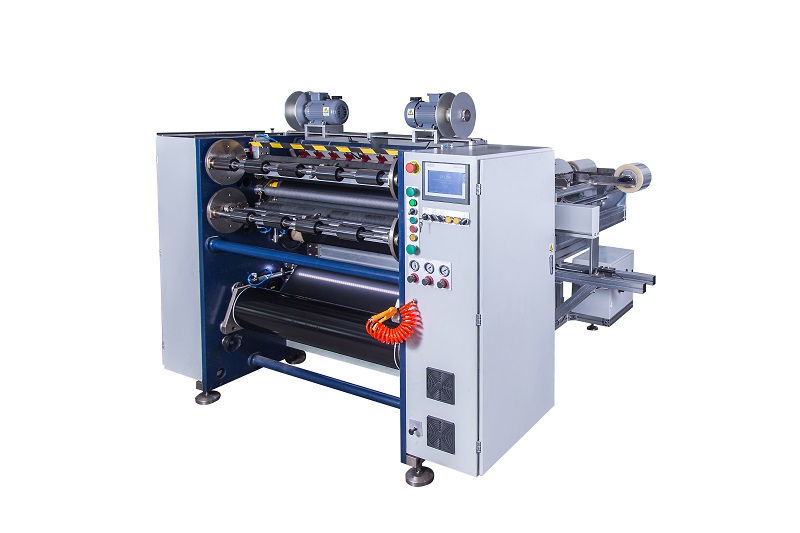 Semi Automatic Thermal Transfer Ribbon Slitter RSDS1 PLUS
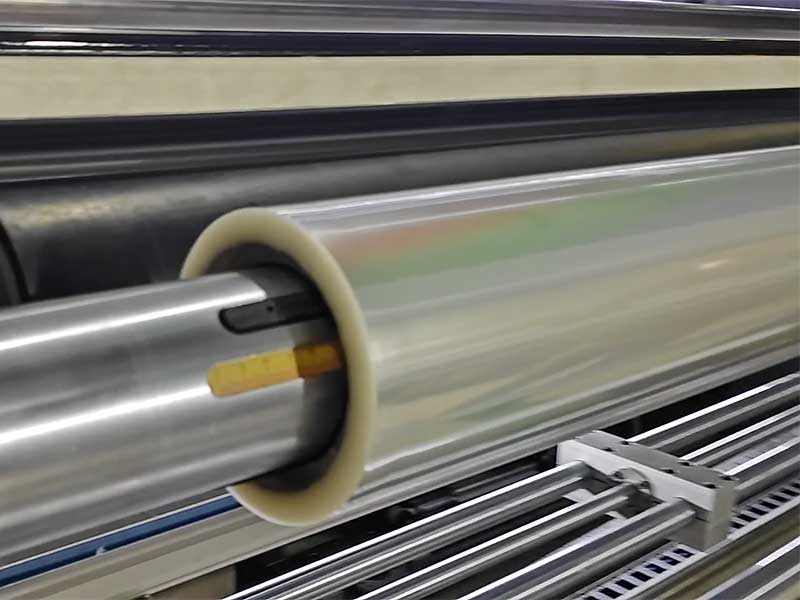 Solar Film Slitter
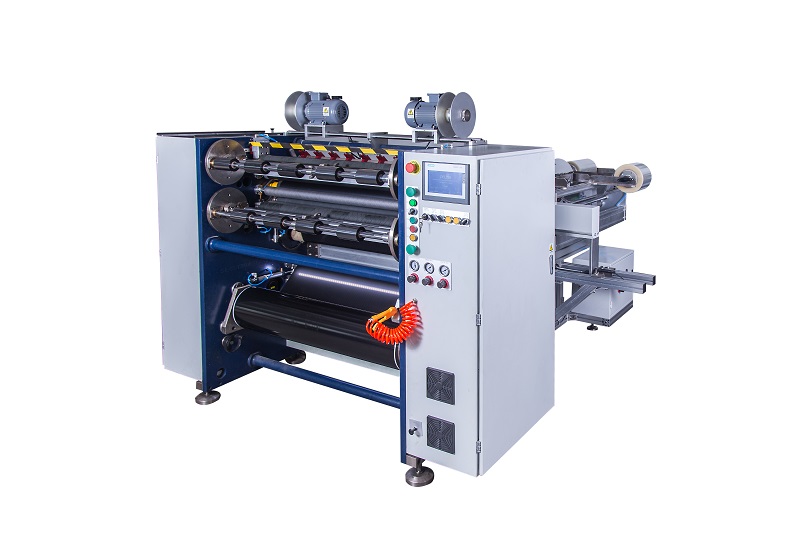 Semi Automatic Thermal Transfer Ribbon Slitter RSDS2 PLUS
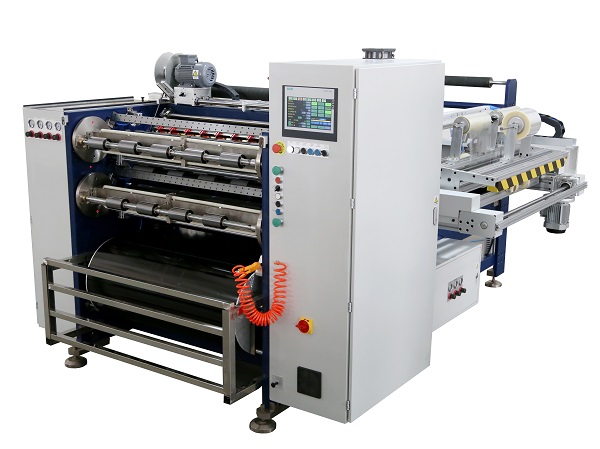 Automatic Thermal Transfer Ribbon Slitter RSDS8 PLUS