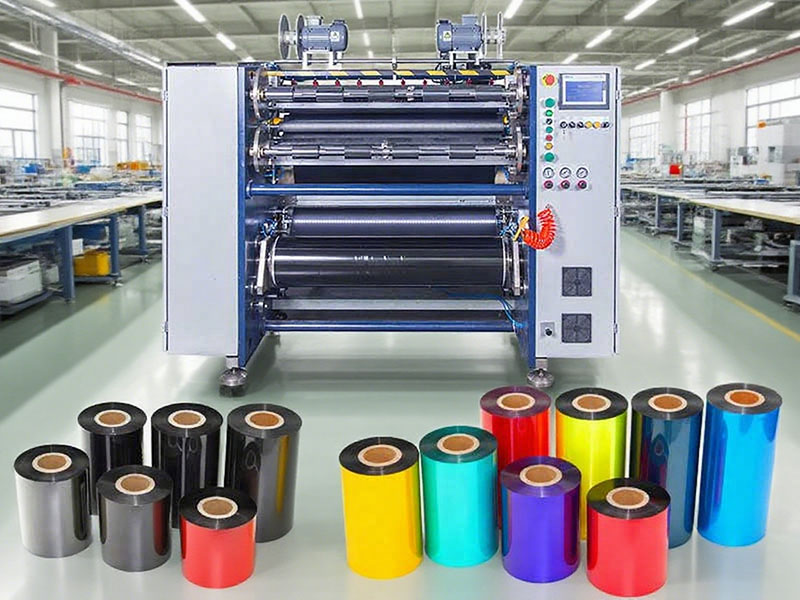
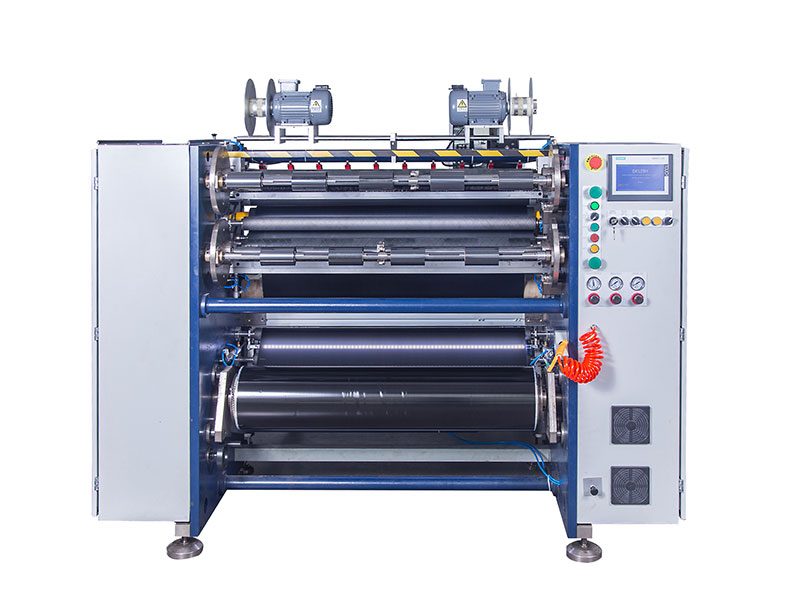
The ribbon slitting and rewinder is a key piece of equipment in the production of barcode consumables, and its slitting accuracy directly determines the smoothness of the ribbon movement and print clarity in the printer. If the slitting width error exceeds ± 0.1mm, or if defects such as "tower-shaped" or "daisy core" appear on the rewinding end face, downstream customers will encounter wrinkles, broken strips, or even print head damage. However, many users tend to focus on hard parameters such as slitting speed and automation level when purchasing equipment, overlooking a more hidden variable that continuously affects investment returns: whether the after-sales service system truly has the capability to "protect precision." A mature after-sales system for ribbon slitting and rewinding machines should not stop at response speed after failure, but should focus on precision elements such as tension control, mechanical parallelism, and correction systems, building a full-cycle closed loop of prevention, diagnosis, calibration, and upgrade.
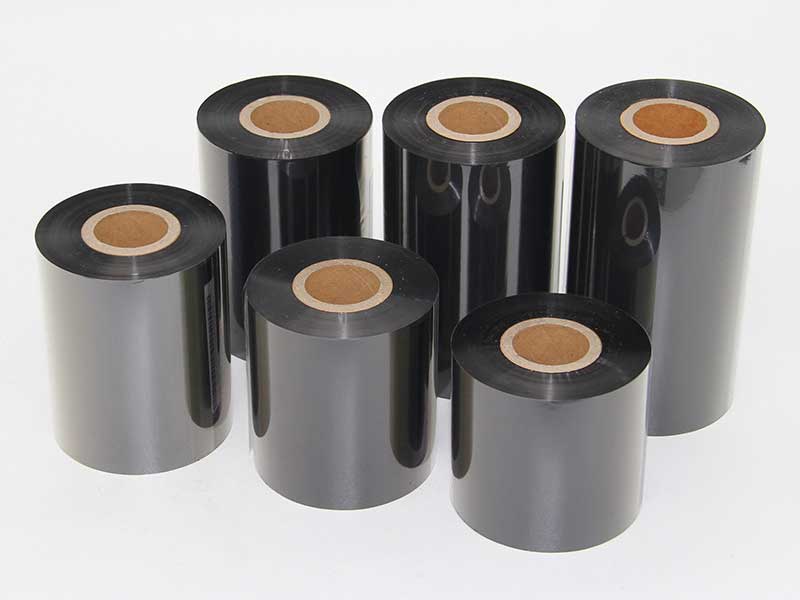
Pre-sales intervention and delivery calibration are the first hurdles to ensure accuracy. The ribbon substrate is mostly PET film with a thickness of only a few microns, which is extremely sensitive to tension fluctuations. If the tension taper parameters of the equipment are not matched for commonly used ribbon materials (wax-based, blended, or resin-based) during installation at the customer's site, even if factory commissioning passes inspection, uneven winding or inner layer wrinkling may still occur during actual operation. Therefore, the standardized after-sales system requires technical support personnel to complete two key actions during installation and commissioning: first, calibrate the winding tension and taper coefficient according to the customer's ribbon specifications and workshop temperature and humidity conditions; Second, provide on-site training to operators to understand the causal logic between tension setting and the quality of the rewinding end face, rather than just learning to press buttons. Some manufacturers have also extended training to the establishment of the "medical record card" system, guiding customers to record tension parameters and slitting speed combinations for different types of ribbons for each piece of equipment, thereby reducing batch scrap caused by parameter mismatches at the source.
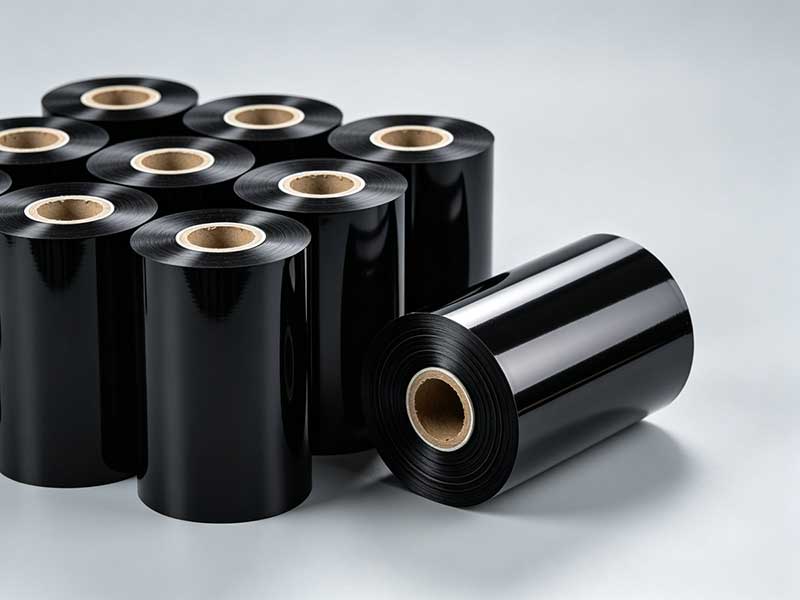
The core of preventive maintenance lies in controlling accuracy degradation before downtime. The degradation in slitting and rewinding machine precision is often gradual: the blade edge gradually dulls, and burrs that are hard to detect on the edges of the cut ribbons appear with the naked eye; The parallelism between the winding shaft and the guide roller is deviated by microns due to long-term vibration; The lens of the correction sensor is contaminated by toner, resulting in reduced response speed. These changes do not immediately trigger fault alarms but quietly erode yield rates. The mature after-sales solution draws on the maintenance logic of high-utilization production lines, replacing "repairs when broken" with scheduled inspection: regularly checking the slitting tool gap (ribbon recommended 0.01–0.03mm), calibrating the parallelism between the pressure roller and rewinding shaft with feeler gauges, cleaning the correction sensor and verifying actuator response, while establishing structured equipment status records as the benchmark for subsequent accuracy calibration. The value of this approach lies in shifting the role of after-sales engineers from "firefighters" to "equipment health managers," enabling customers to intervene before unexpected downtime occurs.
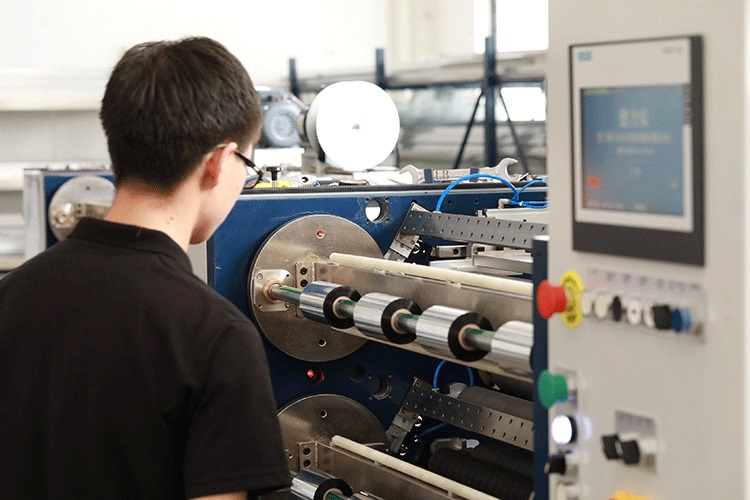
When a fault does occur, the layered collaboration between remote diagnostics and on-site response determines the scale of downtime losses. Most accuracy issues in ribbon slitting—such as uneven end faces, unilateral protrusions, and periodic oscillation—often stem from the intertwining of tension, mechanical, and correction subsystems. If engineers rush to dismantle and repair based solely on phone descriptions, it is very easy to fall into a cycle of "treating the symptoms, not the root cause." An effective approach is: first remotely connect to view the tension curve and correction signal records in the PLC to preliminarily determine whether the problem is biased toward electrical parameters or mechanical deviations; For parameter-related issues, remote guidance to customers to adjust the taper coefficient or clean the sensor can resolve the issue; For mechanical component faults that require disassembly and inspection, spare parts and calibration tools are brought to the site. After repairs are completed, accuracy rechecks for related items are performed simultaneously to avoid the chain deviation of "fixing one part but bringing another." Some manufacturers offer a one-year warranty and lifetime maintenance commitment for core components, and specify replacement rules for non-consumable parts during the warranty period, allowing customers to predict after-sales costs.
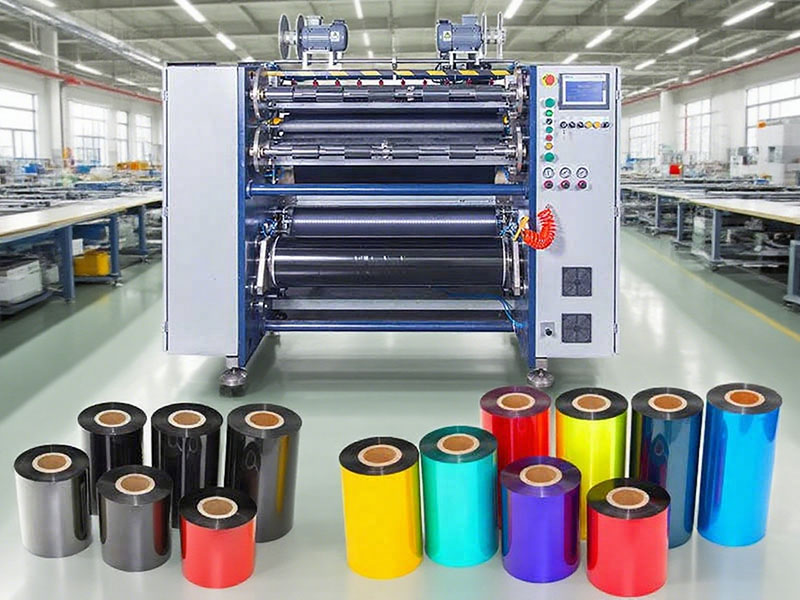
The ultimate value of the after-sales system lies in continuously iterating equipment capabilities alongside customers' process evolution. The ribbon market is evolving toward thinner substrates, higher printing speeds, and more segmented width specifications. Equipment calibrated today may face new tension control challenges two years later as customers switch to resin-based ribbons or narrower slitting widths. Therefore, after-sales service should not be limited to "restoring factory condition," but should include technical support for upgrades and modifications: cooperating with customers' trial cutting of new ribbons, recalibrating tension curves and slitting tool group parameters; Installing or upgrading the deviation correction system to meet high-precision requirements; It even opens remote diagnostic interfaces to customers' equipment management systems, enabling continuous collection and analysis of precision data. When the after-sales records of a slitting rewinder accumulate hundreds of batches of process parameters for ribbons made of different materials, this data itself becomes a hidden asset that customers find difficult to migrate.
Ultimately, the after-sales service system for ribbon slitting and rewinding machines is not measured by the promised response hours, but by whether the capability to break down the abstract metric of "slitting accuracy" into measurable, calibrateable, and traceable engineering actions. From the tension curve calibration during installation, to the monthly tool gap and parallelism inspection, and then to tracing root causes after failures, every step answers the same question: when a customer feeds a roll of wide female roll into the machine, can they be sure that what emerges is a finished ribbon with a smooth end face as smooth as a knife, running smoothly through the last centimeter in the printer? The answer to this question lies in the after-sales system's awe for precision, not in the brochure's promise of responsiveness.
 English
 Deutsch
 Français
 Español
 Português
 日本語
 русский
 한국어
 عربي
 ภาษาไทย
 Tiếng Việt
 Italiano

 Ribbon Slitting Machine
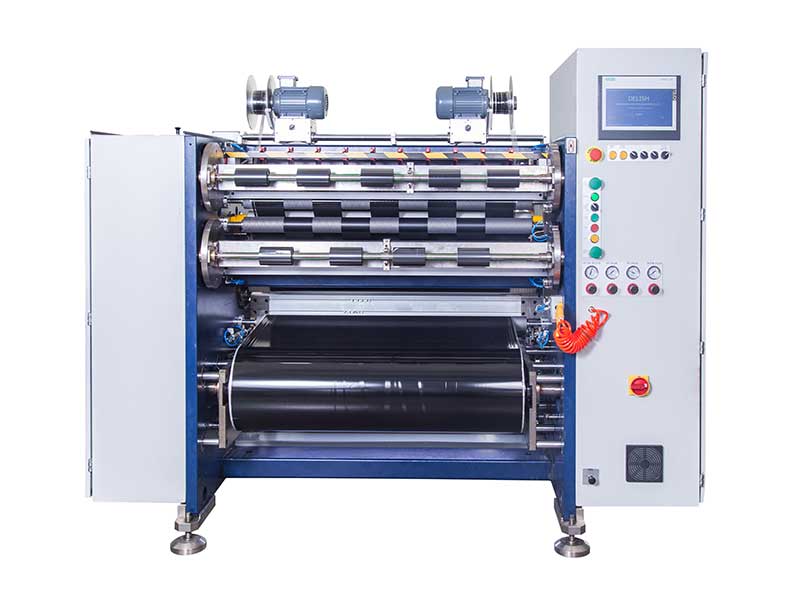 Barcode Ribbon Slitting Machine
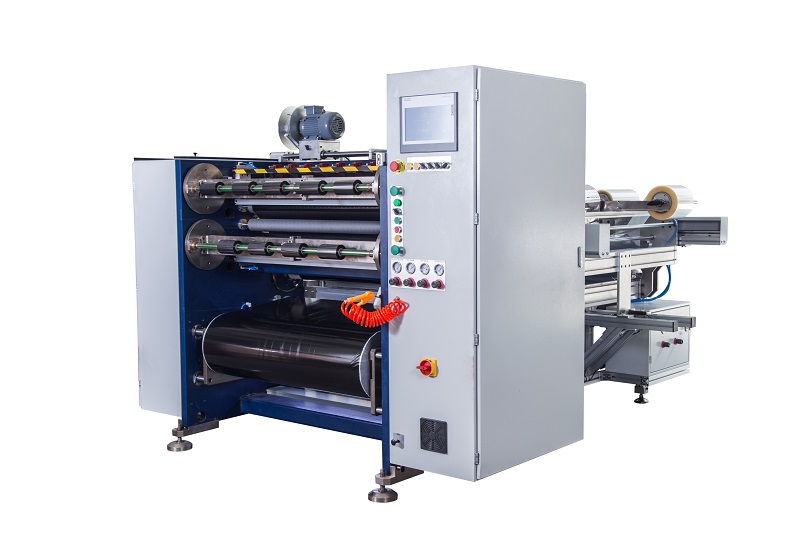 Semi Automatic Thermal Transfer Ribbon Slitter RSDS5 PLUS
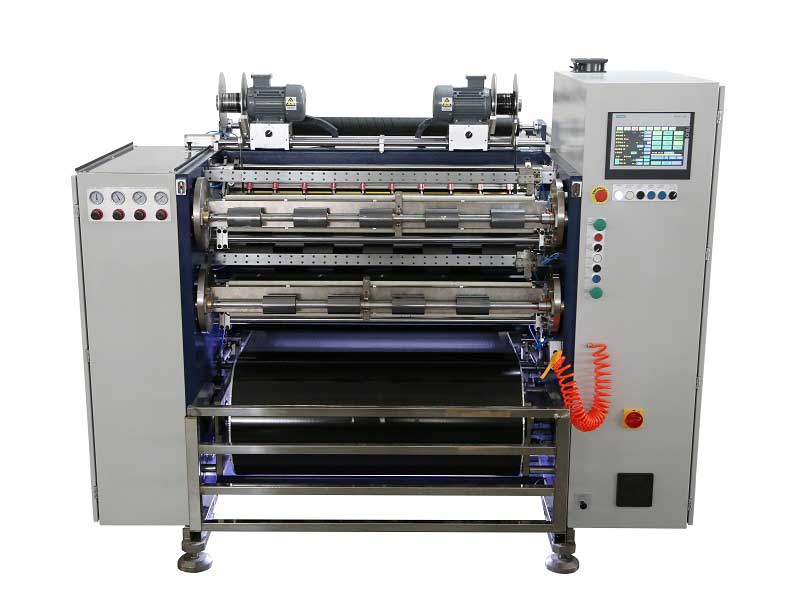 Automatic Thermal Transfer Ribbon Slitter RSDS8 H PLUS
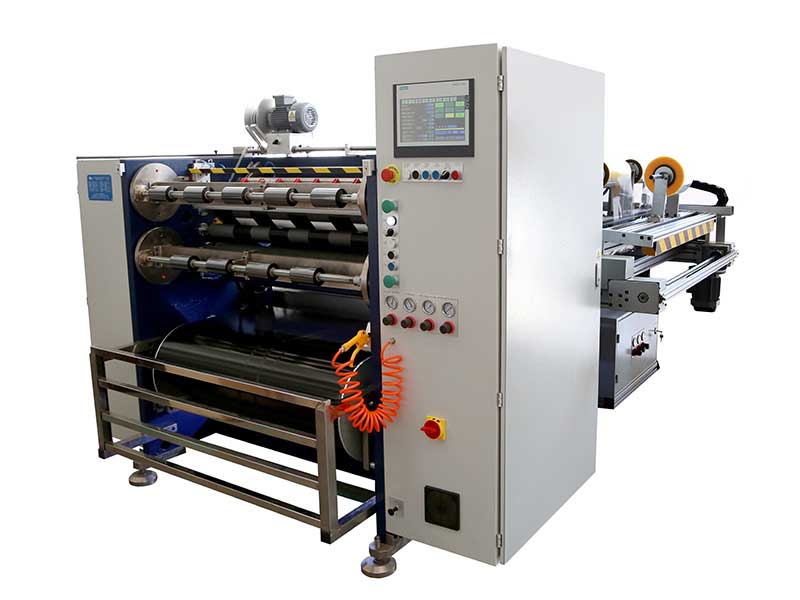 Automatic Thermal Transfer Ribbon Slitter RSDS6 PLUS
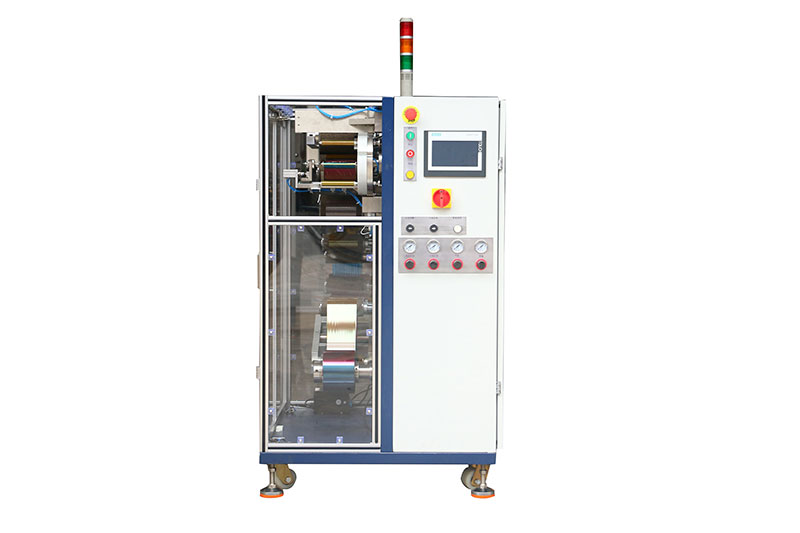 Card Print Ribbon Rewinder
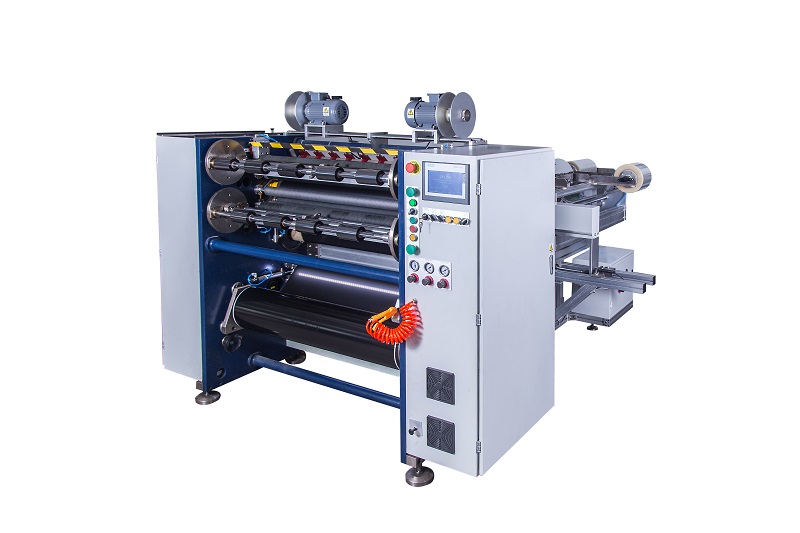 Semi Automatic Thermal Transfer Ribbon Slitter RSDS1 PLUS
 Card Print Ribbon Slitter