When customizing a film slitting machine, the biggest fear is not negotiating the price, but discovering after the equipment arrives that "it can't cut, can't cut well, can't cut quickly." There are many types of film materials, from capacitive films a few microns thick to hundreds of microns thick, from lithium separators that are resistant to static electricity to optical films that are scratch-safe. General-purpose models struggle to cover all scenarios. The essence of demand matching is to translate your material characteristics, production capacity goals, and quality baseline into technical language that suppliers can implement. This guide breaks down key nodes through the integration process, helping you clearly state what needs to be said before inquiring and signing.
Step 1: First, clearly explain the "film" so suppliers don't have to guess
The cutter profile, tension structure, and roller surface treatment method of the slitting machine are all determined by the physical properties of the film. The first thing to do during docking isn't to ask how much the machine costs, but to lay out the material parameters.
Material type and thickness are the foundation of the basics. BOPP and PET have different rigidity; PE has much greater ductility than CPP, while lithium battery separators or capacitor films have almost zero tolerance for cleanliness and burrs. Thickness range is equally crucial: the same machine struggles to handle both 3μm capacitive film and 200μm industrial packaging film. If the material range is indeed very wide, it is necessary to clearly define the "main force thickness range" during docking so that suppliers can reasonably configure the tension system's range and the applicable window for the tool.
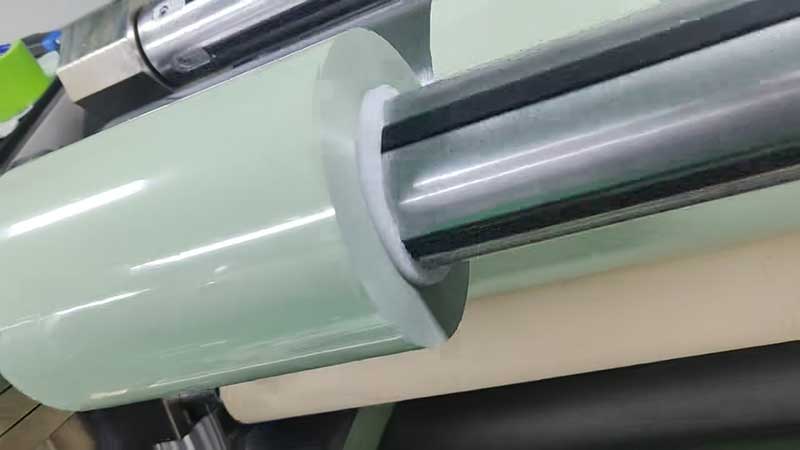
Surface characteristics and environmental sensitivity are often underestimated. Films prone to static electricity require static eliminators; adhesive materials require anti-stick treatment for peel rollers; optical films or OCA adhesive films must use air-floating transmission or non-contact tension control to prevent scratches. If your film has experienced issues such as "stick blades," "wrinkling," or "dust at the edges" during slitting, directly informing the supplier of these pain points is more valuable than just reporting the material grade.
Step 2: Use numbers to lock specification boundaries
The size specifications of the film slitting machine are defined by both the mother roll and the finished roll. Vague descriptions can cause the equipment capacity to be misaligned with actual requirements.
The main coil parameters include maximum width, maximum diameter, and core inner diameter. Common main roll widths range from 500mm to 3400mm, with cores available in 3-inch and 6-inch sizes. If you plan to change suppliers or expand your supply sources in the future, it is recommended to set the equipment limit based on the "maximum possible size" to avoid new main rolls that cannot fit after six months.
The finished product specifications need to be accurate down to the minimum slitting width and the maximum outer diameter of the finished coil. The minimum slitting width is a strict constraint on equipment accuracy grades: cutting 20mm narrow strips and 100mm standard strips require cutter shaft rigidity, correction response speed, and winding shaft accuracy are completely different from the same level. If the minimum specification is less than 50mm, be sure to clearly inform at the initial stage of integration; otherwise, standard models may not be able to roll stably.
The description of slitting precision should avoid ambiguous expressions like "the higher the better." Electronic and optical films are typically required to be within 0.1mm ±, and some high-end scenarios even need ± 0.05mm. However, with each level of accuracy improved, cost and delivery times change accordingly. A reasonable approach is: provide a guaranteed accuracy value, then specify the acceptable fluctuation range.
Step 3: Match capacity with automation to match the real production rhythm
Speed indicators should not be viewed in isolation. A machine rated at 800 m/min may only run at 300 m/min when cutting thin PE film, because the stability of the tension system at high speeds is the real bottleneck.
During docking, expected daily or shift output should be provided, not just a speed number. Suppliers will calculate reasonable working speeds based on material properties and finished product specifications, then configure motor power and retracting and reeling reel specifications accordingly. If you need to complete a fixed number of finished rolls daily, turnover time becomes a key variable: the difference in downtime between manual and automatic roll changes is significantly amplified in scenarios with small batches and many batches.
Tool change and mold change frequency are also worth mentioning in advance. If you need to switch between three or four different widths of orders within a week, modular tool holders and quick changeover systems are worth investing in; If you only cut one or two specifications year-round, you can save that money. The selection of automatic tool layout systems, pneumatic expansion shafts, and magnetic powder shafts should be based on your actual change rhythm, rather than blindly pursuing "fully automatic" models.
Step 4: Quality requirements must be set according to inspectable indicators
"Face neatness" is a sensory description, not a technical specification. During docking, it needs to be broken down into acceptable standards.
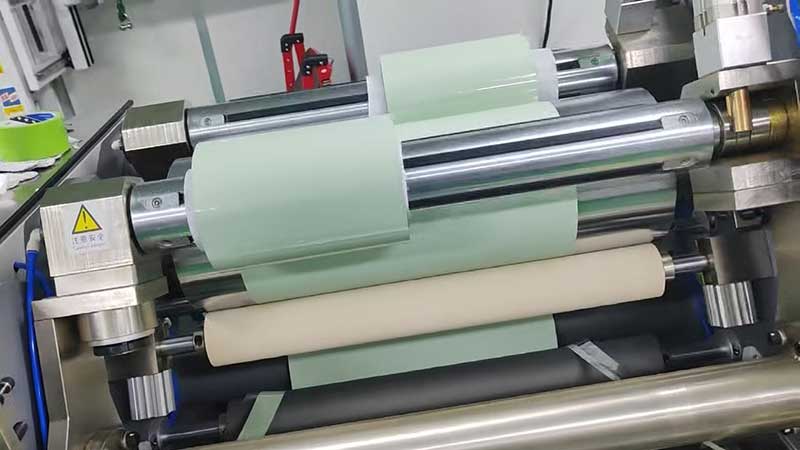
The flatness of the end face can be agreed to the offset layer at the edge after winding not exceeding a few millimeters. Burr control needs to be clearly defined whether it is invisible to the naked eye or within an acceptable range at a specific magnification. For lithium battery separators or capacitor films, burrs may directly cause short-circuit failure; in such cases, suppliers should be required to provide microscopic inspection reports of slitted samples or commit to specific testing methods.
If the film is to undergo subsequent aluminization, coating, or lamination processes, the microscopic quality of the slitting edges will affect downstream adhesion or coating uniformity. Informing downstream process requirements to slitting machine suppliers helps them choose the appropriate tool material and cutting method—flat blade, circular blade, or laser slitting—with significant differences in edge morphology on different materials.
Step 5: Put the workshop conditions on the table
No matter how good the equipment is, if it can't fit inside, it's just scrap metal. During docking, install space with constraints on length, width, and height, especially height: some models have flip arms or high winding racks, and insufficient floor height will directly exclude certain structural solutions. Power conditions (voltage, frequency, total installed power) and loading and unloading methods (crane, forklift, or manual transport) also need to be checked simultaneously, as these affect the basic design of the equipment and the selection of auxiliary mechanisms.
If the workshop has cleanliness or explosion-proof requirements, be sure to state them in advance. Clean environments may require stainless steel bodies, enclosed drives, and dust collection devices; The explosion-proof area concerns the certification level of electrical components. If these non-standard configurations are only proposed after signing, delivery times and costs will spiral out of control.
Step 6: Use a checklist instead of repeated communication
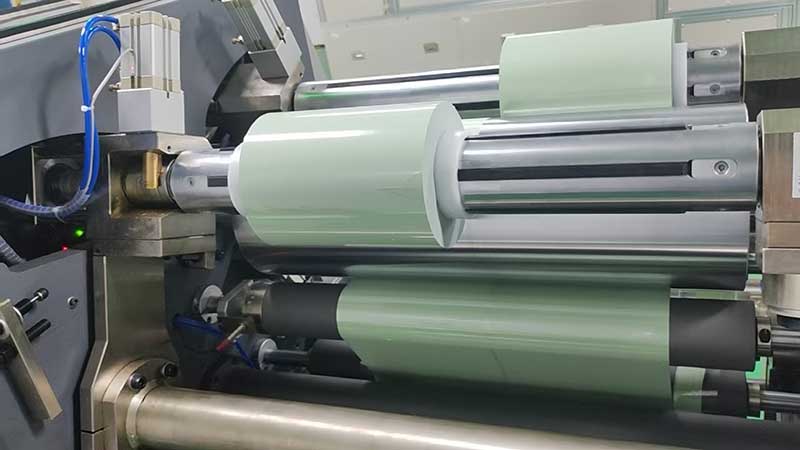
Information is scattered across multiple rounds of dialogue, which is the main source of demand misalignment. It is recommended to organize a single-page requirement form for suppliers during the first formal matchup, including the following sections:
| Project | What you fill out |
| Types and grades of materials | Example: BOPP, single-sided aluminum plating |
| Thickness range | Example: 12–30μm, main force 18μm |
| Maximum width/diameter of the main roll | Example: 2200mm / Φ800mm |
| Inner diameter of the roll core | Example: 3 inches |
| Minimum slitting width | Example: 30mm |
| Maximum outer diameter of finished rolls | Example: Φ450mm |
| Slitting accuracy requirements | Example: Width tolerance ± 0.1mm, end face off-layer ≤ 0.5mm |
| Target shift output | Example: Each class lasts 8 hours, with about 120 finished rolls |
| Model change frequency | Example: Change the blade 2–3 times per week |
| Workshop space constraints | Example: Length 6m× width 3m× height 2.8m |
| Special requirements | Example: Requires static elimination, clean cover, and laser slitting |
The purpose of this form is to have suppliers provide meaningful solutions in the first round, rather than simply replying, "What kind of film would you like to cut?" It also protects you: when prices vary greatly among multiple providers, you can compare tables to determine which one truly understands your needs and which is just using standard model scripts.
Final thoughts
The core principle of customized integration is simple: translate "I want a good machine" as "This is how my film works, my work is like this, my workshop is like this." The technical barriers of film slitting machines lie in tension control accuracy and material adaptability, both of which cannot be compensated for by post-commissioning. Spending two extra hours in the early stages to clarify parameters is better than two months of disputes after equipment arrives at the factory. Suppliers aren't afraid of having too many demands; what they fear is not being clear.
 English
 Deutsch
 Français
 Español
 Português
 日本語
 русский
 한국어
 عربي
 ภาษาไทย
 Tiếng Việt
 Italiano

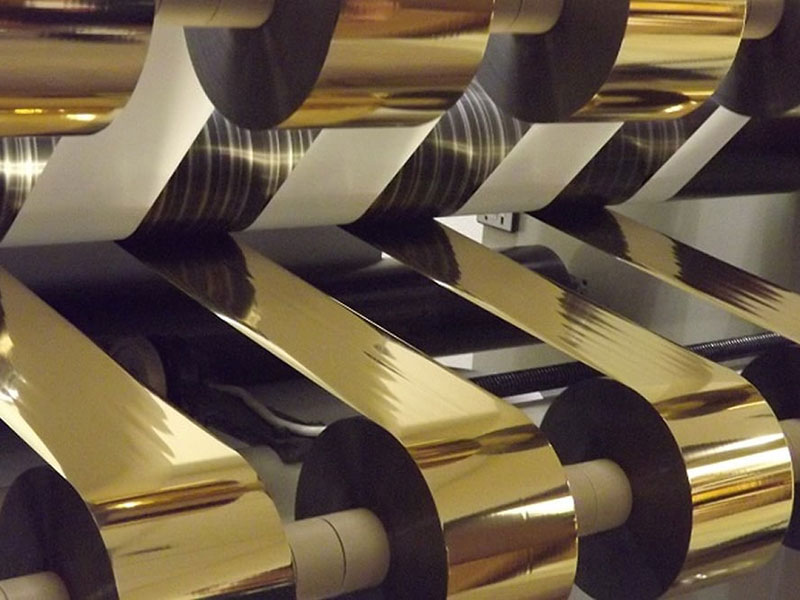
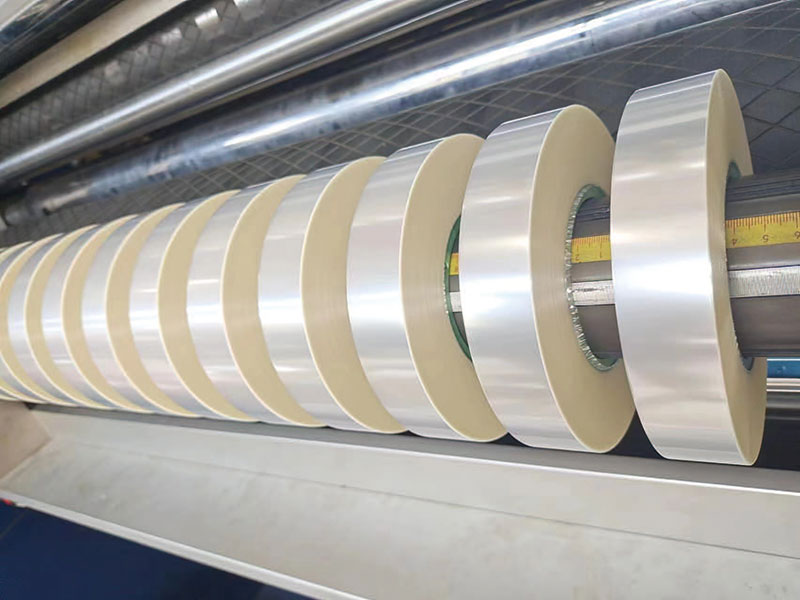 Film Slitting Machine
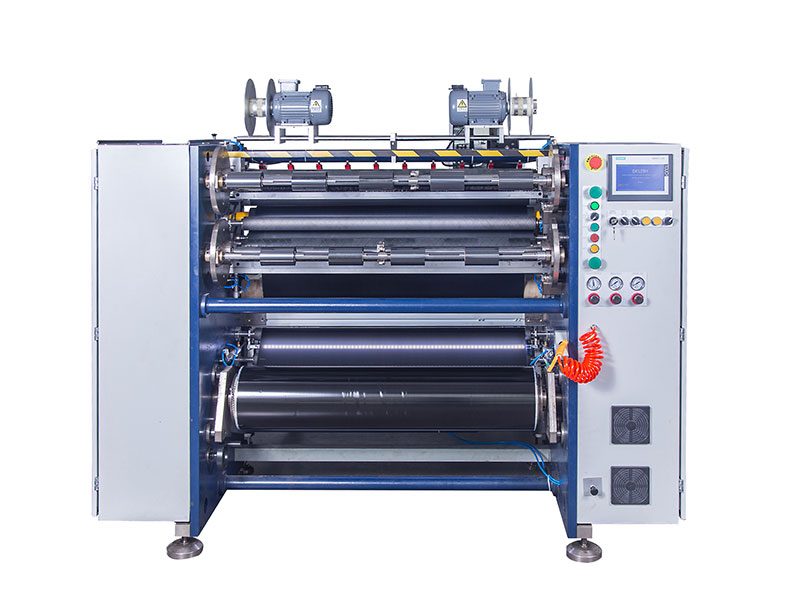 Ribbon Slitting Machine
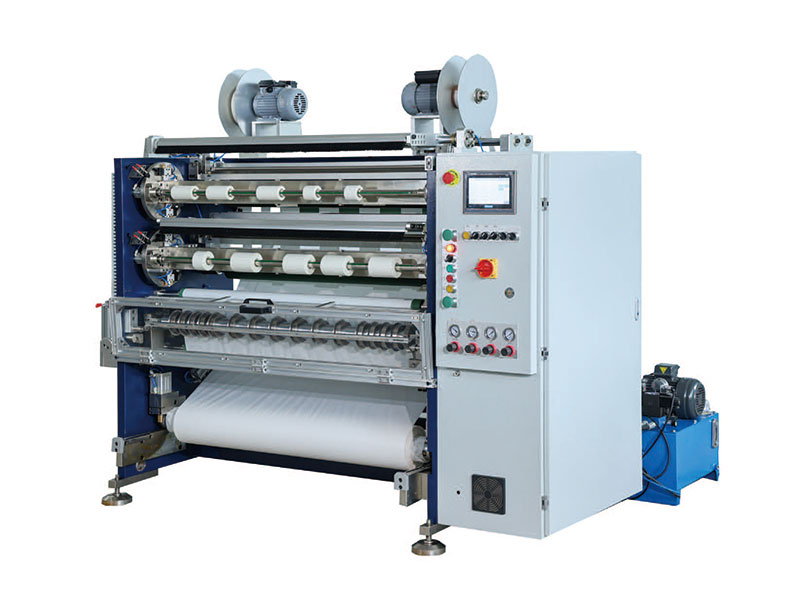 Tape Slitter
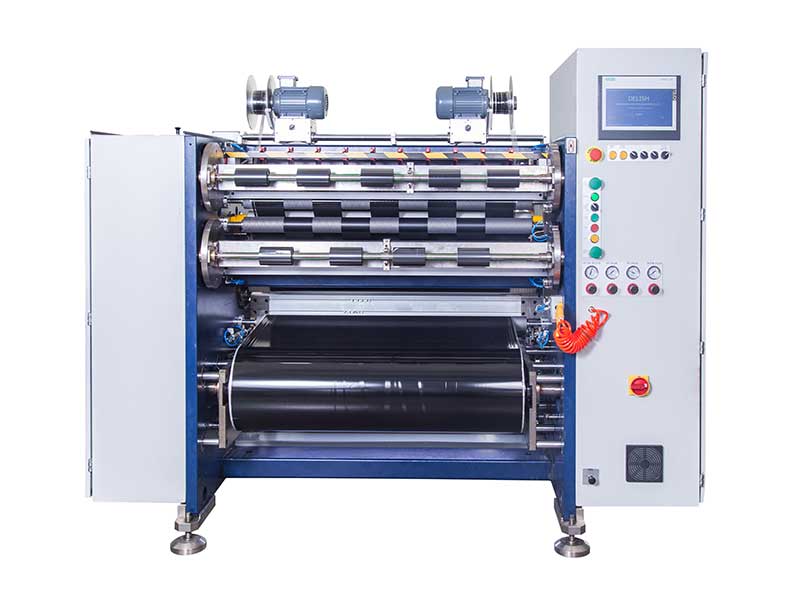 Barcode Ribbon Slitting Machine
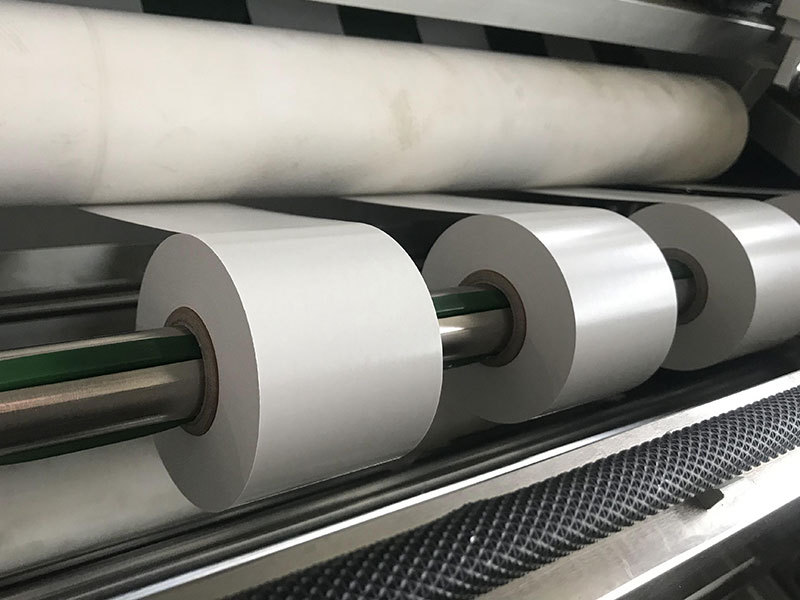 Single Side Adhesive Slitter
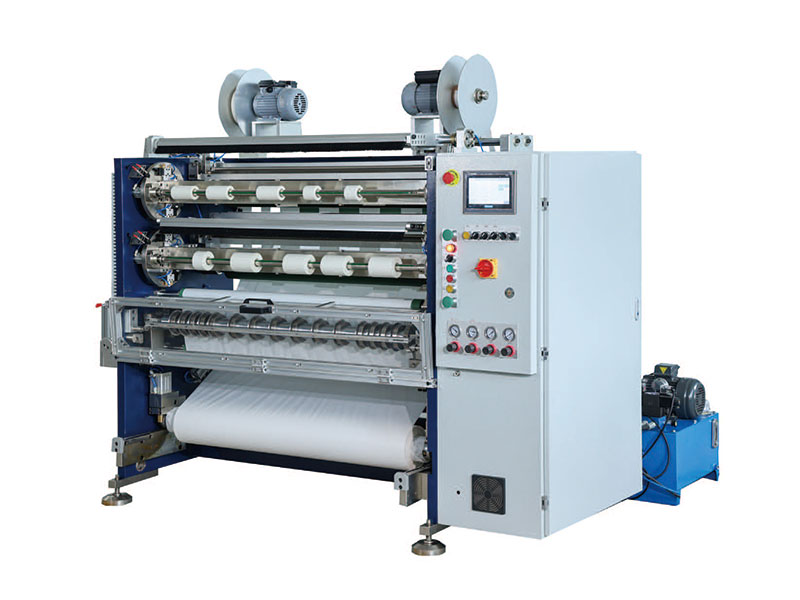 Double Side Adhesive Slitter
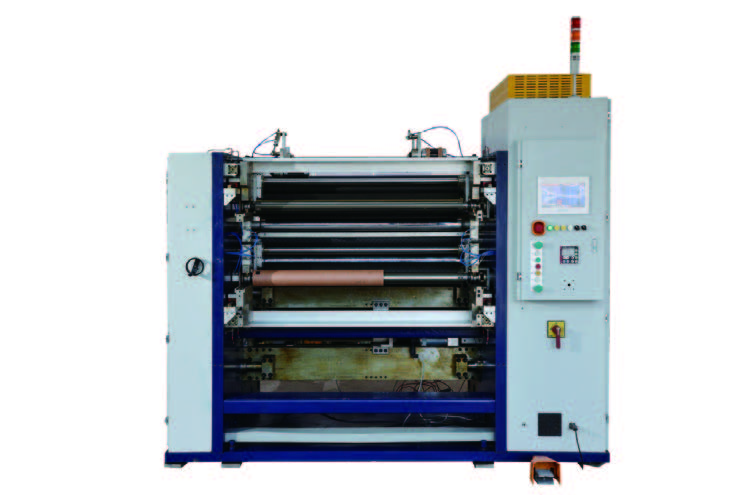 Capacity Film Slitter
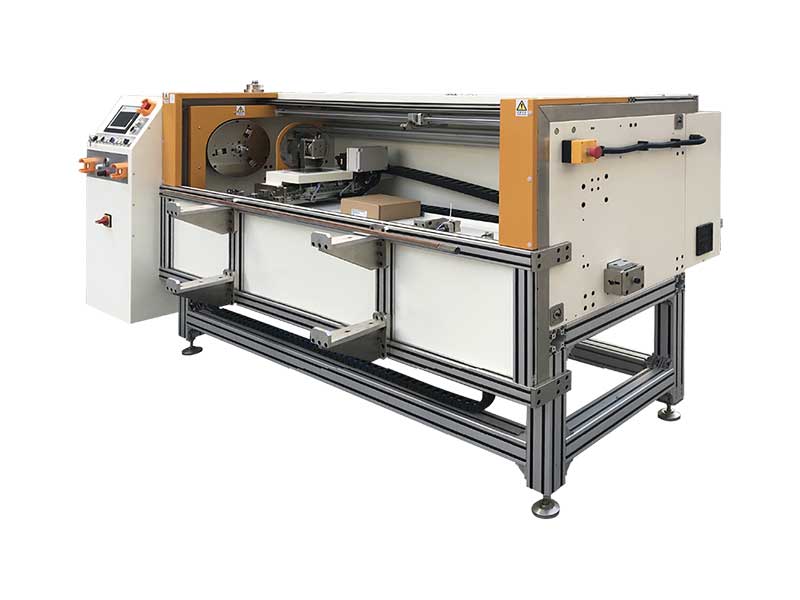 Automatic Foil Roll Cutter