In the production chain of thermal transfer ribbons, slitting is the final link connecting previous and lower stages and is also a key process that determines the quality of the finished product. The total thickness of the ribbon is typically only 4.5 to 20 microns, and it is made by combining an ultra-thin PET base film, heat-resistant coating, and ink layer. This "as thin as a cicada's wing" material property means that any tension fluctuations, tool dullness, or correction lag during slitting can become an "invisible killer" for the print head or a strip break accident on the customer's production line.
When companies face the selection decision for slitting machines, a practical question arises: Is intelligent configuration a necessary investment, or is it a "premium" that can be omitted? To answer this question, we need to calculate from three dimensions: production pain points, hidden costs, and market trends.
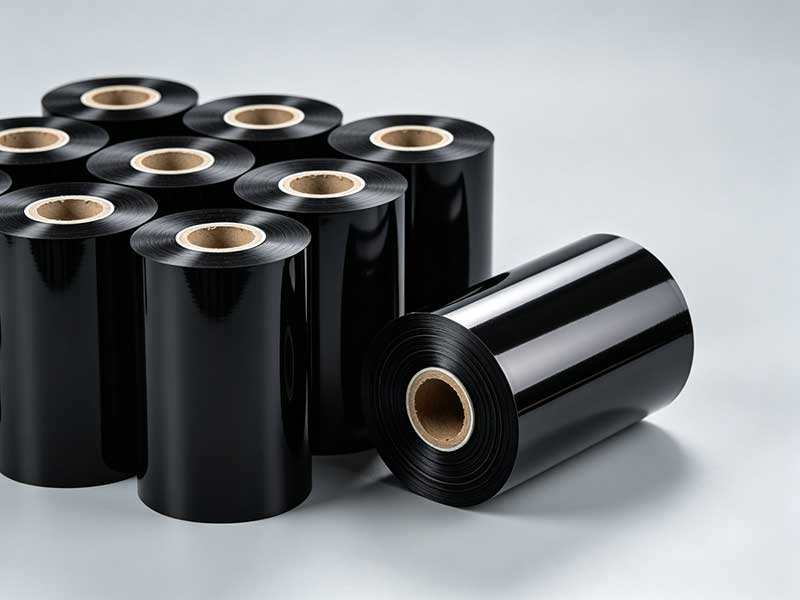
Tension control: Intelligence first addresses "stable cutting"
The first challenge in ribbon slitting is tension. The base film is extremely thin; excessive tension causes stretching, deformation, or even breakage. Insufficient tension causes the roll to become loose and wrinkled, while uneven tension causes the finished roll to be "loose inside and tight outside" or develop a "vegetable core" phenomenon. Traditional slitting machines mostly use magnetic powder clutches or open-loop torque motors to control tension, which respond slowly and fluctuate greatly. Data shows that the fluctuation range can reach up to 10% ±, making it difficult to meet high-precision requirements.
One of the core values of intelligent selection is the introduction of a fully closed-loop tension control system. Modern high-end slitting machines independently install tension sensors in each section of unwinding, traction, and rewinding, and perform millisecond-level dynamic adjustment through PLC and PID algorithms, controlling tension fluctuations within ±2% of the set value, with some devices even achieving an accuracy of ±0.2N. Advanced taper tension control technology can automatically decrease the winding tension according to a preset curve based on real-time coil diameter, ensuring consistent hardness inside and outside the finished coil and mirror-like flat end faces.
What are the consequences of this difference? Measured data from a carbon belt factory provides the answer: after upgrading open-loop control to closed-loop vector frequency conversion + floating roll feedback, the average number of unplanned downtime dropped from 4.6 times per day to 0.3 times, a reduction of 93.5%; The finished cut rate increased from 93.2% to 98.7%. For a production line with tens of thousands of meters of daily output, this means thousands of meters of qualified output per day and lower waste disposal costs.
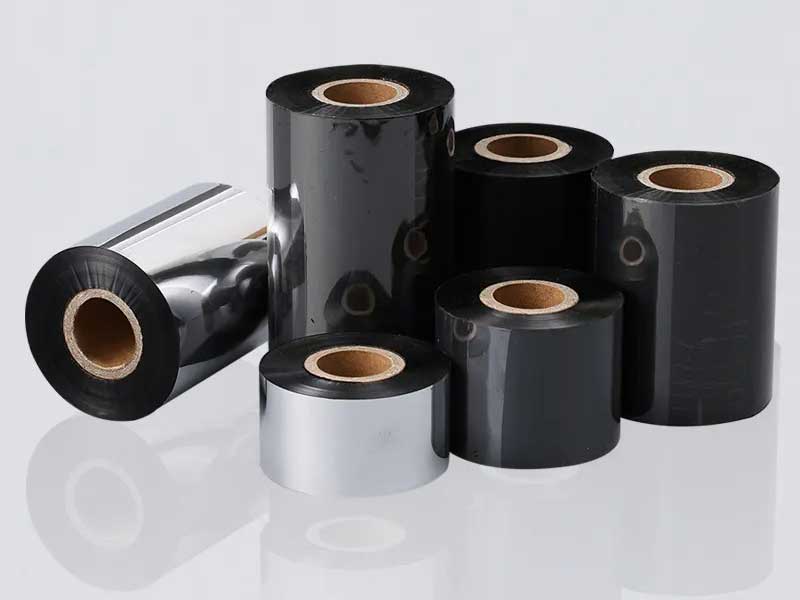
Automation and Digitization: The Overlooked "Hidden Cost Killer"
When selecting models, only looking at the procurement price is the most common misconception in ribbon slitting machine decisions. A device that costs 20% less but has twice the failure rate may cost 50% more over two years. The value of intelligent features lies precisely in reducing hidden costs.
Labor cost savings are explicit. Traditional slitting workshops rely on manual feeding, tool adjustment, inspection, and roll changes. An experienced master craftsman often needs years of training, and quality depends heavily on their condition and experience. The intelligent equipment reduces the number of operators per shift from 3 to 1 through automatic feeding, one-click specification change, and online inspection, cutting labor costs by 60%.
More hidden but more impactful are model change losses and scrap product losses. The ribbon market is shifting from "standard wide width, large batch" to "customized, short delivery time" models, with demand for niche segments such as e-commerce small rolls and medical-specific rolls surging. Traditional slitting machines take 1 to 2 hours to change models, meaning small-batch orders are almost unprofitable. Smart models equipped with automatic tool holder positioning and formula management systems allow the operator to automatically move the tool holder to the designated position after entering a new specification on the touchscreen, with tension parameters automatically matched, reducing change time to 3 to 5 minutes. Upgrade data from one factory shows that after reducing the production change time from half an hour to just a few minutes, the overall equipment efficiency improved by over 40%.
Online defect detection is another easily underestimated intelligent feature. Manual visual inspection at high speeds is almost impossible to continuously detect micron-level coating unevenness, edge burrs, or bubbles. After integrating machine vision systems, ribbon surface defects can be identified and marked within 0.01 seconds, reducing the defect rate from 3% to 5% in traditional sampling inspections to below 0.5%, with some equipment even reaching 0.1%.
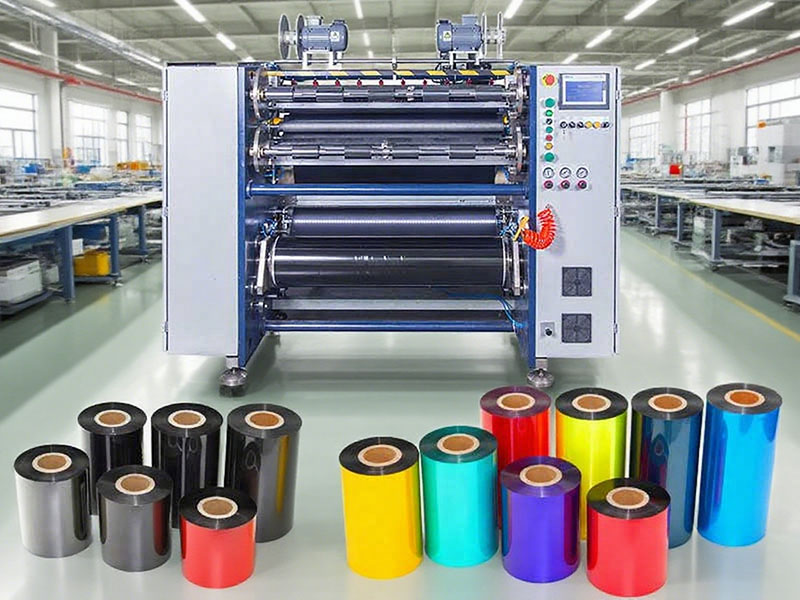
Where is the critical point for decision-making?
Intelligent selection is not "necessary" in every scenario. Its necessity depends on the company's product structure, order characteristics, and development expectations.
If a company has long-term orders for single-specification, large-scale standard ribbons and requires precision at the standard commercial label level (tolerance ± 0.3 to 0.5mm), then a stable and reliable basic semi-automatic device may be sufficient. The premium of intelligent features has a long payback period in this scenario.
However, if a company faces any of the following situations, the necessity for intelligent selection will significantly increase: products involving precision electronic tags, medical labels, or ultra-narrow ribbons, with accuracy requirements reaching ±0.1mm or even ±0.05mm; Orders characterized by "small batches, multiple specifications," with high model change frequency; Customers have strict requirements for batch consistency and require complete data traceability; Or the company is facing rising labor costs and difficulty recruiting skilled technicians.
From an industry trend perspective, ribbon slitting machines are undergoing a transformation from "machine-driven" to "intelligent-led," with fully automated, flexible wire, and digital twin being regarded as the three major engines for the next five years. This means that the marginal benefits of intelligent configuration will be further amplified as the industry upgrades—when upstream and downstream companies begin to require data integration and batch traceability, production lines lacking intelligent capabilities may face the issue of "whether orders can be received" rather than "cost levels."
Conclusion
The intelligent selection of ribbon slitting machines is essentially not about paying for "advanced technology," but about paying for certainty: definite quality consistency, definite changeover efficiency, and definite cost control. For carbon ribbon companies with mid-to-high-end product positioning, diverse order structures, or long-term competitiveness, intelligence is not a matter of "want or have," but rather a calculation of how long the investment return period is. In the field of ribbons, where precision is extremely sensitive, the value of choosing the right machine often becomes apparent in its very first month of operation.
 English
 Deutsch
 Français
 Español
 Português
 日本語
日本語 русский
 한국어
한국어 عربي
عربي ภาษาไทย
 Tiếng Việt
 Italiano
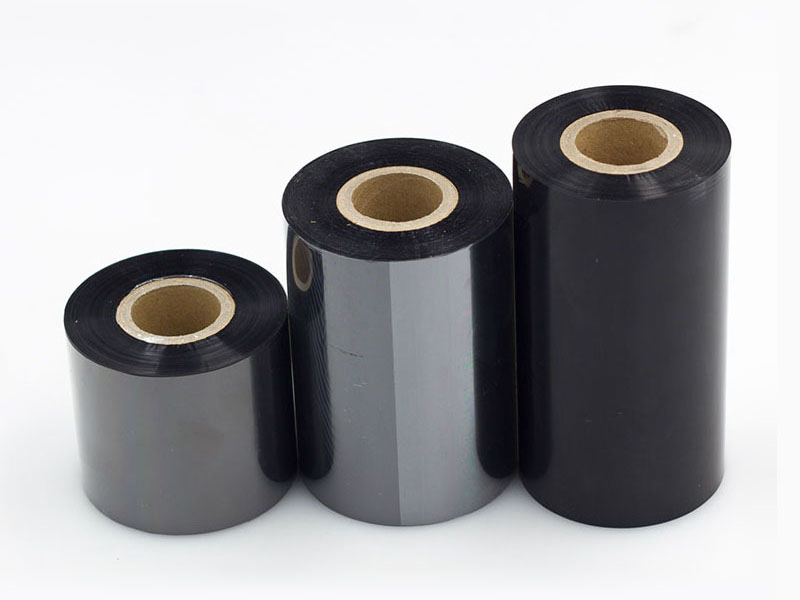

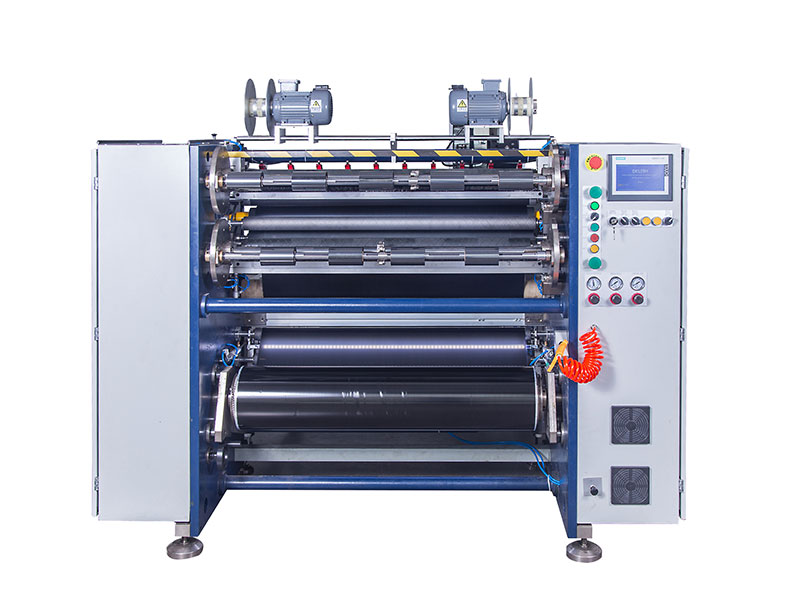
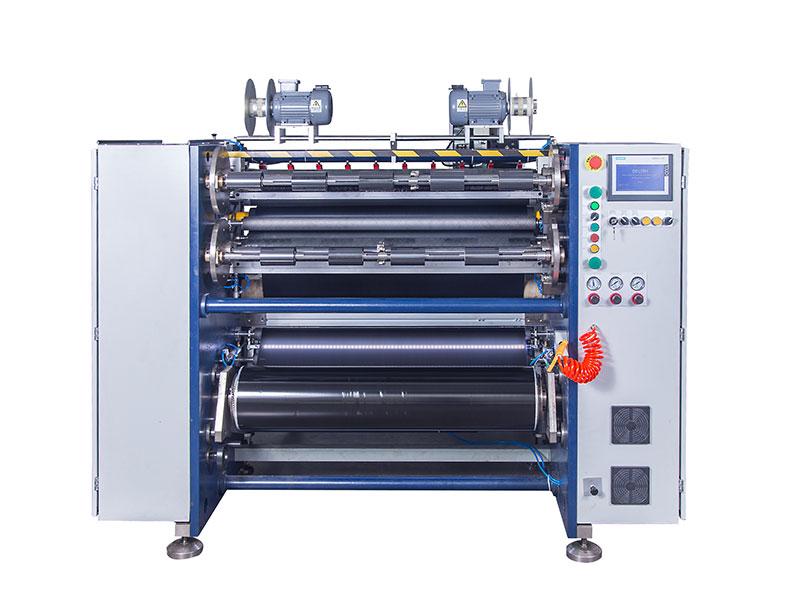 Ribbon Slitting Machine
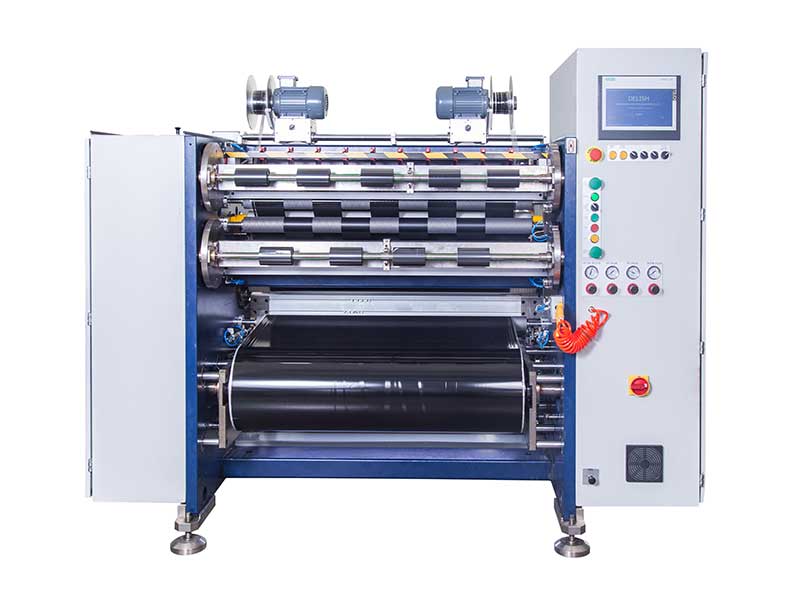 Barcode Ribbon Slitting Machine
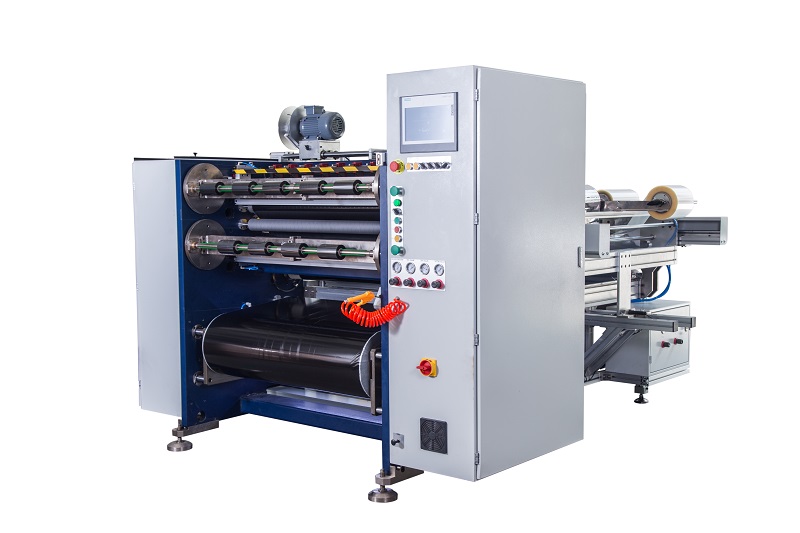 Semi Automatic Thermal Transfer Ribbon Slitter RSDS5 PLUS
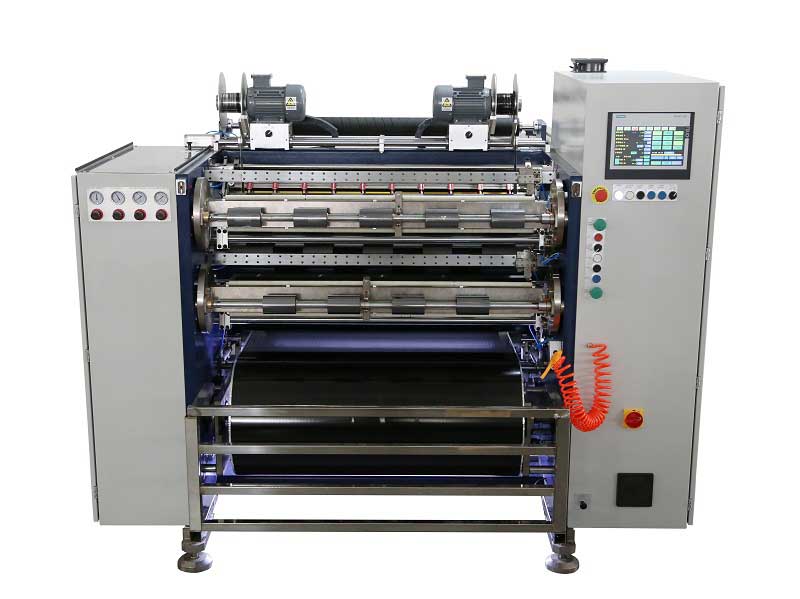 Automatic Thermal Transfer Ribbon Slitter RSDS8 H PLUS
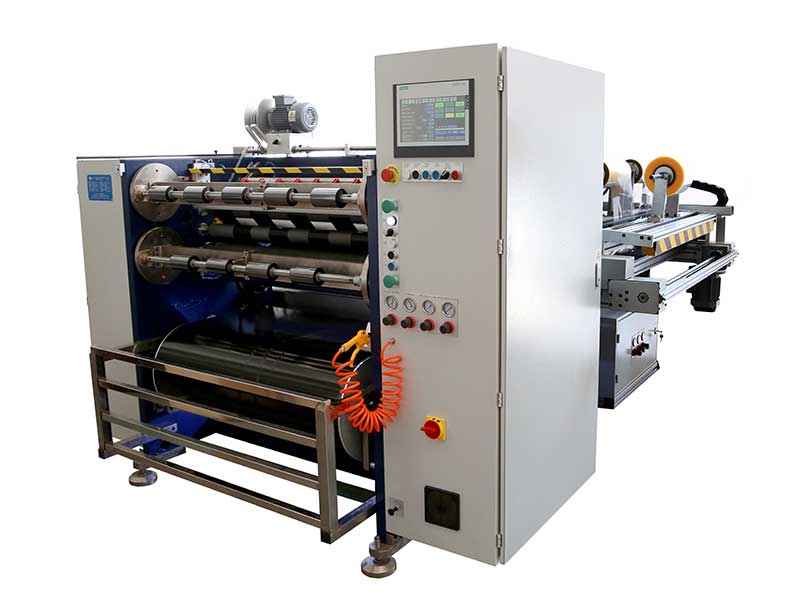 Automatic Thermal Transfer Ribbon Slitter RSDS6 PLUS
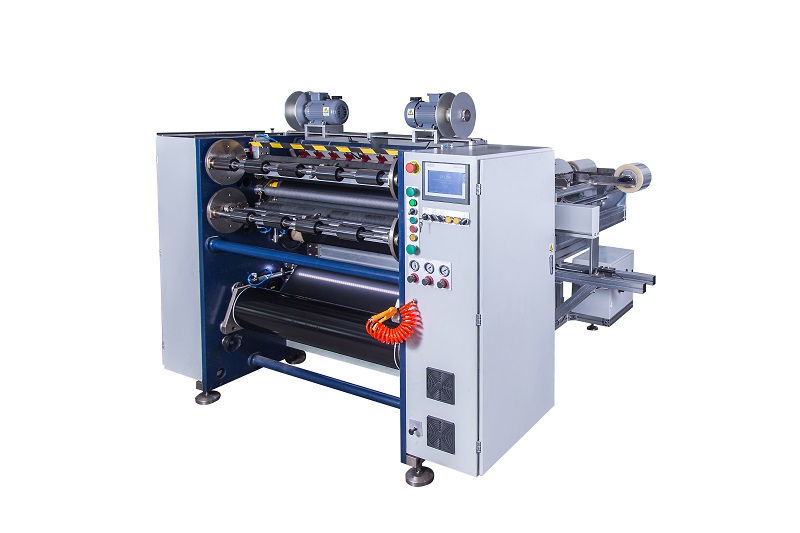 Semi Automatic Thermal Transfer Ribbon Slitter RSDS1 PLUS
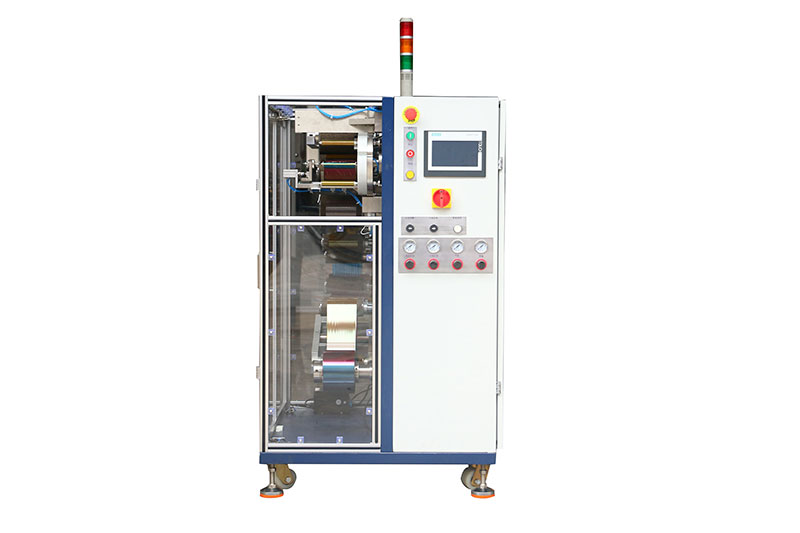 Card Print Ribbon Rewinder
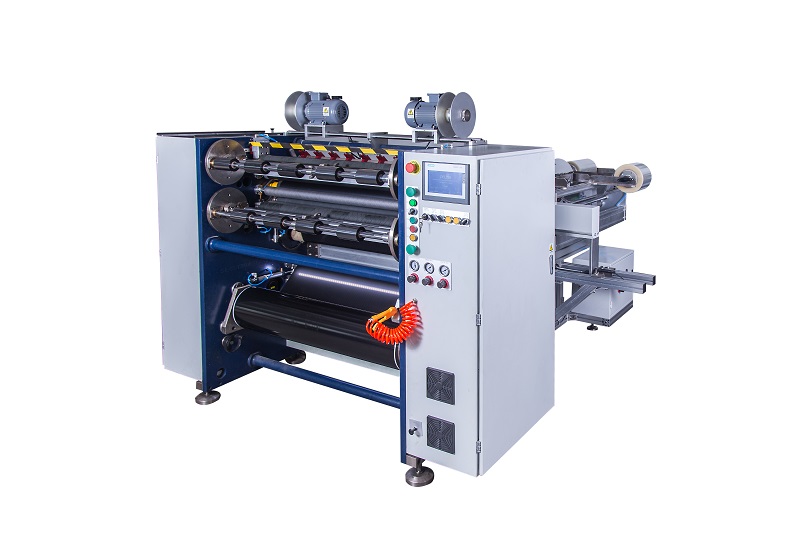 Semi Automatic Thermal Transfer Ribbon Slitter RSDS2 PLUS