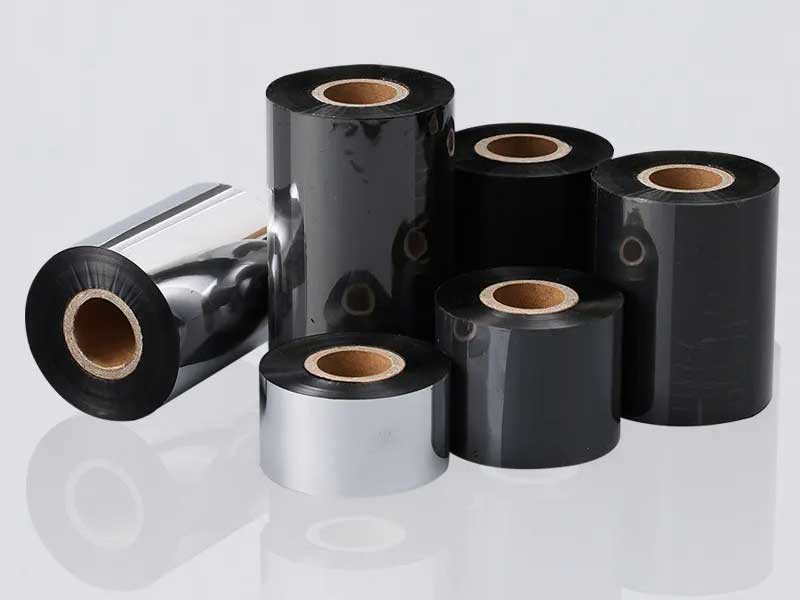
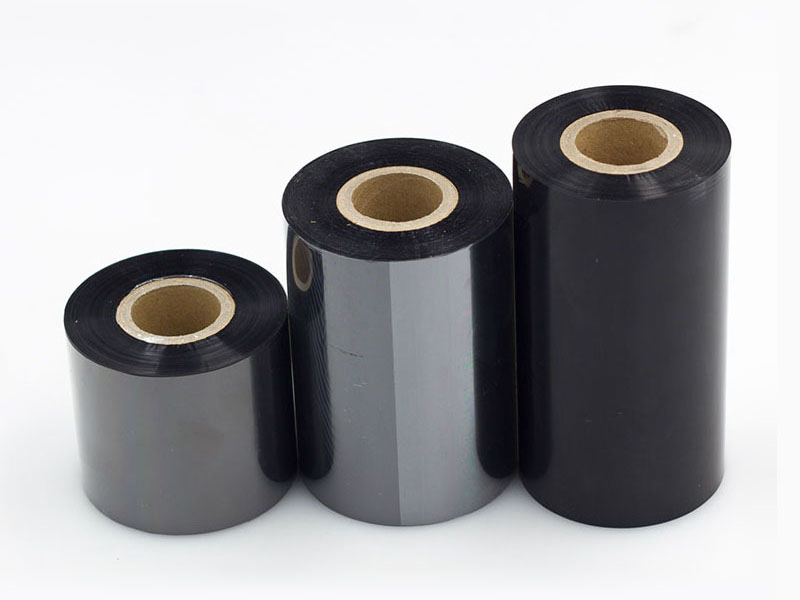
Conclusion: The TTO ribbon slitting machine serves as the critical bridge between master-roll coating production and the finished small-roll ribbons that feed TTO (Thermal Transfer Overprinter) coders on packaging lines. For barcode ribbon producers, investing in a precision slitting machine directly determines whether your finished rolls perform reliably in high-speed printing environments — or fail with broken ribbons, white lines, and printhead damage.
What the TTO Ribbon Slitting Machine Actually Does
Thermal Transfer Overprinting (TTO) is a digital coding method that uses a heated printhead to transfer ink from a ribbon onto flexible packaging films and labels. Unlike traditional hot-stamp coding, TTO handles variable data — dates, lot numbers, barcodes, logos — with high resolution and real-time changes.
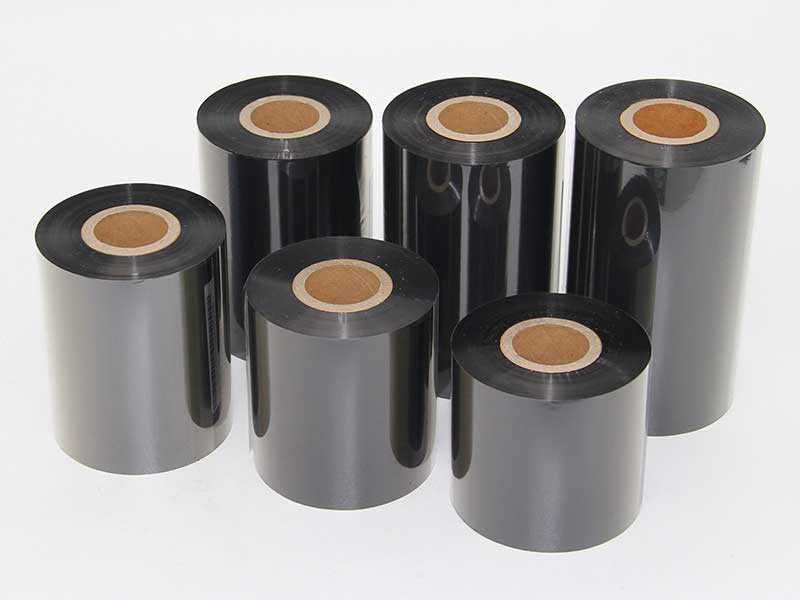
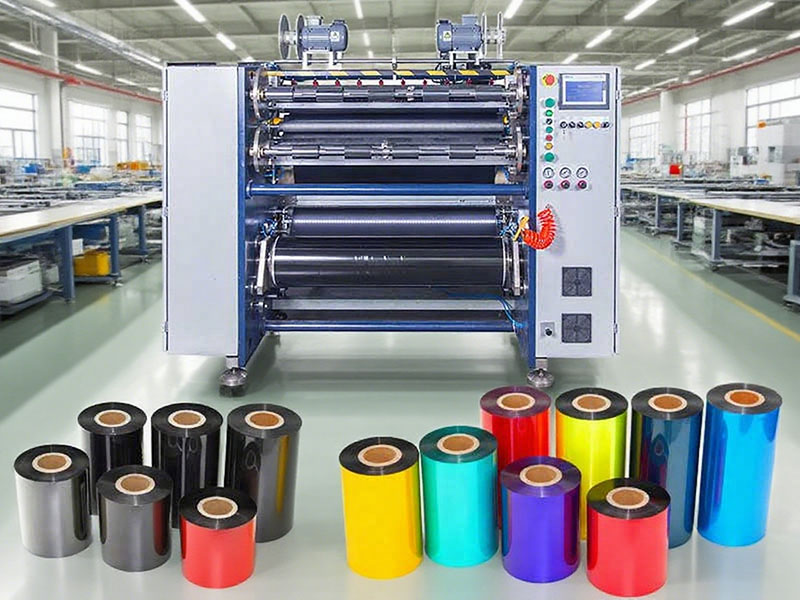
But TTO printers do not use ribbon straight off the coating line. They require finished rolls with tightly controlled width, length, winding tension, and core diameter. The slitting machine takes a wide coated master roll (often 500mm to 1050mm) and precisely cuts and rewinds it into the narrow rolls that TTO coders actually consume.
For a barcode ribbon producer, this is not a simple cutting task. TTO ribbons use PET base films as thin as 4.5 to 10 microns. At those thicknesses, the margin between a perfect cut and a damaged product is measured in microns of tension variation.
Why Slitting Quality Determines End-User Performance
The problems that TTO printer operators complain about — ribbon breakage, white lines in the print, inconsistent density — usually trace back to slitting decisions made upstream. Three technical factors matter most.
Tension control is the single most critical variable. If tension runs too high during rewinding, the PET base film stretches microscopically, damaging the ink layer’s physical structure. The result is powder shedding that contaminates the printhead and degrades print quality. Too little tension produces loose, wrinkled rolls that cause white lines or indentations during printing. Modern slitting machines use servo motors with taper tension control, dynamically decreasing tension as the rewound roll diameter grows.
Cutting method affects edge quality and dust generation. The two mainstream approaches are knife suspension (blade cuts through the suspended ribbon without contacting a bottom roller) and square blade slitting (blade swings up and down). Knife suspension is standard for thin films; square blades reduce dust but suit different material profiles.
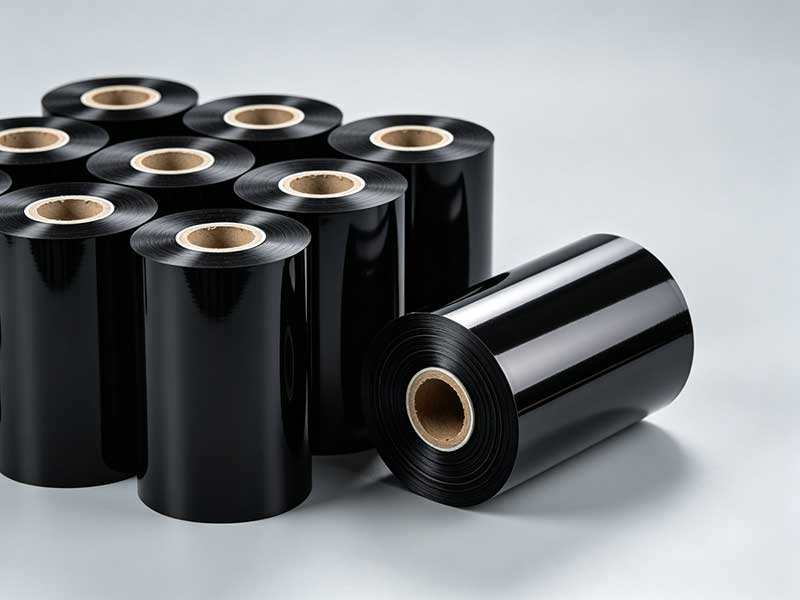
Rewind precision determines whether the finished roll feeds smoothly through a TTO printer. End-face deviation should stay within ±1mm, with high-end equipment achieving ±0.5mm. A roll with a “trumpet” flare or zigzag edge will track poorly and may break under the tension of high-speed printing.
Configuration for TTO Ribbon Producers: What to Specify
A TTO ribbon slitting machine differs from a standard TTR slitter in the specifications it must accommodate. The finished rolls feed TTO coders that typically use 1/2-inch or 1-inch cores, with ribbon widths often as narrow as 20mm to 55mm. The machine’s rewind shafts must accept those small cores precisely.
Key parameters to evaluate:
• Maximum master roll width: 500mm to 1050mm, depending on your coating line output
• Minimum finished width: 20mm or narrower
• Slitting speed: 200–500 m/min for production-scale output; entry-level machines run 80–100 m/min
• Slitting accuracy: ±0.1mm is achievable on high-quality models
• Applicable film thickness: 4–20 microns covers the TTO ribbon range
• Rewind shaft configuration: 1/2-inch and 1-inch capability, with quick-change mechanisms
A customized half-inch shaft holder, for example, allows paper tubes to slide directly onto the shaft, increasing shaft utilization and reducing changeover time.
The Competitive Edge for Ribbon Producers
Barcode ribbon production is a margin-sensitive business. Material waste and end-user complaints both erode profitability. A TTO ribbon slitting machine that holds tight tolerances on width and tension does two things simultaneously: it reduces the percentage of master roll material lost to poor slitting, and it lowers the rate of field failures that generate costly returns.
For producers supplying TTO ribbon to food, pharmaceutical, and FMCG packaging operations, the slitting department is not a back-end utility. It is where the product’s printing performance is effectively determined.
 English
 Deutsch
 Français
 Español
 Português
 日本語
日本語 русский
 한국어
한국어 عربي
عربي ภาษาไทย
 Tiếng Việt
 Italiano