Selecting the right hot stamping foil slitting machine is a critical decision that directly impacts your production yield, material utilization, and downstream stamping quality. With hot stamping foil substrates typically ranging from 12μm to 25μm in thickness, the slitting process demands exceptional precision. Among the many specifications to evaluate, three parameters deserve your closest attention: slitting width capability, operating speed, and tension control. This guide explains each parameter and how they interact to determine your slitting quality.
Slitting Width: Matching Machine Capacity to Your Product Range
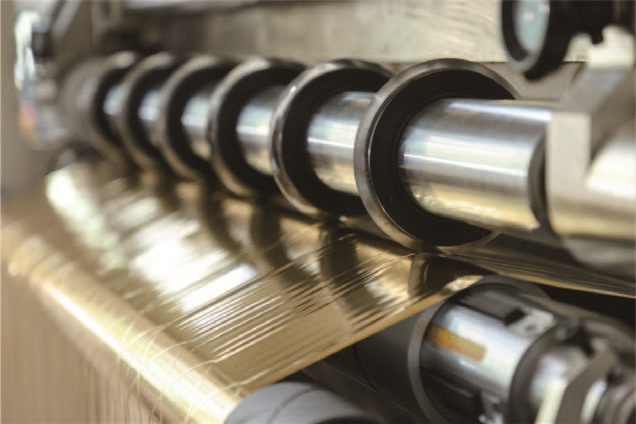
The slitting width specification encompasses both the maximum web width the machine can handle and the minimum slit width it can reliably produce. For hot stamping foil converters, the maximum width determines what input rolls you can process, while the minimum width dictates your capability for narrow-thread products.
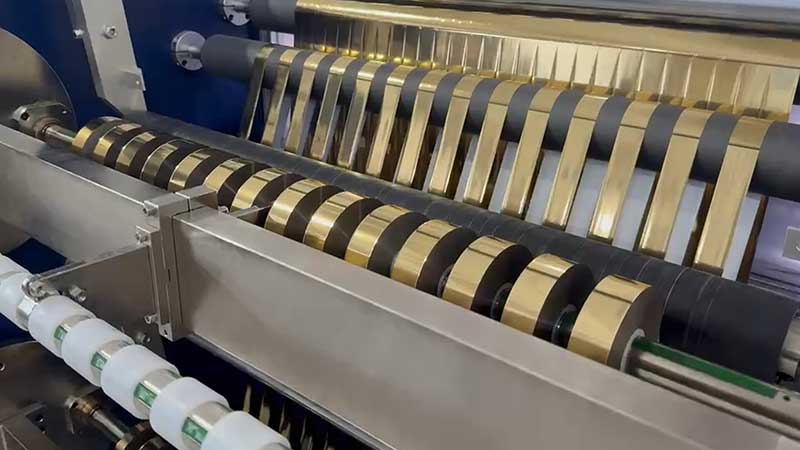
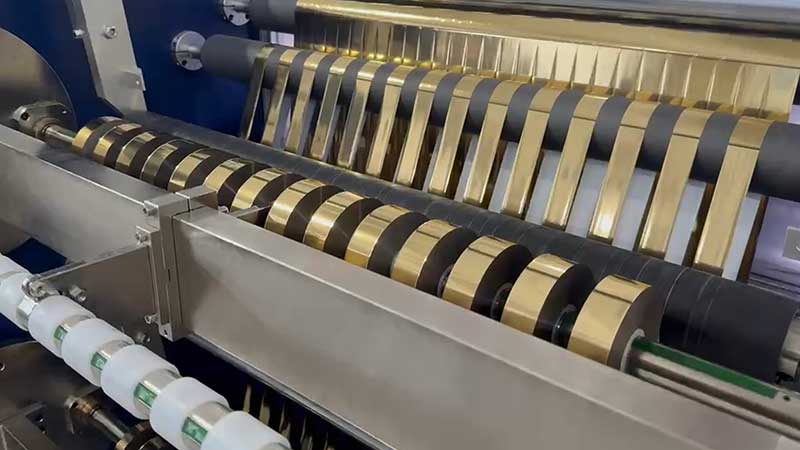
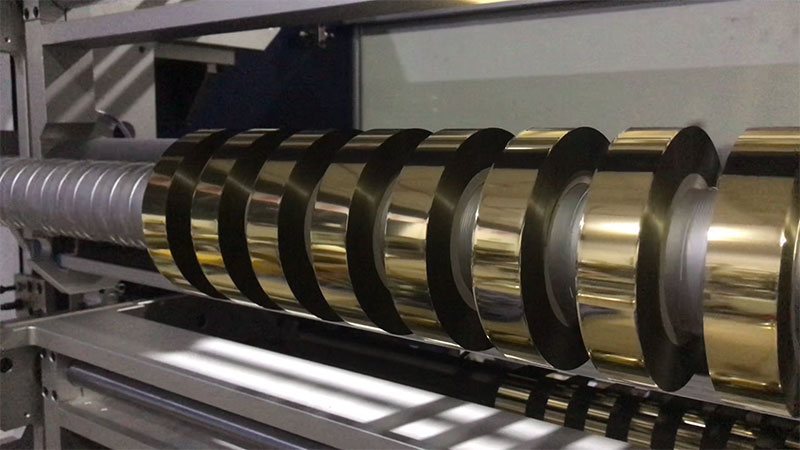
A typical hot stamping foil slitting machine might accommodate a maximum slitting width of 300mm to 800mm, with a minimum rewinding width of 30mm or even less for specialized narrow applications . If your product portfolio includes very narrow foil strips—such as 5mm security threads or decorative bands—you must verify the machine can maintain edge quality at those dimensions. Trial cutting with your thinnest and narrowest material is the only reliable way to confirm this capability .
Beyond raw width figures, consider the cutter shaft rigidity. Wider slitting widths require proportionally stiffer shafts to prevent deflection under cutting pressure. If the shaft flexes, middle positions may not cut cleanly while edge positions experience excessive force, producing inconsistent results across the web .
Speed: Balancing Throughput Against Cut Quality
Hot stamping foil slitting machines typically offer mechanical speeds in the range of 200 to 500 meters per minute, with working speeds often slightly lower . While higher speed suggests greater throughput, the relationship between speed and quality is not linear.
As slitting speed increases, dynamic errors amplify. Lateral deviation can degrade from approximately ±0.10mm at speeds below 100 m/min to ±0.35mm at speeds above 300 m/min . Tension fluctuation similarly increases, potentially causing edge deformation or winding defects. For ultra-thin foils below 12μm, conservative speeds may be necessary to maintain dimensional stability.
When evaluating speed specifications, focus on effective output rather than maximum speed alone. Consider the time required for order changes, web threading, and waste removal. A machine with automated tool positioning and quick clamping systems can reduce changeover times from 15 minutes to as little as 3 minutes, significantly improving real-world productivity even if peak speed is moderate .
Tension Control: The Invisible Force Behind Quality
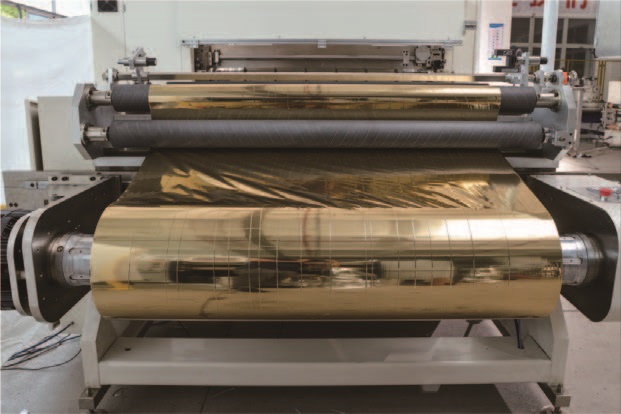
Tension control is arguably the most critical parameter for successful hot stamping foil slitting. Hot stamping foil substrates, typically PET, are highly sensitive to tension variations. Unstable tension causes stretching, wrinkling, and lateral movement that result in burrs, uneven edges, or telescoping rolls .
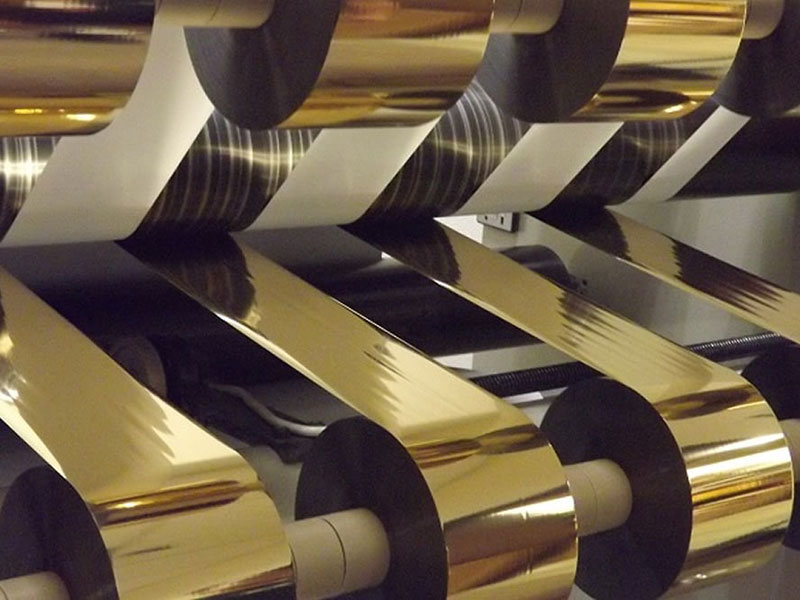
Why tension matters more for hot stamping foil than for thicker films: As a wide web is divided into multiple narrow strips, each strip no longer behaves as part of a continuous web. Differences in strip width, knife penetration, and winding diameter can create unequal tension between individual strands. Without proper compensation, some strips become tight while others remain loose .
A high-quality slitting machine should provide closed-loop tension control with real-time feedback. This system continuously adjusts torque as the coil diameter changes during unwinding and rewinding, maintaining consistent tension from full roll to core. For large winding diameters (400mm or more), taper tension—where tension gradually decreases as the roll builds—is essential to prevent inner-layer compression damage in thin foils .
The tension system should be evaluated alongside the edge position control (EPC) or line position control (LPC) system. Correction accuracy within ±0.5mm prevents the foil from wandering, which would otherwise cause one edge to develop burrs while the opposite edge remains undercut .
How the Three Parameters Interact
Width, speed, and tension are not independent specifications. A machine rated for high speed may not achieve that speed while maintaining precision on narrow widths without exceptional tension control. Conversely, a machine with superior tension stability may deliver excellent edge quality even at moderate speeds on ultra-thin materials.
When specifying a machine, provide your supplier with your actual production requirements: the widest and narrowest foils you need to slit, the thickness range, and your target output per shift. Request a trial run using your specific material grades. During the trial, inspect the cut edges with a magnifying glass—the ideal result is a smooth cross-section with no white fluff or fine serrations . Check the wound rolls for edge alignment, firmness, and absence of telescoping.
Practical Selection Recommendations
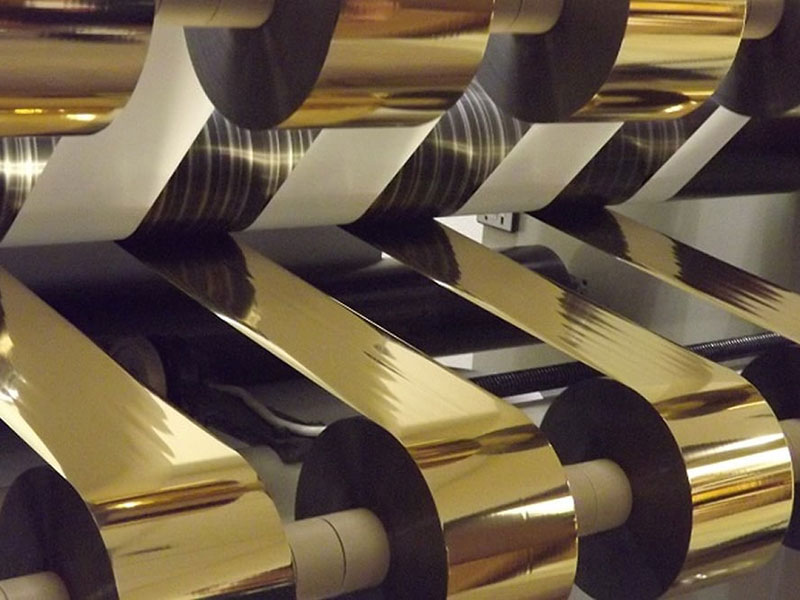
For converters prioritizing precision over maximum throughput, invest in superior tension control and correction systems rather than higher speed ratings. Servo-driven closed-loop tension with ultrasonic or CCD correction sensors will yield more consistent results across varying production conditions .
For operations with diverse product specifications and frequent order changes, prioritize automated tool positioning and recipe management. These features reduce human error and setup time, effectively increasing capacity without requiring higher line speeds .
For budget-conscious buyers, recognize that the lowest-priced machine may prove expensive in the long run. Burr-related defects such as foil breakage, incomplete transfer, or stamping spots can waste far more in material and rework than the initial price difference between an entry-level and mid-range machine .
Ready to evaluate a hot stamping foil slitting machine for your specific production requirements? Contact our technical team with your material specifications and target output. We can arrange a trial slitting session using your actual foil samples to demonstrate width precision, speed stability, and tension performance.
 English
 Deutsch
 Français
 Español
 Português
 日本語
日本語 русский
 한국어
한국어 عربي
عربي ภาษาไทย
 Tiếng Việt
 Italiano
 Cold Foil Slitter
 Card Print Ribbon Rewinder
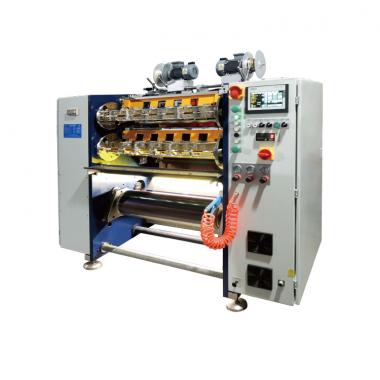 Card Print Ribbon Slitter
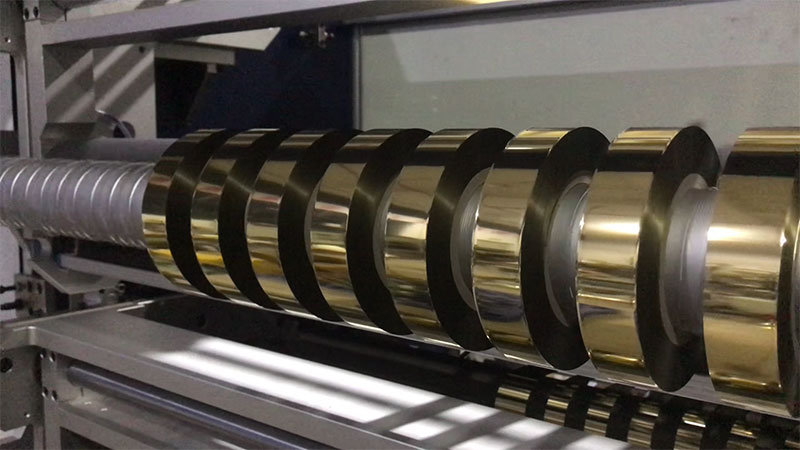 Holographic Foil Slitter
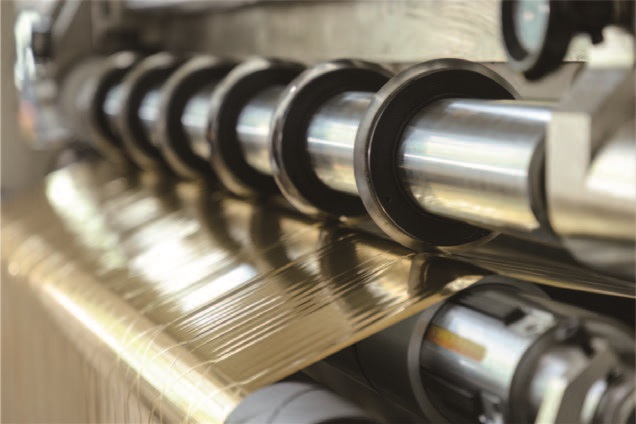 Hot Stamping Foil Slitting Machine
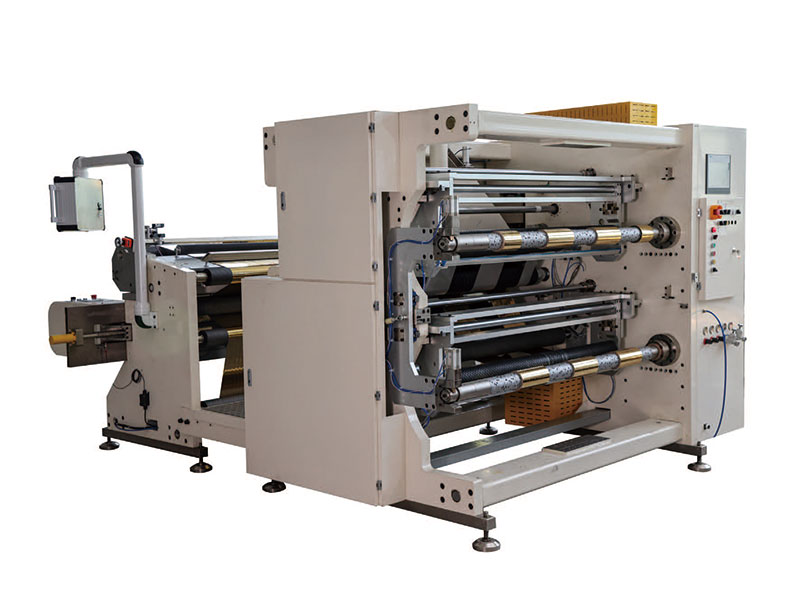 Hot Stamping Foil Slitter (RSDS7H) 1350
 Digital Enhancement Foil Slitter
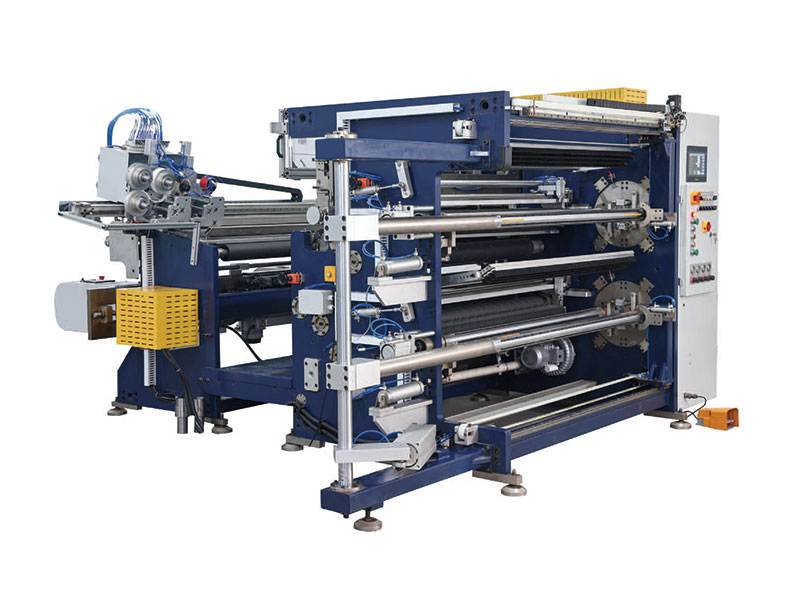 Hot Stamping Foil Slitter RSDS7H 1350 PLUS