Choosing a hot stamping foil slitting machine based on maximum speed alone is a costly mistake. Learn how to match slitting speed to your actual material mix, width requirements, and downstream demand to avoid overpaying for unused capacity or bottlenecking production.
The Speed Trap in Hot Stamping Foil Slitting
When procurement teams evaluate a hot stamping foil slitting machine, the speed specification often becomes the focal point of the negotiation. Suppliers quote figures like 300 m/min, 500 m/min, or even higher. The assumption is simple: faster machine equals higher output equals better return on investment.
In reality, the relationship between slitting speed and usable production capacity is far from linear. A machine rated at 500 m/min may deliver less finished foil per shift than a 250 m/min unit if the higher speed introduces quality defects, requires excessive changeover time, or demands material grades your budget cannot sustain. Understanding how speed interacts with width, tension control, and your actual order profile is the difference between a strategic capital investment and an expensive underutilized asset.
Why Hot Stamping Foil Demands a Different Speed Logic
Hot stamping foil is not a commodity film. The functional layer—whether aluminum, pigment, or holographic—sits on a PET carrier typically ranging from 12μm to 25μm in thickness . At these gauges, the substrate is highly sensitive to tension variation, thermal fluctuation, and mechanical vibration.
When slitting speed increases, dynamic errors amplify. Lateral deviation can degrade from approximately ±0.10 mm at speeds below 100 m/min to ±0.35 mm at speeds above 300 m/min . For a converter supplying foil to a high-speed hot stamping press running cigarette packaging or luxury labels, a 0.25 mm deviation is not a minor tolerance issue—it is a registration error that translates directly into wasted foil, press stoppages, and rejected finished goods.
The practical implication is that maximum speed is a theoretical ceiling, not a production target. The speed at which your machine can run while maintaining edge quality, winding consistency, and dimensional accuracy is the only figure that matters for capacity planning.
The Three Speed Tiers and What They Actually Deliver
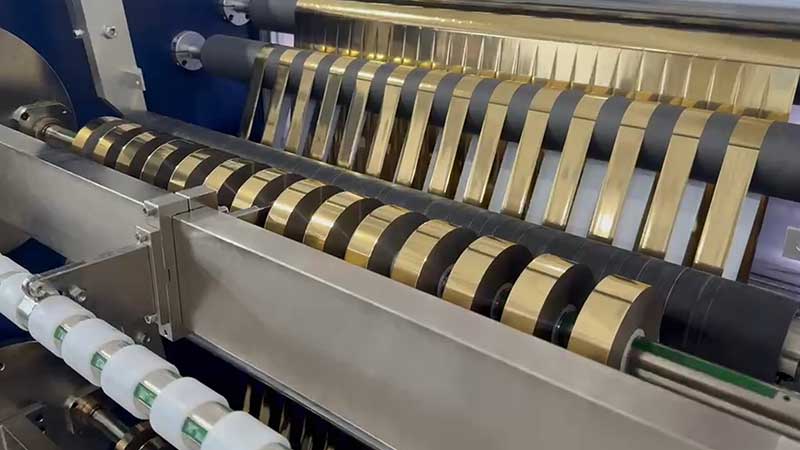
Hot stamping foil slitting machines generally fall into three operational tiers, each defined less by the number on the spec sheet and more by the control architecture required to achieve it.
Entry-Level: Below 100 m/min
These machines typically employ magnetic powder brakes or open-loop tension control. The structure is simple, the cost is controllable, and the maintenance is straightforward. For converters producing short runs of narrow-width foil for general packaging applications, this tier often represents the most rational investment. A machine running at 80 m/min with minimal downtime and fast changeover can outperform a higher-speed unit that requires constant tension adjustment and quality intervention .
The limitation emerges when order volumes grow or when customers begin requesting thinner gauges. At 12μm, even moderate speed increases can expose the inadequacy of open-loop tension response.
Mid-Range: 100–200 m/min
This is the transition zone where machine design begins to matter significantly. At these speeds, closed-loop tension control becomes non-negotiable. The winding radius changes continuously—from empty core to full roll—and the tension must compensate in real time to prevent stretching, wrinkling, or telescoping .
For many independent slitting operations and in-house converting departments, this range represents the practical sweet spot. It delivers throughput sufficient for most commercial hot stamping demands without demanding the capital expenditure and maintenance infrastructure of high-speed servo systems.
High-Speed: Above 200 m/min
Full closed-loop servo tension control is mandatory here, often supplemented by taper tension technology that automatically reduces winding tension as the roll diameter increases . This is essential for thin foils where inner-layer compression damage can render an entire finished roll unusable.
The critical caveat: high speed is only achievable with the right width and material combination. A 1600 mm wide machine running at 300 m/min requires exceptional body rigidity and shaft strength to prevent mid-span deflection. Without these structural foundations, the speed rating becomes a liability rather than an asset .
The Cross-Constraint: How Width Changes the Speed Equation
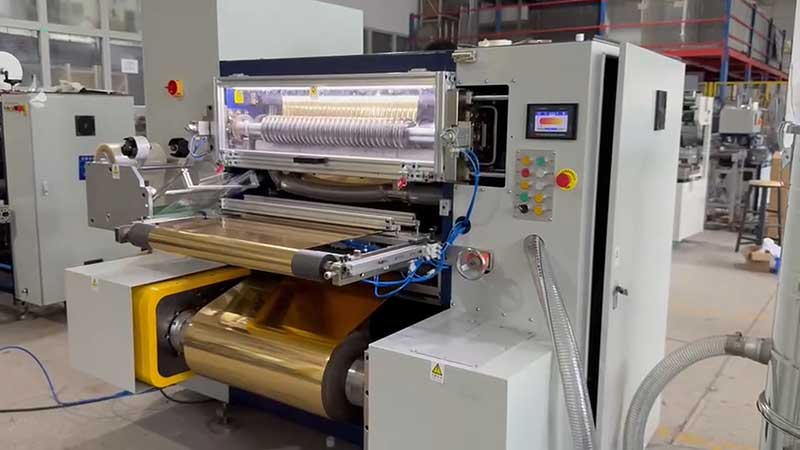
The most common specification error occurs when buyers evaluate speed and width independently. In practice, they are tightly coupled.
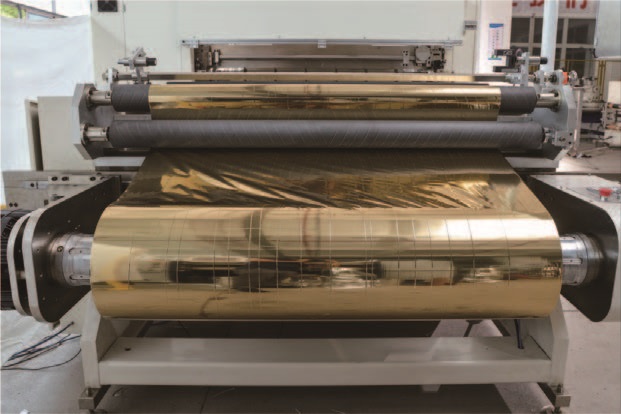
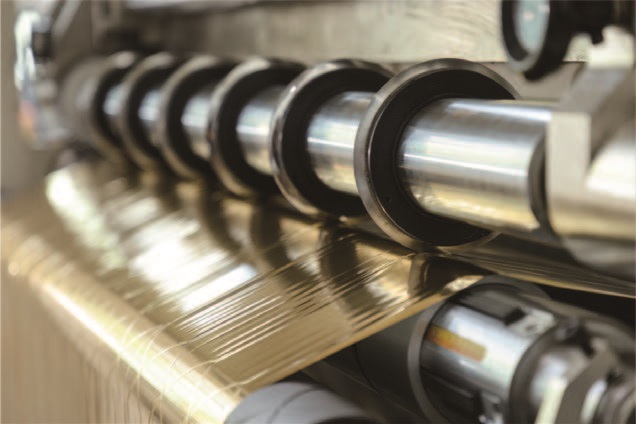
Wide-format slitting (800 mm and above) introduces tool shaft deflection as a primary limiting factor. Under cutting pressure, a wide shaft can bow slightly in the center, causing incomplete penetration at mid-web while edges experience excessive force. The result is inconsistent slit quality across the width. To run wide and fast, the machine must be built with thickened alloy steel side plates and large-diameter blade shafts. A 1600 mm class machine often weighs several tons precisely to maintain stability at speed .
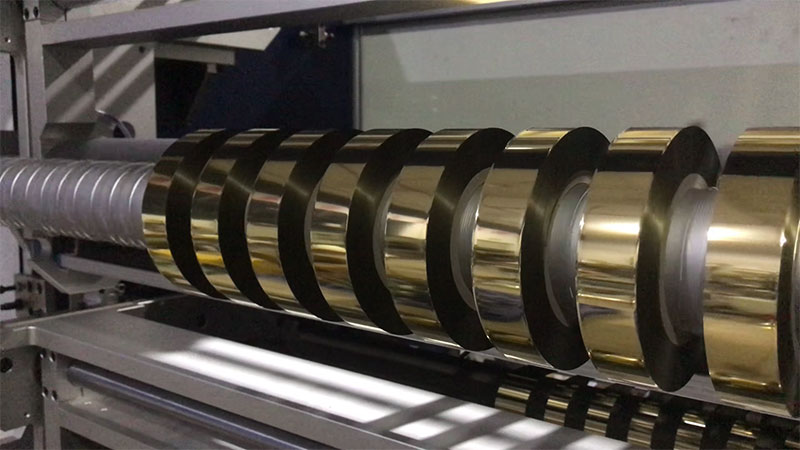
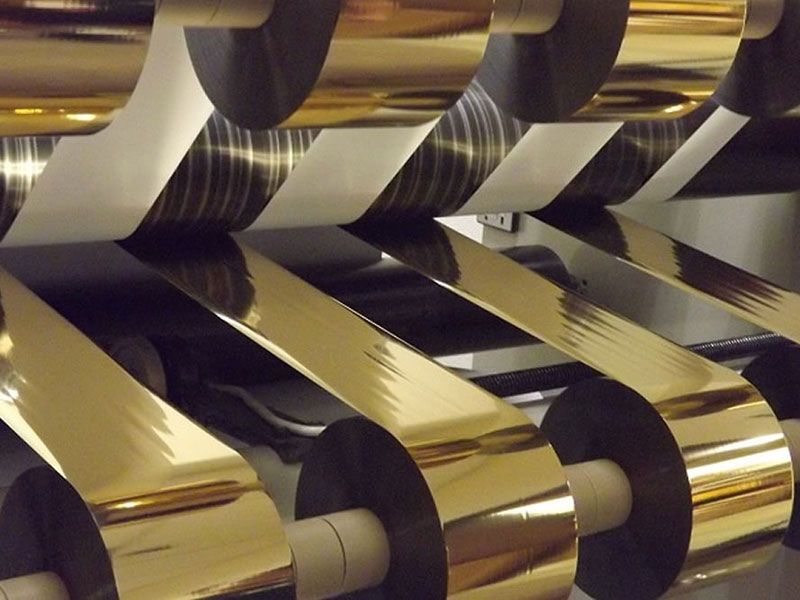
Narrow-format slitting (below 50 mm) shifts the constraint from shaft rigidity to tool positioning accuracy and winding tension consistency. Narrow strips for fine-line decorative or security applications demand exceptional end-face flatness. Manual tool locking is prone to dimensional drift; hydraulic locking or high-precision slip shafts become necessary. If your order mix includes frequent width changes, an automatic tool positioning system can reduce changeover from hours to minutes—a productivity gain that often outweighs a higher top-speed rating .
The practical rule: specify speed at your expected average width, not your maximum width. A machine that achieves 400 m/min on 300 mm web may struggle to exceed 150 m/min on 1200 mm web without quality degradation.
Calculating Real Capacity: Beyond the Speed Rating
To match machine capacity to demand, convert the speed specification into effective output per shift using this framework:
Effective Output = (Operating Speed × Operating Hours × Efficiency Factor) ÷ Width Utilization Ratio
Where:
• Operating Speed is the sustainable speed at your typical material and width, not the maximum rating.
• Efficiency Factor accounts for changeover time, web threading, waste removal, and quality checks. A machine with automated tool positioning and quick clamping can reduce changeover from 15 minutes to 3 minutes, improving the efficiency factor by 5–10 percentage points .
• Width Utilization Ratio reflects how much of the machine’s maximum width your typical orders actually use. A 1600 mm machine running mostly 400 mm orders operates at 25% width utilization—meaning the capital cost of that extra width delivers no throughput benefit.
Example: A converter needs to produce 50,000 meters of 25 mm foil per shift (8 hours).
• Machine A: 300 m/min max, manual changeover (20 min), 85% efficiency at 25 mm → effective ~255 m/min → produces ~122,400 m in 8 hours. Overcapacity.
• Machine B: 150 m/min max, automatic positioning (5 min changeover), 92% efficiency → effective ~138 m/min → produces ~66,240 m in 8 hours. Appropriately matched.
Machine B costs less, consumes less energy, and occupies less floor space. The higher speed of Machine A delivers no value for this order profile.
The Speed Decision Framework: Three Questions to Ask
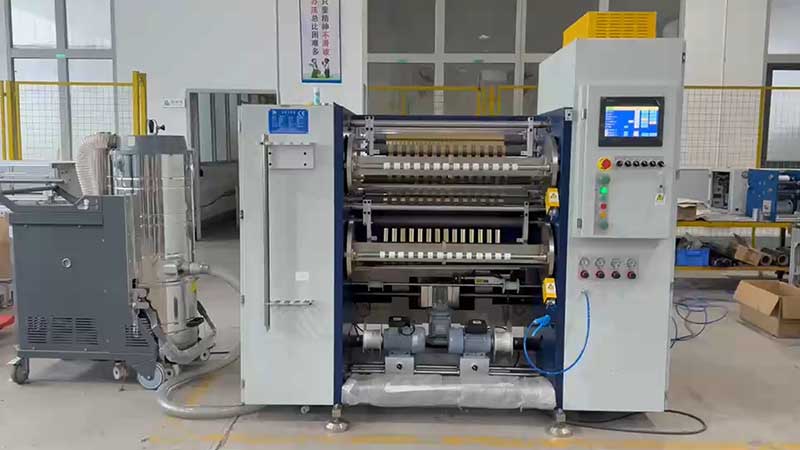
Before finalizing a machine specification, answer these three questions honestly:
1. What is the narrowest width you will slit regularly?
If your portfolio includes widths below 20 mm, prioritize tool precision and tension stability over maximum speed. A 200 m/min machine with hydraulic tool locking and individual roll press rollers will outperform a 400 m/min machine with manual setup on narrow, high-precision orders .
2. What is the thickness range of your incoming foil?
For standard 12μm PET-based foils, conservative speeds with superior tension control are safer than aggressive speed ratings. For thicker composite foils (20μm+), higher speeds become more viable because the material tolerates greater tension without permanent deformation .
3. How often will you change order specifications?
If your production involves frequent width changes—common in job-shop slitting or converters serving multiple packaging customers—the speed advantage of a high-end machine can be erased by changeover downtime. Automatic tool layout and quick-clamping systems deliver more real capacity than raw speed .
Conclusion: Speed Is a Means, Not a Metric
The right slitting speed for your operation is the speed at which your machine produces saleable finished rolls with minimal waste, minimal downtime, and minimal operator intervention. That number may be 80 m/min or 350 m/min—but it is determined by your material mix, width requirements, and quality standards, not by a competitive comparison of spec sheets.
When evaluating suppliers, request a trial run using your actual foil grades and target widths. Inspect the slit edges under magnification for burrs or delamination. Measure the finished roll end-face alignment. Check the tension consistency from core to surface. These observations will tell you more about the machine’s true capacity than any maximum speed figure ever could.
About the Author
Xiamen Delish Automation Equipment Co., Ltd supplies precision slitting and rewinding solutions for the hot stamping foil, flexible packaging, and specialty film industries. Our technical team assists converters in matching machine specifications to actual production requirements, avoiding both undercapacity bottlenecks and overcapitalization. Contact us to discuss your specific material and width profile.
 English
 Deutsch
 Français
 Español
 Português
 日本語
 русский
 한국어
 عربي
 ภาษาไทย
 Tiếng Việt
 Italiano

 Cold Foil Slitter
 Card Print Ribbon Rewinder
 Card Print Ribbon Slitter
 Hot Stamping Foil Slitting Machine
 Holographic Foil Slitter
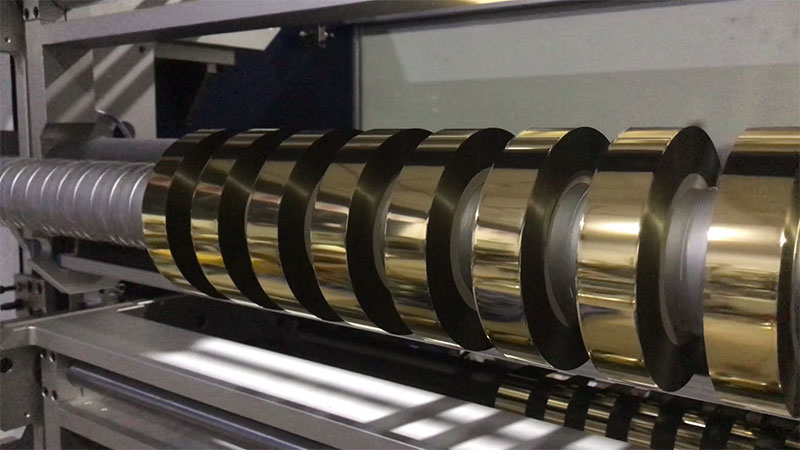 Digital Enhancement Foil Slitter
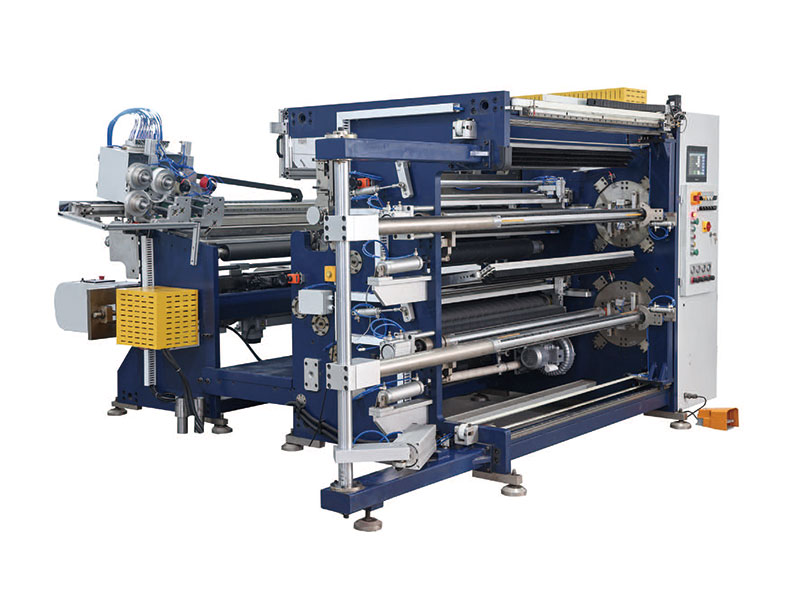 Hot Stamping Foil Slitter RSDS7H 1350 PLUS
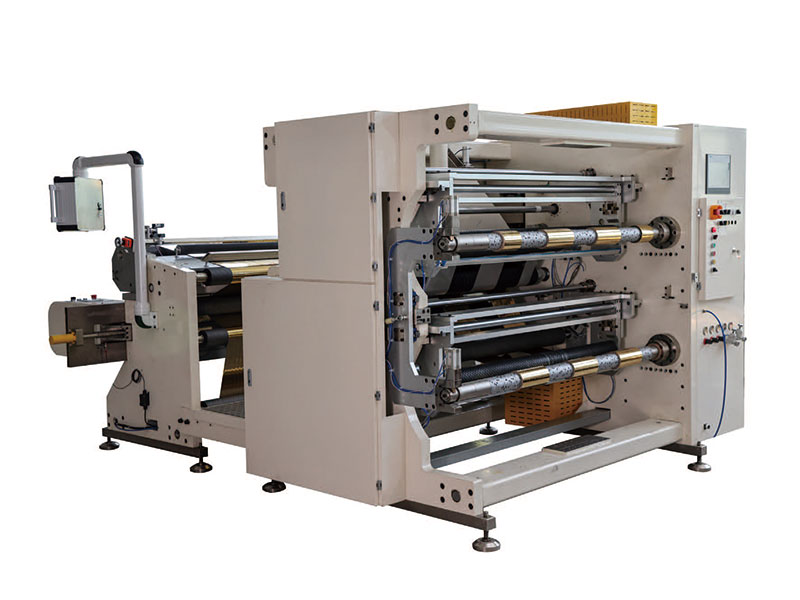 Hot Stamping Foil Slitter (RSDS7H) 1350