In the packaging, printing, and decoration industries, hot stamping remains one of the most effective ways to elevate product value through its distinctive metallic luster and premium tactile quality. As the front-end process in hot stamping production, the slitting machine directly influences downstream stamping efficiency, finished product yield, and overall production costs. With equipment prices ranging from tens of thousands to over a million dollars, making the right selection decision requires systematic evaluation rather than guesswork.
Hot stamping foil typically consists of a 12μm to 25μm PET base film, release layer, tinting layer, and adhesive layer. This material is extremely thin, highly sensitive to tension, and vulnerable to deformation during handling. Burrs, flanges, or micro-cracks on cut edges can lead to foil breakage, incomplete stamping, or "gold spots" during the stamping process. The seven factors below provide a structured framework for evaluating slitting machines based on actual production requirements.
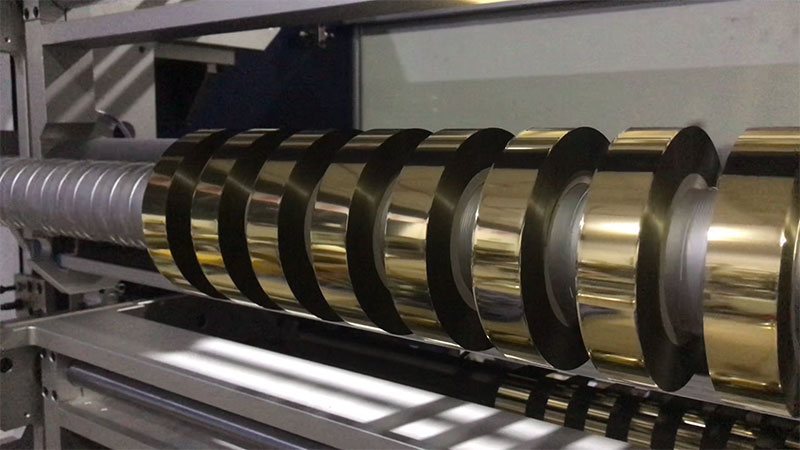
1. Slitting Precision: The Foundation of Quality Output
Slitting precision directly determines whether downstream stamping operations can run smoothly. General hot stamping applications typically allow ±0.3mm tolerance, while high-end packaging, tobacco, and luxury label sectors require ±0.1mm or even tighter. By 2026, mainstream standards have advanced to ±0.03mm, with premium models achieving ±0.01mm.
When evaluating precision, buyers should look beyond static specifications. The real test lies in dynamic accuracy — the consistency of slit width during continuous high-speed operation. Servo motor drive systems combined with high-rigidity cast iron or alloy steel bodies provide the foundation for maintaining precision under production conditions. During trial runs, request width measurement data across at least 500 meters of continuous slitting, with particular attention to stability during acceleration and deceleration phases.
2. Tension Control System: The Lifeline for Thin Materials
Hot stamping foil’s PET base film is highly sensitive to tension variations. Excessive tension causes stretching, deformation, and registration errors; insufficient tension leads to loose rolls and edge wandering. For ultra-thin foils below 12μm, even minor tension fluctuations can compromise the material’s holographic or laser microstructure.
A fully closed-loop servo tension control system is essential for quality-focused production. This system uses high-precision sensors to provide real-time feedback and dynamically adjusts tension across unwinding, traction, and rewinding stages. Tension control accuracy should reach ±0.5N or ±5% of the set value, with high-end systems achieving ±0.3%.
Taper tension technology is equally critical. As the winding diameter increases during production, constant tension would progressively compress inner layers, causing "flower core" deformation or crushed holographic structures. Taper tension automatically reduces winding tension according to a preset curve, protecting inner layers while maintaining a firm outer roll.
3. Slitting Method and Cutting System: Determining Edge Quality
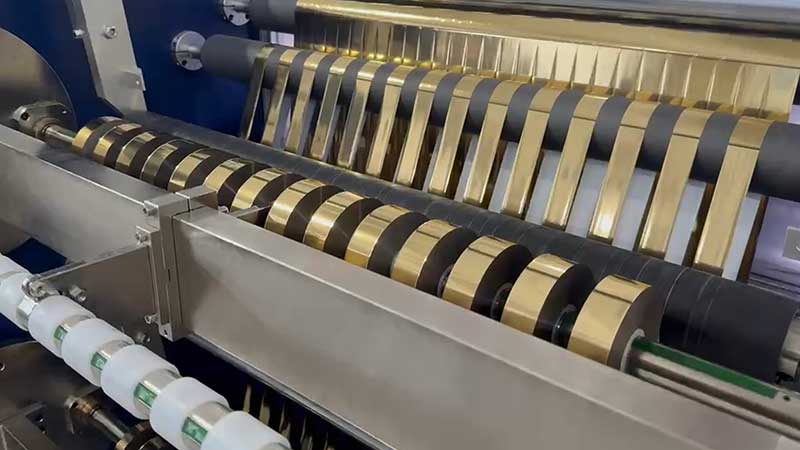
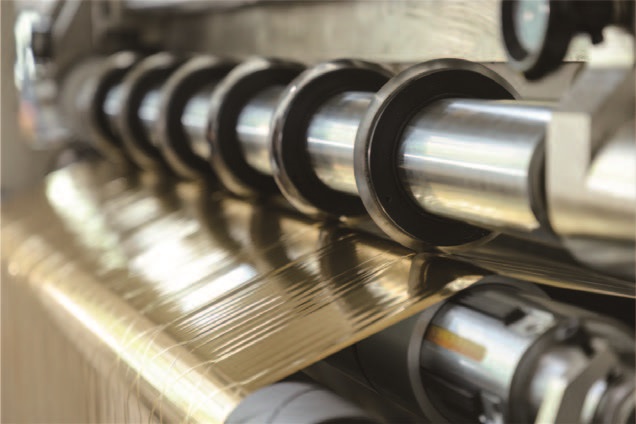
The cutting system is where quality is ultimately realized. Hot stamping foil with adhesive layers tends to stick to ordinary blades, causing burrs and strings. Shear-type circular blade systems have become the industry standard for hot stamping foil, offering smooth cutting surfaces, extended blade life, and suitability for frequent specification changes.
Blade material should be carbide or diamond-coated to resist adhesive buildup and maintain edge sharpness over extended runs. Cutter shaft rigidity is equally important — for slitting widths exceeding 1.6 meters, insufficient shaft rigidity can cause incomplete cuts in the center and over-cutting on the edges.
Cutting geometry matters as well. For thin foils, upper blades with 15° to 20° angles paired with flat or slightly curved lower blades create a proper shearing action rather than a crushing effect. Ask suppliers about blade material certifications and whether the equipment supports automatic or micro-adjustment of blade engagement.
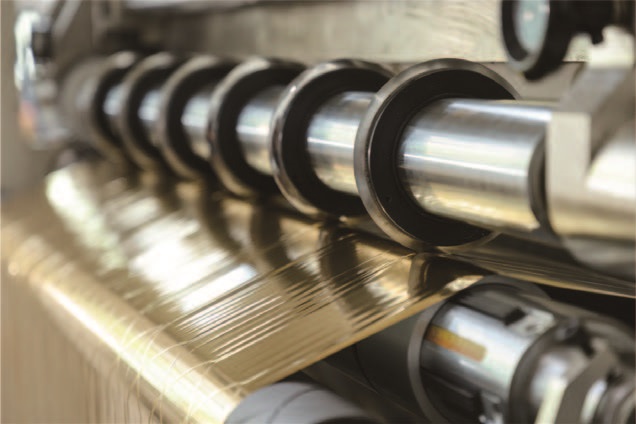
4. Correction and Web Guiding System: Ensuring Straight Edges
During high-speed operation, foil rolls tend to wander, causing uneven edges that lead to frequent misalignment in downstream stamping machines. A reliable correction system keeps the web properly positioned before it enters the cutting zone.
Sensor selection is a critical decision point. Photoelectric sensors struggle with reflective or metallic materials, making ultrasonic sensors the preferred choice for hot stamping foil applications. Ultrasonic detection is unaffected by foil color, metallic reflection, or holographic patterns, providing consistent performance across material types. Correction accuracy should be within ±0.5mm or tighter.
Higher-end configurations integrate CCD vision systems that recognize printed edge markers or pattern positions, ensuring slit placement aligns precisely with the intended design. For operations involving holographic or laser foils with fine microstructures, this level of precision is not optional — it is a requirement for maintaining the material’s visual effects.
5. Dust Removal and Static Elimination: Preventing Hidden Defects
During slitting, blade friction generates microscopic aluminum particles and plastic dust. These contaminants adhere to the foil surface and create "pitting" or "spots" during hot stamping, leading to rejected products. Static electricity exacerbates the problem by attracting additional dust and causing material slippage during winding.
An effective dust management system combines contact-type adhesive rollers with non-contact ion air knives or vacuum suction ports positioned at the cutting zone. Static elimination bars should be installed at both winding and unwinding stations to neutralize charges before they attract contaminants.
For metallic or coarse-grain foils that generate significant dust during processing, dedicated vacuum extraction with adequate capacity is essential. In facilities processing holographic or transparent foils where surface perfection is paramount, the entire slitting area may require a cleanroom environment or localized dust containment.
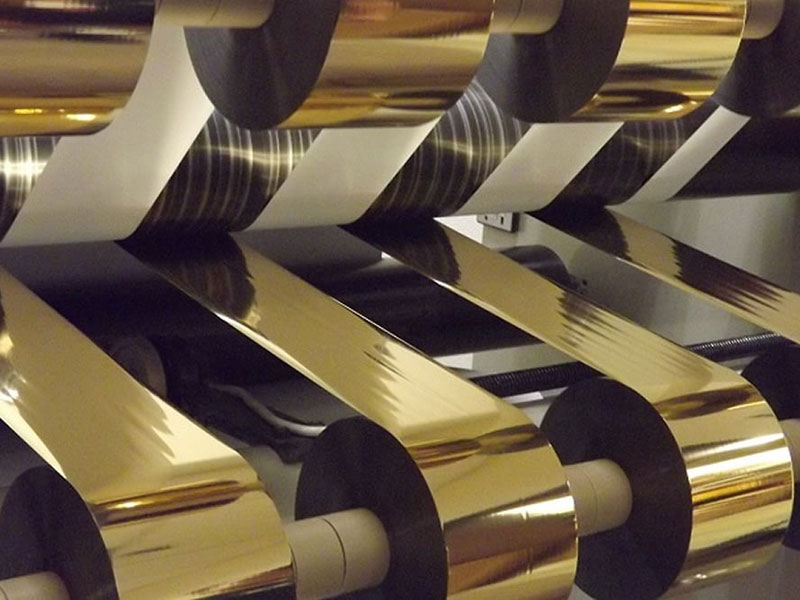
6. Automation and Tool Positioning: Reducing Changeover Time
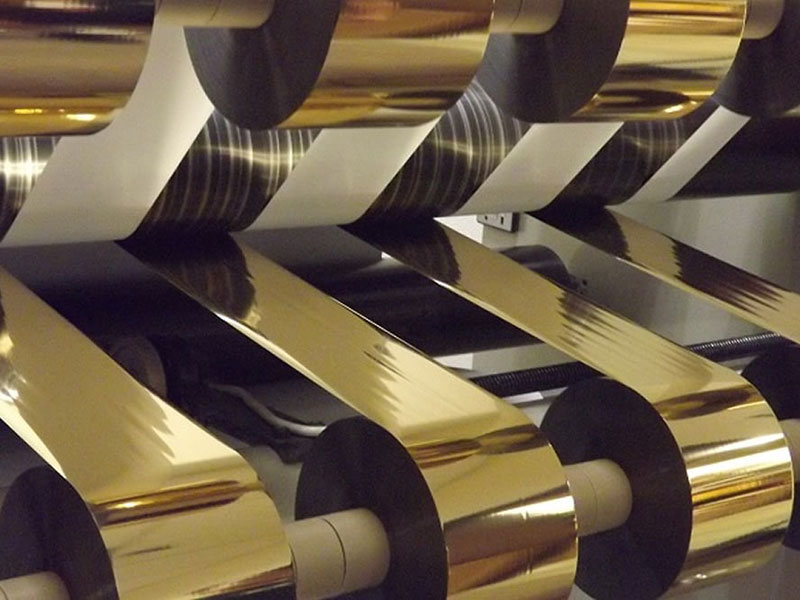
Hot stamping foil specifications range from 2mm narrow threads to 120mm standard color blocks, making frequent order changes a production reality. The efficiency of these transitions directly impacts overall equipment effectiveness.
Manual tool adjustment requires operators to reposition each blade holder individually — a process that can take 15 to 30 minutes per order change. Automatic tool positioning systems, driven by servo motors, reduce this to 1-5 minutes by allowing operators to input the desired slit width and having the machine position tools automatically. For operations running multiple small-batch orders daily, this capability quickly pays for itself through increased machine utilization.
Hydraulic or pneumatic tool locking systems ensure uniform pressure across all tool groups and prevent axial movement during operation. Automatic unloading and rapid clamping devices further streamline the workflow, enabling one operator to manage multiple machines.
7. Total Cost of Ownership: Beyond the Purchase Price
The purchase price represents only a portion of the true cost of a slitting machine. A cheaper unit that experiences frequent downtime, generates excessive waste, and requires constant adjustment can exceed the cost of premium equipment within six months of operation.
Material yield is a major cost factor. Precision slitting can reduce material loss rates from over 5% to below 1.5%, with high-end models achieving material utilization exceeding 98%. For expensive holographic or specialty foils, this difference alone can justify the investment in higher-precision equipment.
Downtime costs accumulate quickly. A machine that requires 30 minutes for order changes versus one that takes 5 minutes translates to significant lost production time over the course of a year. Equipment reliability, spare parts availability, and the brand reputation of core components like PLCs, servo motors, and sensors all contribute to long-term operational stability.
Maintenance requirements also affect total cost. Blades that require frequent resharpening or replacement add both direct costs and labor time. Carbide or diamond-coated blades may carry a higher initial price but deliver extended service life and more consistent cut quality.
Making the Final Decision
Before committing to a purchase, conduct a trial run using your own production materials. Evaluate cut edge quality under magnification, check roll end-face alignment after slitting, and observe the machine’s stability during acceleration and deceleration. Request tension curve data from the supplier to assess how the system responds during speed transitions.
The most valuable equipment is not necessarily the fastest or the most feature-rich — it is the one that consistently delivers clean cuts, minimal waste, and reliable operation for your specific range of materials and production volumes. A systematic evaluation against these seven factors will position your investment for long-term returns in quality and efficiency.
 English
 Deutsch
 Français
 Español
 Português
 日本語
日本語 русский
 한국어
한국어 عربي
عربي ภาษาไทย
 Tiếng Việt
 Italiano
 Cold Foil Slitter
 Card Print Ribbon Rewinder
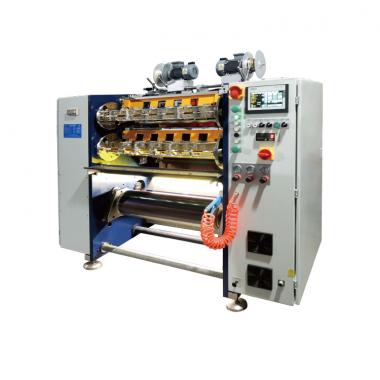 Card Print Ribbon Slitter
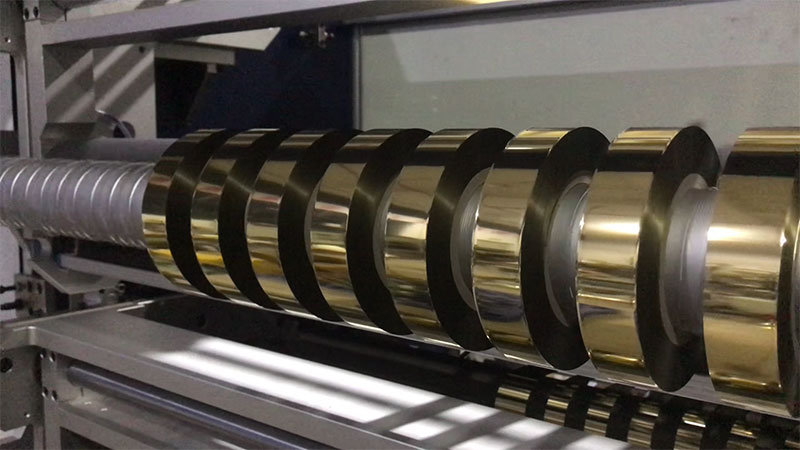 Holographic Foil Slitter
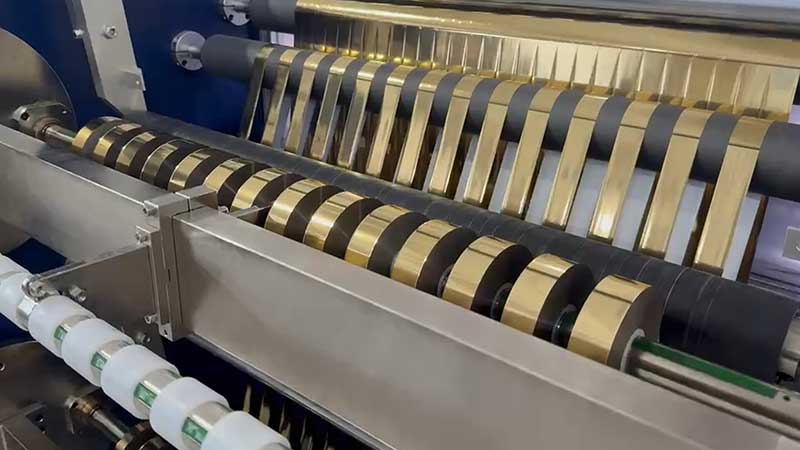
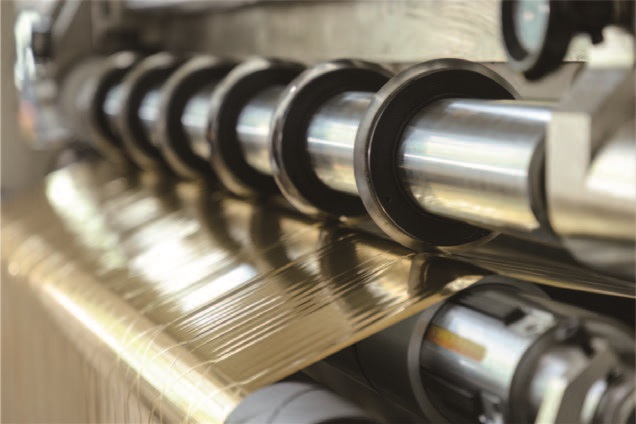 Hot Stamping Foil Slitting Machine
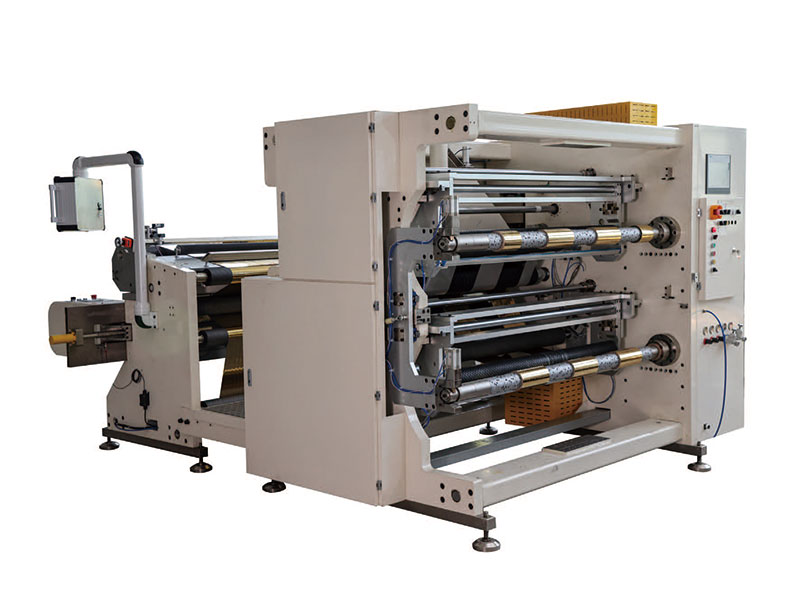 Hot Stamping Foil Slitter (RSDS7H) 1350
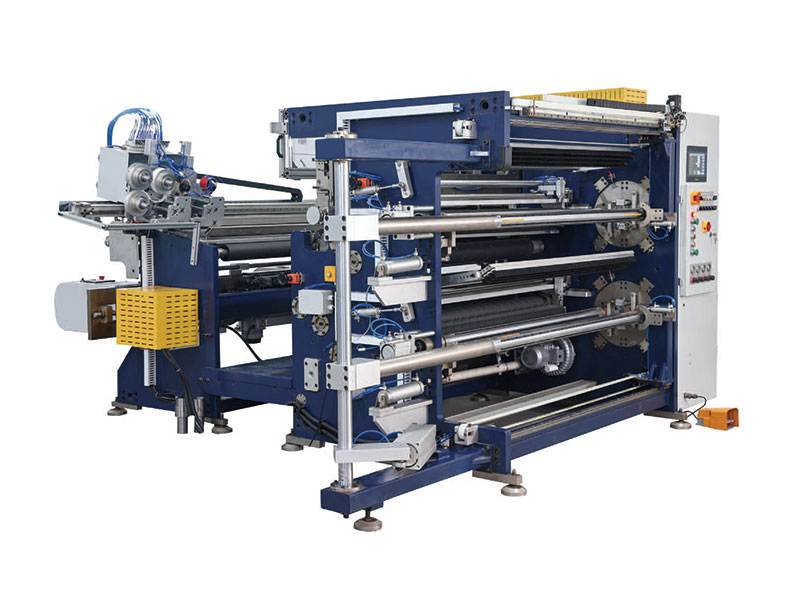 Hot Stamping Foil Slitter RSDS7H 1350 PLUS