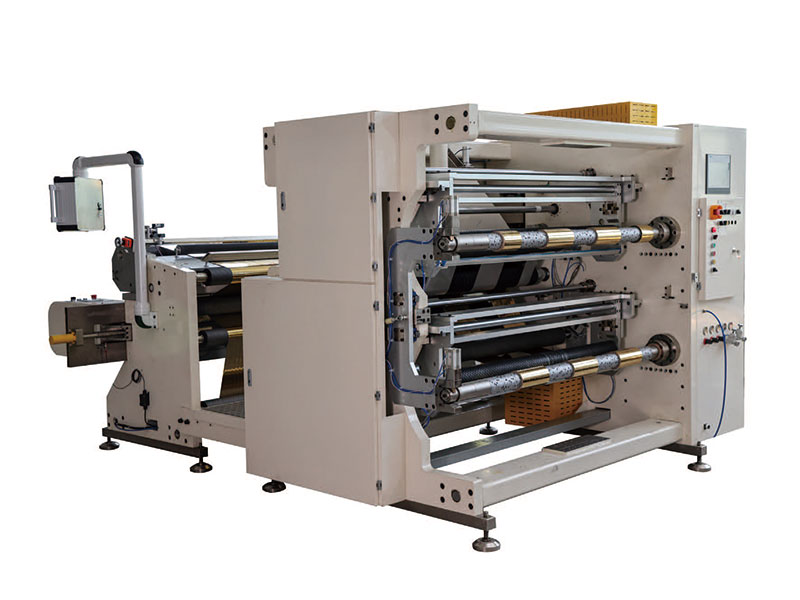
In high-end manufacturing fields such as plastic packaging, lithium battery separators, and optical display films, the film slitting machine is the core equipment for slicing wide, large rolls into narrow rolls of specific specifications. During slitting, even if the film deviates by just ±1mm, it can cause the entire roll to be scrapped. The automatic deviation correction system is the key technology to solve this problem. It acts like the "eye of precision" and the "hand of stability" of the equipment, ensuring slitting accuracy and product consistency in real time.
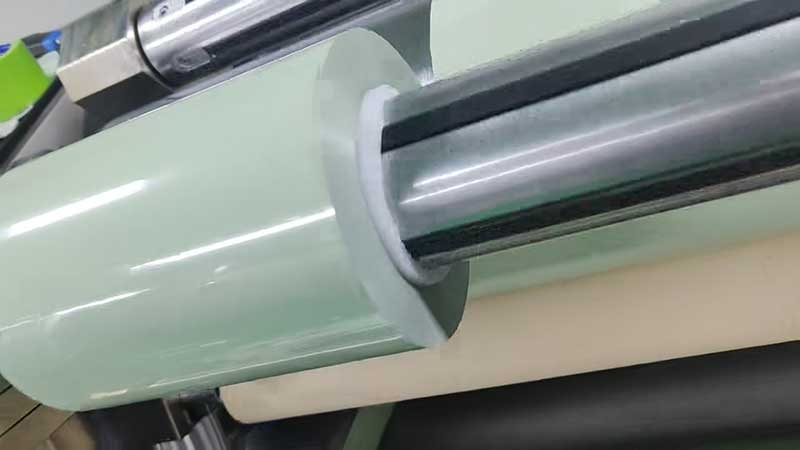
1. Why is automatic correction necessary?
During high-speed slitting (modern equipment can reach speeds of 400-800 meters per minute), the causes of film deviation are complex and varied: uneven edges of the raw film itself, parallelism errors of each drive roller, tension fluctuations, and even airflow disturbances can all cause the film to deviate from the preset path. Without effective correction, it will cause uneven slitting edges and uneven winding end faces. In severe cases, the film may wrinkle or even break, resulting in a large amount of waste.
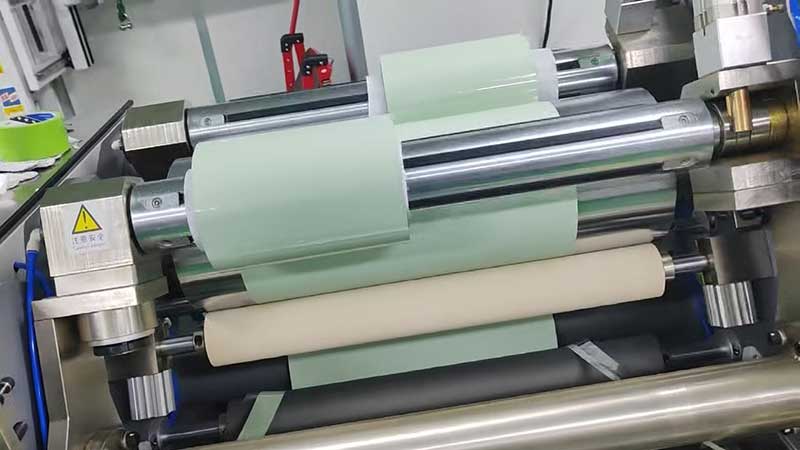
2. System Composition and Workflow
The automatic correction system is essentially a closed-loop control system, composed of three core units: "detection, control, and execution":
Detection Unit (Perception): Responsible for real-time "seeing" the position of film edges or marker lines. Early systems mostly used photoelectric sensors, but today ultrasonic sensors and CCD (charge-coupled device) line array cameras have become mainstream. CCD sensors combined with infrared light sources achieve a resolution of up to 0.1mm and can resist ambient light interference. Even during lithium battery electrode slitting, the correction amount is coordinated by simultaneously collecting images of both sides.
Control unit (decision-making): usually served as the "brain" by a PLC (Programmable Logic Controller) or a dedicated correction controller. It receives the position signal of the detection unit, compares it with the set value to determine the deviation amount, and then calculates the required correction instructions through algorithms such as PID. Advanced systems have introduced fuzzy PID or AI prediction algorithms, which not only respond to existing deviations but also predict deviations based on historical trends and make early adjustments.
Execution unit (action): According to control commands, it drives the mechanical structure to move the entire uncoiling rack or specific straightening rolls laterally, bringing the film back to its proper path. There are mainly three types of actuators: stepper motors (with better precision, used in early systems), servo motors (currently mainstream, fast response, high accuracy), and linear motors (high-end solutions, response time < 10ms, repeat positioning accuracy ±0.05mm).
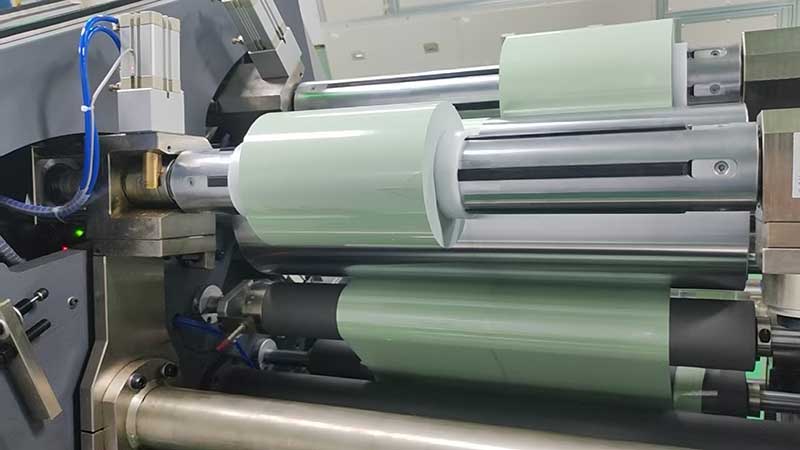
Take unwinding correction as an example: sensors detect the edge of the film at the unwinding point and send position signals to the controller. Once offset is detected, the controller directs the actuator to push the entire unwinding rack (or straightening roller) to slide laterally along the rails, ensuring that the film edges always return to the sensor-set "target position."
3. Technology and Application Evolution
Automatic correction systems are evolving toward higher precision, faster response, and stronger intelligence.
• Inspection end upgrade: From photoelectric switches to CCD/CMOS image sensors, not only position measurement but also AI image processing can identify edge defects (such as burrs and cracks).
• Algorithmic intelligence: By introducing AI image processing and reinforcement learning, the system can "self-evolve" to optimize correction parameters and decouple with tension control—fine-tuning local tension during correction to avoid edge stretching and deformation caused by pulling.
• Expansion of application fields: The lithium battery industry has extremely high requirements, such as the coordinated correction of electrode die-cutting and slitting, where the correction amounts of die-cutting and slitting must be calculated separately based on the widths of the coated and uncoated areas on both sides, overcoming cumulative errors between processes. In high-end material processing such as optical films and 6μm ultra-thin lithium battery separators, the correction system has become a critical threshold for success or failure.
Conclusion
The automatic deviation correction system of the film slitting machine integrates precision sensing, intelligent algorithms, and high-speed execution technology, representing a key microcosm of modern manufacturing's progress toward "zero defects." From the initial simple control of photoelectric switches to today's intelligent collaborative systems based on machine vision, the essence of this evolution is the continuous upgrade of the "perception-decision-execution" chain. With the rapid development of industries such as new energy and flexible electronics, the requirements for slitting accuracy will approach their limits, and automatic correction technology will continue to evolve toward an unmanned future characterized by "ultra-precision + full intelligence."
 English
 Deutsch
 Français
 Español
 Português
 日本語
日本語 русский
 한국어
한국어 عربي
عربي ภาษาไทย
 Tiếng Việt
 Italiano
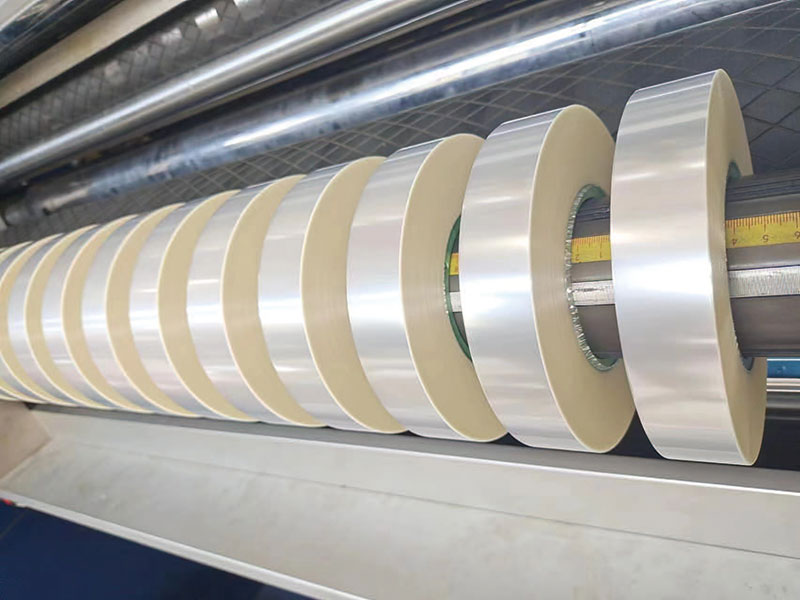
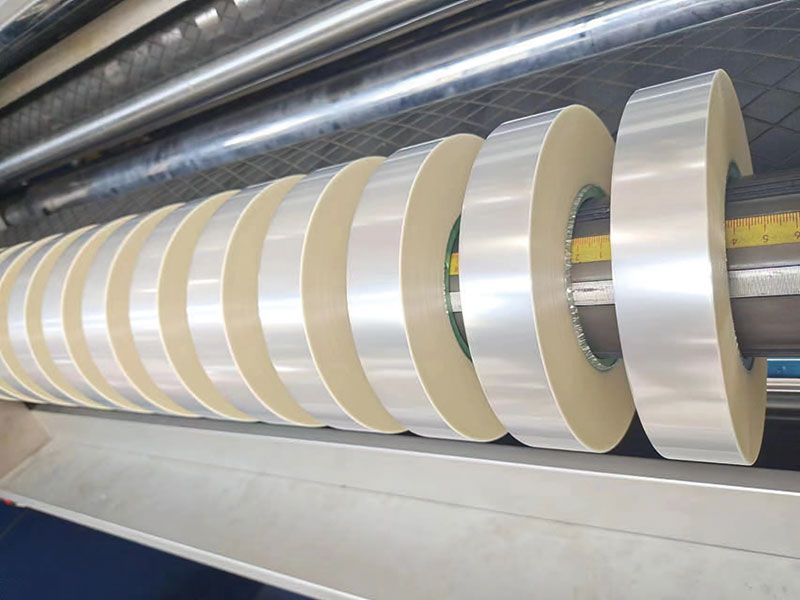 Film Slitting Machine
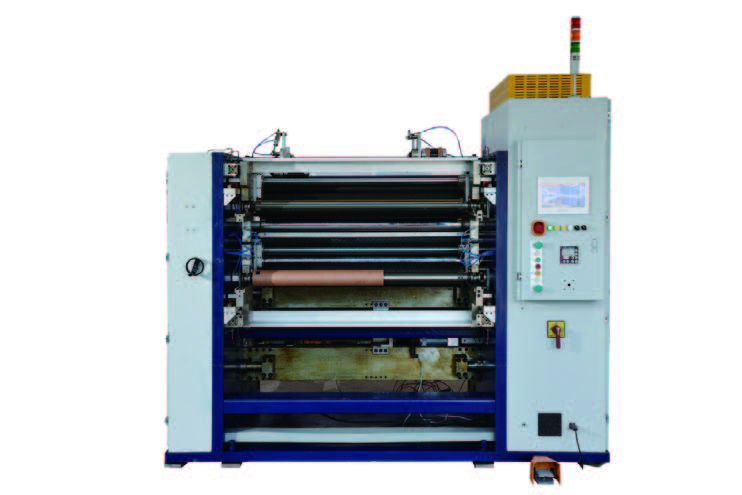 Capacity Film Slitter
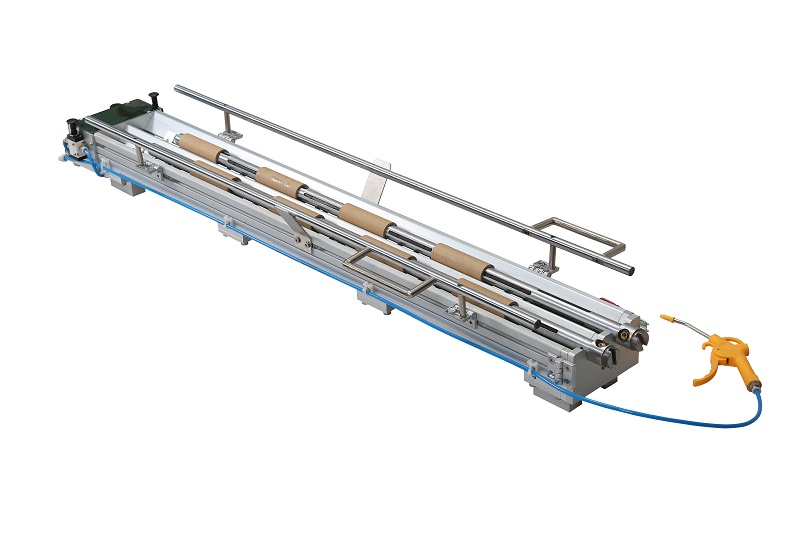 Paper Core Loading Machine
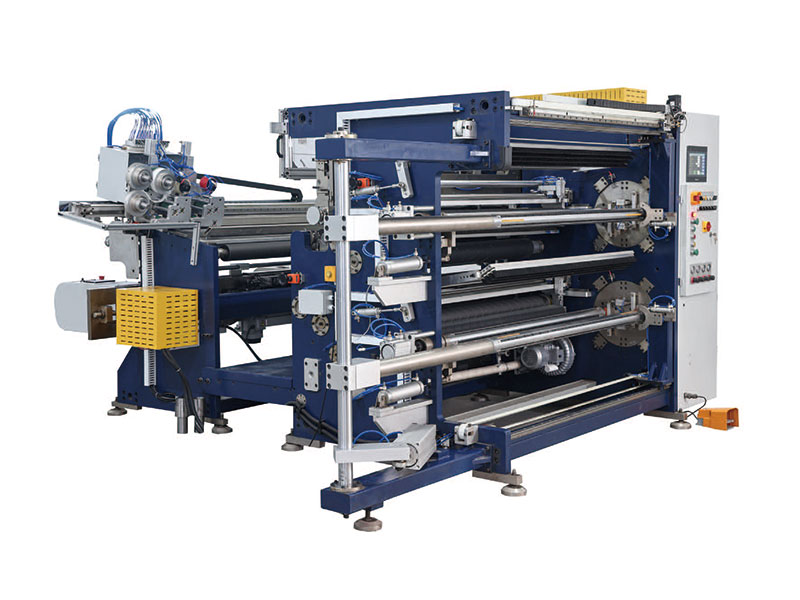 PET Film Slitter RSDS7H 1350 PLUS
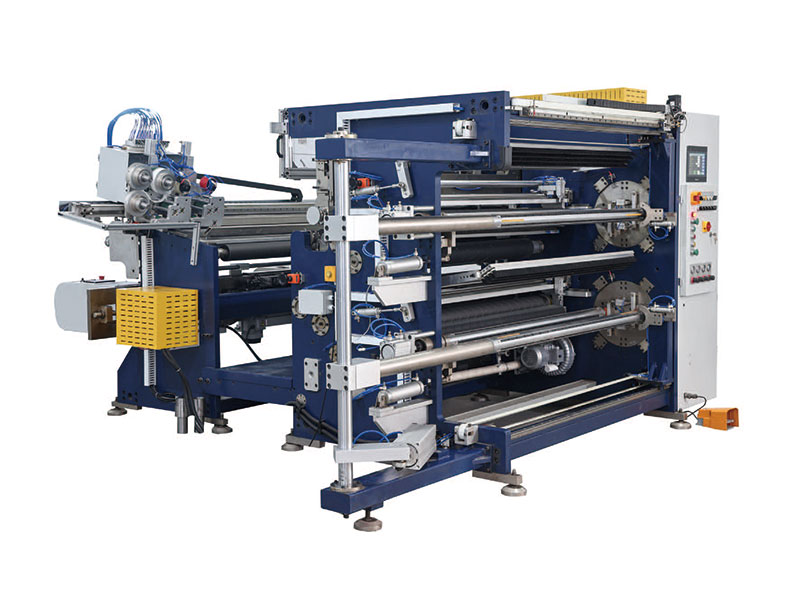 PVC Film Slitter RSDS7H 1350 PLUS
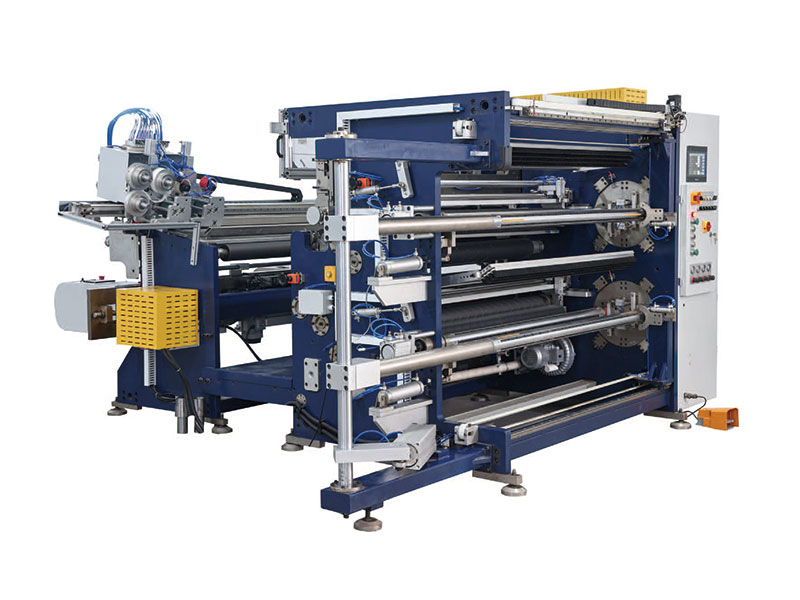 BOPP Film Slitter RSDS7H 1350 PLUS
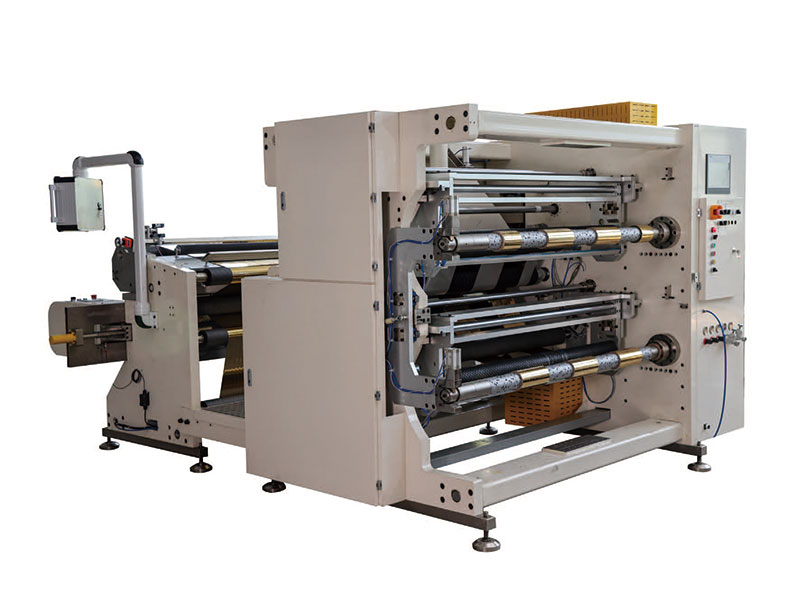 PET Film Slitter (RSDS7H) 1350
 BOPP Film Slitter (RSDS7H) 1350