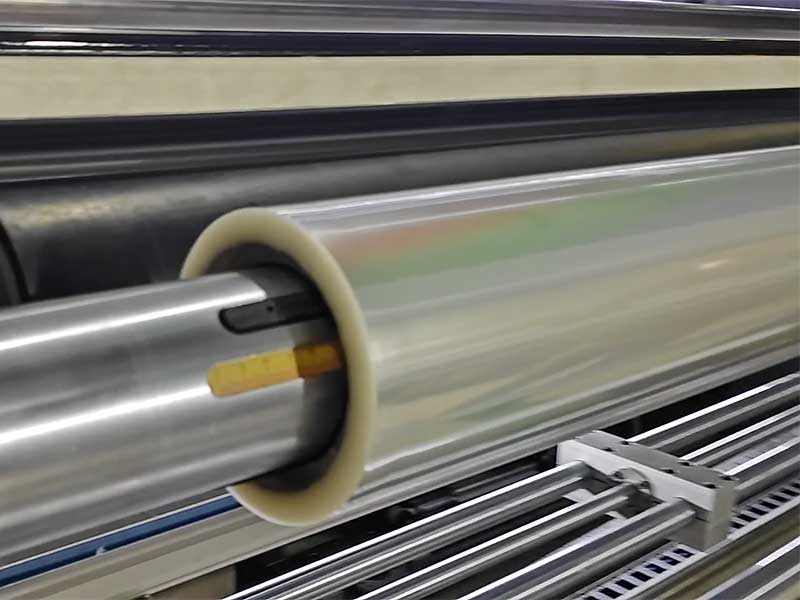
Slitting is a key step in the film production process, covering the extrusion or lamination stages of film production, and then deep-processing steps such as printing and bag making. The quality of the slitting directly determines the final product's grading rate and customer satisfaction. However, because the film itself has the viscoelasticity of polymer materials and the coupling of factors such as tension, speed, and static electricity during slitting, quality issues in the slitting stage have long been a pain point in the industry. This article will analyze several common quality issues during film slitting and propose corresponding solutions.
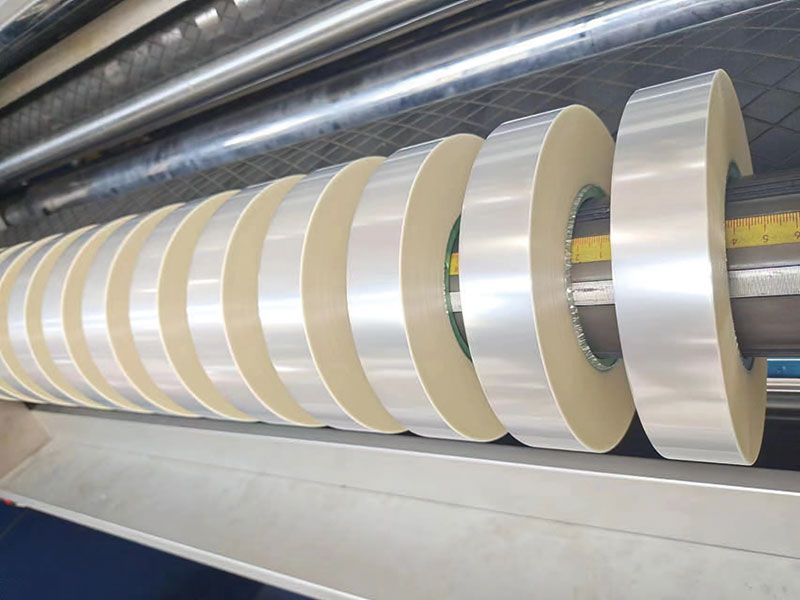
1. Wrinkles and vertical stripes
Wrinkles are the most common appearance defect in the slitting process, manifested as fine creases or rib-like stripes appearing on the surface or edges of the film roll. Such issues not only affect aesthetics but may also lead to inaccurate registration or poor ink adhesion during downstream printing.
Cause analysis: The formation of wrinkles is often the result of the combined effect of "tension" and "air." During slitting and winding, if tension is not properly controlled, uneven force is applied between film layers, making wrinkles very likely. At the same time, during high-speed operation, a large amount of air is trapped between the film layers. If the subsequent pressure roller cannot effectively expel this air, longitudinal streaks will form. Additionally, the thickness tolerance of the film itself is a key factor—thicker areas accumulate and stack to form "barred gluten," which can cause wrinkles in surrounding areas.
Solution:
1. Tension optimization: Implement gradient tension control, meaning gradually reduce the winding tension as the film roll diameter increases, avoiding wrinkles caused by "loose inside, tight outside."
2. Roller adjustment: Reasonably adjust the pressure and position of the roller. When the pressure roller diameter is greater than the film roll diameter, excessive wrapping angles can easily cause air to get in, which can be improved by selecting rollers with smaller diameters or increasing the paper core diameter.
3. Leveling measures: For curled edges or wrinkles in thin films, the curvature of the leveling roller can be appropriately increased, or a small amount of hygienic smooth-spraying powder can be added to the film edges to reduce friction and sticking.
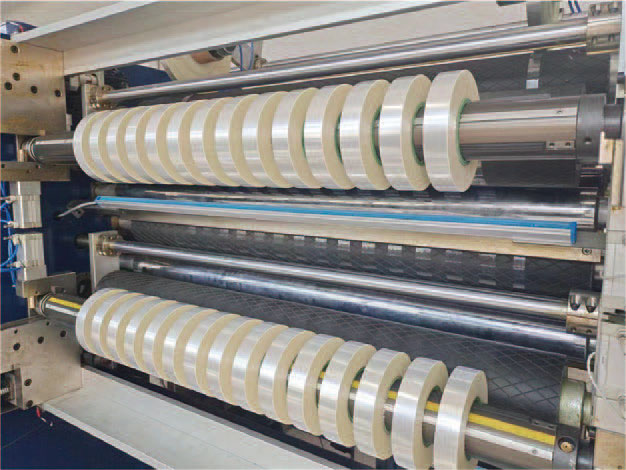
2. Poor alignment of the warped edge and end face
Edge lifting refers to the edge of the film roll curling outward, while uneven end faces refer to uneven end surfaces, or even some films may be misaligned (misaligned layers). These two types of issues directly affect the product's packaging appearance and subsequent applicability to machine use.
Cause analysis: The primary reason for edge lifting is that the cutting knife is too dull. Blunt blades stretch the cut area during slitting rather than cutting sharply, causing uneven stress release at the edges and resulting in warping. Uneven end faces are often related to inaccurate photoelectric tracking, electrostatic interference, and insufficient winding tension. When static electricity accumulates severely, adhesion or drift occurs between films, causing the tracking system to fail to lock edges accurately.
Solution:
1. Tool Maintenance: Regularly inspect and replace slitting blades to ensure sharp edges. When installing the tool, ensure the angle is correct to avoid poor edge trimming caused by installation deviations. Currently, there is also a technology solution using rotatable circular cutters, which rotate the blade through a thin film and continuously cut through the circumferential edge, effectively reducing edge warping caused by blunt blades.
2. Precise tracking and static elimination: Adjust the working state of the photoelectric eye to increase the color contrast of the tracking line. At the same time, static conductive devices (such as static elimination rods) must be connected to the equipment, and the antennae should touch the back of the membrane roll to promptly eliminate static accumulation.
3. Tension adjustment: appropriately increase the winding tension to prevent film rolls from becoming too loose and causing edge run-off; However, care must be taken to avoid excessive tension that could cause stretching and deformation of the film.
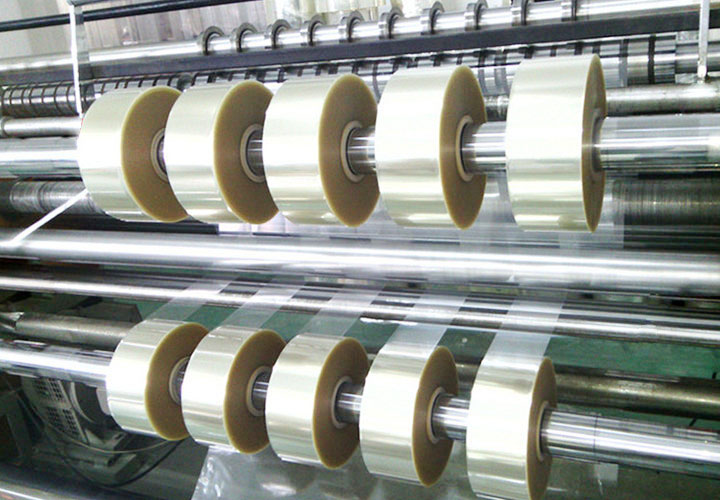
3. Exposed tendons and bottom wrinkles
Exposed ribs refer to circular protrusions formed on the film roll surface due to local thickness accumulation, while bottom wrinkles only occur at the initial winding stage, presenting as deep and dense wrinkles.
Cause analysis: The fundamental cause of rebar excessively lies in excessive film thickness tolerances in the previous process (extrusion or casting). The slitting process cannot change the physical shape of the film; only tension adjustment can mitigate its effects. If the thickness of the large shaft film roll is uneven, exposed ribs will inevitably appear after slitting. Bottom wrinkles are closely related to the quality of the roll core and initial tension. If the straightness and concentricity of the paper core are not met, or if the initial winding tension is set too high, severe wrinkles will occur at the base of the wind.
Solution:
1. Source control: Strictly control the quality of the large shaft film roll, requiring upstream processes to improve film thickness uniformity. Slicing is just the icing on the cake, not a timely help.
2. Core management: Uses high-precision paper cores. For ultra-thin films below 10μm, the surface roughness of the paper core should be less than 0.2μm, straightness within 0.04%, and attention should be paid to moisture protection during storage.
3. Process fine-tuning: Appropriately reduce tension at the start of winding and use a slowly increasing taper tension control mode to avoid overtightening at the initial stage that can cause bottom wrinkles.
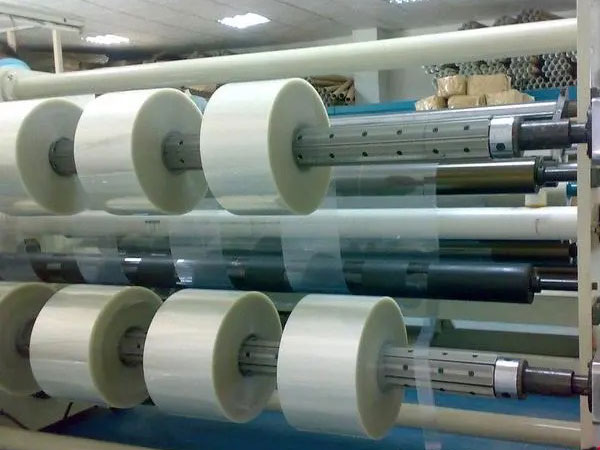
4. Static electricity and foreign object contamination
During slitting, high-speed friction and peeling generate a large amount of static electricity, which not only attracts dust, hair, and even small insects on the film surface, but also poses operational safety hazards.
Cause analysis: Static electricity generation originates from rapid friction and separation between the film and guide rollers or film layers. The presence of static electricity makes the film a "vacuum cleaner," seriously polluting product cleanliness, especially for food and pharmaceutical packaging films, where the harm is particularly prominent.
Solution:
1. Environment and Equipment: Maintain the purification level of the production workshop to reduce dust sources in the environment. Regularly clean all guide roller and roller surfaces of slitting equipment to prevent foreign matter from scratching the roller surface or transferring to the film surface.
2. Active static elimination: Scientifically install static eliminators at key parts of the slitting machine (such as before winding and unwinding), and select appropriate elimination methods based on equipment structure and film type (such as AC corona type, pulse DC type, etc.).
5. Tensile deformation and insufficient length
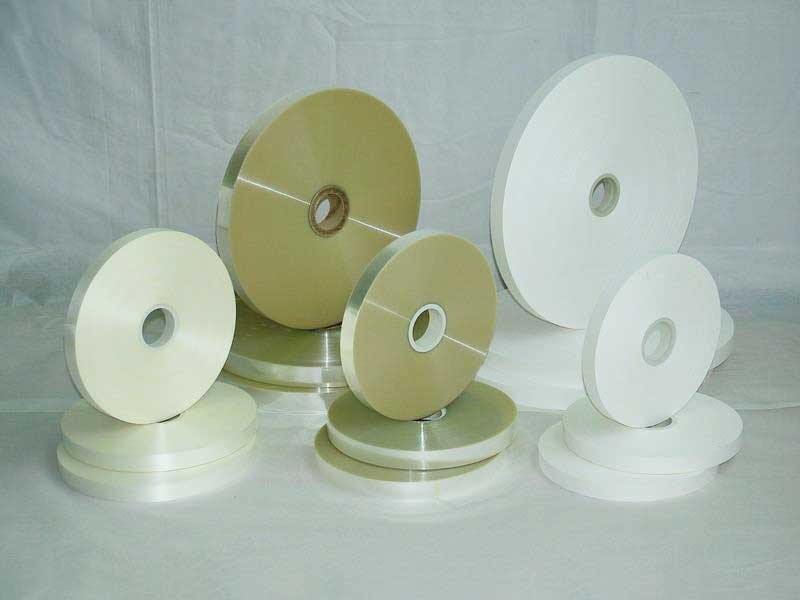
Materials like polyester film are elastic; if the slitting tension is too high, the film can undergo irreversible stretch deformation, affecting the pattern registration of downstream customers. Insufficient length is considered a specification defect and can cause the entire roll to be scrapped.
Cause analysis: Tensile deformation occurs when the winding tension exceeds the elastic limit of the film, causing the film to stretch. Insufficient length often stems from insufficient operational experience. For example, after film breakage or defect removal, the timing of the correspondence between the diameter and length of the large shaft film roll is not promptly recalculated, resulting in the final product length being shorter than the order requirements.
Solution:
1. Scientifically set tension: Set a reasonable upper limit for winding tension based on the characteristics of the film material (for example, PET has high strength and is not easy to stretch, while PE and PP are easier to stretch).
2. Length Prediction: After the operator starts the machine, measure the current membrane roll diameter and estimate the roll length against the standard conversion table. If there is a significant discrepancy between the measured diameter and the marked length, sufficient length should be reserved during cutting to avoid "short rice" in the finished product.
In summary, film slitting quality is a comprehensive reflection of "people, machines, materials, methods, and environments." To solve slitting quality issues, attention must be paid not only to the tension, speed, and tool condition of the slitting process itself, but also to trace the thickness tolerances of upstream film rolls, and to emphasize static elimination and environmental purification. Only by establishing a systematic quality control mindset can the rate of premium slitted products be effectively improved.
 English
 Deutsch
 Français
 Español
 Português
 日本語
日本語 русский
 한국어
한국어 عربي
عربي ภาษาไทย
 Tiếng Việt
 Italiano
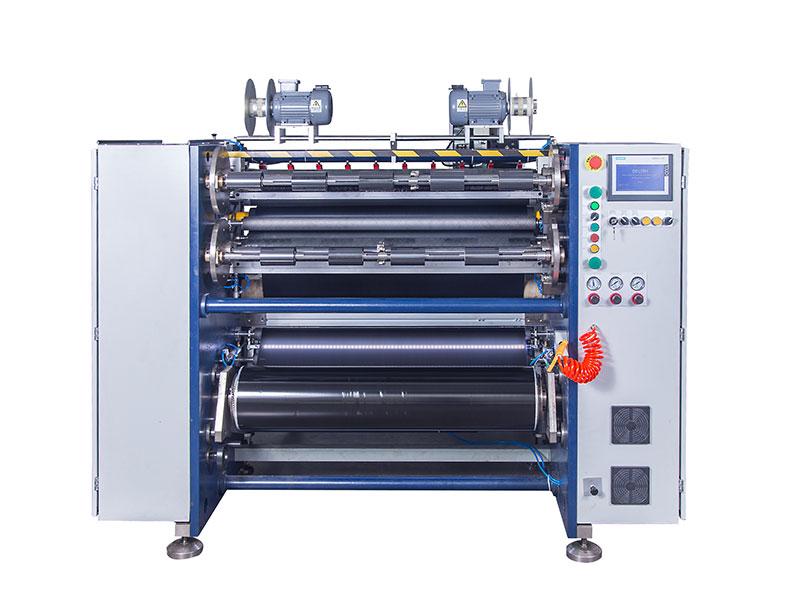 Ribbon Slitting Machine
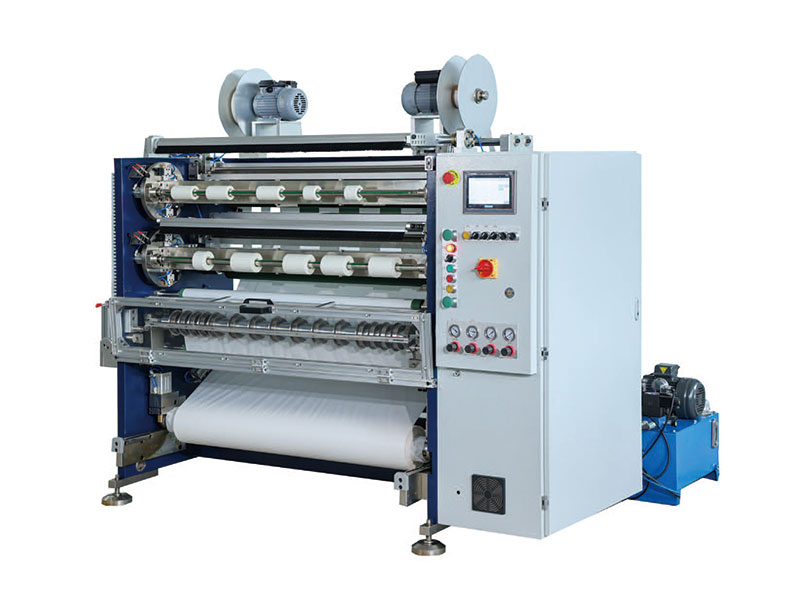 Tape Slitter
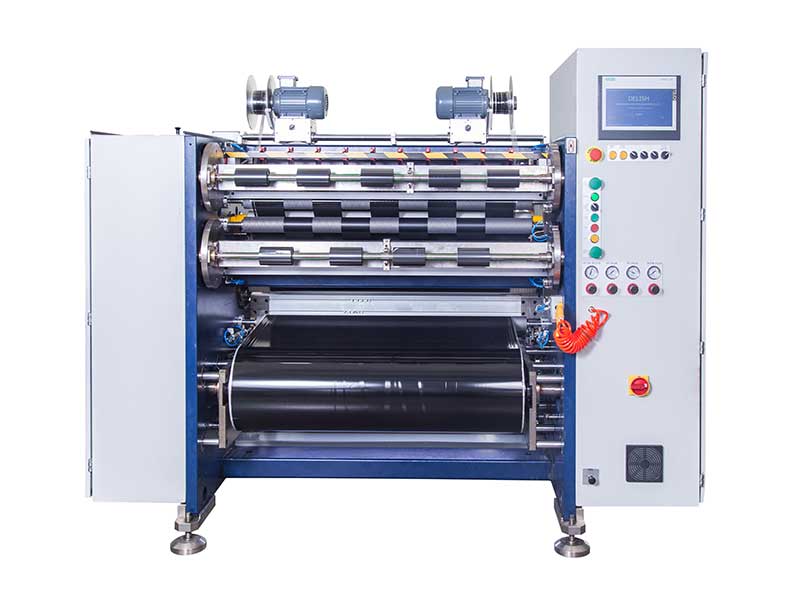 Barcode Ribbon Slitting Machine
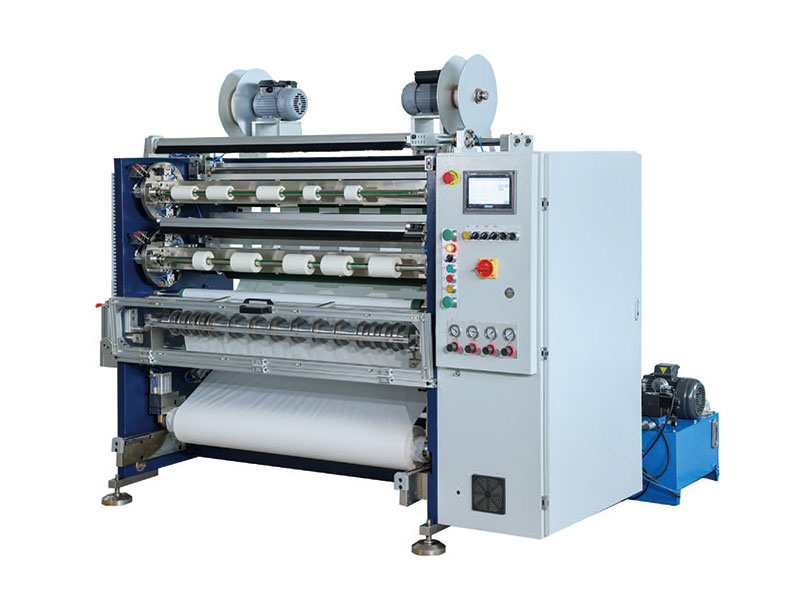 Single Side Adhesive Slitter
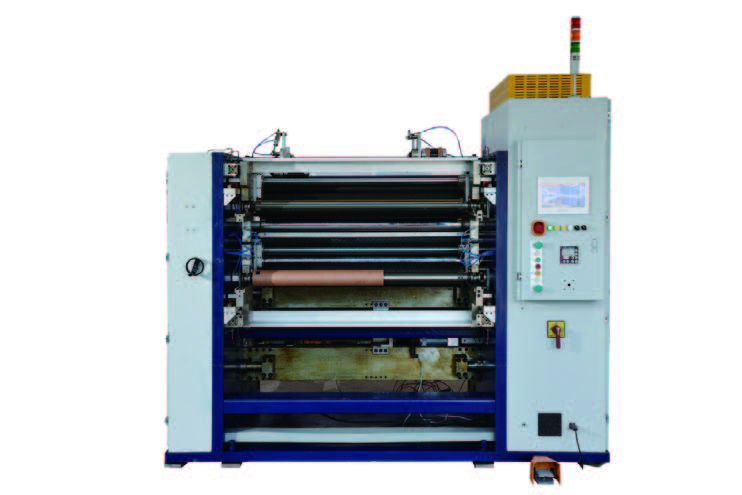 Capacity Film Slitter
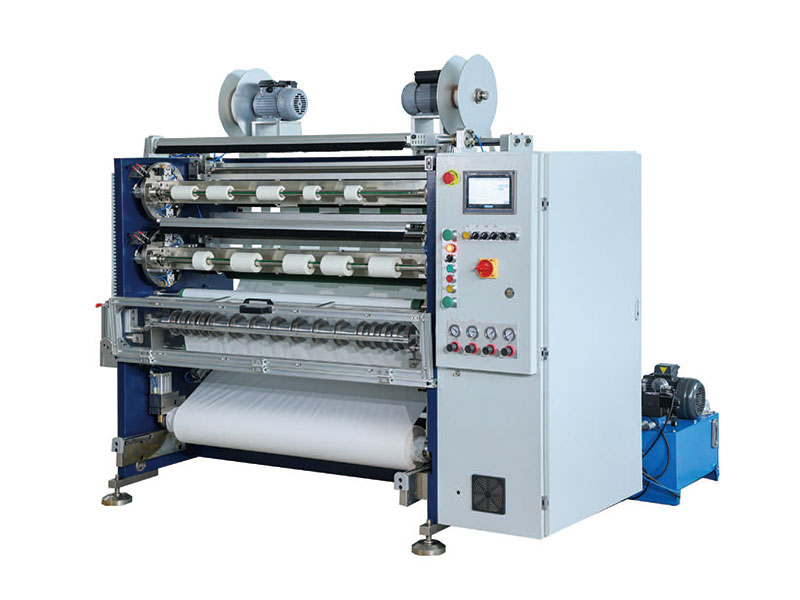 Double Side Adhesive Slitter
 Solar Film Slitter