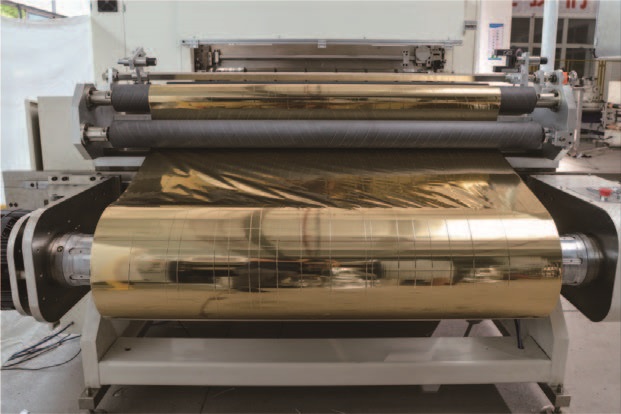
In the fields of packaging printing and surface decoration, hot stamping technology, with its unique metallic texture and refined visual effects, has always played a central role in enhancing product added value. As the first step in processing hot stamping materials, the performance of the hot stamping foil slitting machine directly determines the quality and efficiency of subsequent stamping. In 2026, with the deep integration of precision control, intelligent inspection, and digital technology, hot stamping foil slitting machines will undergo a new upgrade from "capable cutting" to "fine cutting," and from "automation" to "intelligent manufacturing," redefining the industry standard for high-speed precision cutting.
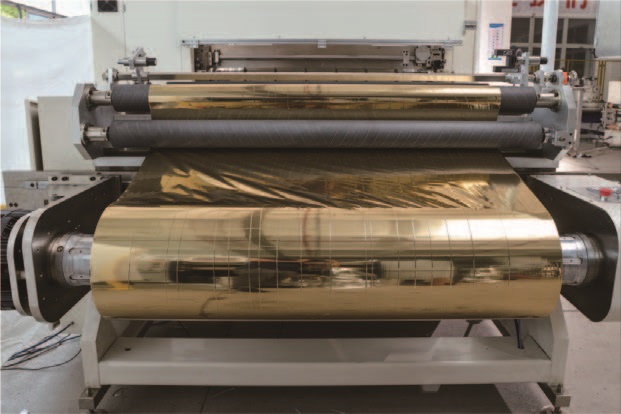
Precision revolution: cost-effectiveness with micron-level errors
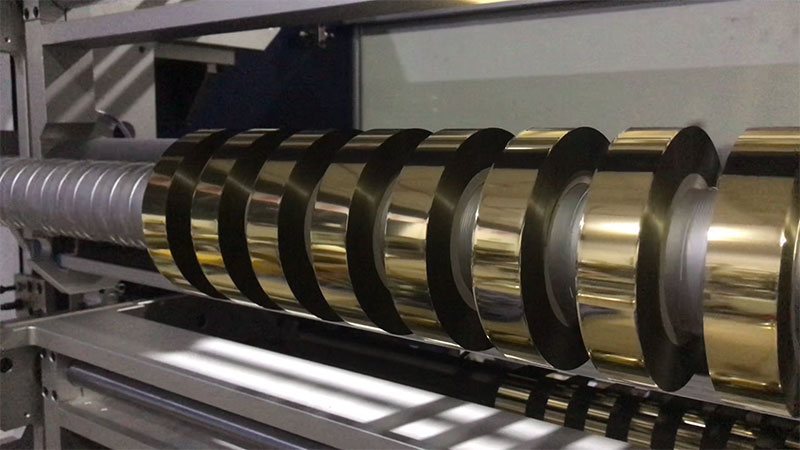
A 0.5mm error ± traditional slitting machines may seem minor, but it can cause difficulties in hot stamping registration and material waste, especially for foil foil with thicknesses only 4 to 30 microns. The new generation of hot stamping foil slitting machines has stabilized slitting accuracy within ±0.05mm, with high-end models even reaching ±0.01mm.
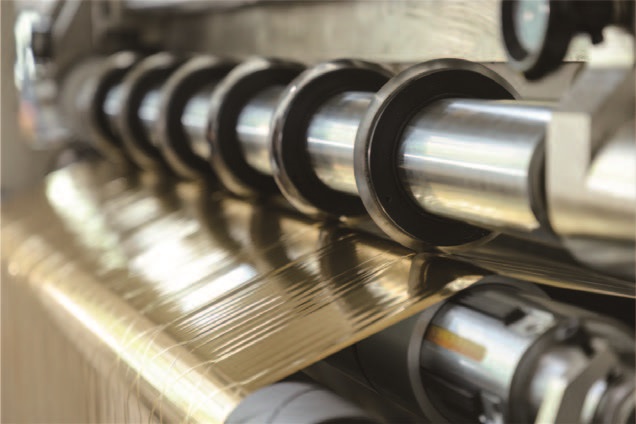
This leap is made possible by two core technological breakthroughs: a fully closed-loop servo tension control system and a high-precision correction system. Using high-precision sensors to monitor roll diameter changes in real time, the servo system dynamically adjusts tension throughout the entire process from unwinding to rewinding, ensuring the foil surface does not wrinkle or stretch deform. Meanwhile, ultrasonic or CCD visual correction systems track foil edges in real time at millisecond-level speed, ensuring that even if the main roll is not evenly rolled, each cut roll has a mirror-like edge. This combination effectively addresses industry pain points such as the susceptibility to breakage and wrinkles in ultra-thin foil, reducing material loss rates from over 5% to below 1% compared to traditional equipment, and the material savings alone can recoup a significant investment within months.
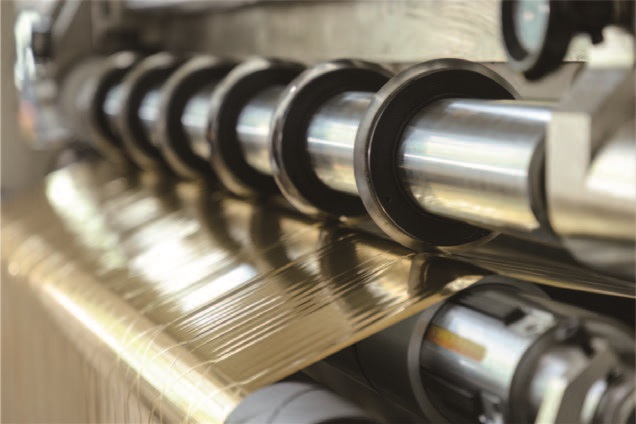
Efficiency Leap: From "People Waiting for Machines" to "Machines Waiting for People"
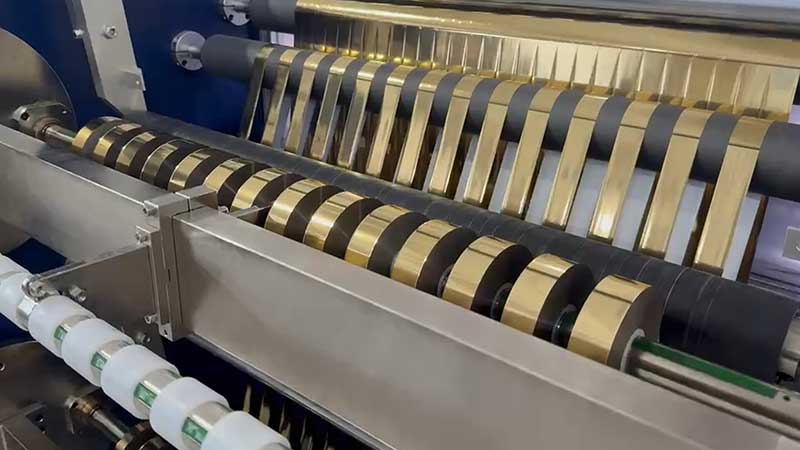
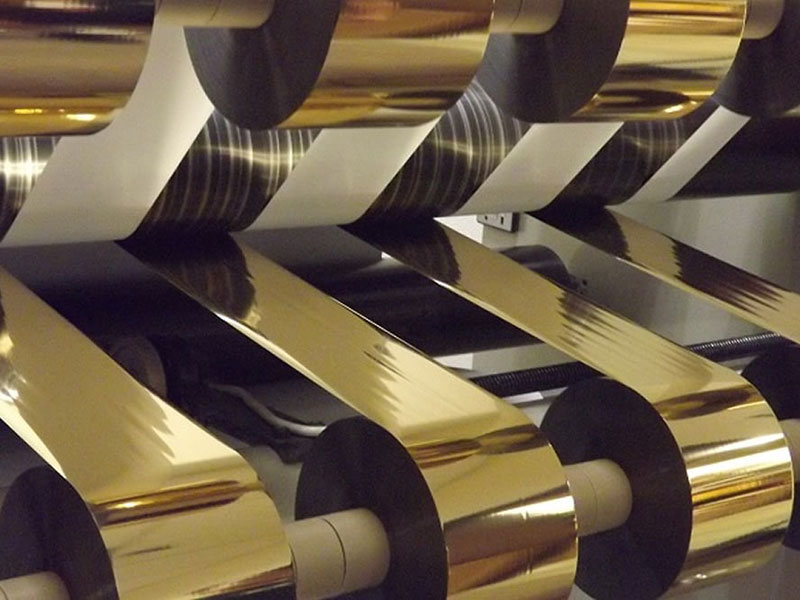
Speed is a direct reflection of efficiency, but it's not everything. The maximum mechanical speed of the new generation slitting machines generally reaches 300 to 500 meters per minute, which is more than 30% higher than traditional equipment. More importantly, it has revolutionized the improvement of effective operating time. Faced with the current "small batch, multi-variety" order norm, traditional equipment specification changes require manual adjustment of tool holders and tension parameters, taking 15 to 30 minutes. Modern slitting machines are equipped with automatic tool layout systems and preset process databases, allowing operators to select product models on the touchscreen and achieve "one-click order change," reducing change time to under 3 minutes. Some models also support narrow mixed slitting technology, allowing multiple different specifications to be cut simultaneously from a single roll of the main roll. Combined with dual-station winding and automatic stapling functions, the equipment achieves continuous production without stopping machines, completely eliminating the passive situation of "waiting for materials" and "waiting for people" during slitting.
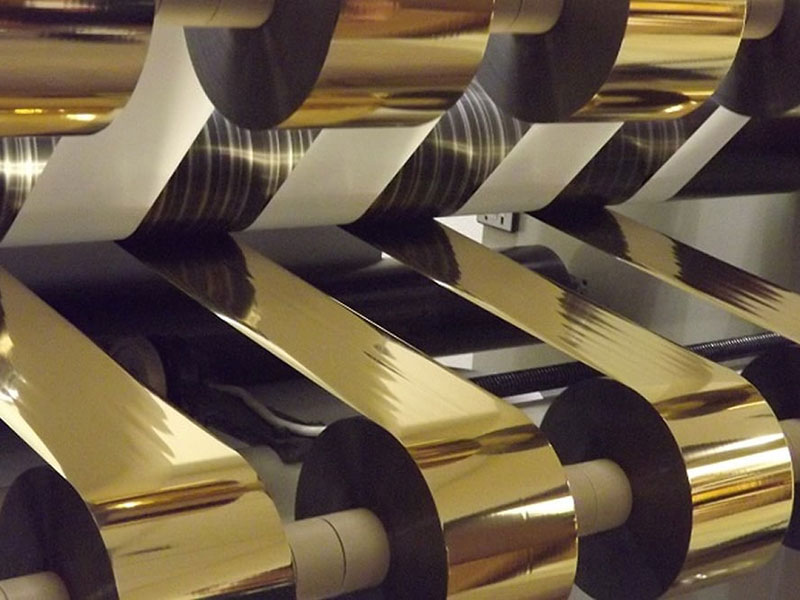
Intelligent Empowerment: From "Experience-Driven" to "Data-Based Decision-Making"
The newly upgraded hot stamping foil slitting machine is no longer an isolated cutting device, but a key data node within the smart factory network. The AI visual inspection system, centered on deep learning, can accurately identify microscopic defects such as scratches, bubbles, and uneven coating on the foil surface, with an accuracy rate exceeding 99.5%, and automatically marks defect locations, preventing defects from entering subsequent processes at the source. By installing sensors for vibration, temperature, and current, the equipment achieves predictive maintenance—the system can predict tool dullness or bearing wear in advance, eliminating unexpected downtime and reducing unplanned downtime by more than 30%. The equipment seamlessly integrates into MES/ERP systems through standardized protocols such as OPC UA, uploading production data in real time, and forming closed-loop management for scheduling, material feeding, slitting, and packaging, completely transforming the traditional "experience-driven" model into a modern manufacturing model of "data-driven + intelligent decision-making."
Conclusion
This new upgrade of the hot stamping foil slitting machine is essentially a value reshaping of the industry chain centered on precision, efficiency, and intelligence. As slitting accuracy approaches the micron level, order change times enter the minute level, and equipment evolves from a "tool" to a "decision-making terminal," it defines not only the technical standard for "high-speed precision cutting" but also the core capability boundary for packaging and printing enterprises to reduce costs, increase efficiency, respond quickly, and maintain controllable quality in the high-end market. The transformation from manufacturing to intelligent manufacturing, this critical link, is injecting unprecedented certainty into the hot stamping process and the entire surface decoration industry.
 English
 Deutsch
 Français
 Español
 Português
 日本語
日本語 русский
 한국어
한국어 عربي
عربي ภาษาไทย
 Tiếng Việt
 Italiano
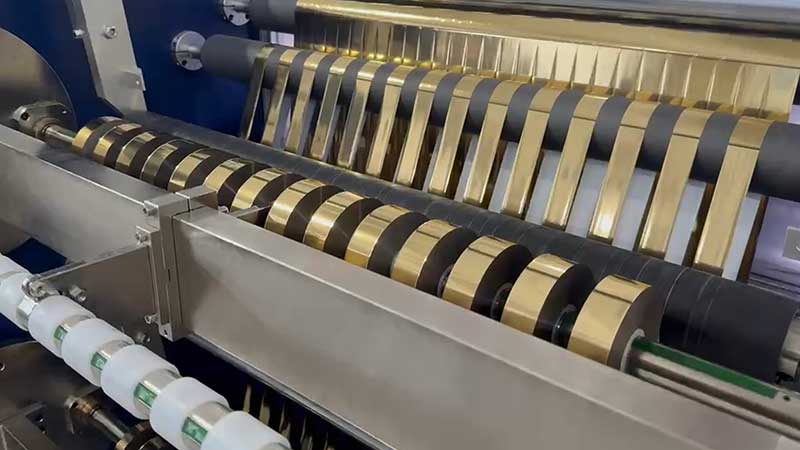
 Cold Foil Slitter
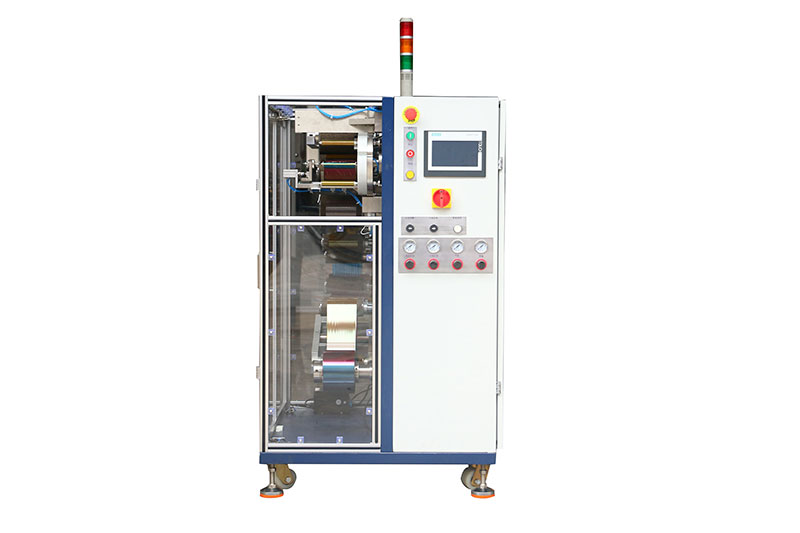 Card Print Ribbon Rewinder
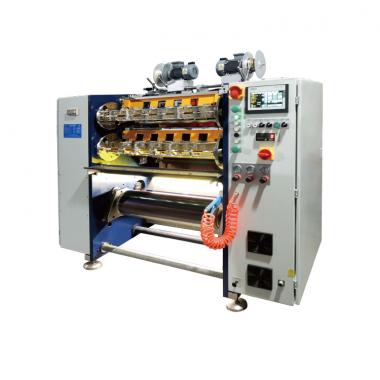 Card Print Ribbon Slitter
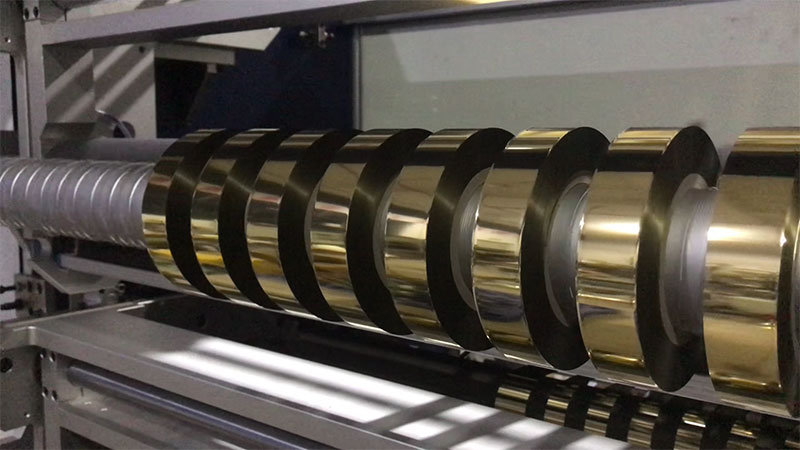 Holographic Foil Slitter
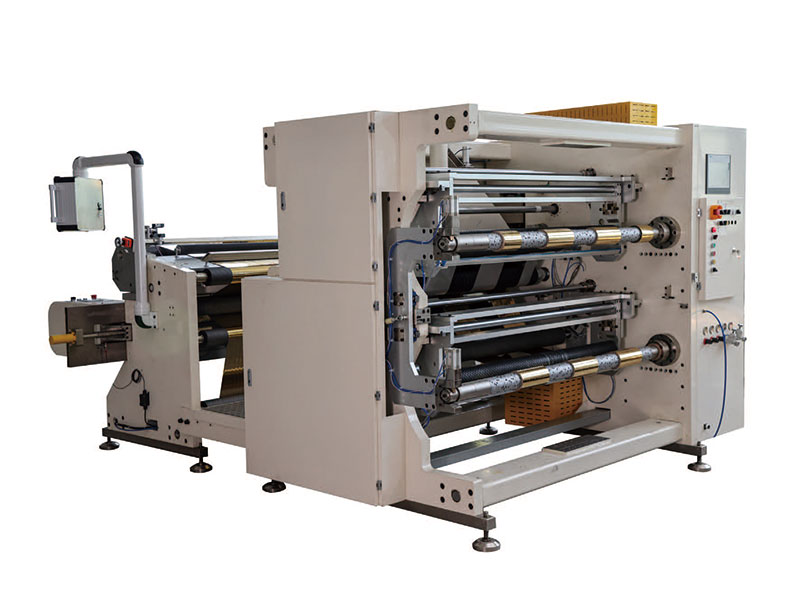 Hot Stamping Foil Slitter (RSDS7H) 1350
 Digital Enhancement Foil Slitter
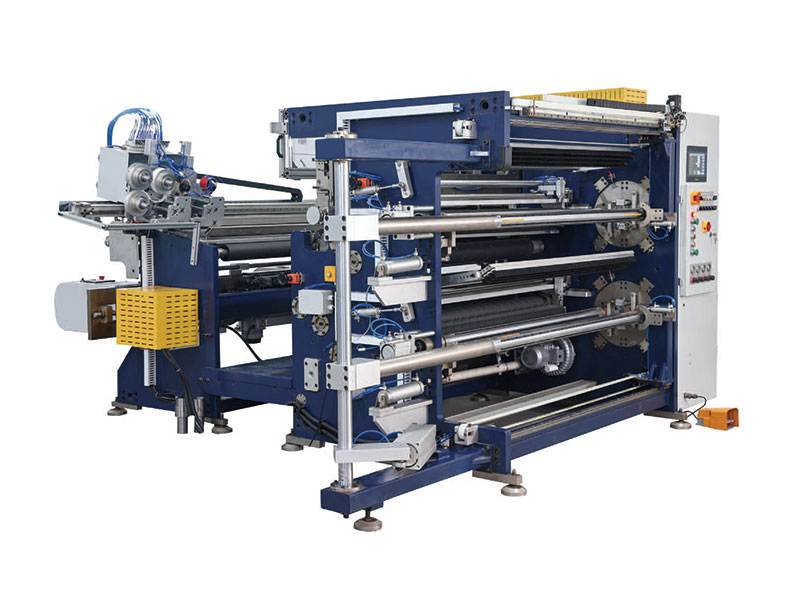 Hot Stamping Foil Slitter RSDS7H 1350 PLUS