With the wave of Industry 4.0 and intelligent manufacturing, traditional manufacturing is accelerating its transformation toward digitalization, networking, and intelligence. As key equipment upstream in the thermal transfer printing industry chain, the role of ribbon slitting machines has long gone beyond "slitting large ribbons into smaller rolls"—they are becoming indispensable data nodes in digital production lines. This article will provide a detailed explanation of the data interconnection functions of ribbon slitting machines and their practical value in production.
1. Why does a ribbon slitting machine require data interconnection?
In the past, ribbon slitting production mainly relied on manual operation and experience. Operators manually set slitting parameters, record output, and check quality, resulting in scattered and lagging data, making refined management and rapid response difficult. In digital production lines, equipment is no longer an isolated "information island" but requires real-time interaction with upper-layer systems such as MES (Manufacturing Execution System), ERP (Enterprise Resource Planning), and WMS (Warehouse Management System). Ribbon slitting machines have data interconnection capabilities, which is the foundation for connecting this chain.
2. Analysis of Core Data Interconnection Functions
1. Real-time collection and reporting of production data
Slitting machines with connectivity can automatically collect and upload the following key data:
• Current operating status (running, standby, fault, maintenance)
• Cut rice, rolls, and quantity of qualified/defective products
• Slitting speed, tension value, and winding diameter
• Tool usage time and remaining life
This data is uploaded to workshop-level systems via industrial communication protocols such as OPC UA, MODBUS TCP/IP, and MQTT, enabling visualization and transparency of the production process.
2. Remote distribution of process parameters and formula management
In a digital production line, the slitting machine can receive process parameters sent by the MES or the host computer, including:
• Slitting width and number of slitting segments
• Tension set value
• Target value for winding hardness
• Tool cut amount
Operators do not need to manually enter parameters for each device; the system can automatically call the corresponding "recipes" based on production work orders, reducing human error and enabling rapid product changeovers.
3. Equipment status monitoring and predictive maintenance
With built-in sensors and edge computing capabilities, the slitting machine can monitor spindle vibration, motor temperature, current fluctuations, and other indicators in real time. When data exceeds the normal range, the system automatically issues an alert and can upload fault codes to the maintenance platform. More advanced systems can predict the remaining service life of tools based on tool usage and slitting meters, prompting early replacement alerts to avoid batch scrap caused by tool wear.
4. Quality data traceability and automatic report generation
Key parameters and inspection results for each slitting process (such as end-face flatness, winding tightness, number of joints) are recorded in the database. When downstream customers report ribbon printing issues, the roll number can be used to trace the slitting time, equipment, operators, and batch parameters of the product in reverse to quickly pinpoint the cause. At the same time, the system can automatically generate daily and monthly reports, reducing manual statistical workload.
5. Collaborative linkage with loading and unloading systems
On highly automated production lines, ribbon slitting machines can also collaborate with AGVs, automatic loading and unloading manipulators, automatic labeling machines, and other equipment via data interfaces. For example: after slitting is completed, the system notifies the AGV to come for relay; After receiving the roll number information, the automatic labeling machine immediately prints and applies labels. The entire process requires no manual intervention.
3. Actual application benefits
| Dimension | Traditional methods | Data interconnection methods |
| Replacement timing | 15-20 minutes, manual input of parameters | 3-5 minutes, recipe can be activated with one click |
| Quality traceability | Manual recording makes it difficult to find | Second-level retrieval, full-link traceability |
| Equipment utilization rate | Relying on manual statistics, which is inaccurate | Real-time OEE calculation for precise bottleneck identification |
| Tool management | Experience changes, early or late | Predictive reminders to reduce waste |
| Reporting work | Manual cleaning for more than 30 minutes daily | Automatically generated, no manual intervention required |
4. Selection and Implementation Recommendations
For companies planning to purchase or upgrade ribbon slitting machines, it is recommended to focus on the following points:
1. Is the communication interface open: Confirm the types of standard industrial protocols supported by the device, and whether API or direct database connection methods are provided.
2. Data acquisition granularity: Whether the data refresh frequency meets workshop-level monitoring requirements (generally at the second or sub-second level).
3. Whether network disconnection and resume are supported: In unstable network conditions, can the device locally cache data and automatically make up data after recovery?
4. Security Mechanisms: Features hierarchical operation permissions and encrypted data transmission to prevent misoperation and data leaks.
5. Compatibility with existing systems: Evaluate the compatibility between device data models and MES/SCADA to reduce integration development costs.
5. Future Development Trends
With the maturity of edge computing and AI technologies, the data interconnection functions of ribbon slitting machines will evolve toward greater intelligence:
• Integrated AI quality inspection: Using industrial cameras and image recognition algorithms, ribbon coating defects are detected in real time during slitting and automatically marked or removed.
• Cloud-based collaboration: Data from multiple slitting machines is migrated to the cloud, enabling group-level global capacity scheduling and process optimization.
• Digital twin: Builds virtual simulation models of the slitting process for new process validation and operational training.
Conclusion
The data interconnection function of ribbon slitting machines has shifted from being just a "nice touch" to becoming a "standard feature" on digital production lines. It is not only a manifestation of equipment intelligence, but also an important lever for enterprises to reduce costs, improve quality, and increase efficiency. When selecting or upgrading equipment, it is recommended to evaluate data interconnection capabilities as equally as mechanical performance—because future competition will not only depend on how accurately and quickly cutting is but also about whether production lines can operate "smartly."
Note: For information on interconnection protocol support or solution pricing for specific equipment models, it is recommended to contact the equipment supplier for technical integration.
 English
 Deutsch
 Français
 Español
 Português
 日本語
日本語 русский
 한국어
한국어 عربي
عربي ภาษาไทย
 Tiếng Việt
 Italiano

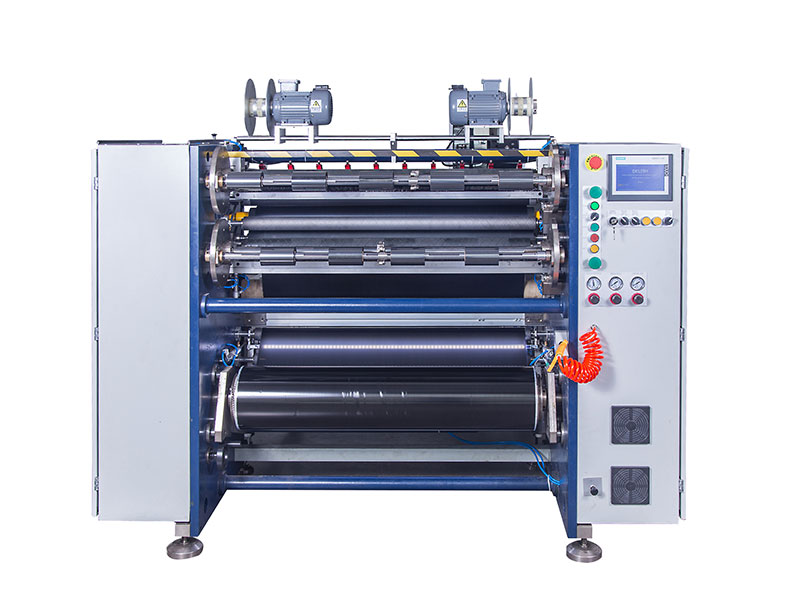
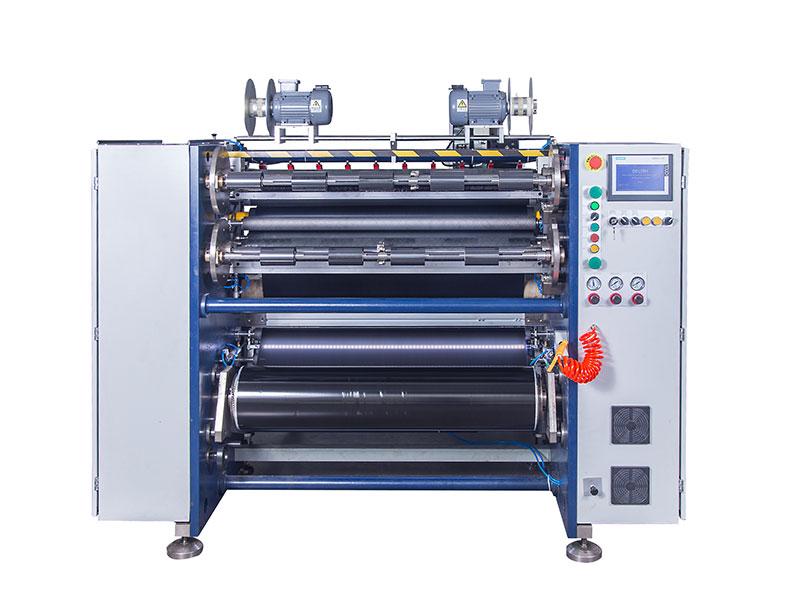 Ribbon Slitting Machine
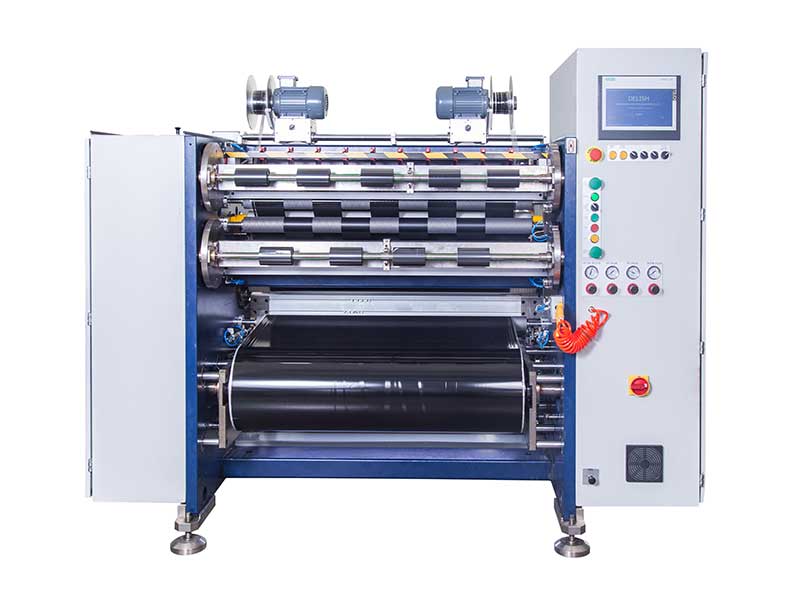 Barcode Ribbon Slitting Machine
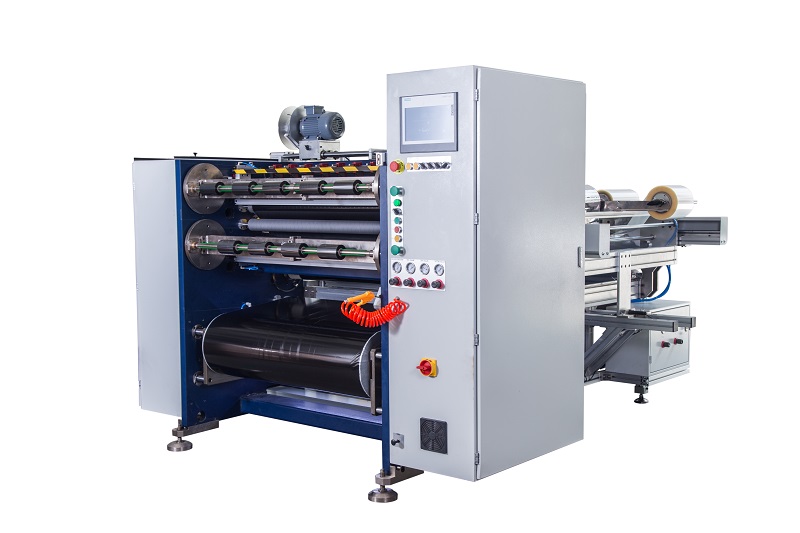 Semi Automatic Thermal Transfer Ribbon Slitter RSDS5 PLUS
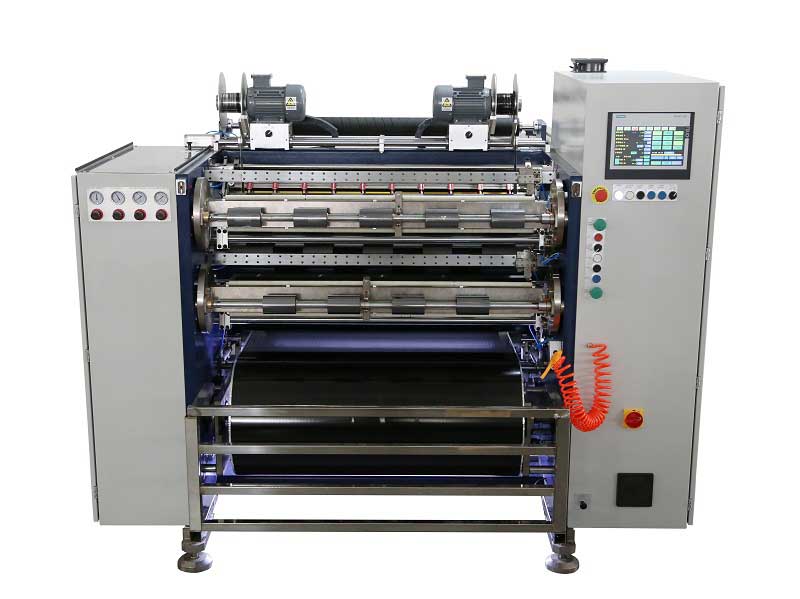 Automatic Thermal Transfer Ribbon Slitter RSDS8 H PLUS
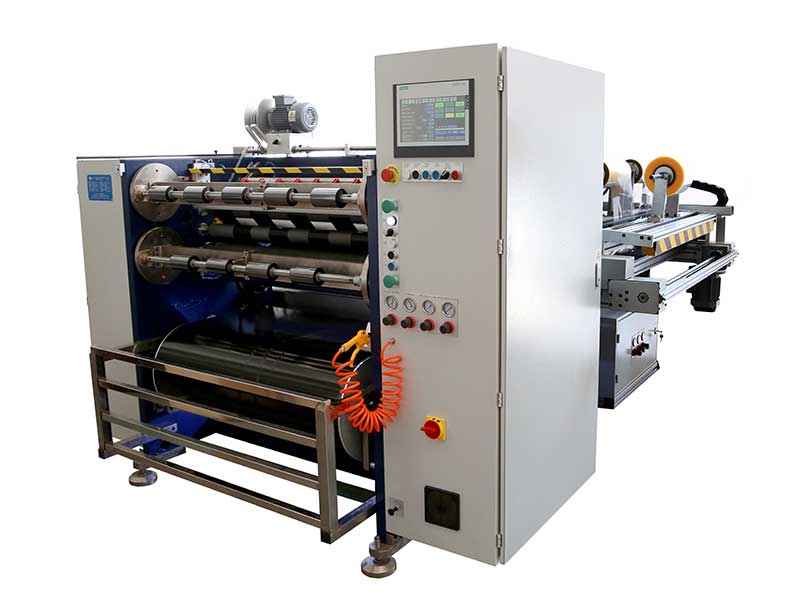 Automatic Thermal Transfer Ribbon Slitter RSDS6 PLUS
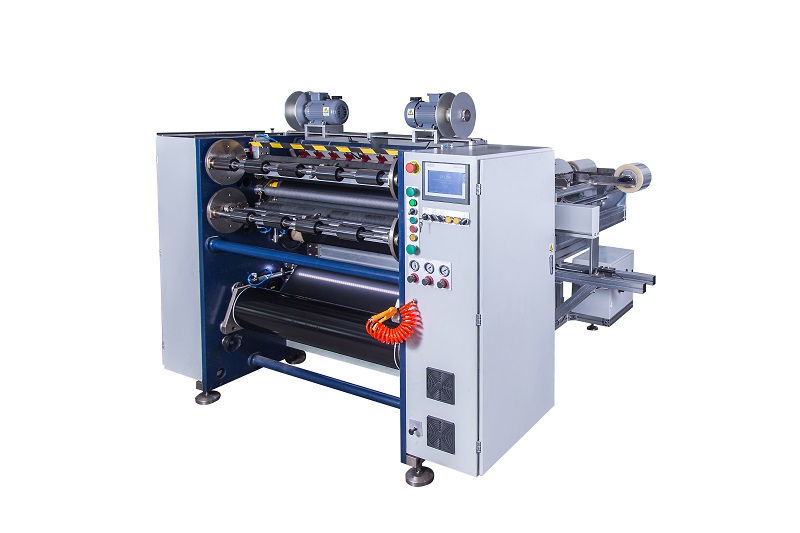 Semi Automatic Thermal Transfer Ribbon Slitter RSDS1 PLUS
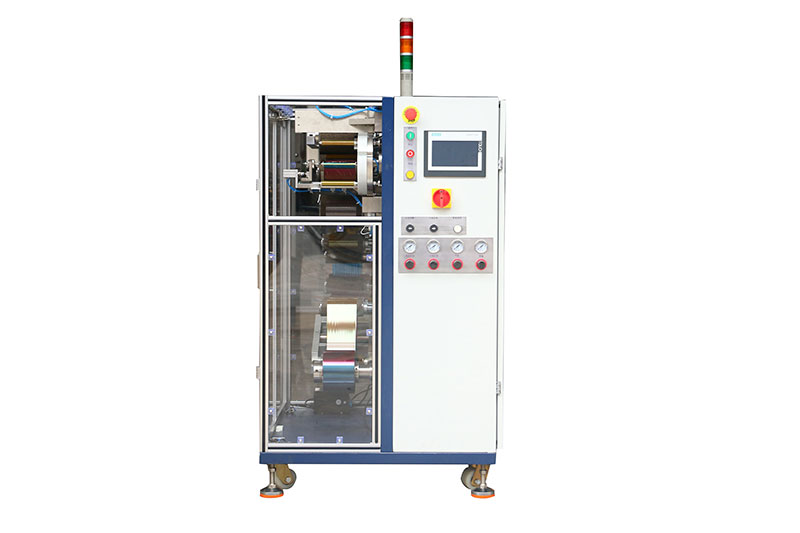 Card Print Ribbon Rewinder
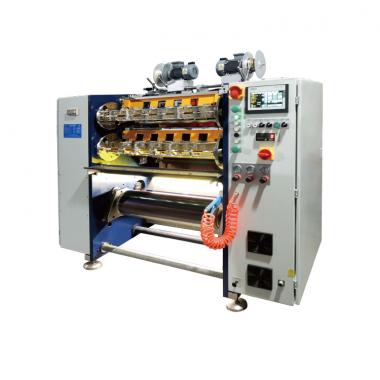 Card Print Ribbon Slitter