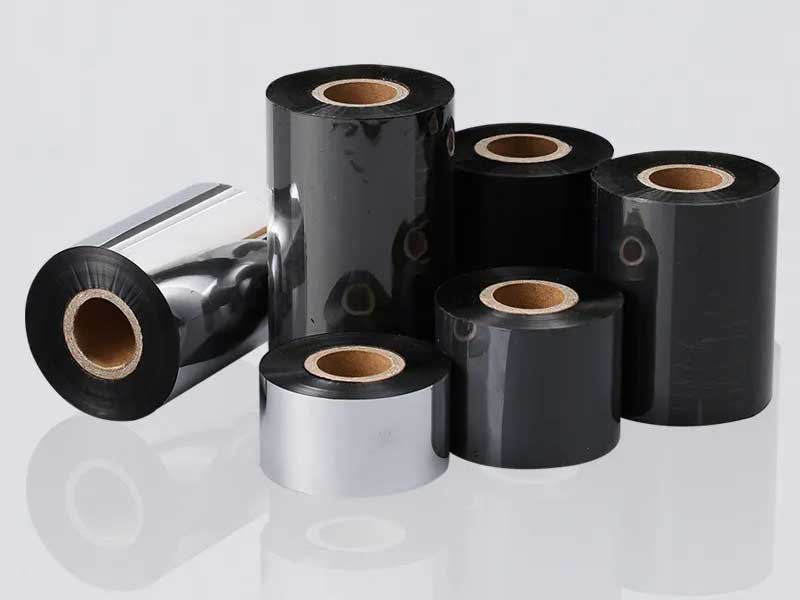
In the production process of heat transfer ribbons, the slitting process directly affects the quality and consistency of the final product. As market demands for ribbon flatness, roll diameter accuracy, and meter consistency continue to rise, traditional slitting equipment is gradually exposing issues such as slow response, large tension fluctuations, and insufficient control precision. The collaborative upgrade of servo motors and tension control systems is becoming a key breakthrough in ribbon slitting machine technology.
1. Limitations of Traditional Solutions
Early ribbon slitting machines mostly used variable frequency motors combined with magnetic powder clutches to achieve tension control. This approach has three obvious shortcomings:
Response lag: The torque of the magnetic powder clutch requires millisecond-level delays, which can easily generate instantaneous tension spikes during acceleration and deceleration, causing local stretching or loosening of the ribbon.
Low-speed jitter: The variable frequency motor delivers uneven torque in the low-speed range, causing periodic ribbon patterns when slitting start and winding are nearly complete.
High energy consumption: The magnetic powder clutch continuously excites and heats, resulting in high energy consumption during long-term operation, and the linearity of control decreases as the magnetic powder ages.
2. Performance Leaps Brought by Servo Motors
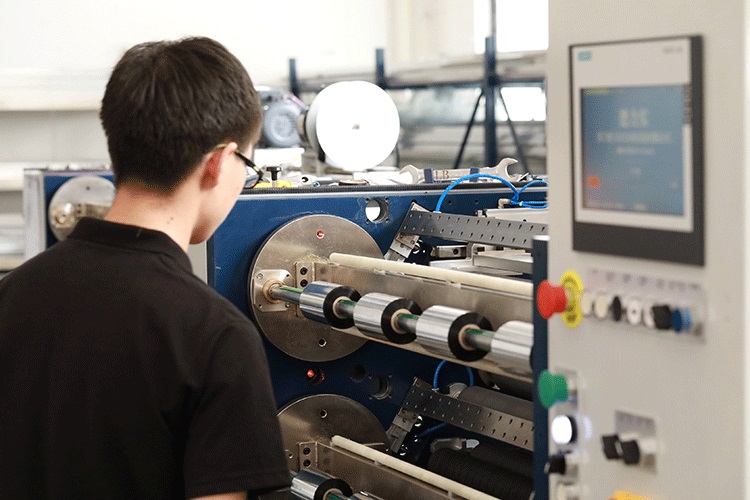
After replacing the main drive and rewinding shaft with a servo system, the most obvious changes are reflected in three aspects:
Start-stop curve optimization: The servo driver has built-in electronic gears and an S-curve acceleration/deceleration algorithm, enabling a smooth transition from zero speed to rated speed in 0.1 seconds, with torque fluctuations below ±1% throughout the process. This is especially critical for preventing the start of thin substrate ribbons (below 4.5μm).
Dual closed-loop position/speed: The servo motor encoder provides real-time feedback to rotor position, allowing the system to precisely control the line speed matching of each winding reel. Taking a 12mm wide ribbon as an example, the servo solution can control the linear speed difference between the left and right rewinding shafts within 0.05%, avoiding the "telescope" shape of the end face misalignment.
Energy-saving effect: The servo motor automatically reduces excitation current under light load conditions, reducing overall energy consumption by 30%~40% compared to traditional solutions.
3. Core algorithm upgrade of tension control system
Servo hardware alone is not enough; tension control strategies determine the ultimate upper limit of slitting mass. The current mainstream upgrade direction is direct tension closed-loop + inertia feedforward compensation.
Direct tension closed-loop: a floating roller tension sensor (accuracy ± 0.5N) is installed at the front end of the winding reel to collect the actual ribbon tension value in real time. The controller compares the measured values with the set values and uses the PID algorithm to correct the servo motor's torque output. Compared to open-loop control, closed-loop solutions can compress tension fluctuations from ±2N down to ±0.3N.
Inertia feedforward compensation: During the change of ribbon coil diameter from empty to full, the rotational inertia of the rewinding shaft can differ by 5~10 times. Traditional PIDs are prone to overshoot in the face of such large-scale changes. The inertial feedforward module calculates the required torque increment in real time based on the current coil diameter, overlays it in advance into the servo output, and keeps the tension constant as the coil diameter changes—the measured tension difference between full and empty coils can be controlled within 0.5N.
Acceleration and deceleration compensation: When the slitting machine suddenly stops from 200m/min to zero, the system automatically executes the "reverse tension unloading" logic to prevent the ribbon from being overstretched due to inertia. This feature is especially important for PET substrate ribbons.
4. Comparison of practical application effects
A ribbon manufacturing company conducted a comparative modification test on two slitting machines, targeting edge-pressed resin-based carbon ribbons (base thickness 5μm, total width 110mm, slitting 8 rolls of 25mm per roll):
| Indicators | Before Upgrade (Inverter + Magnetic Powder) | After Upgrade (Servo + Direct Tension Closed-Loop) |
| Tension fluctuation (steady-state) | ±1.8N | ±0.25N |
| Maximum value of end-face off-stack | 0.8mm | 0.15mm |
| Start-stop pull and tail waste | Average 5.2 meters per roll | Average 1.1 meters per roll |
| Upper limit for slitting speed | 180m/min | 280m/min |
| Operator machine setup time | About 20 minutes | About 5 minutes (one-click parameter call) |
Users have reported that after the upgrade, the ribbon runs smoothly on customers' barcode printers has significantly improved, and the ribbon break failure rate has dropped by about 70%.
5. Implementation Precautions
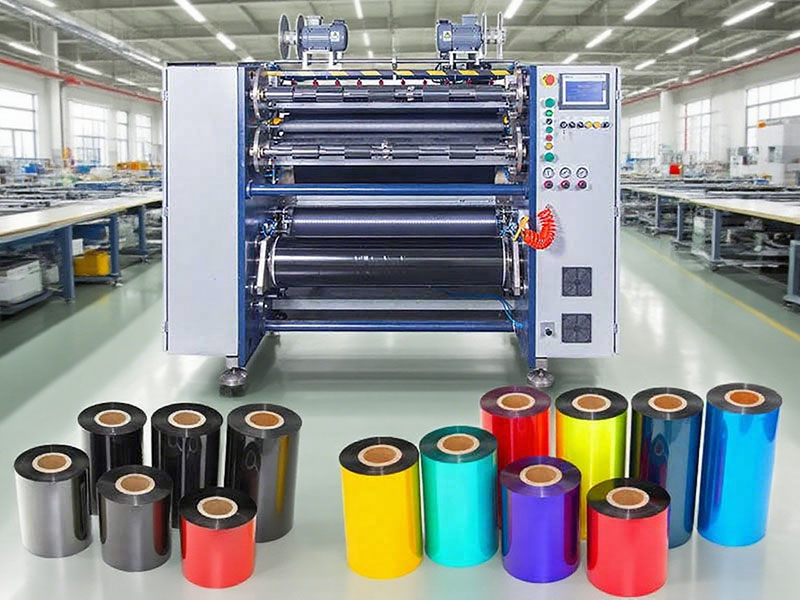
Three key points should be noted during renovation:
• Tension sensor installation position: Stay as close as possible to the straight section behind the slitting tool holder and before the rewinding shaft to avoid measurement errors caused by changes in ribbon wrapping angle.
• Diameter calculation update frequency: Use servo motor speed and linear speed to reverse the coil diameter. The calculation cycle is recommended to be below 10 ms to handle instantaneous diameter changes during acceleration and deceleration.
• Emergency shutdown linkage: The servo system must be hardwired interlocked with the slitting tool and static eliminator to ensure synchronized stopping during emergency stop, preventing the tool from scratching the stopped ribbon.
6. Future Trends
The next-generation ribbon slitting machine is moving toward digital twin regulation: by training models based on historical tension data, the optimal PID parameters and feedforward coefficients are automatically preset when slitting ribbons of different grades. Meanwhile, the slitting machine integrating the adaptive reversal algorithm for roll diameter can now handle cross-specification production from ultra-thin 3.5μm ribbons to 65μm thick washing label ribbons, reducing changeover time to under 3 minutes.
The deep integration of servo and tension control is no longer just hardware replacement, but a fundamental leap from "experiential operation" to "data-driven" ribbon slitting. For manufacturing companies pursuing high-end carbon ribbon import substitution, this is precisely a core upgrade with a very clear input-output ratio.
 English
 Deutsch
 Français
 Español
 Português
 日本語
日本語 русский
 한국어
한국어 عربي
عربي ภาษาไทย
 Tiếng Việt
 Italiano

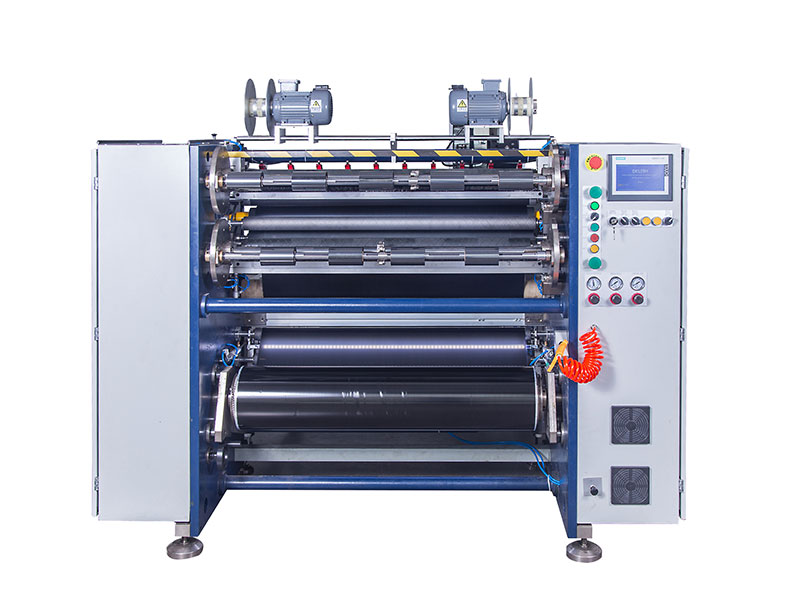
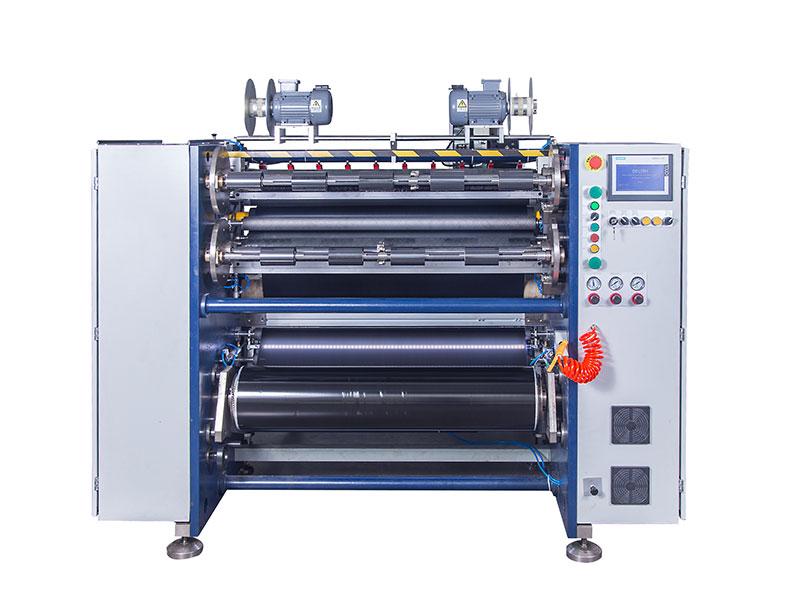 Ribbon Slitting Machine
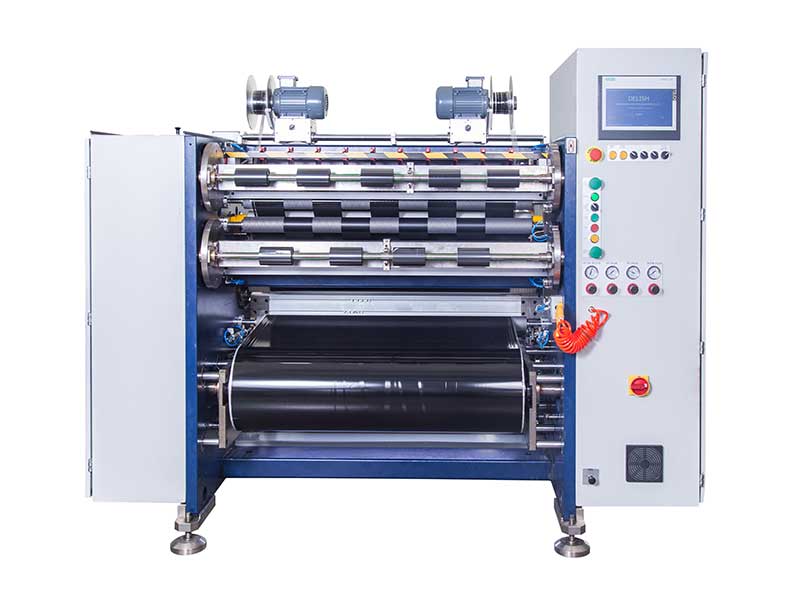 Barcode Ribbon Slitting Machine
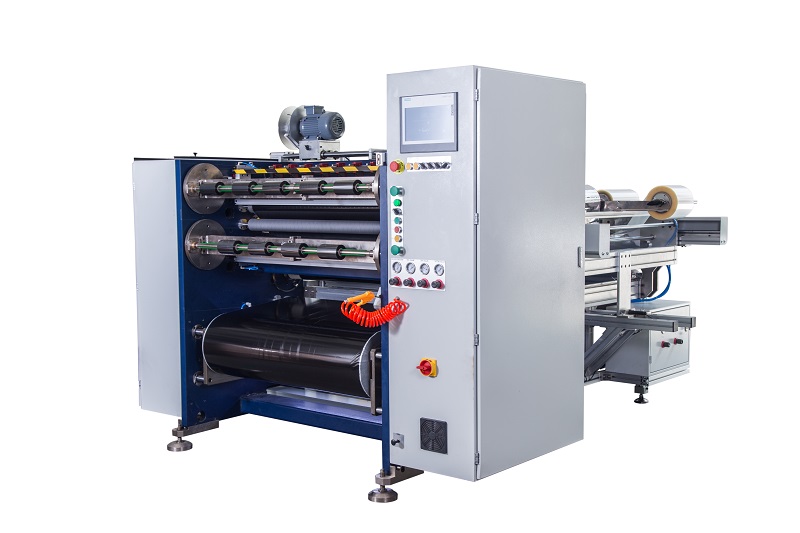 Semi Automatic Thermal Transfer Ribbon Slitter RSDS5 PLUS
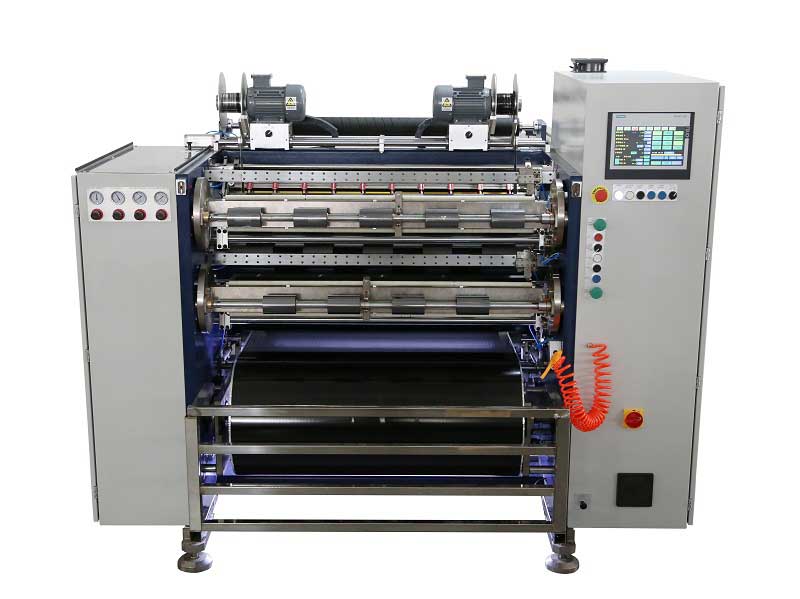 Automatic Thermal Transfer Ribbon Slitter RSDS8 H PLUS
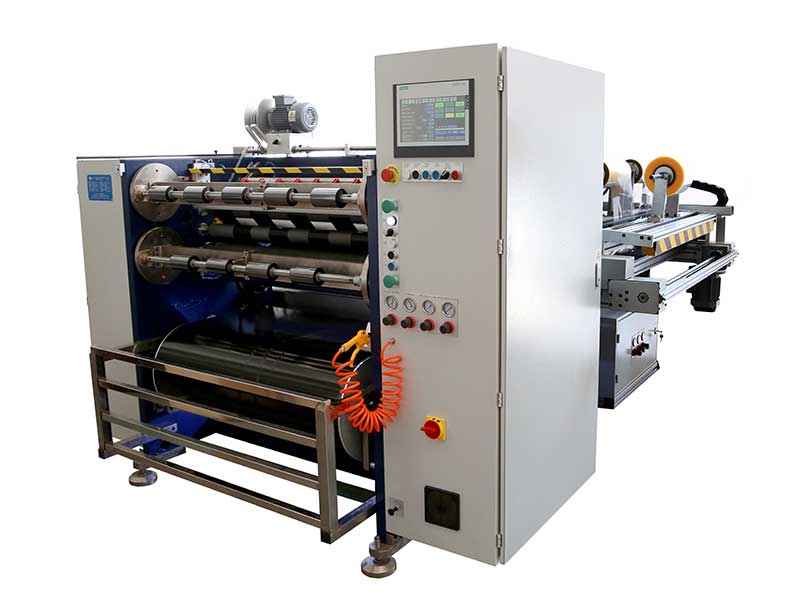 Automatic Thermal Transfer Ribbon Slitter RSDS6 PLUS
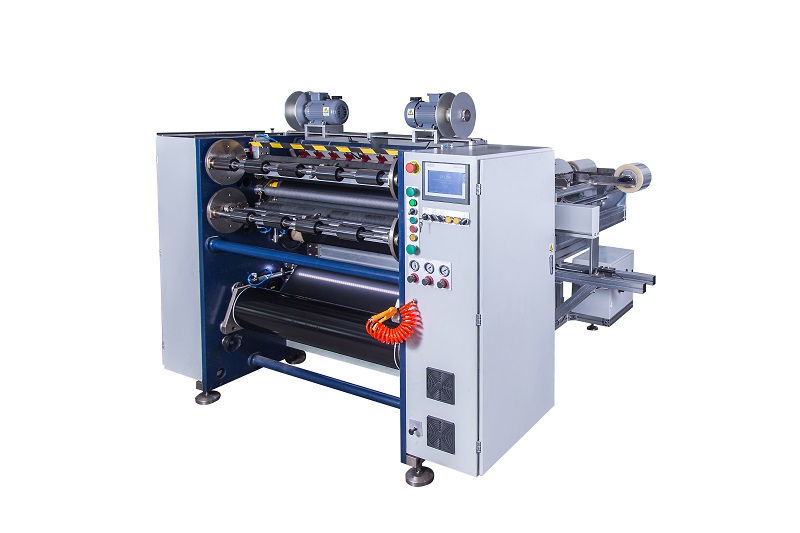 Semi Automatic Thermal Transfer Ribbon Slitter RSDS1 PLUS
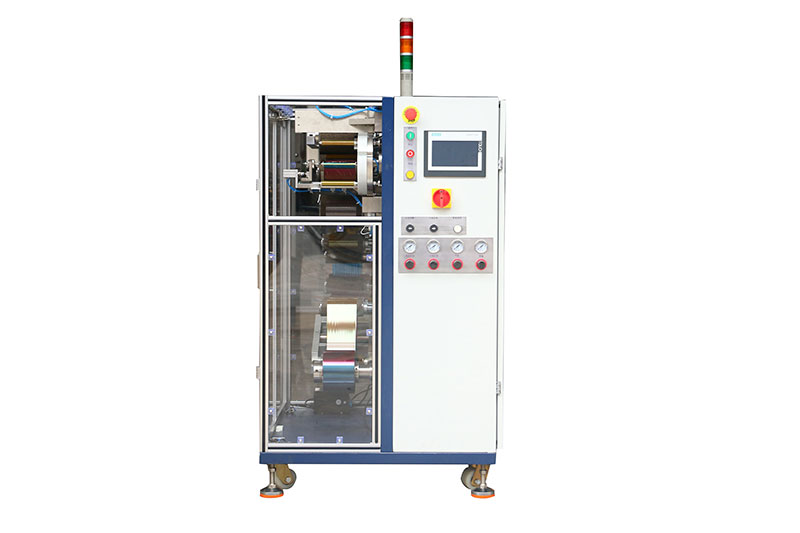 Card Print Ribbon Rewinder
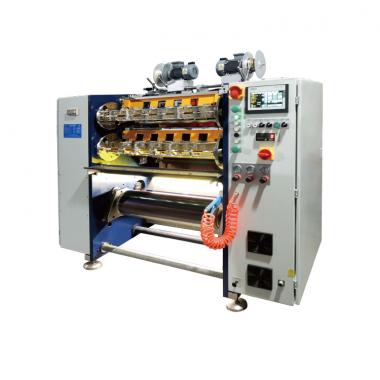 Card Print Ribbon Slitter