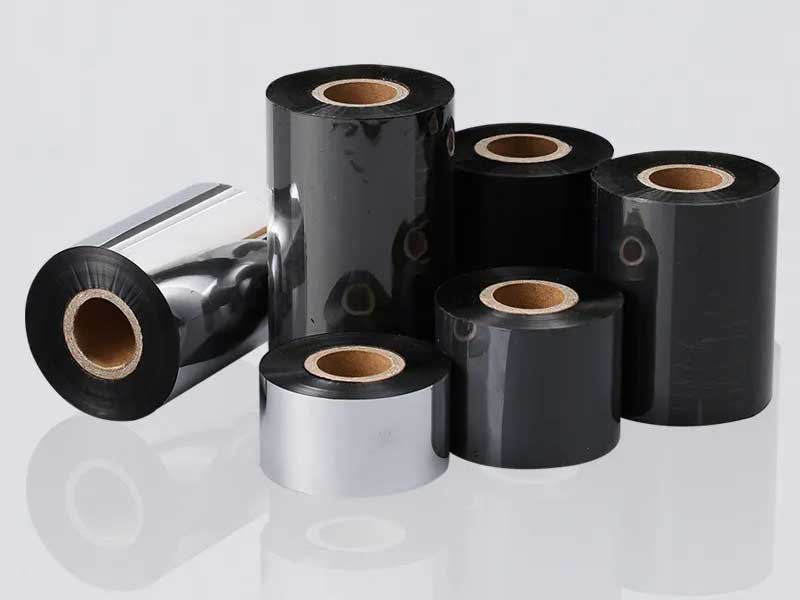
In the thermal transfer printing industry, ribbon is a key consumable, and its slitting quality directly affects the final printing effect. With the continuous growth of demand for narrow labels in electronic components, precision instruments, medical equipment and other fields, the slitting processing of extremely narrow carbon strips is becoming a major technical challenge faced by many manufacturers - among them, the problem of "easy to break" is particularly prominent, which has long plagued industry practitioners.
Extremely narrow strip cutting: difficulty and pain points coexist
The so-called extremely narrow strips usually refer to ribbon products with a width of less than 10 mm or even 5 mm. Compared with conventional width ribbons, extremely narrow strips face more stringent process requirements during slitting:
First, the tensile strength of extremely narrow strips is significantly reduced. The thickness of the ribbon substrate itself is only a few microns, and the narrower the width, the smaller the tensile force that can be withstood per unit cross-sectional area, and the slightest carelessness during the slitting process will lead to fracture.
Secondly, extremely narrow bars are extremely sensitive to tension fluctuations. During the operation of traditional slitting equipment, the tension of unwinding, traction and winding is difficult to achieve absolute constantness, and the tension change between millimeters may be ignored on the conventional width carbon belt, but it may directly cause damage on extremely narrow strips.
Furthermore, the requirements for tool accuracy have been greatly improved. Slitting extremely narrow strips requires sharper blades and straighter edges, and any small blade runout or edge defects can form local stress concentrations that can become the fuse for broken belts.
Broken belts not only lead to material loss and reduced production efficiency, but also lead to chain reactions such as difficult yield guarantees, extended delivery cycles, and reduced customer satisfaction. Some companies even had to give up some extremely narrow orders and miss market opportunities.
Technological breakthrough: the solution of the new ribbon slitting machine
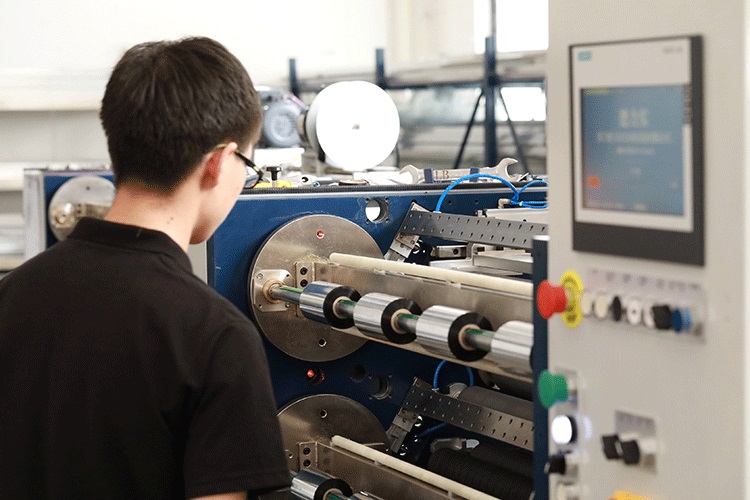
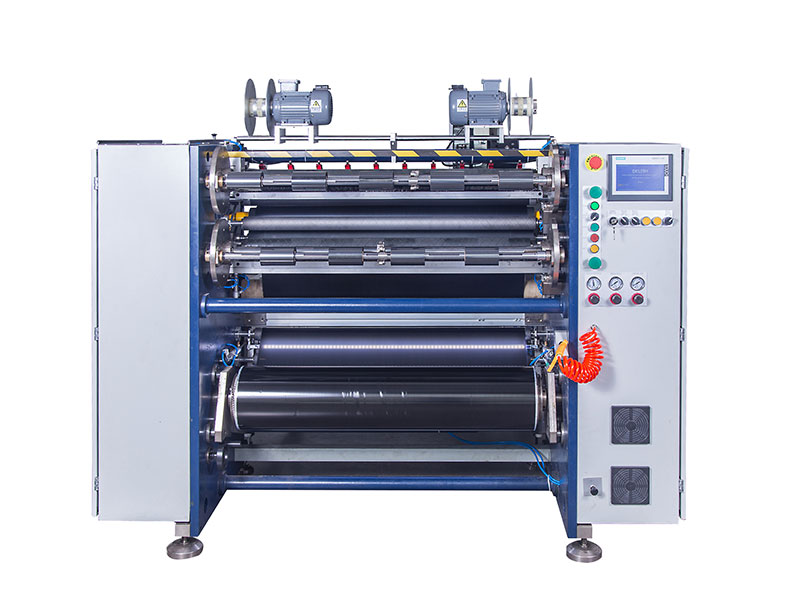
In response to the above pain points, the new generation of ribbon slitting machine has been optimized in a number of key technical links, effectively solving the problem of extremely narrow strip slitting and easy to break the belt.
1. Precision tension control system
Traditional slitting machines mostly use mechanical or simple closed-loop tension control, which has slow response speed and limited control accuracy. The new slitting machine introduces servo direct drive technology and high-precision tension sensor to realize independent tension closed-loop control of unwinding, traction and winding. The tension fluctuation can be controlled within ±0.5N, and the optimal tension curve can be automatically matched according to the width and thickness of the ribbon. When an instantaneous tension anomaly is detected, the control system can make adjustments in milliseconds, essentially eliminating the risk of banding breakage caused by tension shock.
2. High rigidity anti-vibration tool holder system
Extremely narrow strip slitting places extremely high demands on tool stability. The new equipment adopts an integral cast high-rigidity body, with a precision linear guide drive tool holder system, and the radial runout of the blade is controlled within 0.005mm. At the same time, the parallelism between the tool seat and the bottom roller can be adjusted at the micron level to ensure uniform force during the slitting process and avoid tearing the edge of the ribbon due to excessive local force.
3. Intelligent belt break monitoring and fast recovery
Even if multiple protections are adopted, it is still difficult to completely eliminate the extremely small probability of broken bands in extremely narrow strip slitting. The new slitting machine is equipped with a photoelectric or ultrasonic strip break sensor, which automatically stops and alarms within 0.5 seconds of the belt break, while recording the belt break position. More advanced equipment also features automatic strapping assist, which significantly reduces fault recovery time.
4. Dedicated anti-static and dust removal system
Extremely narrow ribbons are prone to accumulate static charges during high-speed slitting, which not only affects the accuracy of knife rowing, but also leads to ribbon adhesion and poor operation, which in turn induces belt breakage. The new generation of slitting machine integrates ion air rods or contact static eliminators, and is equipped with a high-efficiency dust removal air chamber to take away the dust particles generated by slitting in time, keep the surface of the ribbon clean, and reduce the friction coefficient.
Practical application effect and industry feedback
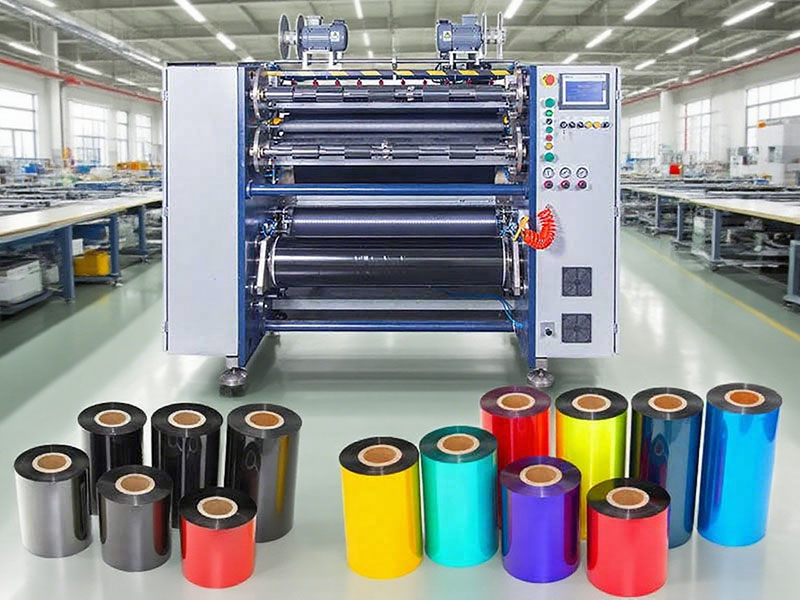
Taking the actual transformation of a ribbon manufacturer as an example, before the introduction of a new high-precision slitting machine, when the company slitted a 6mm wide resin-based ribbon, the banding breakage rate was as high as 8-10 times per 1,000 square meters, and the yield was only maintained at about 82%. After using the new equipment, the banding rate drops to less than 1 time per 1,000 square meters, the yield rate increases to more than 96%, and the slitting end face is neater, and the blackness consistency and scratch resistance in the printing test are significantly improved.
Another ribbon supplier mainly serving the medical industry reported that the new slitting machine enables it to stably produce 3mm ultra-narrow ribbon products, successfully meeting the stringent requirements of ribbons for specific in vitro diagnostic equipment and opening up new profit growth points.
Future outlook
With the continuous expansion of application scenarios such as the Internet of Things, smart packaging, and micro labels, the demand for extremely narrow ribbons will continue to grow. Ribbon slitting technology will also evolve in the direction of higher precision and intelligence.
It is foreseeable that in the future, machine vision-based online inspection systems will be further integrated into slitting equipment to identify hidden dangers such as ribbon edge burrs and microcracks in real time, and provide early warning or automatic adjustment of process parameters. At the same time, combined with the process big data analysis of the production management system, the equipment will have self-learning and self-optimization capabilities, and automatically generate the optimal slitting scheme for different ribbon materials and widths.
Epilogue
The extremely narrow strip slitting and easy to break the belt was once a "roadblock" restricting the upgrading of carbon belt production to high value-added products. Nowadays, with the maturity and application of technologies such as precision tension control, high-rigidity tool holder system, and intelligent monitoring, this pain point has been effectively overcome. For ribbon manufacturers, choosing a high-performance equipment that is truly suitable for extremely narrow strip slitting is not only a key measure to improve yield rate and reduce production costs, but also a strategic choice to seize the opportunity of the narrow label market and achieve differentiated competition. Technological innovation is turning the once "hard bones" into new business growth points.
 English
 Deutsch
 Français
 Español
 Português
 日本語
日本語 русский
 한국어
한국어 عربي
عربي ภาษาไทย
 Tiếng Việt
 Italiano

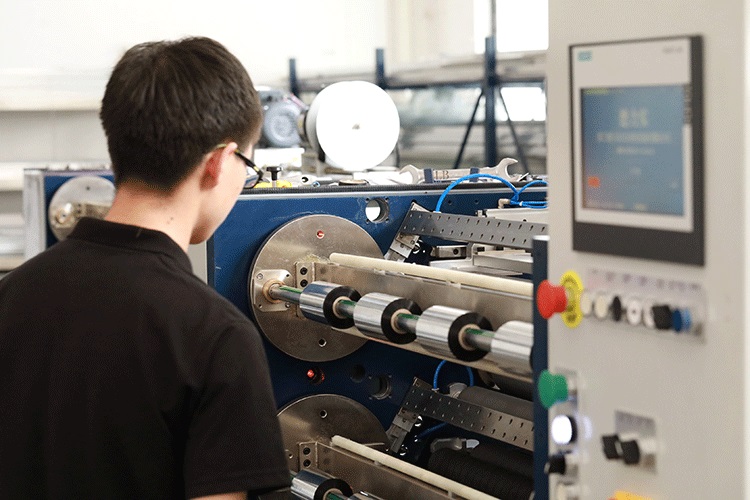
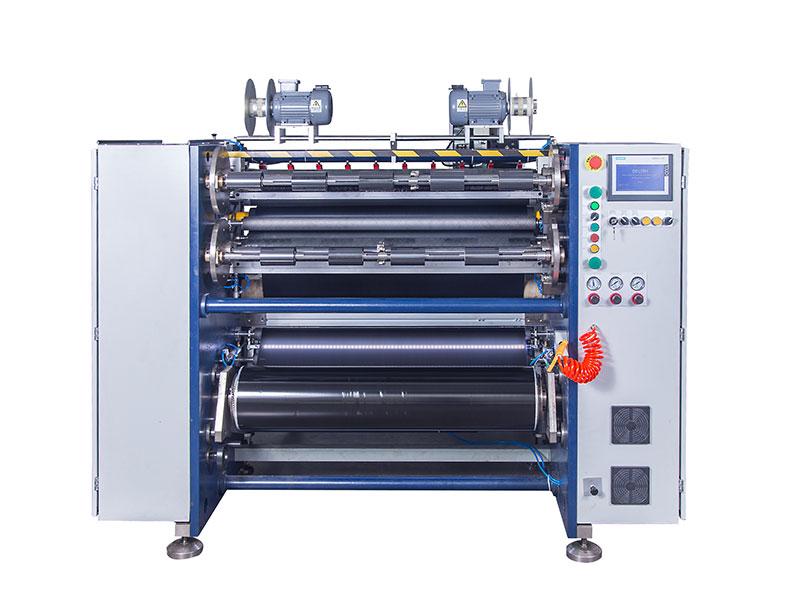 Ribbon Slitting Machine
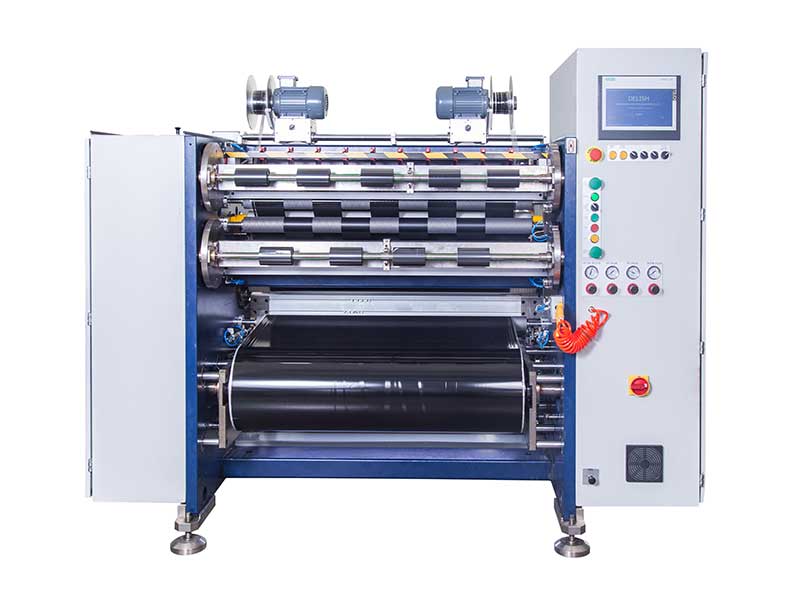 Barcode Ribbon Slitting Machine
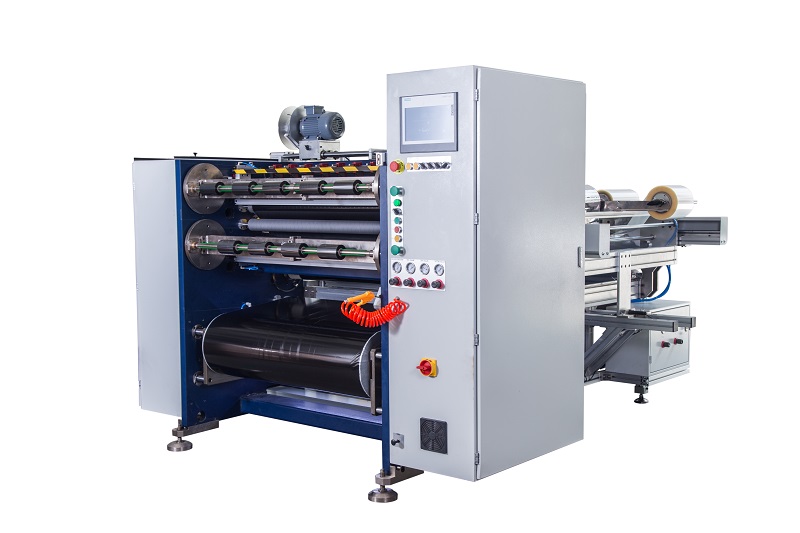 Semi Automatic Thermal Transfer Ribbon Slitter RSDS5 PLUS
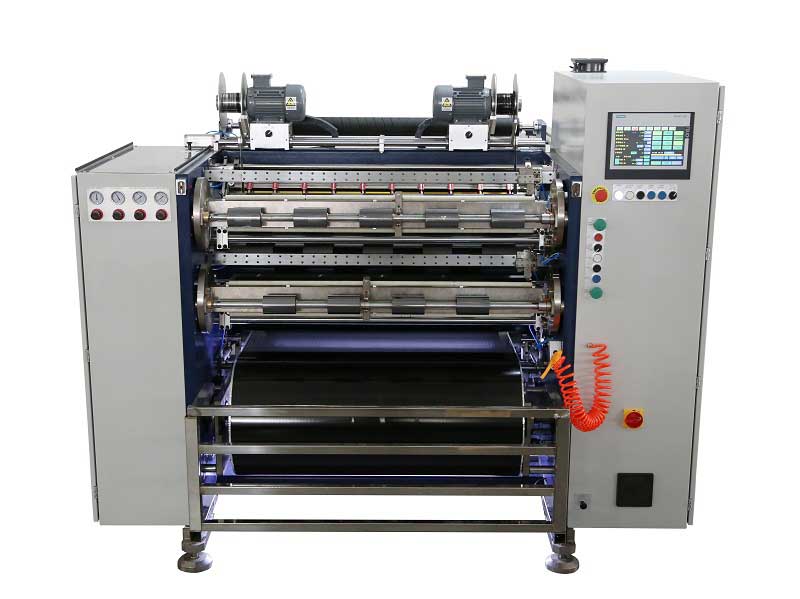 Automatic Thermal Transfer Ribbon Slitter RSDS8 H PLUS
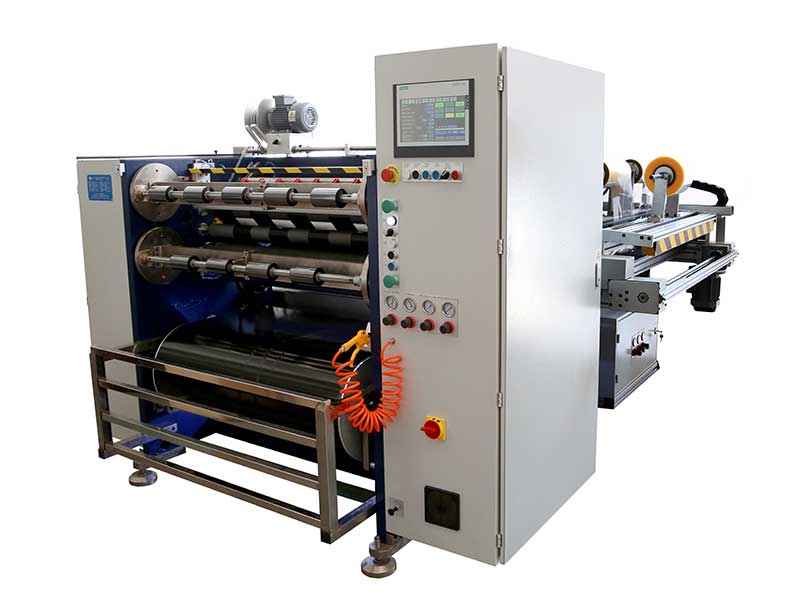 Automatic Thermal Transfer Ribbon Slitter RSDS6 PLUS
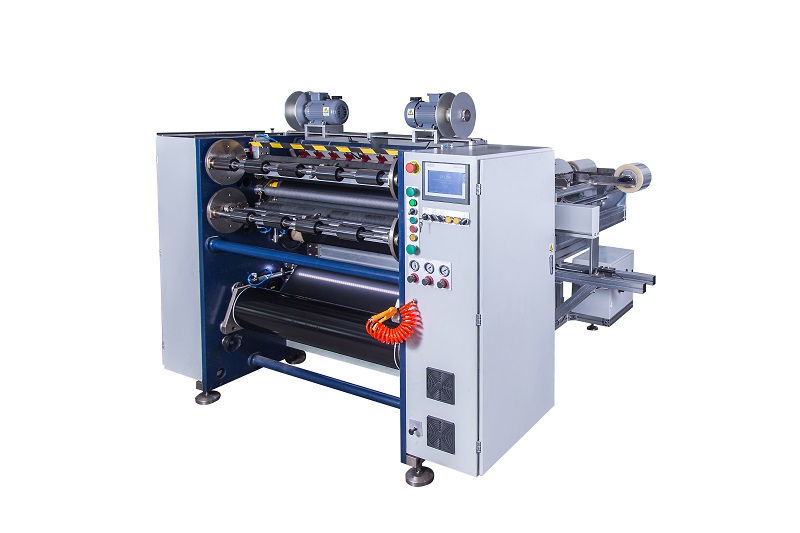 Semi Automatic Thermal Transfer Ribbon Slitter RSDS1 PLUS
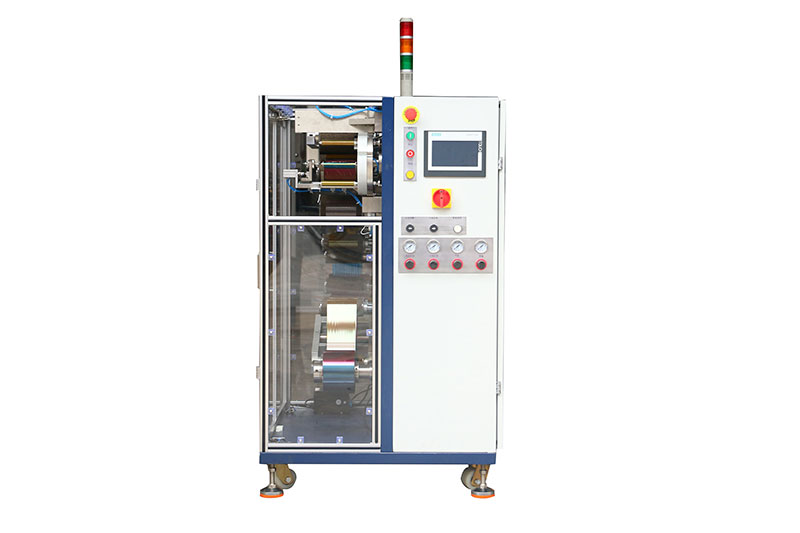 Card Print Ribbon Rewinder
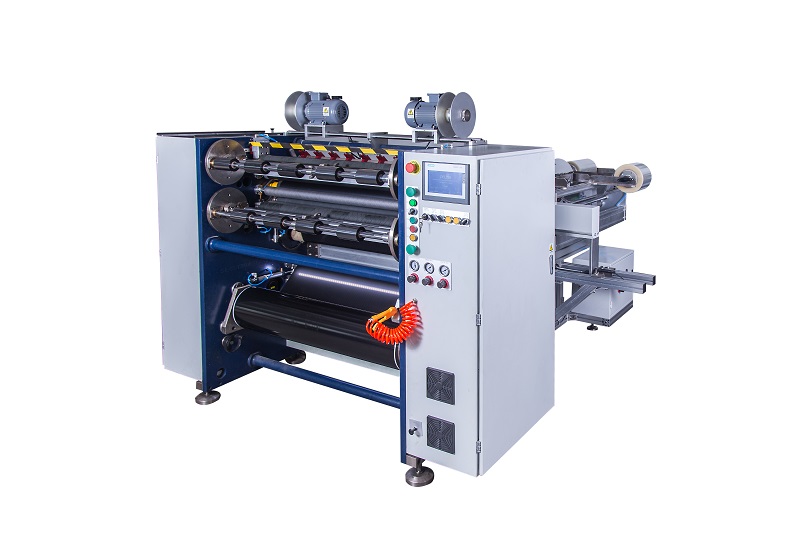 Semi Automatic Thermal Transfer Ribbon Slitter RSDS2 PLUS