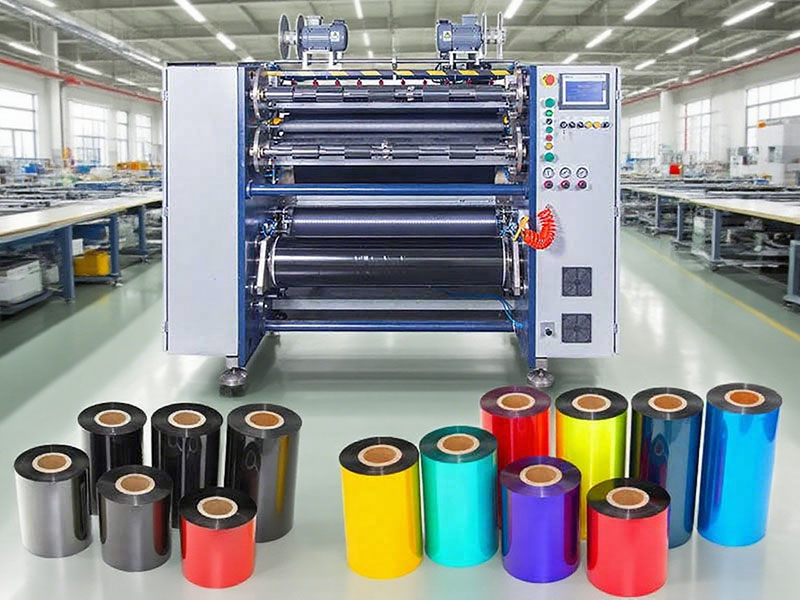
Thermal transfer ribbons consist of PET base films only 4.5 to 20 microns thick, heat-resistant coatings, and ink layers. The quality of the finished product heavily depends on the slitting process—this is the final hurdle that determines whether the ribbon can print smoothly without damaging the print head. Choosing a ribbon slitting machine essentially means selecting a "guardian" for this material, thin as a cicada's wing. Choosing the right equipment is the engine for stable output and profit; If you choose the wrong one, it may become a cost black hole of waste accumulation.
This paper builds a systematic manufacturer evaluation and selection standard framework from six dimensions: accuracy, speed, hardware configuration, automation and software, and cost and service.
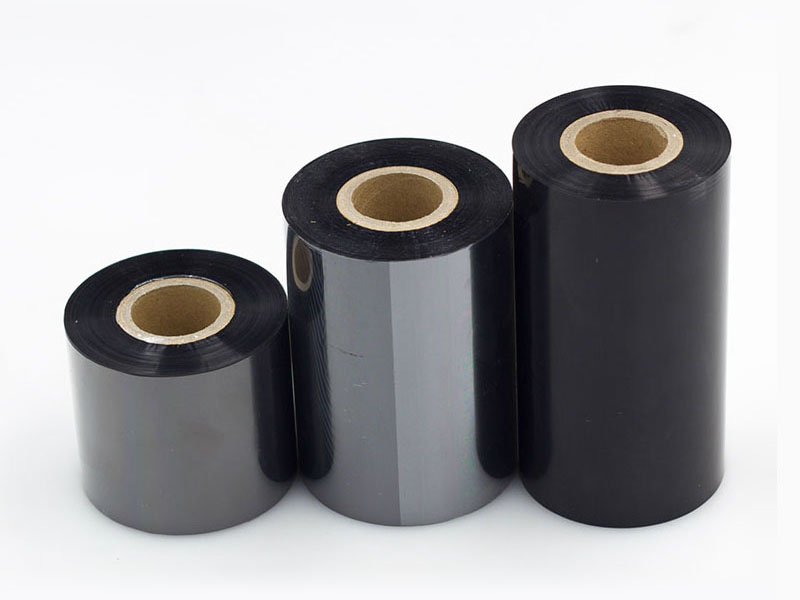
1. Slitting Precision: An Uncompromising Quality Bottom Line
Slitting accuracy is the primary indicator for measuring equipment performance, directly determining the width consistency and edge quality of the finished ribbon. Insufficient precision can cause ribbon edges to become rough, tape misalignment, jam tape, or even damage to the print head during printing.
Evaluation Criteria:
• Accuracy grade: Industry standard reference as follows:
◦ Standard grade: ±0.3~0.5mm (suitable for standard commercial and logistics labels)
◦ High Precision Level: ±0.1mm (suitable for precision electronics and general industrial applications)
◦ Ultra-high precision level: ± within 0.05mm (suitable for medical labels and ultra-narrow ribbons)
• Evaluation method: Do not trust parameter tables too easily. Be sure to bring your own ribbon master coil for on-site trial cutting to check the edge burrs and end face neatness of the actual slitted sample, rather than the theoretical values.
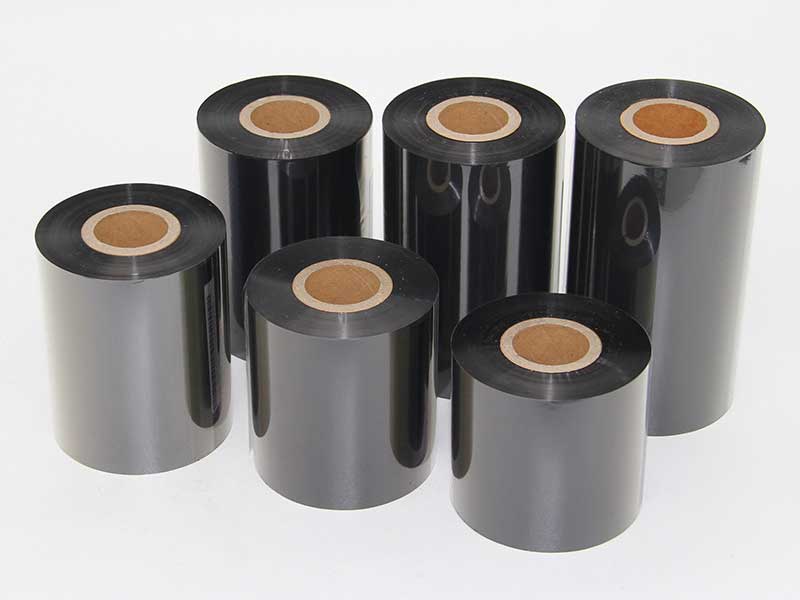
2. Slitting speed: Efficiency gauge matching production capacity
Speed determines output per unit time, but the nominal maximum speed does not equal effective capacity. A device that frequently slows down or stops due to tension fluctuations or correction issues may actually produce less output than a stable medium-speed model.
Evaluation Criteria:
• Speed level reference:
◦ Low-speed economical type: 50–100 m/min (suitable for small batches and multiple varieties)
◦ Medium-speed general-purpose type: 150–250 m/min (meeting most commercial orders)
◦ High-speed production type: 300–500 m/min (suitable for large-scale continuous production)
• Material impact assessment: Resin-based ribbons have harder coatings and lower toughness, so they typically need to operate at speeds 20%–30% lower than wax-based ribbons. During evaluation, manufacturers should be required to conduct high-speed trial cutting using your actual materials to observe the control effect during acceleration and deceleration stages.
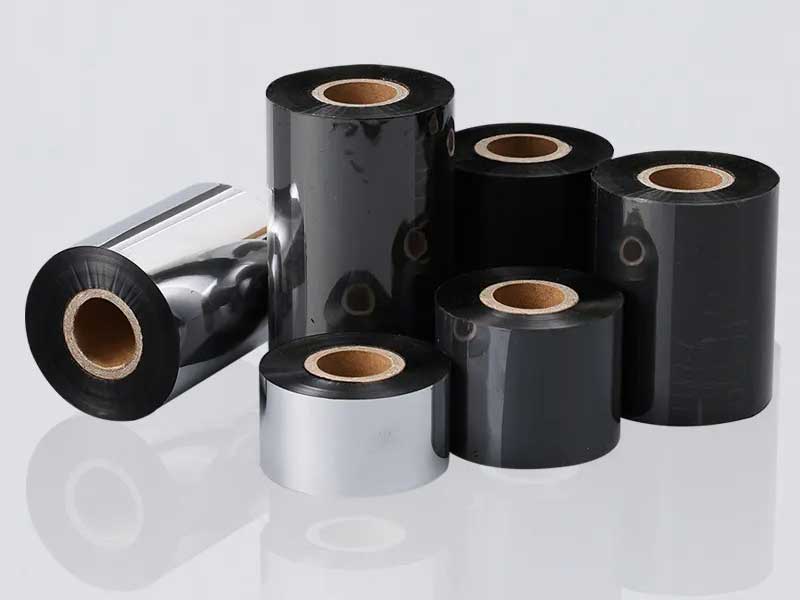
3. Hardware configuration: the physical foundation of equipment reliability
Hardware configuration determines the device's long-term durability and ability to maintain accuracy, and is the core of evaluating "reliability."
Evaluation Criteria:
1. Frame and Structure: Heavy, high-strength cast iron or steel frames can effectively absorb vibrations and ensure long-term accuracy. Vibration is the number one killer of precision and stability.
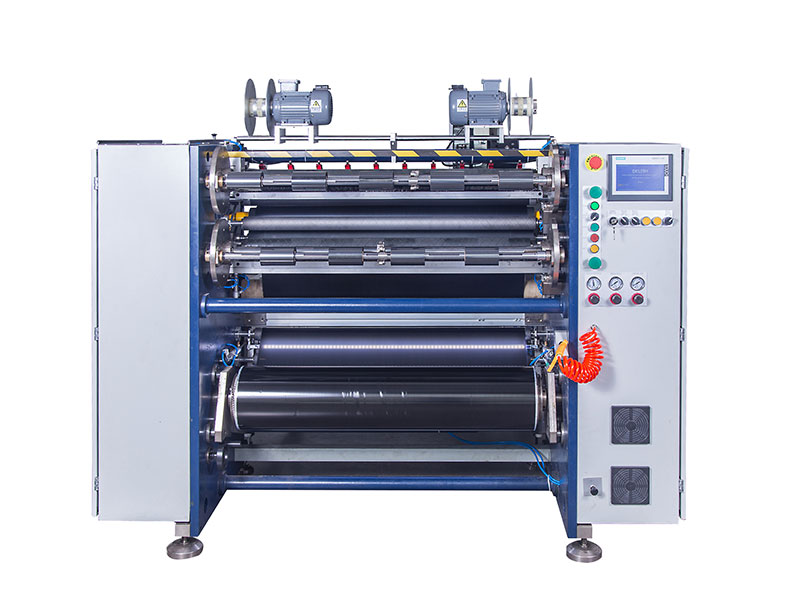
2. Tension control system (the "soul" component): Must be equipped with fully automatic closed-loop tension control, capable of real-time monitoring and adjustment of tension in unwinding, traction, and rewinding. For high-end ribbons, it is also necessary to assess whether they have taper tension control (automatically reducing tension as the roll diameter increases to prevent inner layer adhesion).
3. Winding Shaft Configuration (Slip Shaft): For small batches and multi-specification production, slip shafts are a must-have. It can independently control torque for each winding unit, effectively solving the issues of "loose inside, tight outside" or "core inside."
4. Core component brands: Learn about the brands of drivetrain bearings, guide rails (such as THK, NSK, INA), motors (such as Mitsubishi, Panasonic, Siemens), and blades (Germany's Schober). These details reflect the manufacturer's commitment to quality.
5. Tool system selection: Choose based on material thickness:
◦ Square blade (razor type): suitable for slitting thin ribbons under 70μm, with high edge uniformity.
◦ Round blade (scissor type): Suitable for thick materials over 100μm and ribbons with paper backing, highly durable.
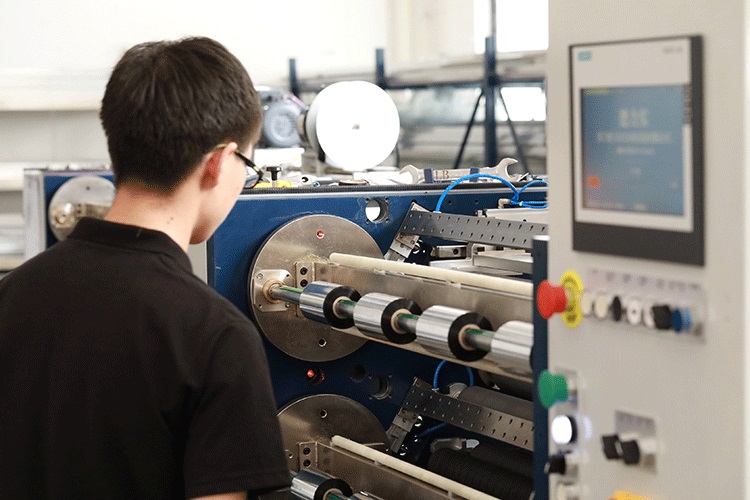
4. Automation and Software: The Efficiency Engine of Intelligent Production
The "reliability" of modern devices lies not only in hardware but also in the "intelligent brain" controlling them.
Evaluation Criteria:
• Parametric and memory functions: Can store complete slitting parameters (tension, speed, pressure) for different ribbon specifications (width, material), enabling "one-click order change"? This avoids the uncertainty of repeated manual debugging and ensures consistency across different batches.
• Diagnosis and alarm system: Whether the alarm information is specific (such as "No. 3 unwinding tension sensor abnormality" rather than a simple "tension anomaly") and whether solution prompts are provided, which can greatly reduce downtime.
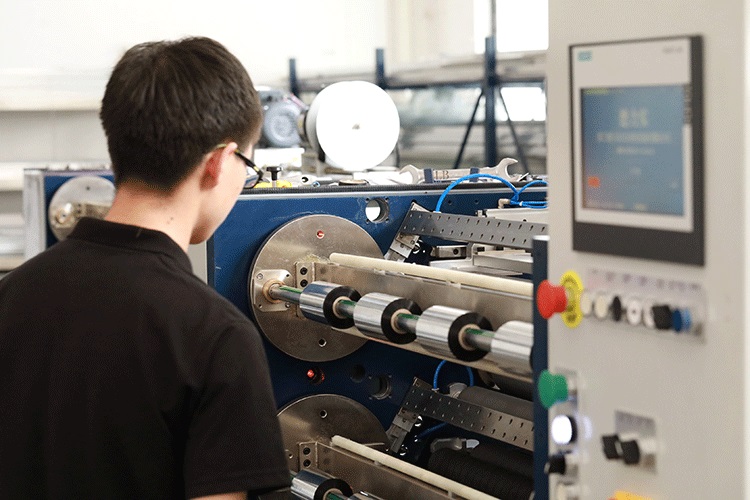
• Human-Machine Interface (HMI): Whether the touchscreen is intuitive and easy to use, allowing your operators to experience it firsthand and assess the risk of misoperation.
5. Cost and Service: Calculate the total bill rather than just looking at the quotation
The price of ribbon slitting machines ranges from tens of thousands to hundreds of thousands of yuan, but the real basis for decision-making should be the total cost of ownership (TCO), not the pure purchase price.
Evaluation Criteria:
• Total cost of ownership formula: TCO = Purchase Price + Operating Costs (Energy Consumption, Consumables) + Maintenance Costs + Losses Due to Downtime/Scrap. A device that costs 20% less but has twice the failure rate may cost you 50% more over two years.
• After-sales service capability: Assessing manufacturers' installation and commissioning, operational training, repair response times, and spare parts inventory.
• Scalability: Whether the device can add new features in the future, such as automatic rewinding and online defect detection (CCD vision systems), to accommodate business growth.
Summary
Evaluating and selecting a ribbon slitting machine manufacturer is a process of systematically matching the company's own business needs (material types, order structure, precision requirements) with equipment hardware configuration, control software, and service support. On-site trial cutting is the final step in verifying all theoretical parameters and is an indispensable step before purchasing decisions.
 English
 Deutsch
 Français
 Español
 Português
 日本語
日本語 русский
 한국어
한국어 عربي
عربي ภาษาไทย
 Tiếng Việt
 Italiano

 Ribbon Slitting Machine
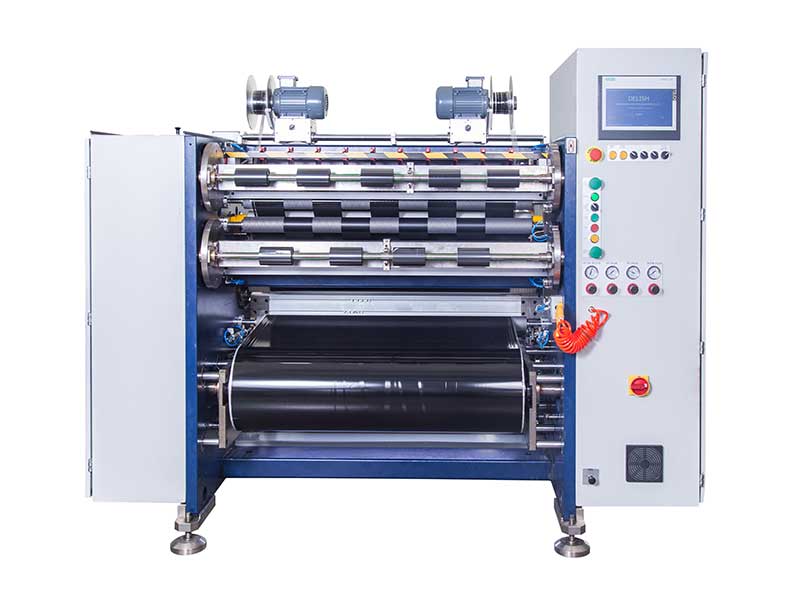 Barcode Ribbon Slitting Machine
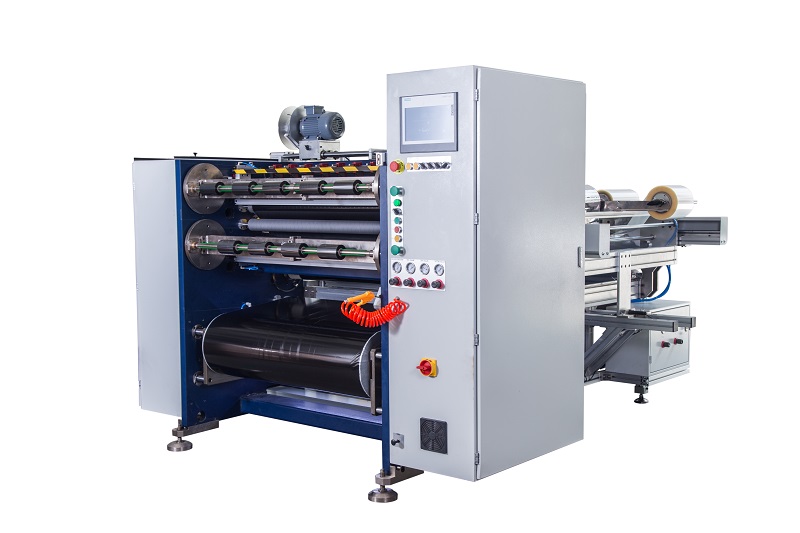 Semi Automatic Thermal Transfer Ribbon Slitter RSDS5 PLUS
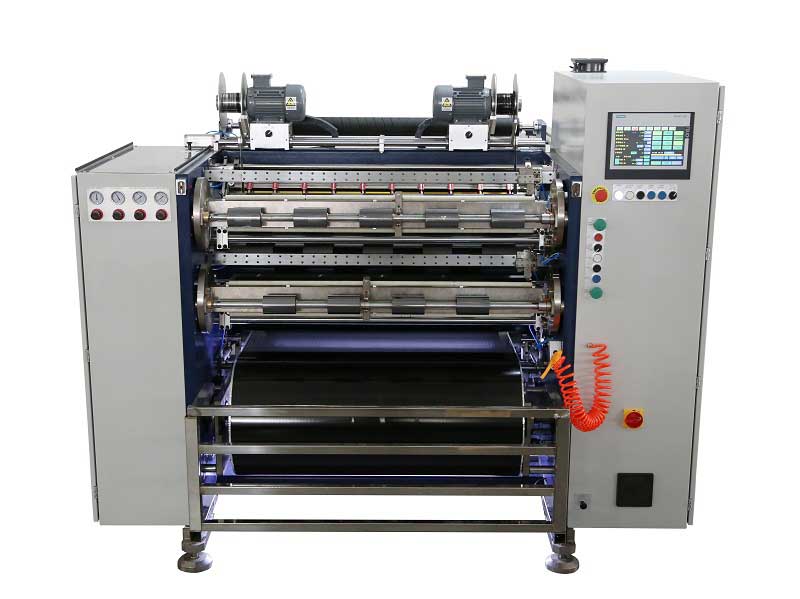 Automatic Thermal Transfer Ribbon Slitter RSDS8 H PLUS
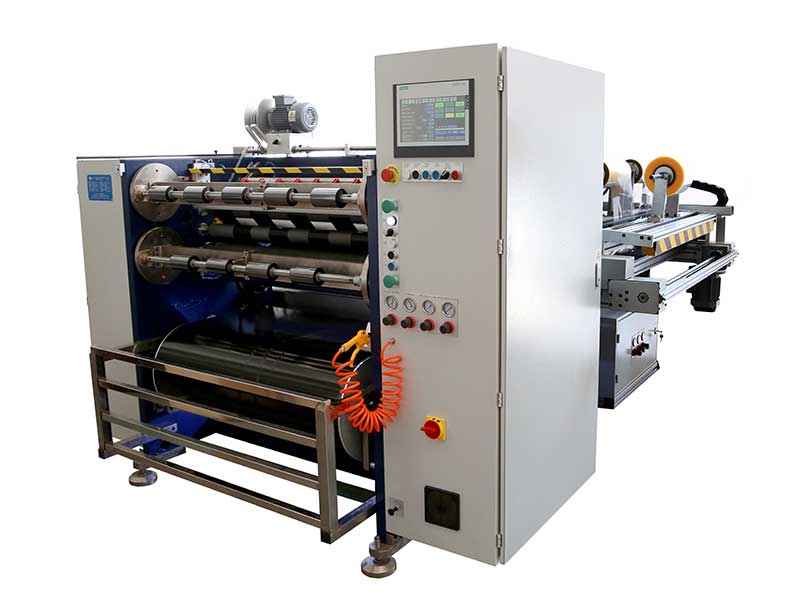 Automatic Thermal Transfer Ribbon Slitter RSDS6 PLUS
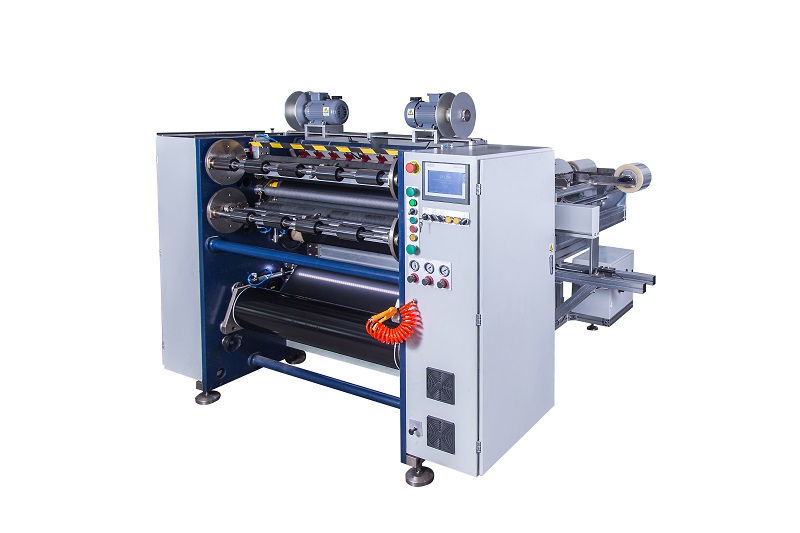 Semi Automatic Thermal Transfer Ribbon Slitter RSDS1 PLUS
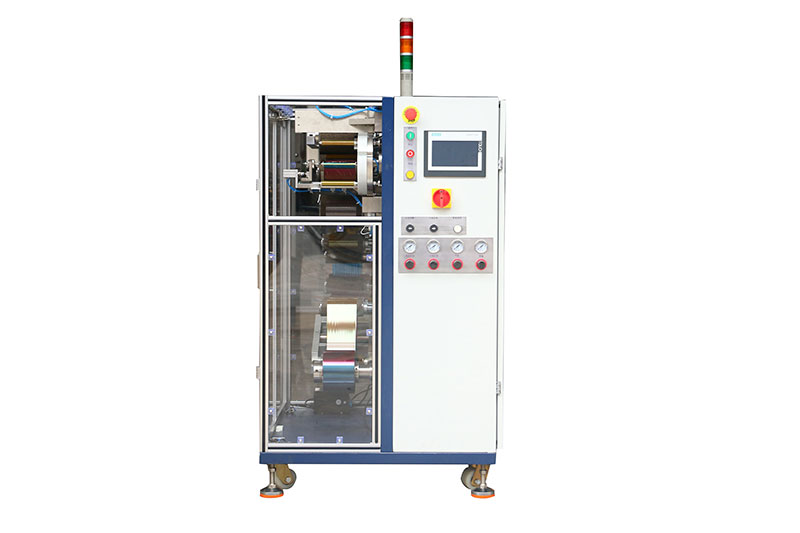 Card Print Ribbon Rewinder
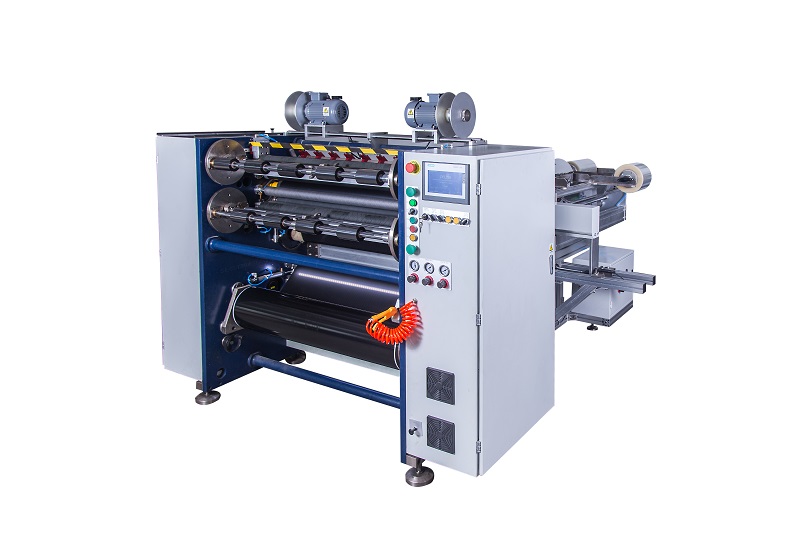 Semi Automatic Thermal Transfer Ribbon Slitter RSDS2 PLUS