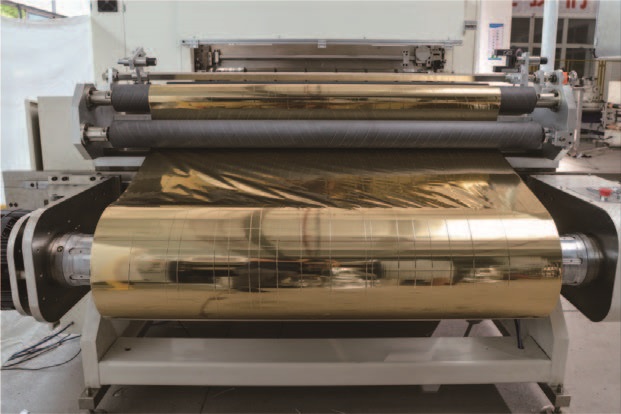
In the production process of hot stamping foil, slitting is a key link that determines the yield and user experience. On the one hand, enterprises pursue higher line speeds and shorter rewinding times to increase production capacity; On the other hand, the neatness of winding directly affects the unwinding stability of downstream hot stamping - a slight discrepancy may cause stuttering, wrinkling or even scrapping. How to achieve neat winding under high-speed operation has become the core problem of equipment design and process control.
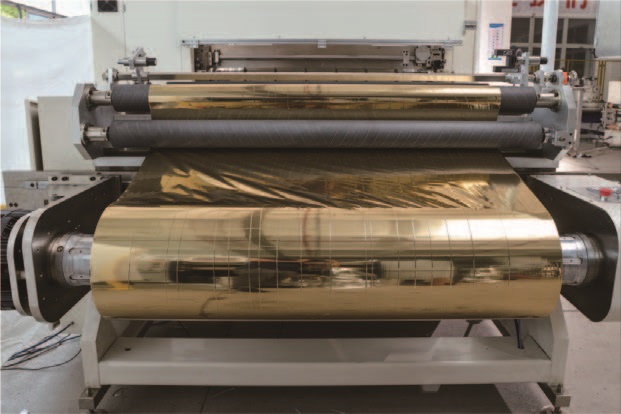
1. Tension control: the cornerstone of neat winding
The most fundamental reason for uneven winding is often tension fluctuations. The hot stamping foil material is thin and light, with a smooth surface, and is extremely sensitive to tension. Traditional open-loop tension control only operates on the initial setpoint, which is difficult to adapt to the dynamic disturbances caused by speed changes and roll diameter increases.
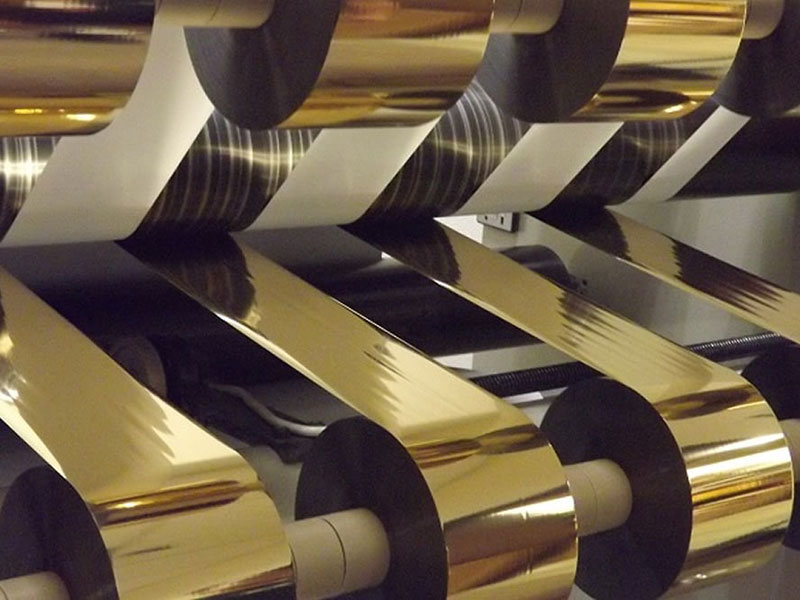
Modern high-speed slitting machines generally adopt a closed-loop tension control system, which detects the tension of the material belt in real time through the pendulum sensor or floating roller, and drives the winding shaft through a servo motor to make microsecond adjustments. More importantly, the taper tension control strategy is the increase of the winding diameter, the compression force on the material per unit area will naturally increase, and if the constant tension is maintained, the outer layer will over-squeeze the inner layer, resulting in the film roll slippage or uneven end face. The system gradually reduces the tension according to the real-time roll diameter according to the preset curve, so that the inner and outer layers are balanced under force, and fundamentally inhibits the occurrence of the "telescope" phenomenon (i.e., the dislocation between layers, and the winding end face is trumpet-like expansion).
2. Roller and contact pressure: the study of dynamic following
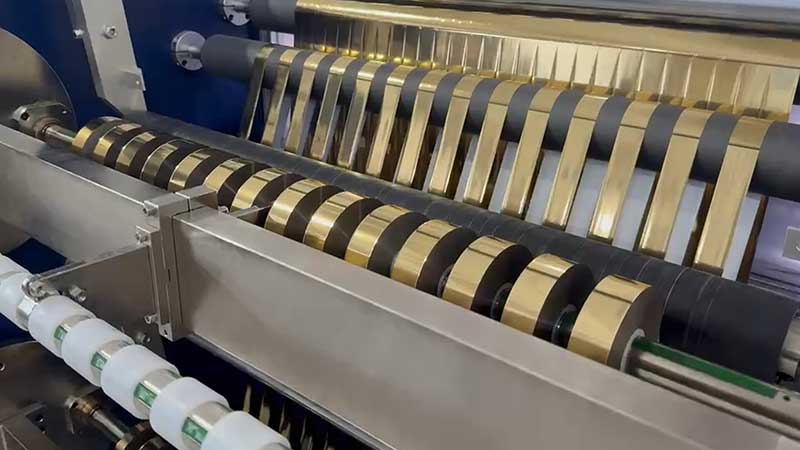
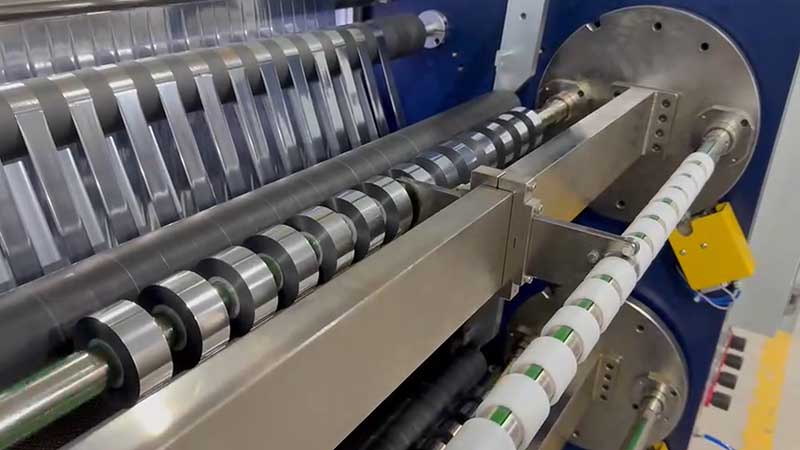
Tension control alone is not enough to cope with all operating conditions. In high-speed slitting, loosening is most likely to occur near the winding core, because the initial coil diameter is small, the moment of inertia is low, and the tension fluctuation is relatively significant. This is where the contact pressure roller (also known as riding roller) comes into play.
The pressure roller always adheres to the surface of the winding coil with controllable light pressure, which inhibits unwinding on the one hand, and evenly squeezes the air between layers on the other hand, avoiding local protrusions caused by air bubbles. The key is that the pressure must decrease linearly with the increase of the roll diameter: if the pressure is constant, the roller will cause lateral scratch on the material during large coils, damage the foil surface and even cause the belt to break; If the pressure decreases too quickly, the small roll cannot be compacted. The intelligent pressure roller system is dynamically matched through the cylinder pressure proportional valve or servo motor-driven swing arm, combined with the roll diameter feedback signal, to ensure that the force is consistent from empty to full roll.
3. The indirect impact of slitting quality on winding
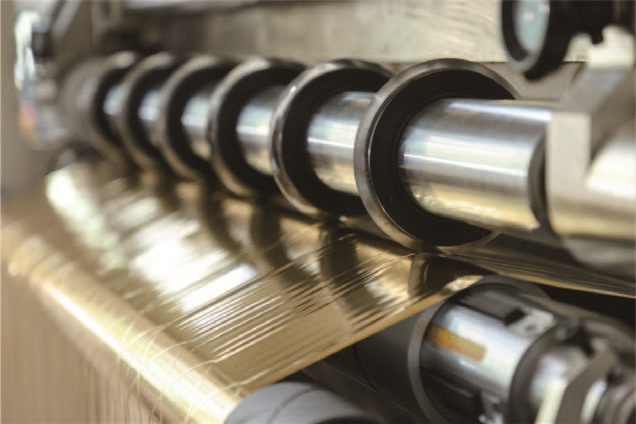
Winding neatness is not only dependent on the winding mechanism itself, but also on burrs, dust and width errors generated by the slitting process are directly transmitted to subsequent winding. If there are micro burrs on the edge of the hot stamping foil, friction will occur between the two adjacent turns during high-speed winding, causing the edge fibers to accumulate and gradually deviate from the original plane, resulting in uneven end faces.
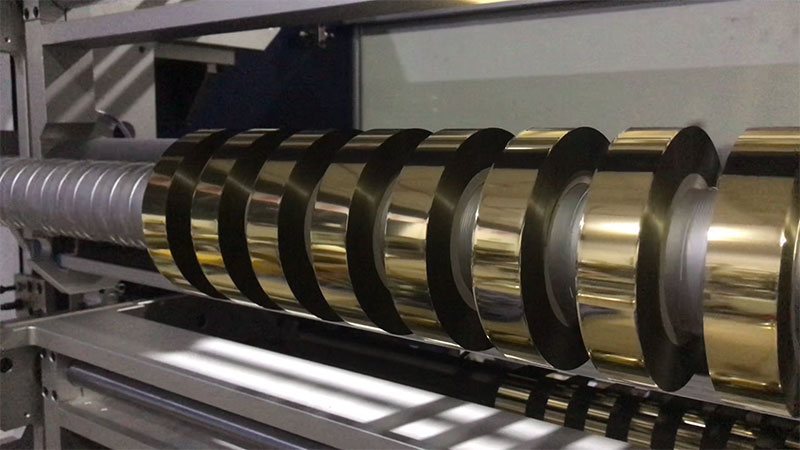
Therefore, high-precision circular knives or razor slitting systems are standard. The circular knife slitting adopts the linkage of the upper and lower knife shafts, and the clean cutting edge is obtained by adjusting the blade meshing amount and shear angle. Razor slitting is suitable for thinner materials, relying on a single knife and a hard roller to cut in half. Either way, it needs to be equipped with an in-line brush or vacuum device to remove dust particles generated by cutting edges in a timely manner - if these particles get caught between the rewinding layers, they will stretch out the local area like tiny spacers and destroy the neatness.
4. Correction and guidance: prevent micro-development
The material travels a long distance in the slitting machine, and any deviation will be magnified at the winding end. Ultrasonic or photoelectric guiding sensors are installed after the last guide roller and before the rewinding shaft to continuously detect the edge of the belt. When an offset is detected to exceed a set threshold (usually only ±0.5mm), the controller immediately drives the guidance actuator to move laterally across the winding base or the last set of guide rollers.
Response speed is the key indicator: if the correction action is slow at high speed, the offset has been solidified into the volume; If the movement is too violent, a new serpentine swing will be produced. Modern PID (proportional-integral-differential) adjustment algorithm with high-response linear motor can decouple the real-time correction speed from the slitting line speed to achieve smooth tracking.
5. Automation and operation strategy
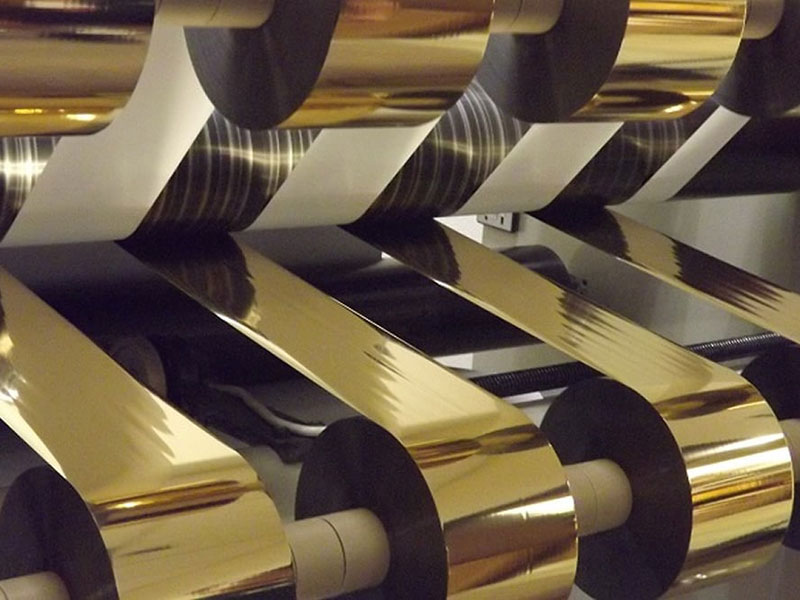
Device hardware ultimately requires the right operating strategy to perform well. The segmented velocity curve is a practical technique: it automatically slows down to 20–30 m/min during the tapering and initial winding phases, and then automatically jumps to the set high speed (up to 300–500 m/min) after a dozen turns of winding to form a stable bottom. This prevents misalignment during the startup phase, which is most prone to loose volumes.
Additionally, the arrangement of the reel shaft affects the balance between efficiency and neatness. It adopts a double winding shaft turret structure, and when one winds up, the other can preset the paper core and cut off the material belt to achieve non-stop machine rewinding. However, the instantaneous tension fluctuations in the winding action need to be absorbed by the energy storage pendulum roller, otherwise there will be loose sections several meters long before and after the winding point. Therefore, the advanced model is equipped with electronic cam-controlled flying shear and synchronous winding, which completes slitting and switching without reducing the speed of the main line.
6. Conclusion
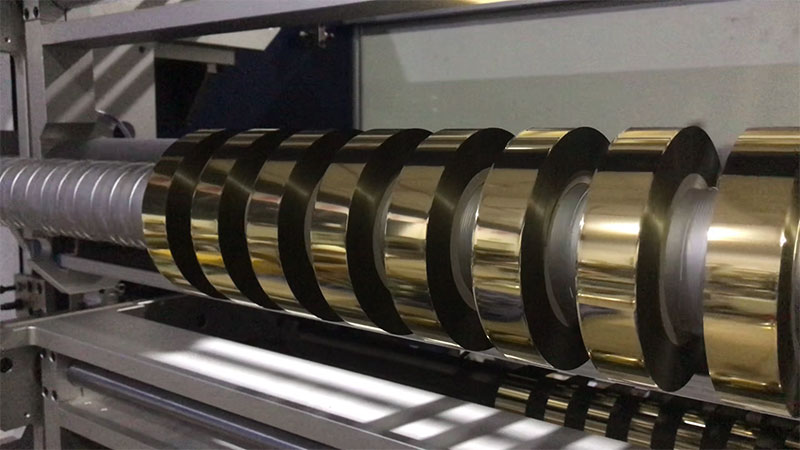
The high-speed hot stamping foil slitting machine takes into account both efficiency and winding neatness, not simply parameter stacking, but a systematic coordination of tension, pressure, correction, slitting quality and automatic strategy. When every control is dynamically percepted and adjusted in real time, the foil film will be as neat as it is at rest under high-speed operation—this is not only the precise embodiment of mechanical design, but also the art of process control. For hot stamping foil manufacturers, choosing equipment with the above technical characteristics and cooperating with standardized process verification (such as regular sensor calibration and maintaining blade sharpness) can find the best balance between capacity competition and quality requirements.
 English
 Deutsch
 Français
 Español
 Português
 日本語
日本語 русский
 한국어
한국어 عربي
عربي ภาษาไทย
 Tiếng Việt
 Italiano
 Cold Foil Slitter
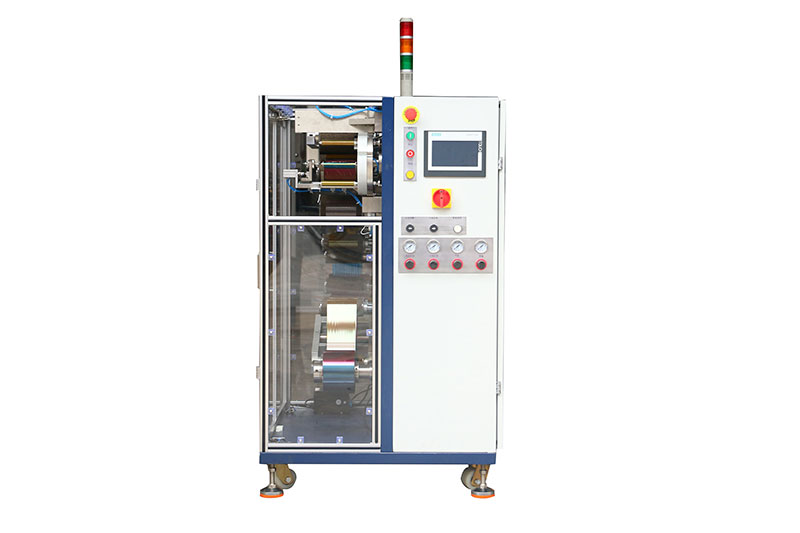 Card Print Ribbon Rewinder
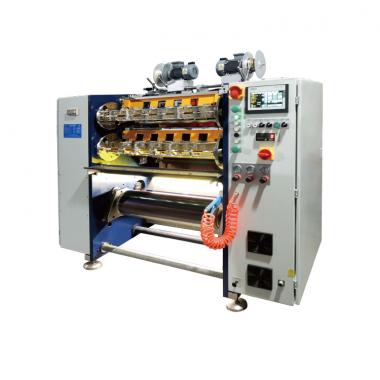 Card Print Ribbon Slitter
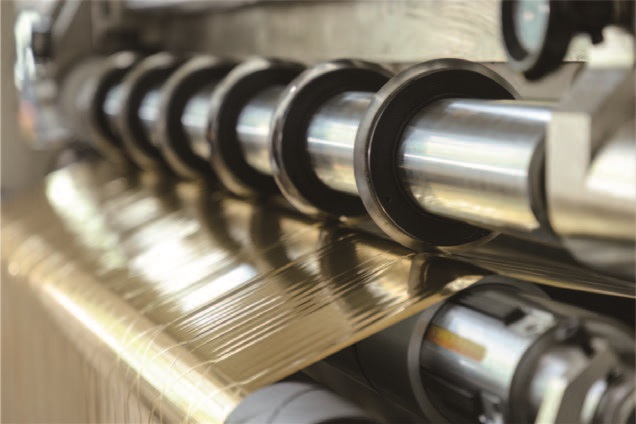 Hot Stamping Foil Slitting Machine
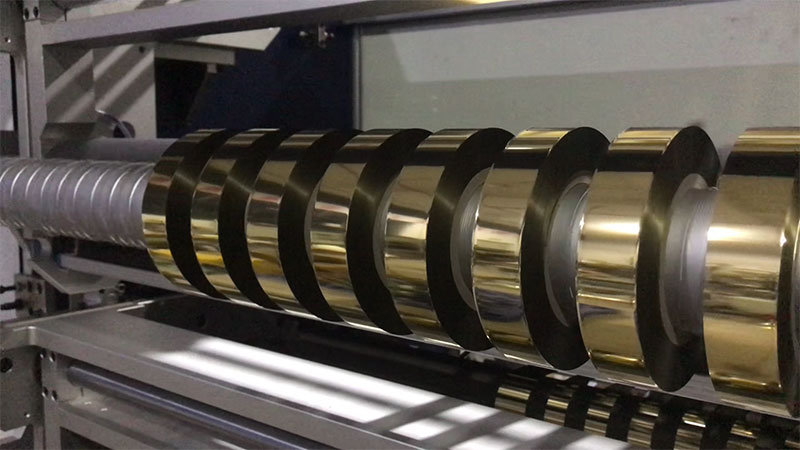 Holographic Foil Slitter
 Digital Enhancement Foil Slitter
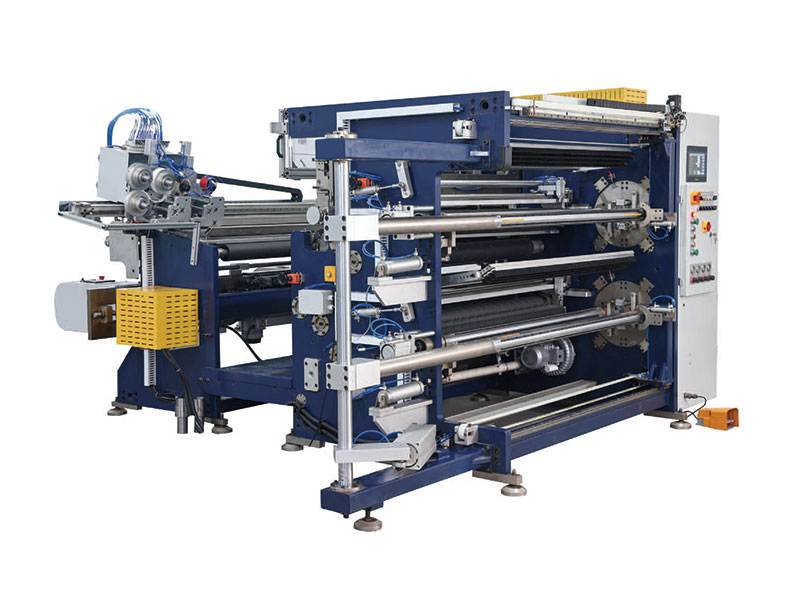 Hot Stamping Foil Slitter RSDS7H 1350 PLUS
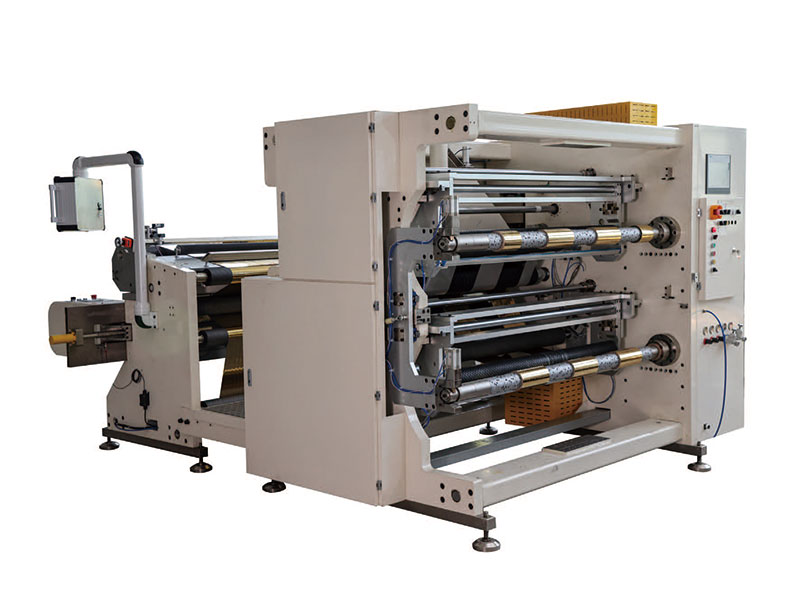 Hot Stamping Foil Slitter (RSDS7H) 1350